Kodagu Roastery & Refinery

Idea projektu
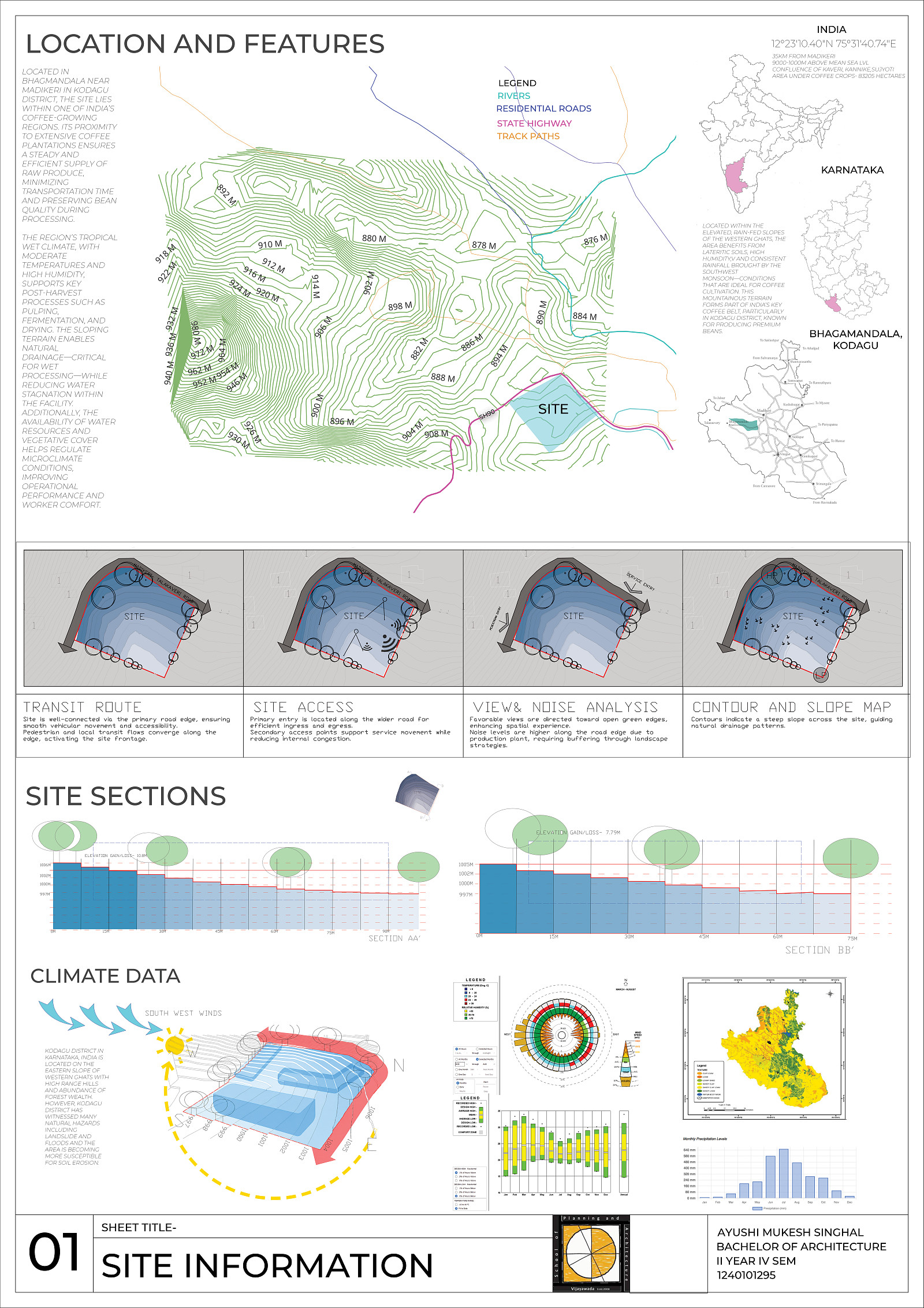
Located in Bhagamandala, a serene village nestled within the hills of Coorg in Southern India, the project is situated in one of the country’s most significant coffee-growing regions. Spanning nearly 85,000 hectares of coffee plantations, this landscape is defined by its fertile red lateritic soil, dense vegetation, and heavy annual rainfall ranging between 3000–4000 mm, creating ideal conditions for cultivating high-quality coffee.
The project proposes a co-operative coffee production unit owned and operated by local coffee cultivators, enabling farmers to retain complete control over their produce - from plantation to cup- while establishing an independent brand identity for Bhagamandala. The vision draws inspiration from successful Indian co-operative models such as Amul and Nandini, organisations that have empowered millions of farmers through collective ownership and decentralized economic participation. Similarly, the Kodagu Refinery and Roastery is envisioned as a farmer-owned democratic enterprise, where profits are redirected back to the producers themselves.
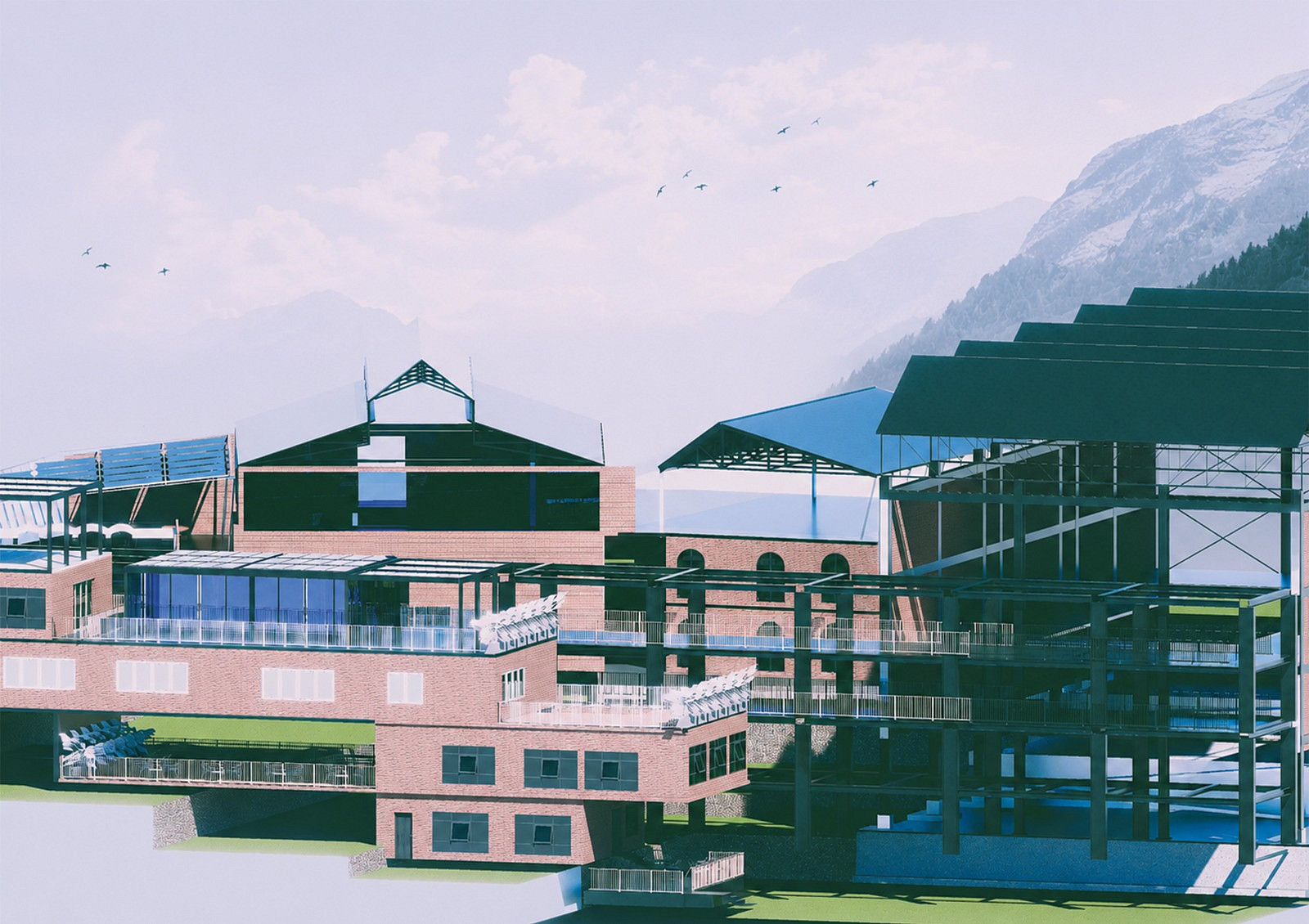
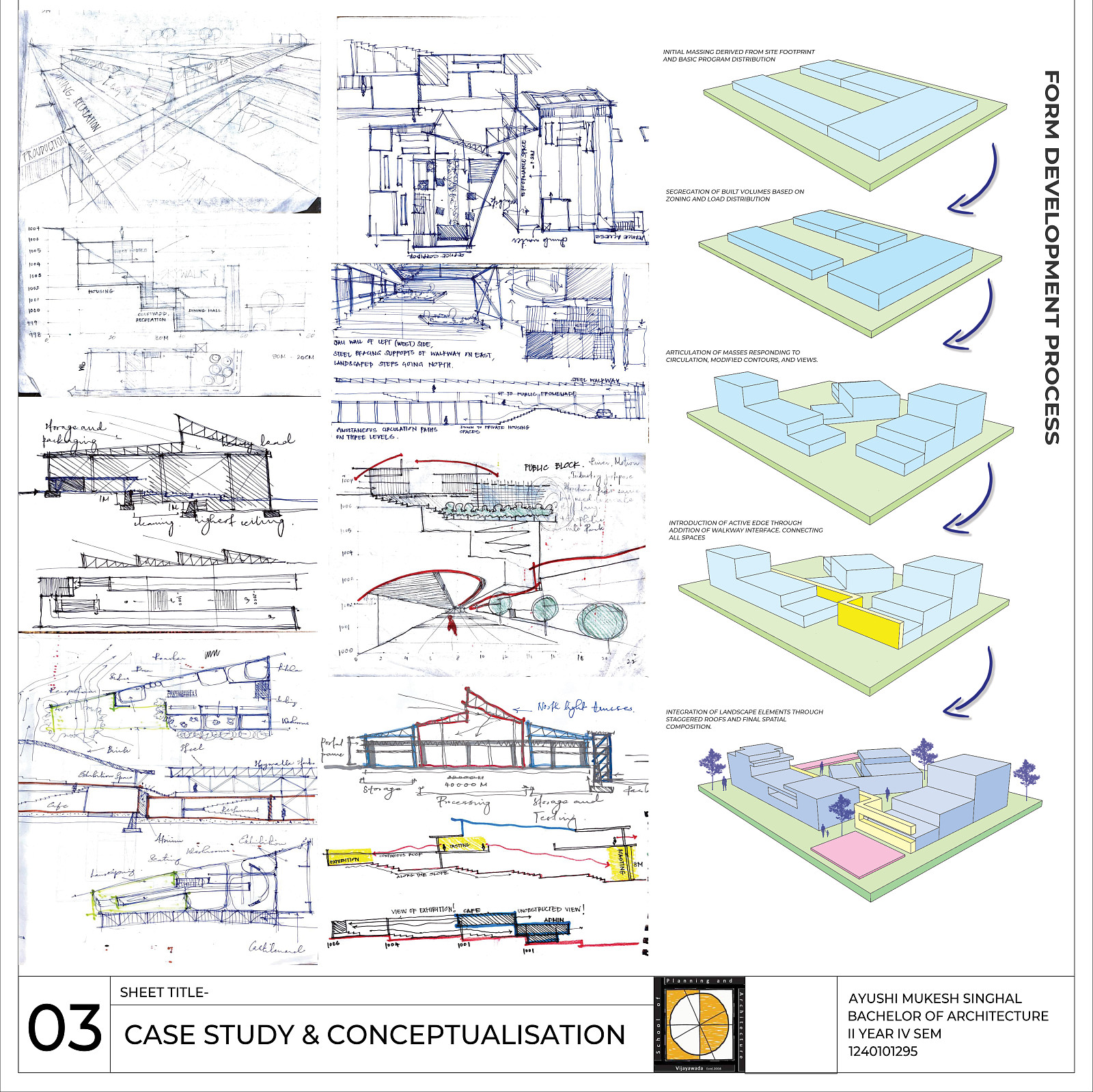
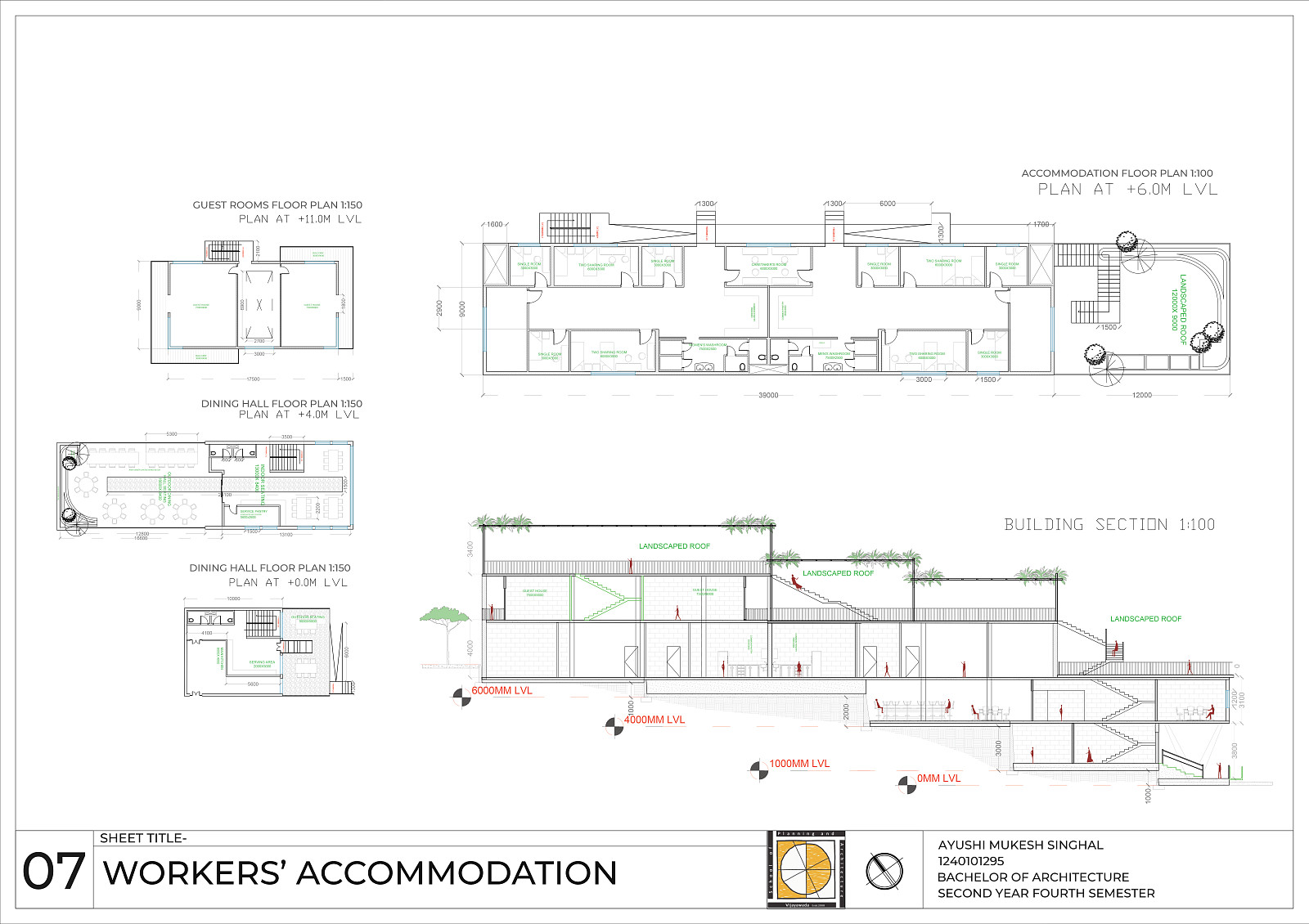
Architecturally, the design reflects this ethos of collective ownership, transparency, and dignity of labour. The facility accommodates both dry and wet processed coffee beans- processes for which Coorg is internationally recognised- and integrates refining, roasting, packaging, storage, and distribution within a single production ecosystem. Beyond industrial operations, the project also prioritises the social dimension of production by providing dignified on-site worker housing and shared community spaces.
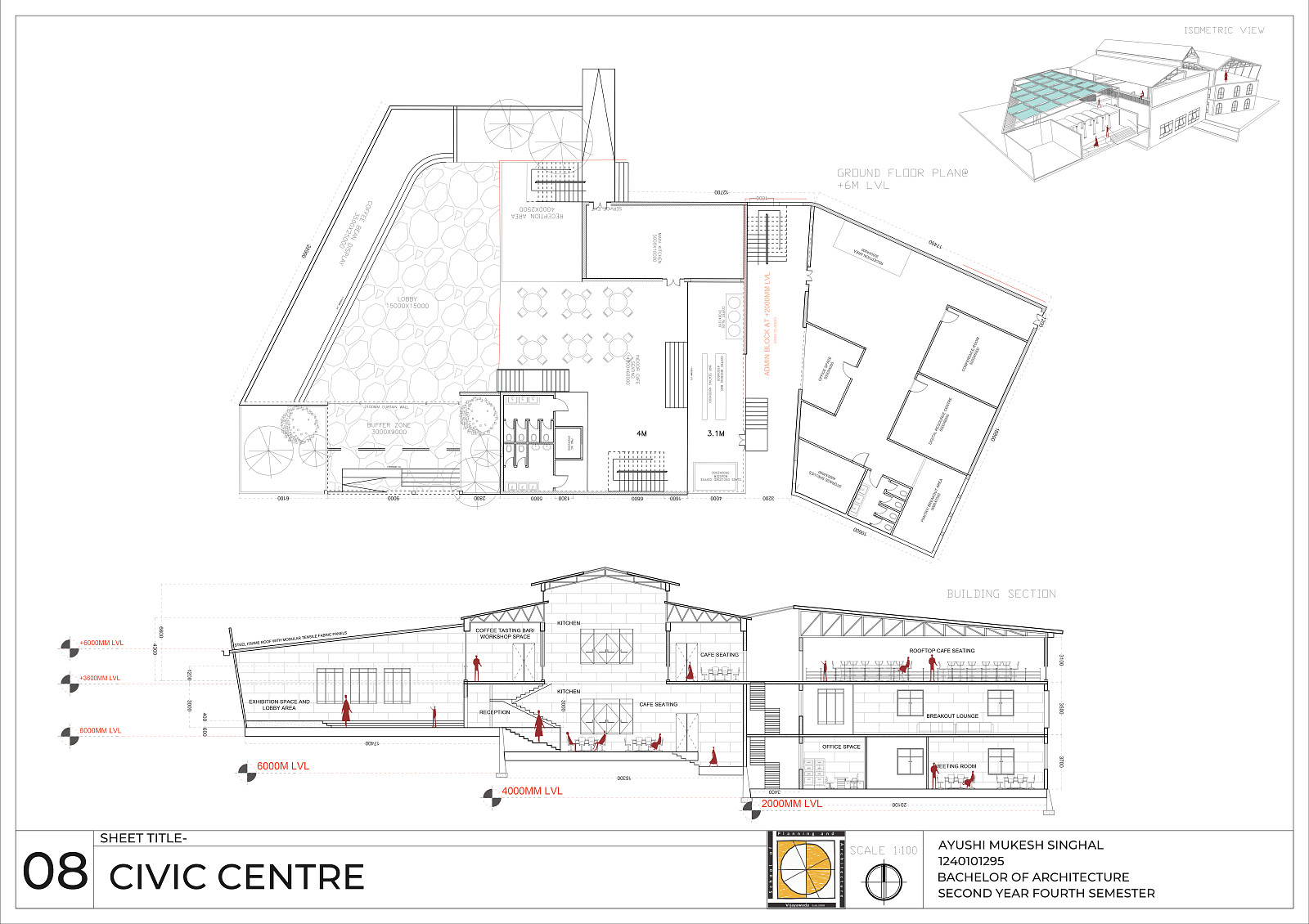
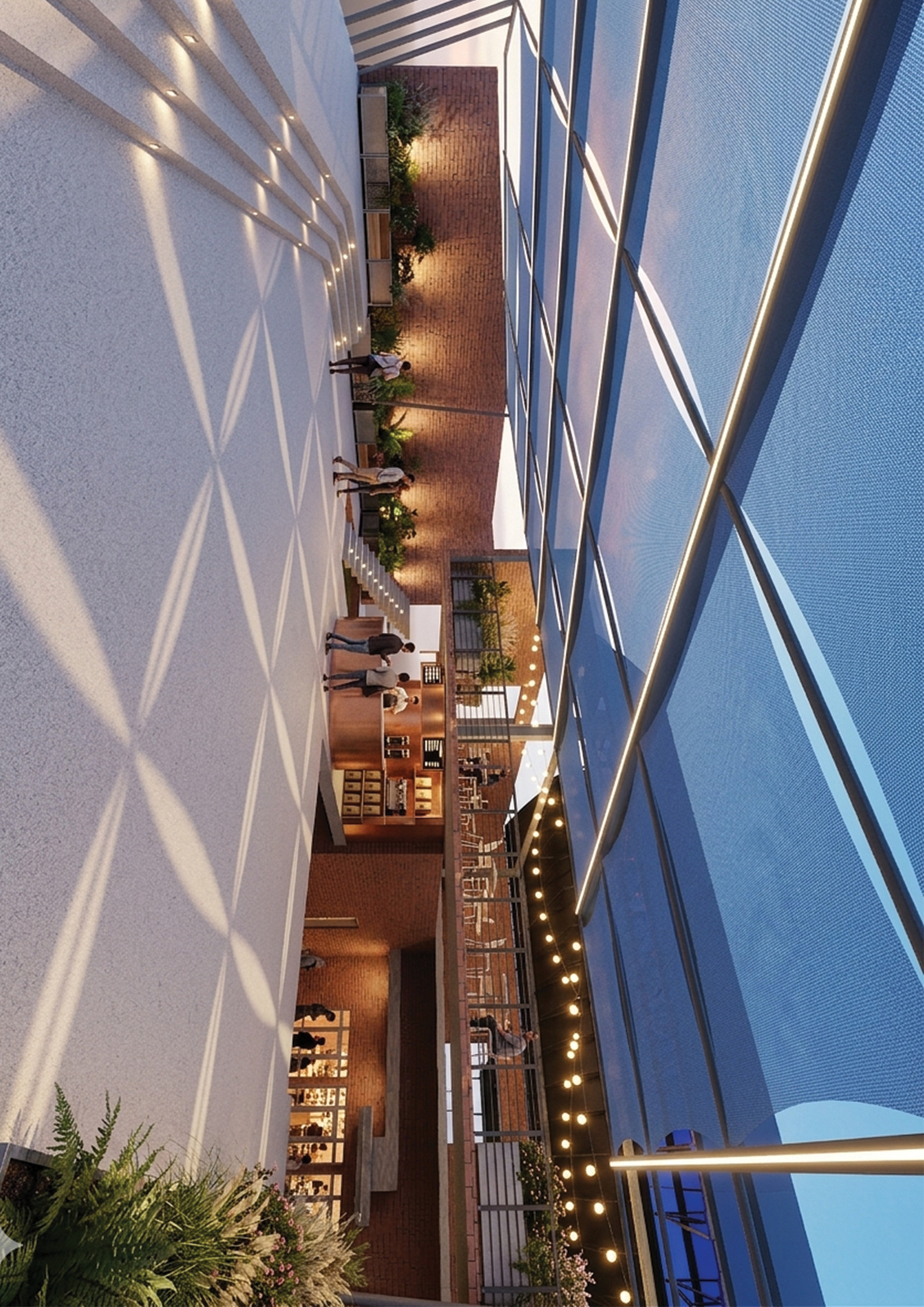
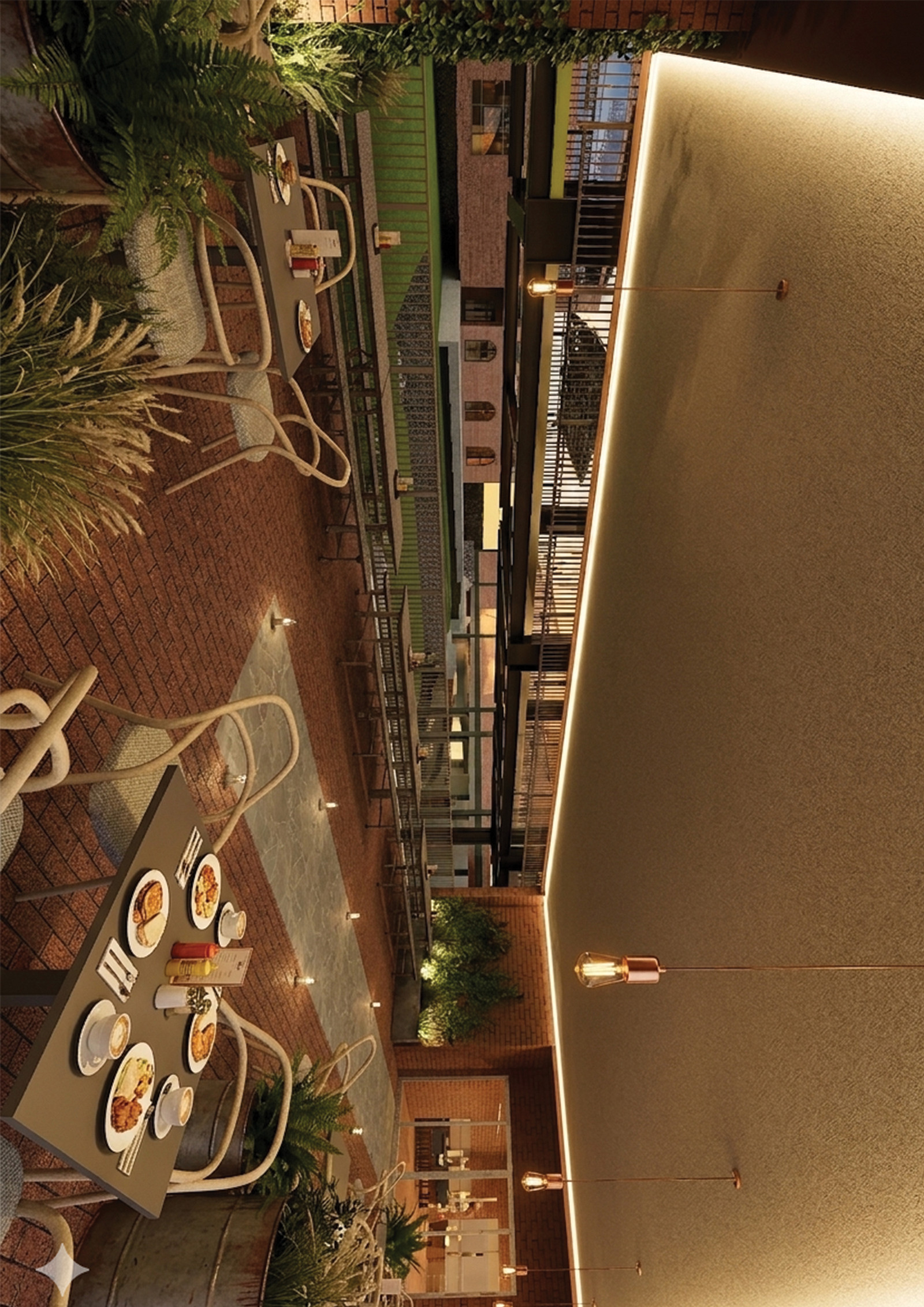
A public interface in the form of a Coffee Experience Centre is integrated into the site, allowing visitors to engage directly with the journey of coffee production. This creates a transparent feedback loop between processing and consumption, reinforcing the co-operative’s identity while celebrating the cultural and economic significance of coffee in Coorg.
Popis projektu
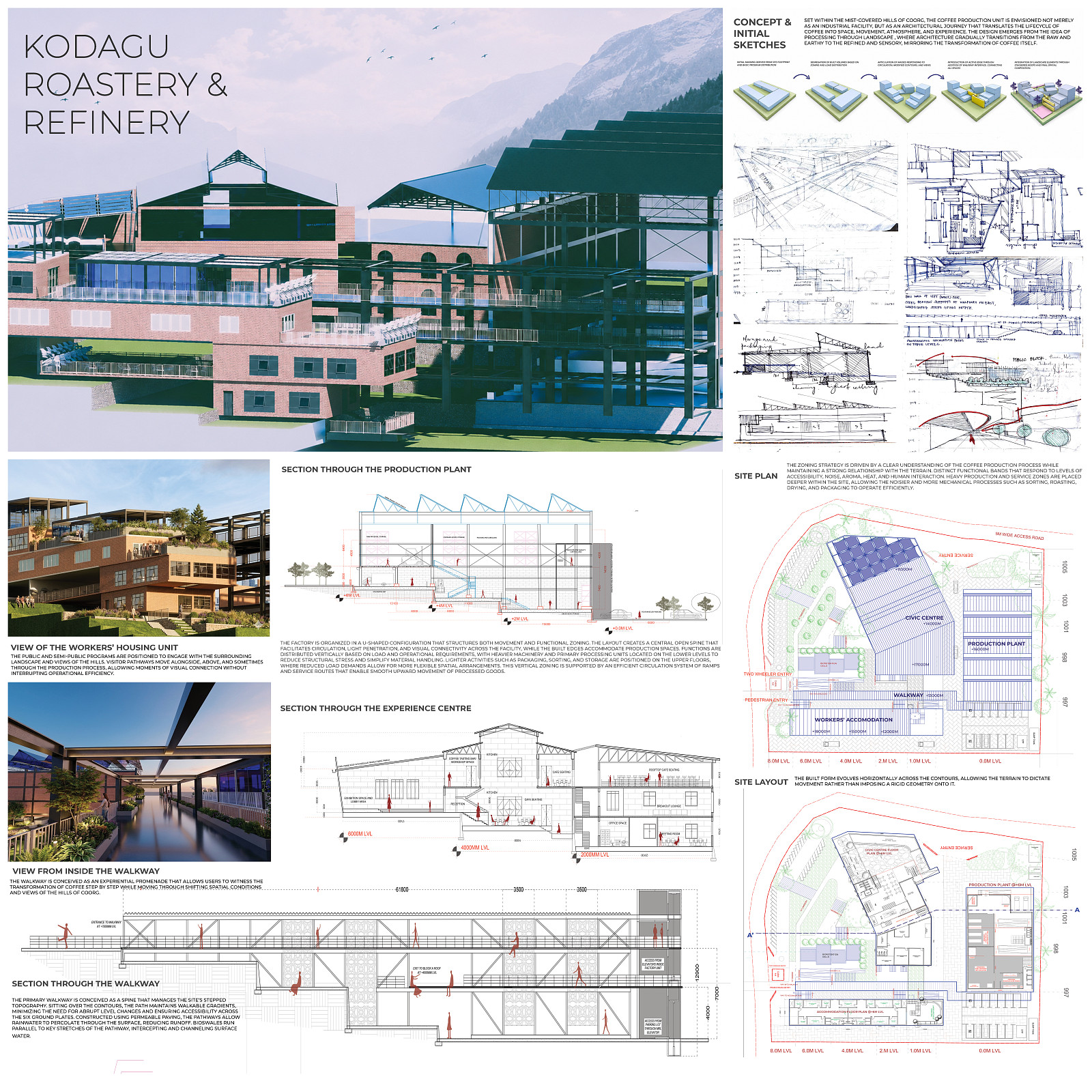
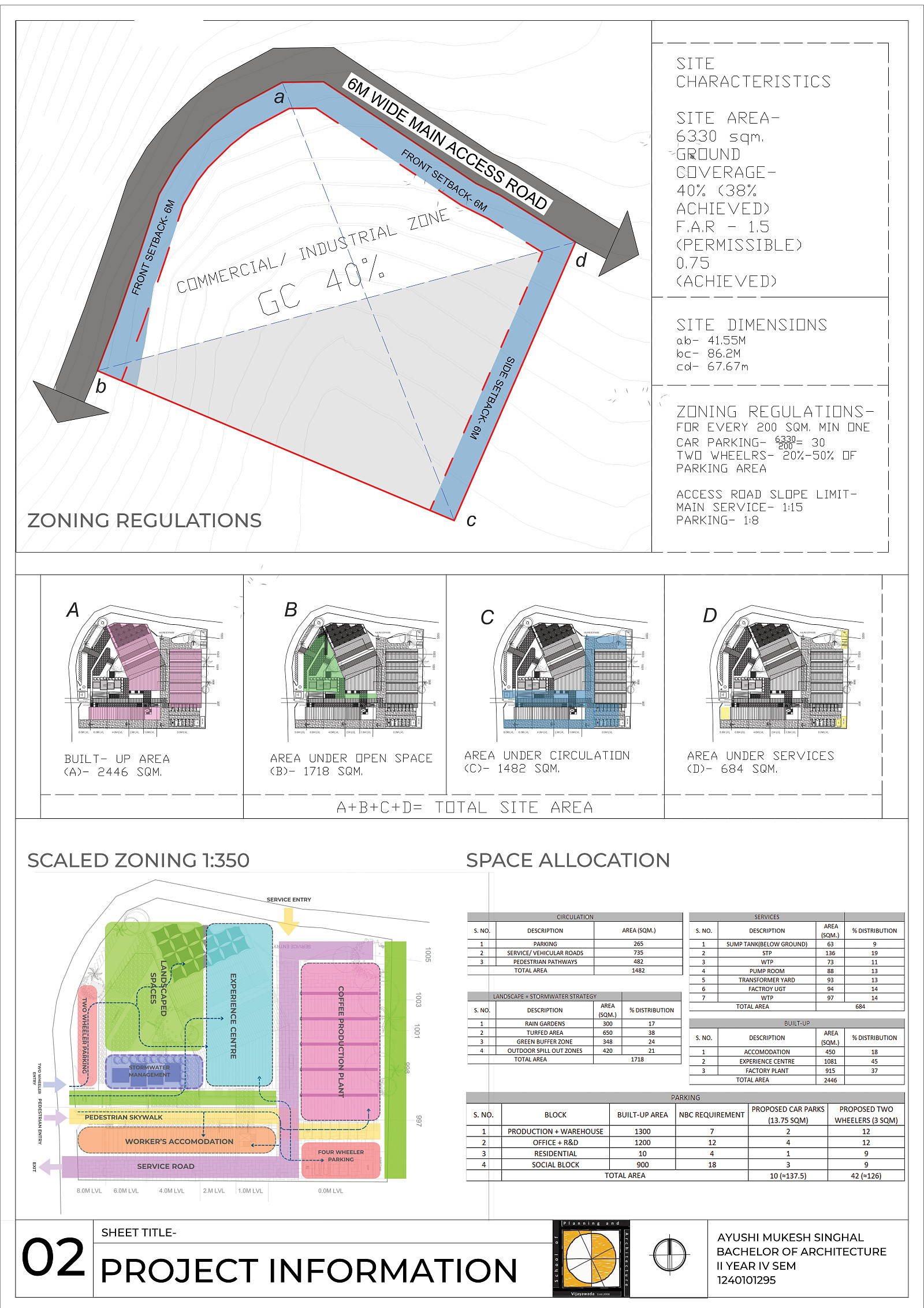
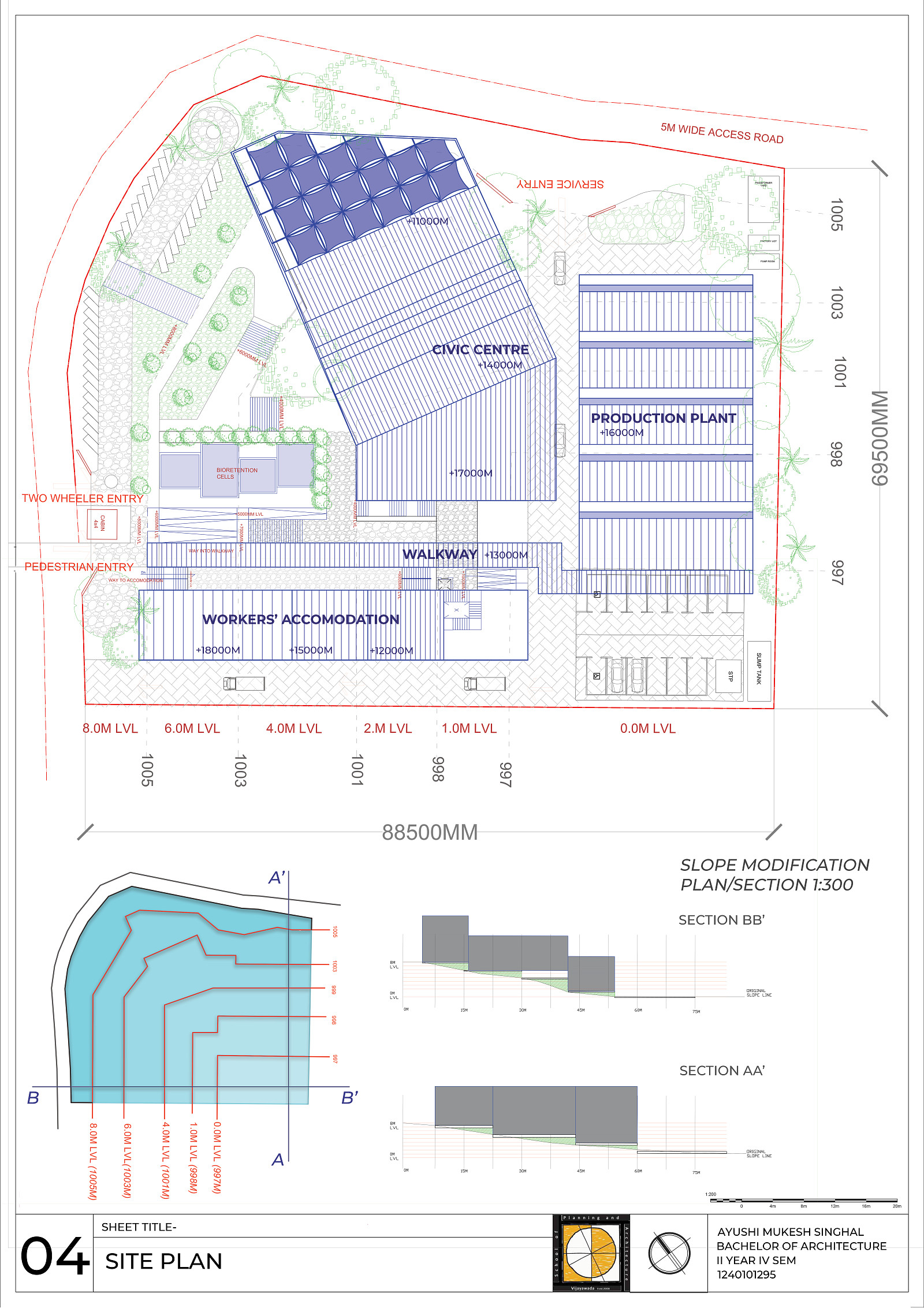
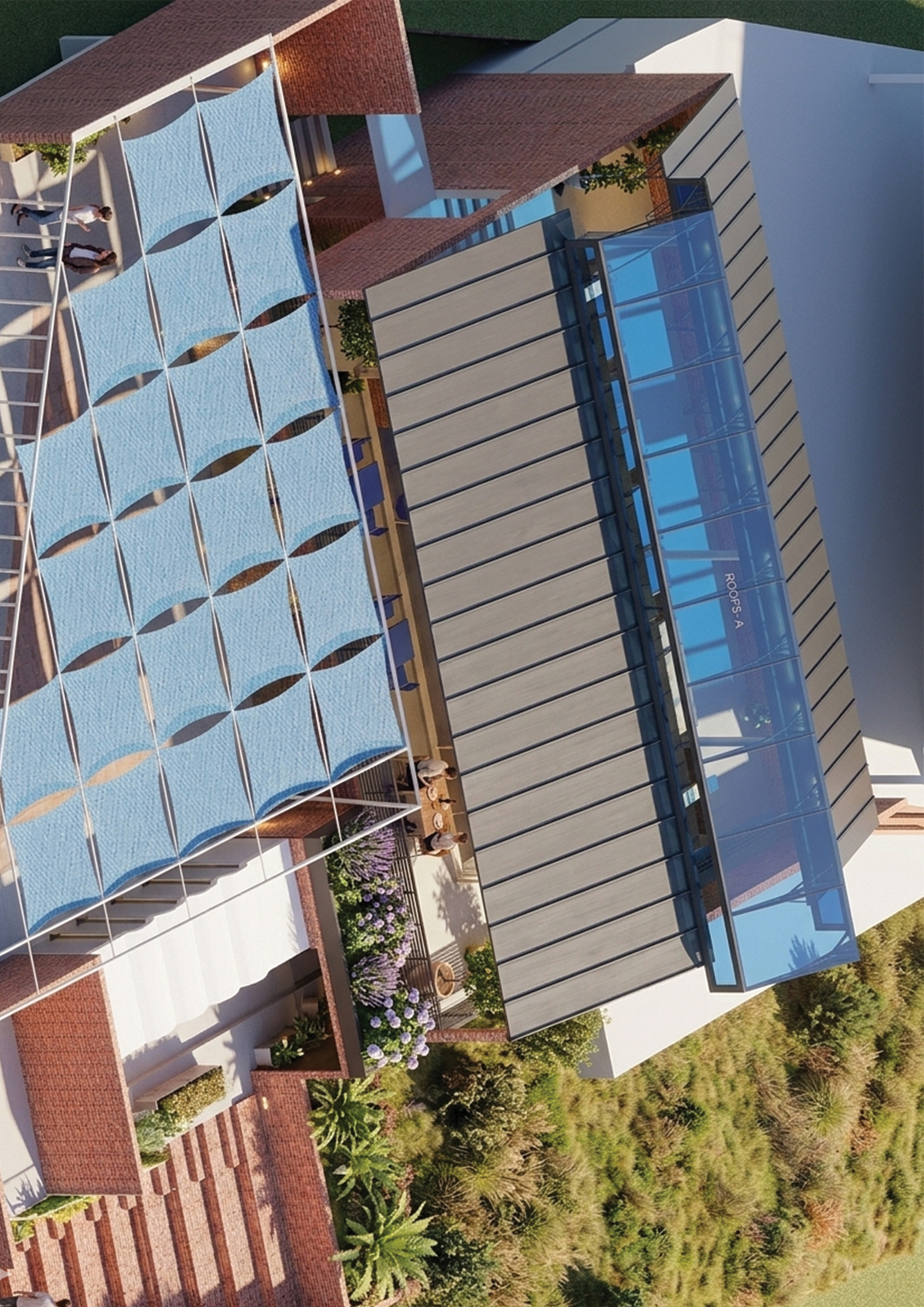
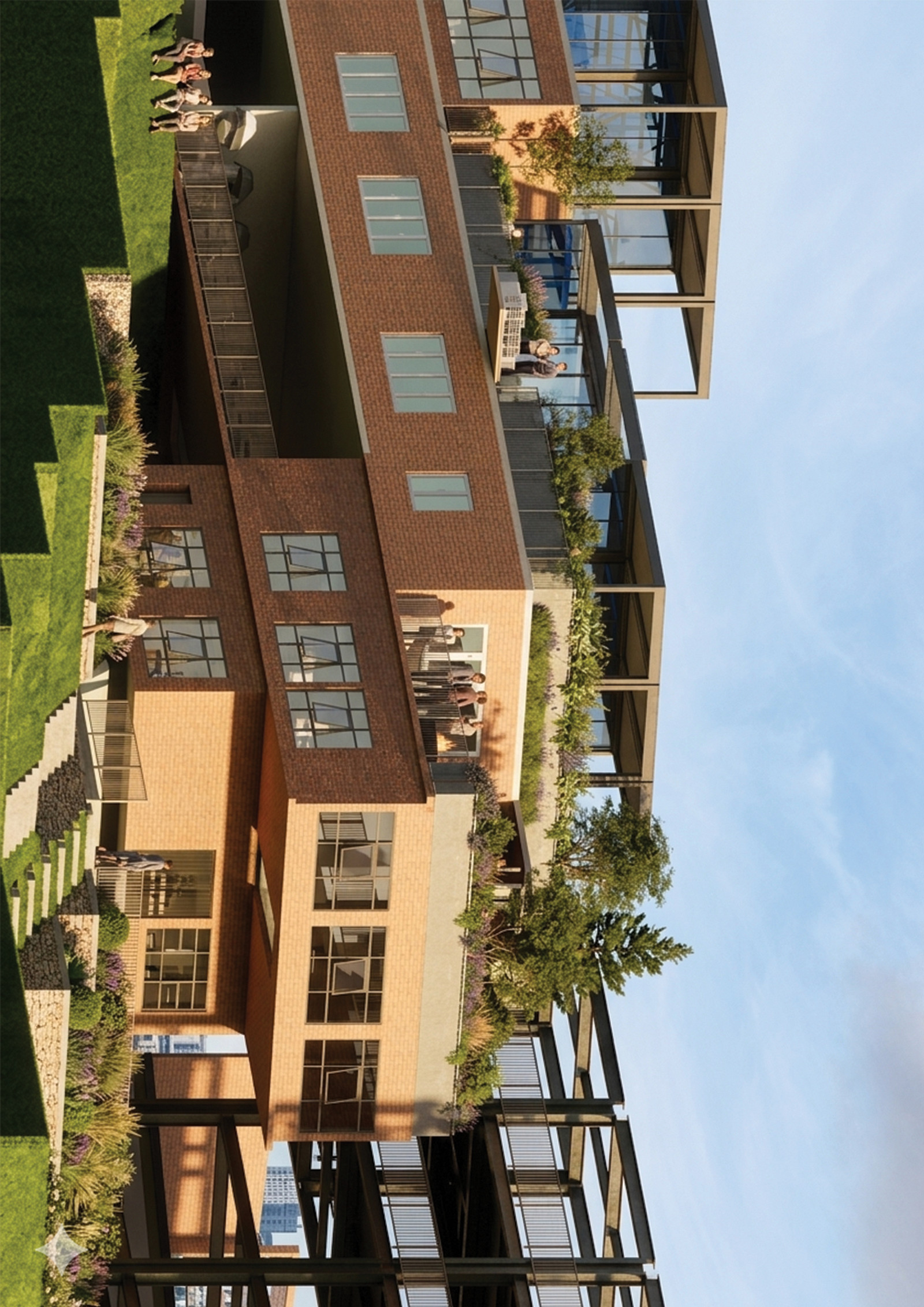
Set on a 6330 sq.m site, the project integrates industrial processing, public engagement, worker welfare, and environmental infrastructure within a single cohesive campus. The built-up area of 2446 sq.m comprises a 915 sq.m coffee production plant, a 1081 sq.m Coffee Experience Centre, and 450 sq.m of worker accommodation.
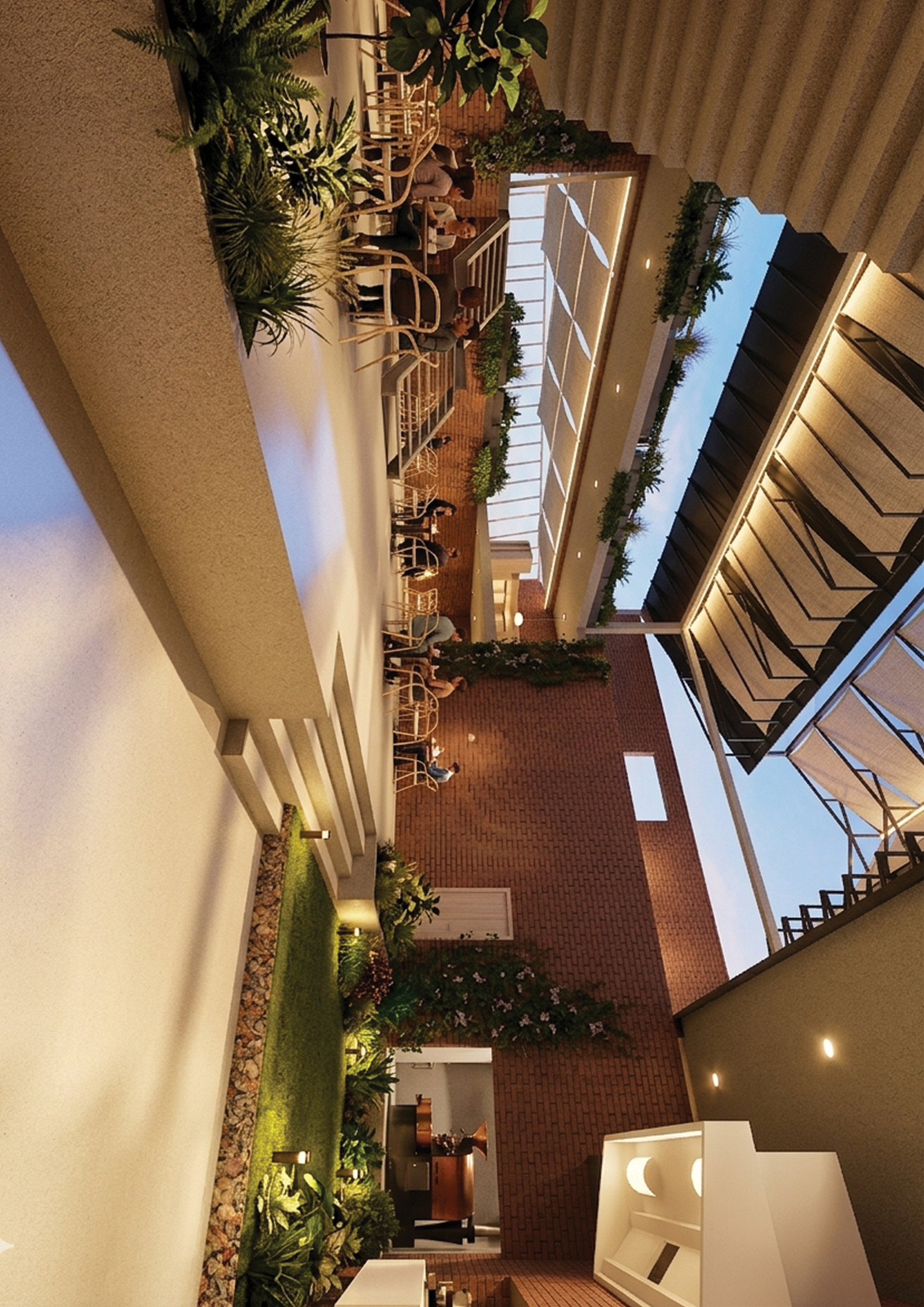
The Coffee Experience Centre acts as a public interface, allowing visitors to engage with the journey of coffee production through exhibition, tasting, and viewing spaces, thereby establishing transparency between producers and consumers while strengthening Bhagamandala’s brand identity. The project also prioritises dignified living conditions for workers through integrated residential and shared social spaces. Responding to the sloping terrain and heavy rainfall of the region, the design incorporates 1718 sq.m of landscaped open spaces including green buffers, spill-out areas, and rain gardens that contribute to climate responsiveness and water management.
Circulation areas spanning 1482 sq.m include pedestrian pathways, service roads, parking, and an elevated skywalk system that connects the different functions across the site. Supporting infrastructure such as a sewage treatment plant, water treatment systems, transformer yard, and underground sump collectively occupy 684 sq.m, ensuring operational self-sufficiency.
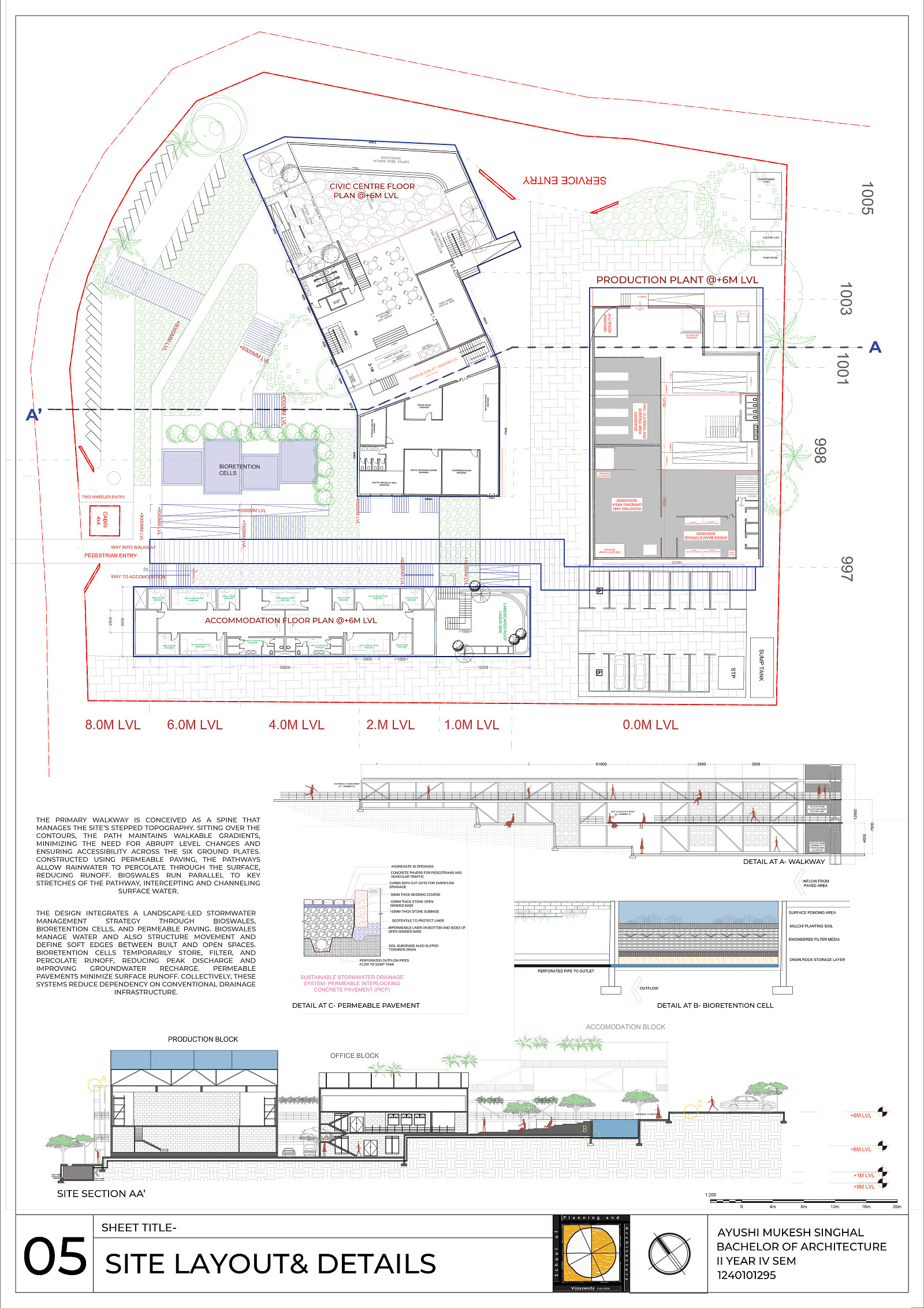
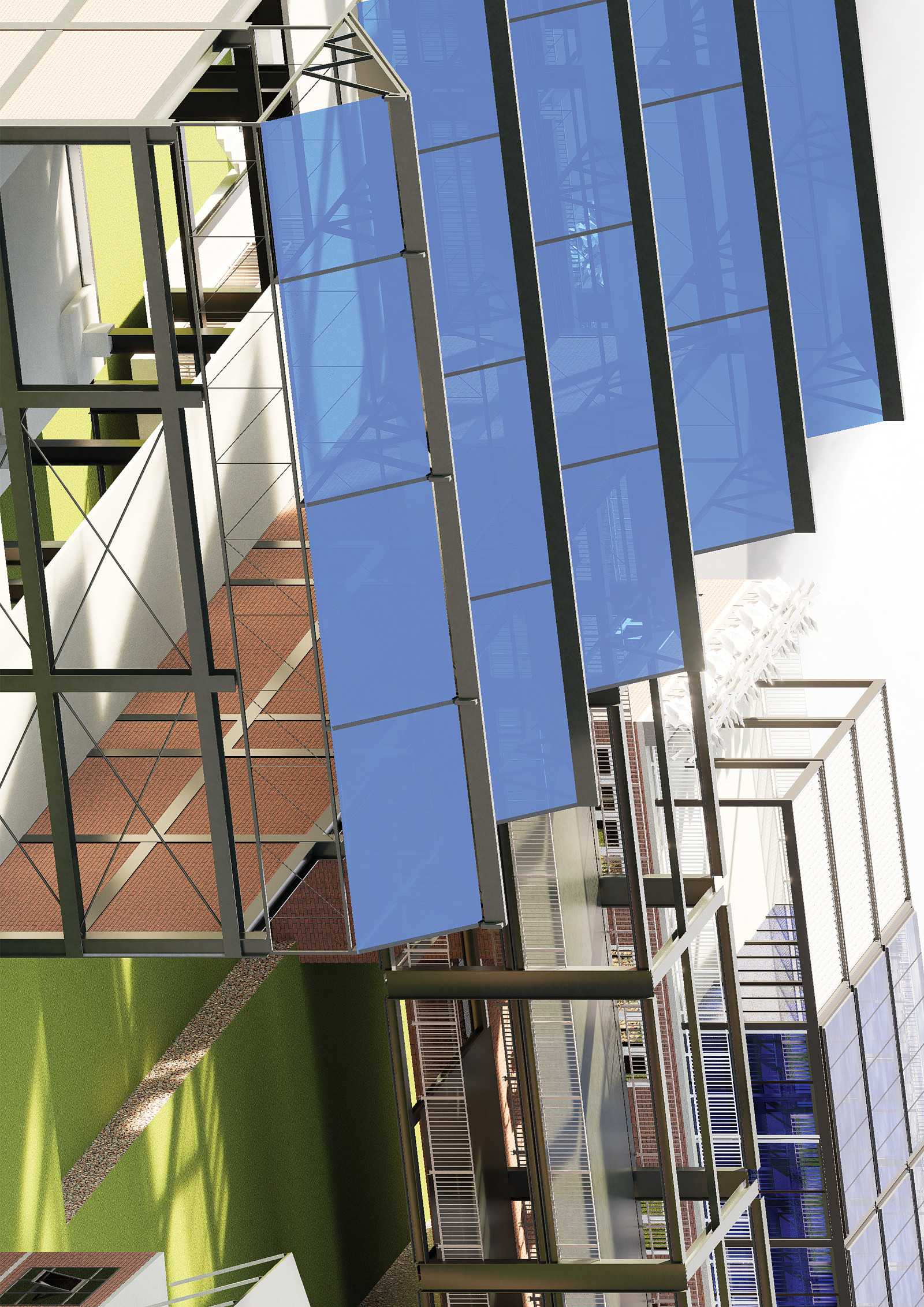
The pedestrian walkway and skywalk system forms the central spine of the project, connecting the Coffee Experience Centre, production plant, worker accommodation, and landscape zones into a cohesive network. Covering approximately 492 sq.m, the spine responds to the sloping terrain while enabling efficient circulation, visual connectivity, and a transparent relationship between public and industrial spaces.
Technické informace
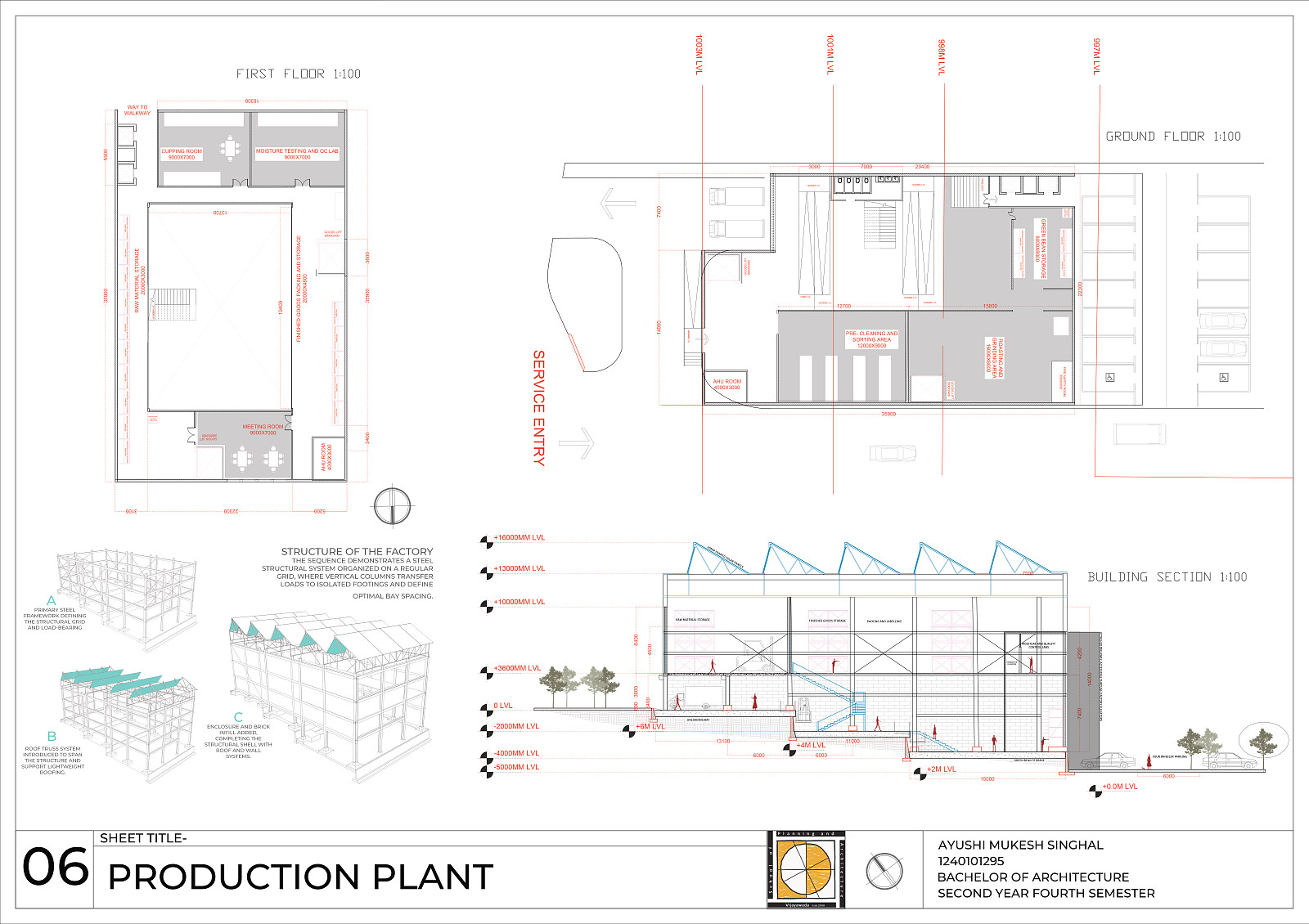
TECHNICAL SPECIFICATIONS- COFFEE PRODUCTION PLANT
Building Type: Industrial Coffee Processing Facility
Structural System: Steel Portal Frame Structure
Roof System: Steel Truss Roofing with North-Light Monitors
Wall System: Brick Infill Walls within Steel Structural Grid
Foundation System: Isolated RCC Footings
Approximate Building Height: 9–10 m to roof apex
Primary Function: Coffee processing, storage, sorting, packaging, administration, and testing labs
Primary Structural System
Steel portal frame arranged on a regular structural grid
Wide-span industrial framing system for unobstructed internal workflow
Rigid steel beam-column connections for lateral stability
Structural bays designed to accommodate processing equipment and warehouse storage
STRUCTURAL MEMBERS
Columns
-Structural Steel I-Sections / H-Sections
Approximate column spacing: 6–7 m c/c
Base plates anchored to RCC isolated footings
-Primary Beams
Fabricated steel I-beams supporting roof trusses and mezzanine loads
Integrated with portal frame system
-Roof Trusses
Triangulated steel truss system spanning across production bays
Approximate truss depth: 1.2–1.5 m
North-light roof profile introduced for diffused daylighting and ventilation
Steel purlins supporting sheet roofing system
-Secondary Members
Steel purlins and girts
Bracing members for lateral stability
Catwalk and maintenance supports integrated into roof structure
-Foundation System
Reinforced Cement Concrete isolated footings
RCC pedestal supports for steel columns
Foundation depth designed according to lateritic soil conditions and industrial load requirements
-Wall & Enclosure System
External Walls
Brick infill masonry walls between steel columns
Approximate wall thickness: 230 mm
Cement plaster finish internally and externally
-Internal Partitions
Lightweight masonry / gypsum partitions for offices and testing rooms
Flooring
Industrial-grade concrete flooring
Non-slip epoxy finish in processing zones
Heavy-duty floor designed for machinery and forklift movement
-Roof Specifications
Steel truss roofing system with north-light monitors
Metal sheet roofing over steel purlins
Integrated rainwater drainage channels
Natural daylighting through clerestory glazing
Ventilation openings for heat extraction
Spatial Dimensions & Functional Areas

Copyright © 2026 INSPIRELI | All rights reserved. Use of this website signifies your agreement to the Terms of Use, Privacy Policy, and use of cookies.