THE CRACK - connected


Idea projektu
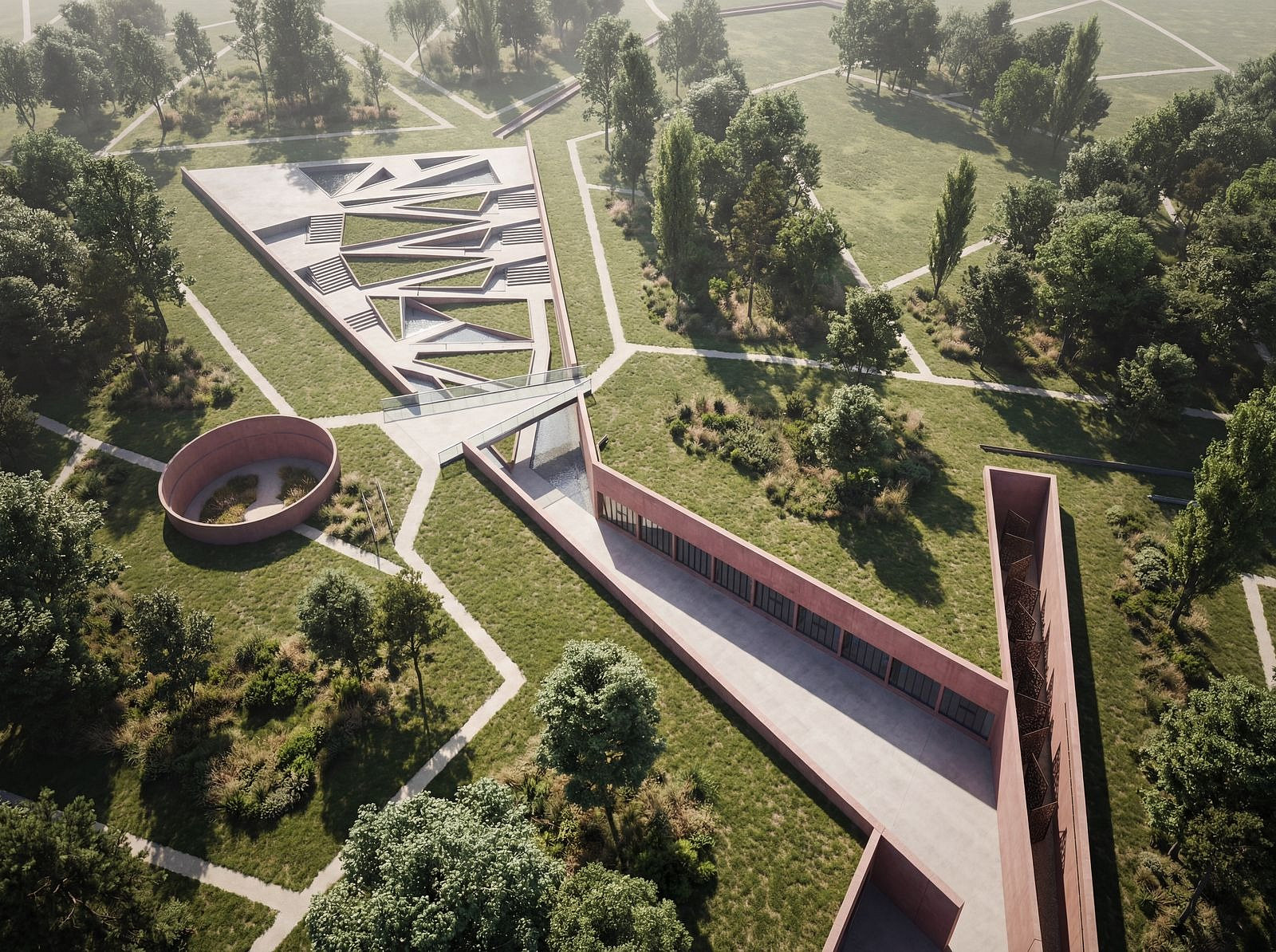
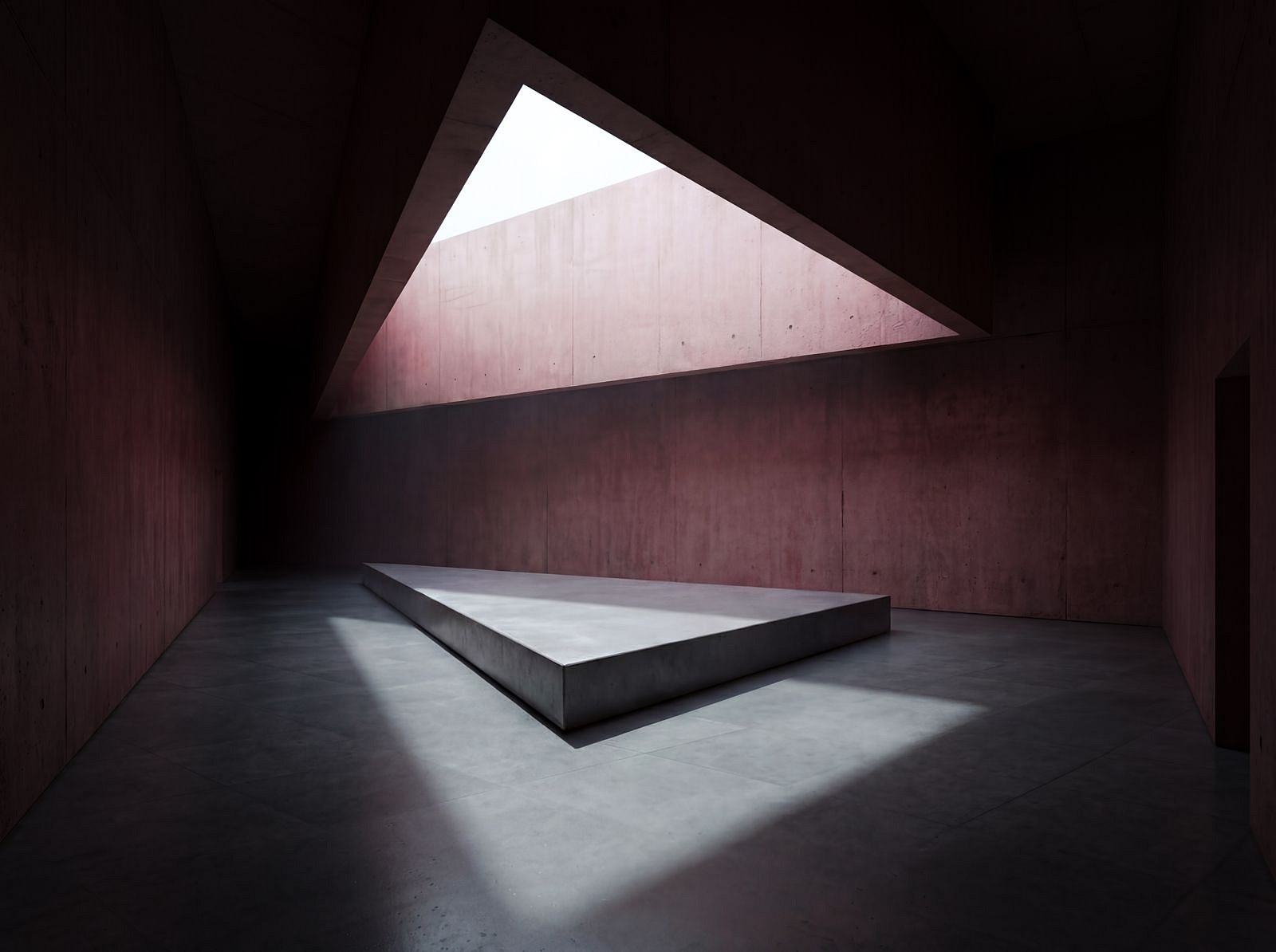
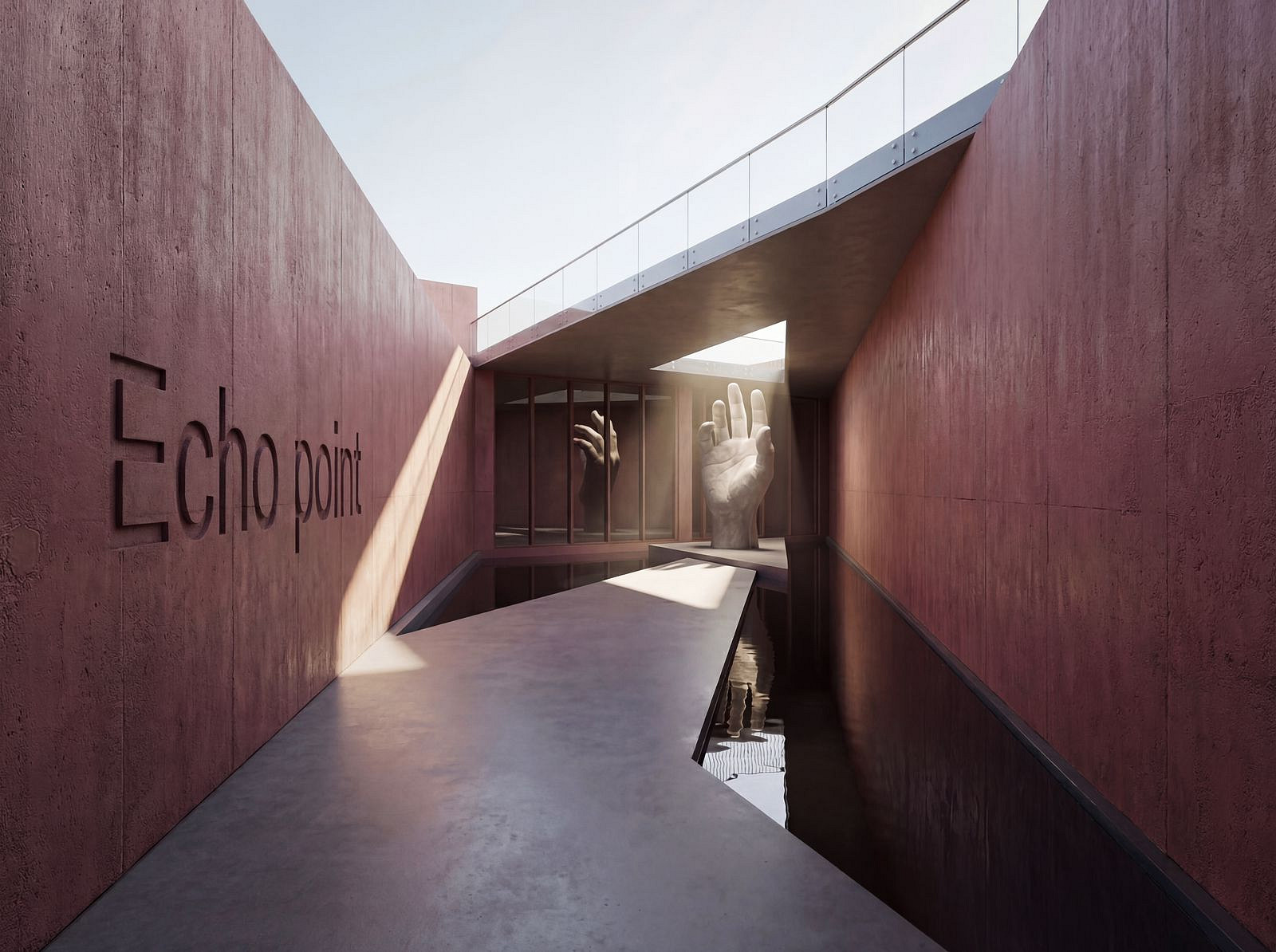
“THE CRACK - Connected” is a memorial and cultural landscape project that transforms a former military and restricted area into an open public environment dedicated to memory, connection, and collective experience. The central concept of the project is the “crack” as both a physical and symbolic gesture that reconnects fragmented histories, landscapes, and communities. The intervention represents a transition between past and present, creating a spatial narrative that reveals hidden memories while opening the site to contemporary public life. Through the integration of architecture, landscape, and movement, the project establishes a continuous relationship between people, nature, and history. The proposal aims to create a meaningful and inclusive environment where remembrance, education, culture, and everyday urban activity coexist within a unified spatial experience.
Popis projektu
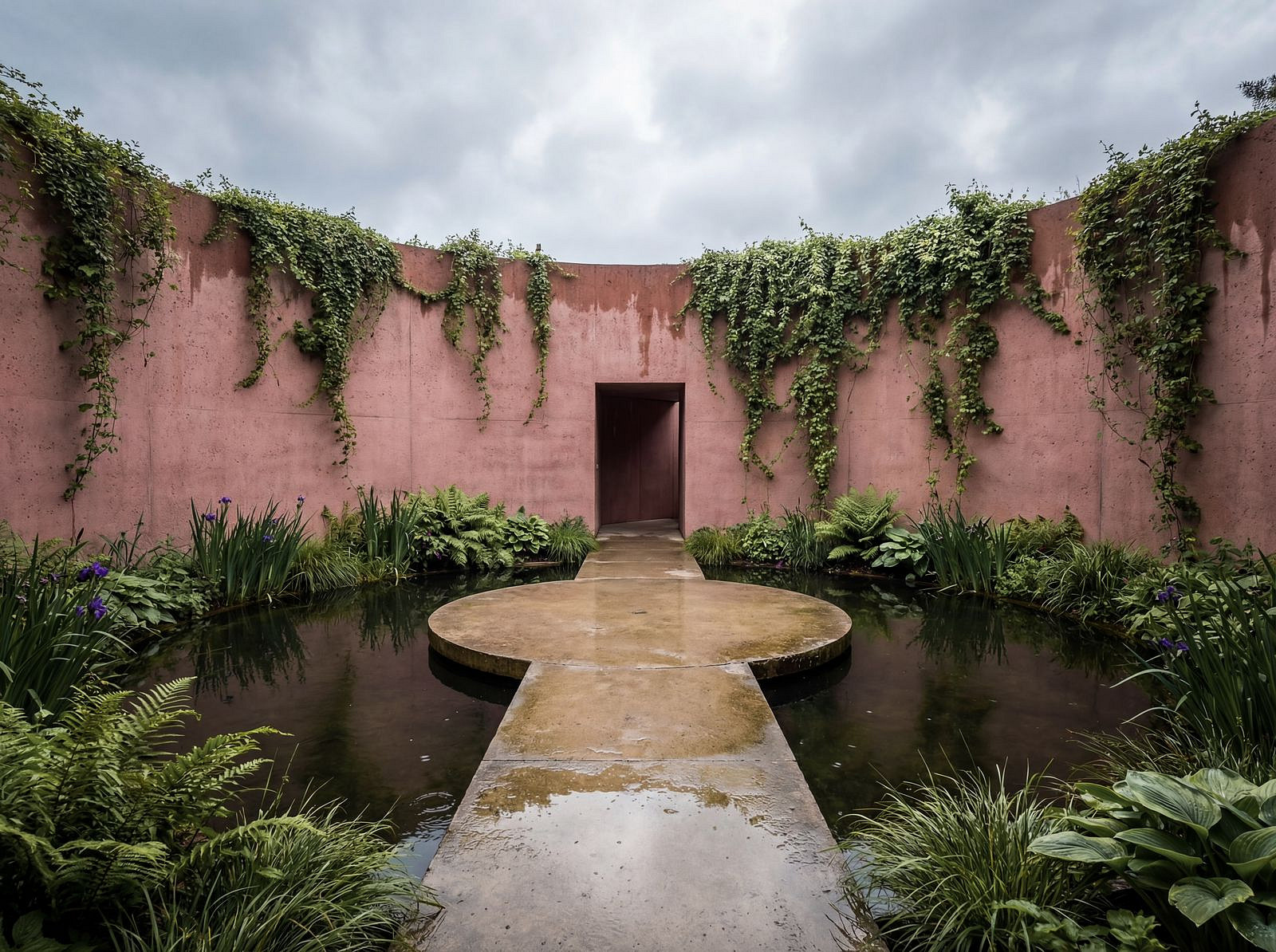
The project consists of the conceptual and spatial development of the Arsenal Memory Park and the Interpretation Center as part of a larger cultural and landscape regeneration strategy. The proposal combines memorial, educational, cultural, recreational, and public functions within an integrated masterplan organized around pedestrian accessibility and landscape continuity. The design introduces a network of pathways, plazas, exhibition areas, and green corridors that connect the different functional zones while preserving the openness and historical atmosphere of the site. Existing barracks and historical structures are reused and integrated into the new spatial organization, while new architectural volumes are partially embedded into the terrain to reduce visual impact and strengthen the relationship between architecture and landscape. The project creates a sequence of spaces intended for exhibitions, interpretation, workshops, community activities, recreation, and public gatherings. The overall spatial concept encourages slow movement, contemplation, and interaction with both nature and collective memory, transforming the former military site into a contemporary cultural destination and civic landscape.
Technické informace
The project is developed within a large-scale landscape area of approximately 350 hectares intended for urban, environmental, and cultural redevelopment. The technical approach responds to the existing topography, vegetation, infrastructure, and climatic conditions while preserving the historical character and spatial identity of the site. The masterplan includes a hierarchical circulation system composed of vehicular access roads, peripheral parking areas, pedestrian promenades, cycling paths, and internal service routes designed to ensure accessibility and functional efficiency throughout the park. Architectural interventions are integrated into the landscape through partially subterranean structures, adaptive reuse strategies, and environmentally sensitive planning solutions. The project incorporates sustainable landscape principles, including ecological planting systems, natural drainage strategies, shaded pedestrian routes, and extensive green surfaces adapted to the temperate European climate. Materials and construction solutions are selected to reinforce the memorial atmosphere of the park while ensuring durability, sustainability, and long-term public use. Universal accessibility, low-impact mobility, and the integration of built and natural environments are fundamental technical principles guiding the development of the project.
Dokumentace
Vytvořeno pomocí:


Copyright © 2026 INSPIRELI | All rights reserved. Use of this website signifies your agreement to the Terms of Use, Privacy Policy, and use of cookies.