
BUS SHELTER


Idea projektu
Inspired from a weaver bird nest
Popis projektu
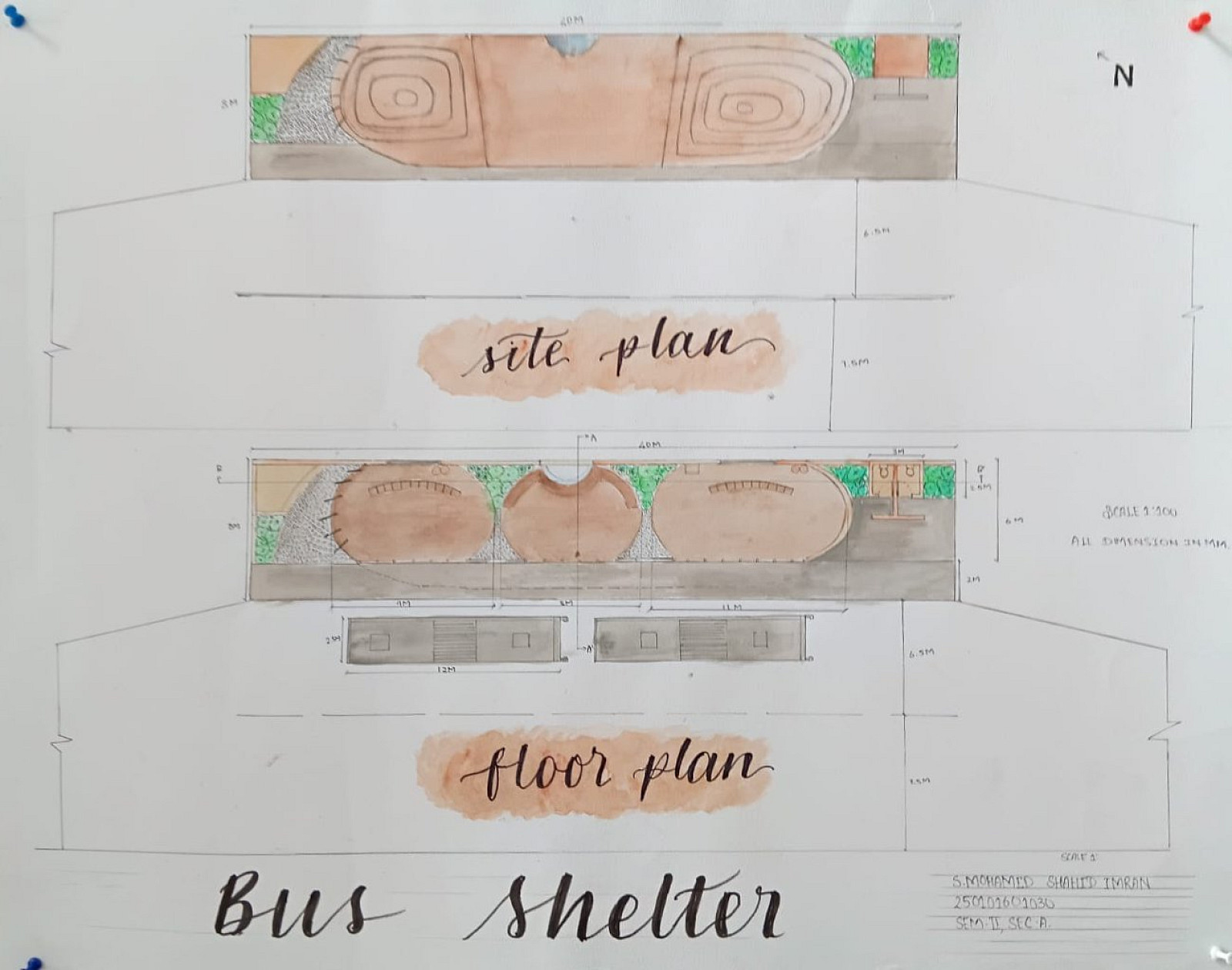
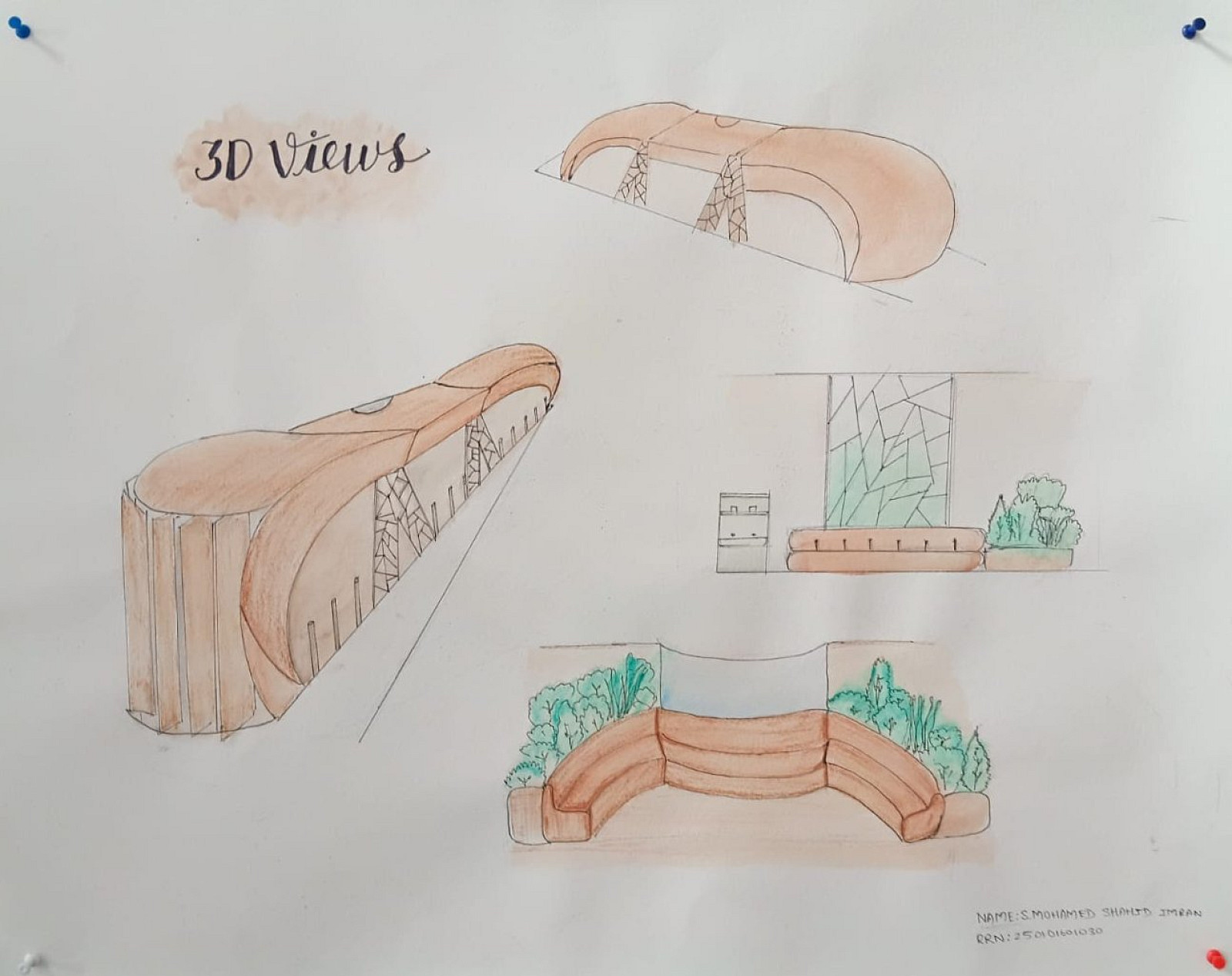
Inspired by the intricate nest-making of the weaver bird, this bus shelter design translates the bird’s principles of safety, protection, and intelligent circulation into architecture. Just as the weaver bird creates secure layered chambers with controlled entry and smooth movement, the shelter is planned with clear circulation paths, protected waiting zones, and organized spatial flow for users. The form and spatial arrangement emphasize safety, comfort, and community interaction while maintaining openness and visibility. The design reflects how nature combines structure, security, and movement efficiently, creating a functional and welcoming public space.
Technické informace
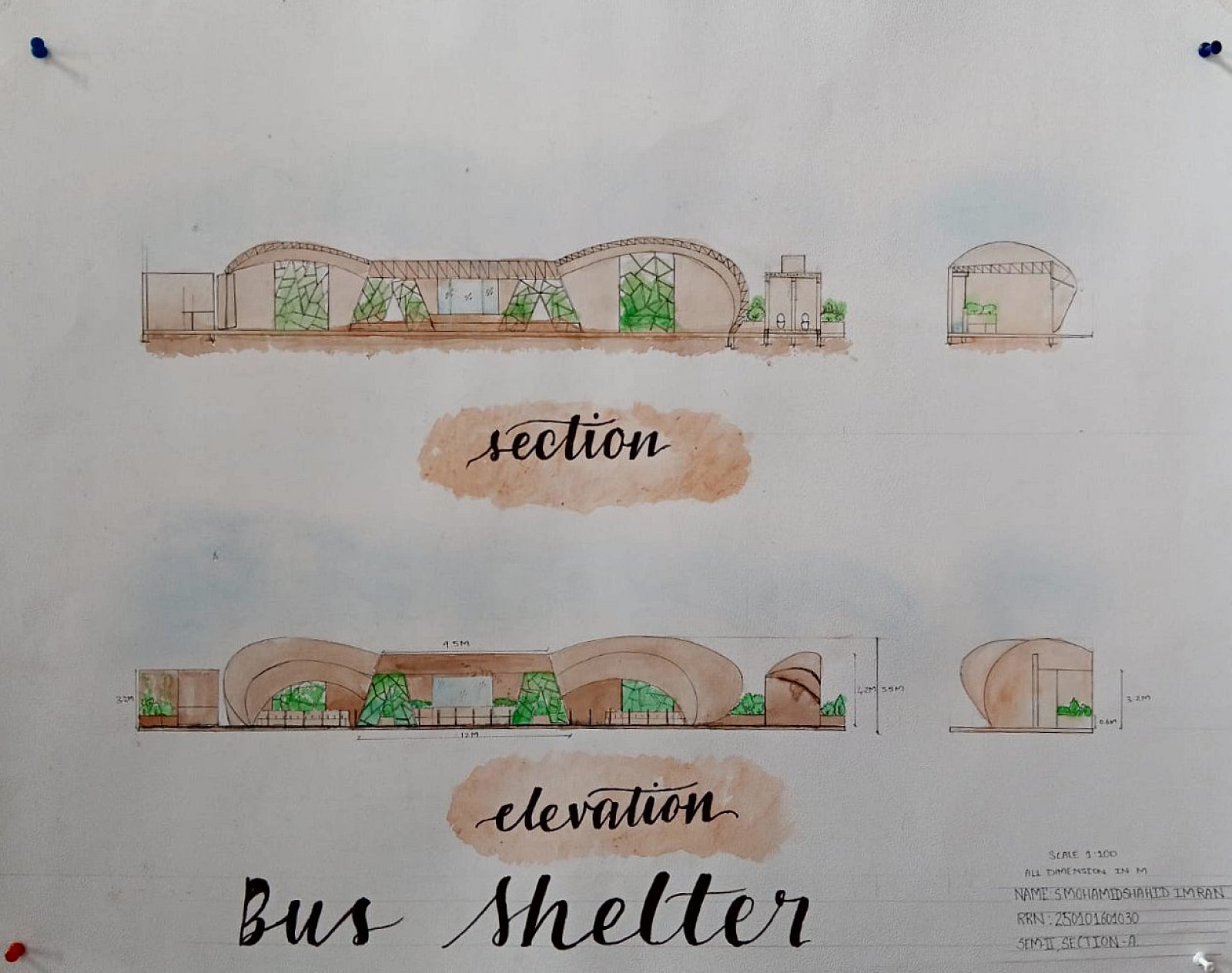
The bus shelter design is technically derived from the spatial organization and structural behavior of the weaver bird’s nest. The nest’s woven enclosure system inspired the shelter’s semi-enclosed protective form, which enhances user safety while maintaining visual permeability and ventilation. Circulation is prioritized through a linear movement axis with clearly defined entry, waiting, and exit zones to reduce pedestrian conflict and improve flow efficiency.
The structural framework is designed using lightweight curved members that mimic the interwoven nest structure, creating both stability and flexibility. The roof system utilizes a tensile ETFE/PTFE membrane supported by a steel or lightweight tubular frame, allowing diffused daylight penetration, weather protection, and reduced structural load. The layered skin concept acts as a passive environmental buffer, improving thermal comfort through shading and cross ventilation.
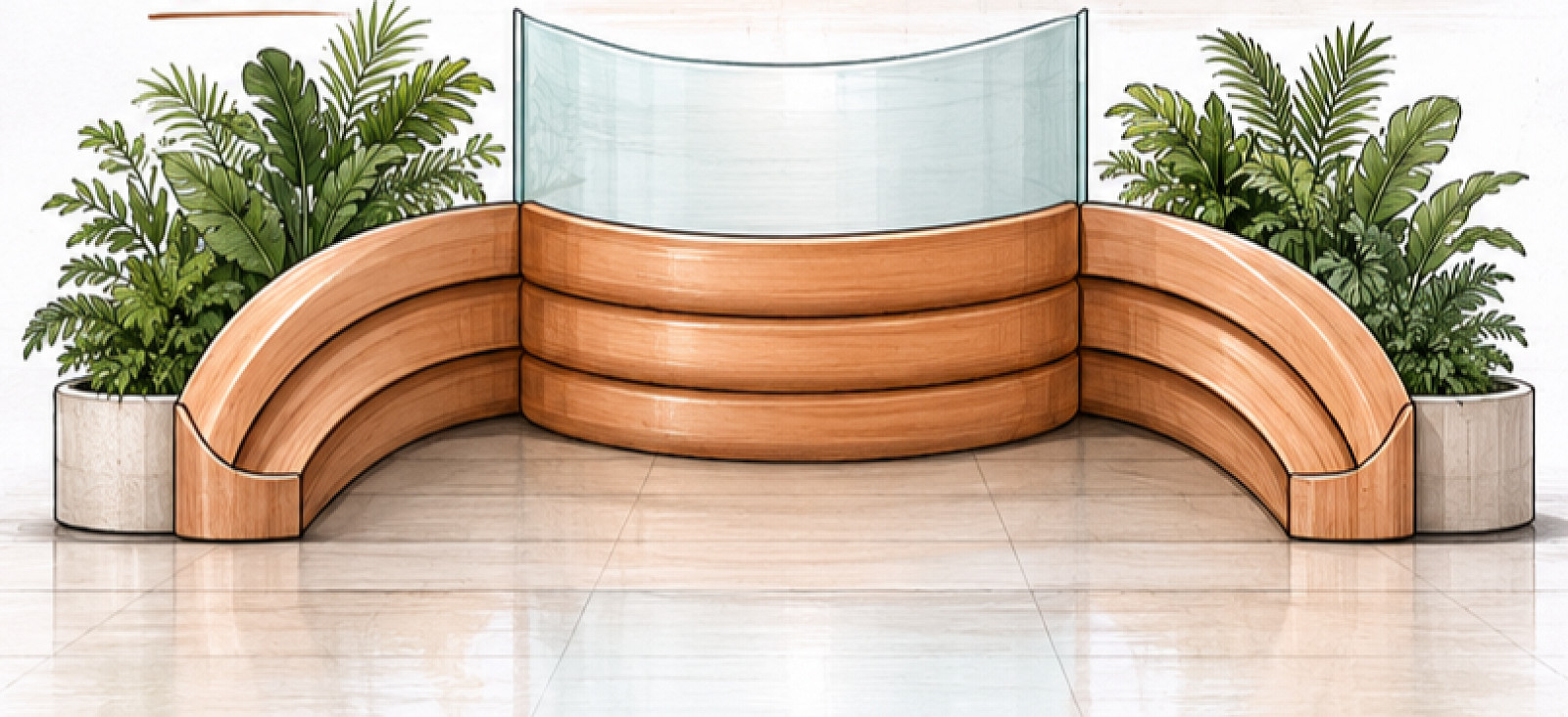
Safety features are integrated through unobstructed visibility, controlled access points, ergonomic seating placement, anti-slip flooring, and adequate lighting provisions. The zoning strategy separates active circulation spaces from static seating areas, ensuring smooth passenger movement and minimizing congestion during peak hours. The overall design combines biomimicry, lightweight structural systems, passive climatic response, and functional public-space planning inspired by the efficiency of the weaver bird nest.

Copyright © 2026 INSPIRELI | All rights reserved. Use of this website signifies your agreement to the Terms of Use, Privacy Policy, and use of cookies.
