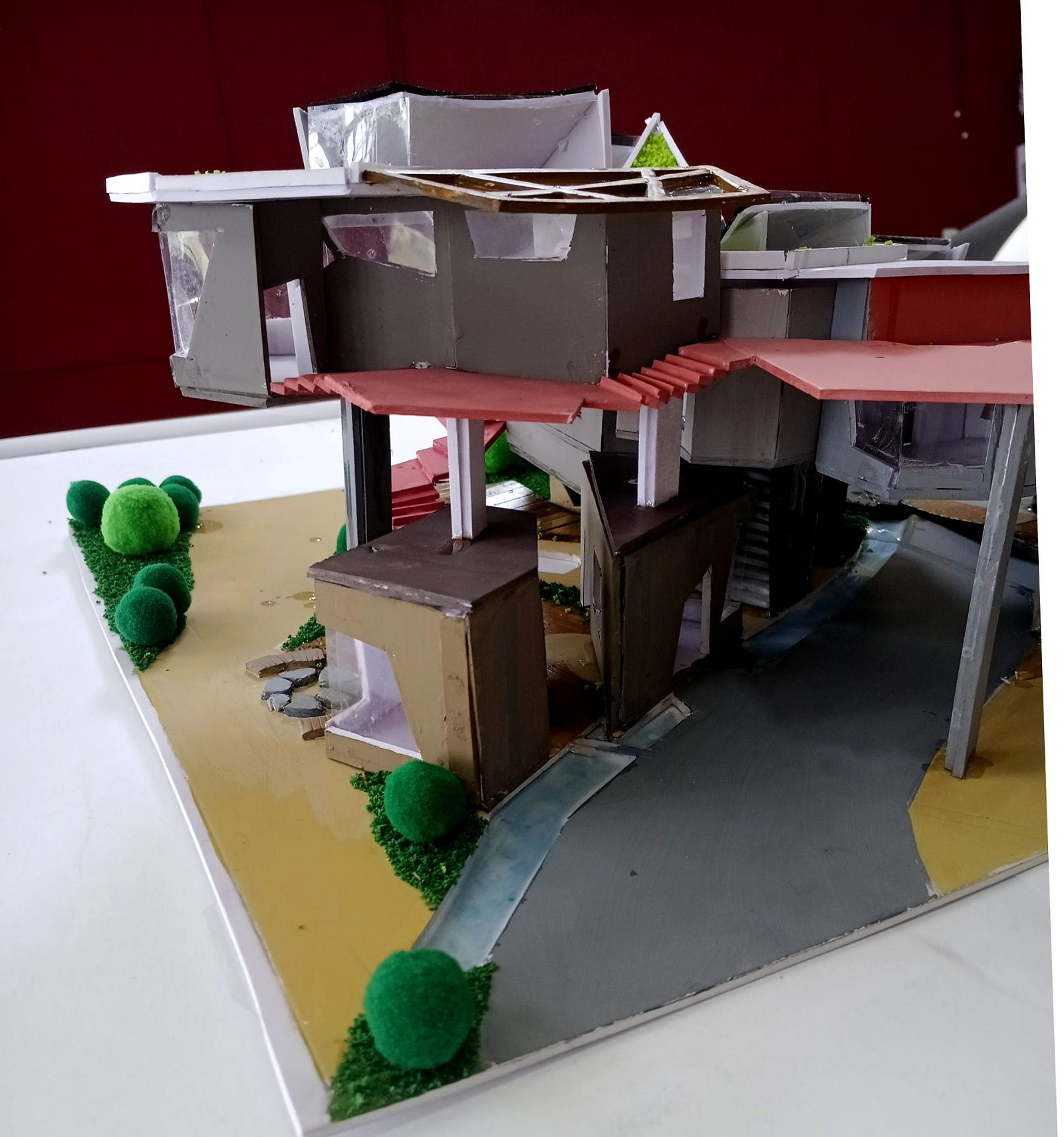
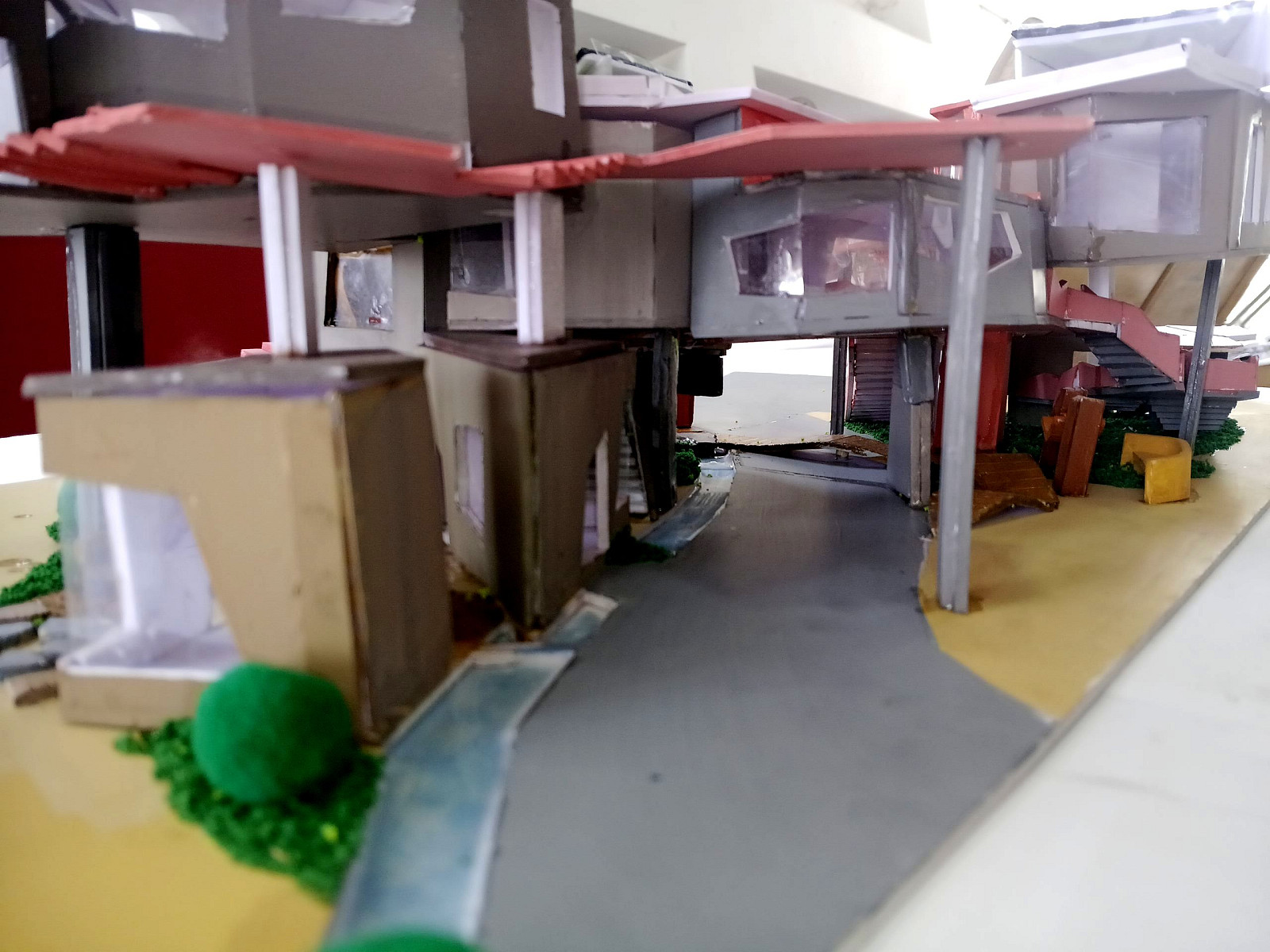
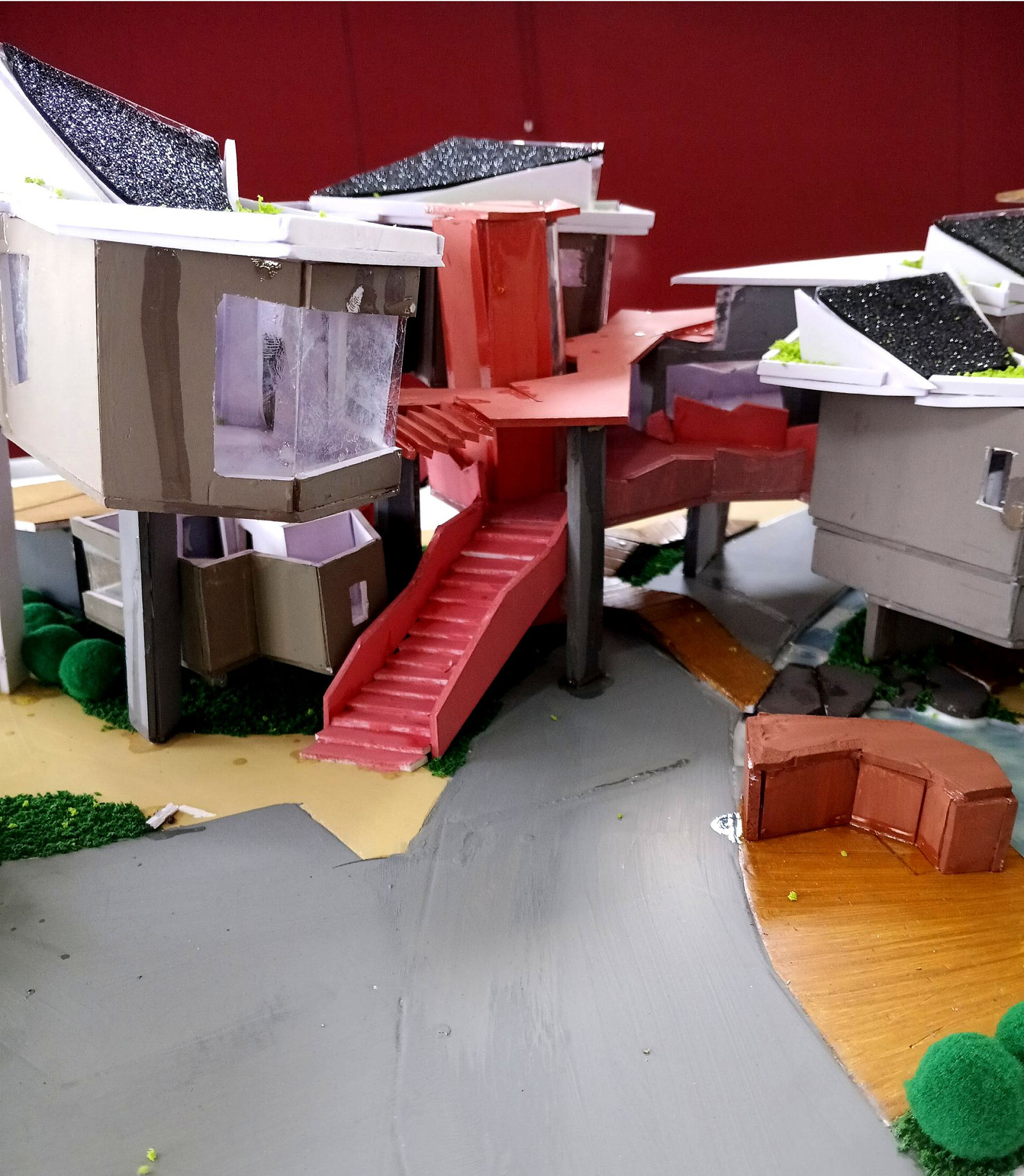
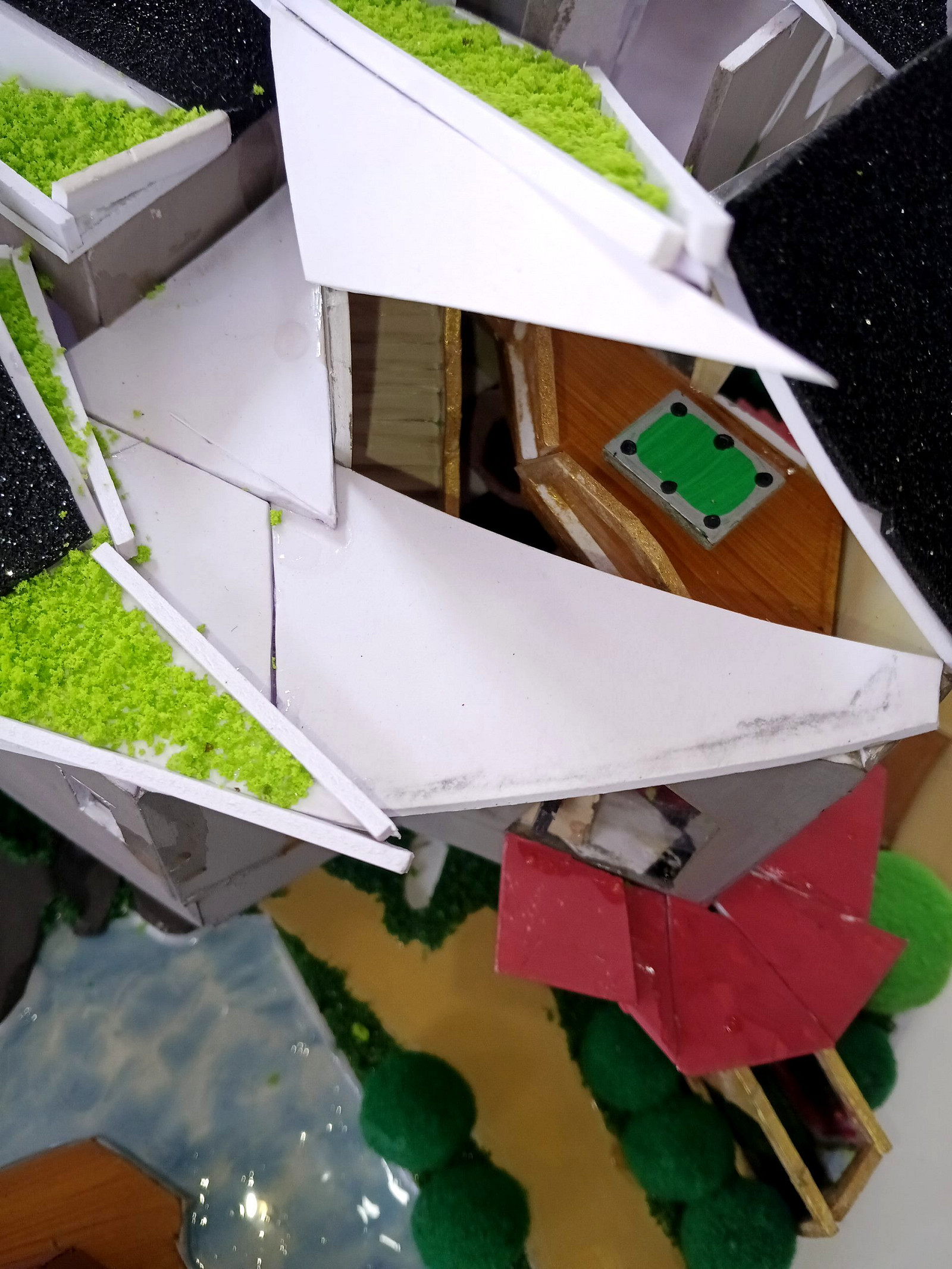
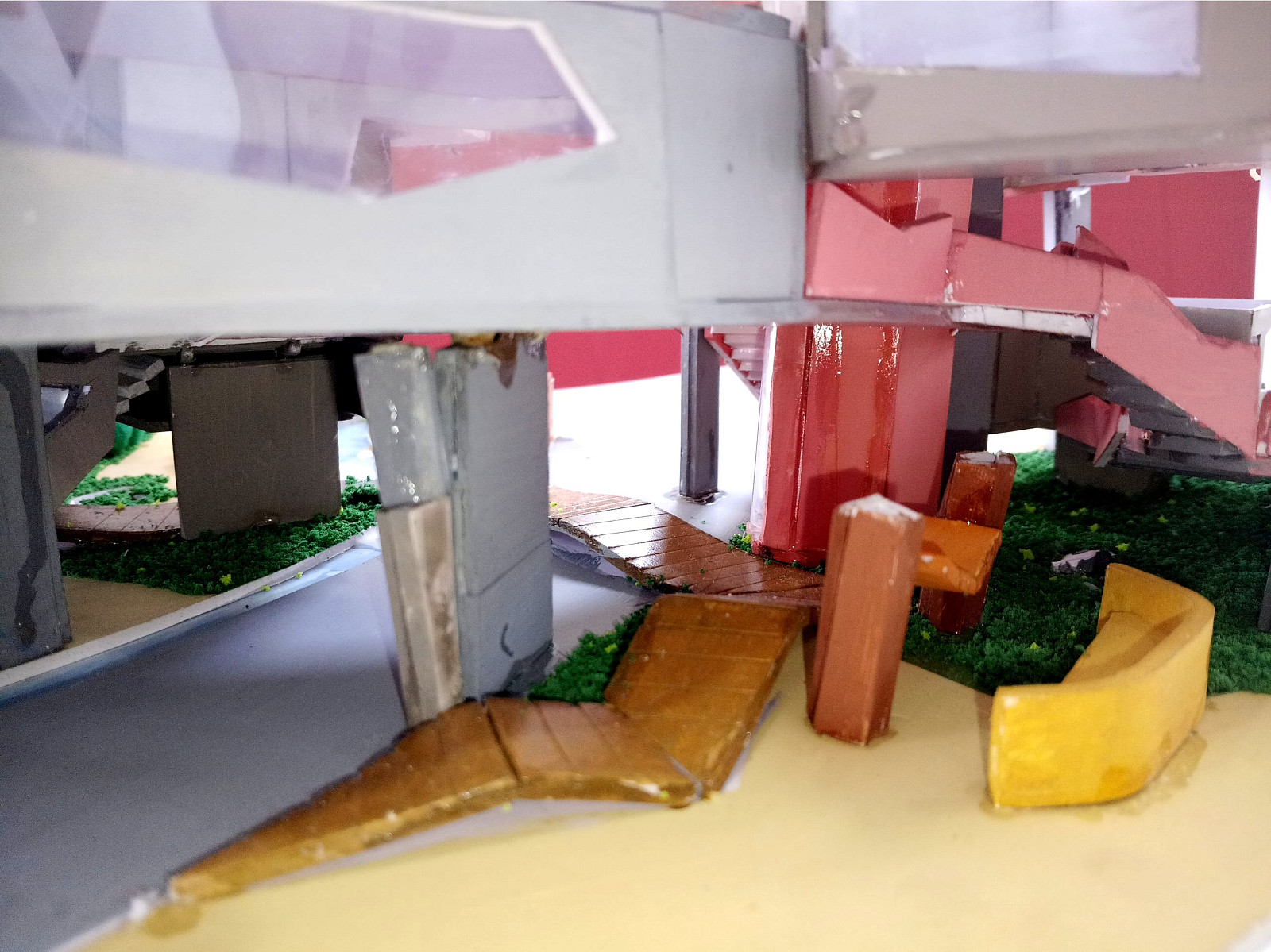
Deconstructivism


Idea projektu
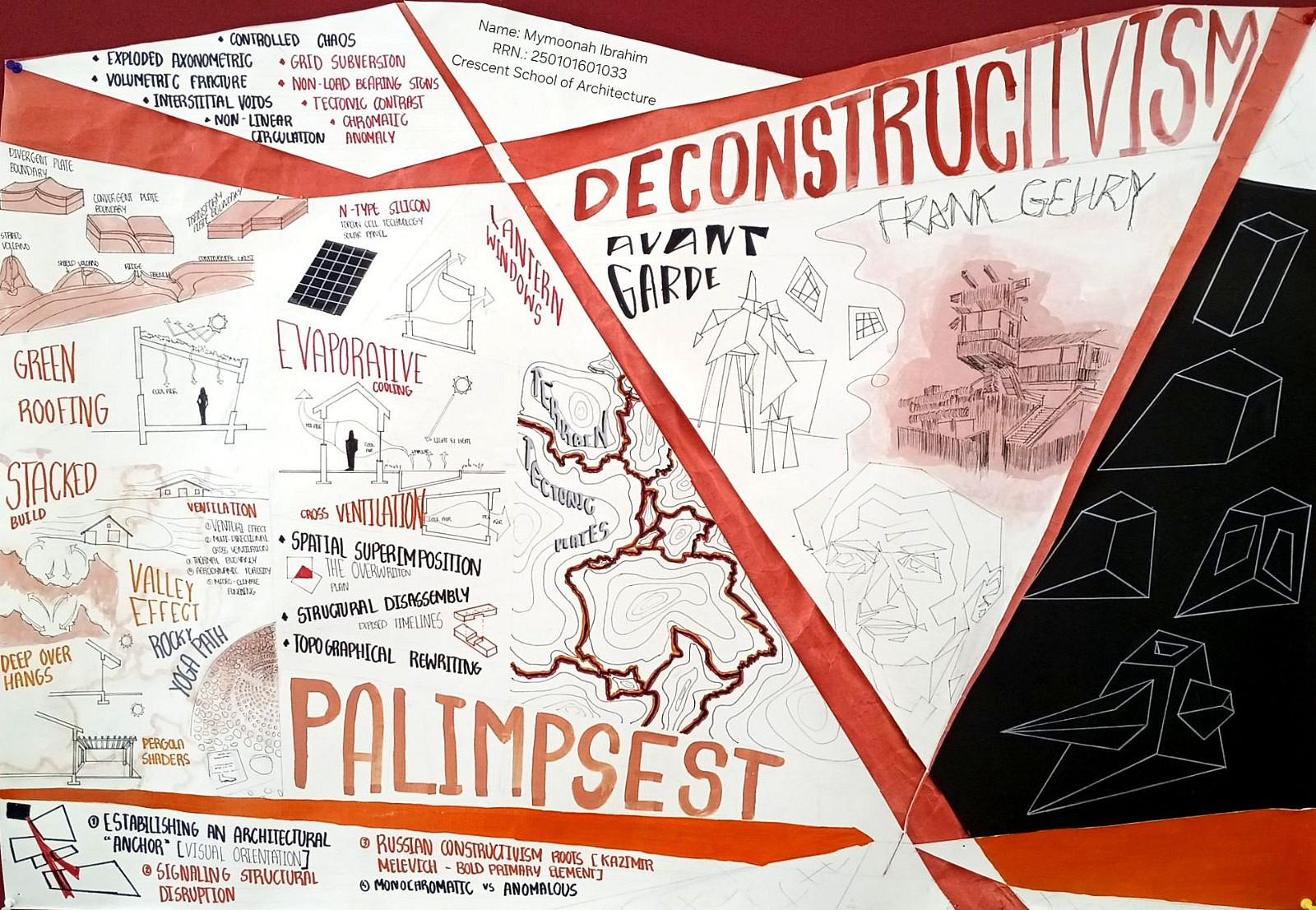
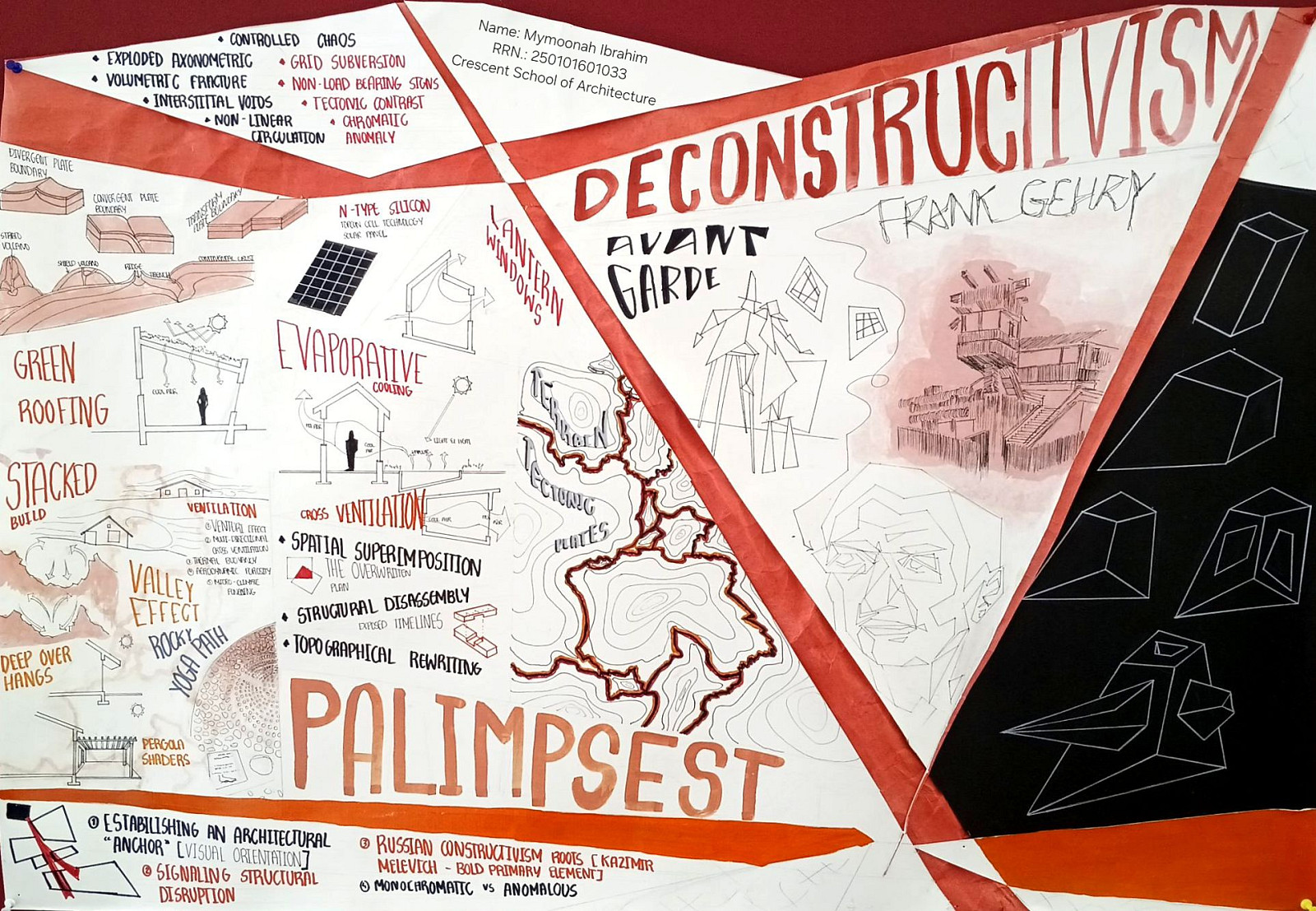
An exploration of deconstructivist architectural principles including palimpsest, avant-garde design, and the influence of Frank Gehry, incorporating concepts of controlled chaos, spatial superimposition, structural disassembly, and topographical rewriting.
Popis projektu
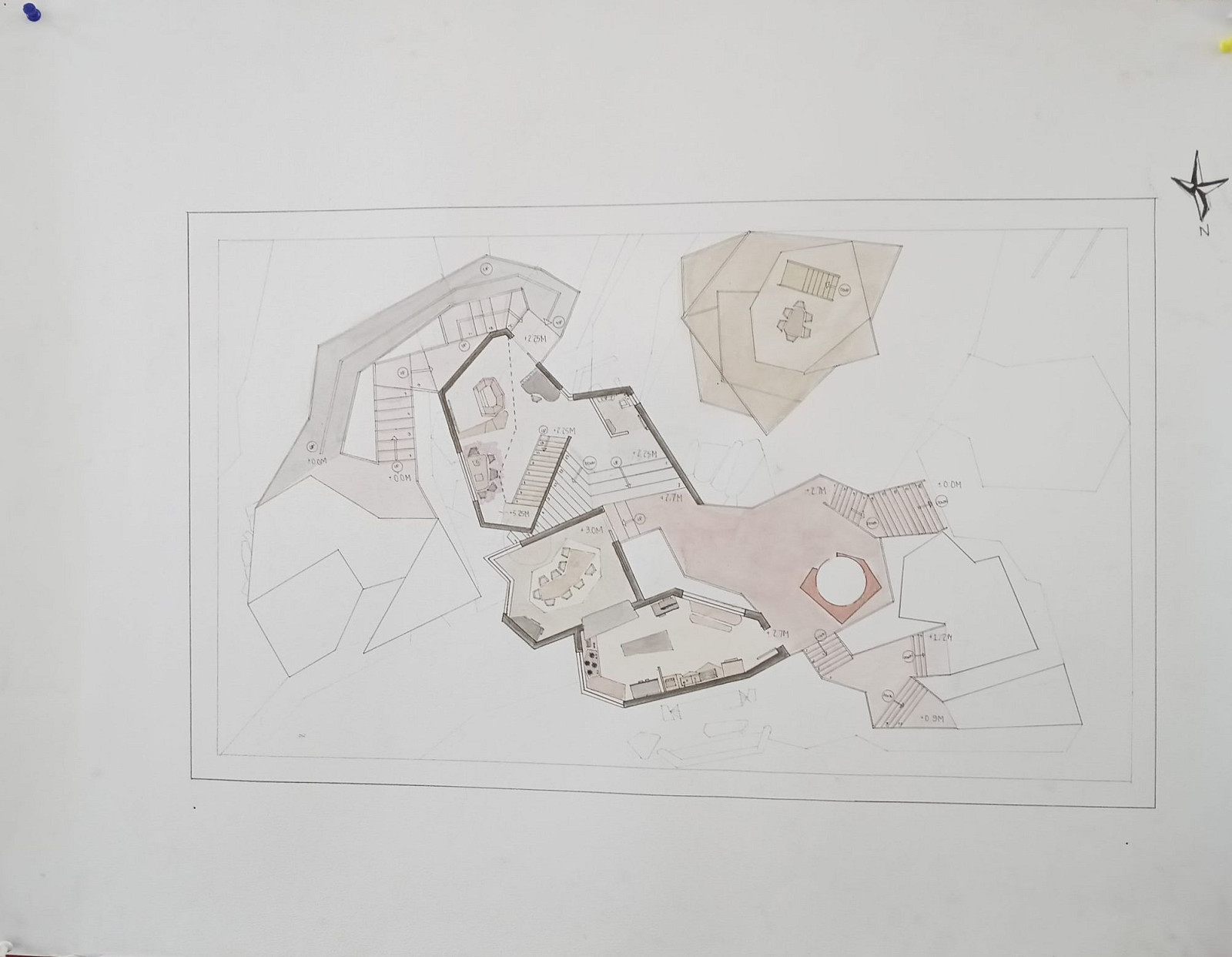
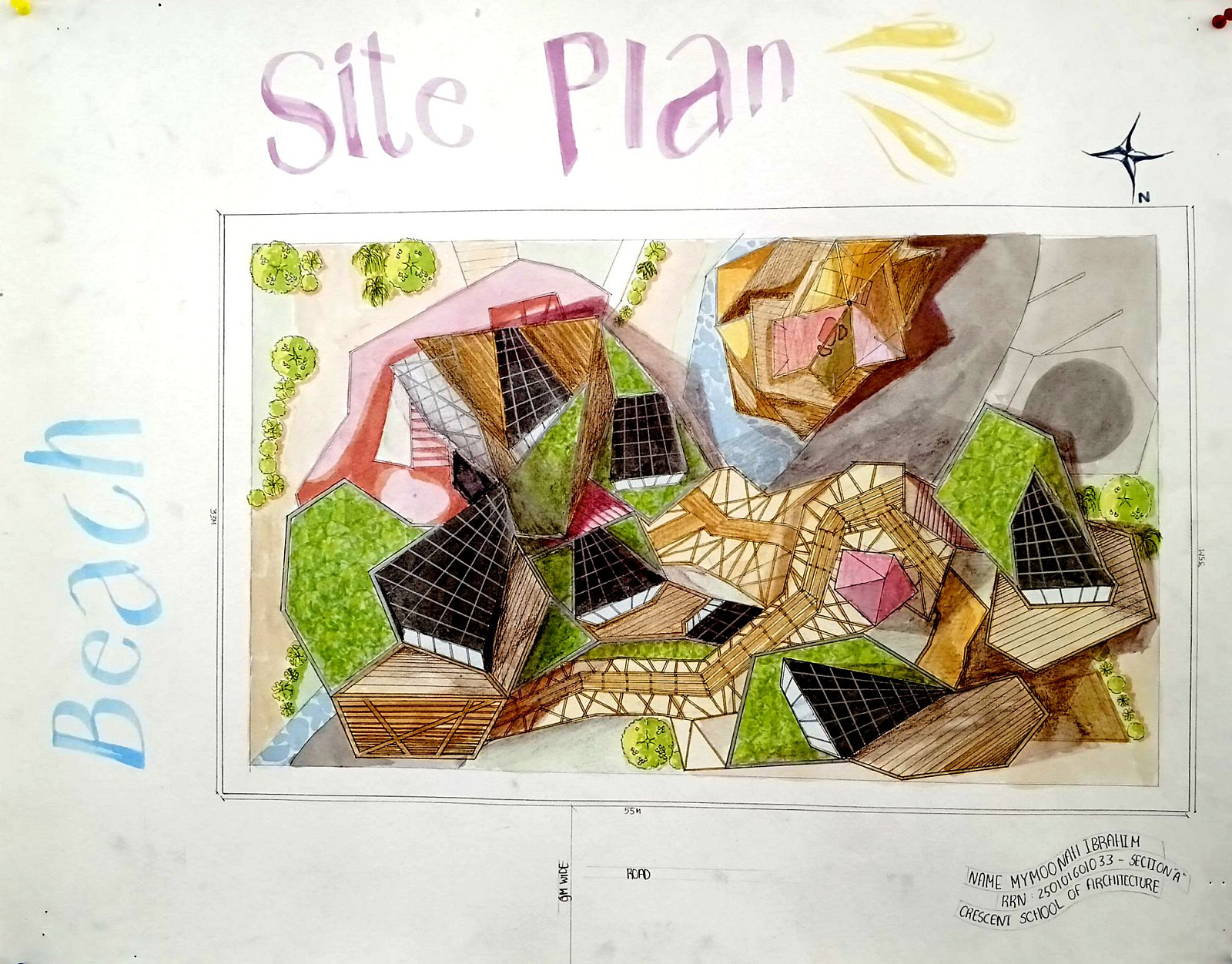
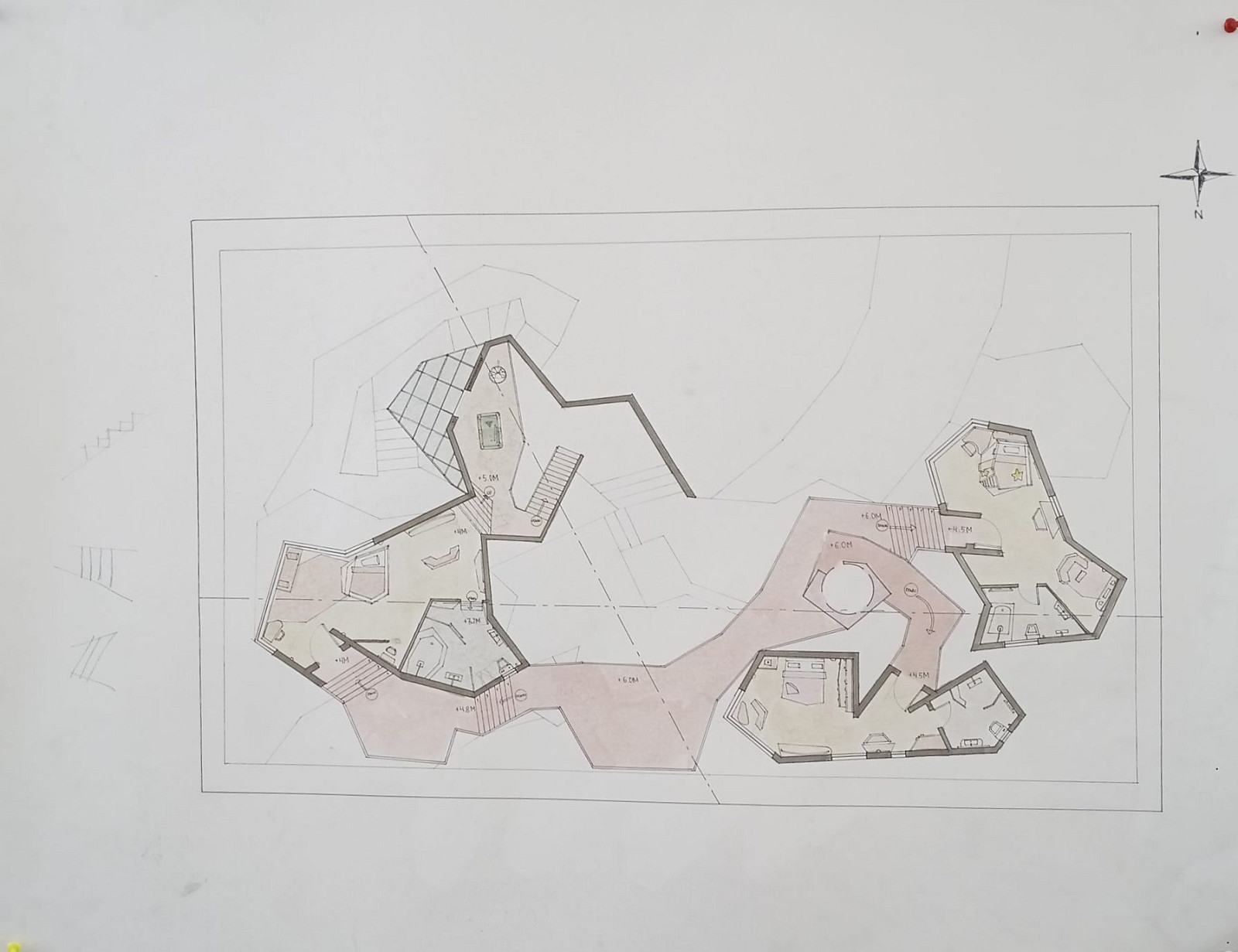
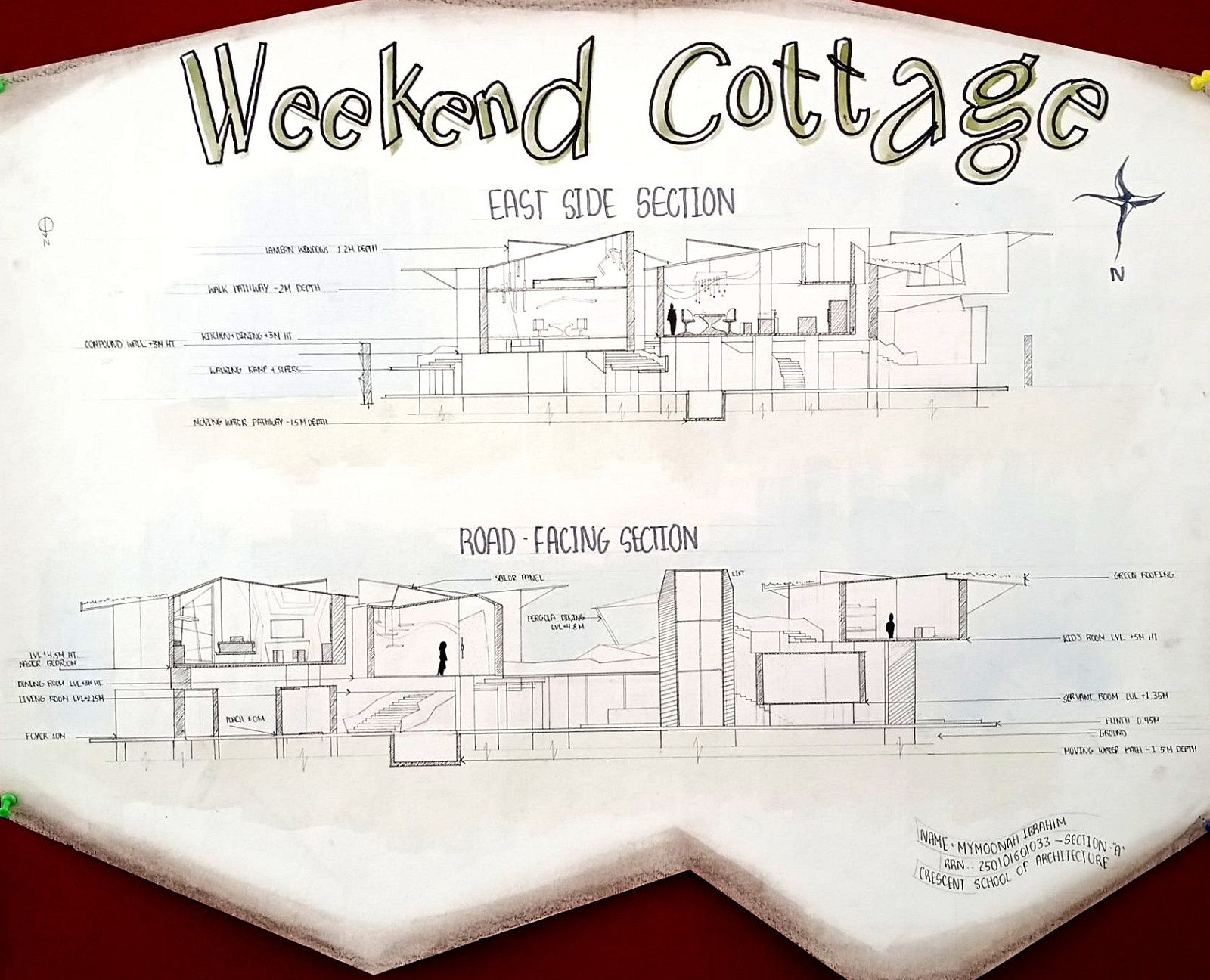
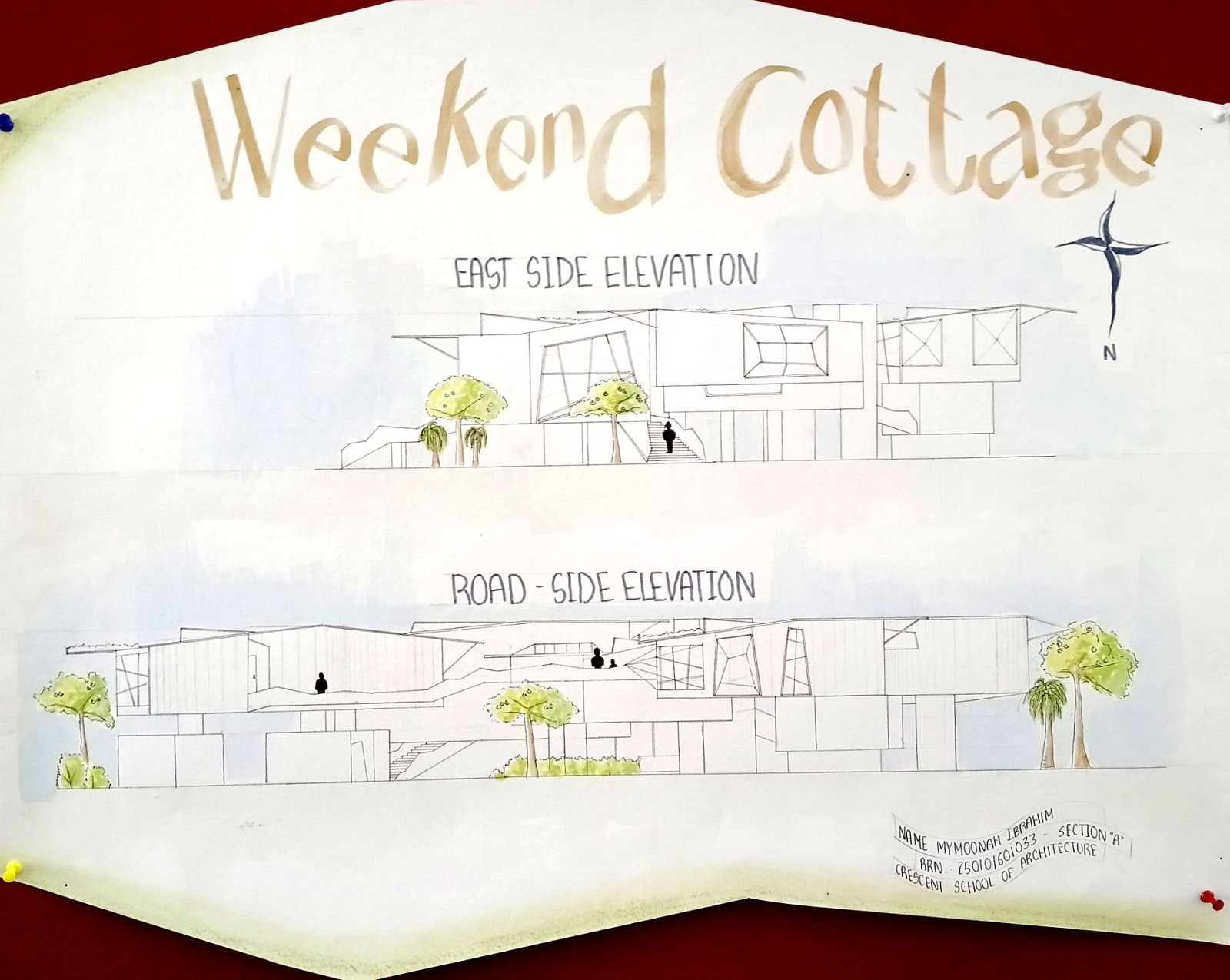
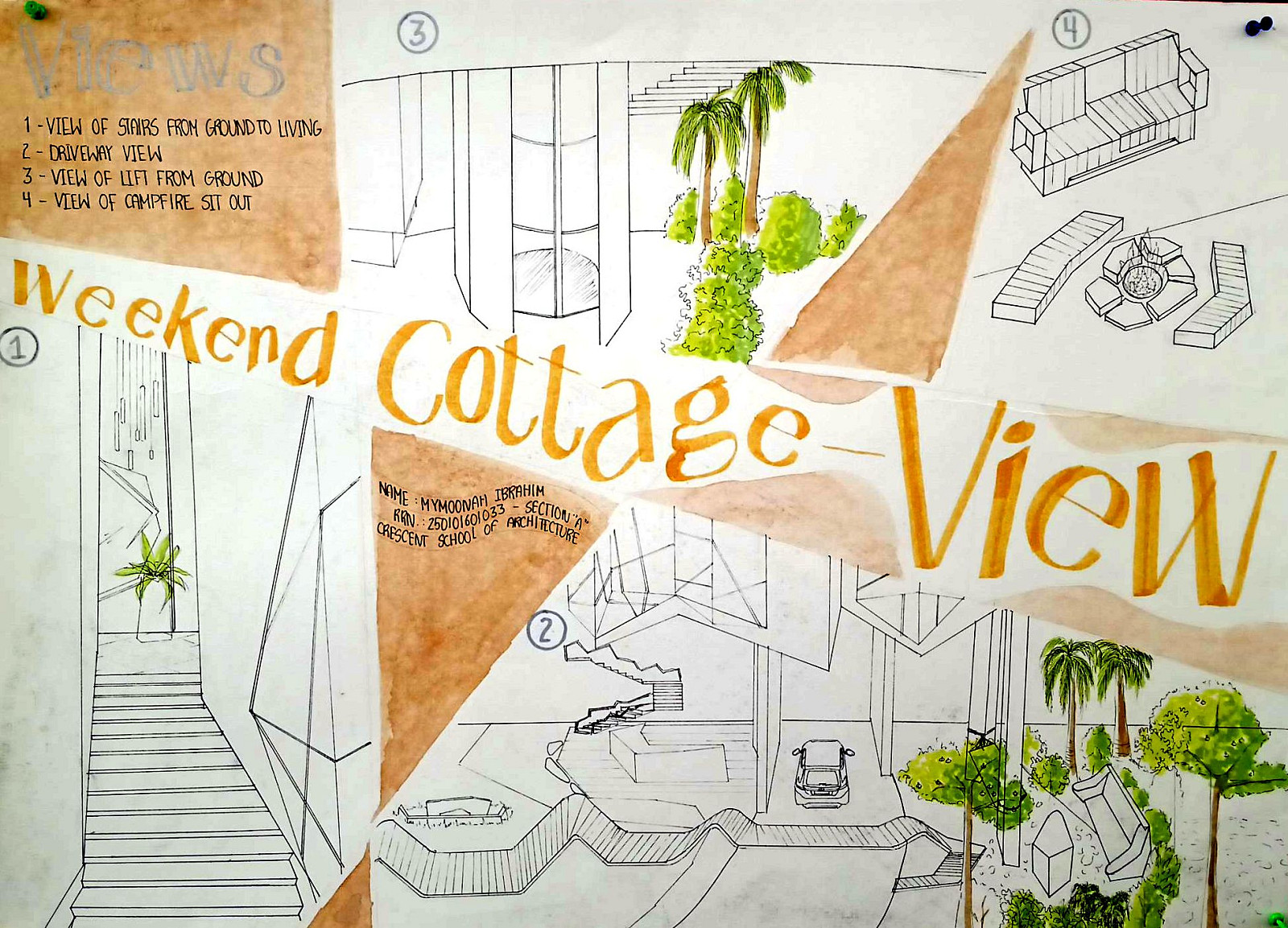
The board presents an analytical study of deconstructivism in architecture, examining key concepts such as exploded axonometric views, volumetric fracture, interstitial voids, non-linear circulation, grid subversion, non-load bearing signs, tectonic contrast, and chromatic anomaly. The project explores palimpsest as an architectural concept involving spatial superimposition (the overwritten plan), structural disassembly (exposed timelines), and topographical rewriting. References are made to Russian Constructivism roots including Kazimir Malevich and bold primary elements, as well as monochromatic vs anomalous approaches. The design establishes an architectural anchor for visual orientation and signals structural disruption.
Technické informace
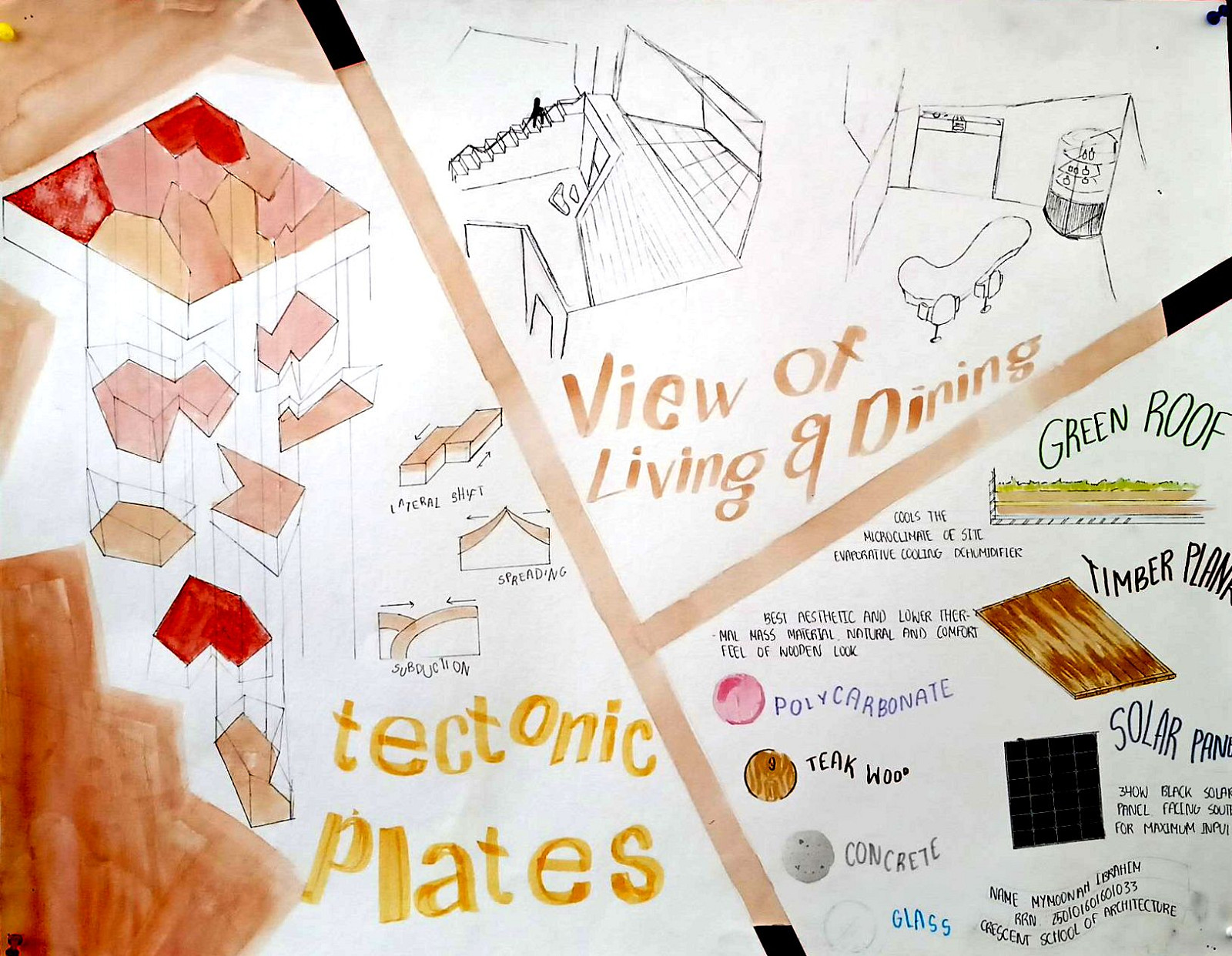
Technical strategies include green roofing, stacked build configurations, evaporative cooling, cross ventilation, N-type silicon photovoltaic cell technology (solar panel), lantern windows, valley effect, deep overhangs, pergola shaders, and divergent plate boundary-inspired forms. Ventilation strategies address venturi effect, mass directional airflow, passive recovery, and micro-climatic planning. Tectonic plates concept is referenced as a design generator.
Dokumentace

Copyright © 2026 INSPIRELI | All rights reserved. Use of this website signifies your agreement to the Terms of Use, Privacy Policy, and use of cookies.