Stone in Bloom


Idea projektu
Designing schools in economically underdeveloped countries and regions. By utilizing local characteristics and materials, the design aims to create spaces that feel familiar to the local community while fostering interaction and connection with the people and the surrounding context.
Popis projektu
Children born in villages with limited economic conditions and poor infrastructure grow up in environments where
quality of life is far from guaranteed. Yet it is spirit and determination that ignite in them a stronger desire, pushing
them to strive harder on their journey to become the sheltering trees for their communities.
Born into natural surroundings of sun and wind, nurtured by the earth and stones, they come to understand how
deeply important the connection to nature is for the people there. And they learn how to place the human element at
the center—where rituals, culture, and traditions revolve around and bond closely with them.
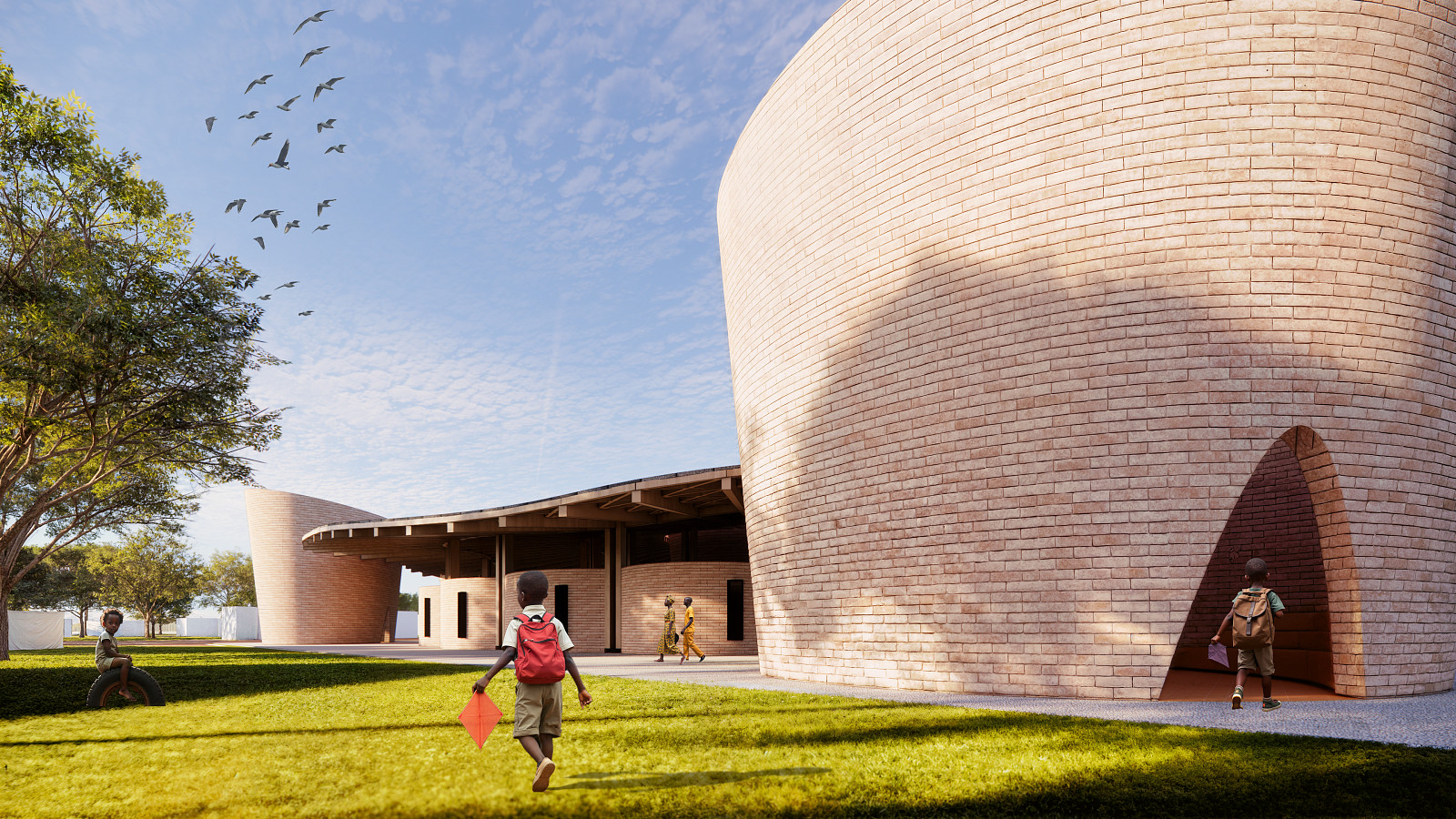
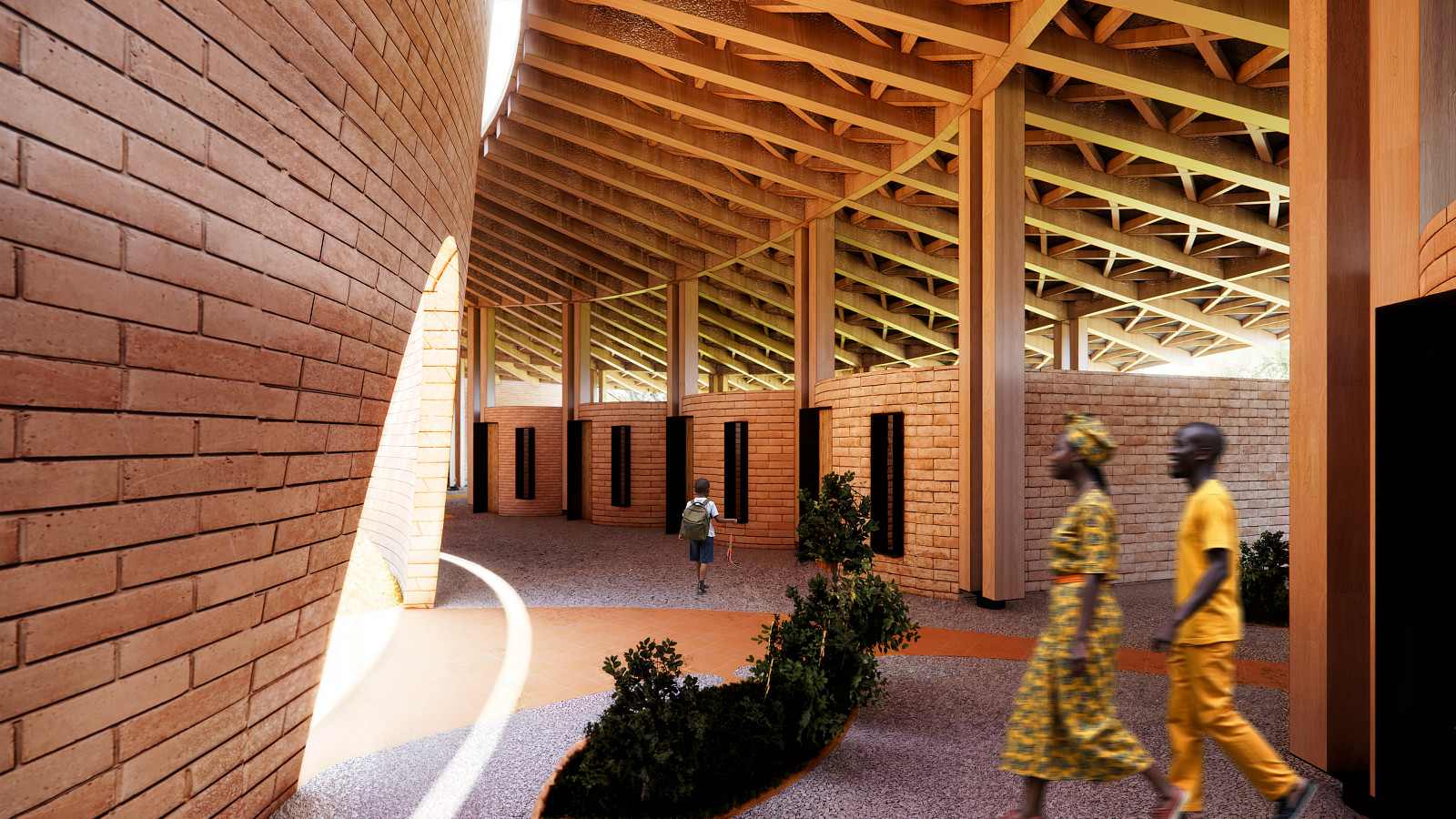
The school project is one that embraces primal values and aims to support people to the fullest extent. By using local
materials such as stone bricks, bamboo, and wood—resources that are readily available and well-suited to the region’s
climate—the project enhances the building’s sustainability.
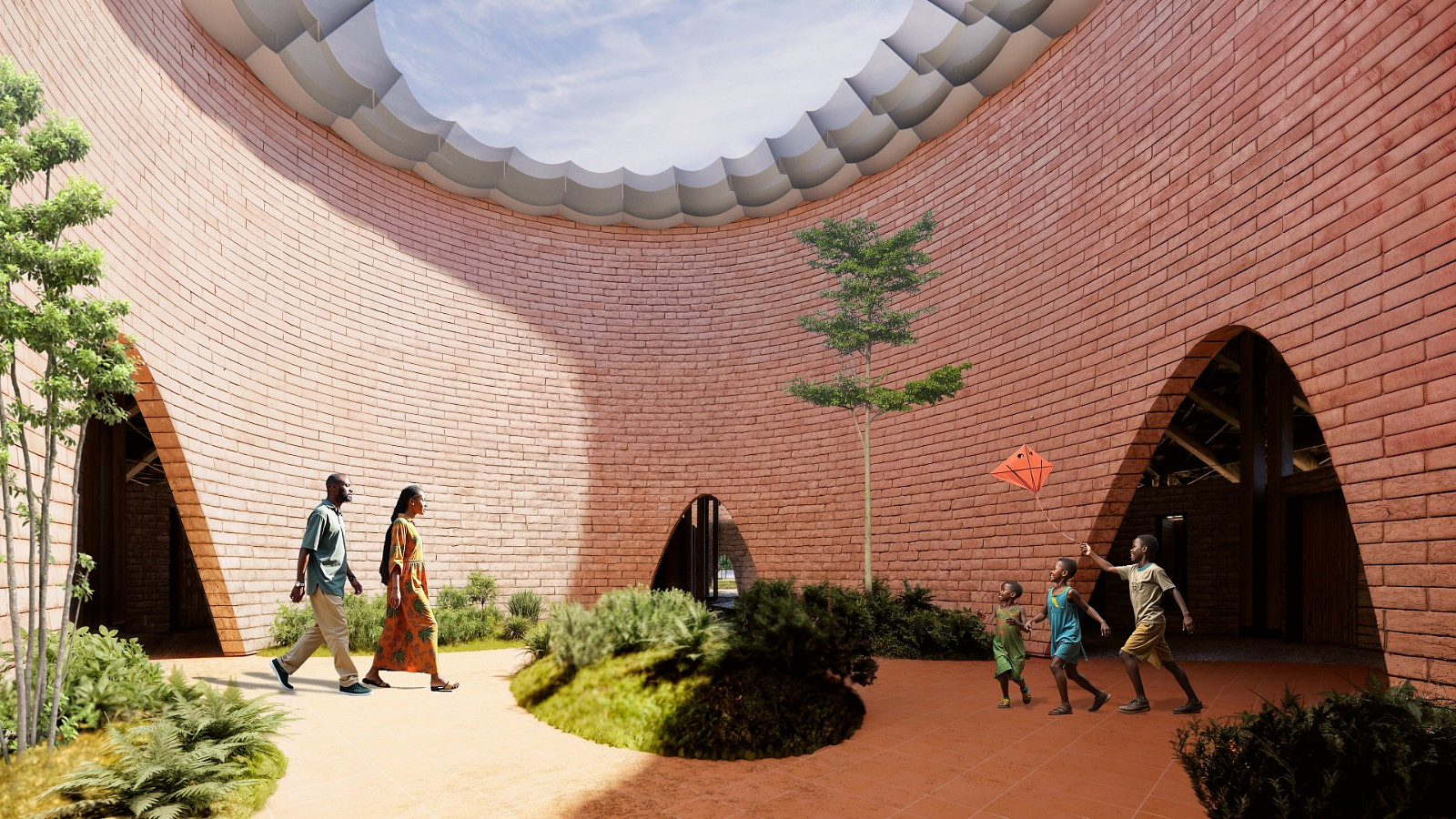
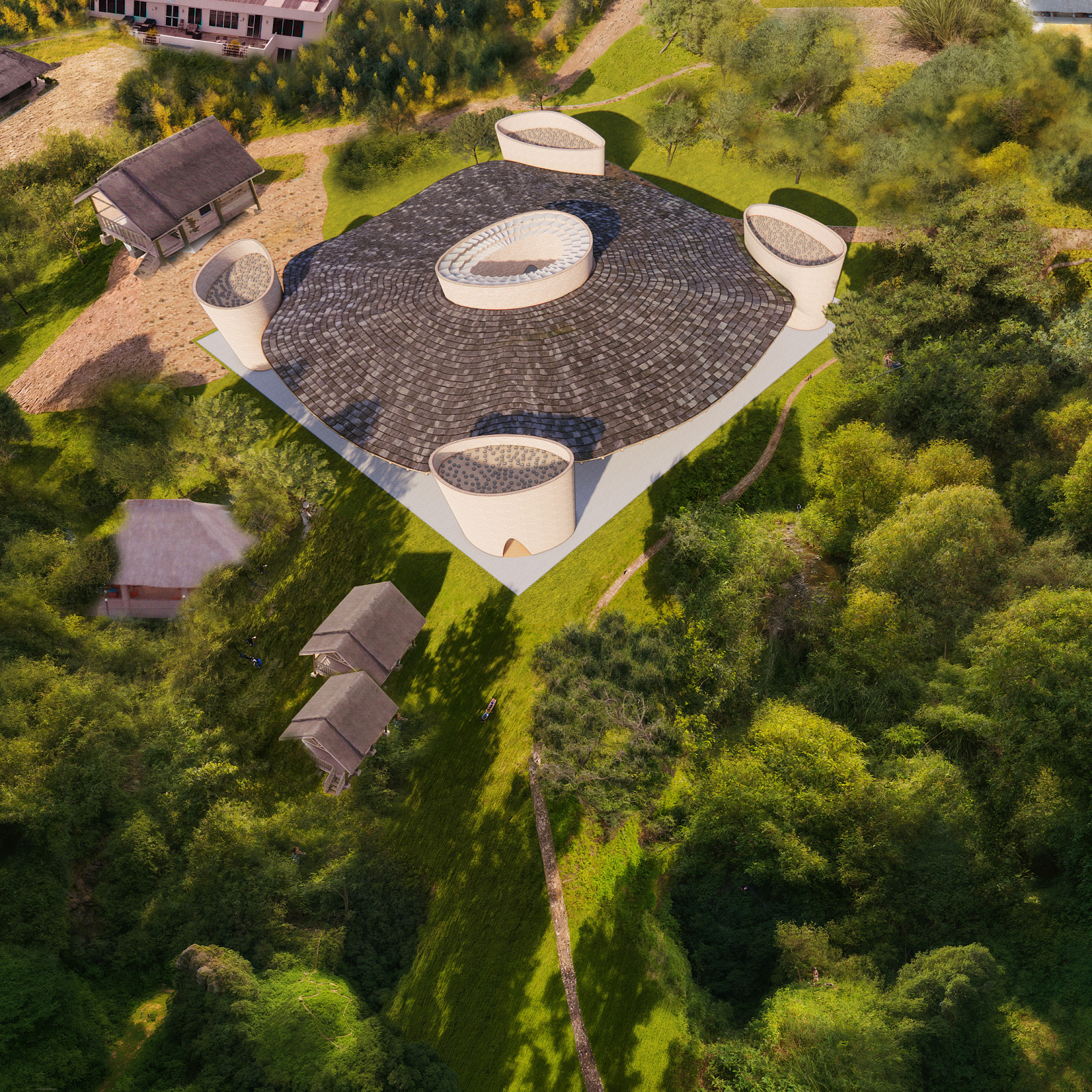
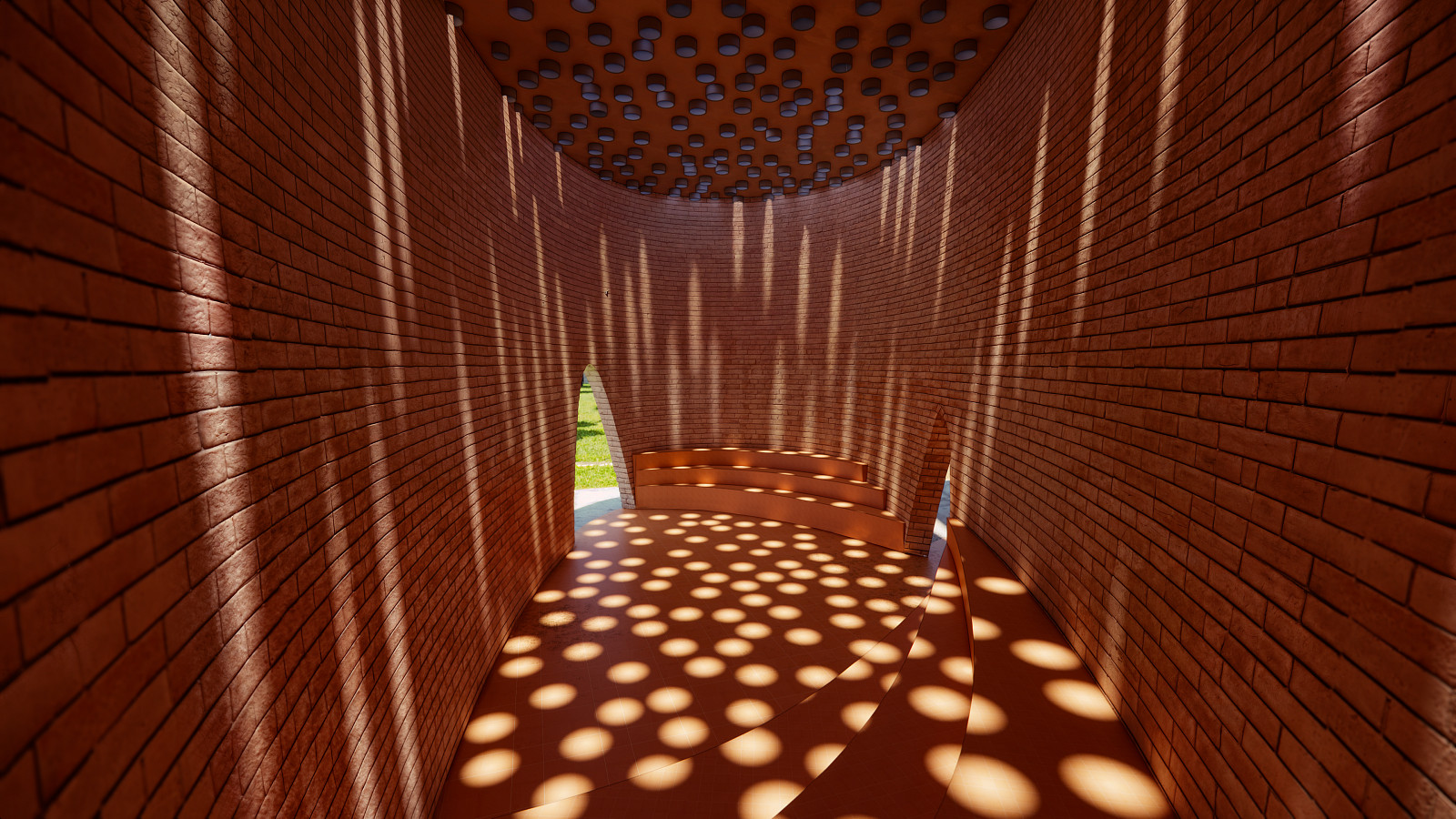
The architecture offers a unique experience through a large roof structure that connects multiple communal spaces
shaped in organic forms. Inside, natural garden landscapes unfold, featuring cultivable plots that help supply food for
the school, allowing it to operate and sustain itself independently.
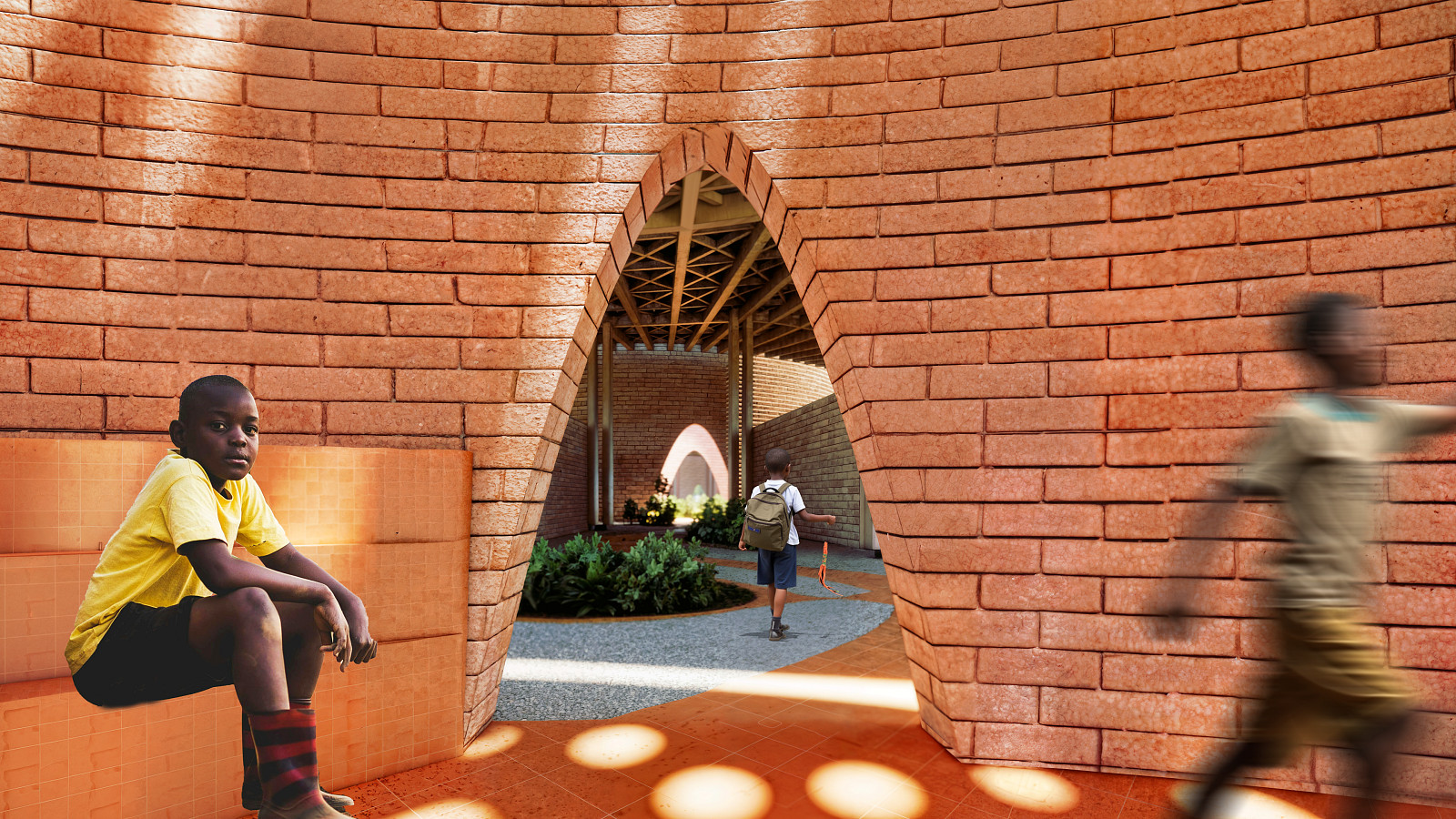
At the same time, the design fosters a healthy environment that encourages children to be active and enhances interaction among them.
Technické informace
The structure is constructed from two primary materials: solid brick and timber. The enclosing walls are built of brick, while the roof structure is made of wood and topped with tiles. This is integrated with green internal courtyards to optimize the indoor-outdoor connection of the building.


Copyright © 2026 INSPIRELI | All rights reserved. Use of this website signifies your agreement to the Terms of Use, Privacy Policy, and use of cookies.
