IBM Synapse


Idea projektu
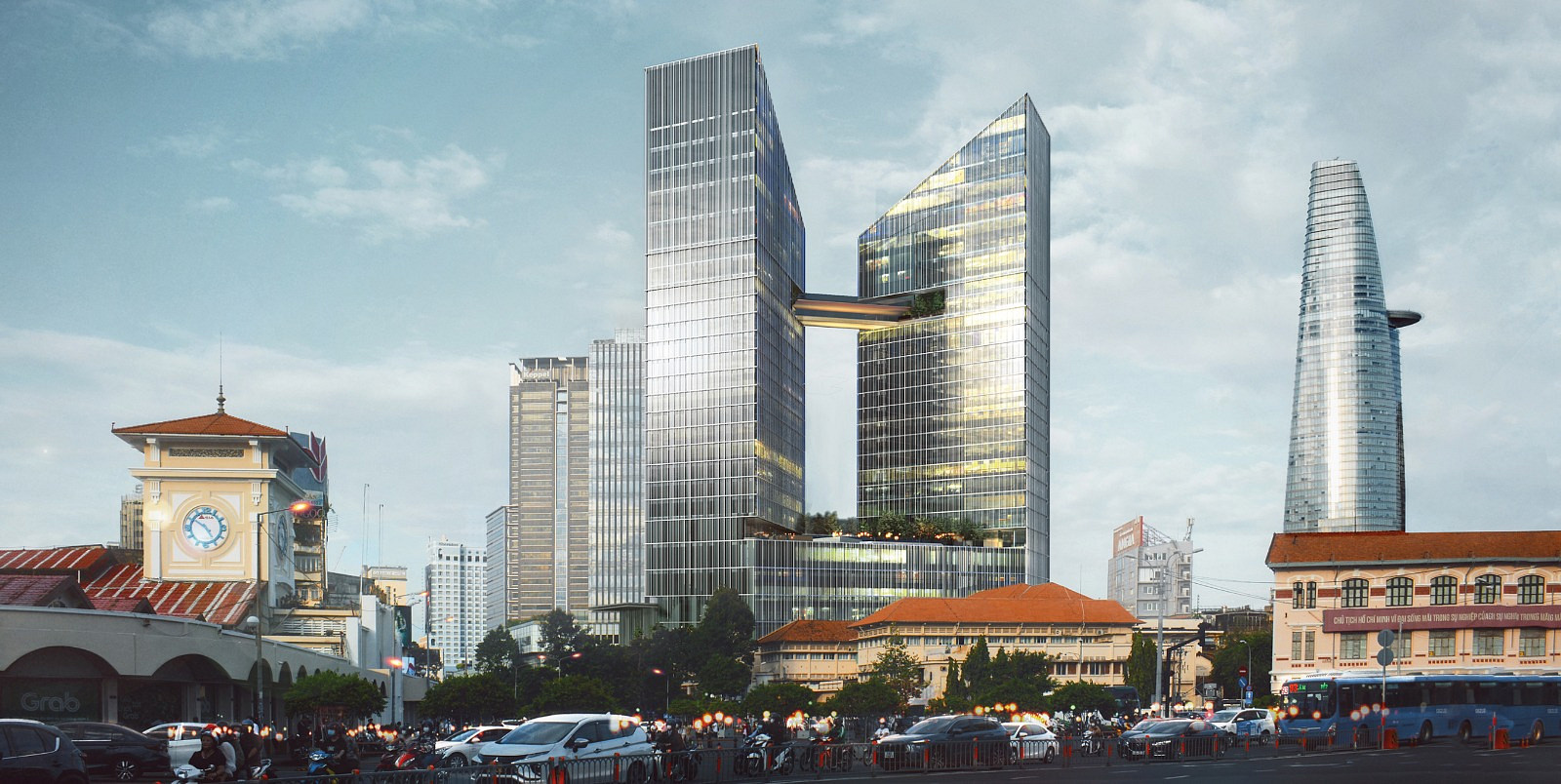
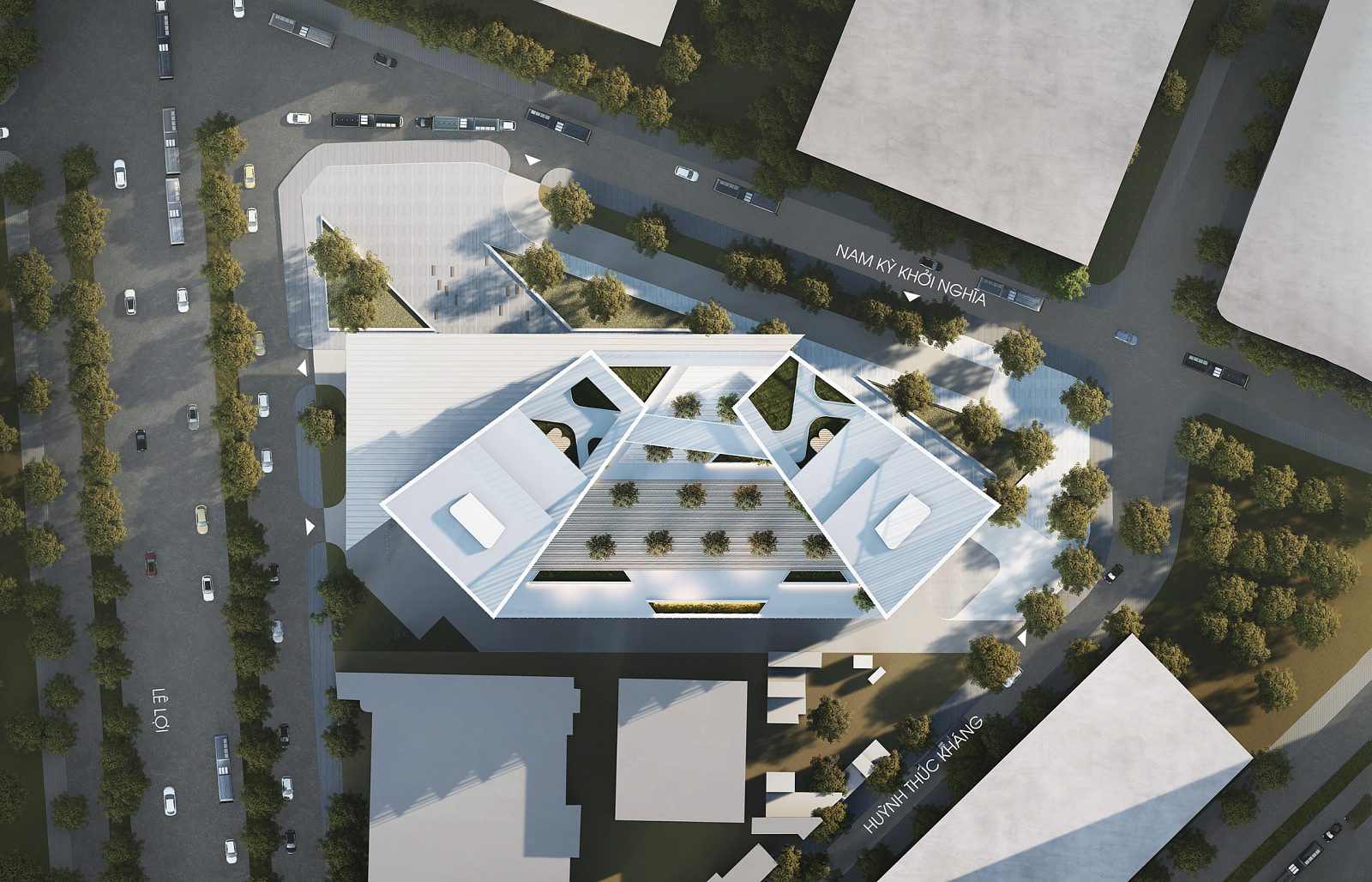
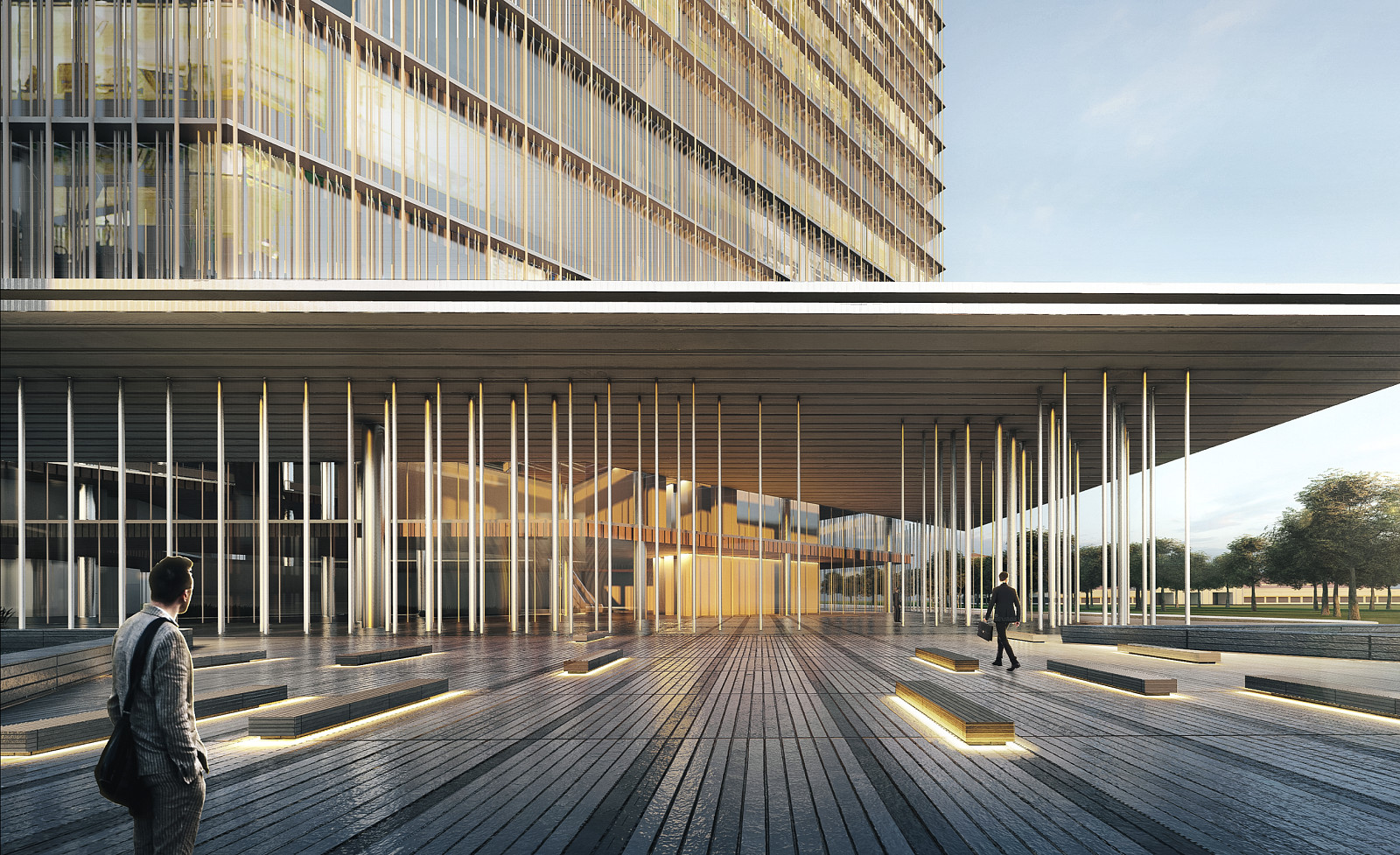
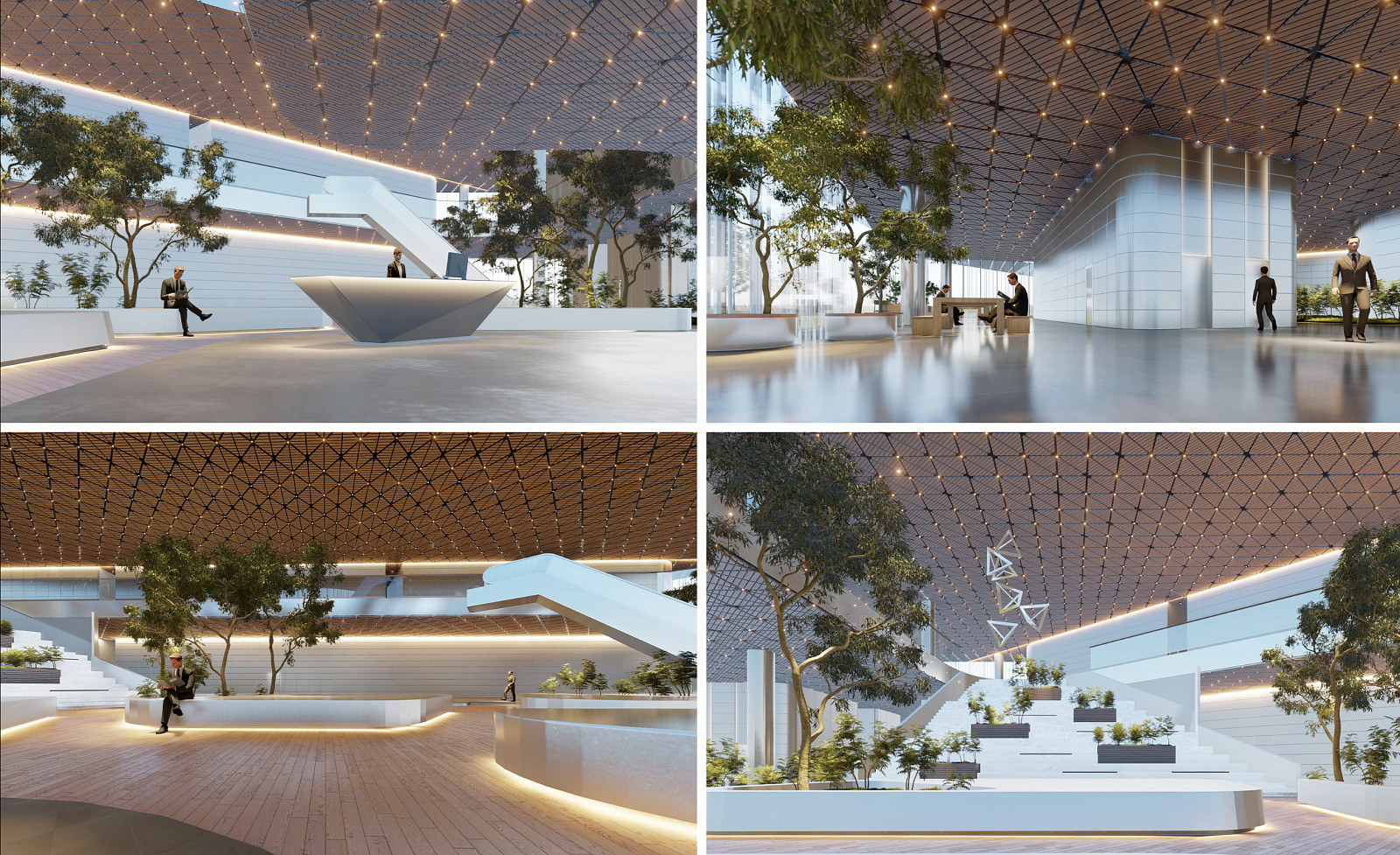
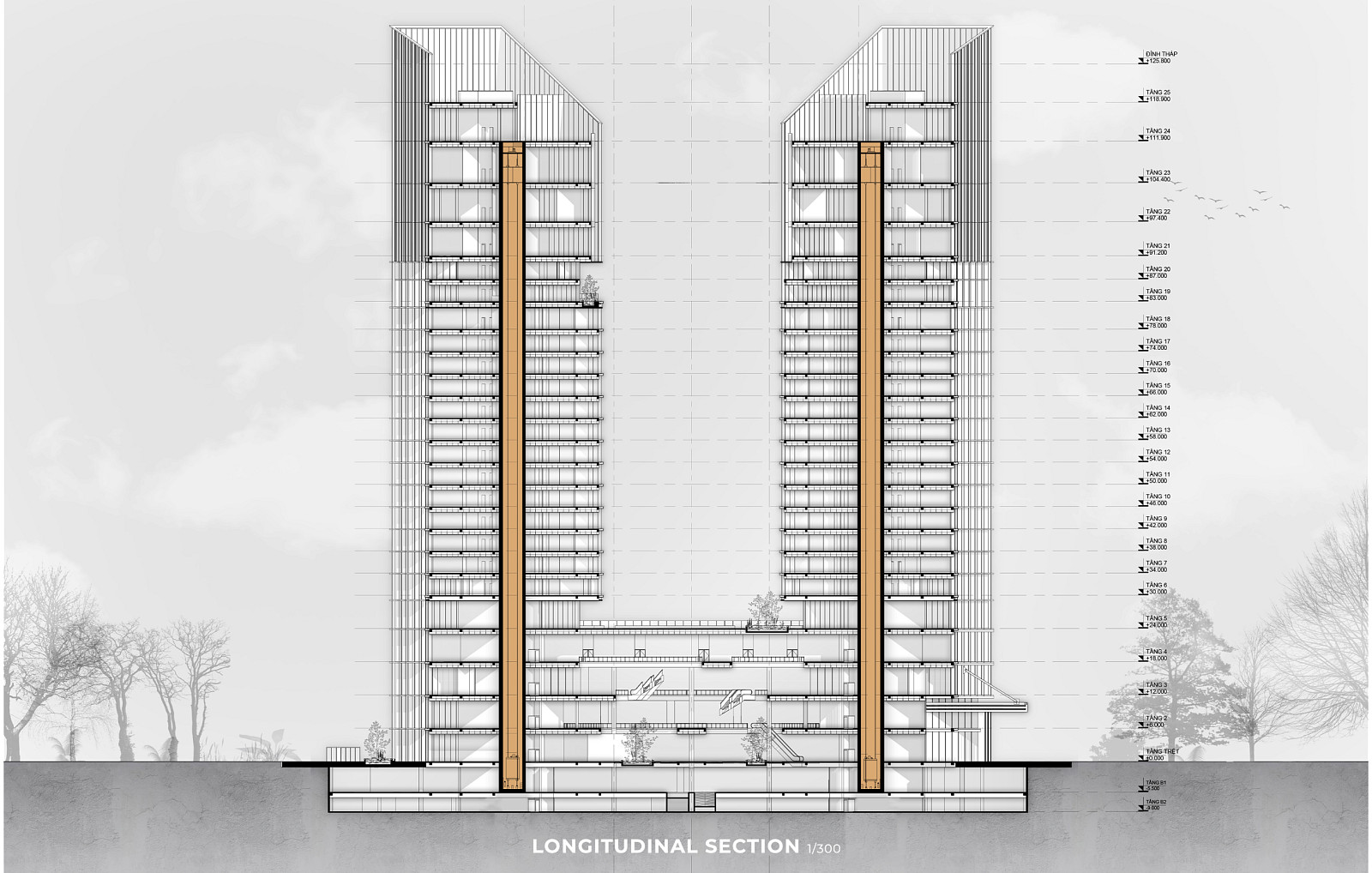
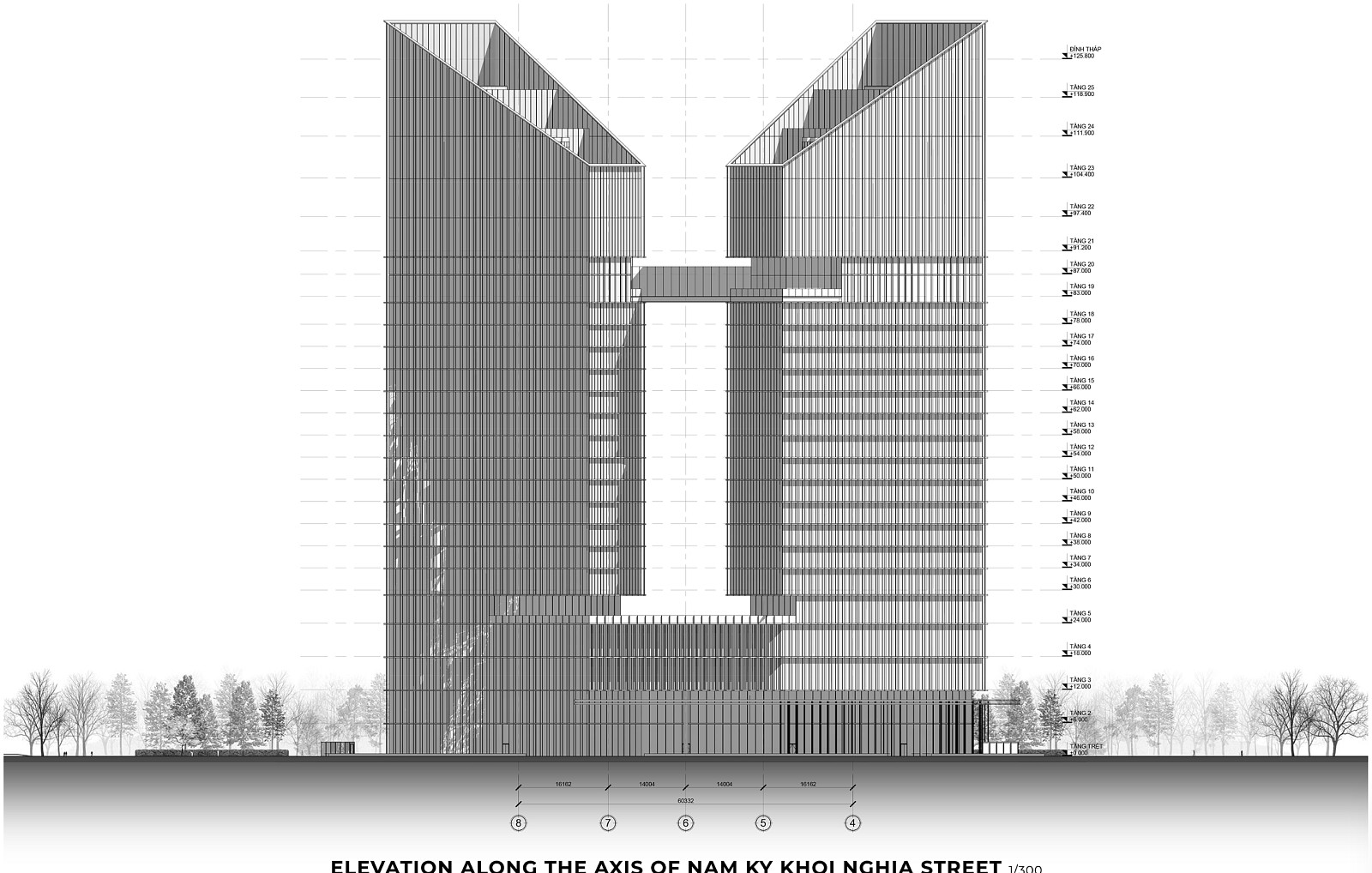
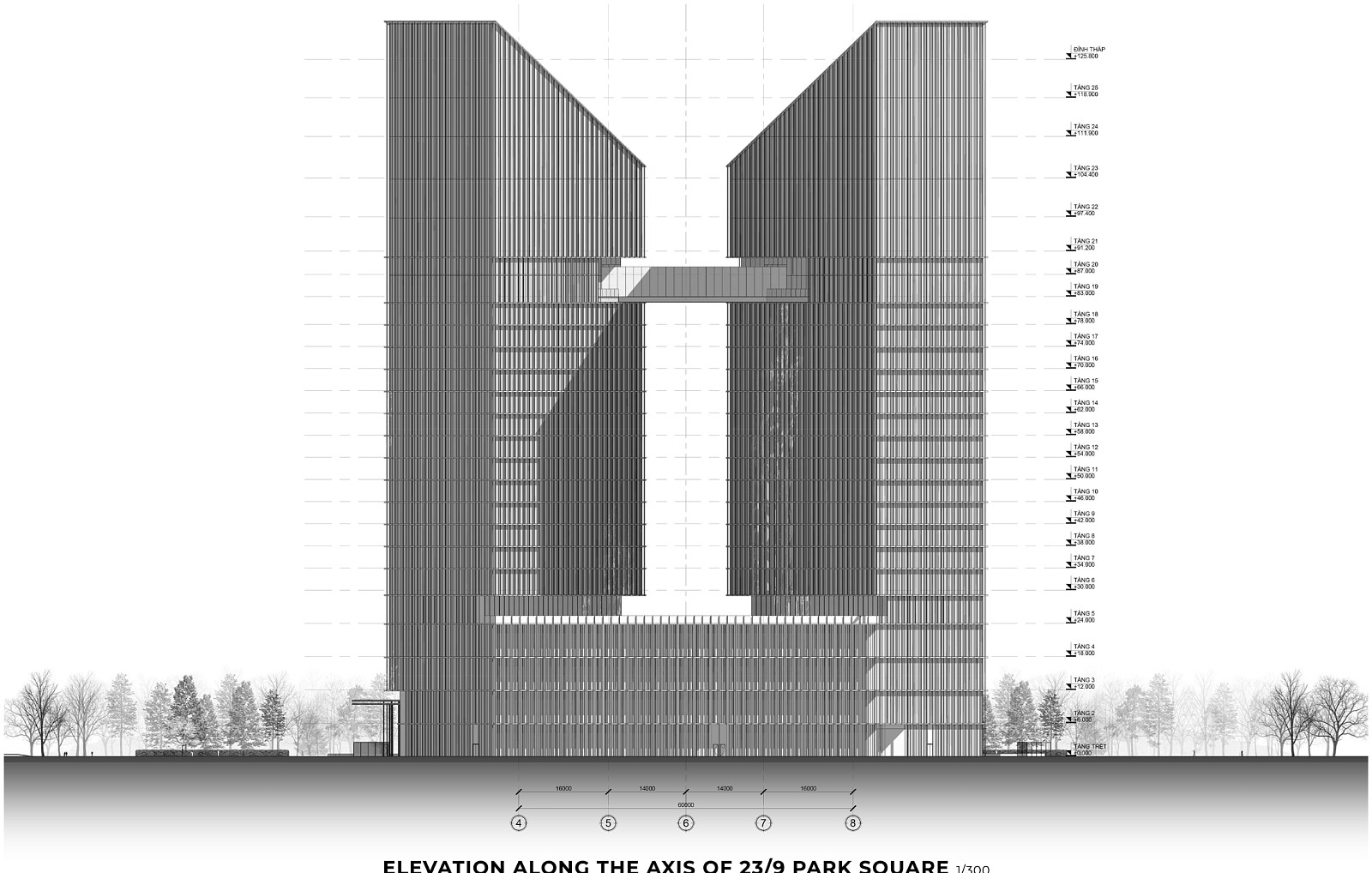
Nestled in the heart of Ho Chi Minh City’s bustling District 1, this proposed IBM Headquarters project sits on a prominent triangular site near the iconic Ben Thanh Market and 23/9 Park. The design responds to the site’s rich historical and cultural context while showcasing IBM’s forward-thinking spirit. By combining sleek, contemporary aesthetics with functional spaces for collaboration and innovation, the building aspires to serve both as a local landmark and a global symbol of technological excellence. The proposal comprises two slender towers connected by a multi-level skybridge, creating an inviting ground-level plaza and a striking silhouette on the city skyline. Through carefully considered massing, open public spaces, and sustainable strategies, the project reflects IBM’s commitment to driving progress, empowering communities, and respecting the urban fabric of Ho Chi Minh City.
Popis projektu
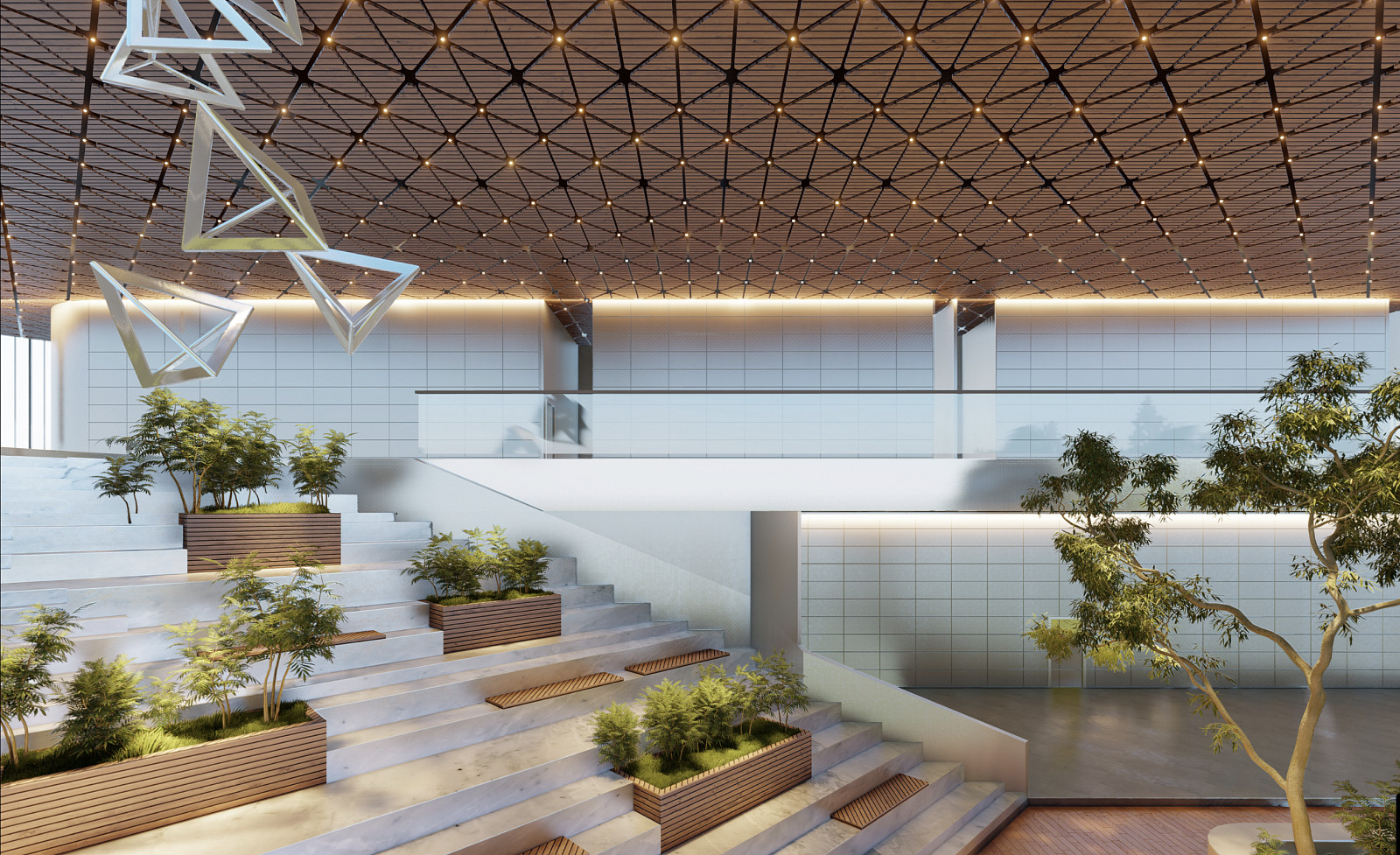
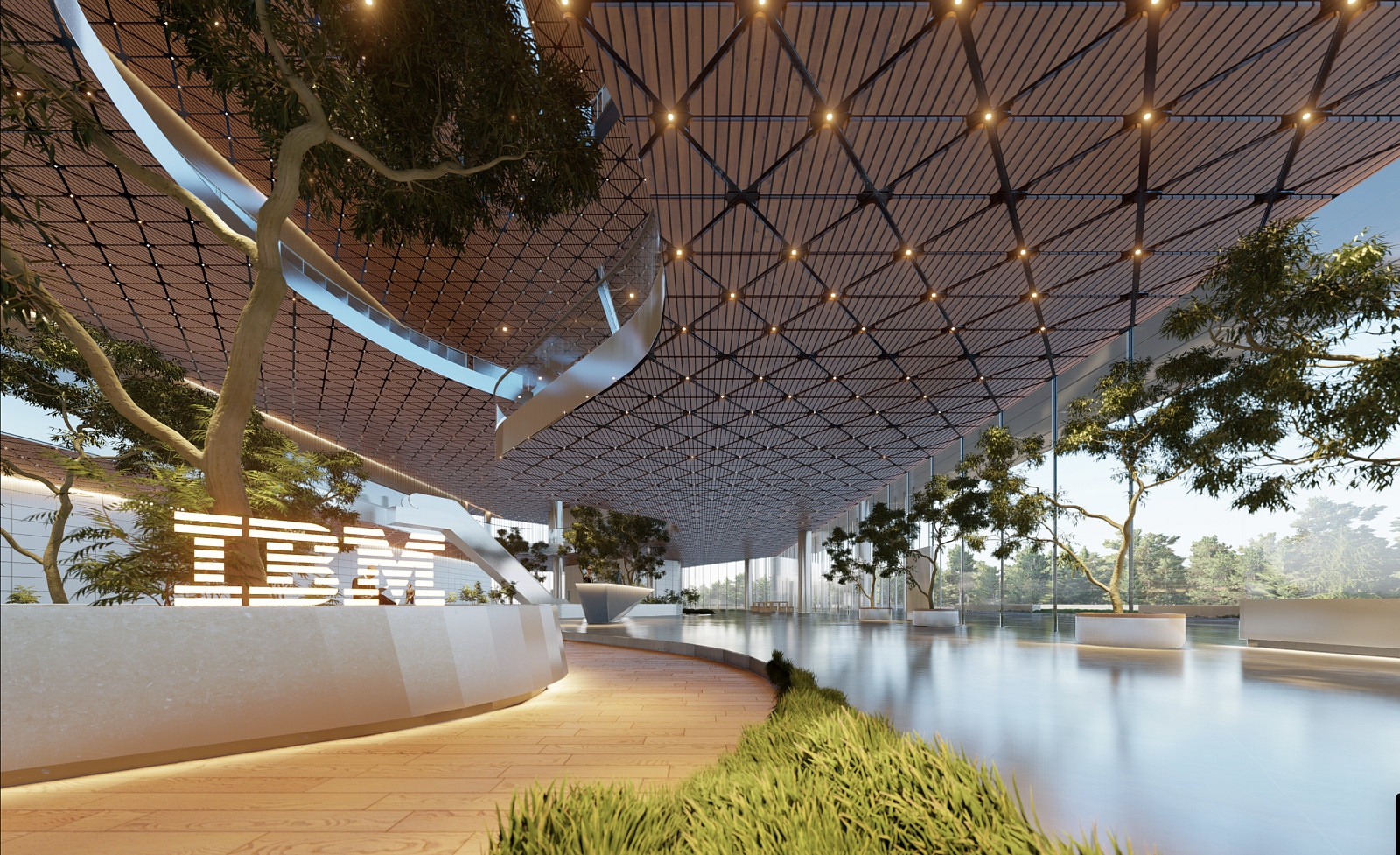
The vision for the IBM Headquarters is to establish a dynamic, future-ready campus that embodies IBM’s core values of innovation, collaboration, and social responsibility. Drawing inspiration from Ho Chi Minh City’s rapid growth and vibrant culture, the design integrates advanced technologies and flexible work environments to foster creativity and knowledge sharing. Open, fluid floor plates and verdant sky terraces encourage a seamless interaction between indoor and outdoor spaces, promoting well-being and community engagement. By embracing cutting-edge sustainable solutions—from optimized building orientation and shading systems to green rooftops and energy-efficient facades—the project aspires to set a benchmark for eco-conscious development in Vietnam. Ultimately, this headquarters aims to be more than just an office building; it is envisioned as a beacon of forward-thinking design, a catalyst for urban regeneration, and a testament to IBM’s enduring commitment to shaping a better future.
Technické informace
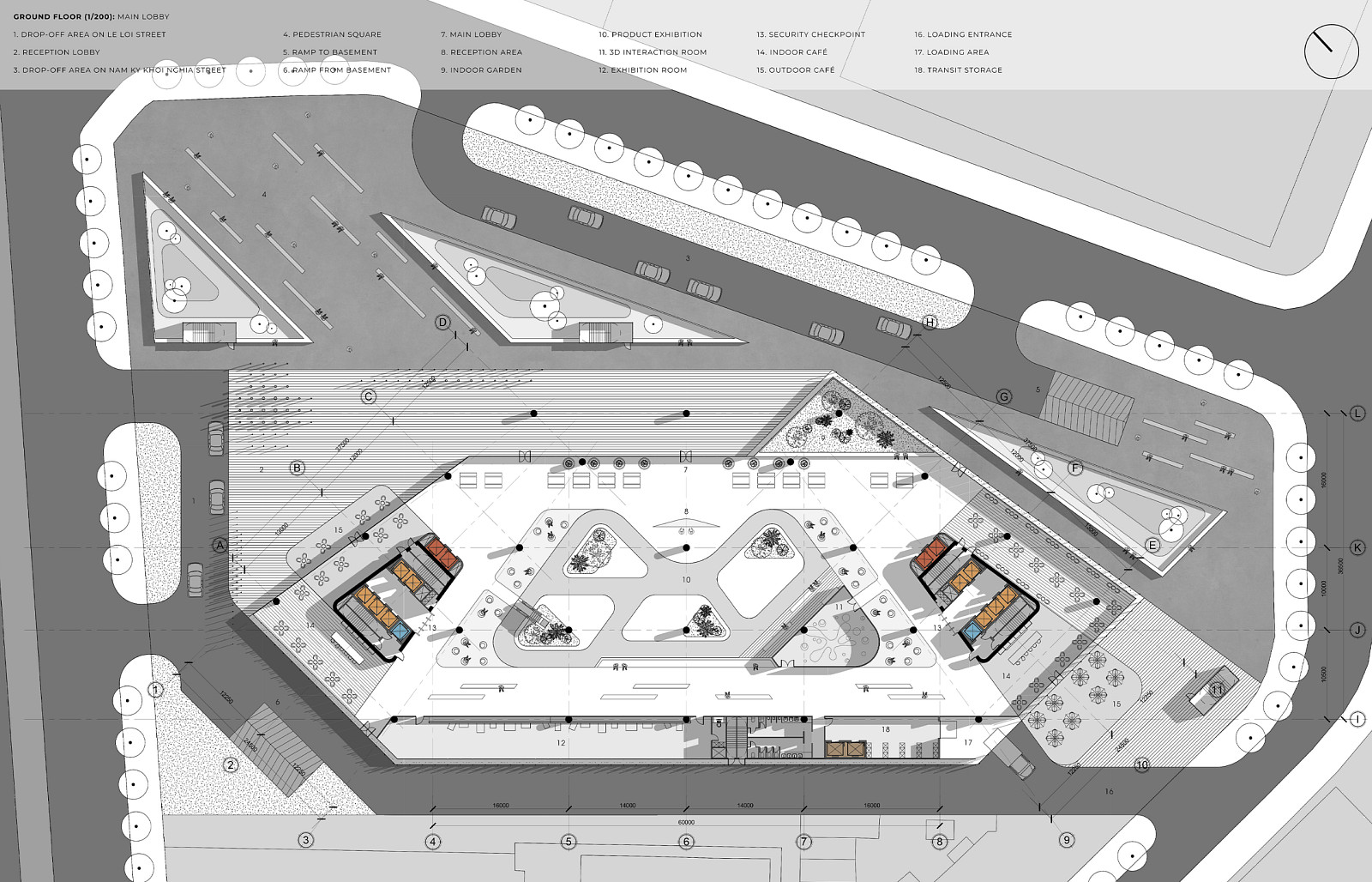
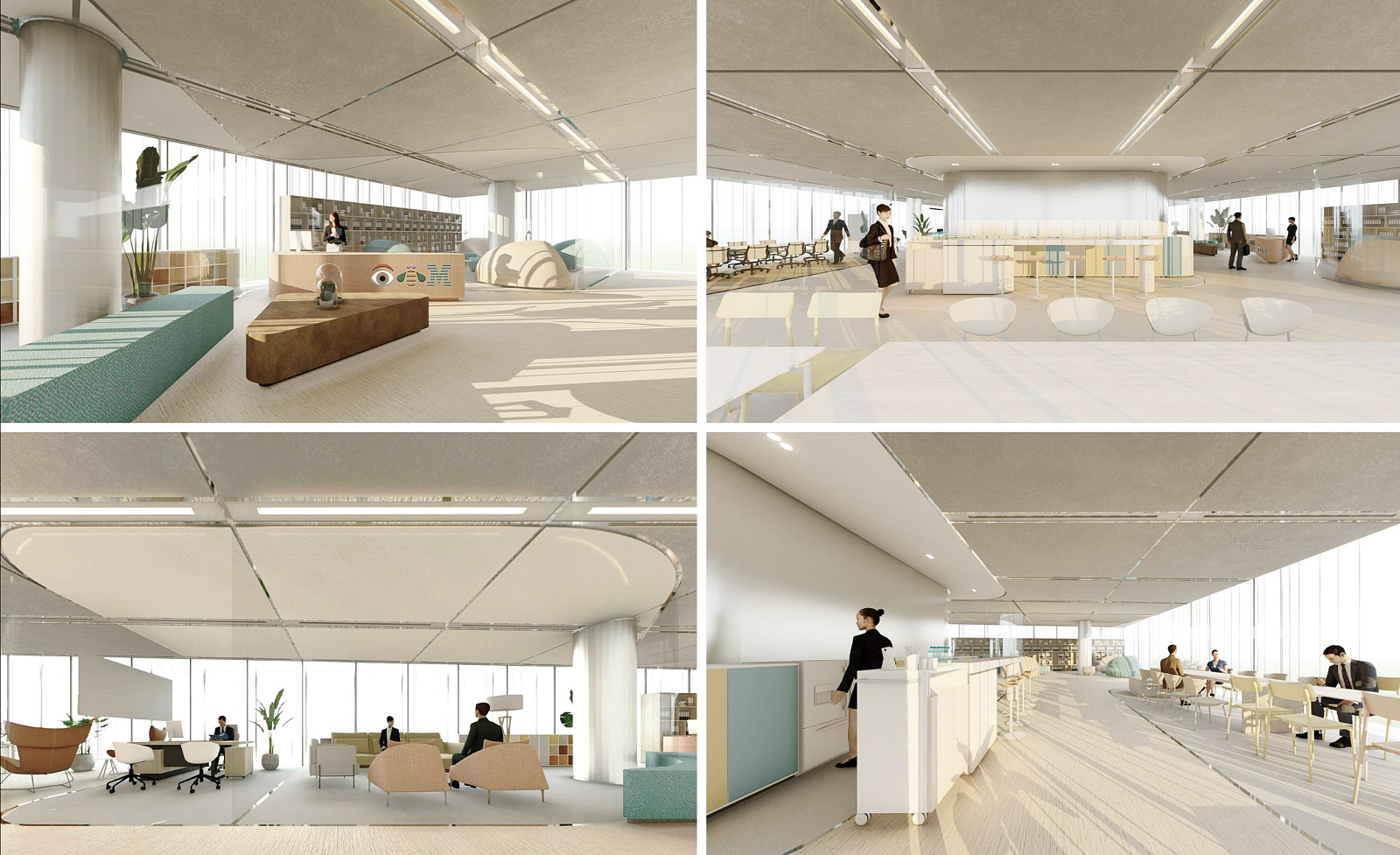
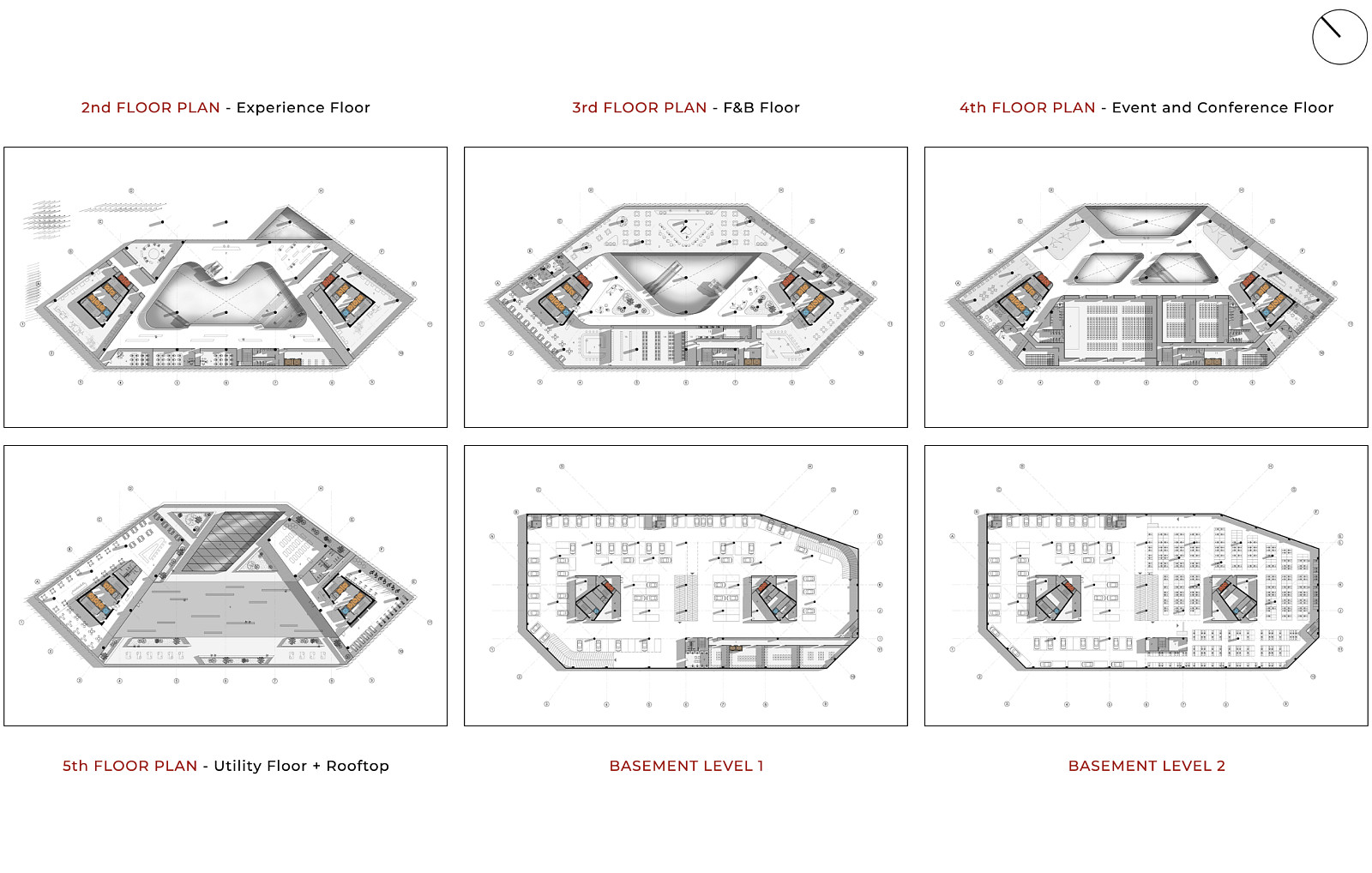
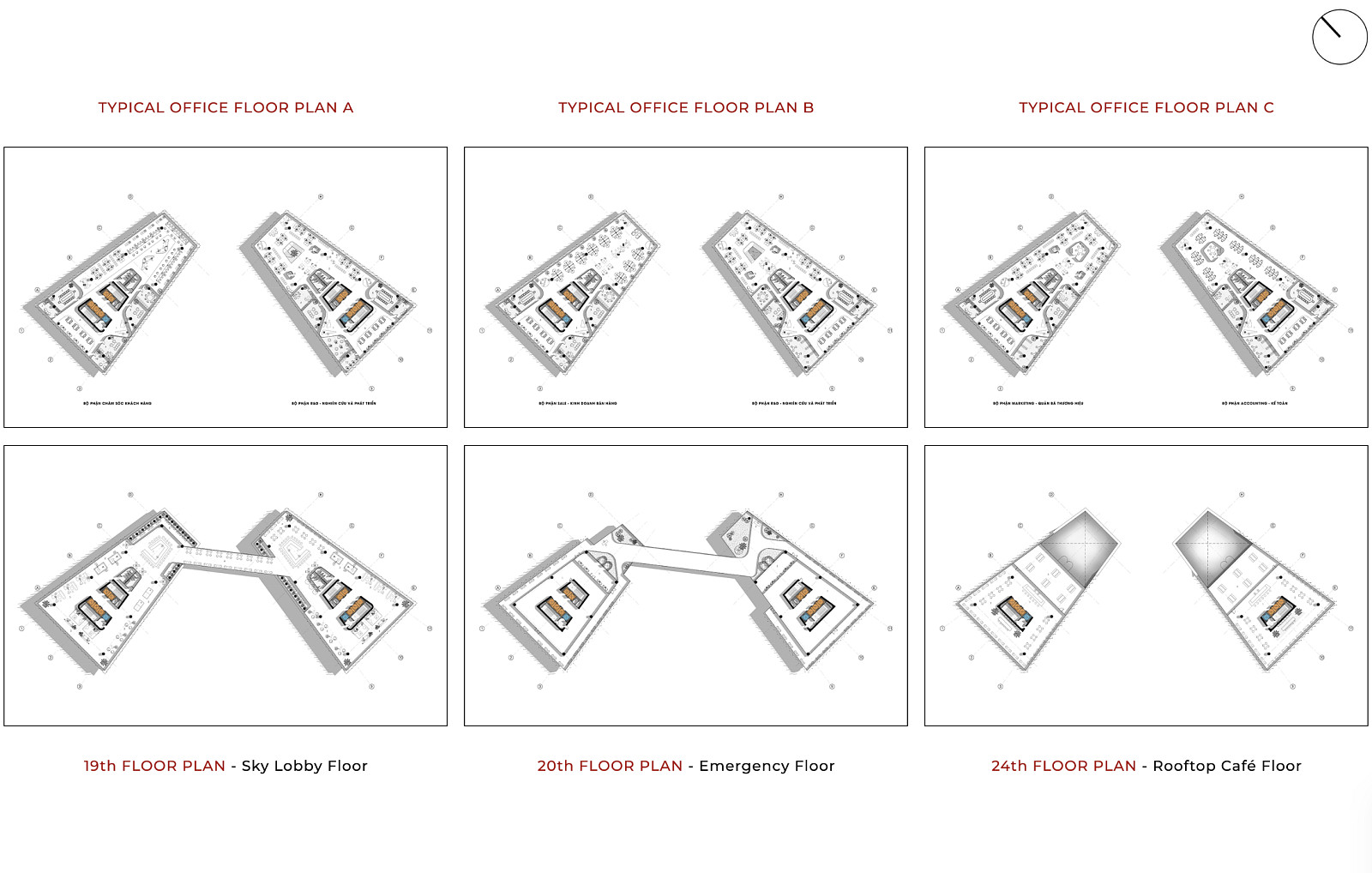
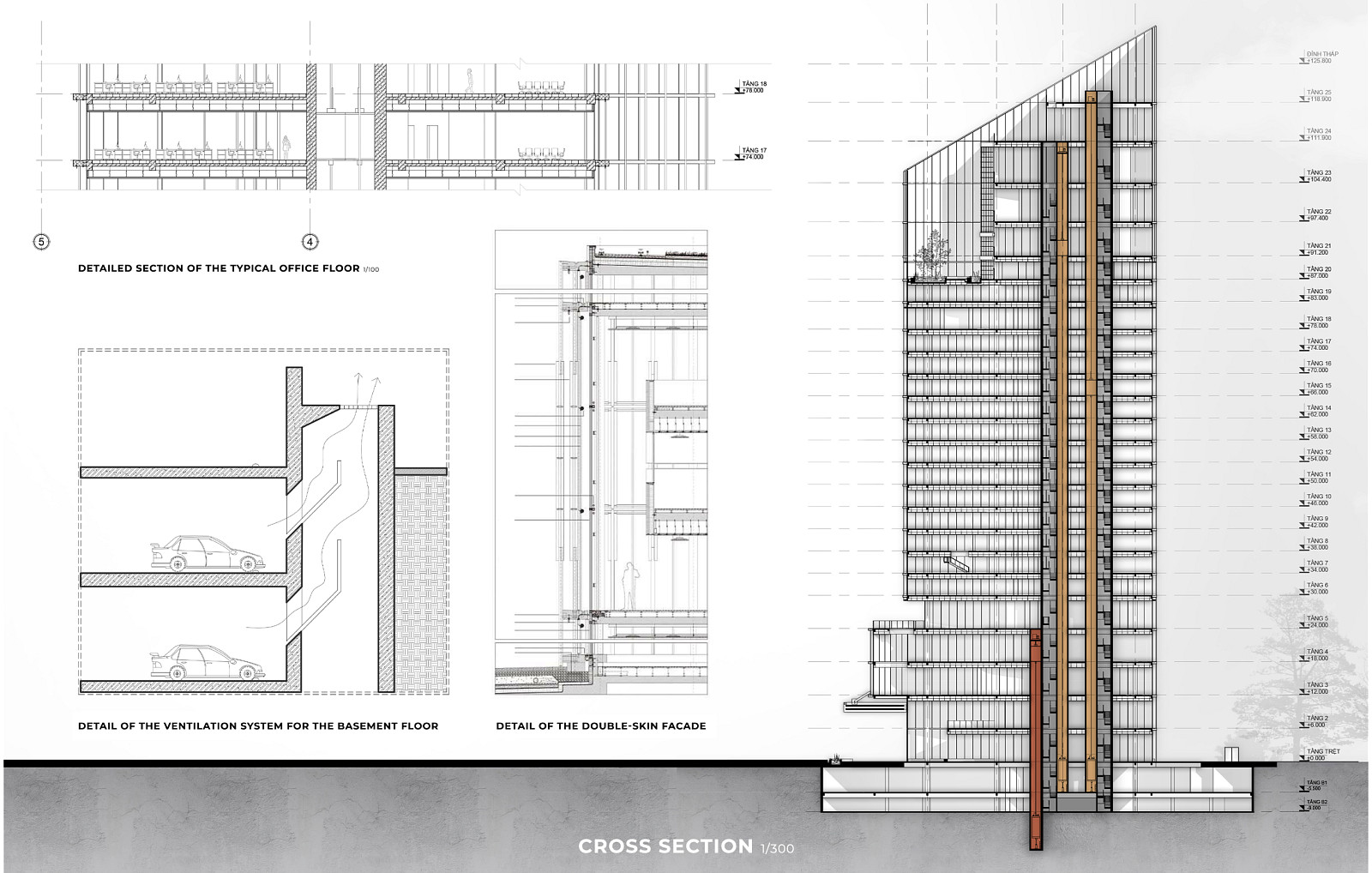
Flexible open-plan office plates surround the core, allowing adaptable workplace configurations and long-term spatial flexibility. Sky terraces and communal breakout spaces are integrated at selected levels to encourage collaboration, visual connectivity, and natural ventilation opportunities.
The building massing gradually tapers towards the upper floors, reducing perceived tower bulk while improving daylight penetration and skyline articulation.
Primary Structural Strategy
The building utilises a reinforced concrete central core combined with perimeter column systems and composite floor slabs to achieve lateral stability and structural efficiency.
Structural Components
Reinforced concrete shear core for lateral resistance
Perimeter column grid supporting open office spans
Composite floor slab system for structural efficiency
Transfer structures at lower podium levels
Long-span office floor plates for workspace flexibility
The central core acts as the primary stabilising element against wind and seismic forces, while perimeter structural systems maximise façade openness and daylight access.
Double-Skin Façade System
The tower incorporates a high-performance double-skin façade designed to minimise solar heat gain while improving thermal comfort and daylight quality.
Façade Performance Features
Ventilated cavity between inner and outer façade layers
Reduced direct solar radiation
Improved indoor thermal performance
Enhanced acoustic insulation from urban noise
Controlled natural ventilation opportunities
Energy demand reduction for cooling systems
The façade system is optimised for Ho Chi Minh City’s tropical climate and high solar exposure conditions.
Vytvořeno pomocí:


Copyright © 2026 INSPIRELI | All rights reserved. Use of this website signifies your agreement to the Terms of Use, Privacy Policy, and use of cookies.