Museum of Poetry


Idea projektu
Translating History into the Language of the Future
The Shiraz Museum of Poetry transcends mere imitation of the past, establishing an architecture where history is not a static relic, but a living, evolving force. The project’s conceptual framework rests on two fundamental pillars:
1. Typological Translation
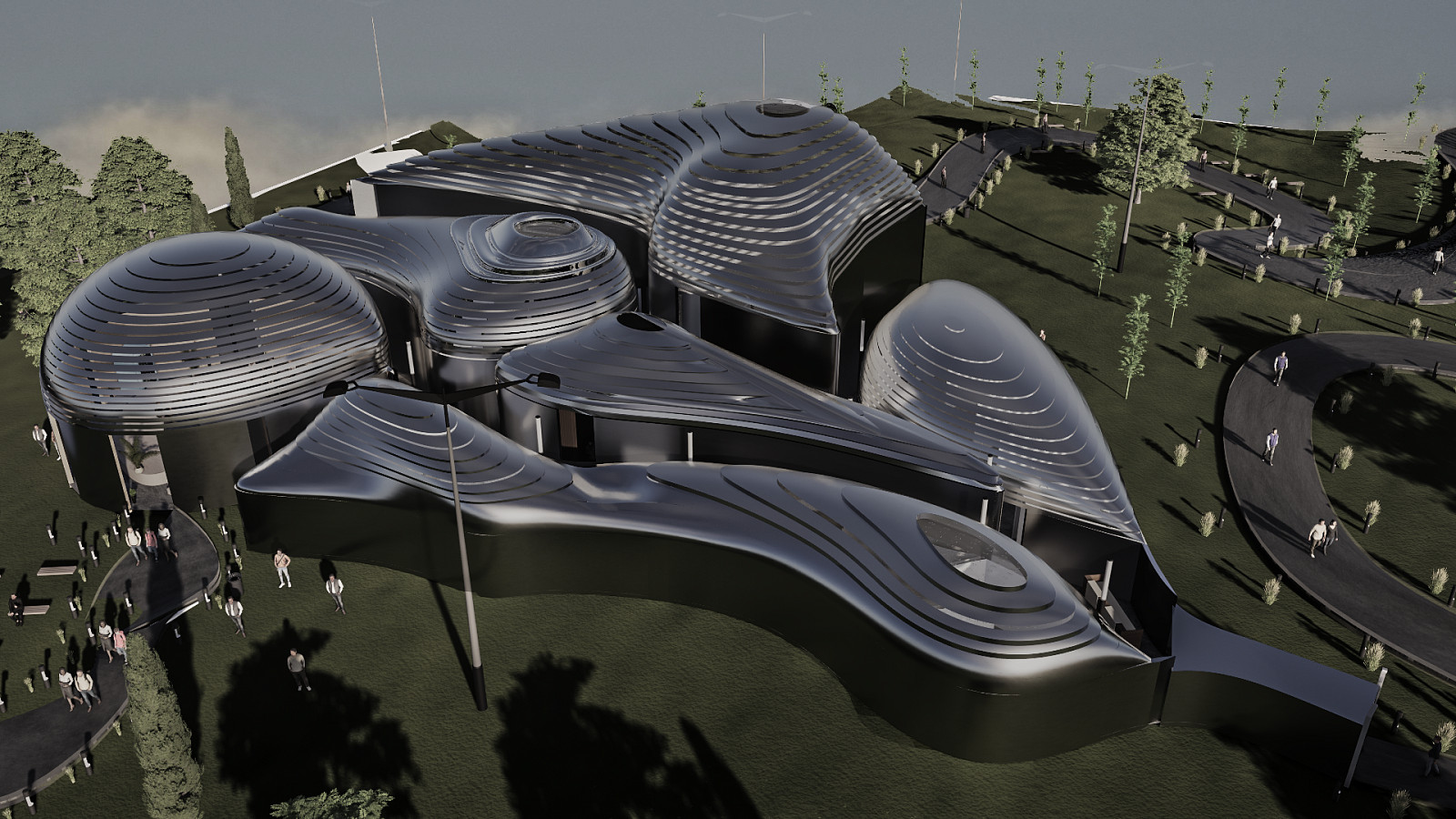
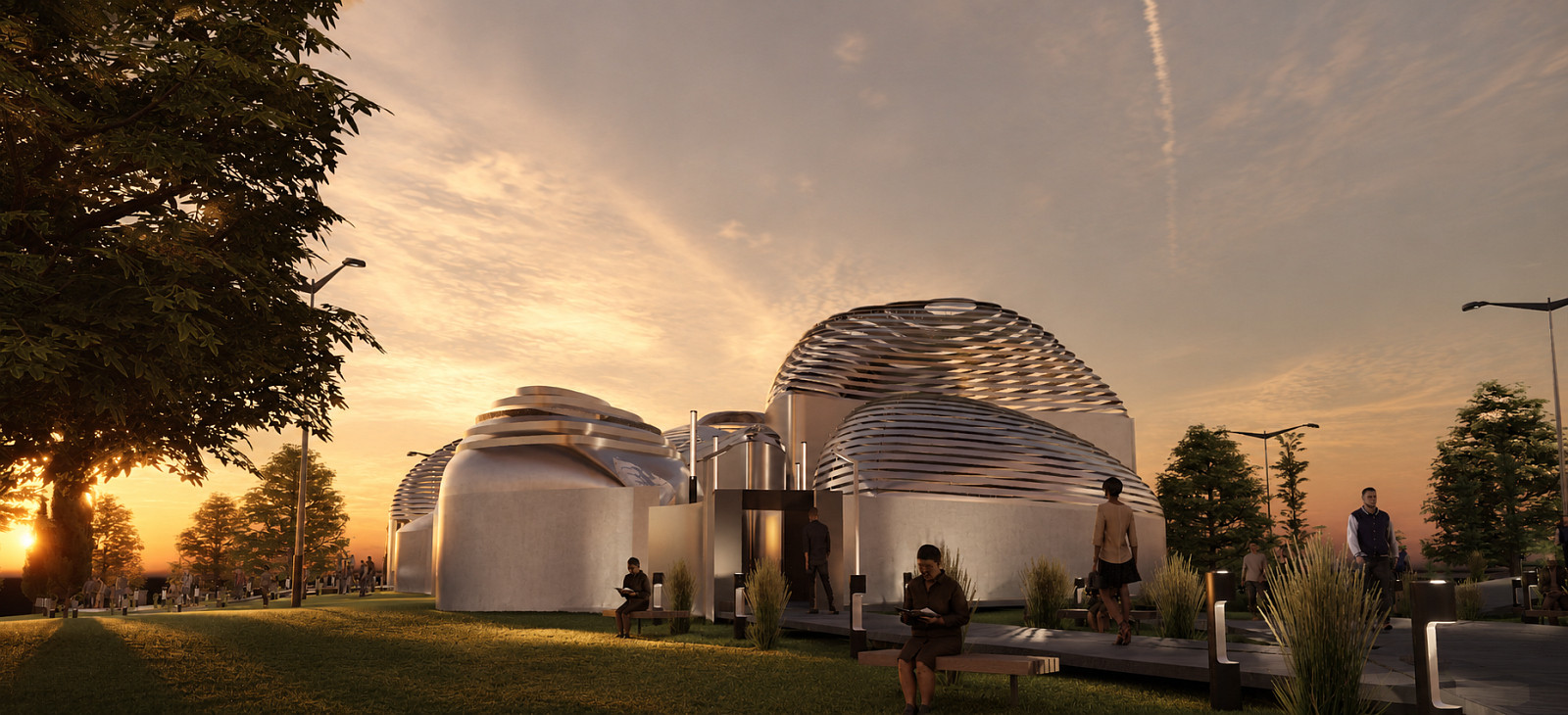
In this project, foundational elements of traditional Iranian architecture are "translated" into a futuristic language rather than simply being formally repeated. The Windcatcher has evolved into aerodynamic Slotted Roofs to harness light and wind with modern logic; the Central Courtyard has been transformed into fluid Voids to create spatial depth; and traditional Windows are replaced by sculptural Skylights, curating views and crafting an atmosphere for reflection and inner contemplation.
2. Temporal Paradox: A Personal Design Language
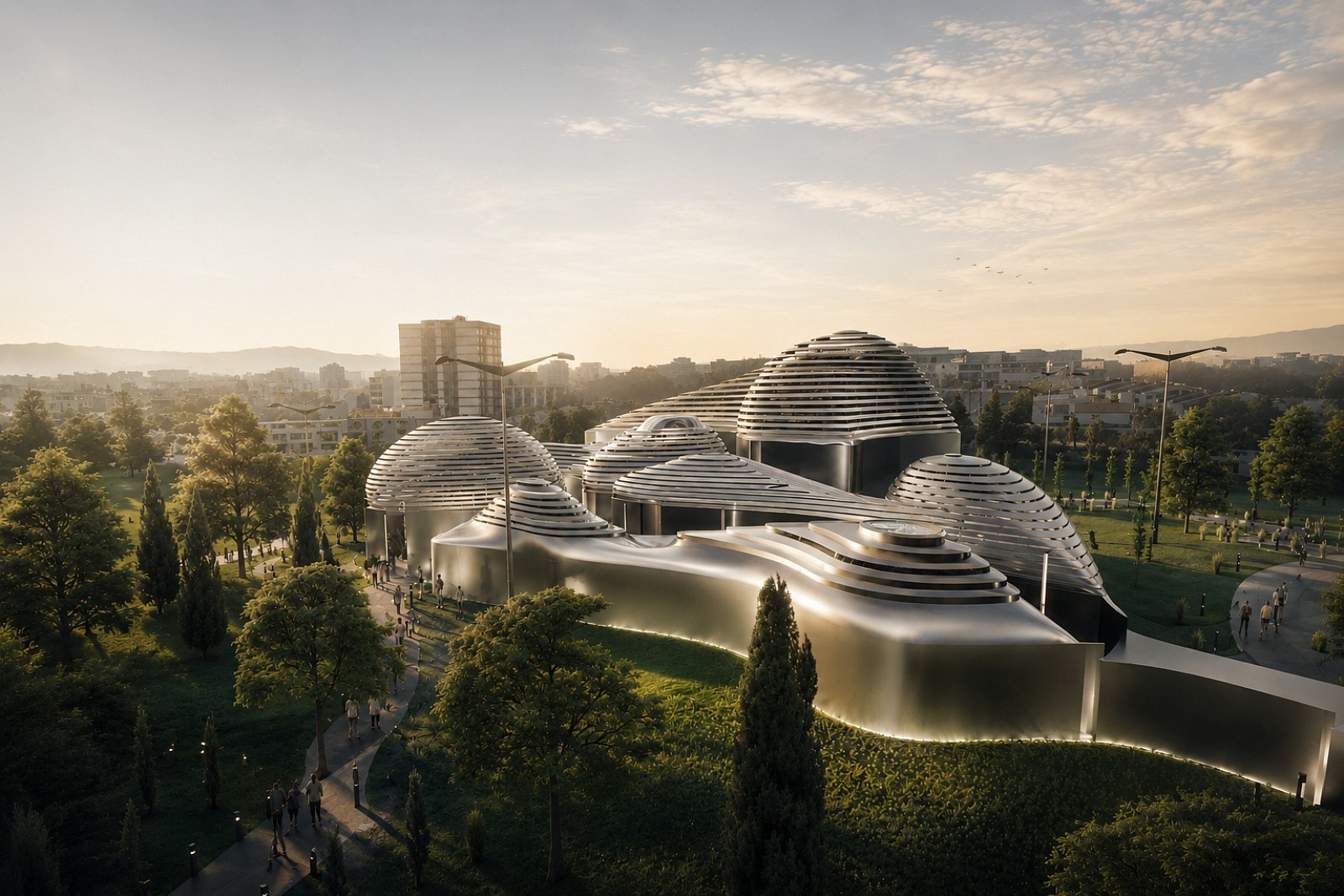
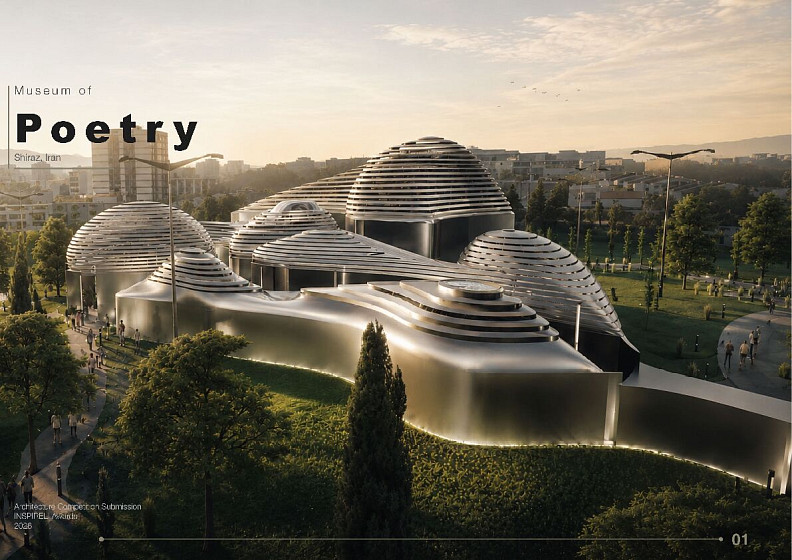
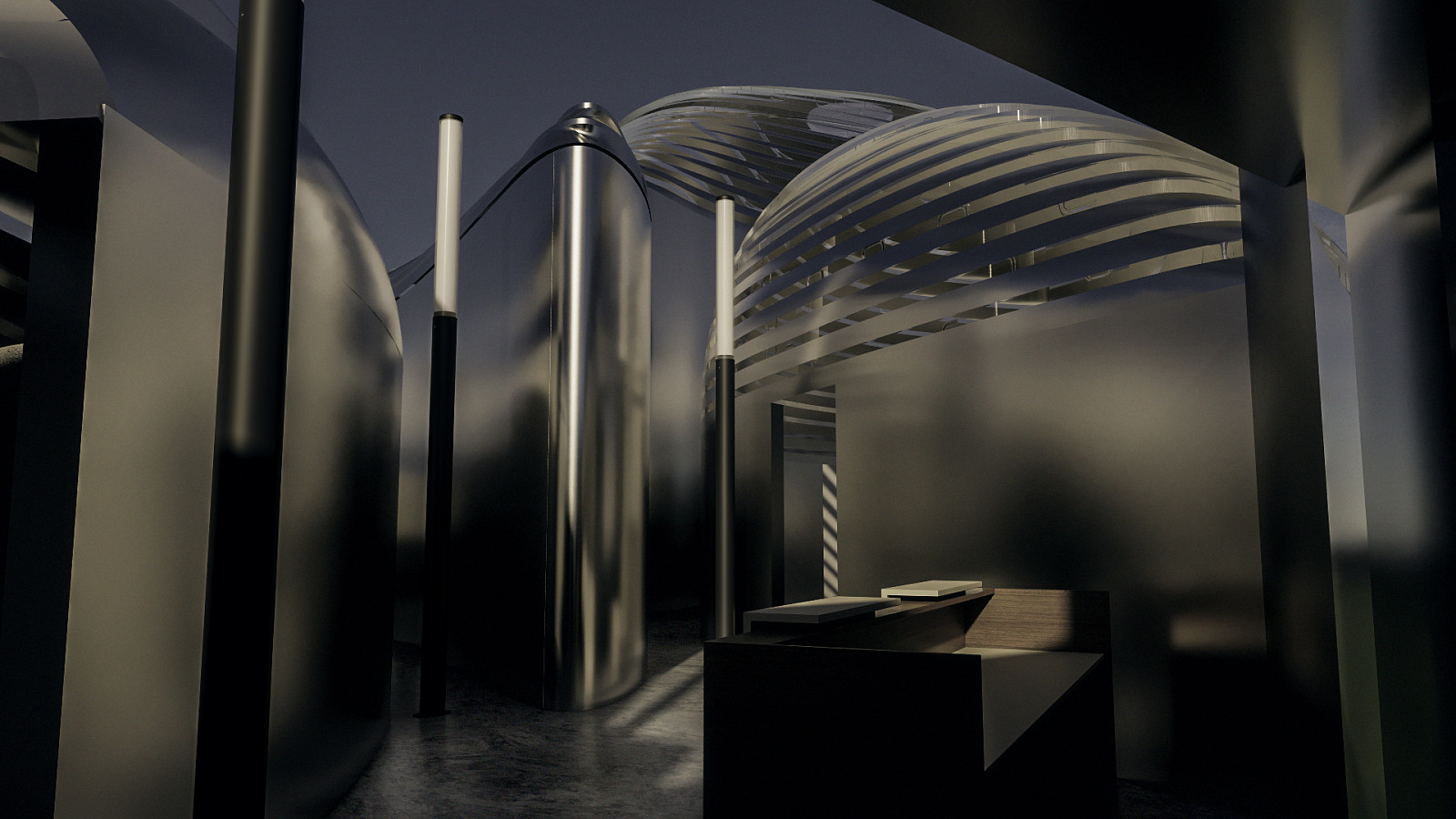
This building is a manifesto of contrast. The exterior form, utilizing cutting-edge materials such as "Matte Dark Steel" and fluid geometries, projects a vision of the future into the heart of historic Shiraz. Conversely, upon entering the interior, the visitor is met with authentic Iranian materials—Carved Stone, Warm Oak, and Textured Plaster. This deliberate duality creates a powerful sensory experience where the visitor "enters tomorrow, but feels yesterday."
Conclusion
In a city renowned as the cradle of Persian literature, this museum serves as a bridge between collective memory and future horizons. Here, architecture becomes a poem read not through words, but through movement amidst light, shadow, and material. This project demonstrates that it is possible to preserve cultural authenticity while gifting the historic city of Shiraz a contemporary, thought-provoking future.
Popis projektu
Museum of Poetry
Context and Vision
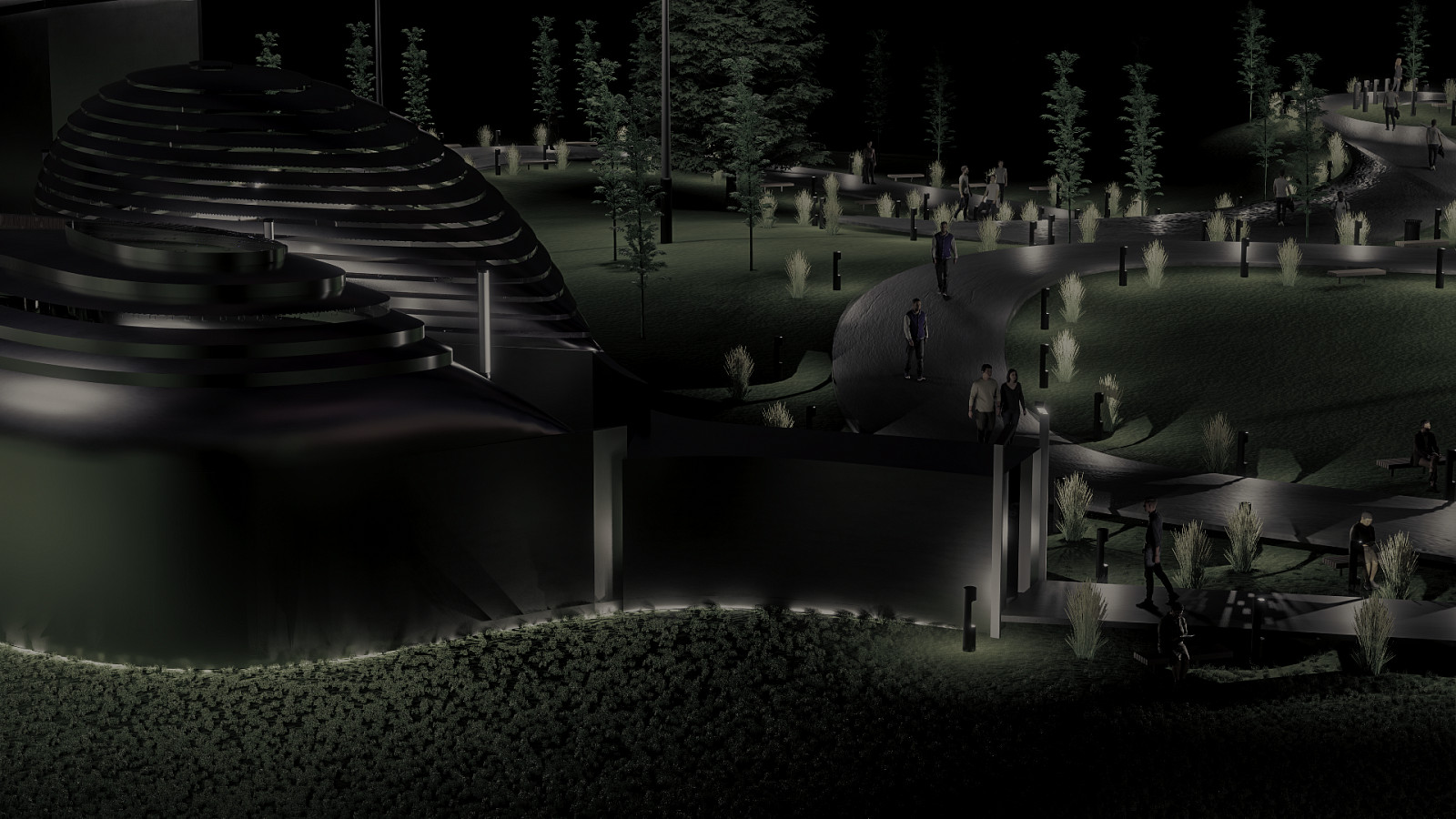
Located in the heart of Shiraz, adjacent to the historic Eram Garden, the Museum of Poetry serves as a mediator between nature, culture, and urbanity. The project seeks to translate the essence of Iranian poetry into a profound spatial experience, moving beyond building design to become a "poetic interpretation of form"—a structure one does not merely visit, but traverses as if reading a poem.
Architectural Strategy: Typological Translation
The core design philosophy avoids superficial aesthetic imitation, opting instead for a "Typological Translation" of historical memory. Traditional Persian architectural elements are re-imagined through a futuristic lens:
Airflow: The traditional Windcatcher evolves into aerodynamic Slotted Roof Apertures, harnessing natural light and prevailing winds with modern logic.
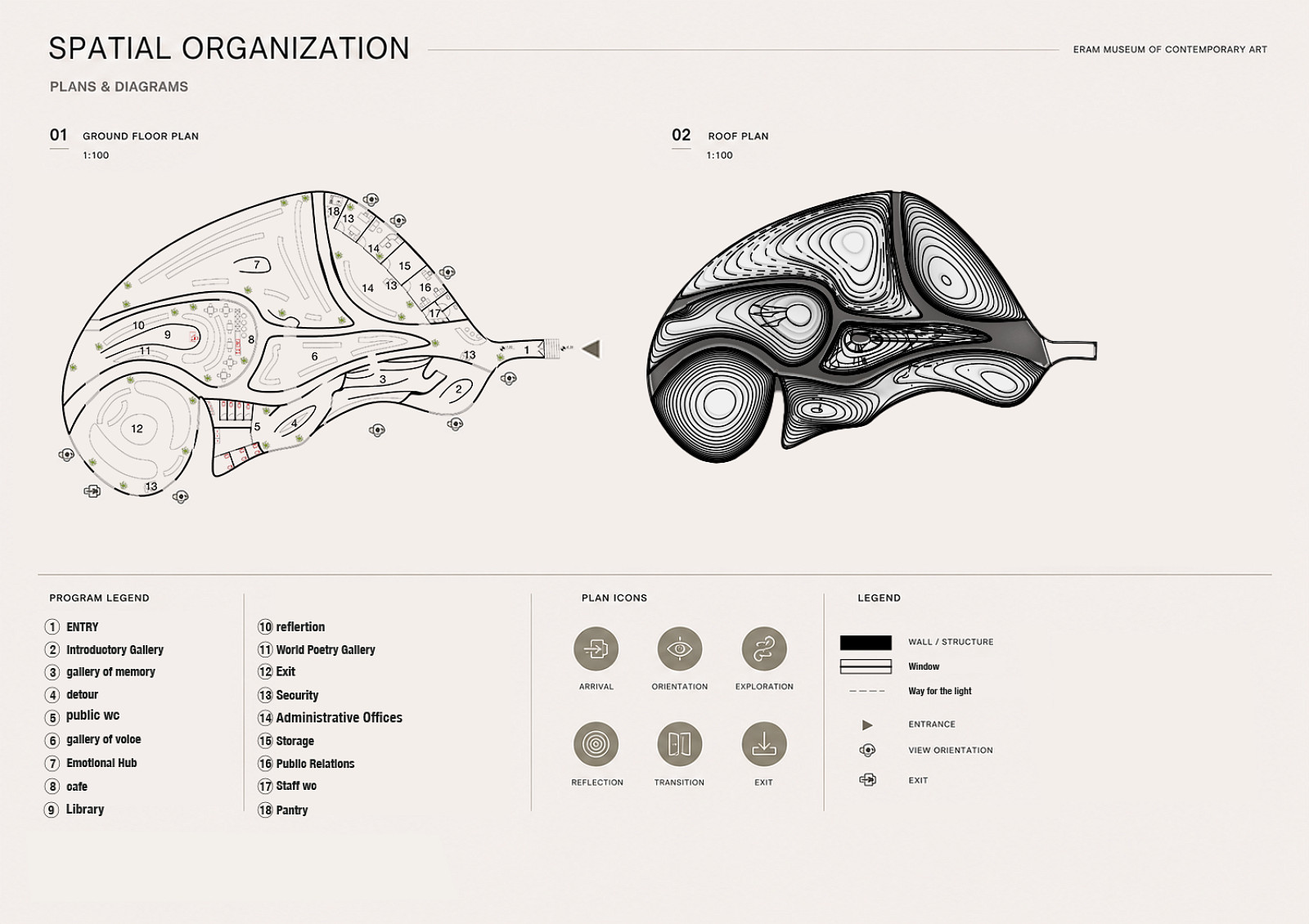
Gathering: The Central Courtyard is re-envisioned as fluid Voids, creating spatial depth and dynamic zones for social interaction.
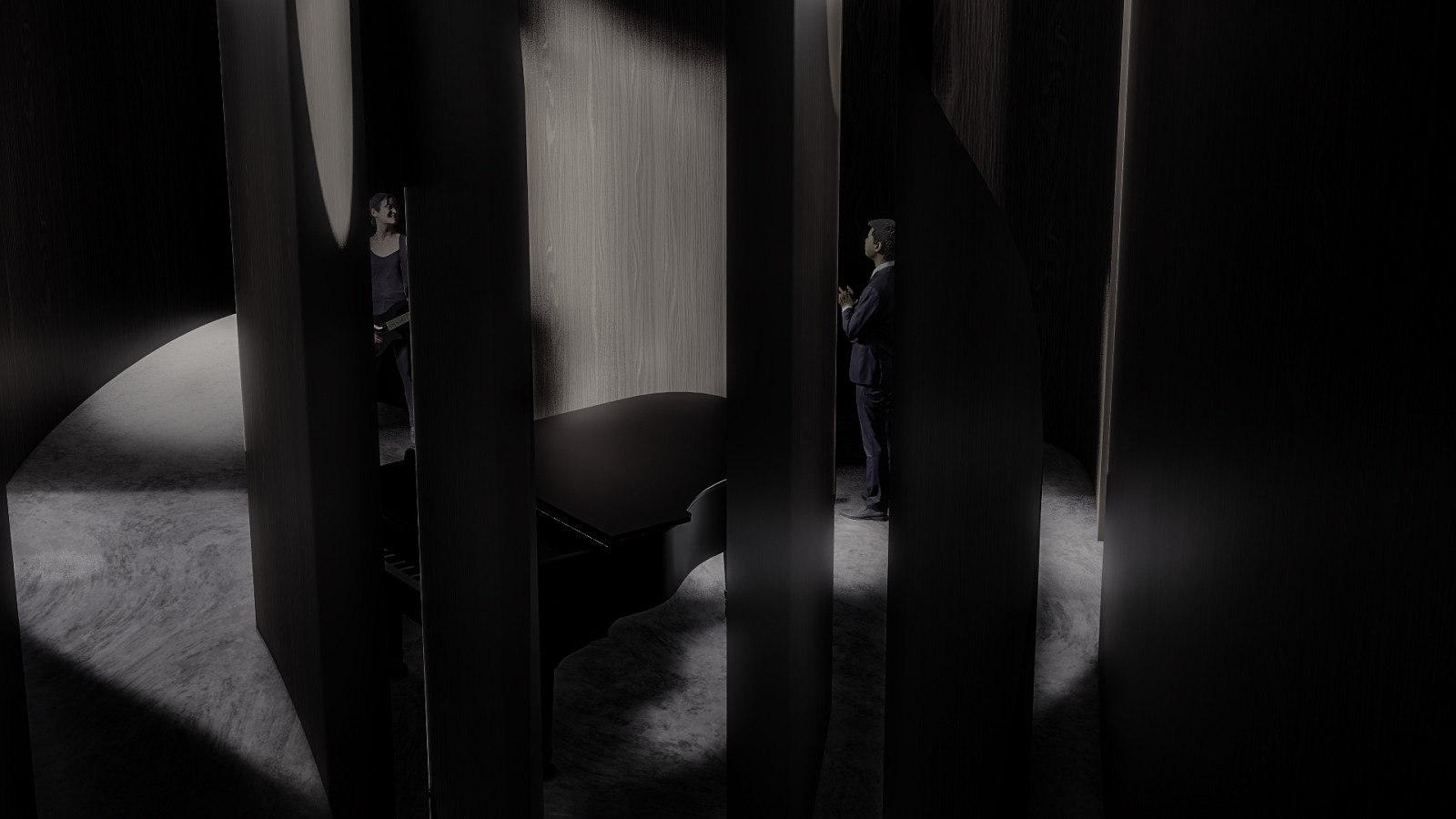
Illumination: Windows are reimagined as Skylights and guided light paths, utilizing the concept of "Artificial Blindness" to redirect the visitor’s focus toward internal reflection and transition.
The Temporal Paradox
A defining feature of the project is the "Temporal Paradox" established through materiality. While the exterior skin—a fluid geometry of Matte Dark Steel—projects a vision of the future, the interior deliberately retreats to authentic Iranian materiality. The synthesis of Warm Oak, Carved Stone, and Textured Plaster creates a sensory contrast, ensuring that while the visitor "enters tomorrow," they still "feel yesterday."
Spatial Experience
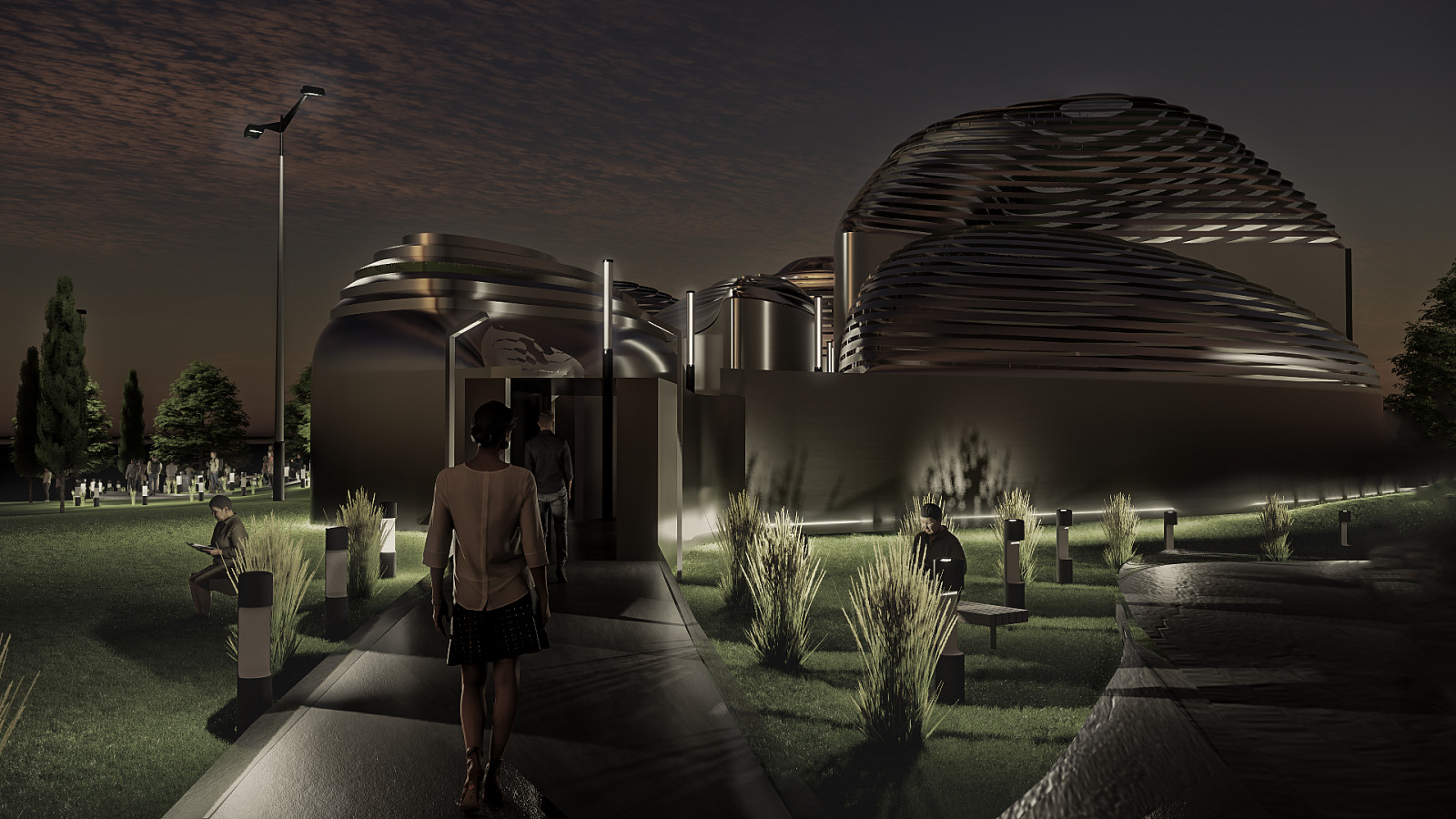
The museum is organized as a continuous journey of light, shadow, and movement. Visitors navigate a curated sequence of atmospheric transitions—moving from the compression of narrow thresholds to the expansion of grand galleries, and finally the release toward panoramic landscape views. Dedicated spaces such as the Gallery of Voice, the Emotional Hub, and various zones of reflection invite visitors to slow down and find profound meaning within the silence.
Technické informace
Structure: The project utilizes a hybrid structural system. The primary skeleton is composed of a lightweight steel space-frame, allowing for the creation of long-span, organic fluid forms without internal columns.
Materials:
Exterior: The building skin is clad in customized "Matte Dark Steel" panels, designed for high thermal resistance and environmental durability.
Interior: The interior finishes prioritize authentic local tactility, featuring Carved Stone and Warm Oak wood panels, with walls finished in traditional breathable Textured Plaster.
Environmental Strategy (Energy): The building employs passive cooling and lighting strategies. The "Slotted Roofs" function as modern iterations of traditional windcatchers, regulating natural ventilation, while the integrated Skylights maximize natural daylight, significantly reducing the reliance on artificial lighting systems.
Dokumentace


Copyright © 2026 INSPIRELI | All rights reserved. Use of this website signifies your agreement to the Terms of Use, Privacy Policy, and use of cookies.