THE ASCENT

Idea projektu
The Ascent: A Climate-Adaptive Vision for Talat Noi, Bangkok
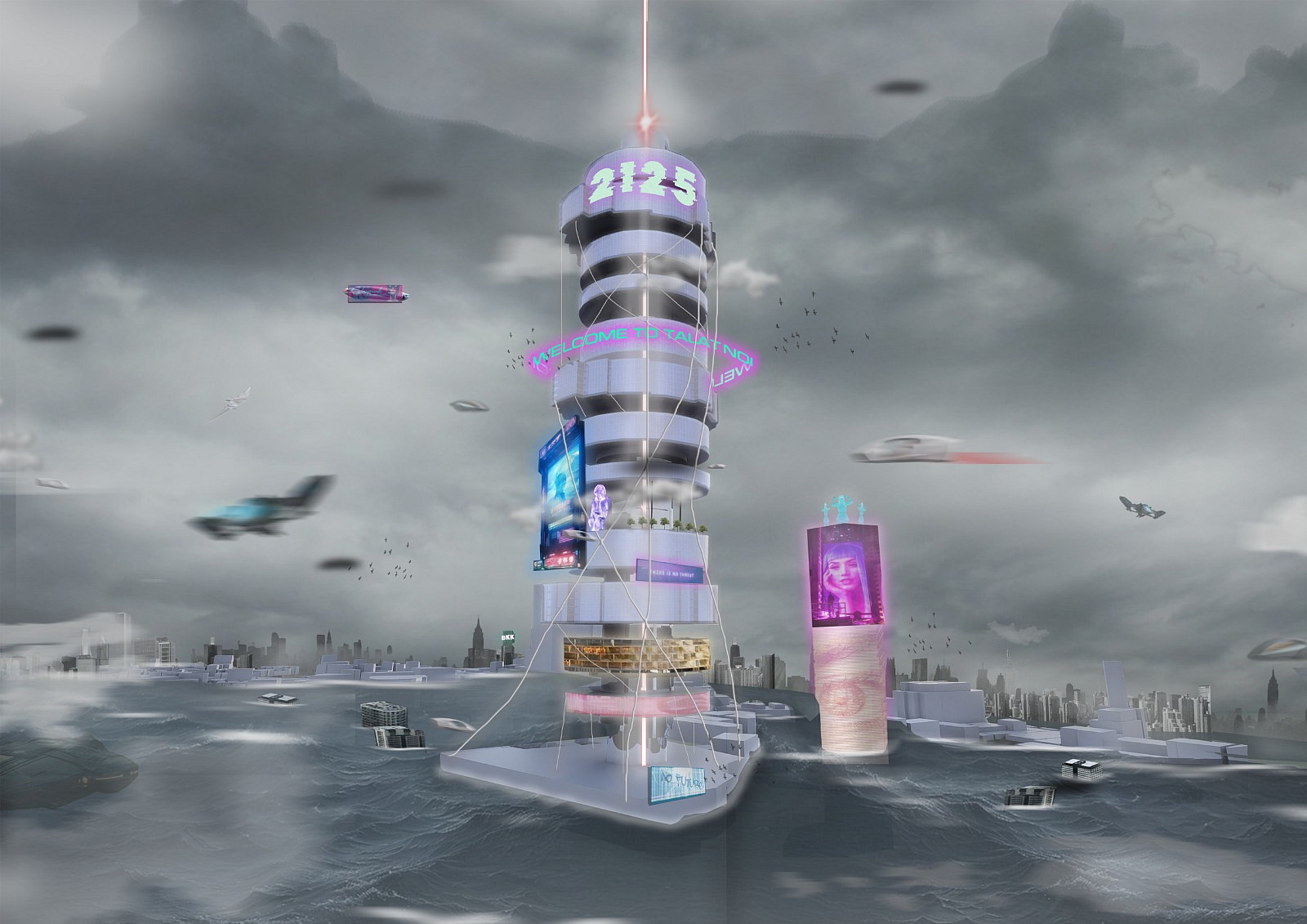
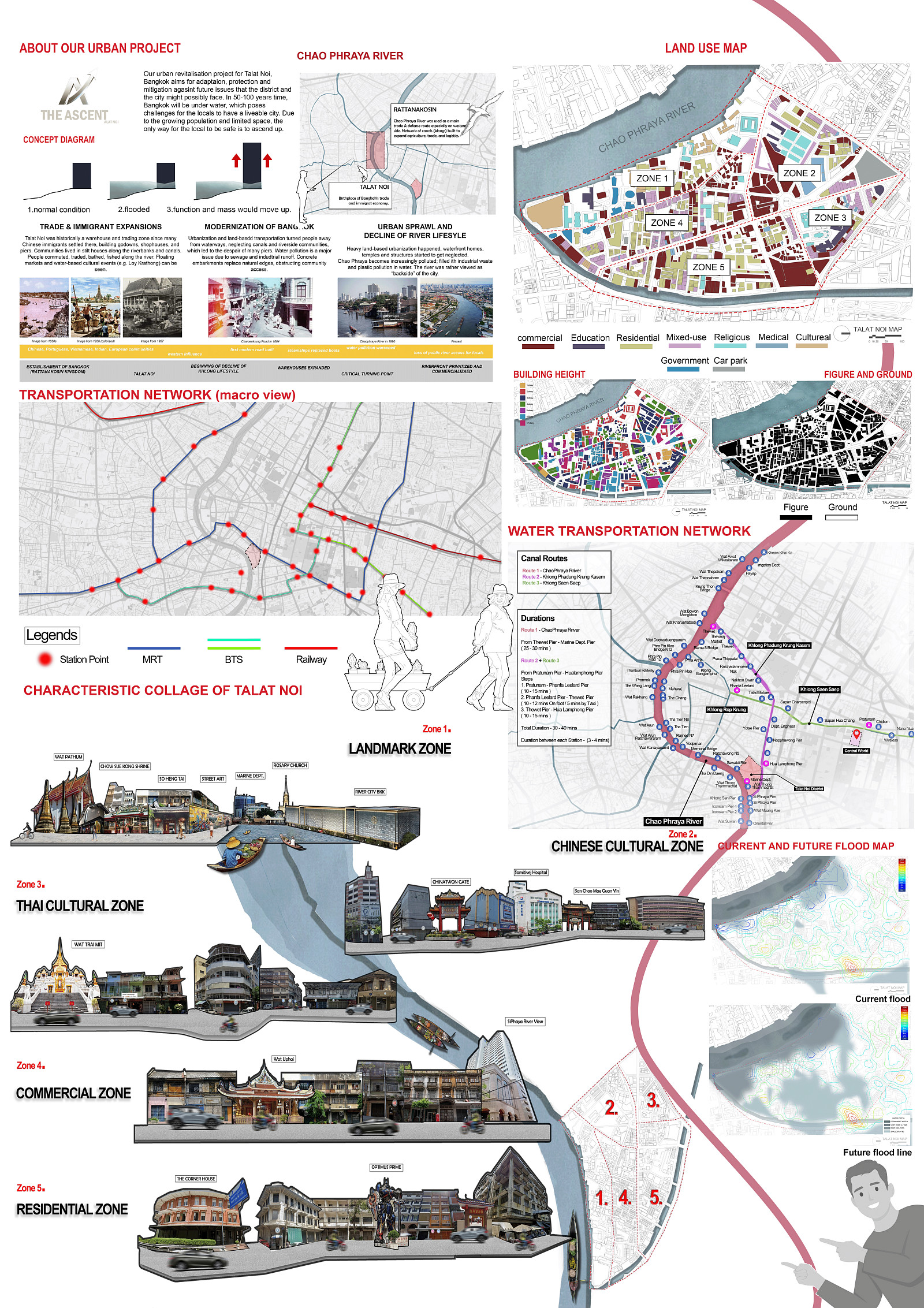
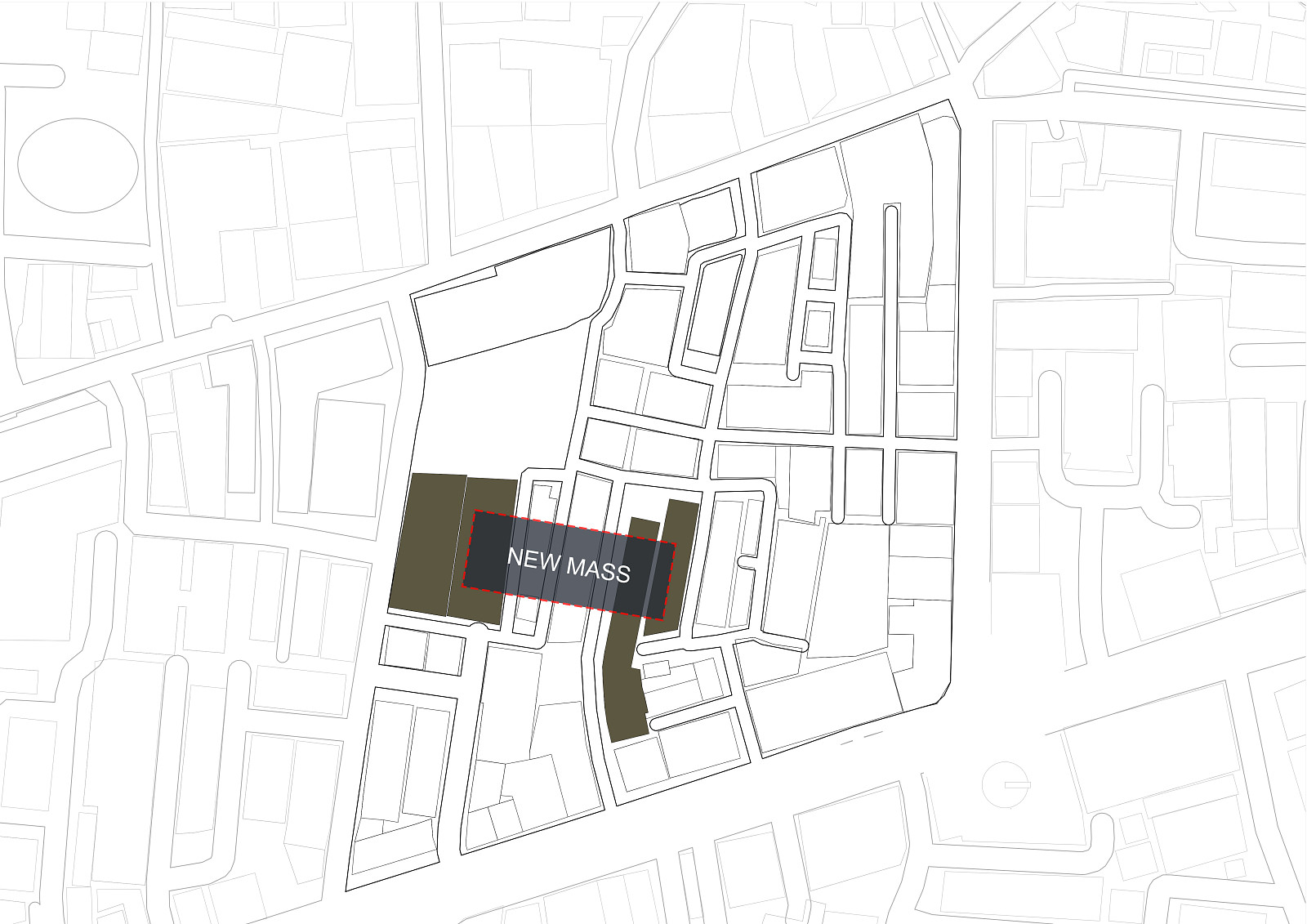
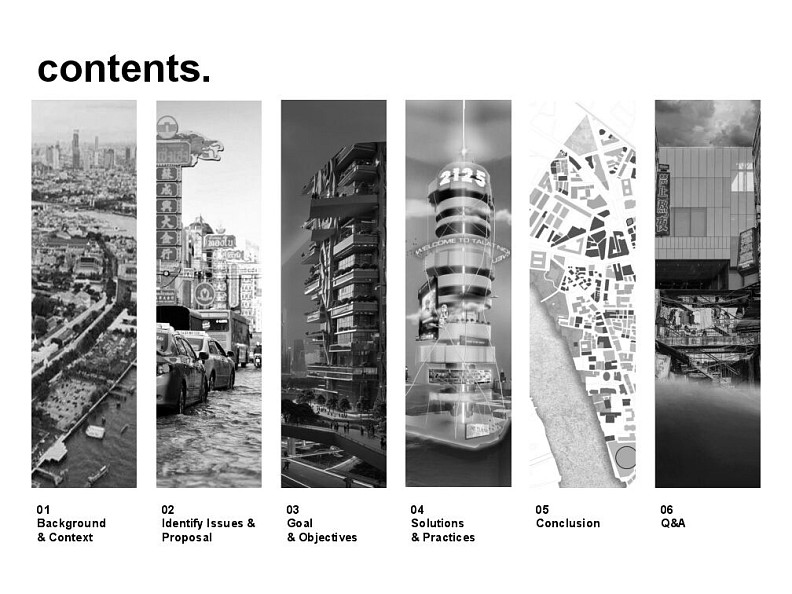
The Ascent is an urban revitalization proposal for Talat Noi, Bangkok, addressing the long-term impacts of climate change, sea-level rise, urban flooding, and increasing population pressure. Situated within one of Bangkok's most historically significant districts, the project seeks to preserve cultural heritage while preparing the community for an uncertain environmental future.
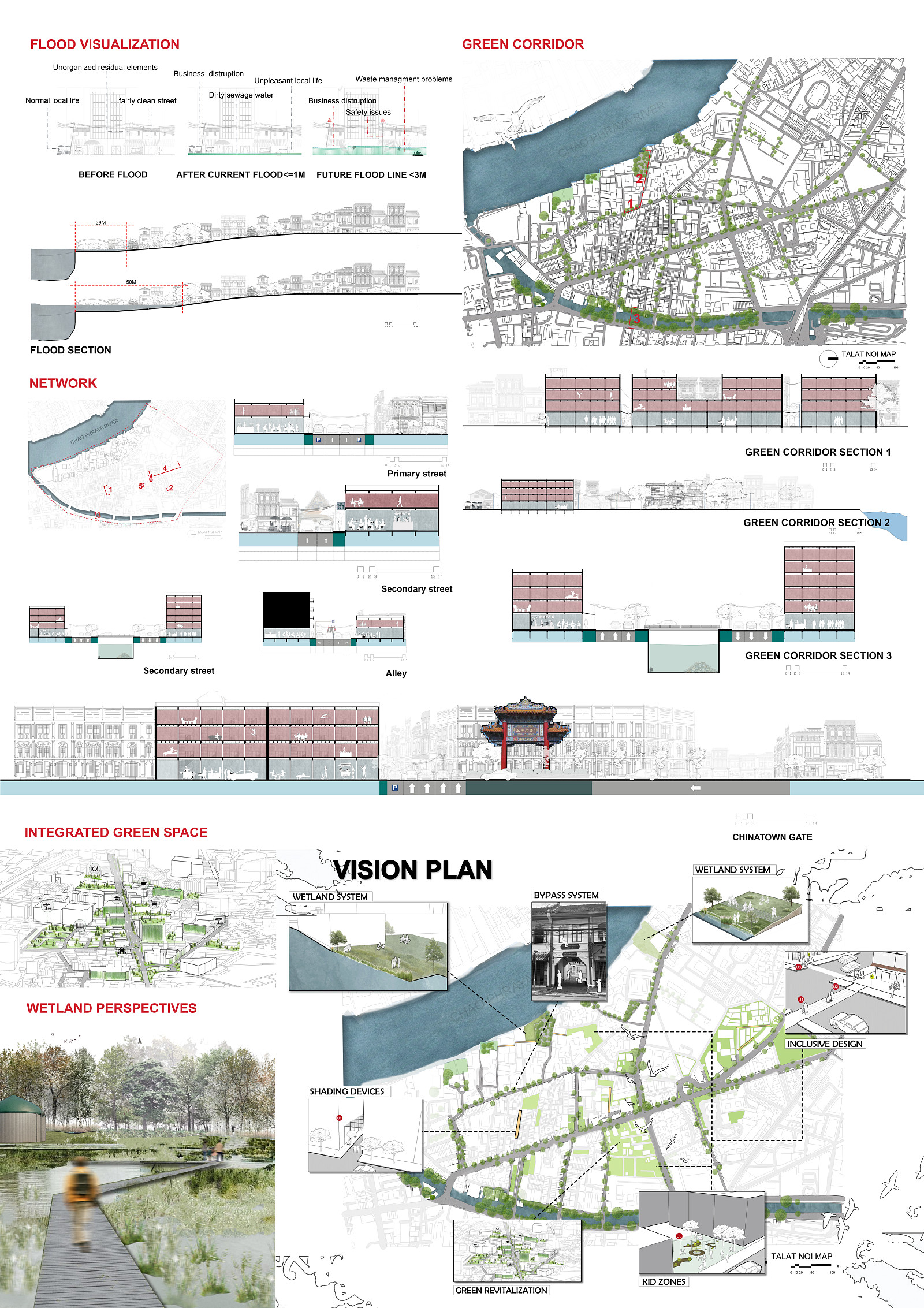
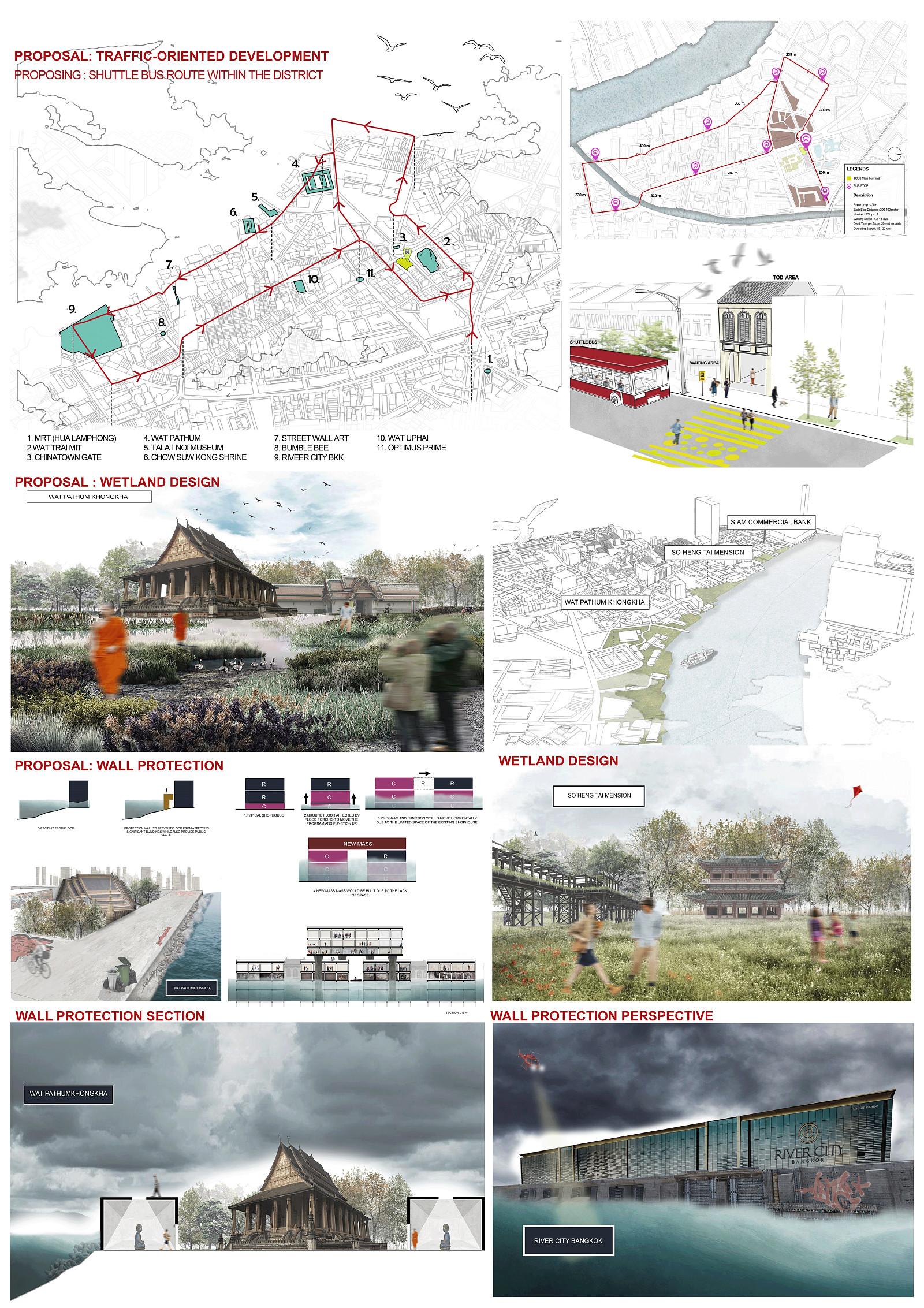
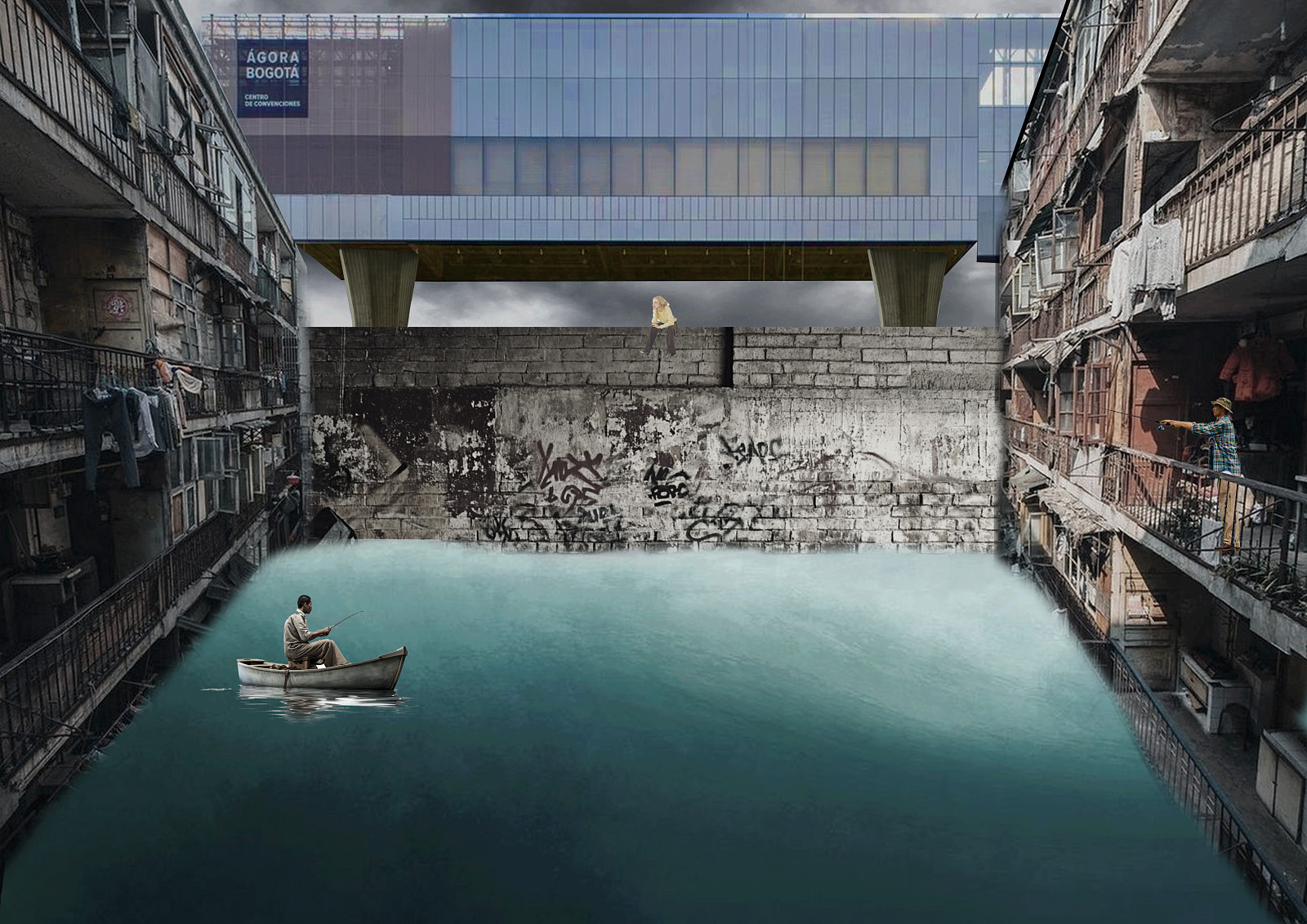
The proposal reimagines Talat Noi as a resilient and adaptive urban district through a phased strategy of ecological restoration, transit-oriented development, public space enhancement, and future vertical expansion. By integrating constructed wetlands, green infrastructure, adaptive mobility networks, and elevated urban systems, the project transforms vulnerability into opportunity while maintaining the district's unique identity.
The project's primary goal is to create a sustainable and flood-resilient urban environment capable of supporting future generations. Its objectives are to mitigate climate-related risks, strengthen ecological performance, improve urban connectivity, enhance public life, and establish a framework for long-term adaptation.
Rather than resisting change, The Ascent embraces it, proposing a future in which Talat Noi can evolve, adapt, and thrive while preserving the cultural character that defines its place within Bangkok.
Popis projektu
The scope of this project focuses on the long-term revitalization and climate adaptation of Talat Noi, Bangkok. The proposal addresses key urban challenges including flooding, sea-level rise, limited green space, transportation accessibility, population growth, and the preservation of cultural heritage.
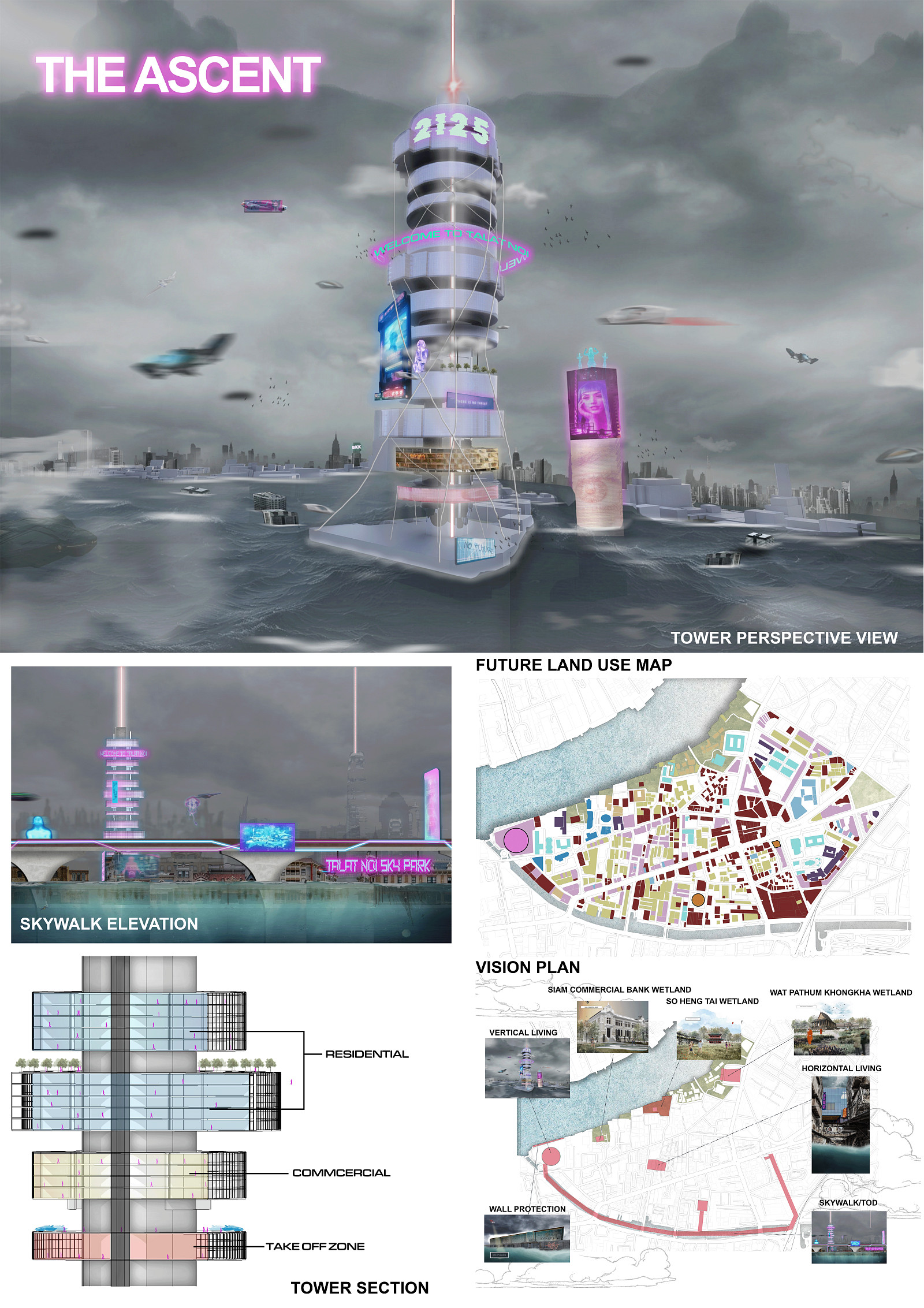
The project introduces a comprehensive urban strategy consisting of ecological restoration through constructed wetlands, transit-oriented development (TOD), improved pedestrian and mobility networks, public space enhancement, flood protection systems, and adaptive redevelopment strategies. These interventions are implemented through a phased framework extending from the present day to the next 100 years, allowing the district to gradually adapt to future environmental conditions.
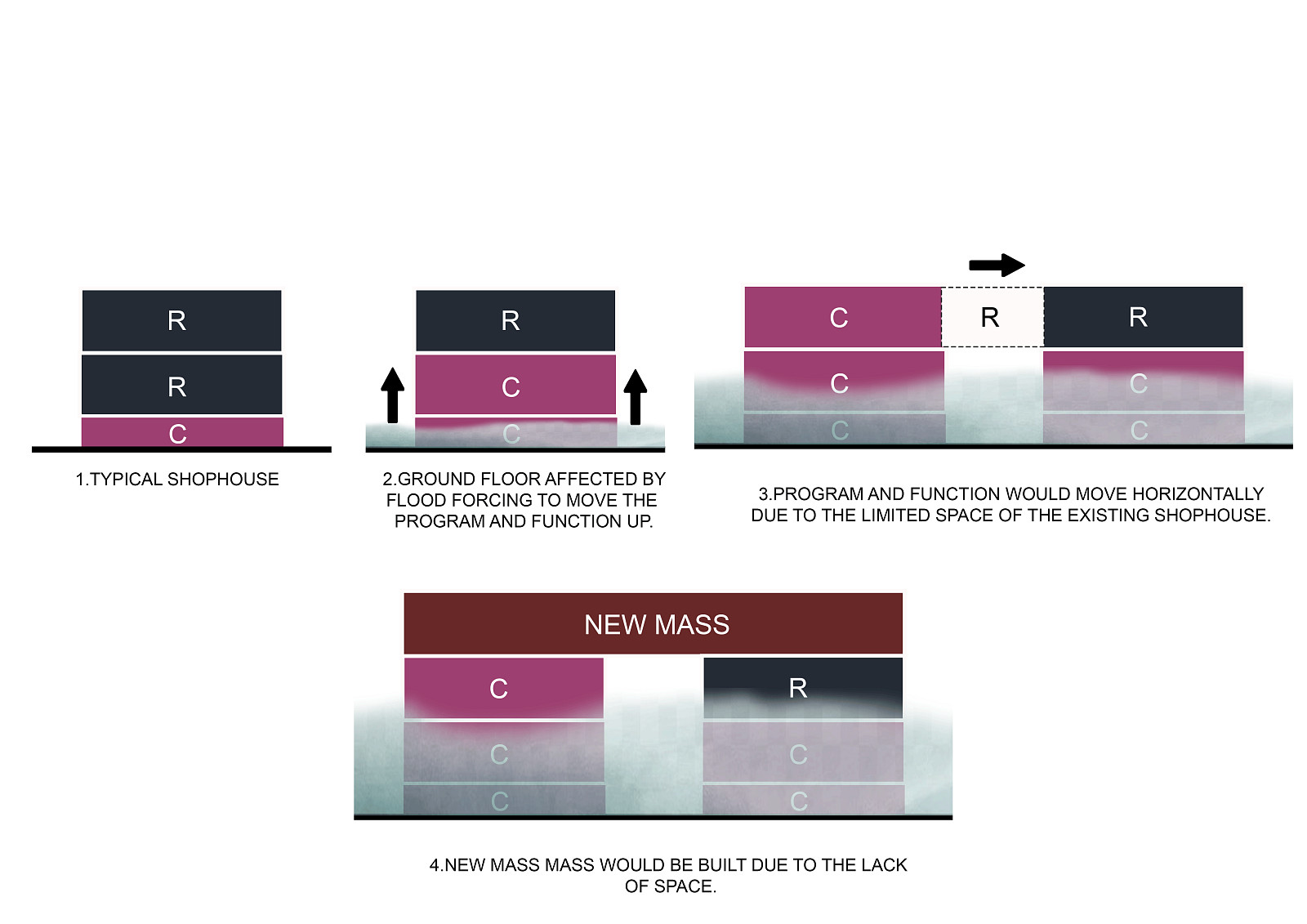
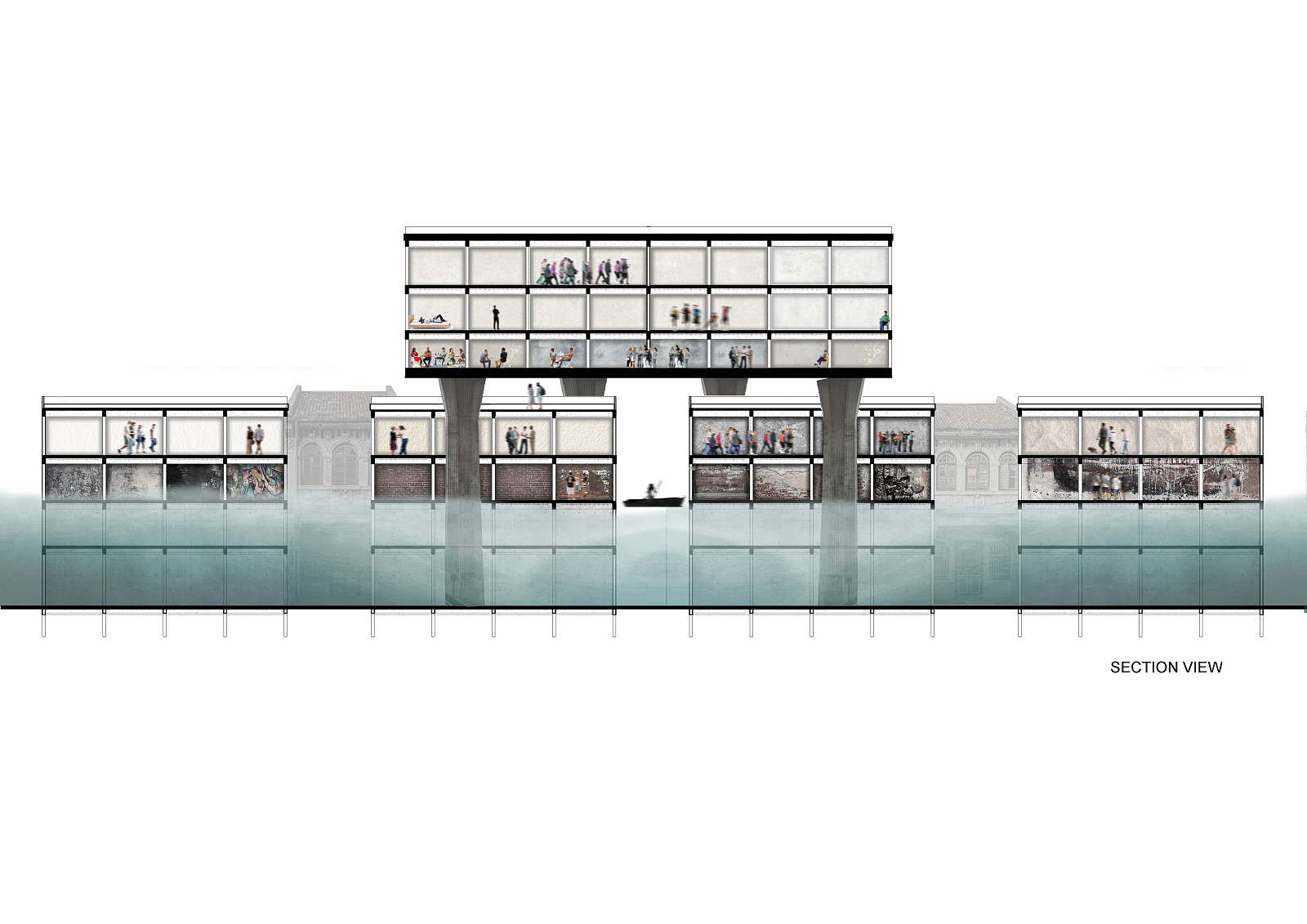
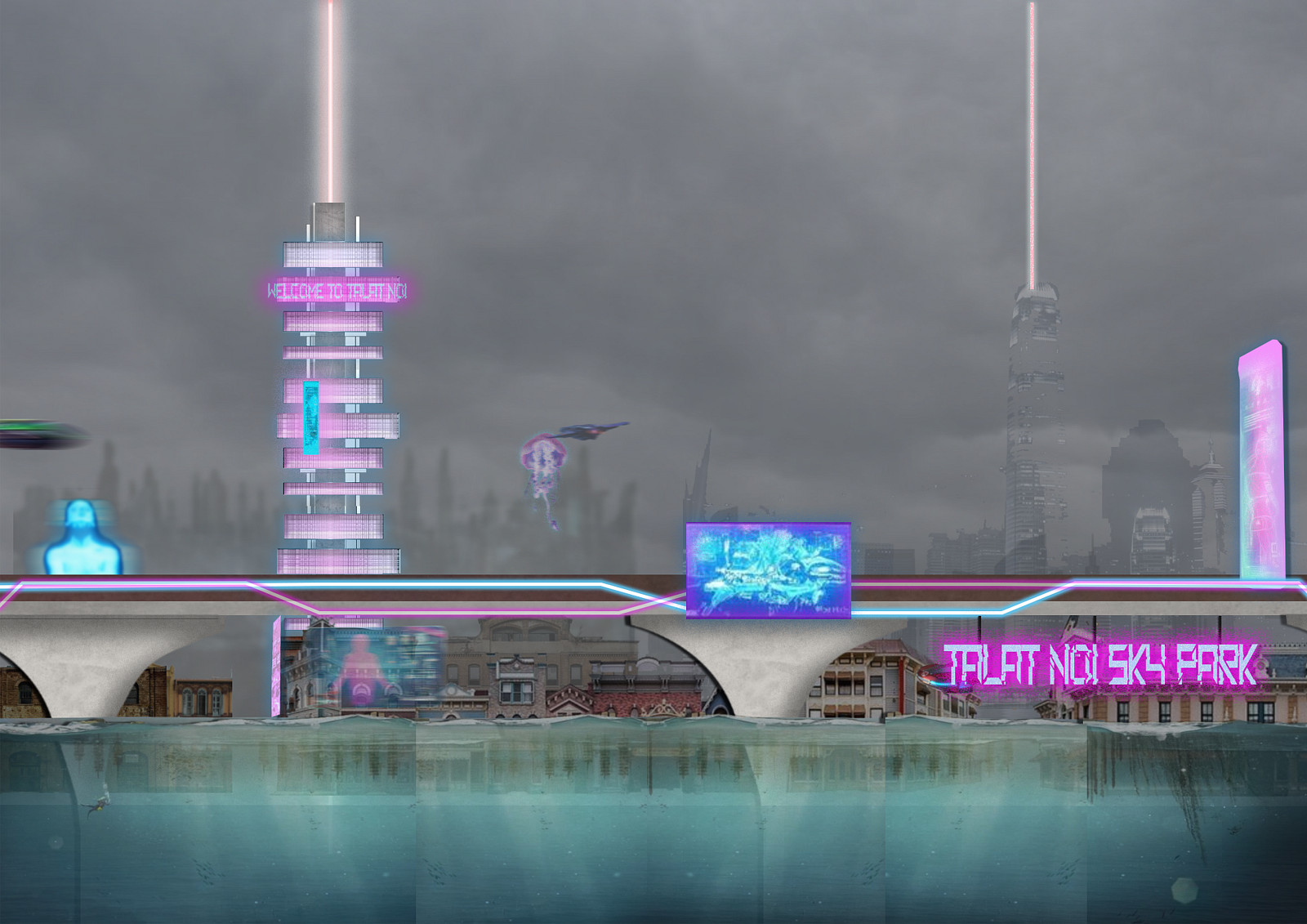
The proposal also explores horizontal and vertical urban expansion, elevated circulation systems, and resilient mixed-use developments to ensure long-term livability within a changing climate. By integrating environmental, social, and economic considerations, the project aims to establish a sustainable urban model that protects Talat Noi's cultural identity while preparing the district for future challenges.
The scope of the project is limited to urban planning and design strategies at the district scale and does not include detailed architectural, engineering, or construction documentation. The proposal serves as a conceptual framework for future development, policy implementation, and sustainable urban transformation.
Technické informace
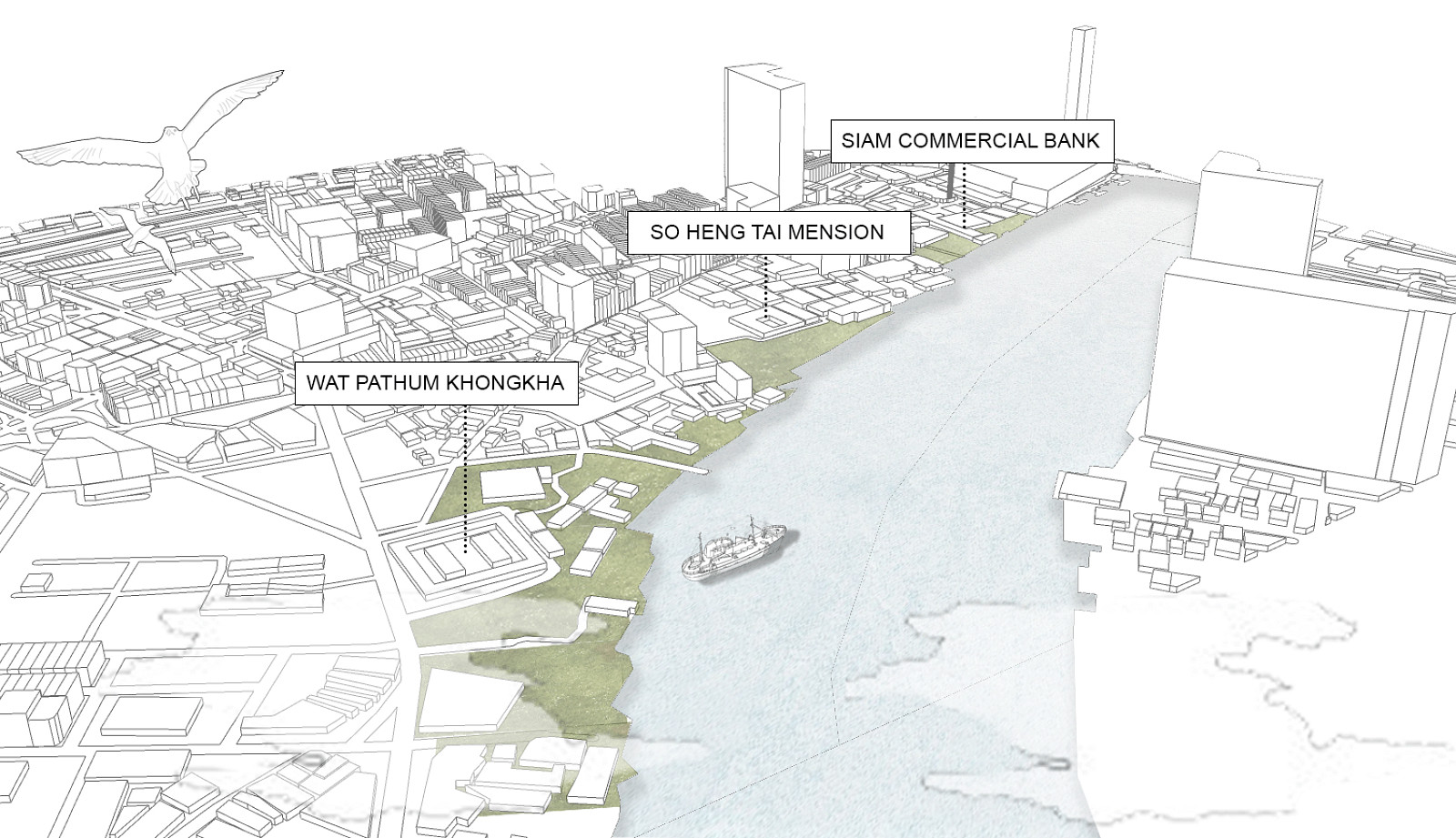
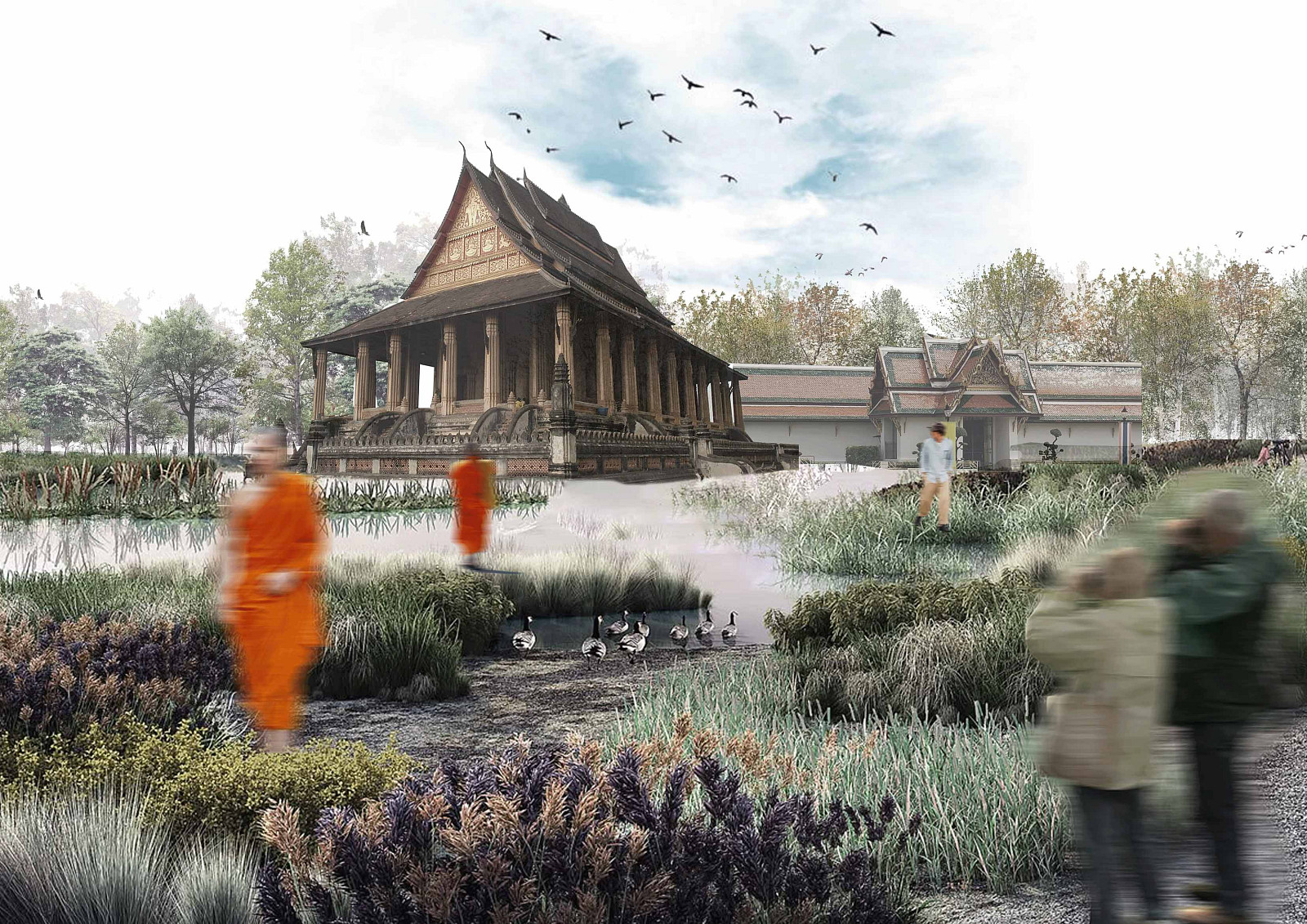
Key technical components include the integration of constructed wetlands for stormwater management, flood mitigation, water filtration, and ecological restoration. The wetland system functions as a natural sponge infrastructure capable of reducing surface runoff and improving environmental performance throughout the district.
The proposal incorporates Transit-Oriented Development (TOD) principles by concentrating future mixed-use developments around existing public transportation networks, improving accessibility and reducing dependence on private vehicles. Enhanced pedestrian circulation, bicycle networks, and public spaces are introduced to strengthen urban connectivity and walkability.
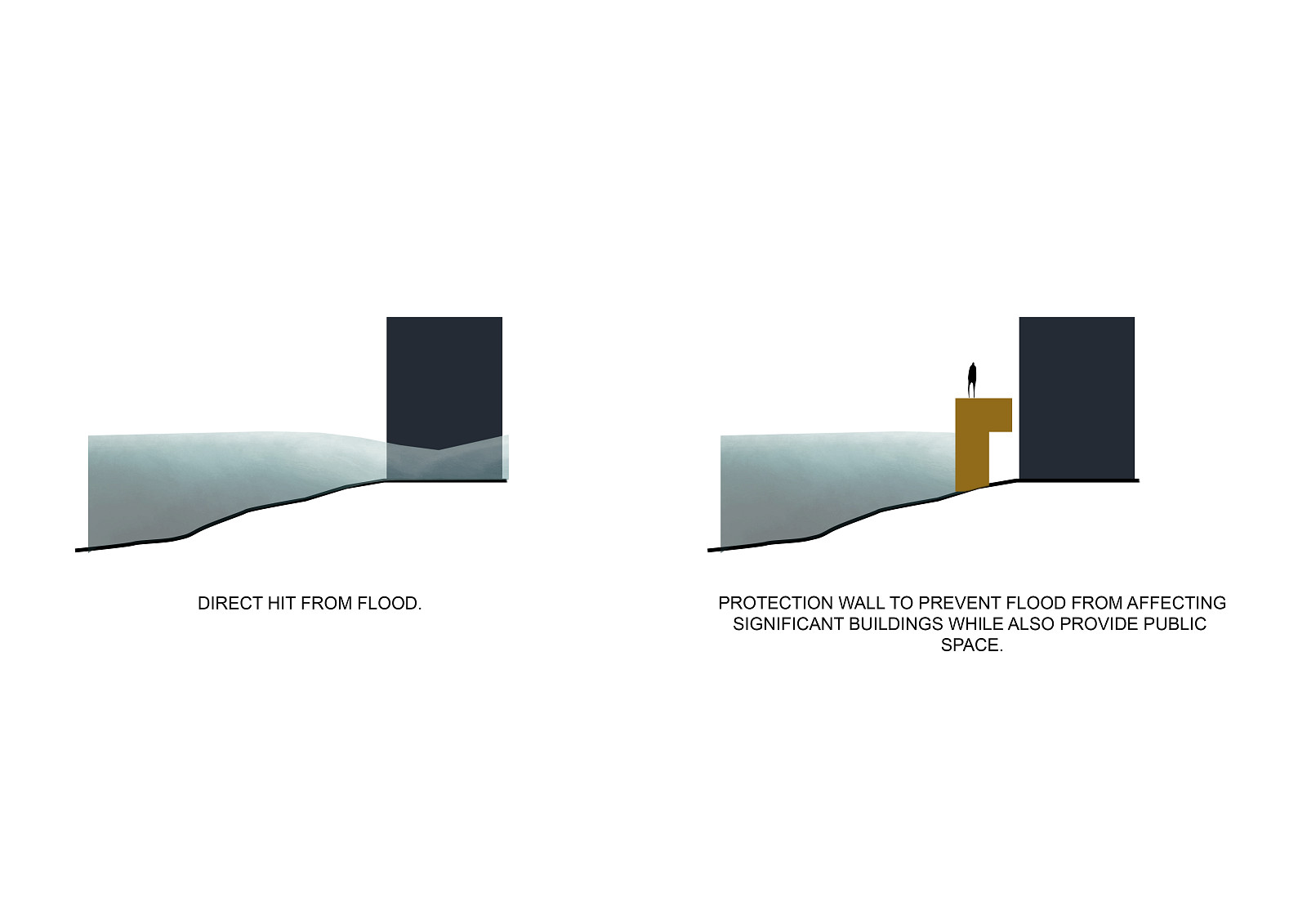
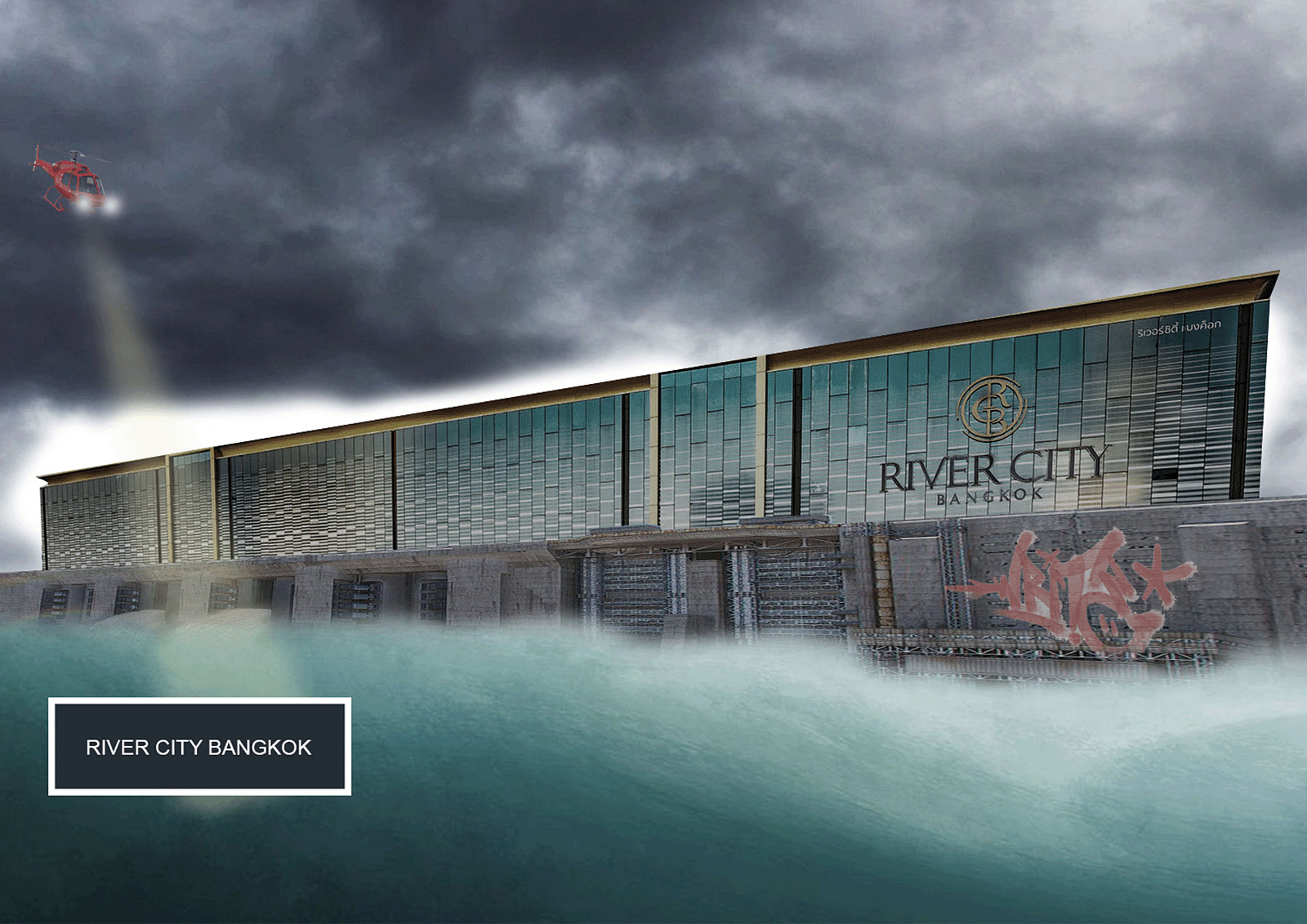
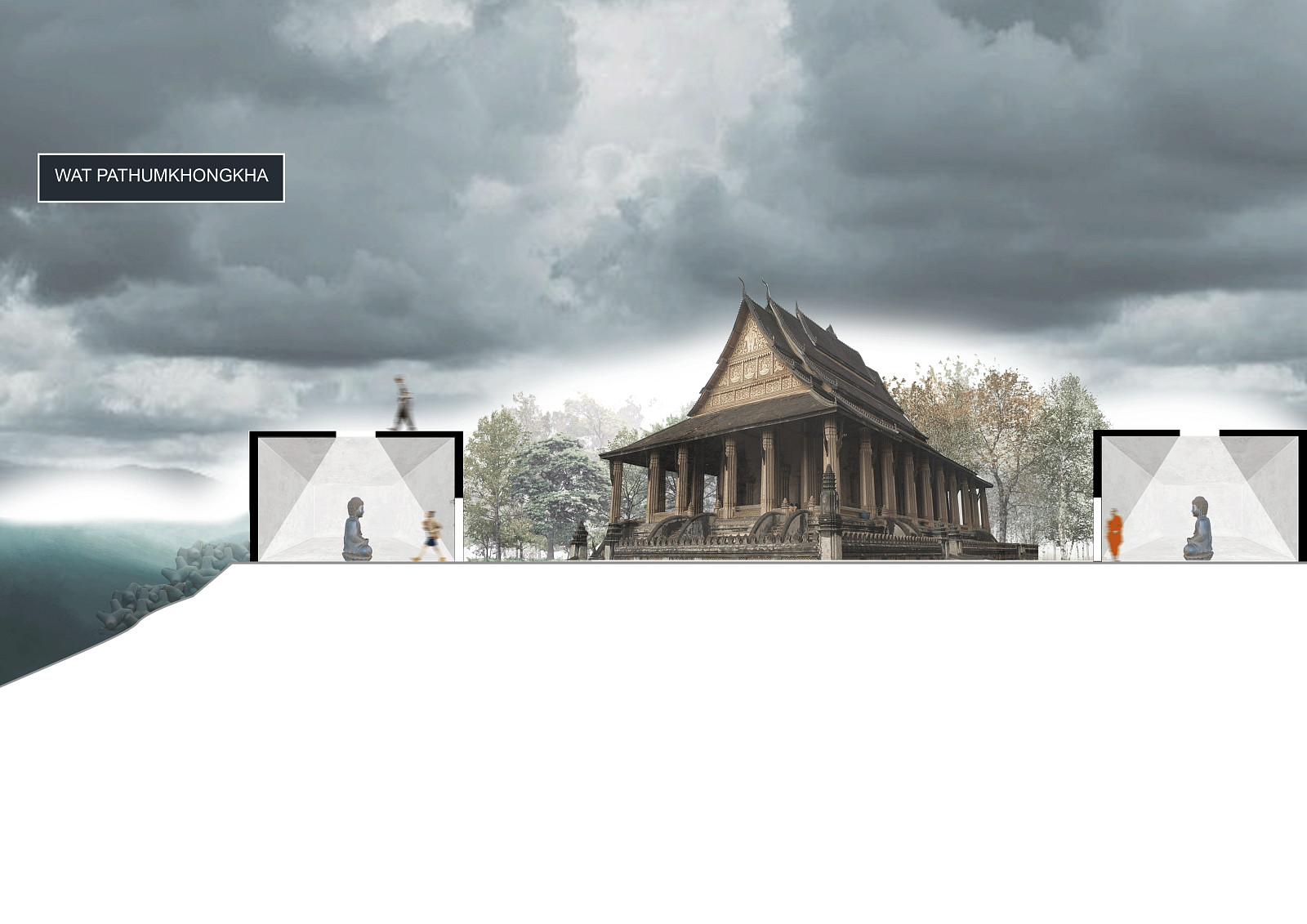
Flood resilience measures include protective flood barriers, adaptive waterfront infrastructure, elevated public spaces, and future elevated circulation systems. Long-term adaptation strategies also include horizontal redevelopment and vertical expansion of urban functions to accommodate population growth and future flood conditions.
The proposed urban framework combines environmental infrastructure, sustainable mobility systems, public realm improvements, and resilient land-use planning to create an adaptive and sustainable district capable of responding to future climatic, social, and economic challenges.
Dokumentace

Copyright © 2026 INSPIRELI | All rights reserved. Use of this website signifies your agreement to the Terms of Use, Privacy Policy, and use of cookies.