Layers of Discovery


Idea projektu
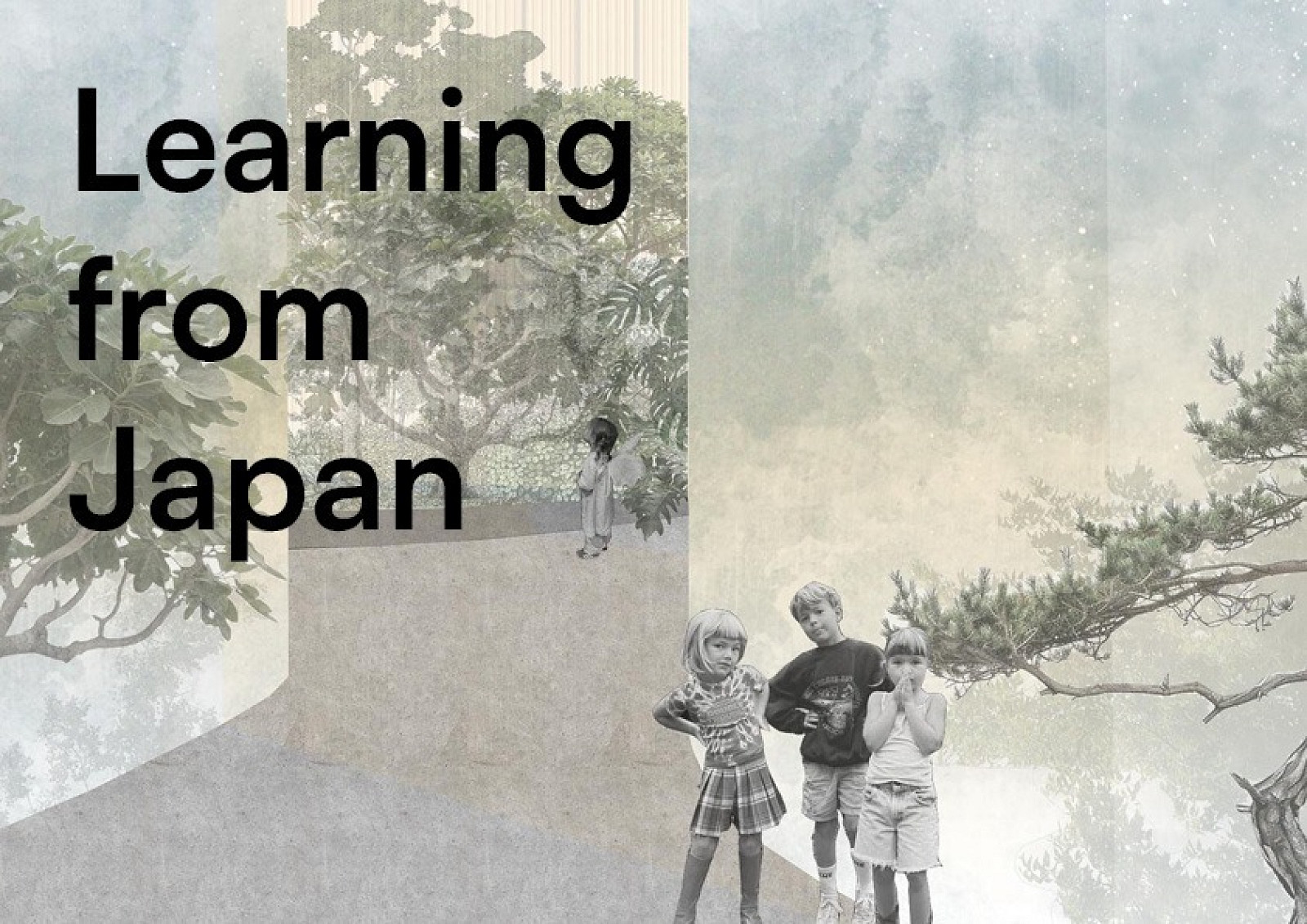
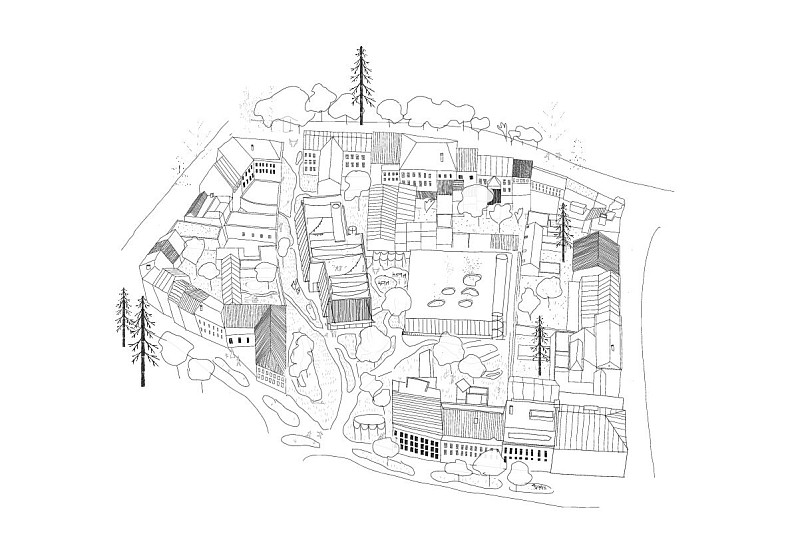
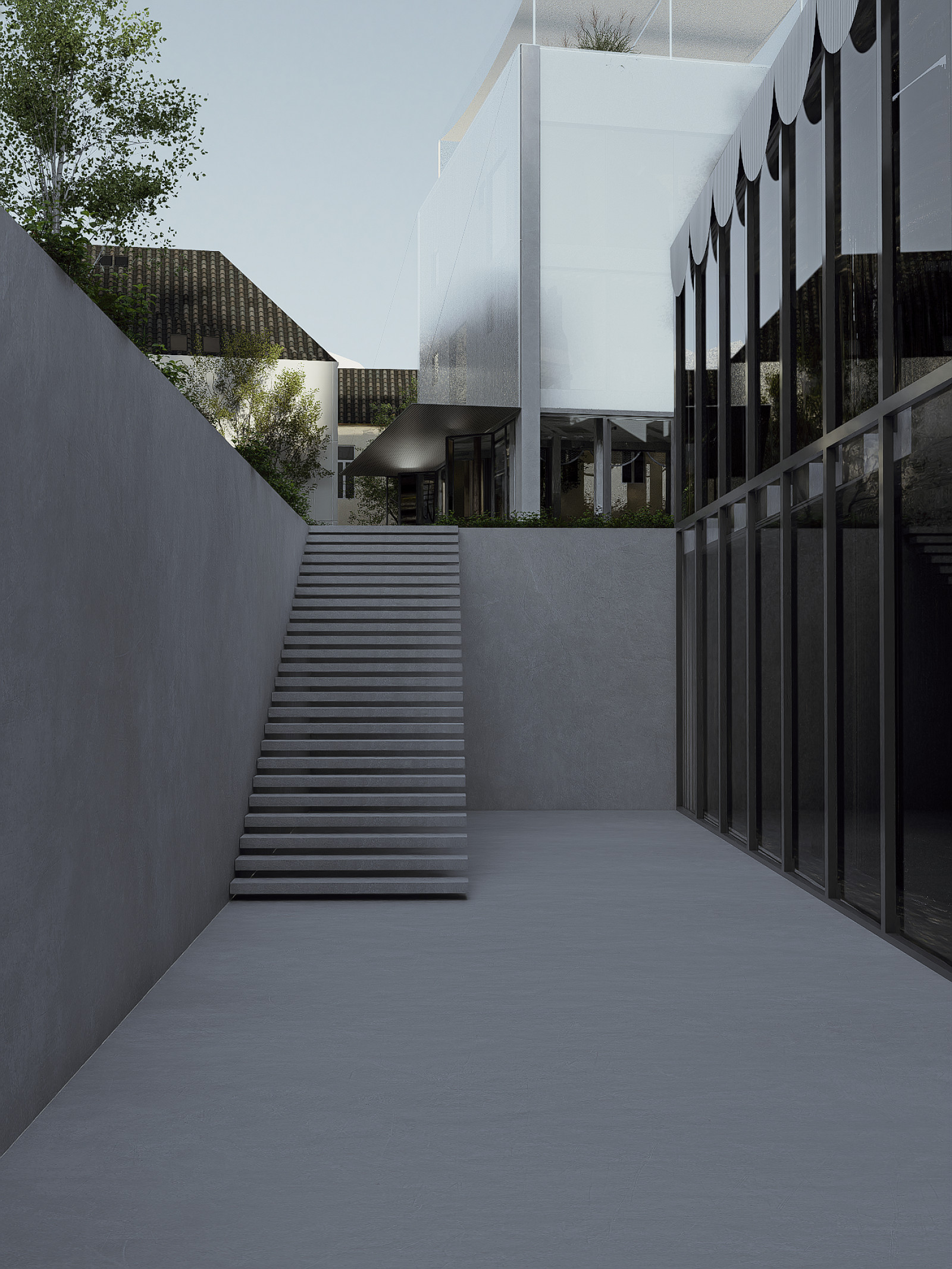
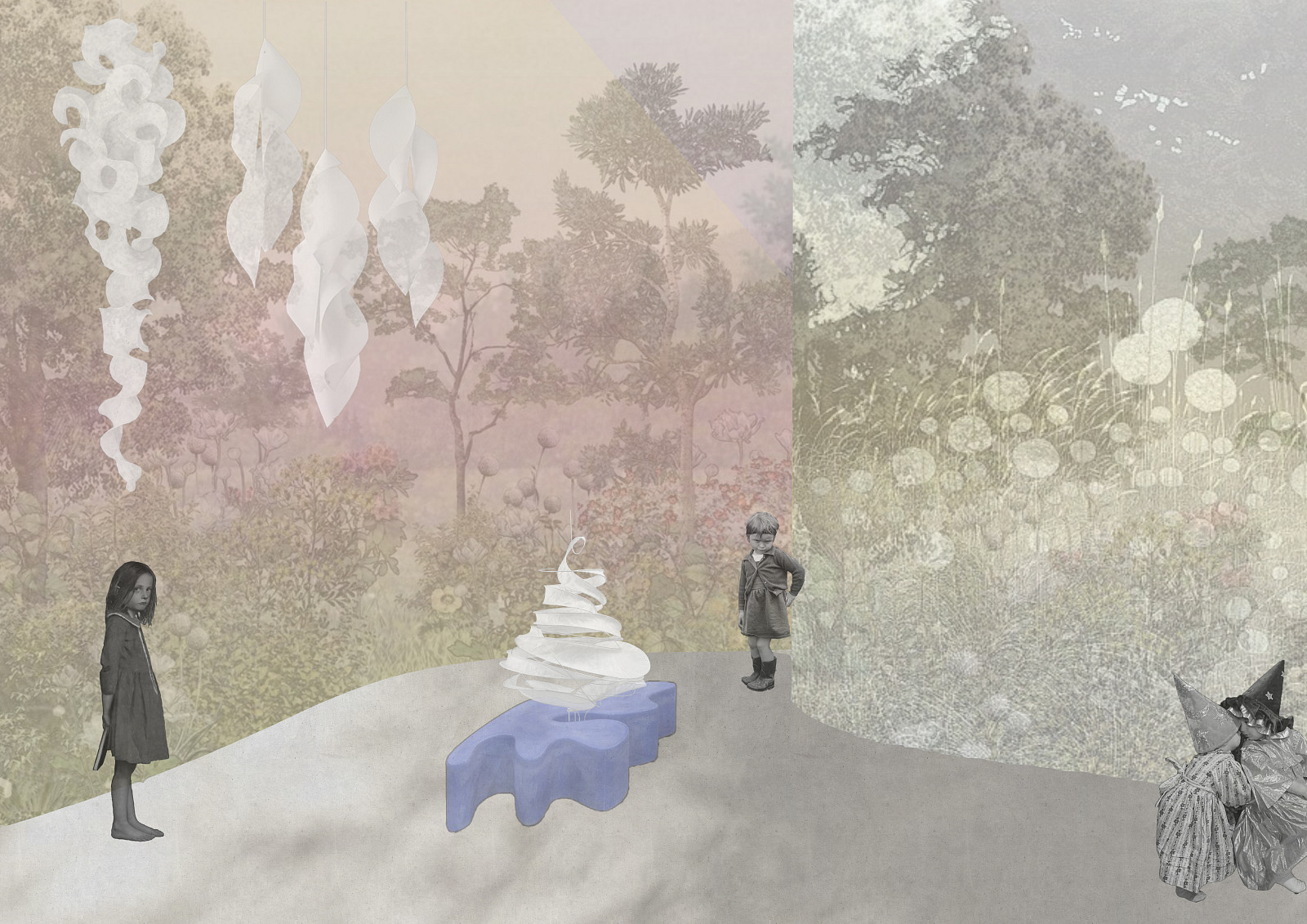
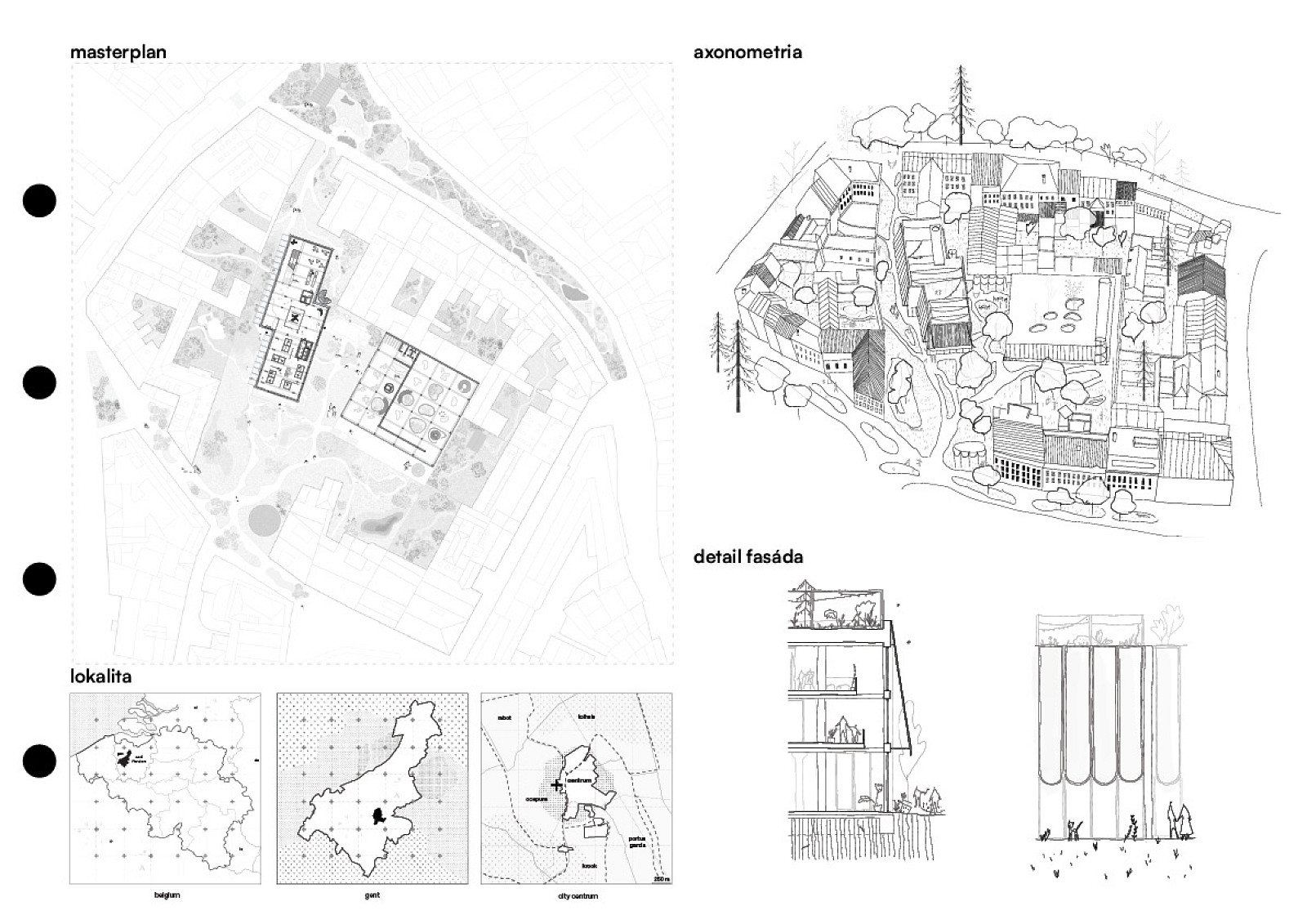
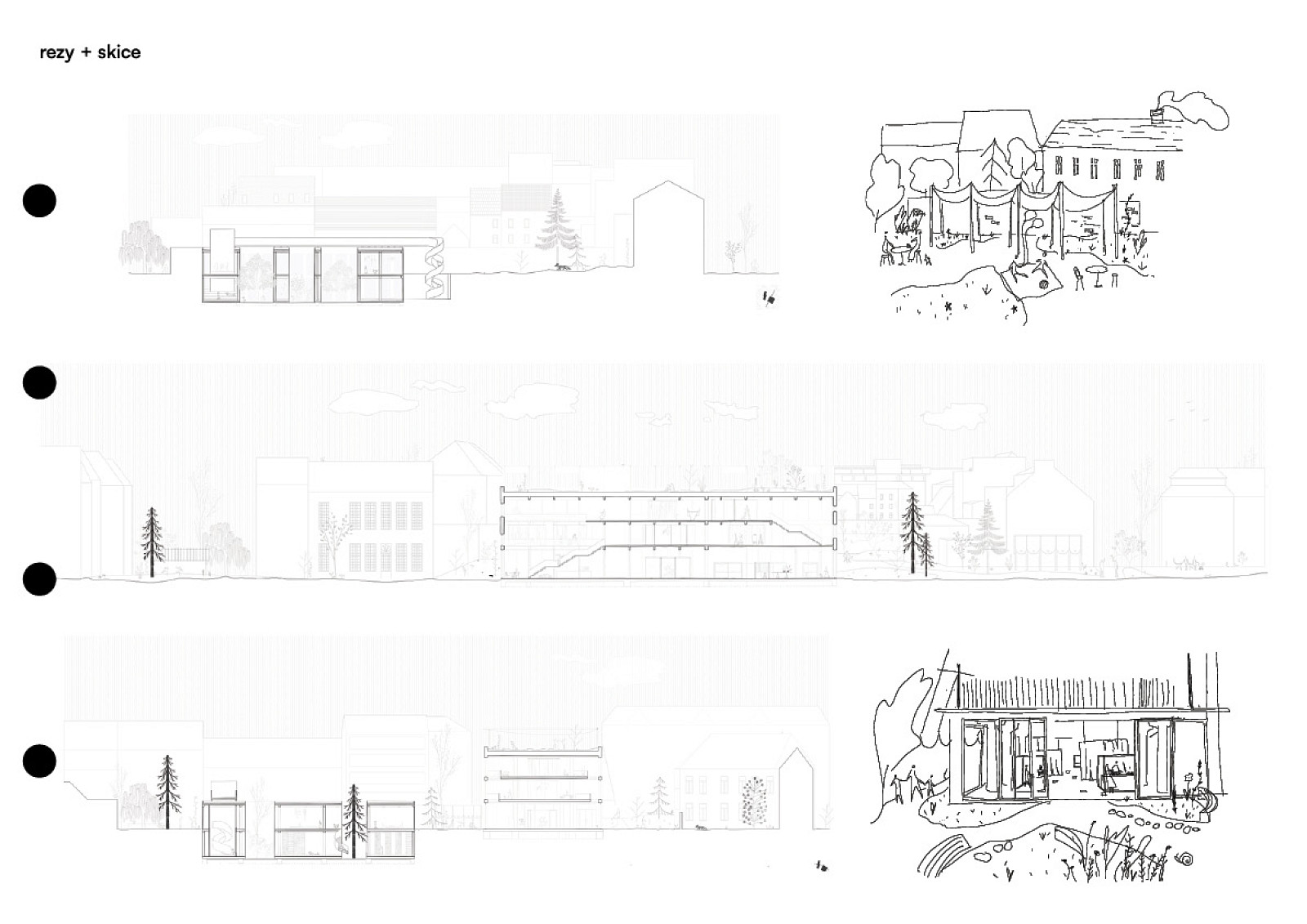
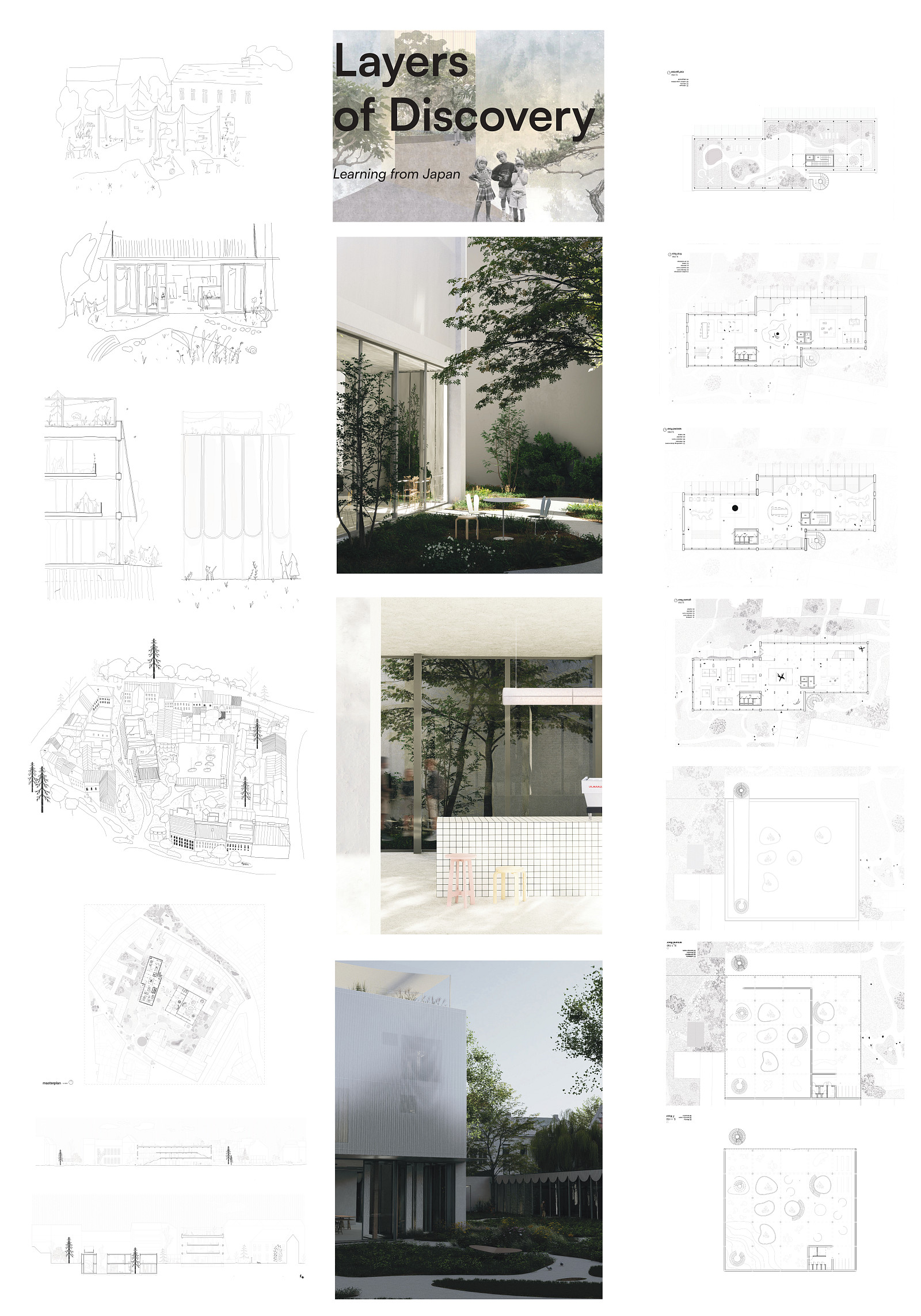
The project focuses on the urban renewal of the historic ACV site in Ghent, Belgium. The site, which evolved from marshland to a core civic area, currently faces significant urban challenges including a lack of green space, the heat-retention effects of extensive paving, and an uninviting environment dominated by vehicular traffic. The project’s central idea is to apply Japanese spatial principles, specifically the concept of "discovery," where movement through the site is characterized by gradual revelation and a lack of predetermined direction, encouraging users to explore and interact spontaneously
Popis projektu
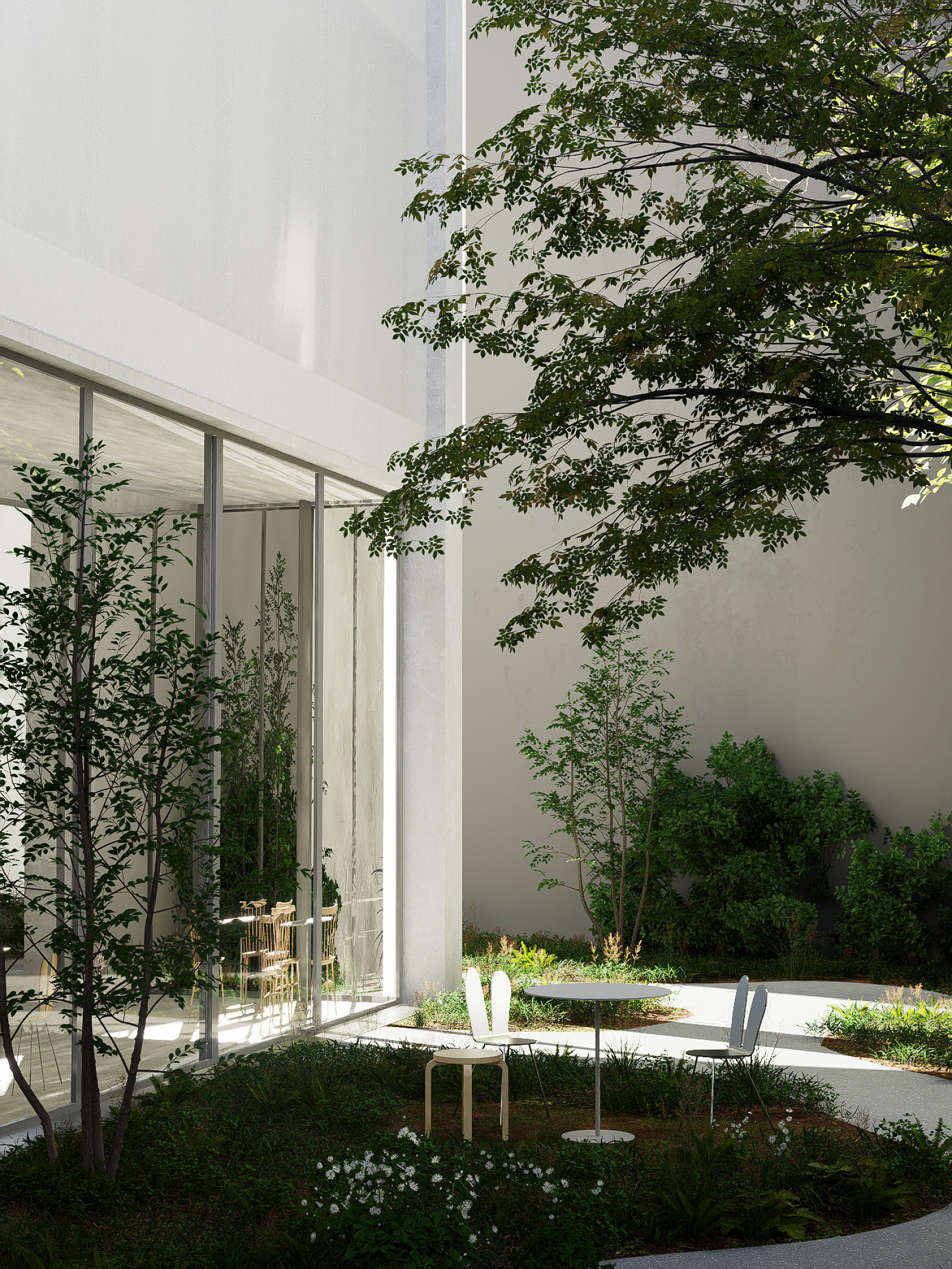
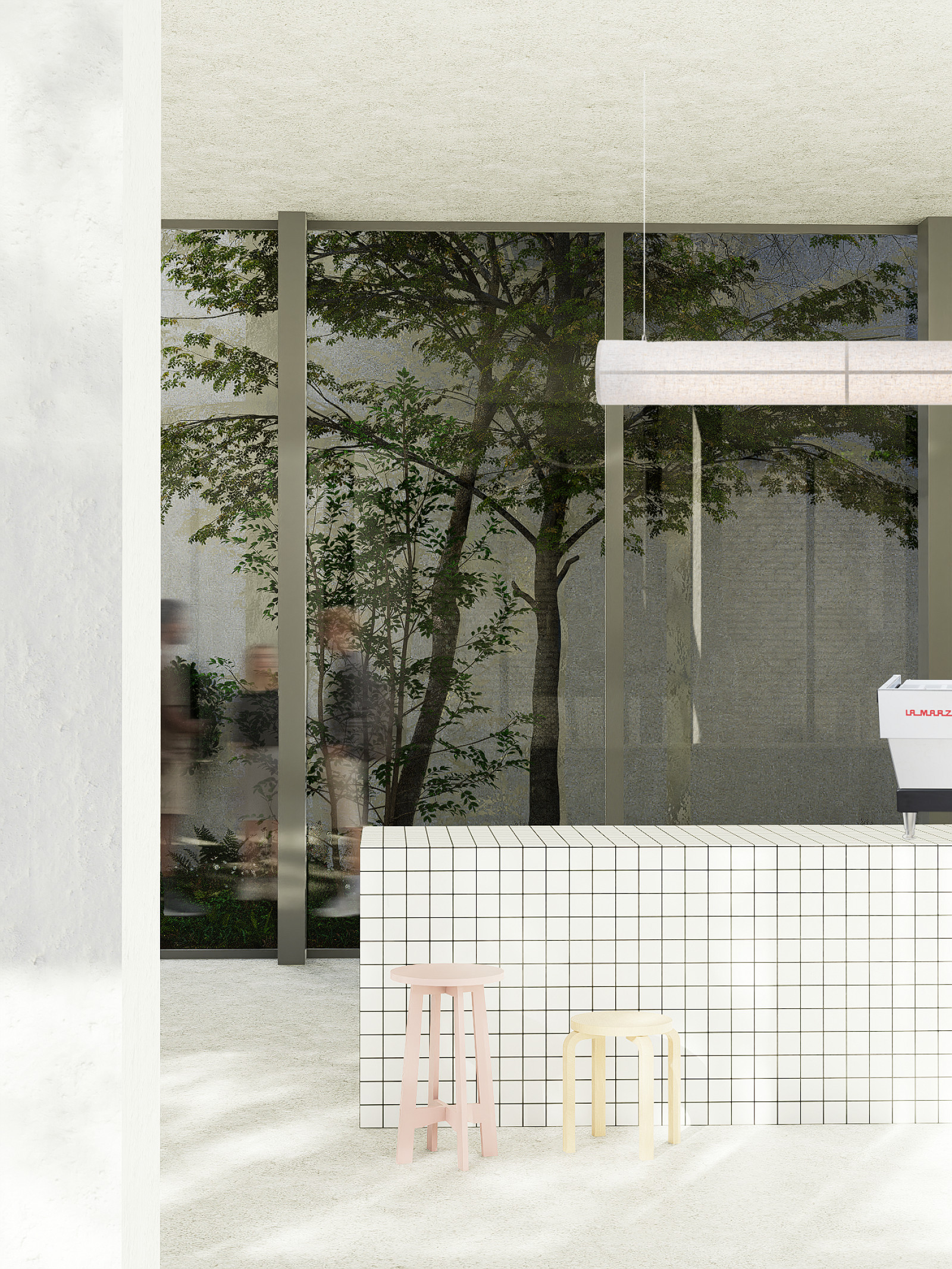
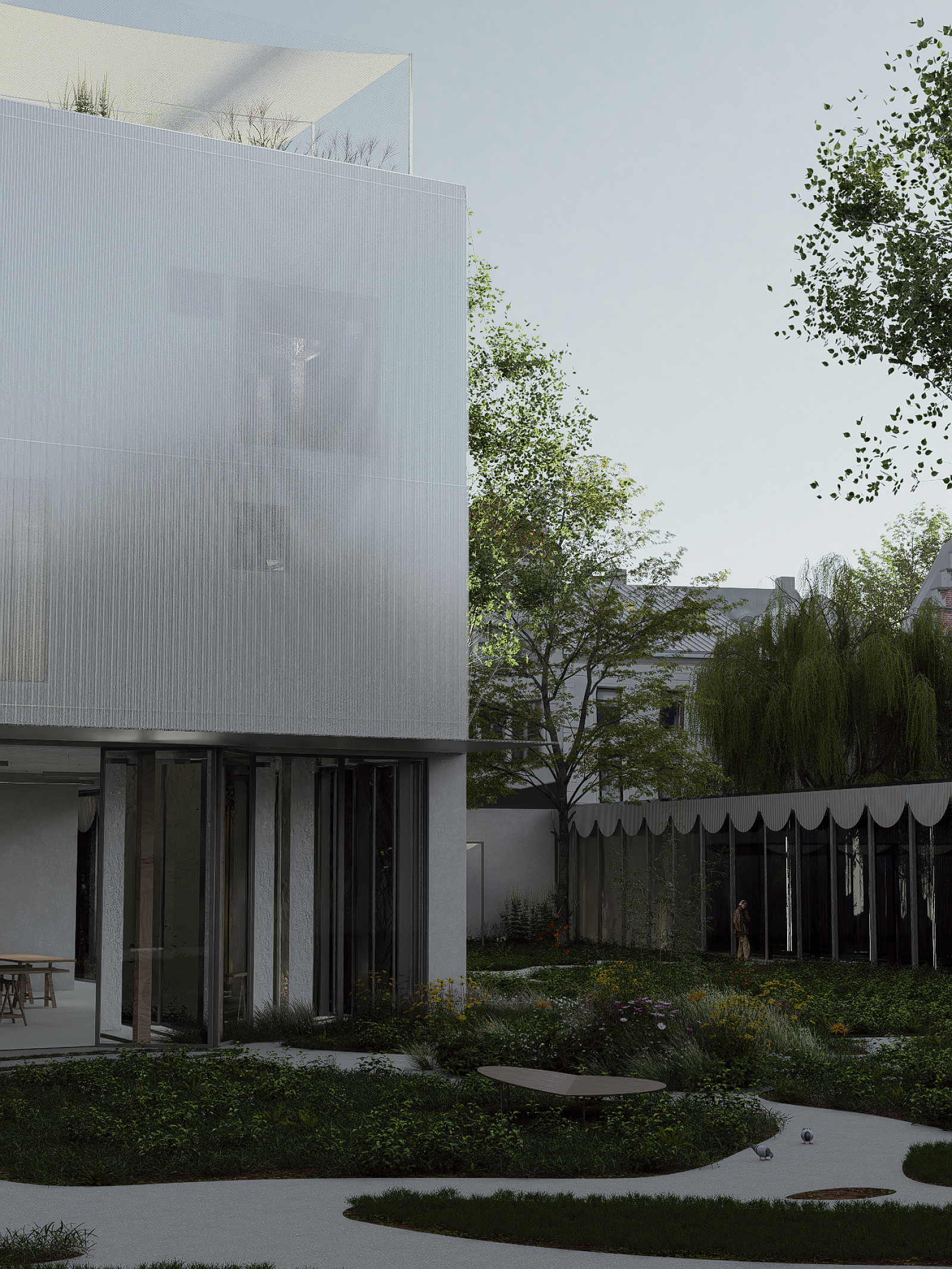
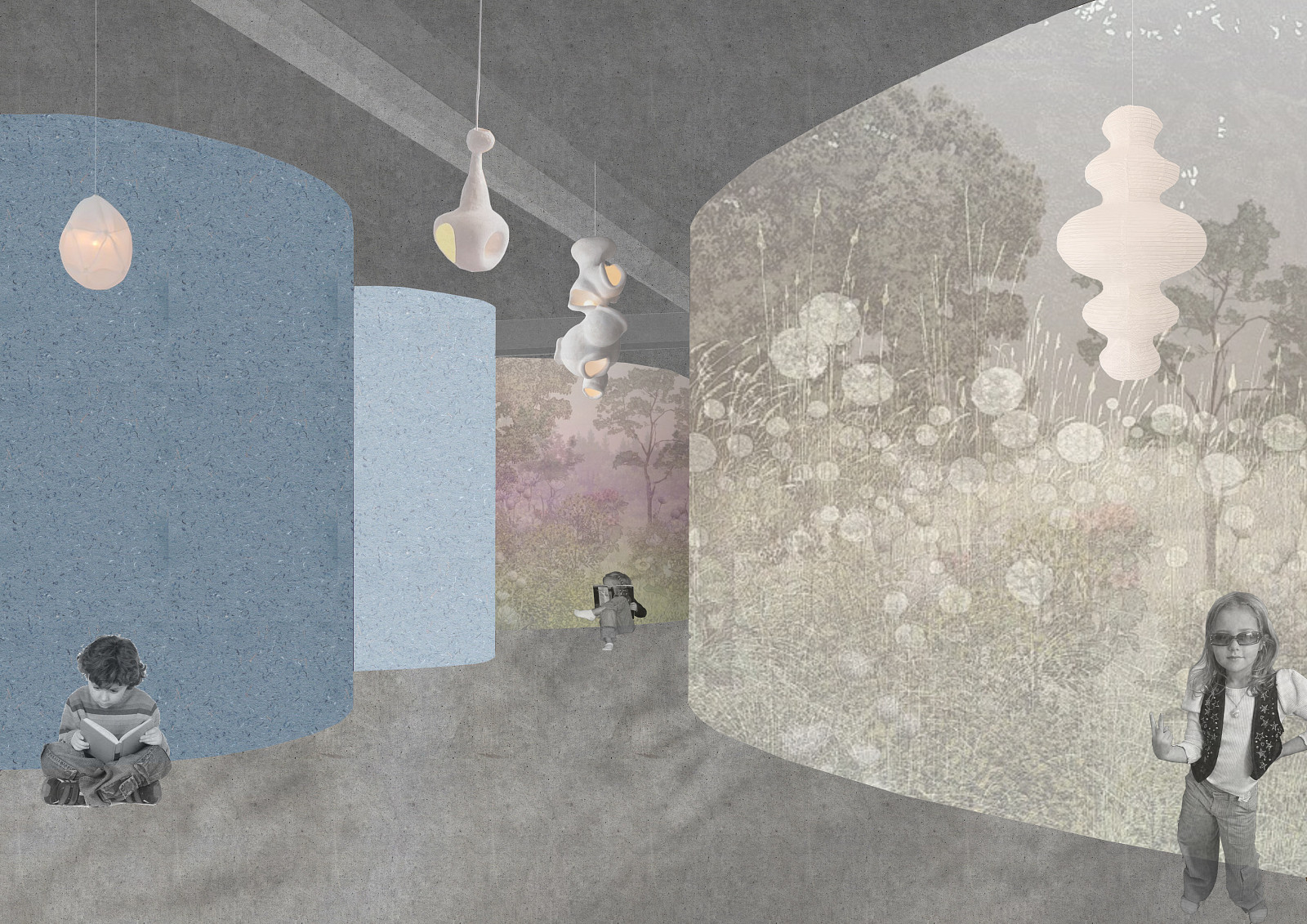
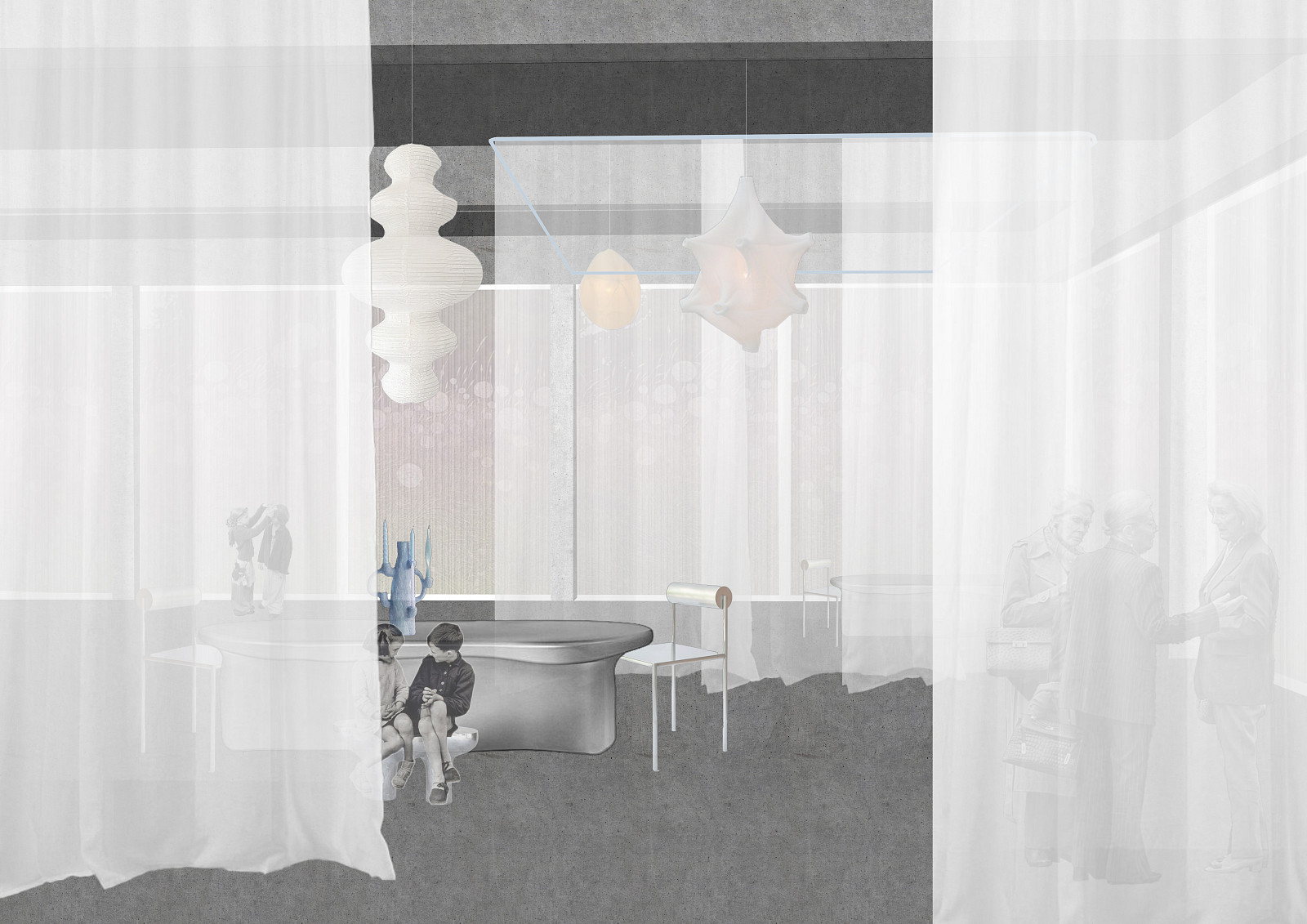
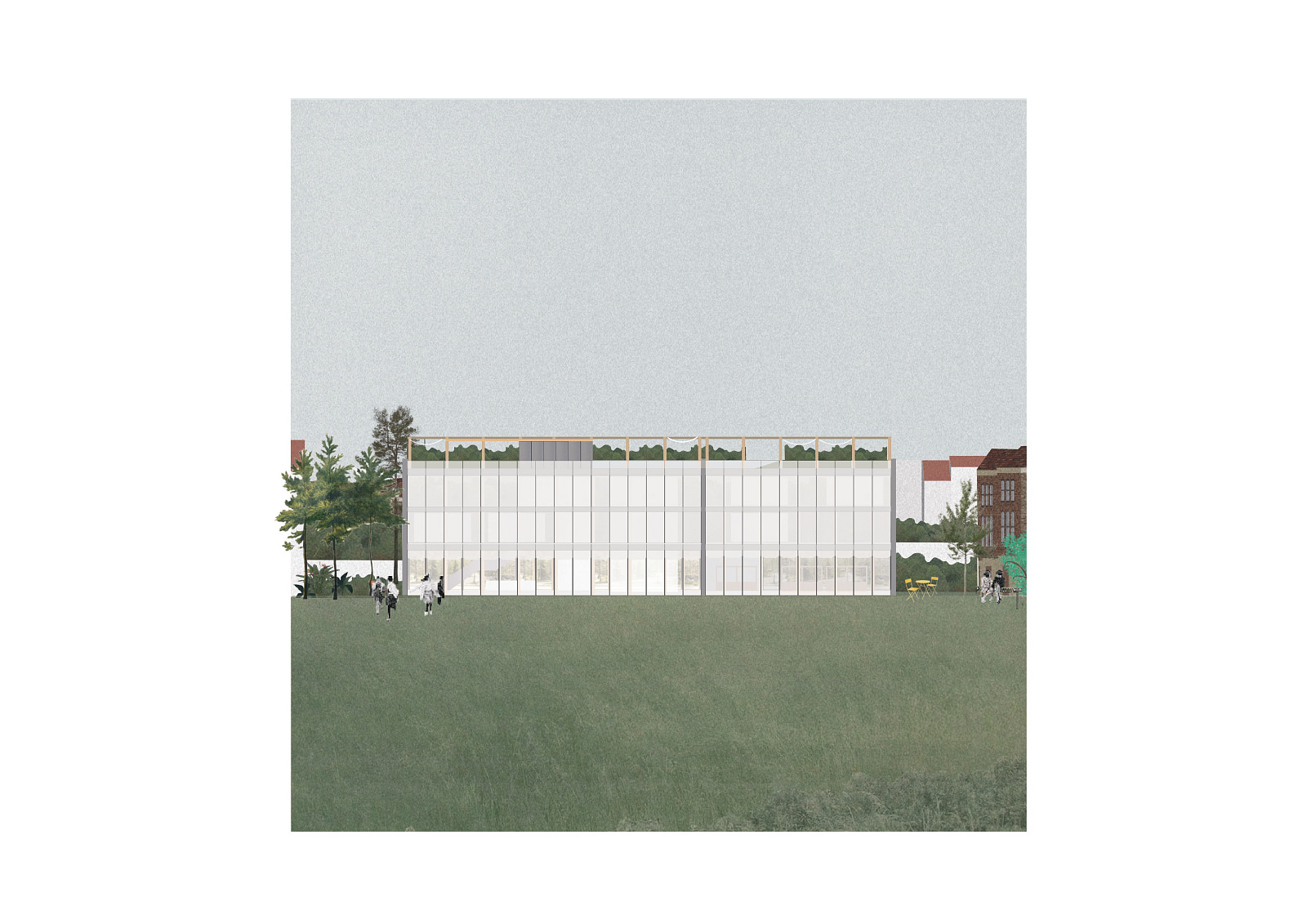
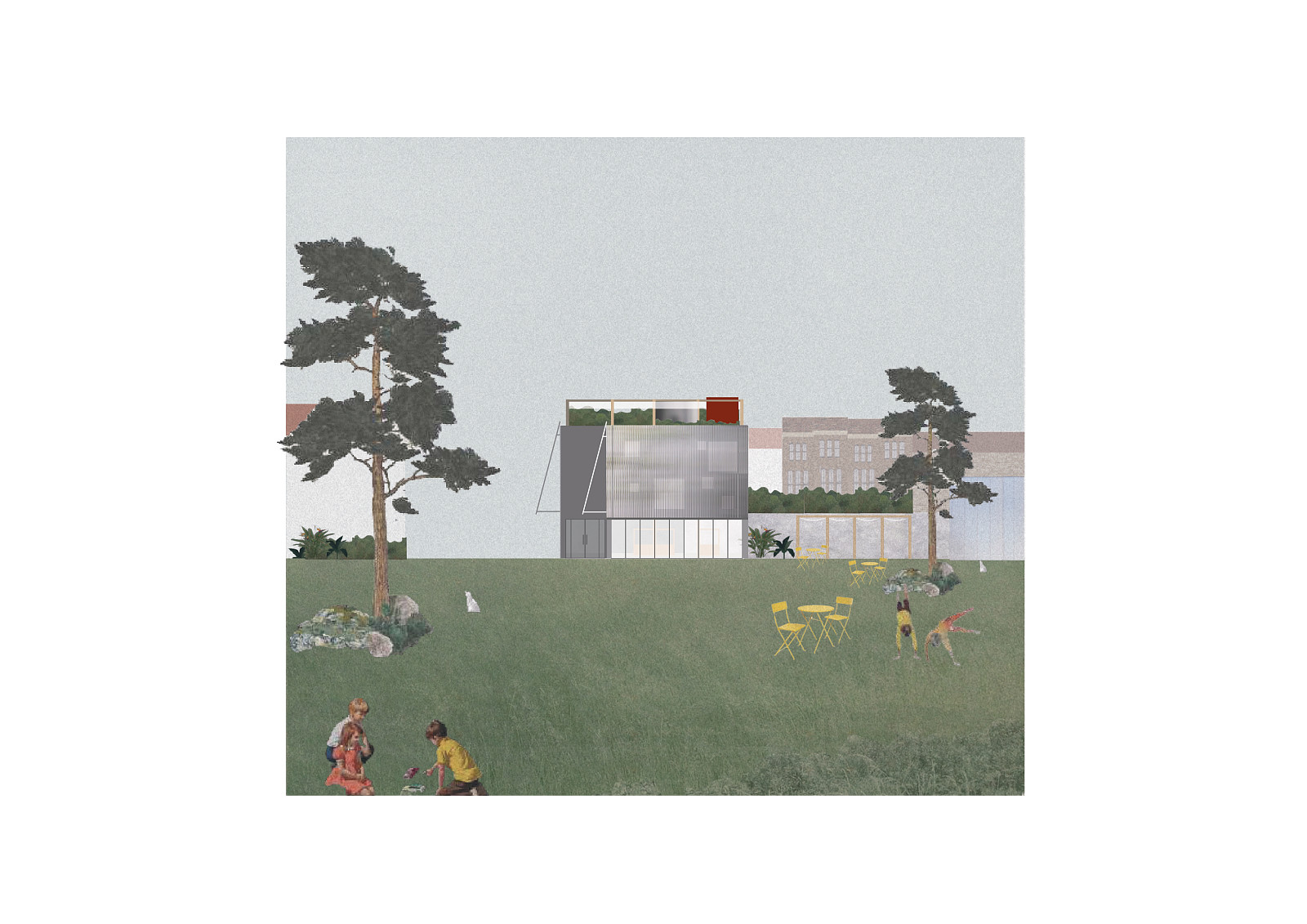
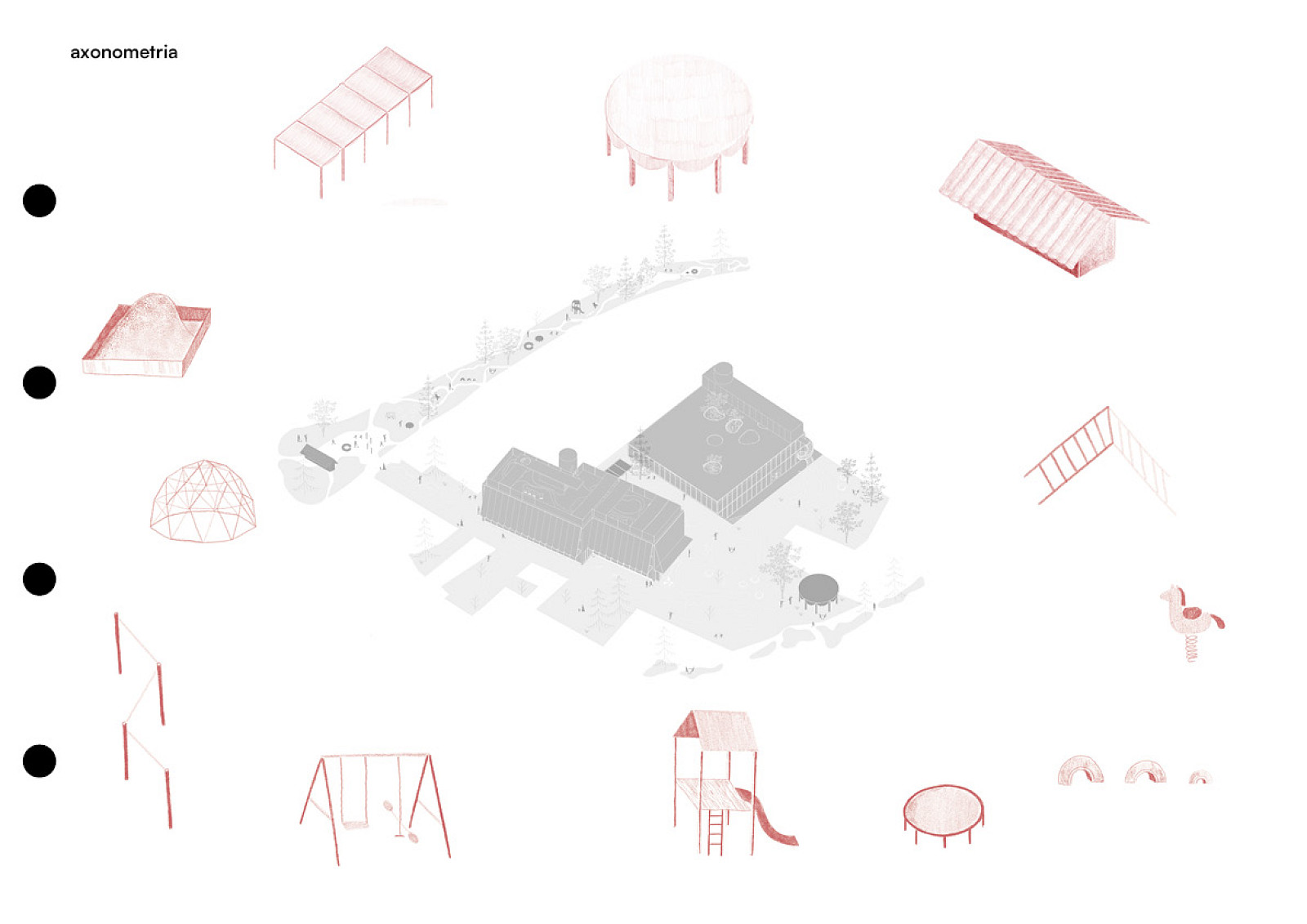
The project involves the architectural transformation of the existing ACV site into a multi-functional space for social interaction. The scope includes the adaptive reuse of the primary concrete structure and the development of a secondary building to house public-facing programs. The design strategy creates a "blank canvas" through the use of neutral concrete, polycarbonate, and natural elements, aiming to foster diverse activities such as coworking, workshops, library services, and marketplace exchanges. The project specifically addresses the need for social cohesion by integrating shared zones where movement and visibility facilitate overlap and encounter.
Technické informace
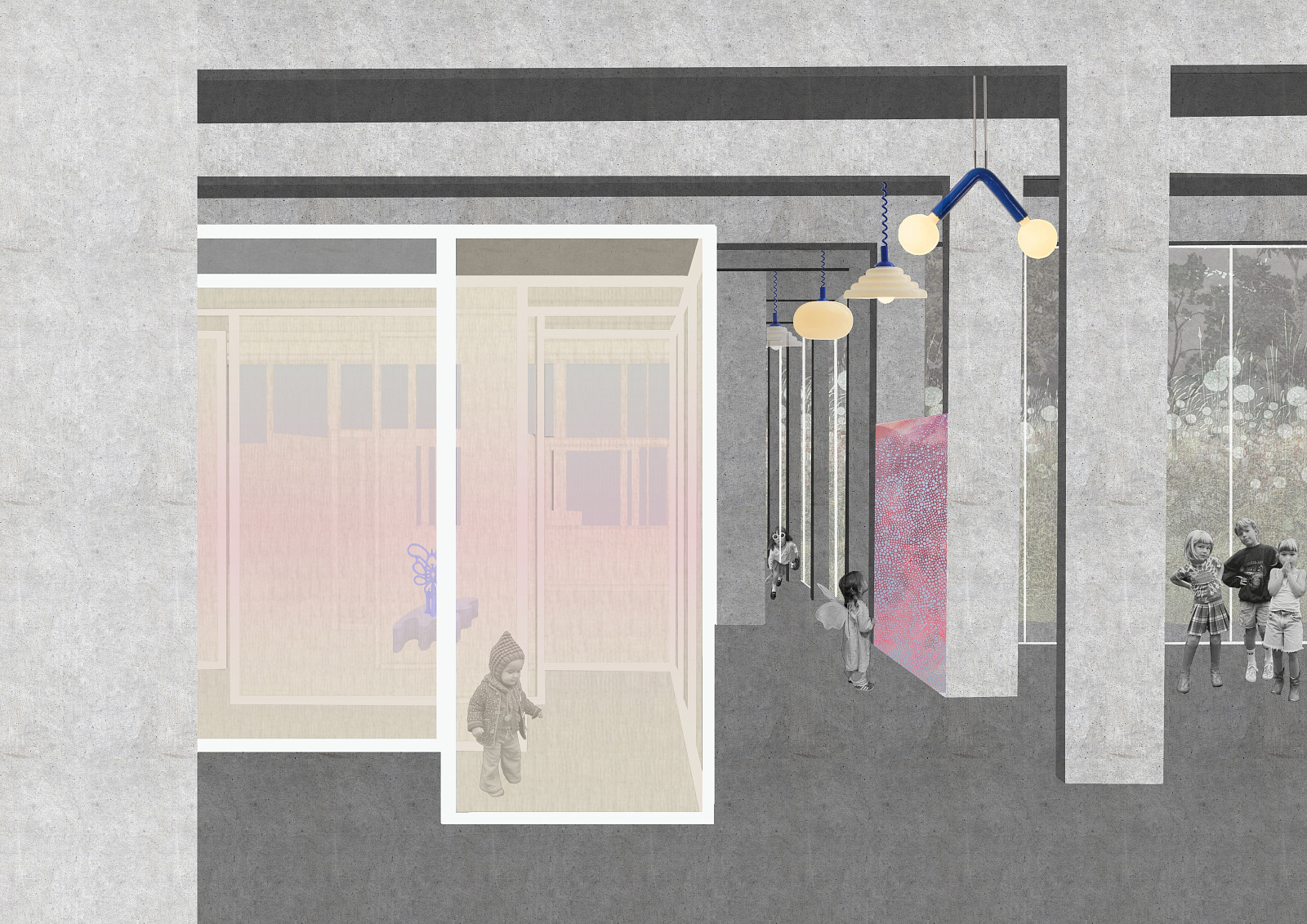
Structural Strategy: The project utilizes the site's existing concrete structure, which provides high flexibility for internal modifications with minimal structural intervention.
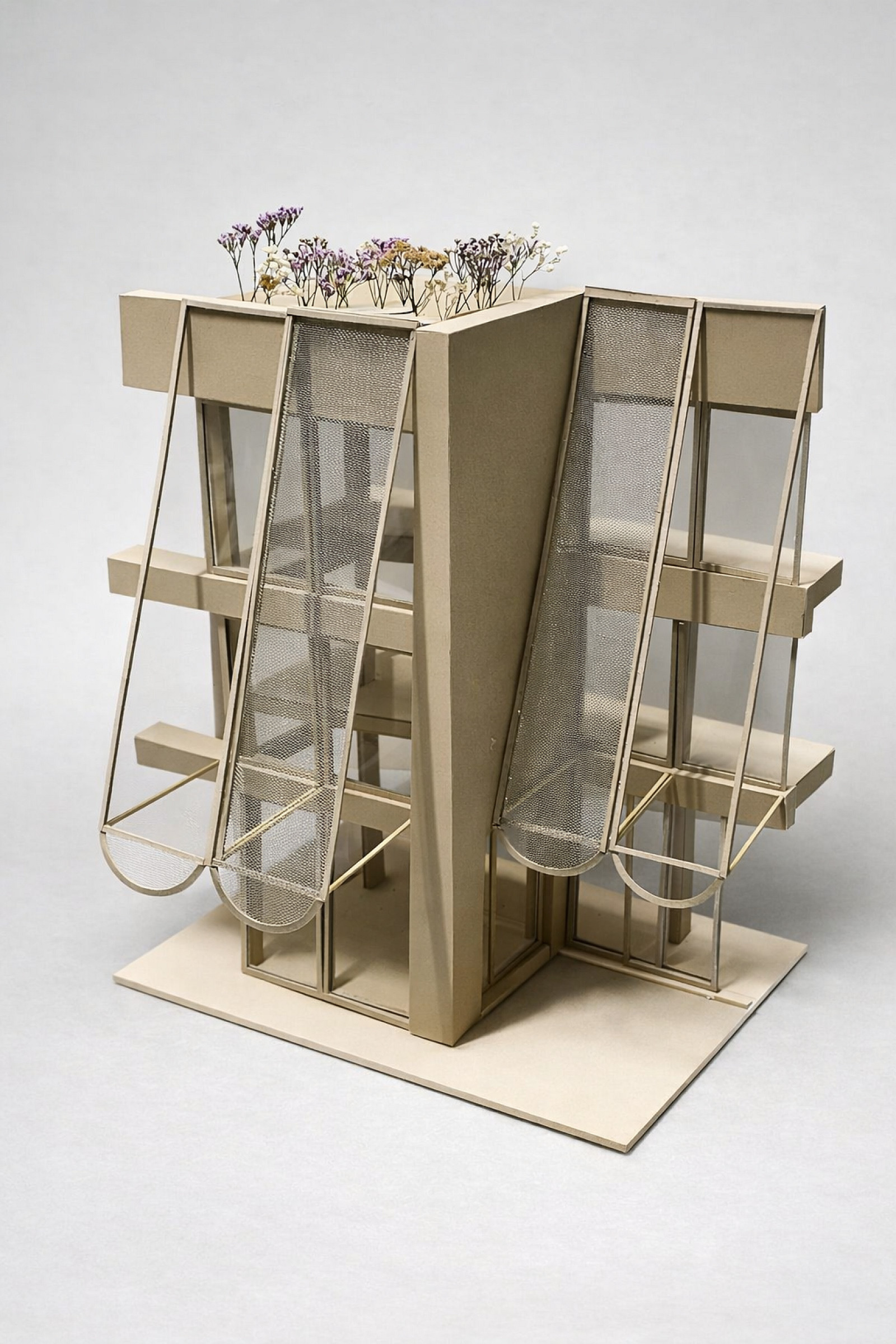
Materiality: The design relies on a palette of raw concrete, polycarbonate, and perforated metal, which acts as an intermediate filtering layer between the interior and exterior.
Light and Atmosphere: The larger building employs targeted, minimal lighting to create intriguing spaces, while the smaller building maximizes light to emphasize shadows.
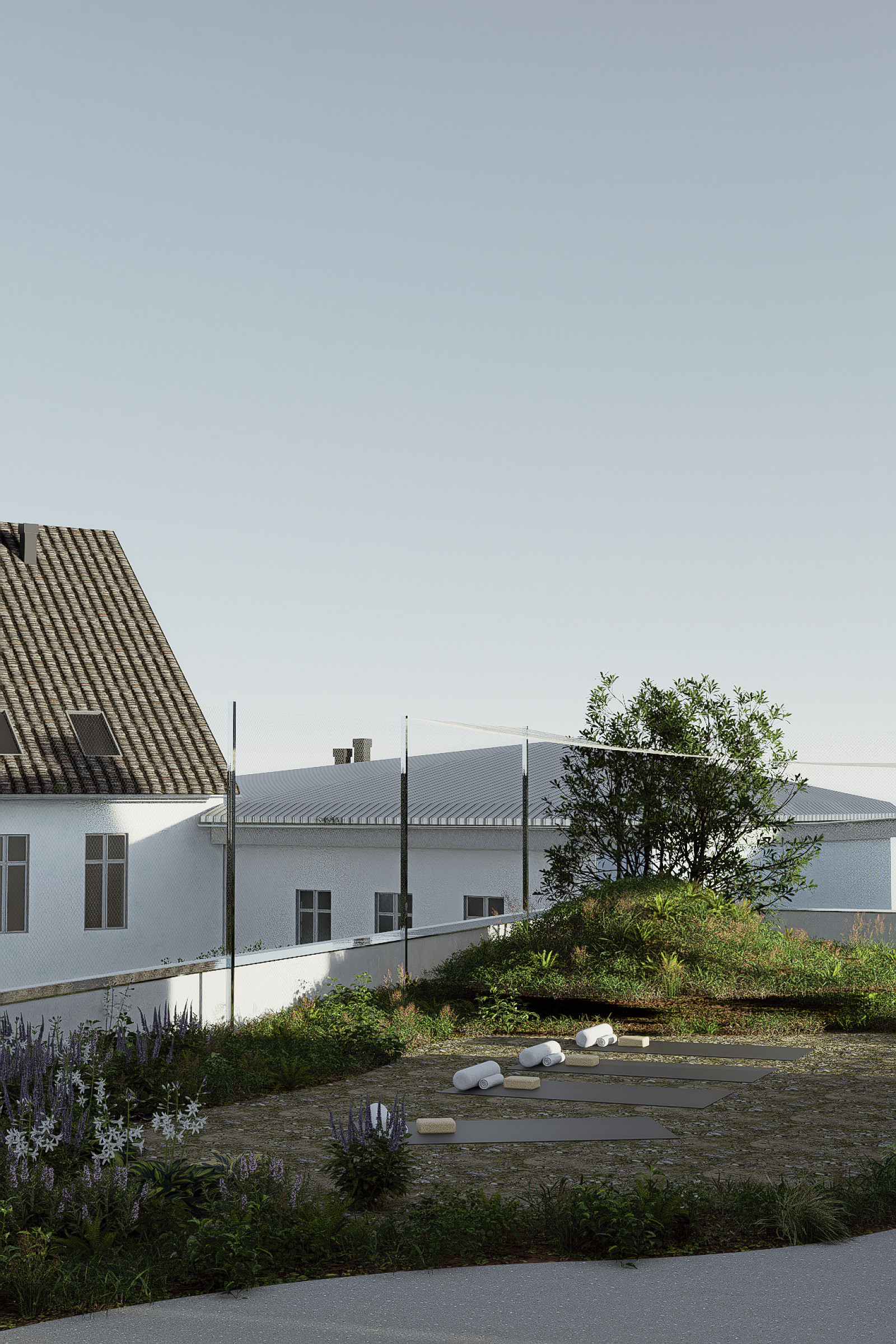
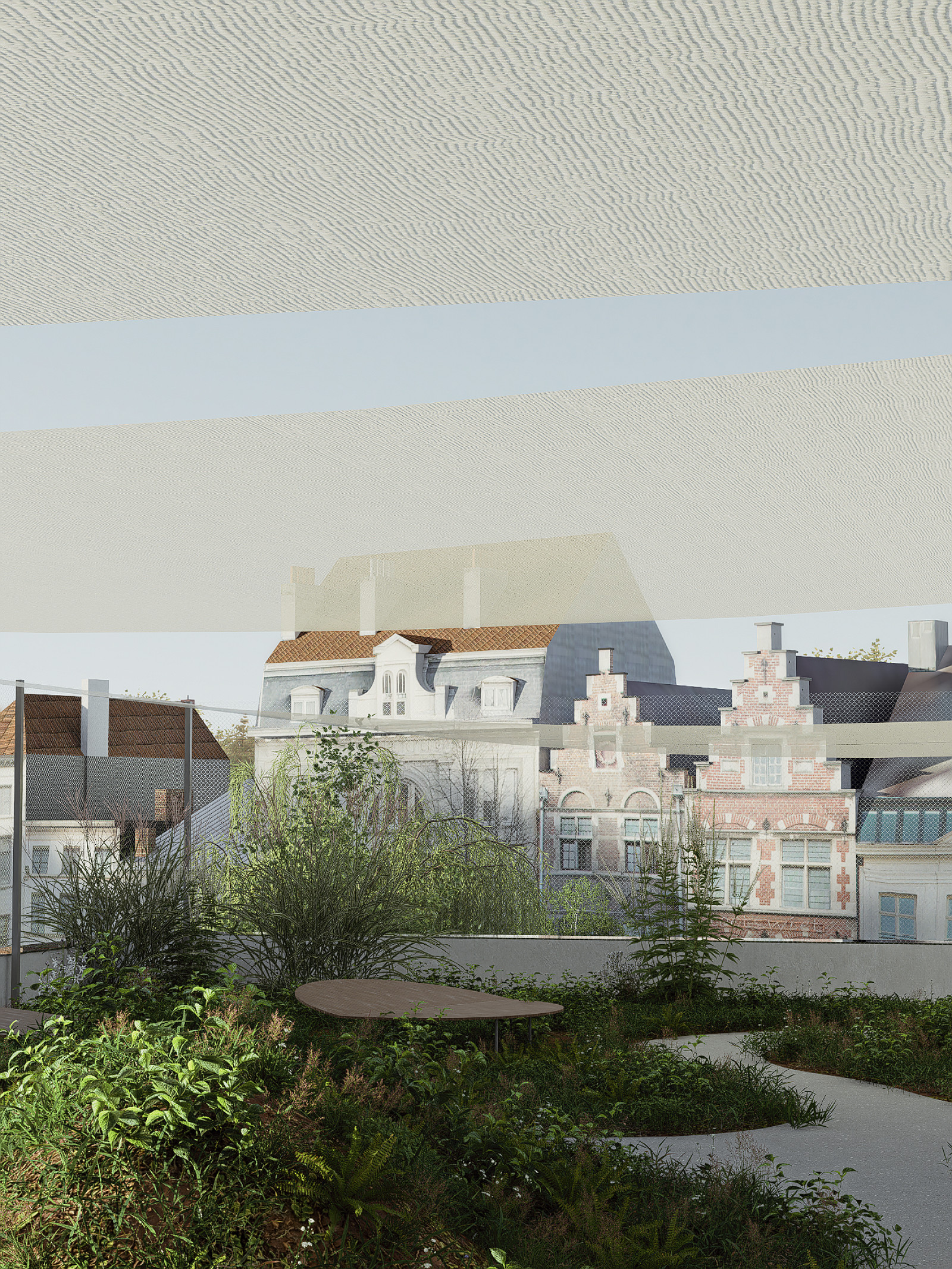
Environmental Features: The site design incorporates a roof garden for thermal regulation and relaxation, and uses perforated metal roof elements to provide protection from sun and rain while maintaining openness.
Circulation: Circulation is integrated with "glass gardens"—transparent voids that provide light and vertical connectivity, turning movement into an exhibition-like experience.
Dokumentace

Copyright © 2026 INSPIRELI | All rights reserved. Use of this website signifies your agreement to the Terms of Use, Privacy Policy, and use of cookies.
