Reclaiming the Margin: Designing an Inclusive Housing for the Harijan Community


Idea projektu
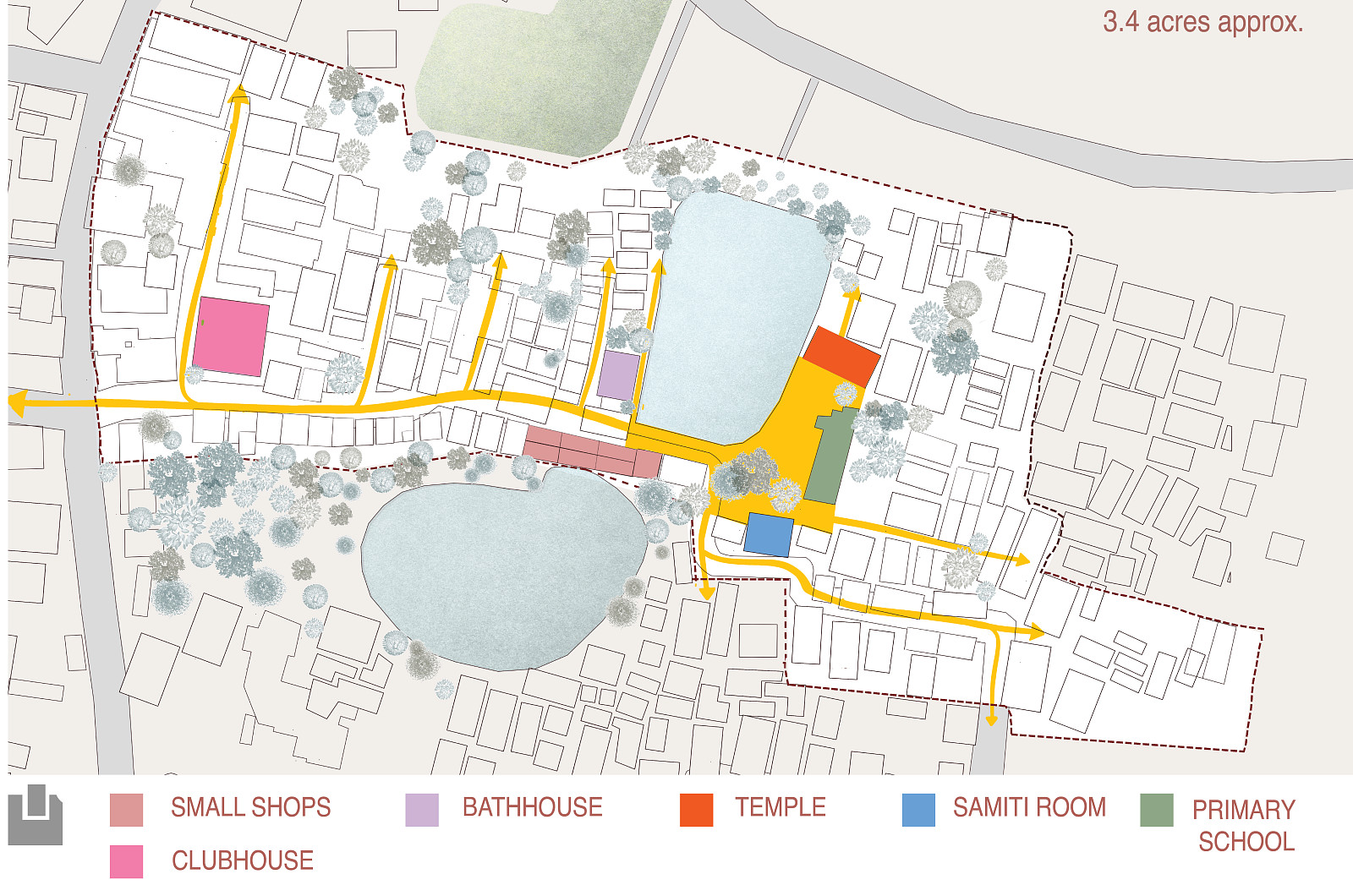
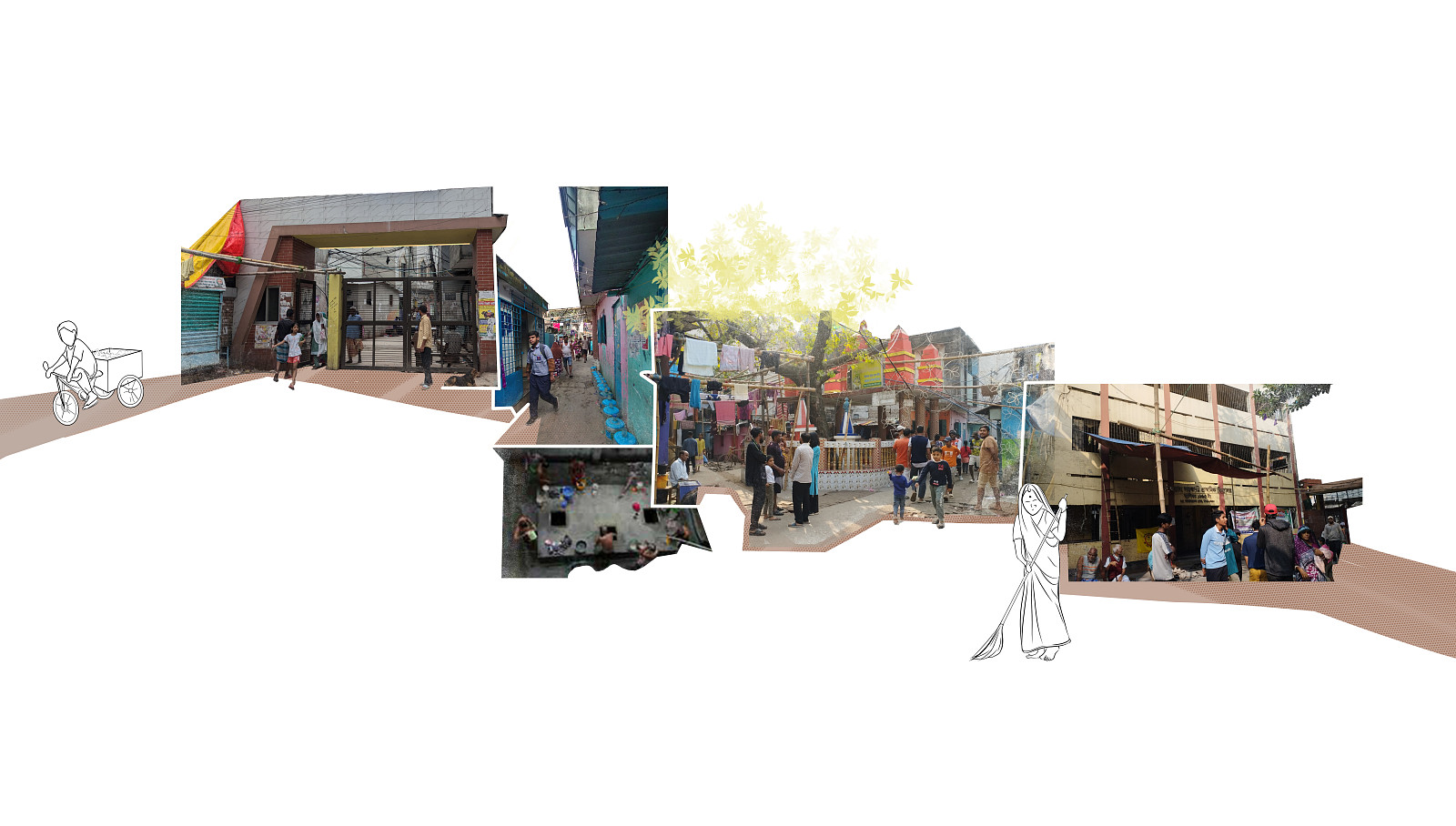
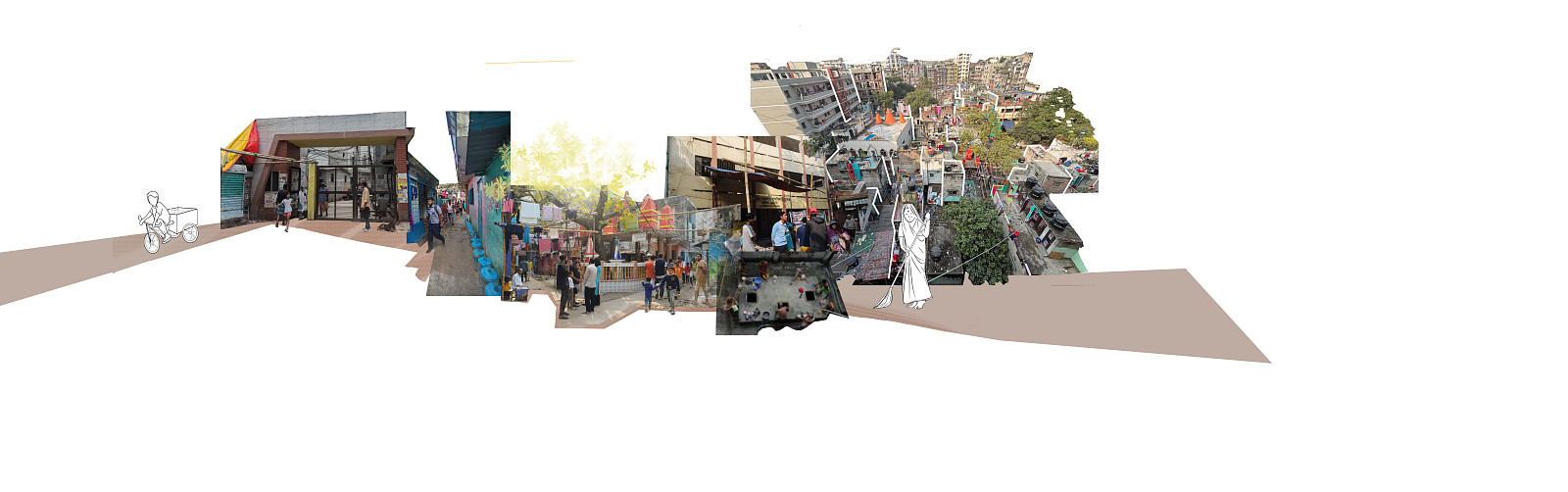
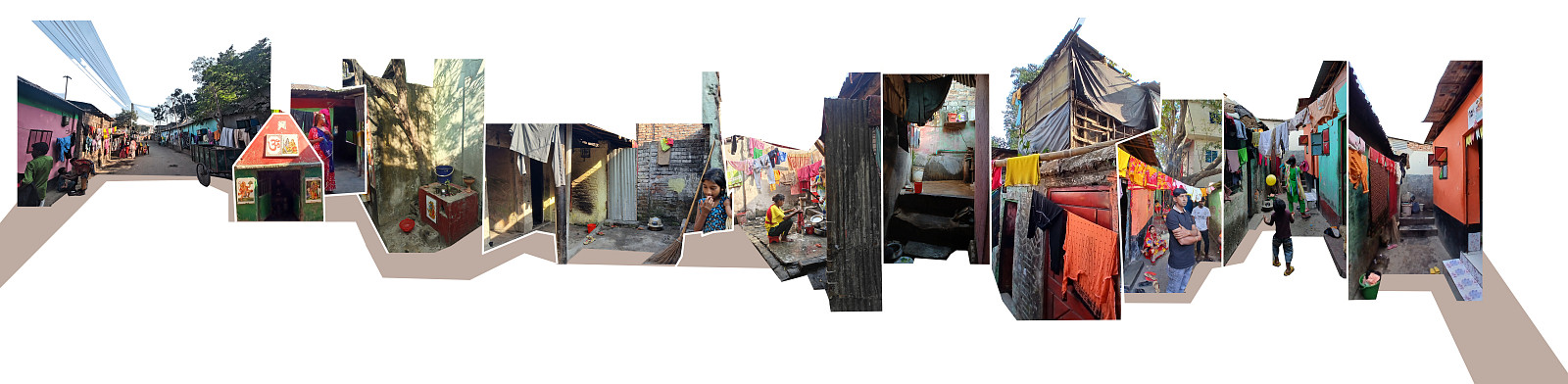
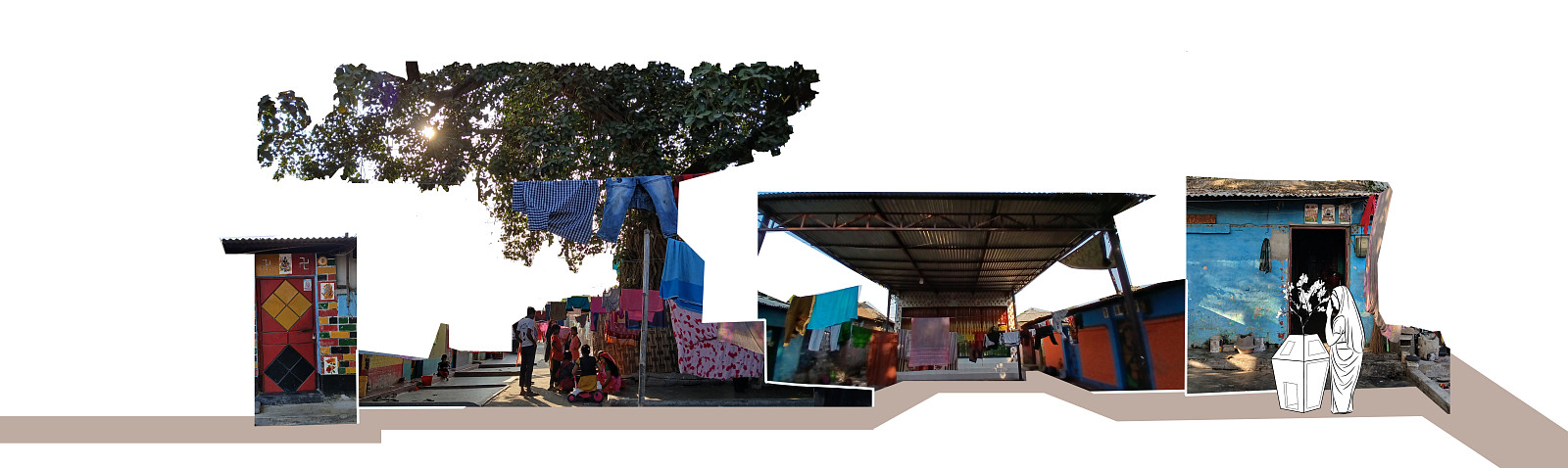
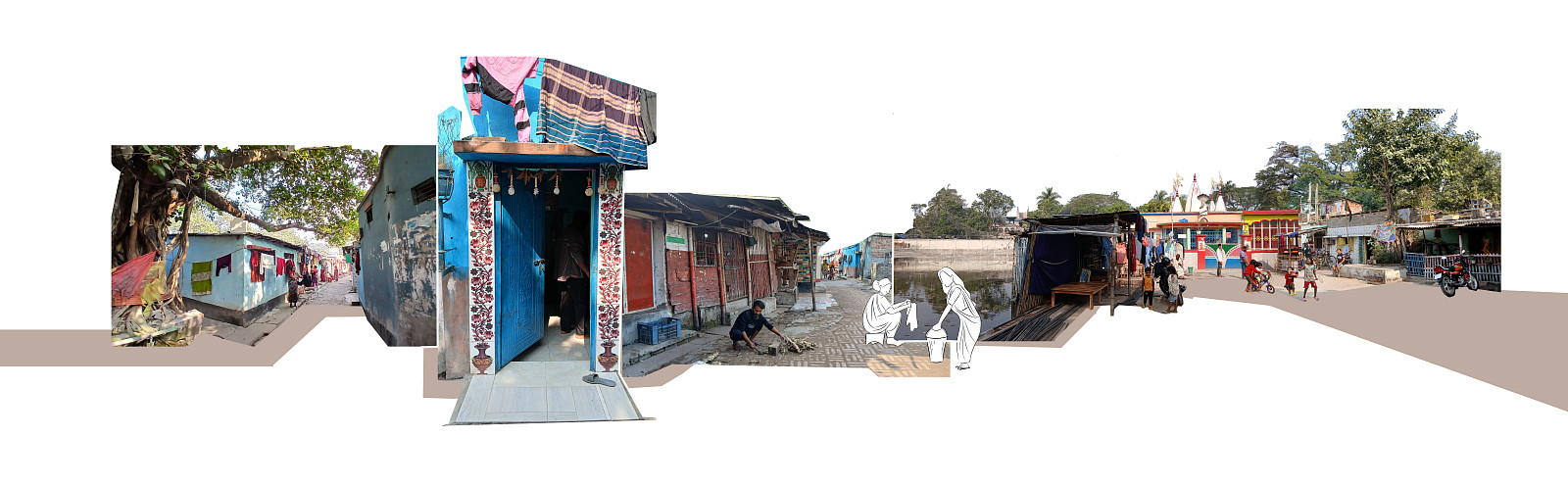
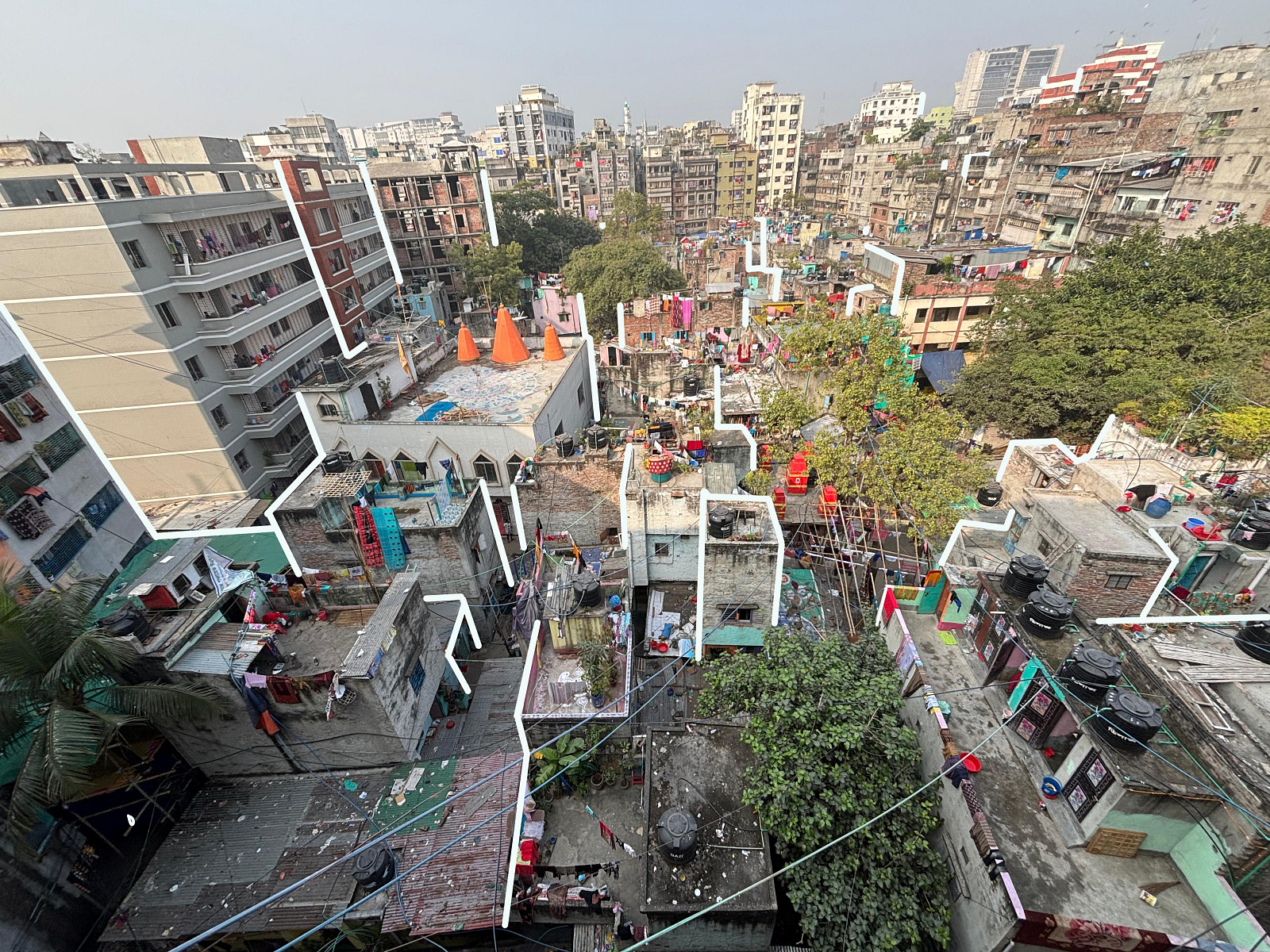
"Harijan" is a marginalized and denigrated Hindu community in Bangladesh. "অচ্ছুৎ" [Untouchable], using this derogatory term, Harijan people are constantly reminded they have no right to live a normal life. They have to remain in substandard living conditions in informal settlements because of their identity as "untouchables," a low caste. This has made them ashamed of their own identity, as their mere existence is stigmatized in society, and after migrating to Bangladesh, their professional identity as sweepers, termed as "Methor," has made them an outcast in society. The Harijan people face major obstacles in finding an appropriate place to live, as they have no land rights and access to basic amenities and face social exclusion, which feeds the cycle of poverty and marginalization.
This project proposes a community-sensitive design that can be adaptable to their future growth, and its functionality can help reduce social exclusion. By analyzing their settlement patterns in their context and challenges they face in accessing suitable housing.
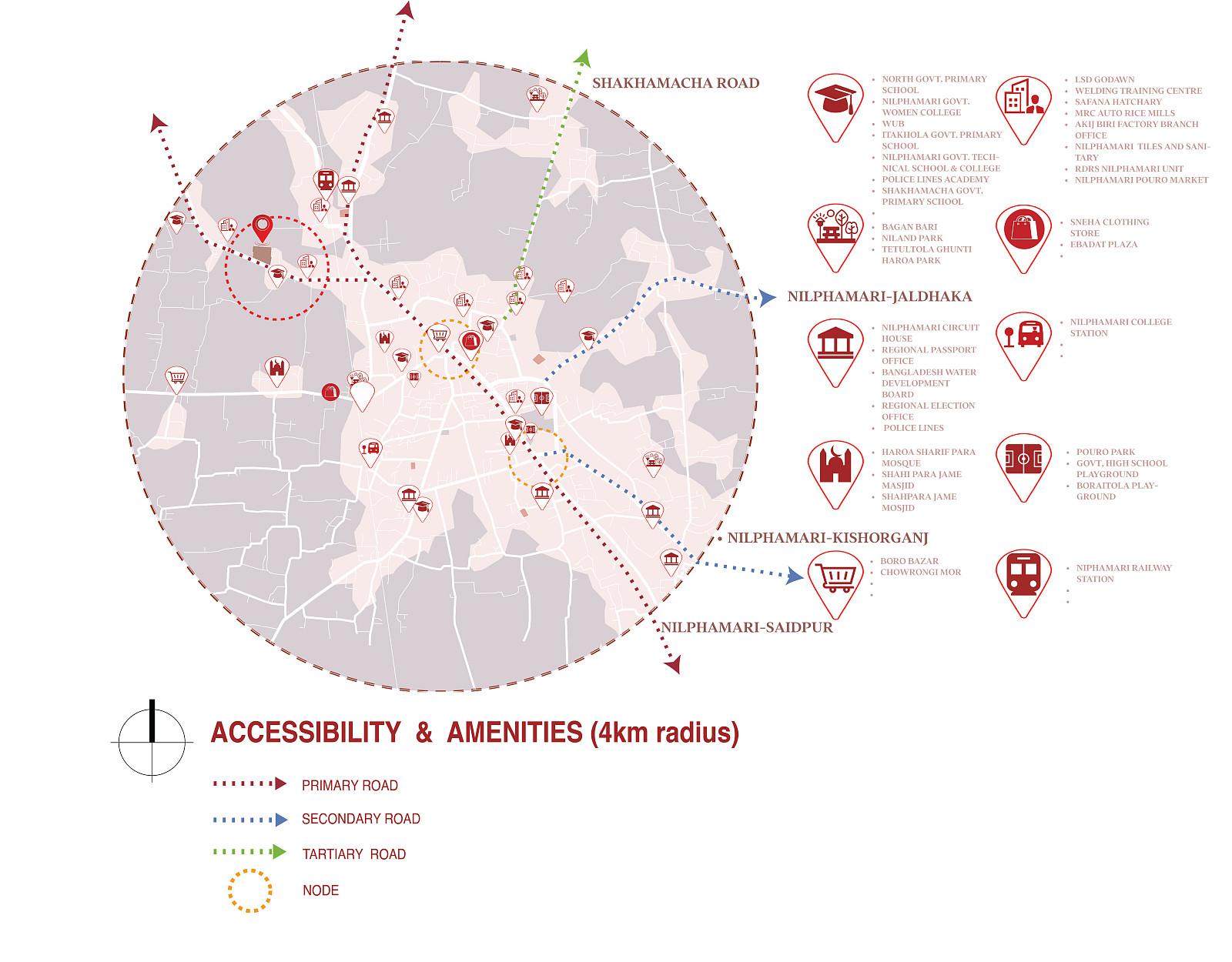
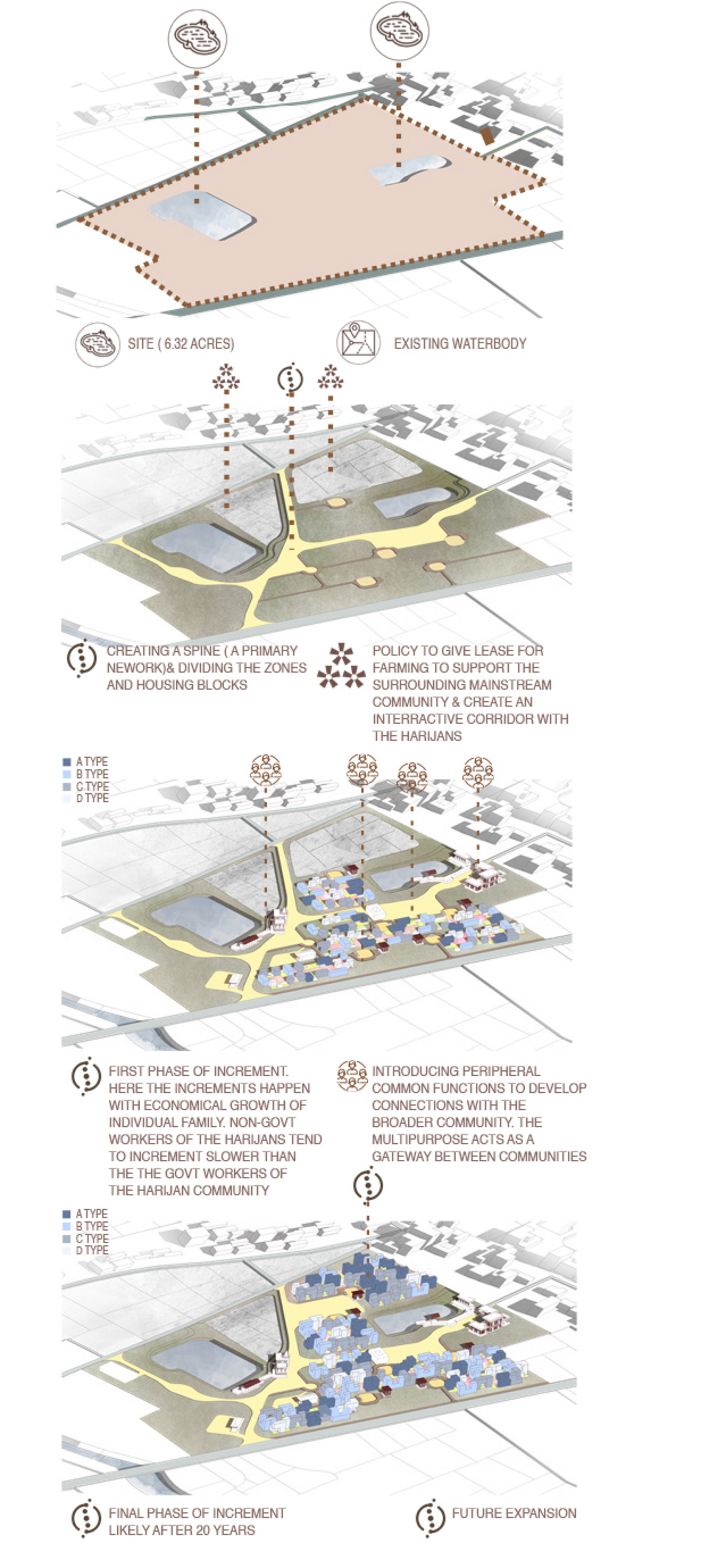
Site Location: The site lies in the main town, connected by a road directly leading up to the Boro Bazar mor which is the commercial hub of Nilphamari Sadar. The site is located in the suburban area where workplaces are at a 10 min walking distance. The provided land is very crucial to them, as they don't have access to land rights. By utilizing the most of the provided limited land area, they can reclaim their justified margin in society.
Popis projektu
The incremental grid is chosen as a workable solution for its modularity and flexibility to address the problem of future expansion and adaptability due to their living in extended families and limited land area. By utilizing the most of the provided land area, they can reclaim their justified margin in society. This adaptive solution acts as a guideline to the settlement planning. This project explores the impact housing solutions can have on reducing social exclusion. This project is meant to act as a generic guide in leading marginalized communities like the Harijans, living in informal settlements, to being an integral part of society by designing an adaptive housing solution that recognizes their way of living & then rehabilitates them so they can first adjust and grow as a community.
The design process is structured into four phases, ensuring that the resulting solution can be accommodated on sites of various sizes.
Module Co-ordination
Cluster Co-ordination
Block Co-ordination
Settlement Planning & Landscaping
Technické informace
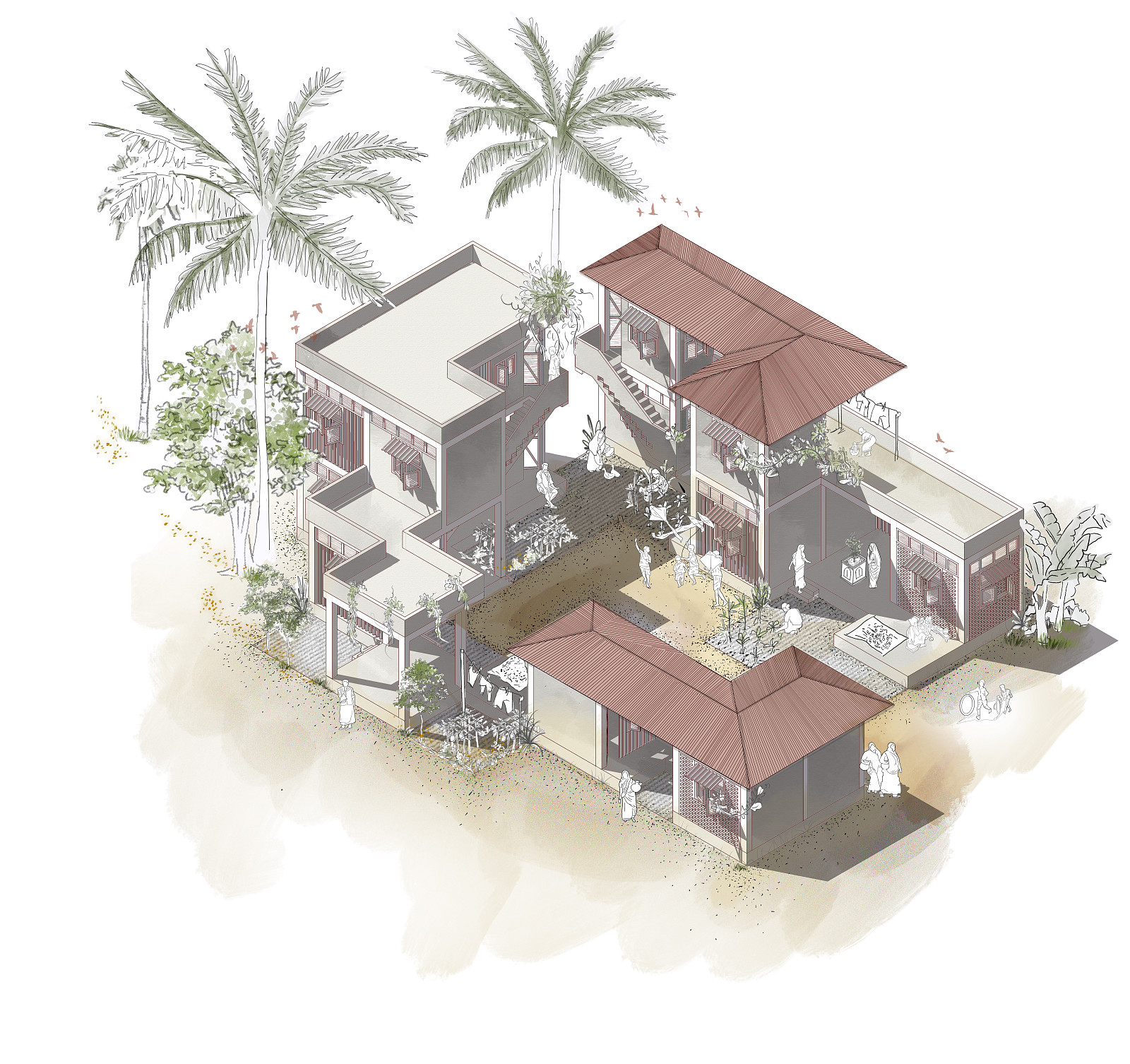
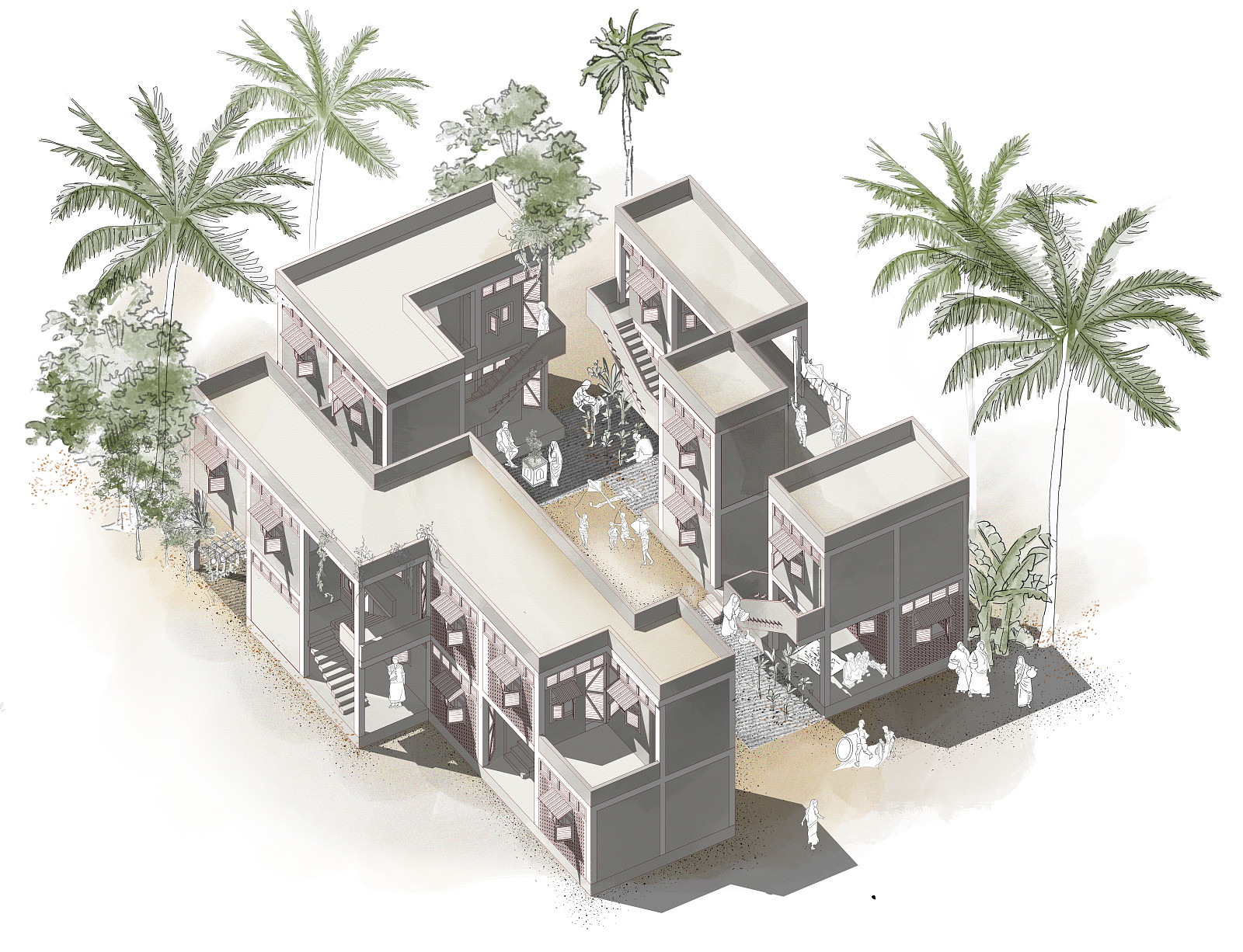
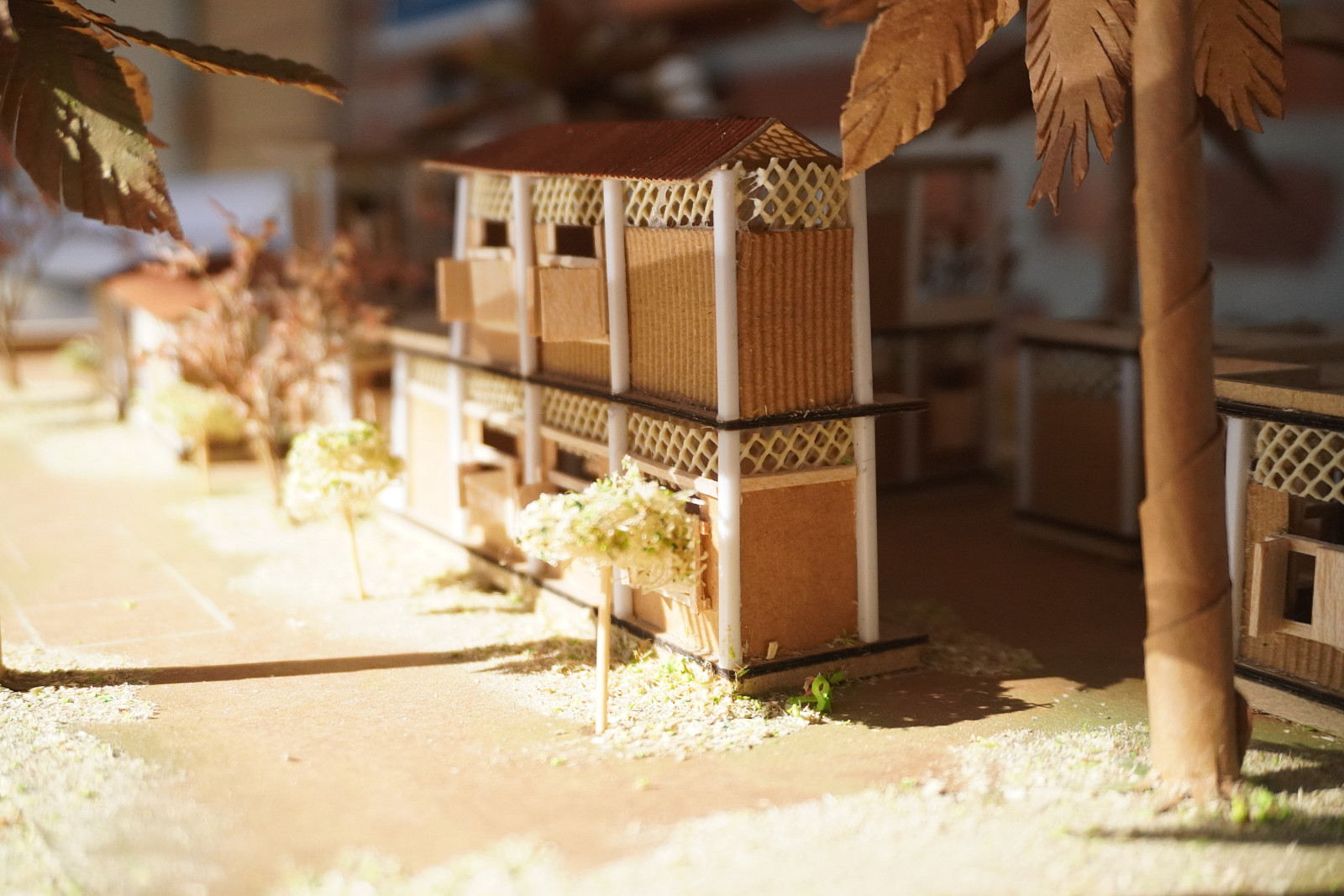
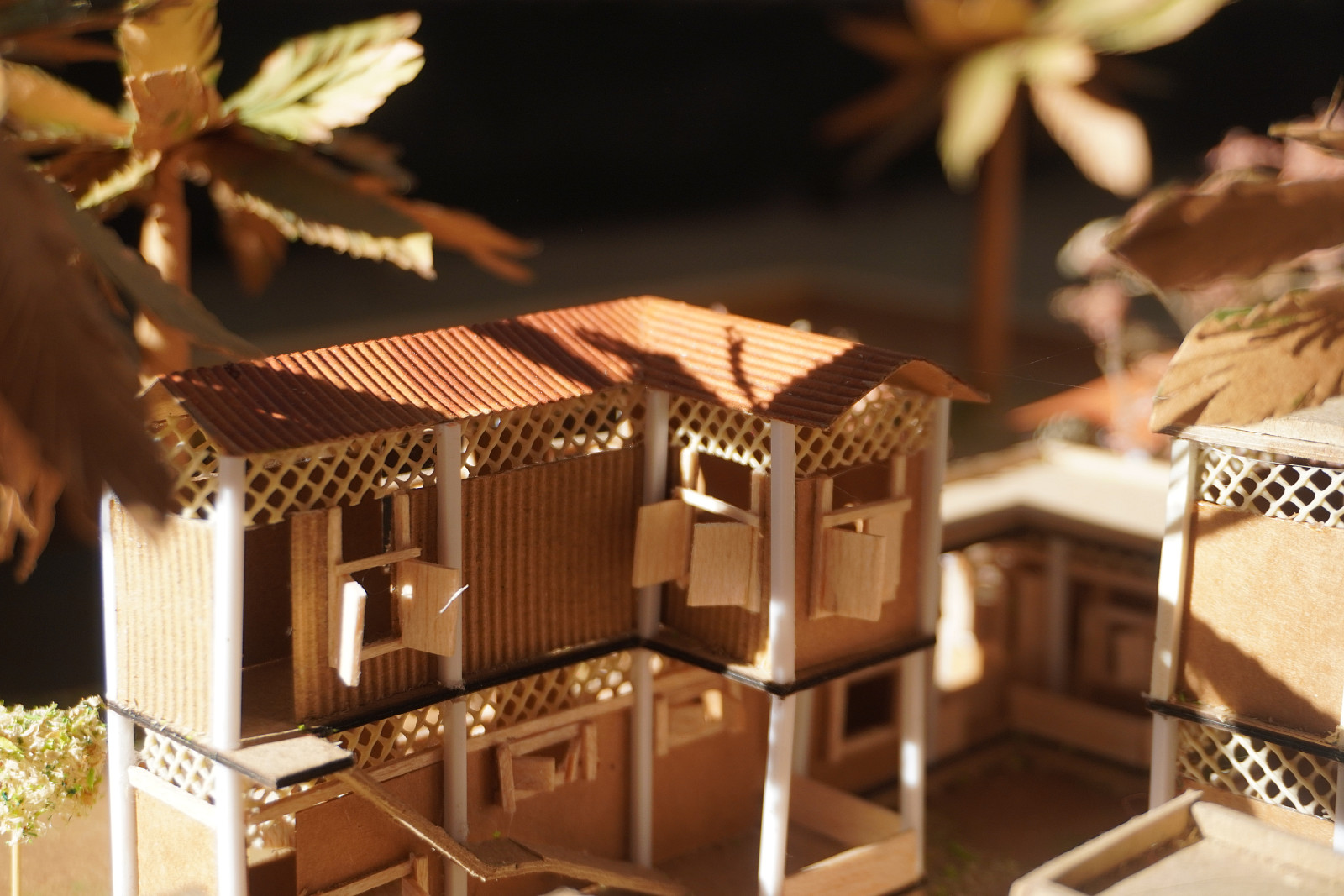
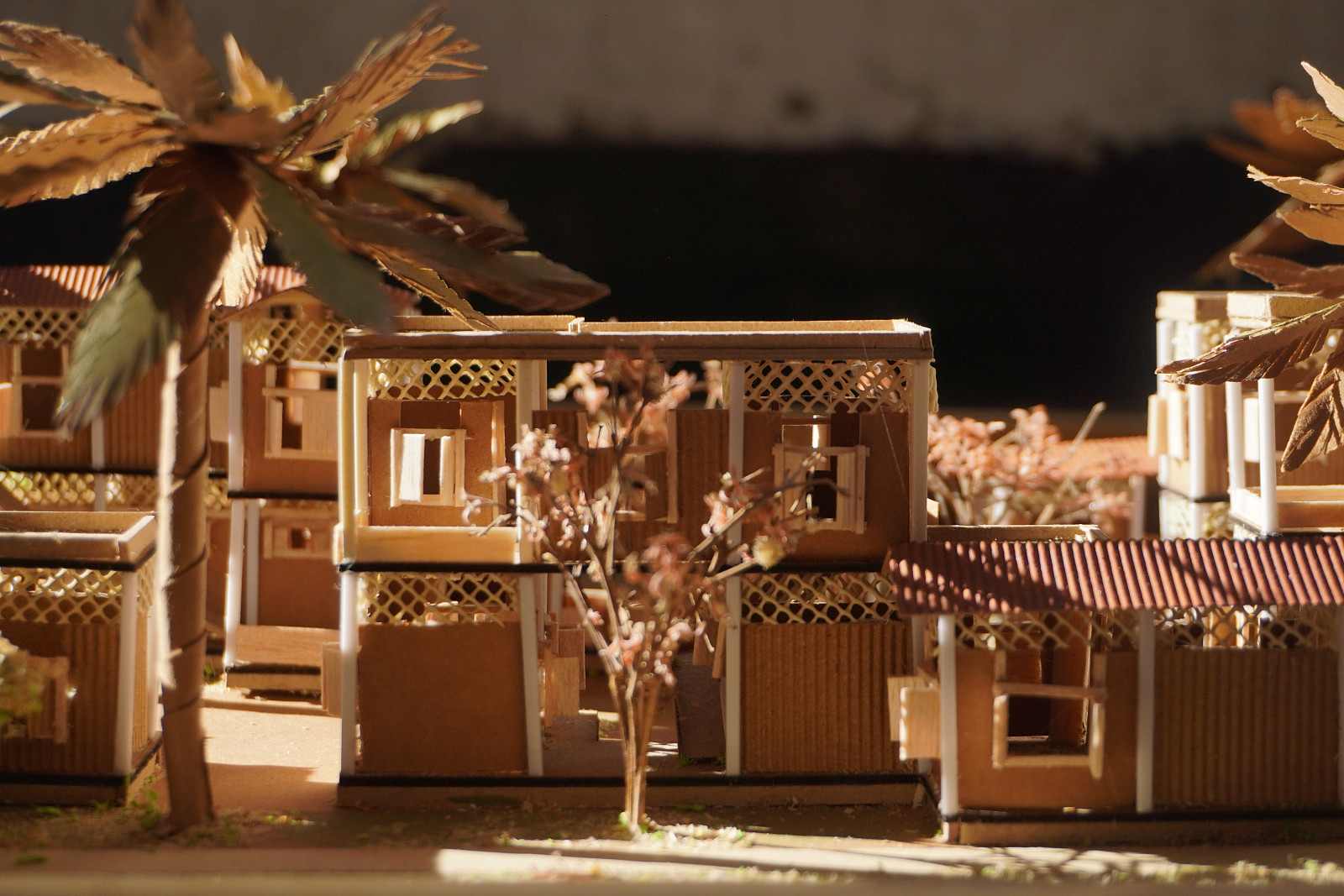
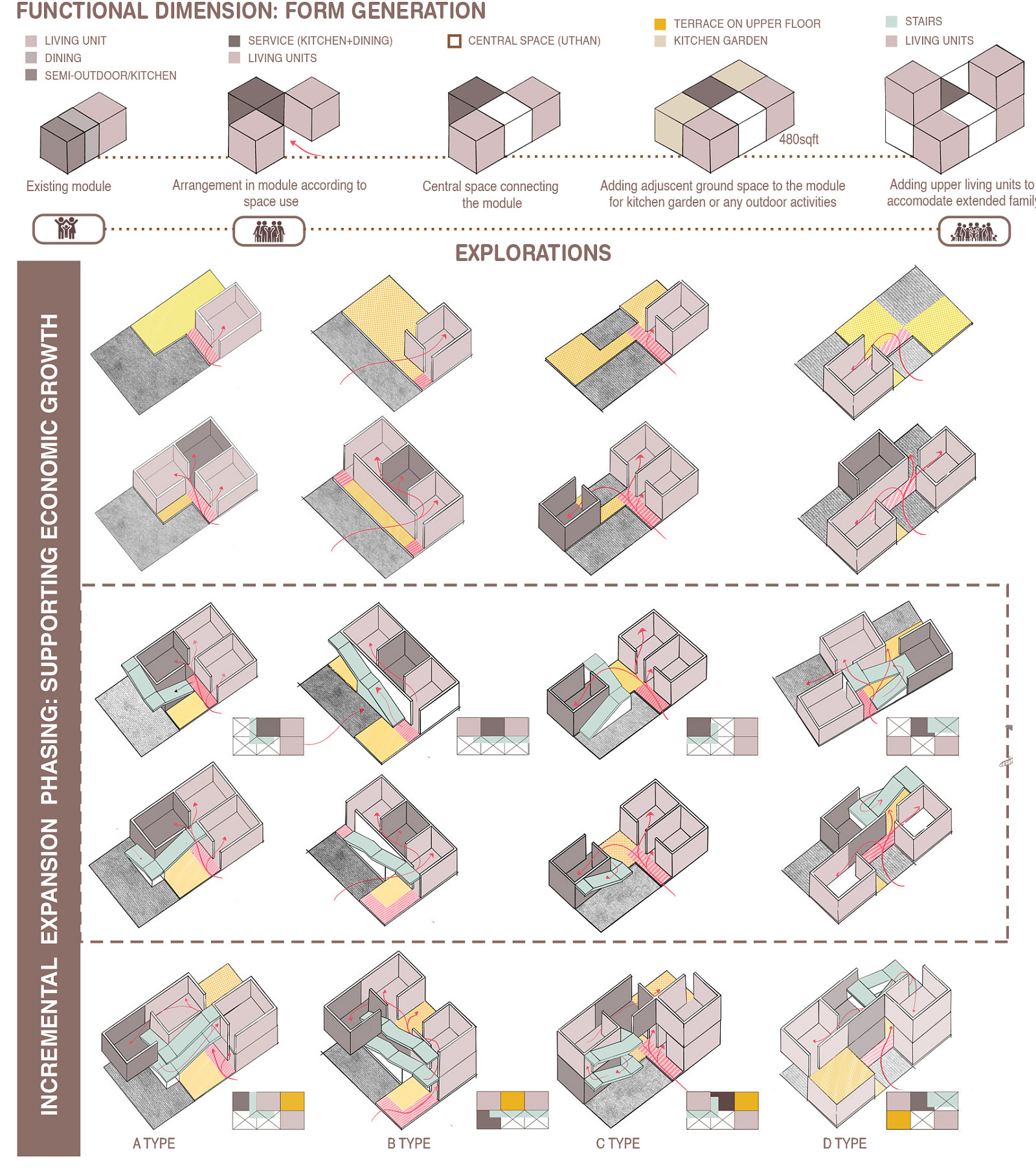
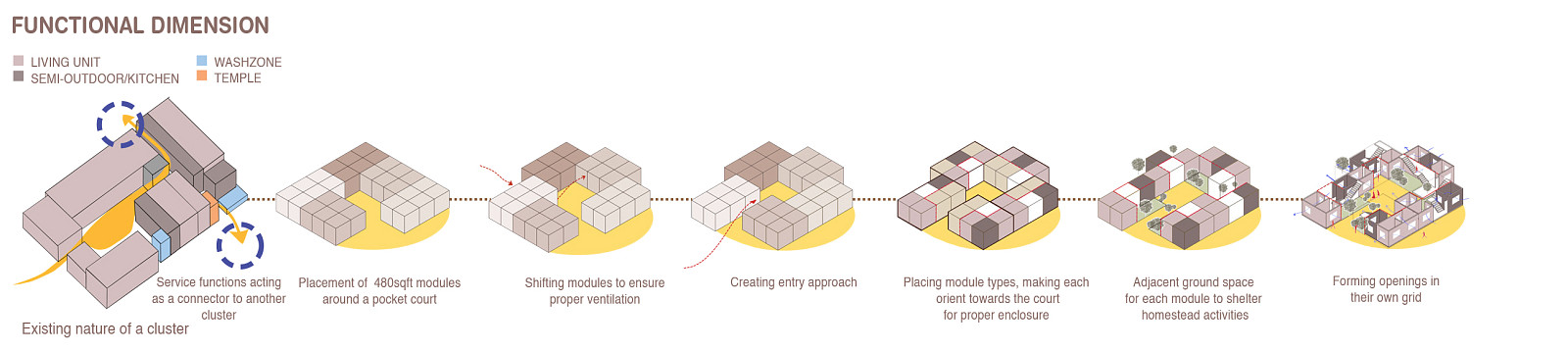
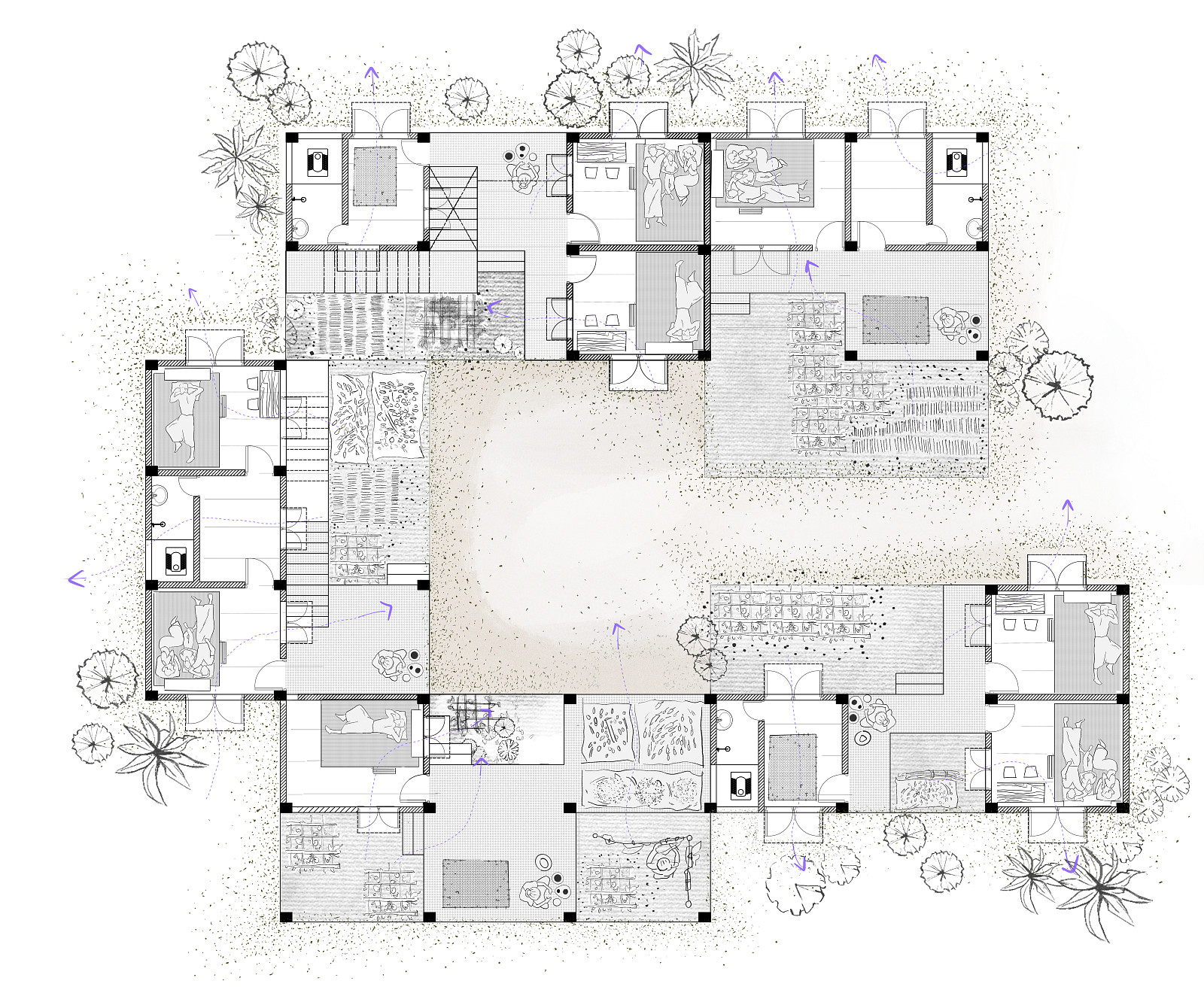
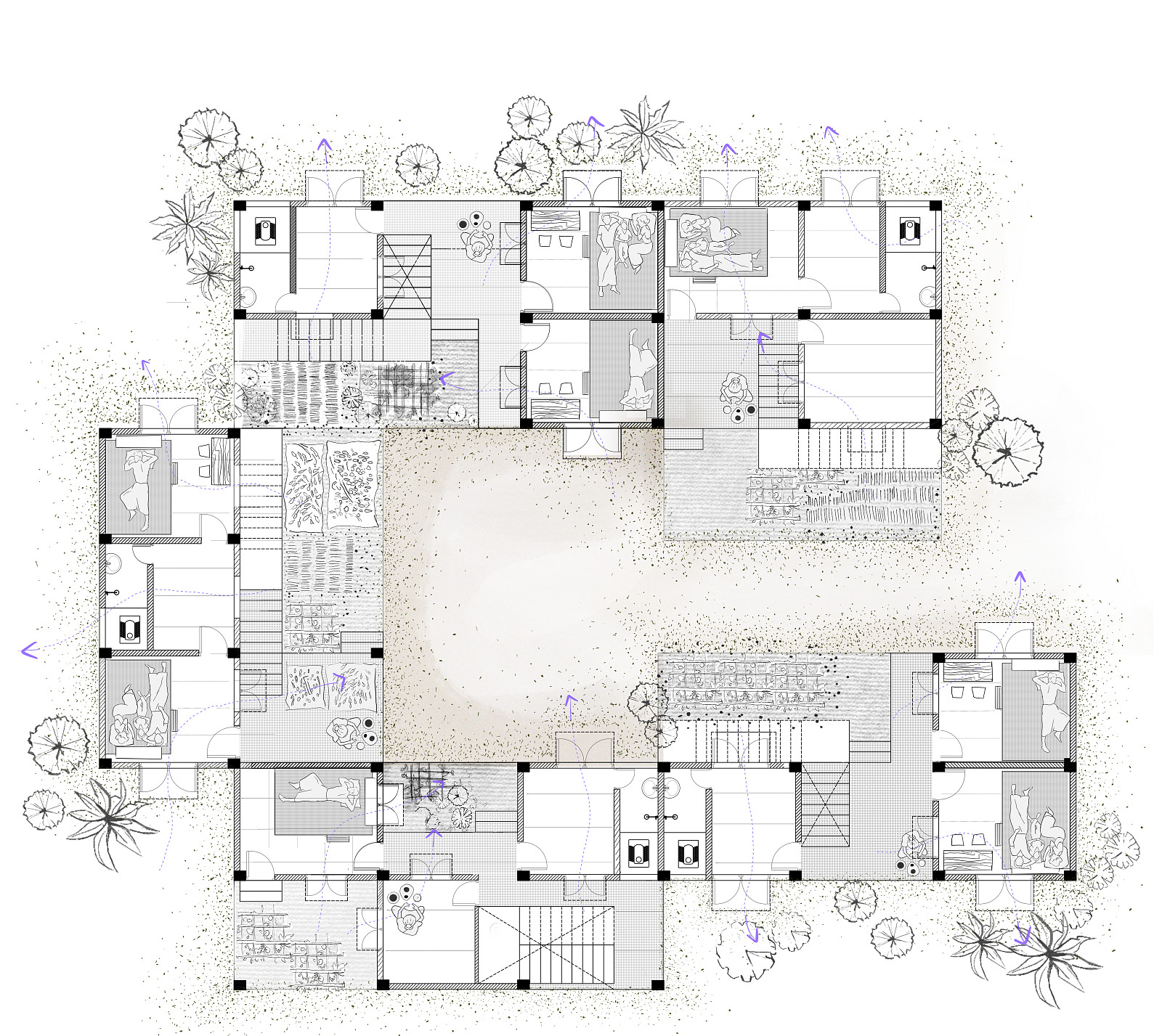
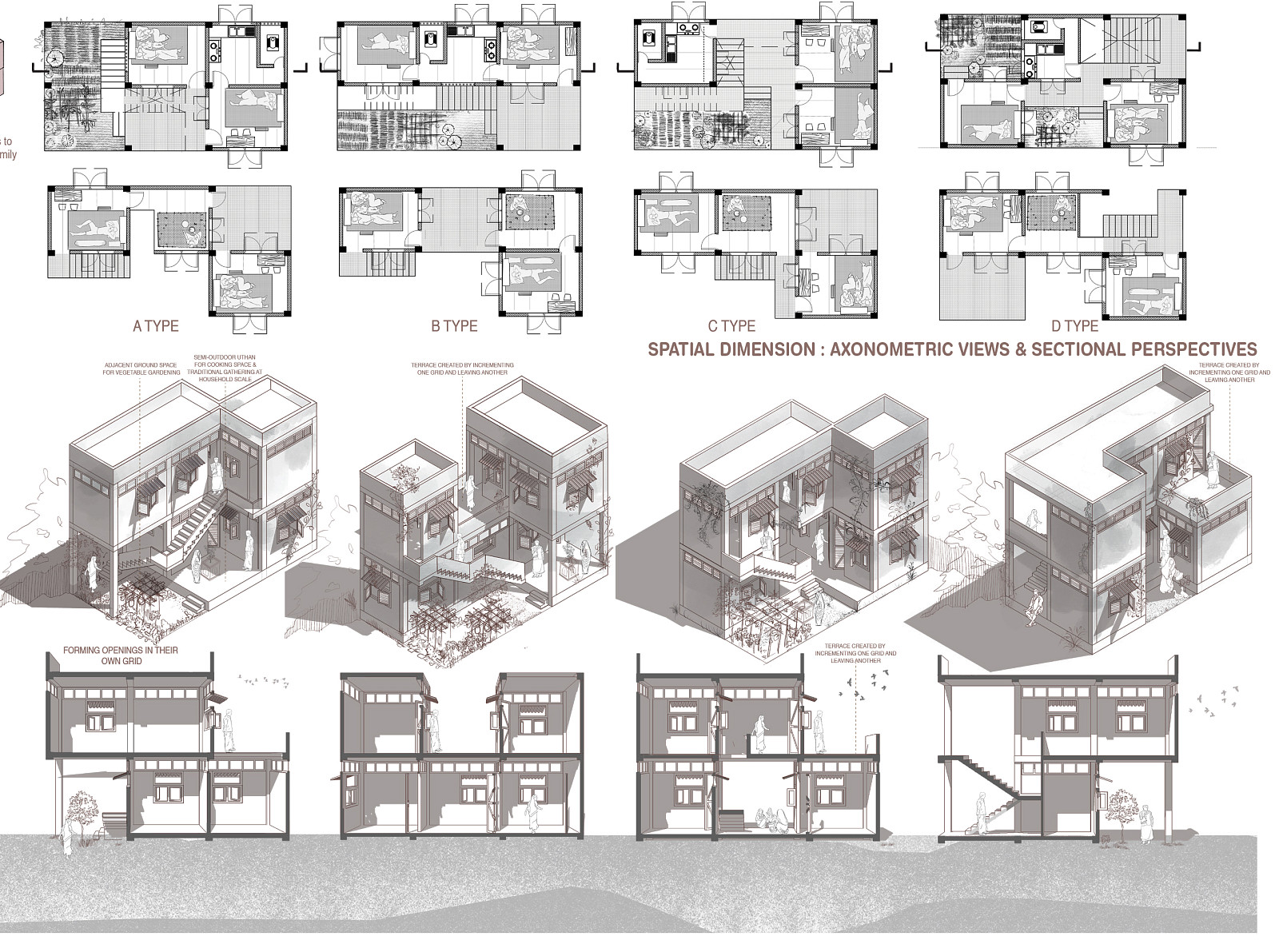
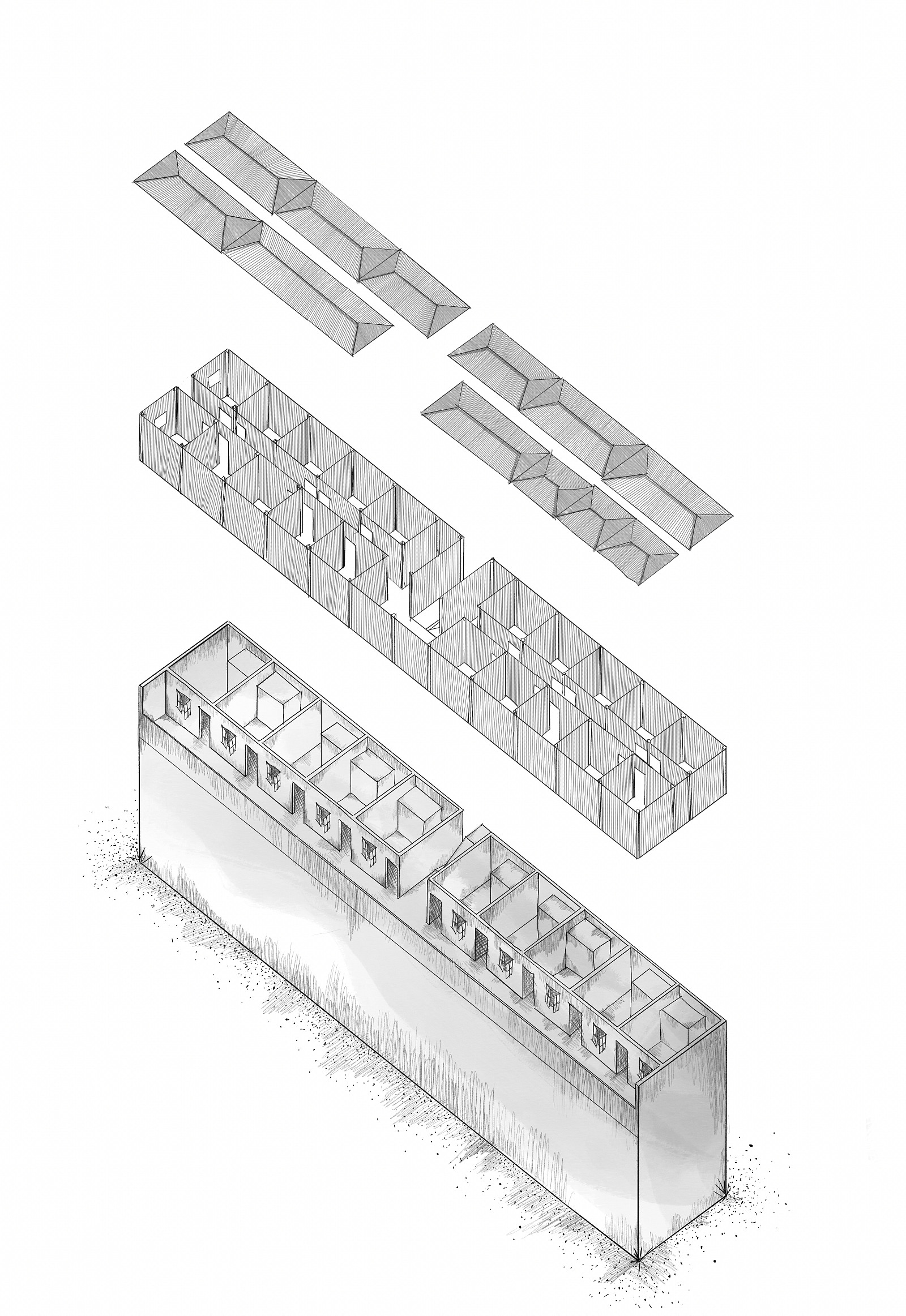
The incremental grid allows a house form to adapt to the economic growth of a family. Phasing is considered in a way so that with the growth of the economic condition, the structure will grow. So, in extended families, the built form can adapt to much-needed future expansions if need be and make the most of the limited land area, which is crucial to the Harijan people. Here an 8'*10' grid is chosen as the minimal room size, and as a result, a housing module of 480 sq. ft. is set as the ideal accommodation size for a family. The module is then divided into six rectangles, and 3 of them will be allocated for adjacent land (green space) and urban space to support vegetable farming, conducting their prayers, drying clothes, spices, etc. These 3 mandatory open spaces will also allow each room of a module to be cross-ventilated by forming openings in their own grid. Four patterns are formulated following the rules to make the most of the limited land provided to each family. The yellow marked areas in the exploration plans indicate the terrace space created by leaving one grid and incrementing another grid on upper levels. This method can repeat in the same manner if more living units are needed for the family. The toilet's placement and its ventilation are fixed in the service zone. The kitchen is set outside in the Uthan area, as it is mostly in semi-outdoor zones contextually. Facilities provided from government funding will be a plinth and one room as a set guideline. This will help in rehabilitating them to this site, as most of them are habituated to using one room as a house form. Later, pairing with their economic growth column layouts, utilities and means of vertical circulation can be funded mutually. In this method, the modules can ensure cross ventilation of each room by forming openings in their own grid.
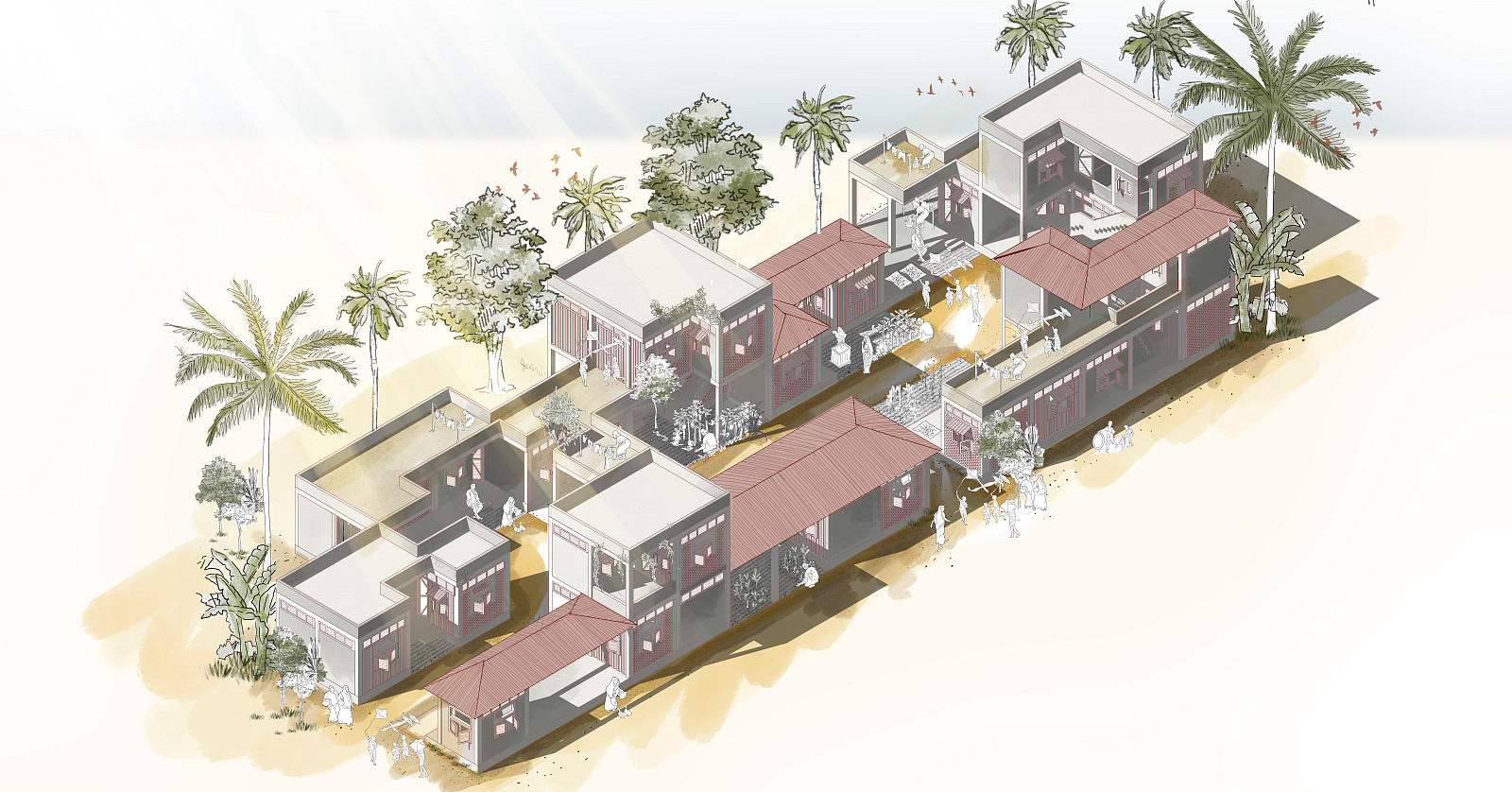
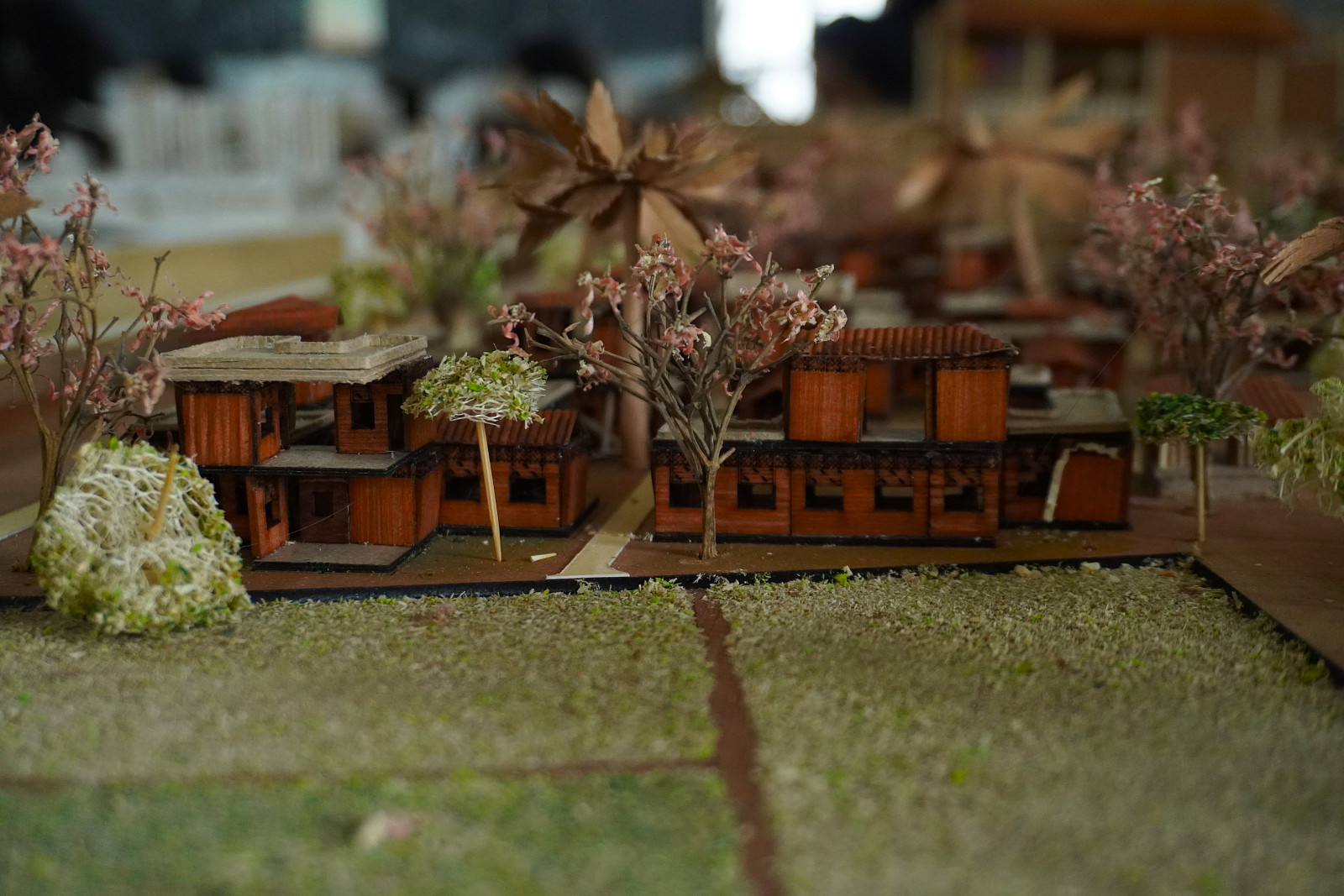
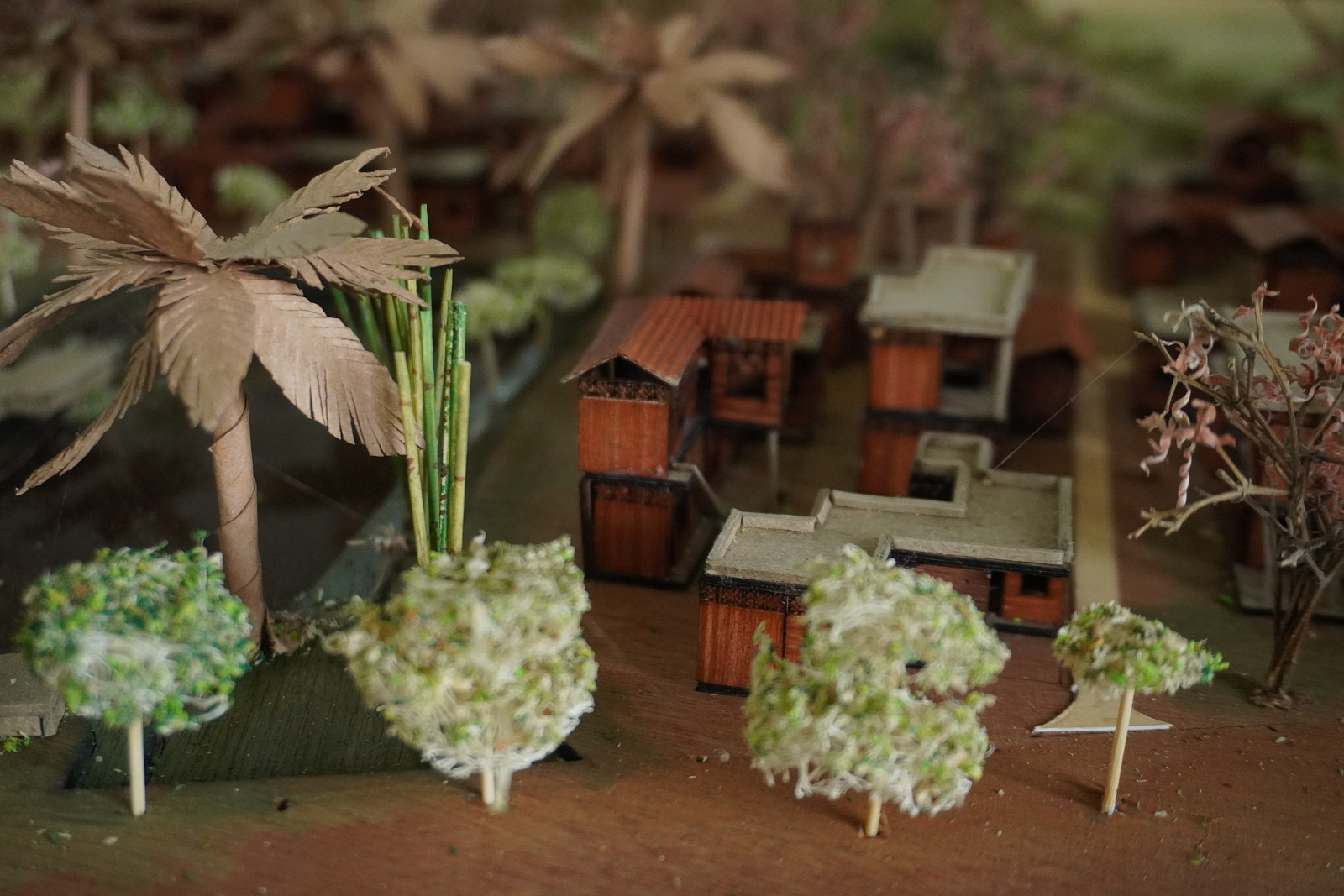
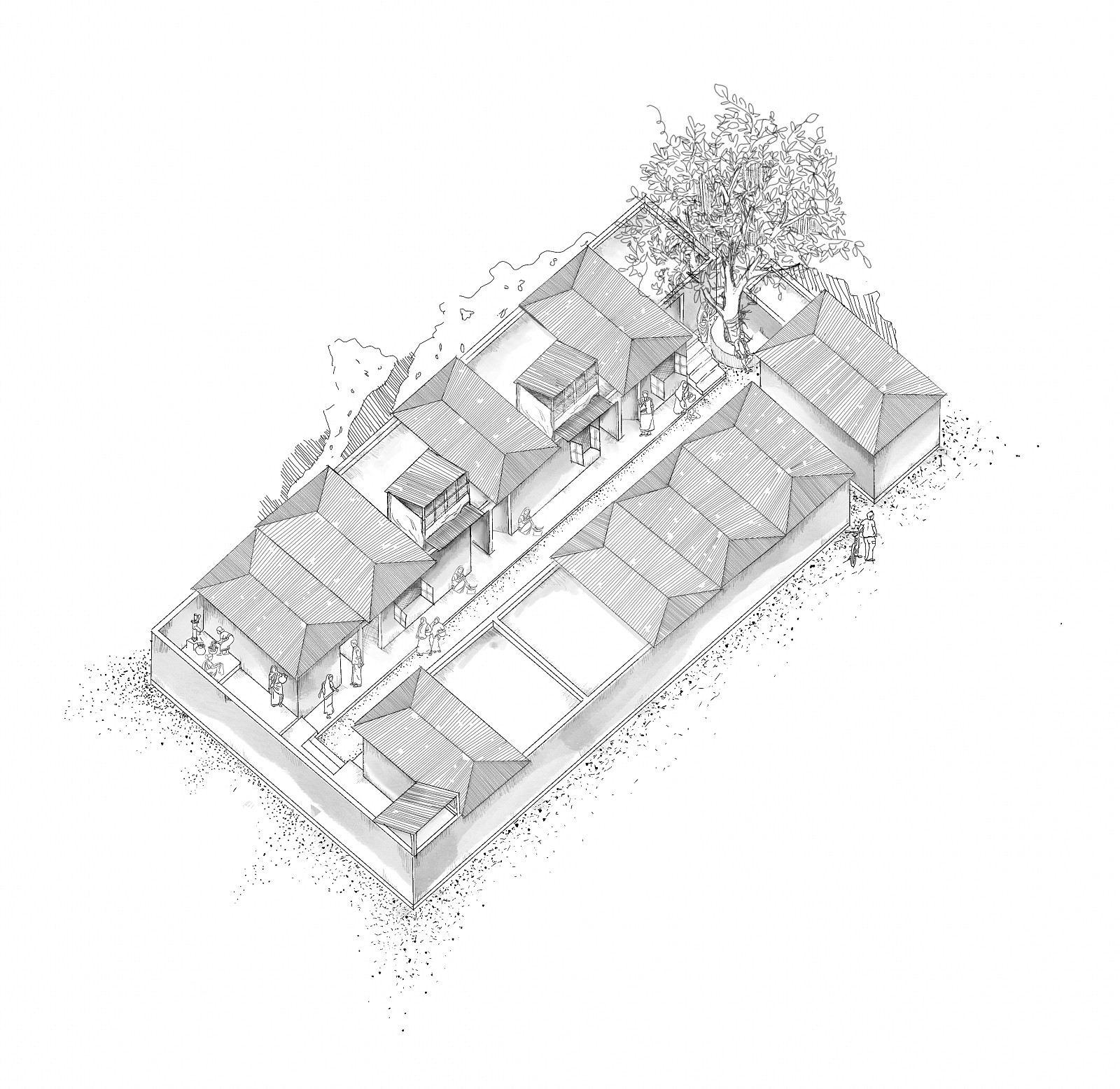
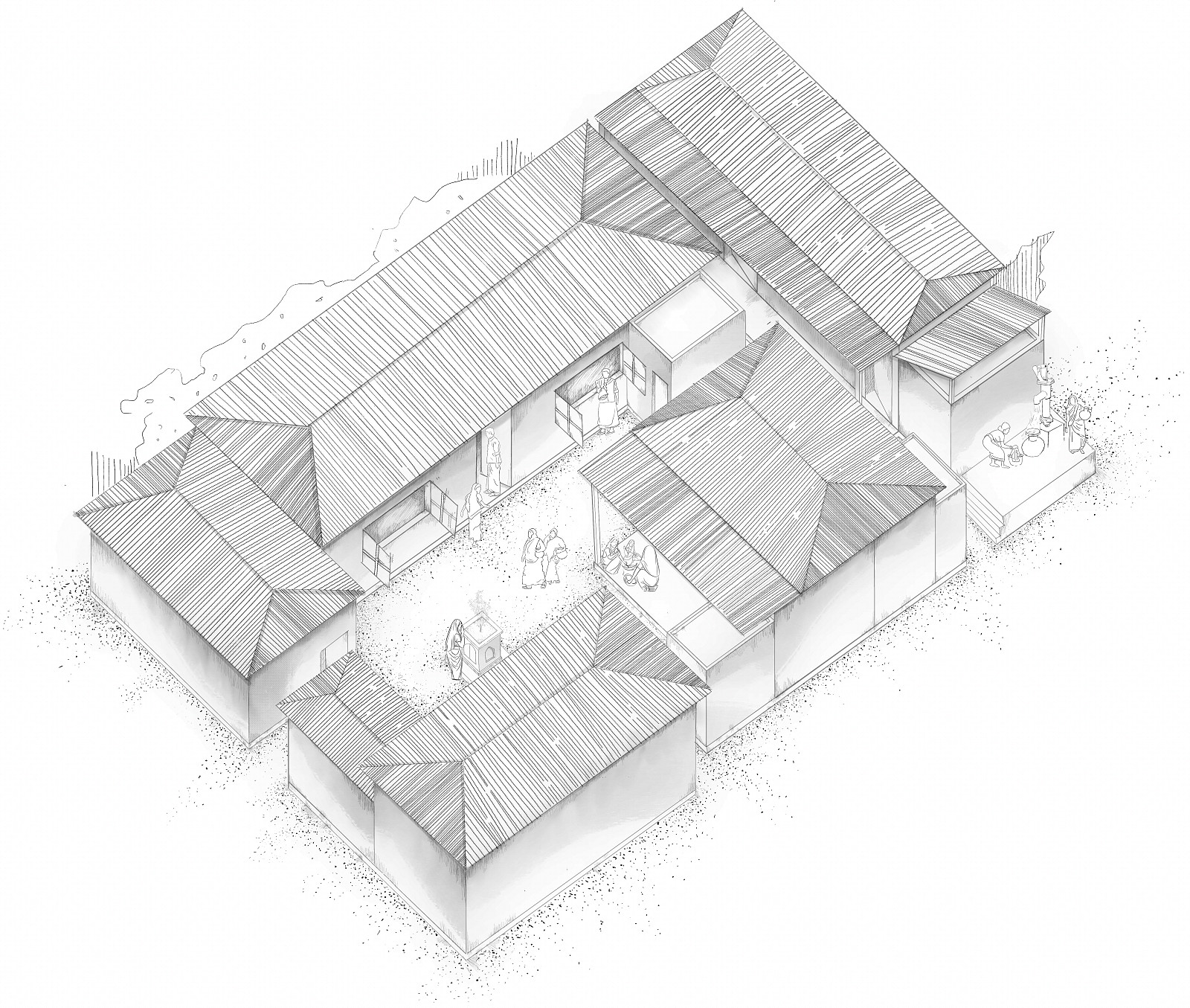
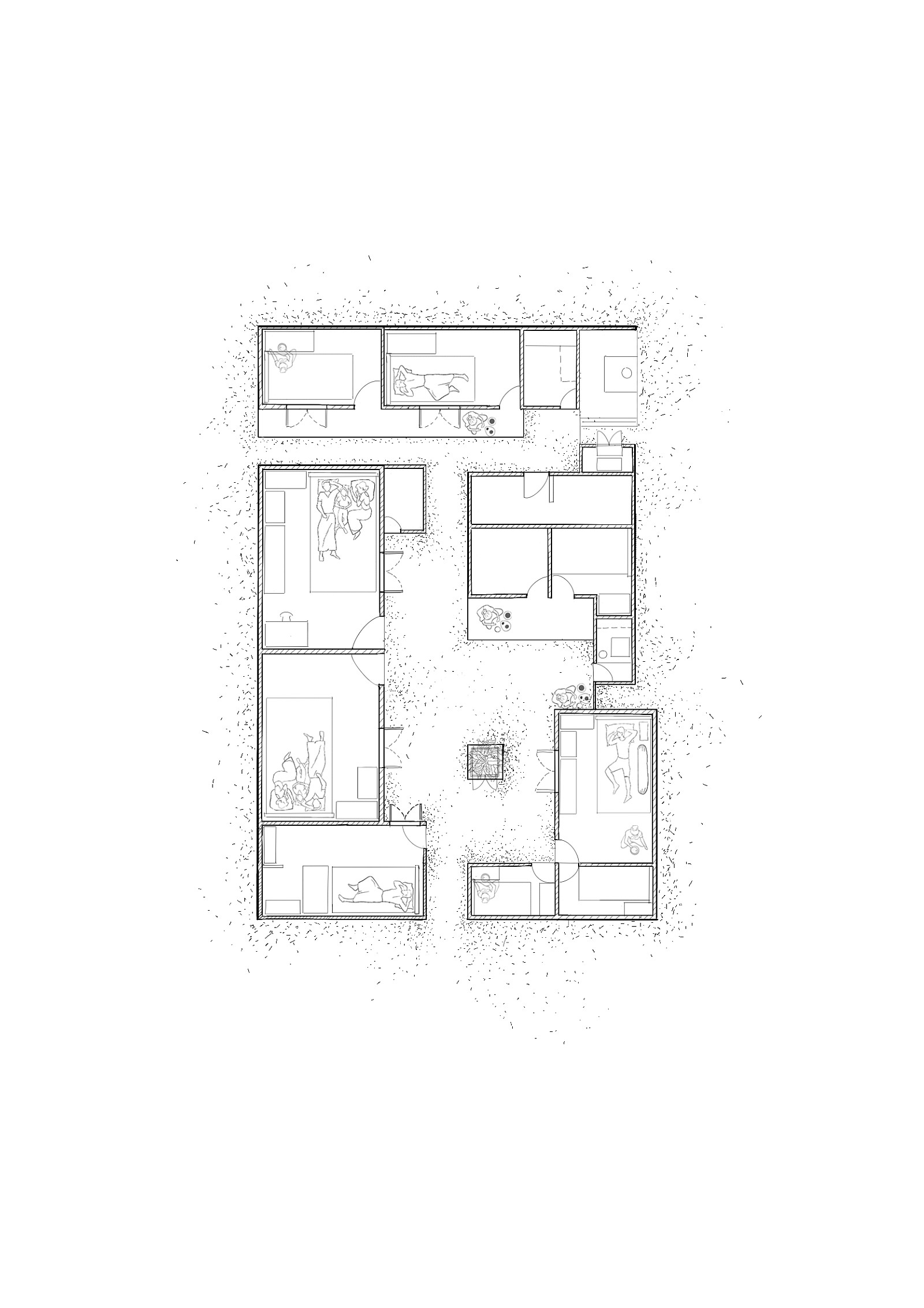
For cluster coordination, as per context, like an ideal cluster, the modules of 480 sq. ft. are placed around a pocket court of 18' x 24'. The modules are then shifted to ensure proper ventilation, as each shares a wall with another, creating an entry approach that connects to another cluster. Placing module types in a manner so each of them orients toward the court for proper enclosure and each module can form openings in their own grid to ensure cross ventilation, ensuring maximum windows on the sides oriented toward the court. Then adding adjacent ground space for each module to shelter homestead activities.
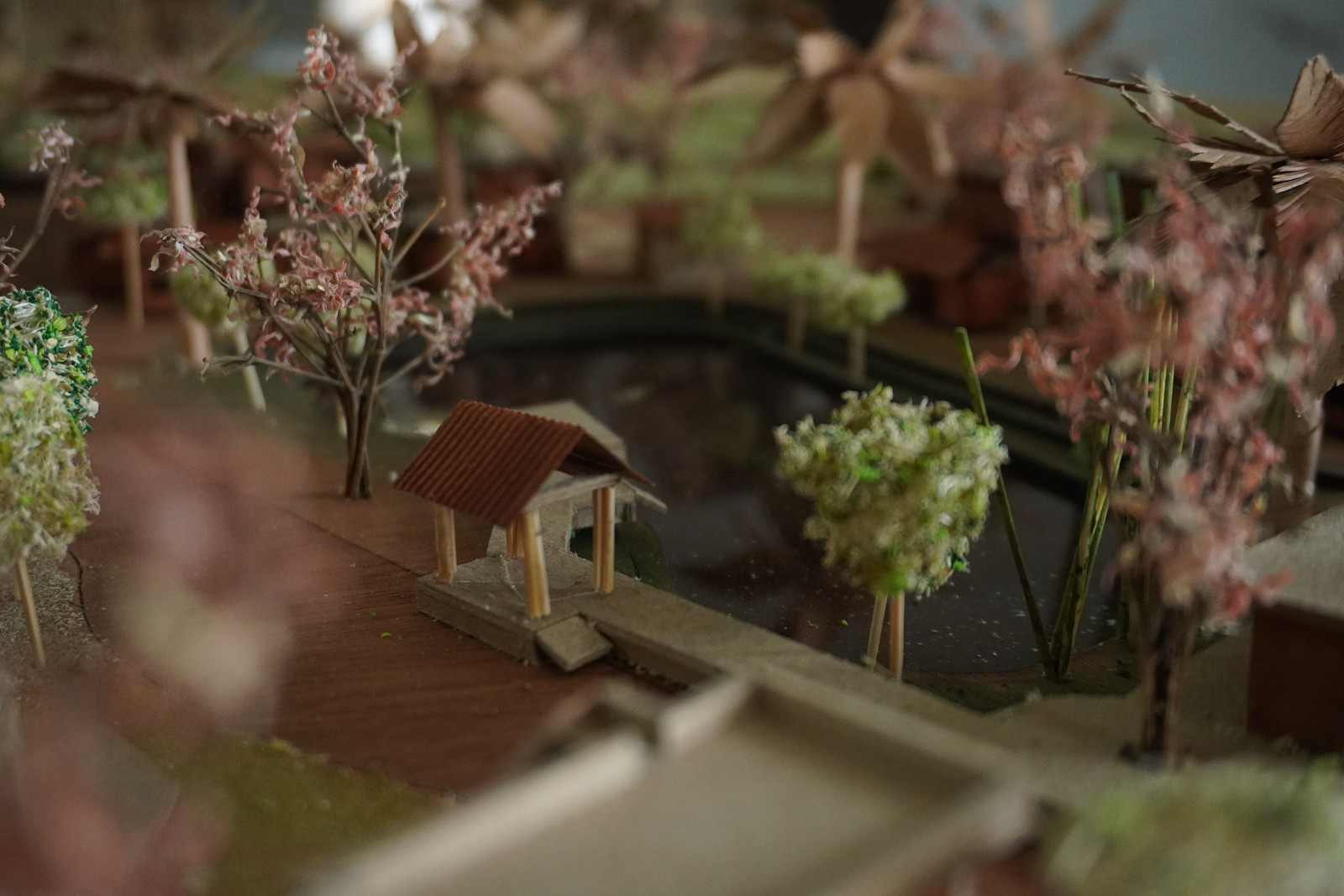
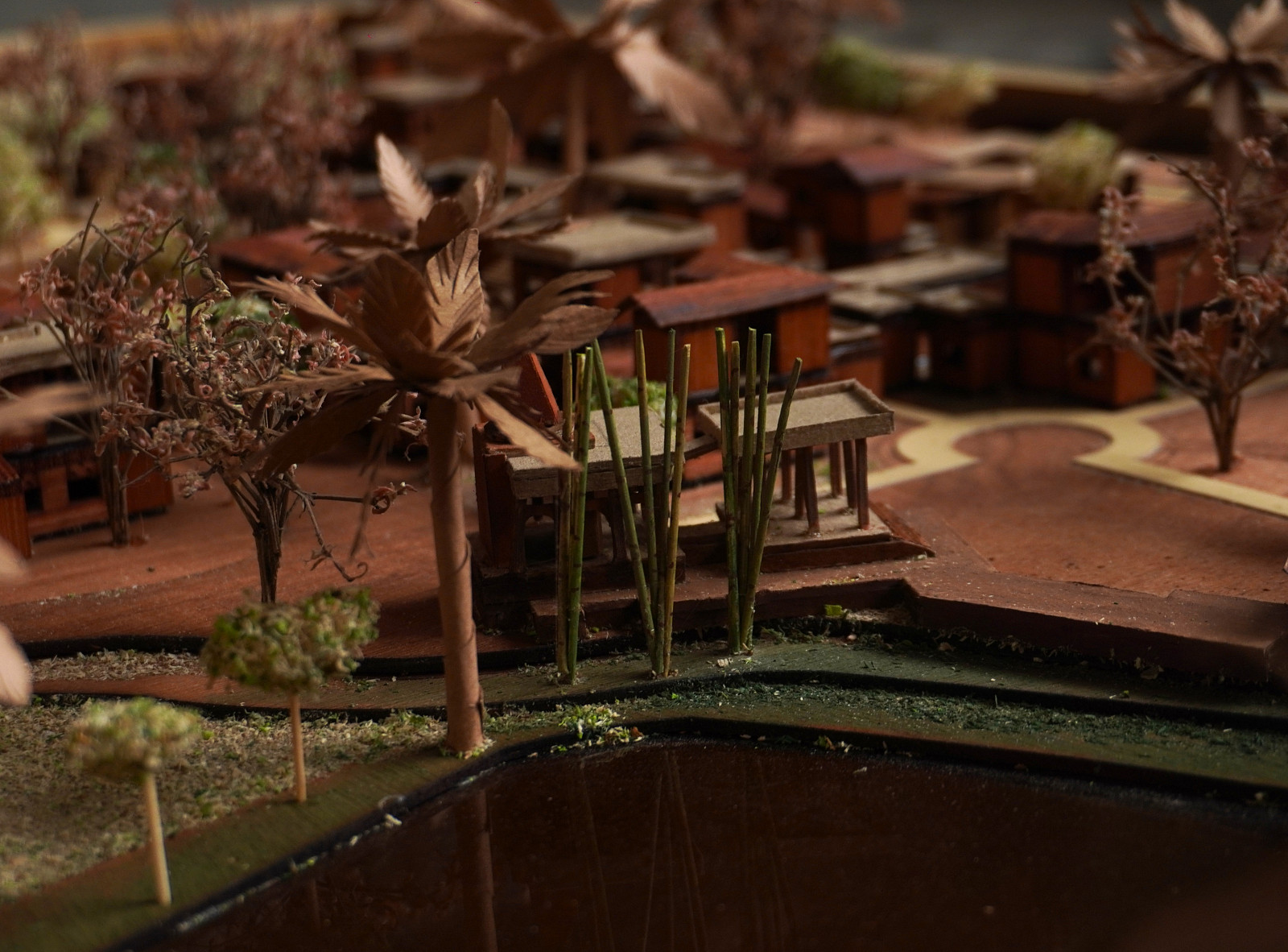
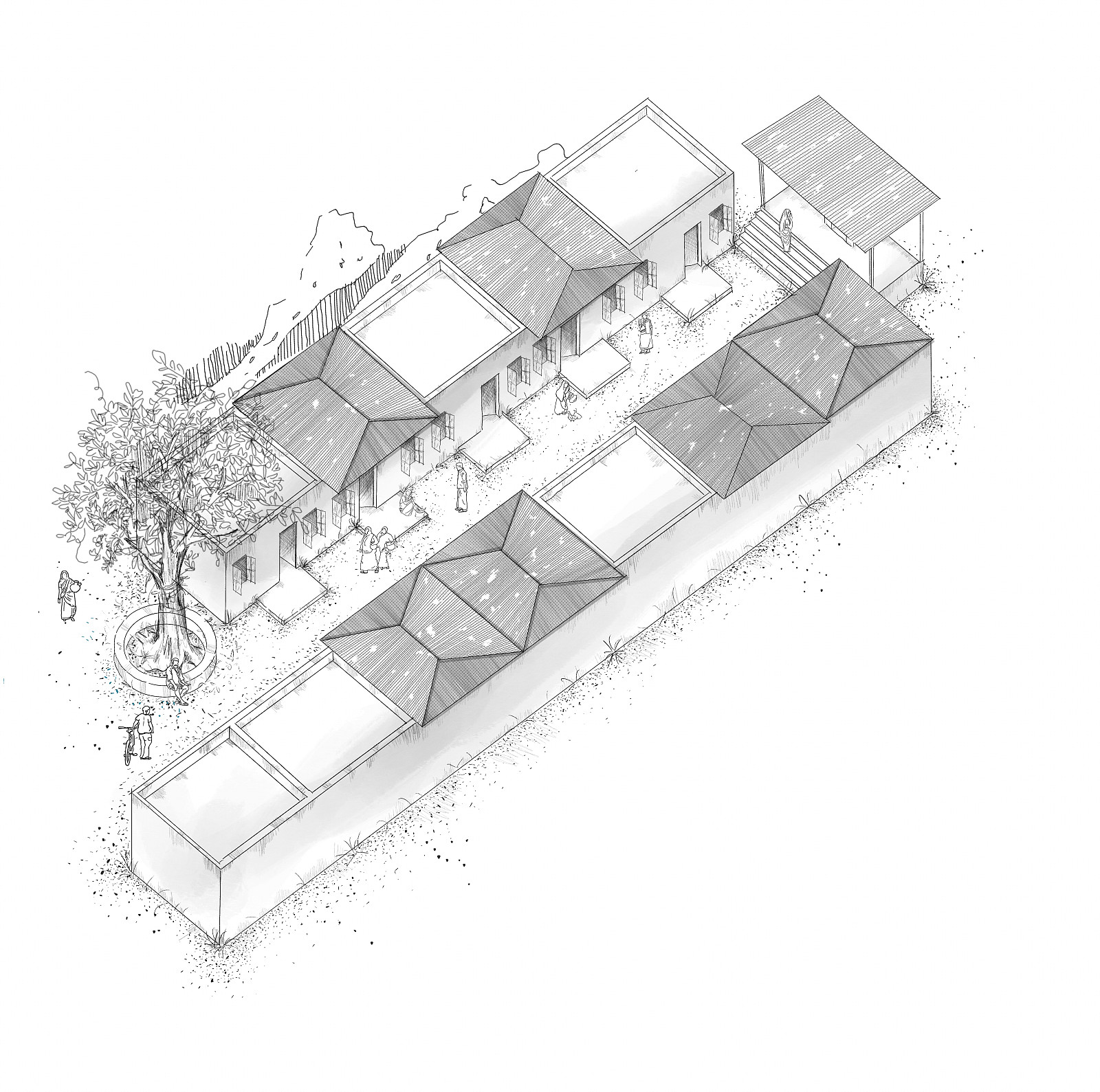
In designing a block, as contextually both types of clusters were connected by facilities, according to that, the coordinated clusters are now connected, and facilities such as tube wells & toilets act as the connectors. As the existing nature, a person can go about the block through the connected courts. As the Harijan people do not adhere to the general need of privacy, that's why the connected court acts as an efficient space of community interaction at a larger scale. Before placing the coordinated blocks onto the settlement plan, it is planned using contextual statistical data from the previously analyzed four case studies, which let me know how many modules are to be used to form a block ideally.
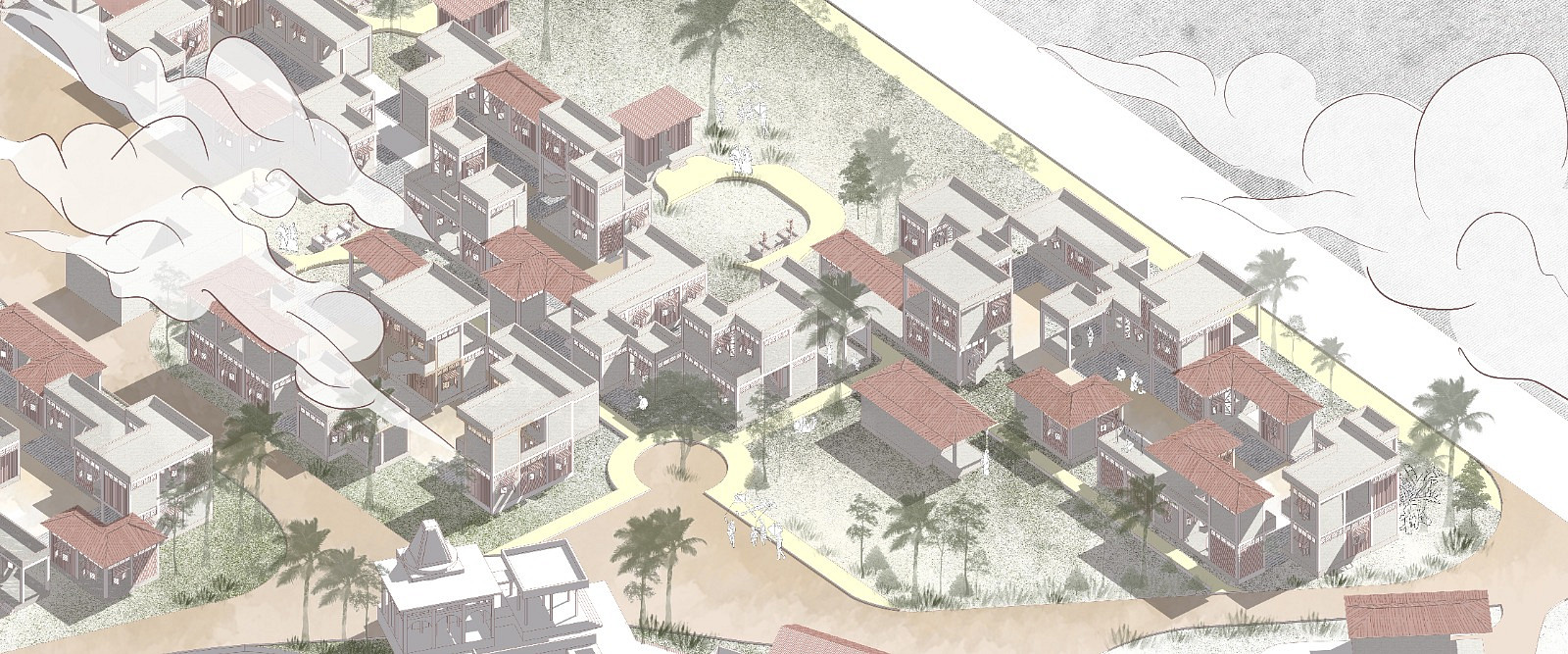
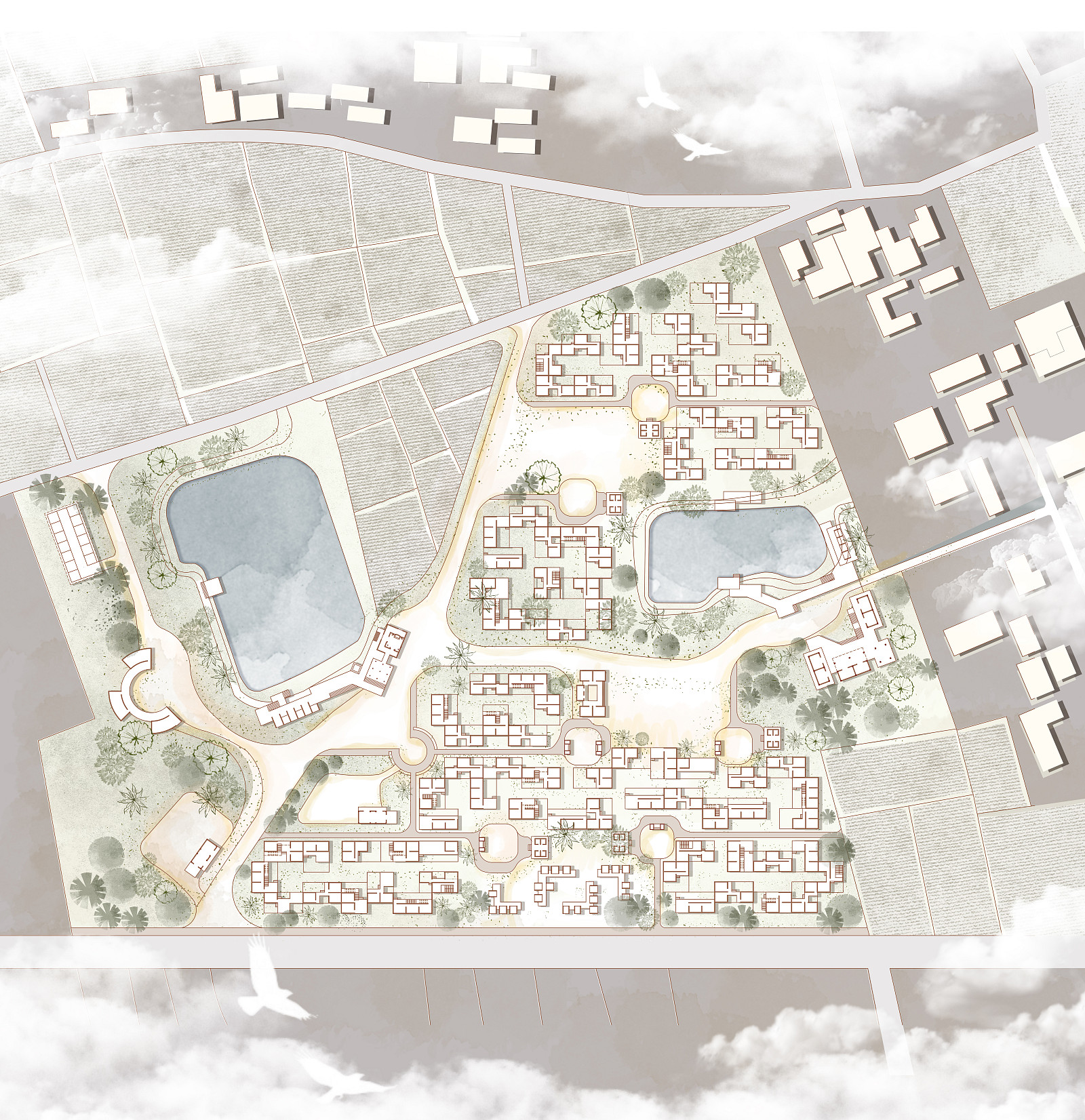
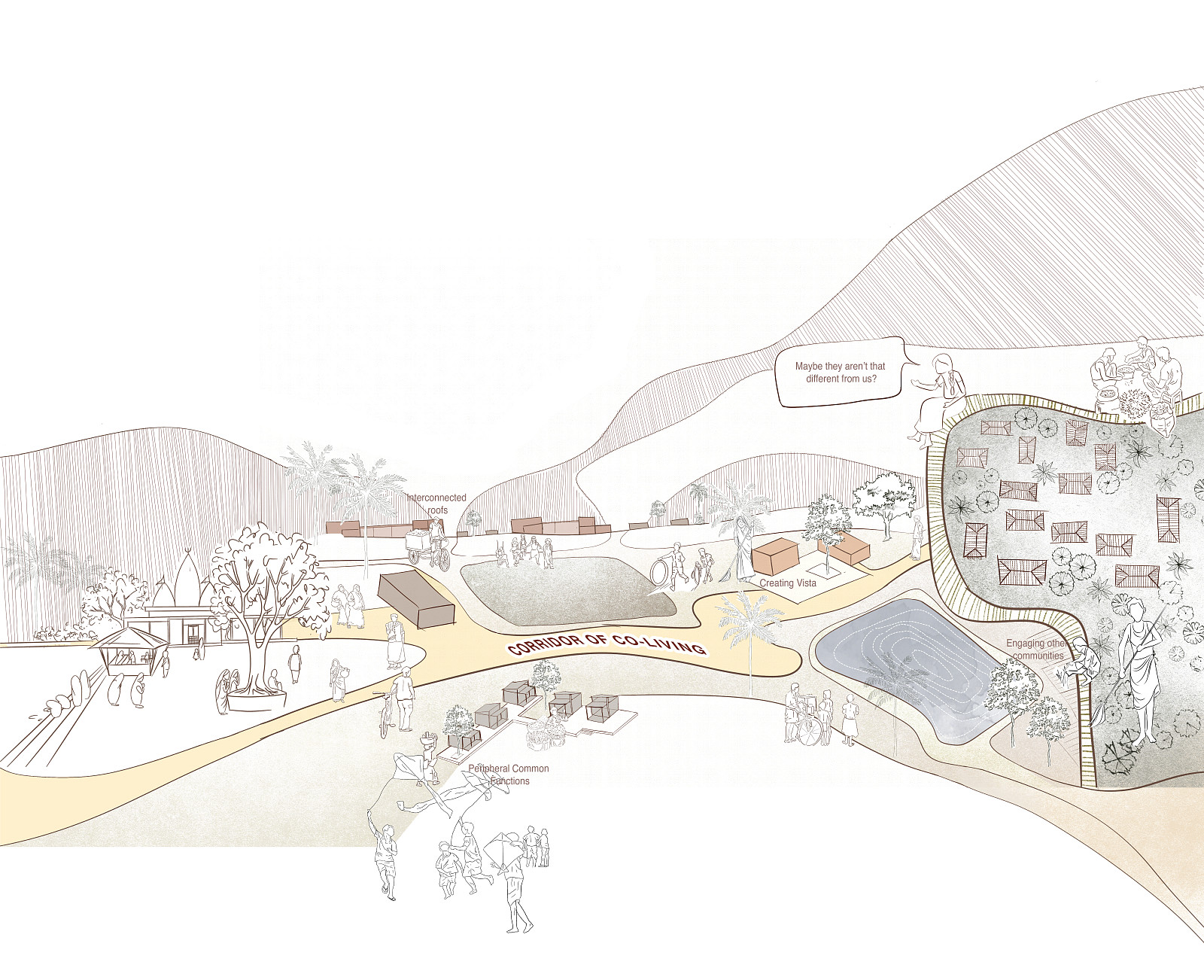
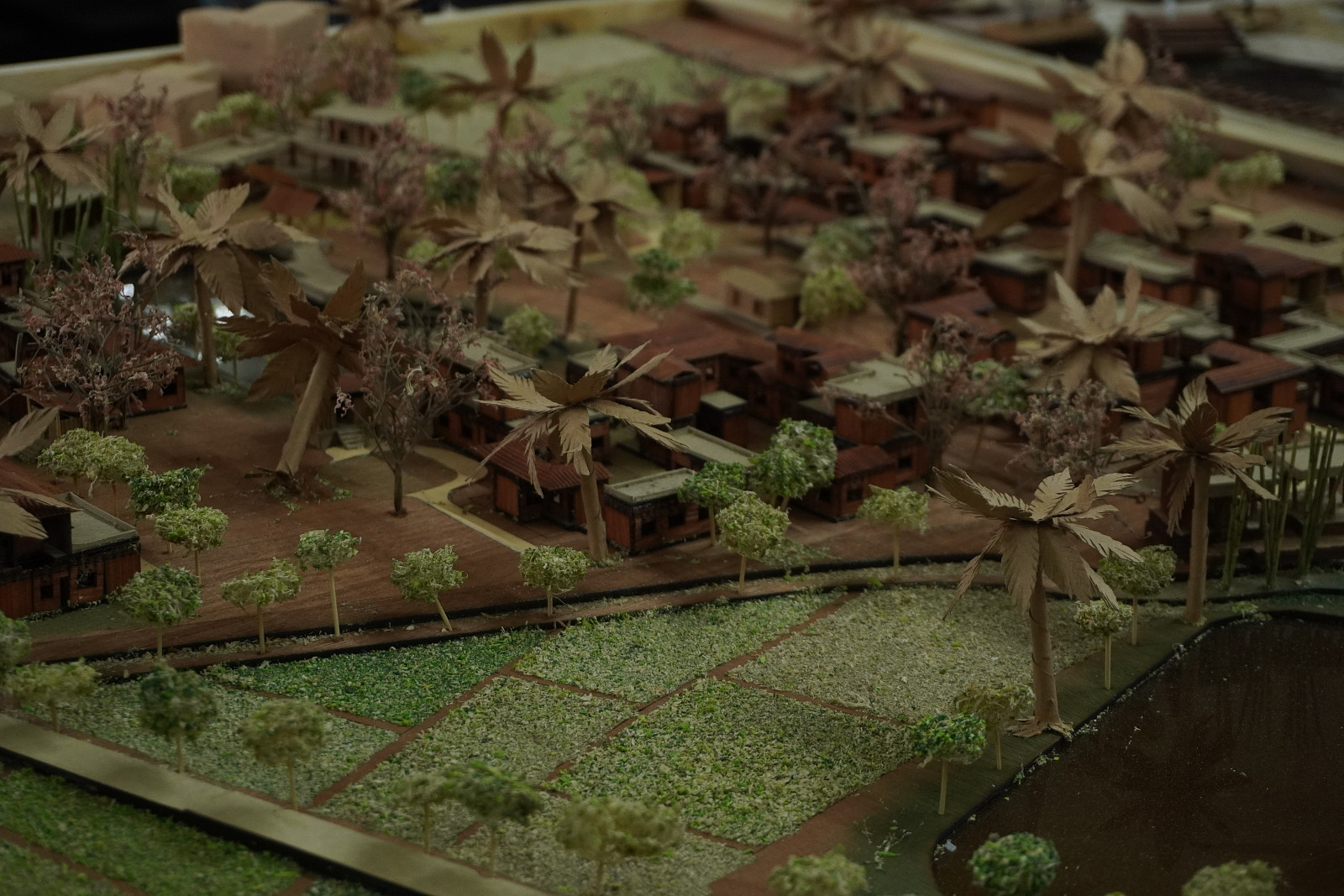
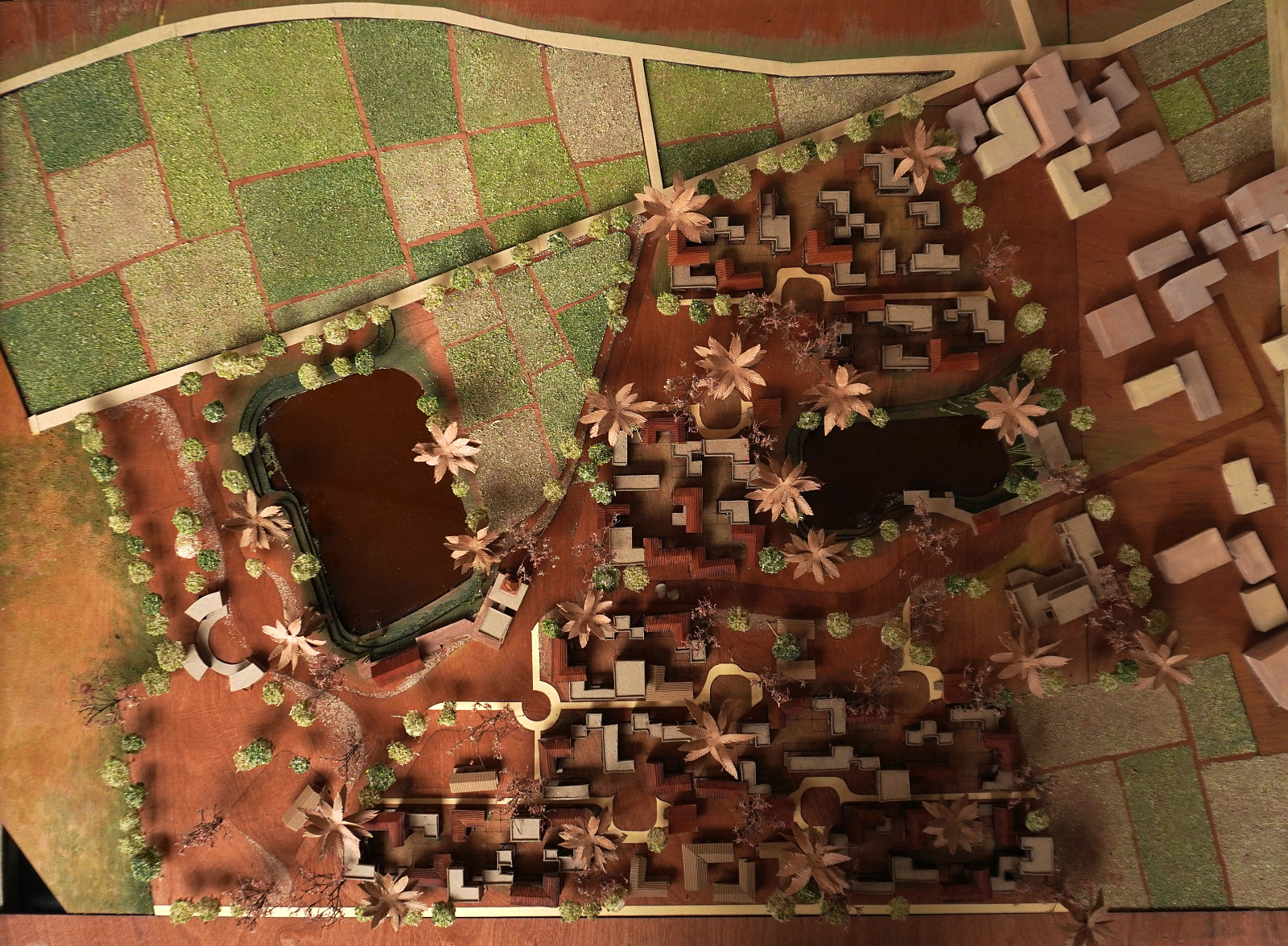
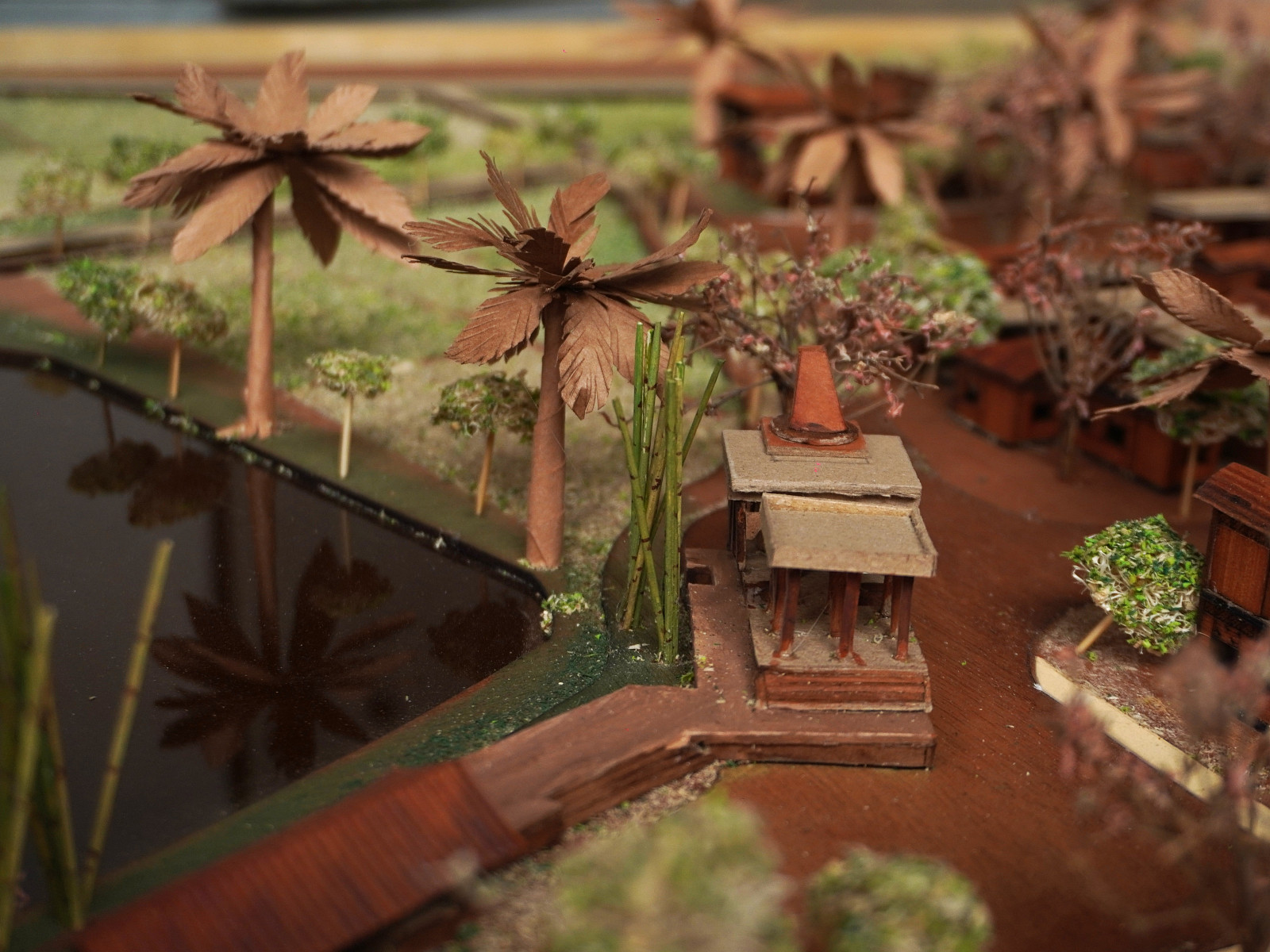
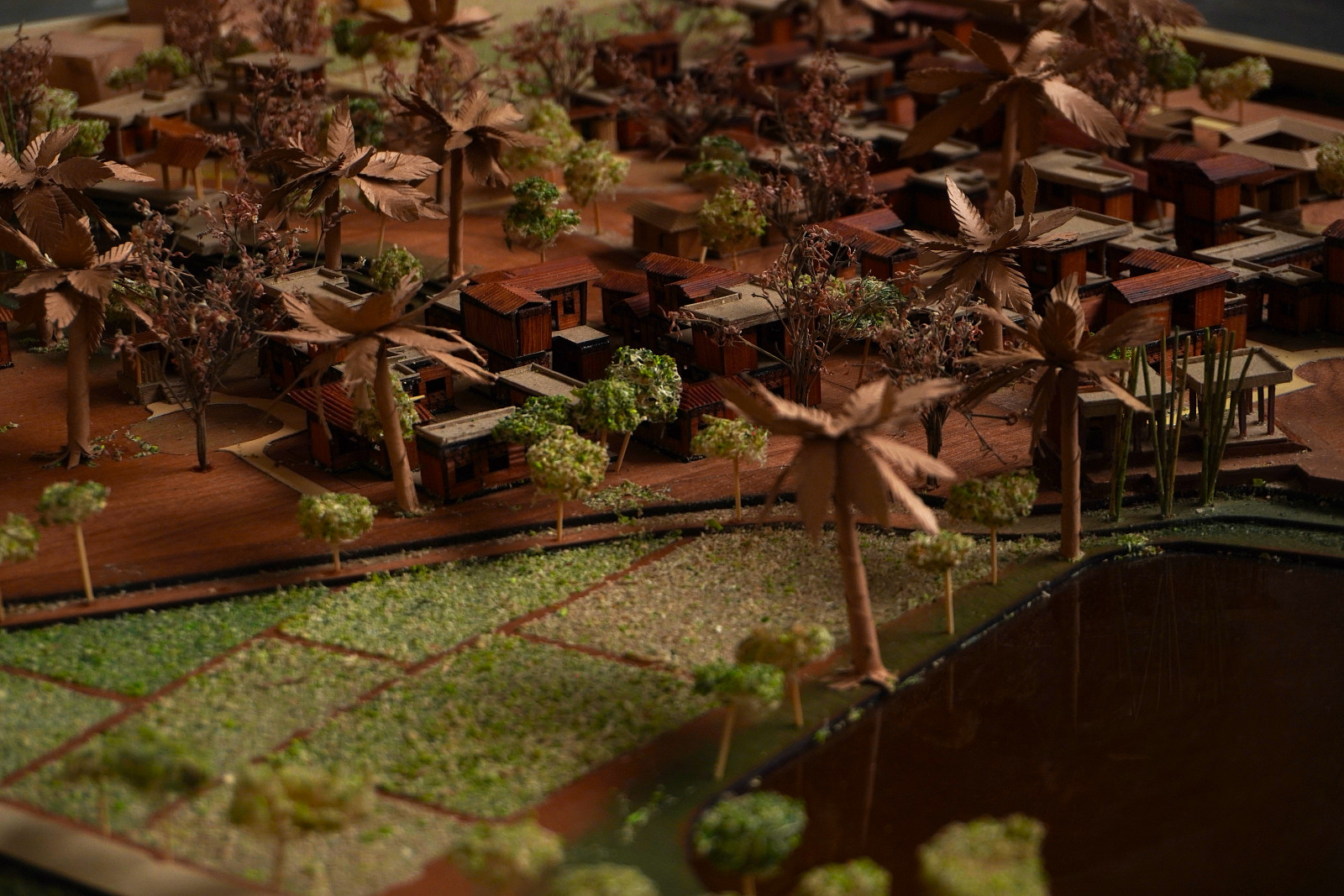
Settlement planning encompasses the structured organization of all designed and coordinated blocks. The blocks were placed alongside the road to maximize accessibility and visibility. A primary spine was developed according to the context; secondary and tertiary networks were established to ensure smooth access between the various blocks and the primary network. Peripheral common functionslike temple, bazar multipurpose act as a pause to create social interaction with the mainstream community. As housing for 63 families is finished at phase 4, the remaining land is given as a lease to the mainstream community for agriculture. Majority of the mainstream community are farmers by profession. This will help create a truly inclusive community. Later, these agricultural lands can be replaced by future expansion of housing blocks if need be (as shown in the master plan).

Copyright © 2026 INSPIRELI | All rights reserved. Use of this website signifies your agreement to the Terms of Use, Privacy Policy, and use of cookies.