The Eighth Dimension


 Professor Siamak Panahi
Idea projektu
The Eighth Dimension
Space is conventionally understood through three primary dimensions: length, width, and height. In architecture, the fourth dimension—time—is often considered as the medium through which space is experienced and perceived. The fifth dimension moves toward the realm of perception, memory, and collective consciousness. By speaking of the “Eighth Dimension,” however, we enter a trans-spatial and trans-conceptual territory.
The Eighth Dimension may be understood as a metaphor for the invisible layers of architecture—layers that may not be directly manifested in form, yet exert a profound influence on spatial experience. These include:
Layers of meaning
Collective memory
The history of place
Humanity’s unconscious connections to space
Hermeneutic cycles of interpretation
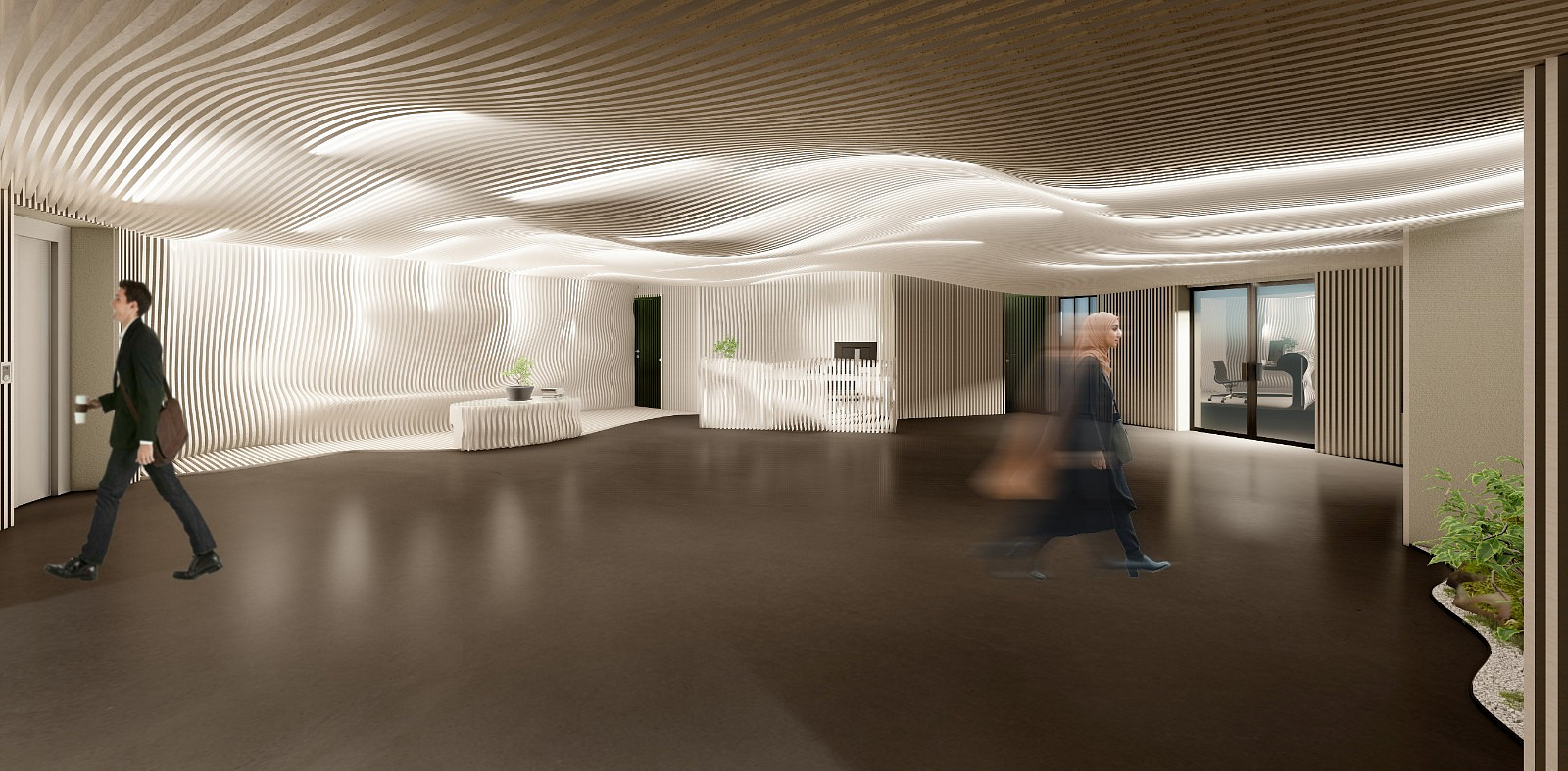
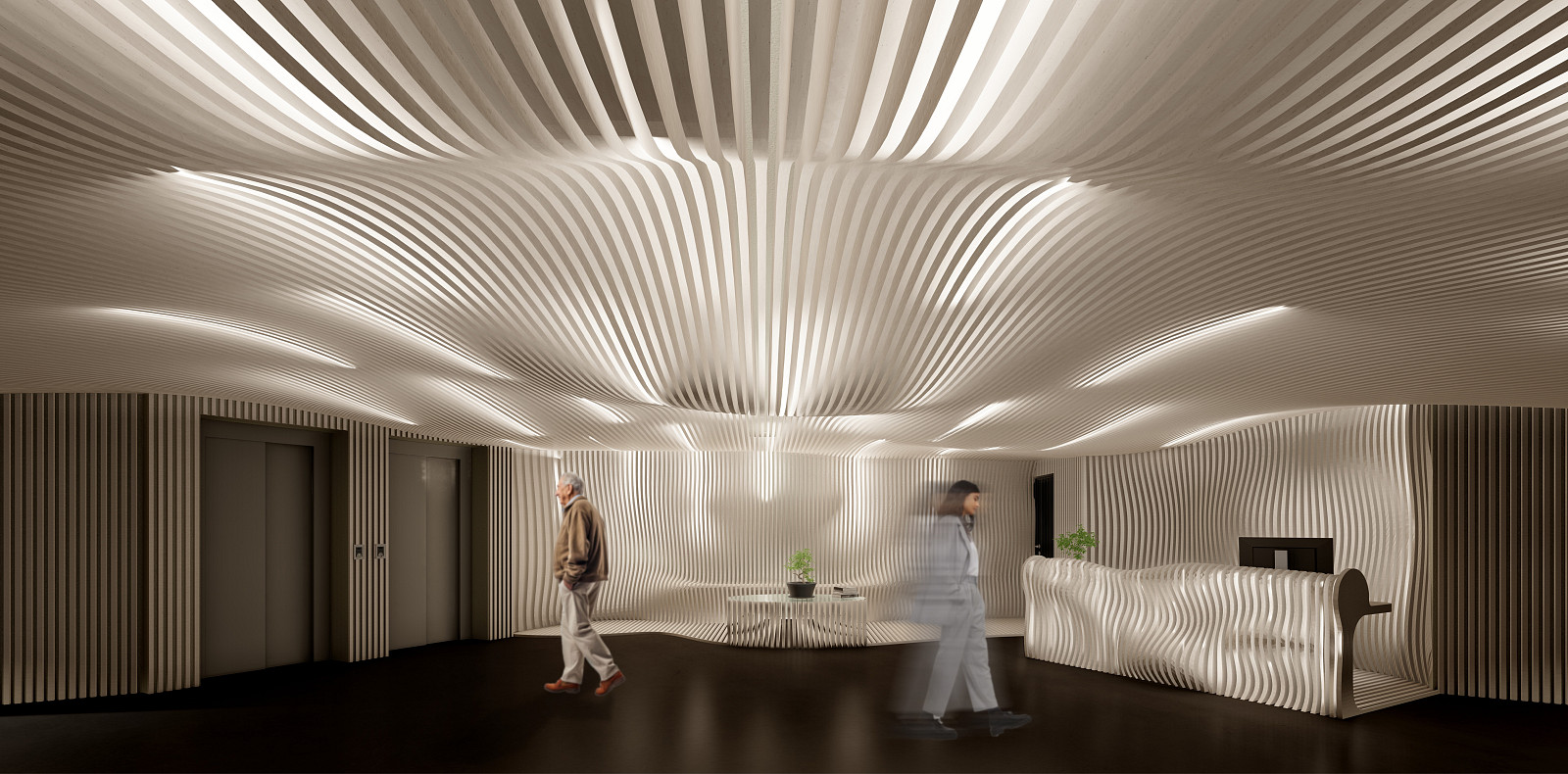
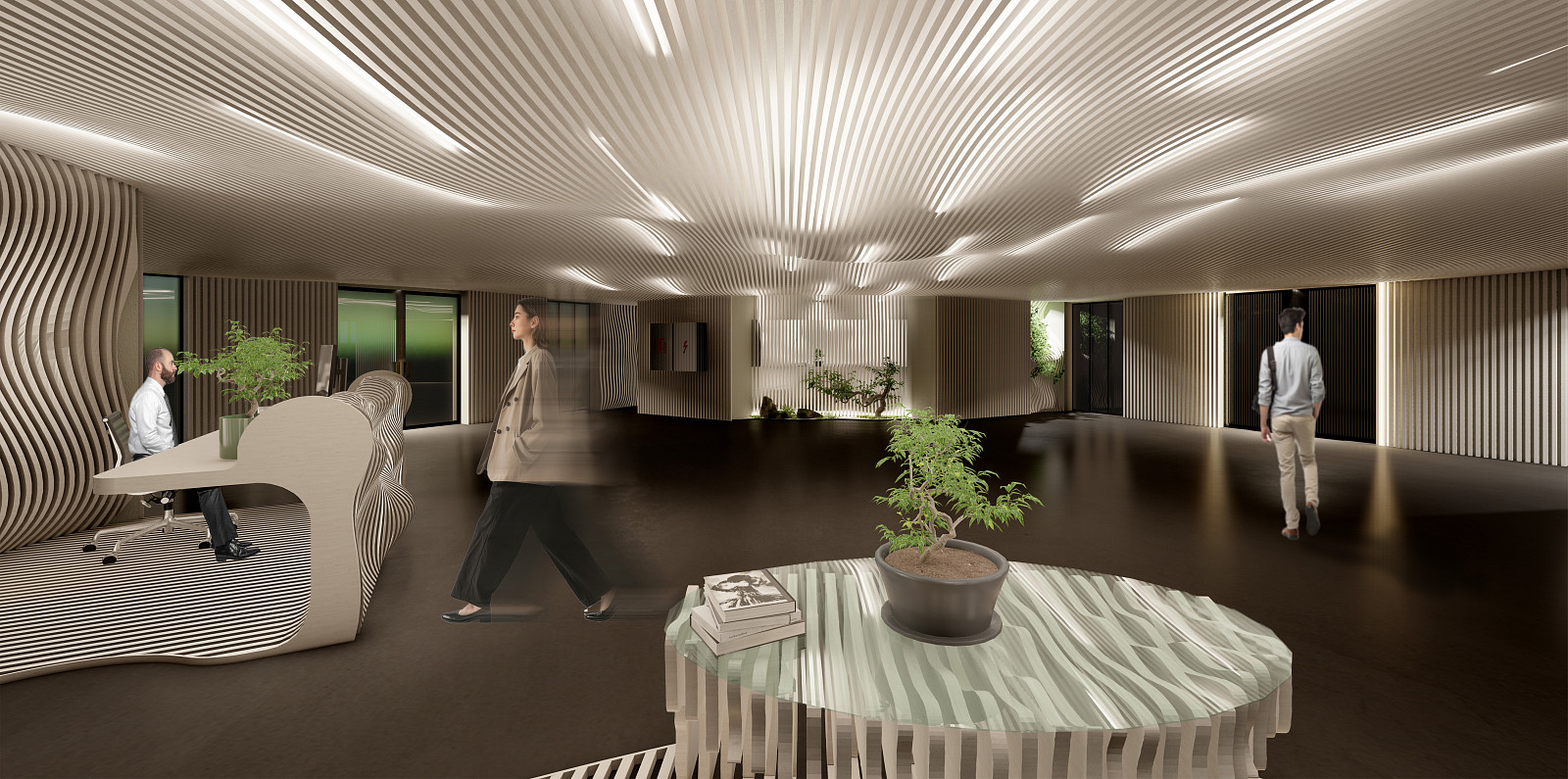
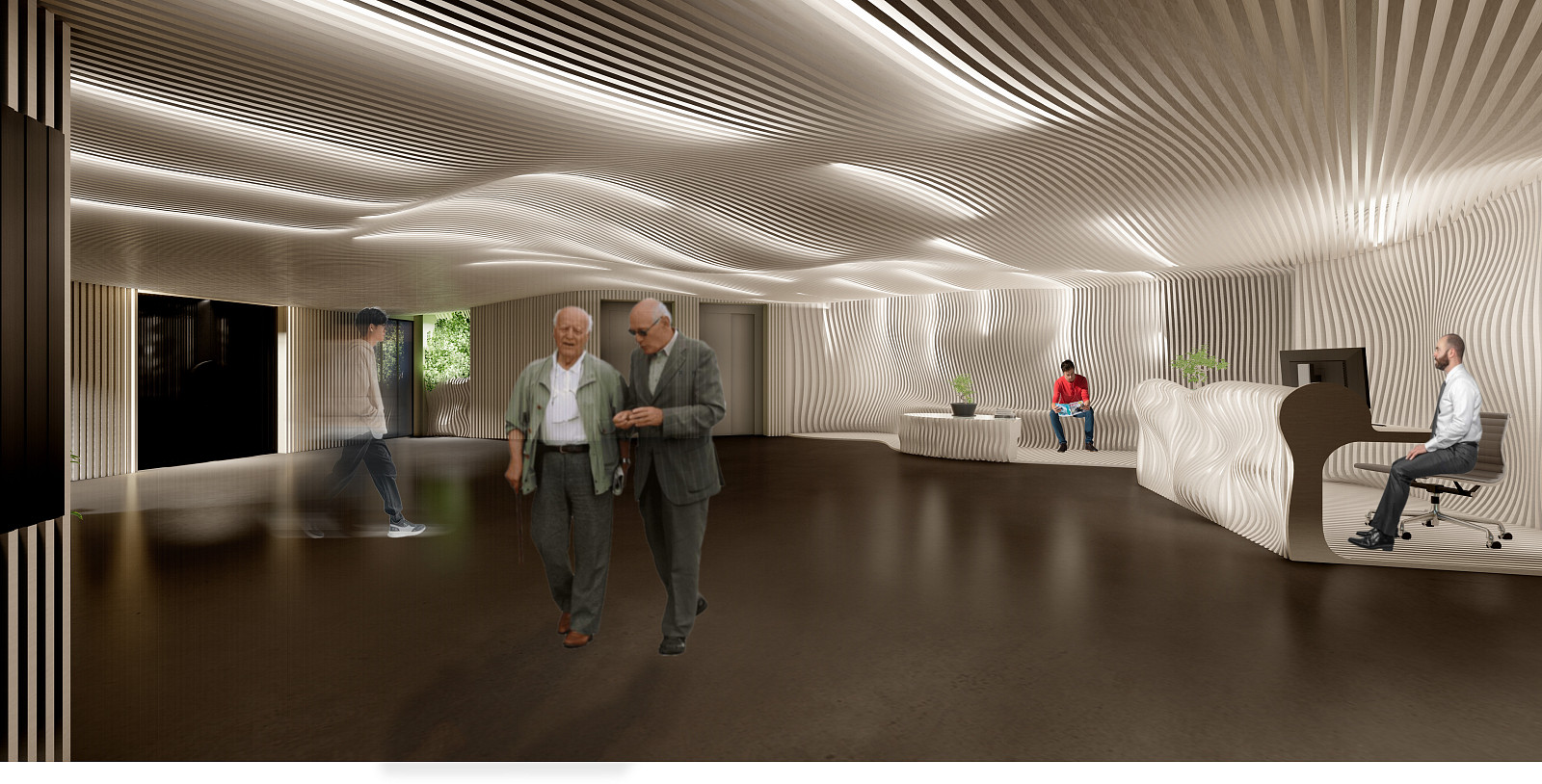
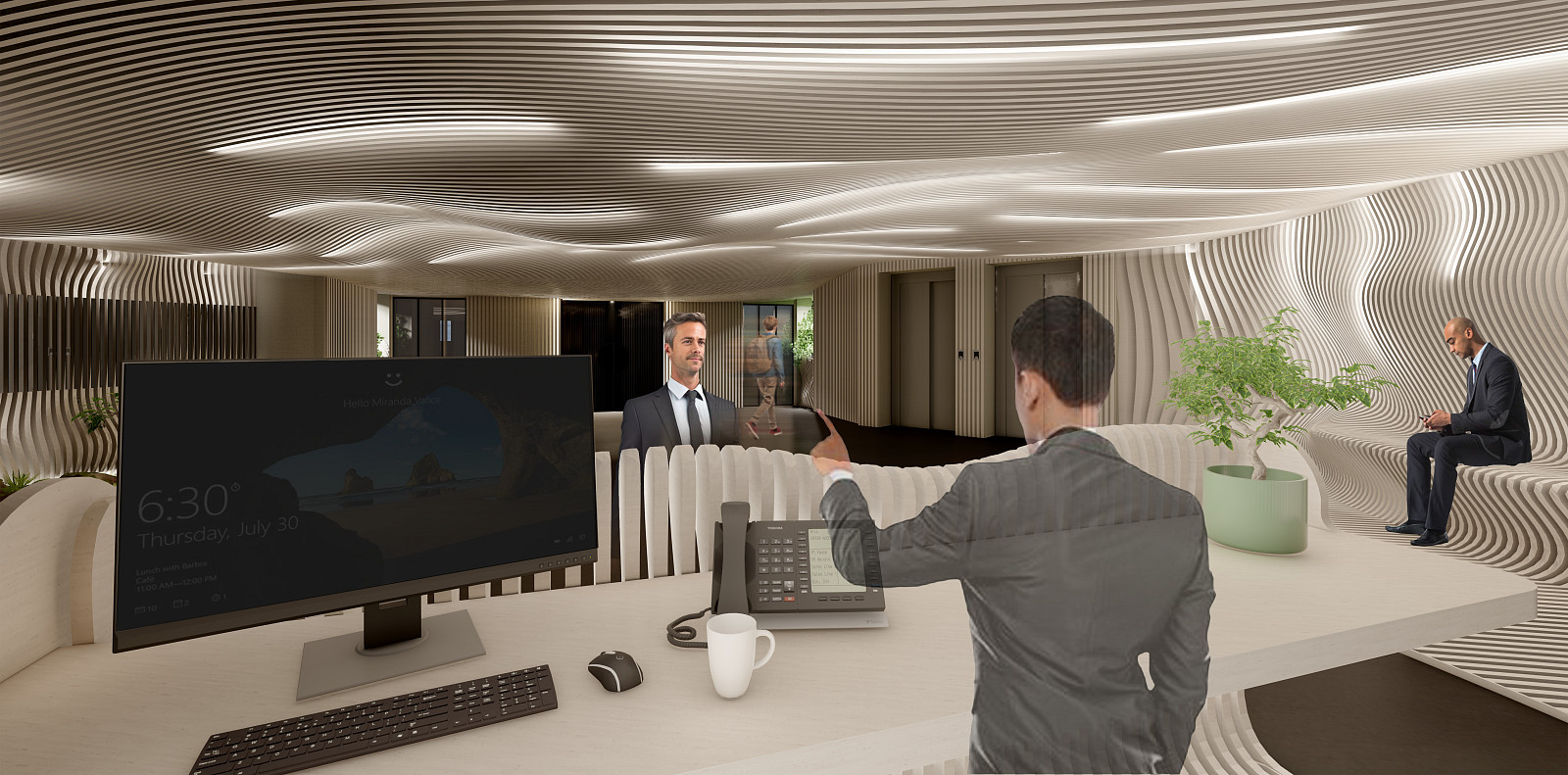
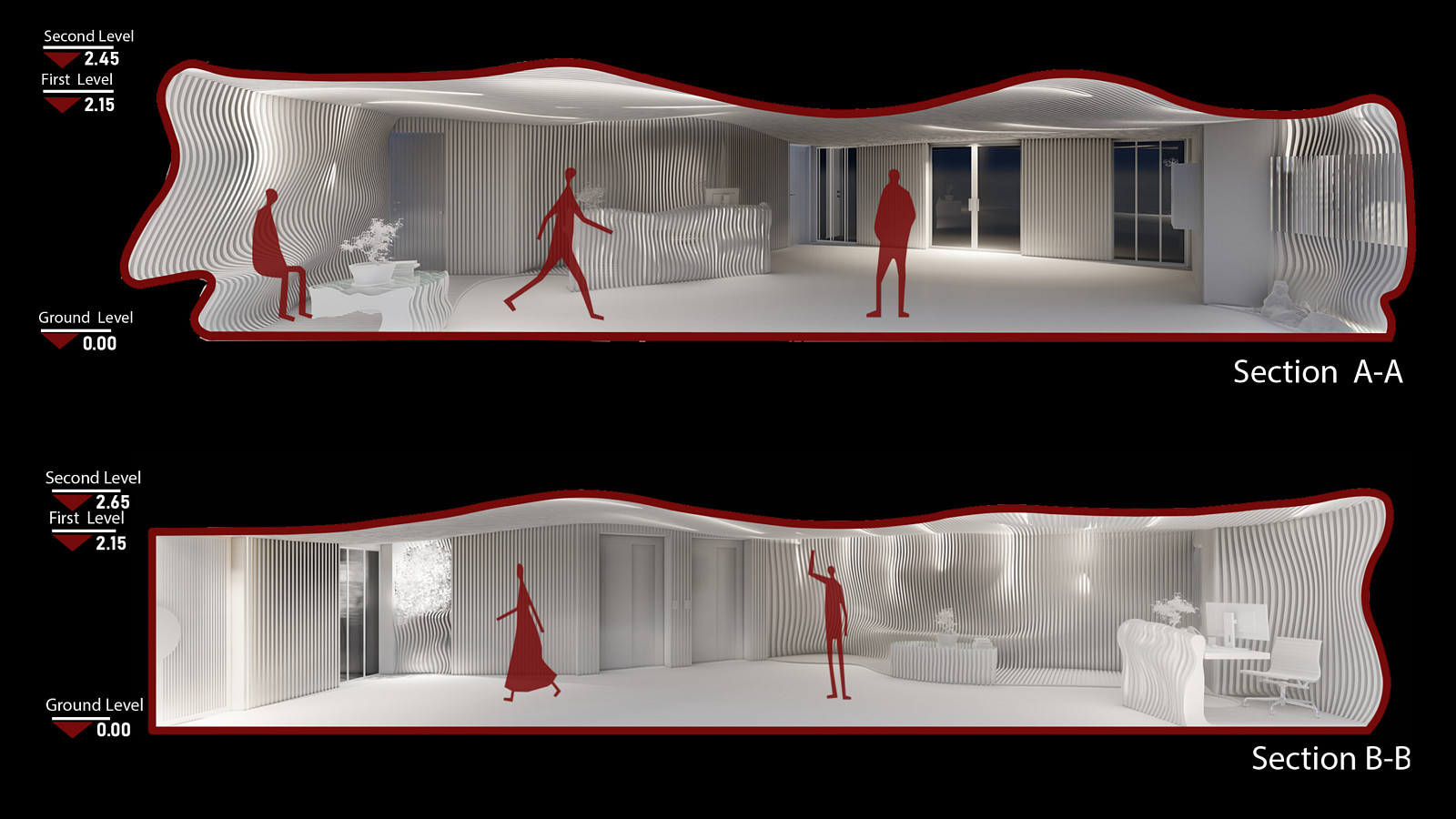
The title “The Eighth Dimension” was selected for this project because its architectural language extends beyond formal expression toward the production of meaning. Through the use of parametric walls, non-linear geometries, and interpretative philosophical layers, the project seeks to transcend the boundaries of form and engage deeper dimensions of spatial understanding.
The design is developed through a parametric approach informed by the principles of Folding Architecture. This methodology not only embraces fluid and adaptable forms but also enables the project to respond to complex environmental and conceptual conditions. Within this framework, conceptual matrices derived from the urban fabric and structural logic of Ekbatan Town—one of Iran’s most significant examples of modernist urbanism—serve as the foundation for both analysis and form generation.
These matrices embody layers of geometric order, repetition, density, and spatial rhythm, which collectively generate a distinct formal language. Through their transformation and reinterpretation, the project constructs a spatial narrative that bridges physical form with memory, perception, and meaning, ultimately proposing architecture as an experiential field that extends into the realm of the Eighth Dimension.
Popis projektu
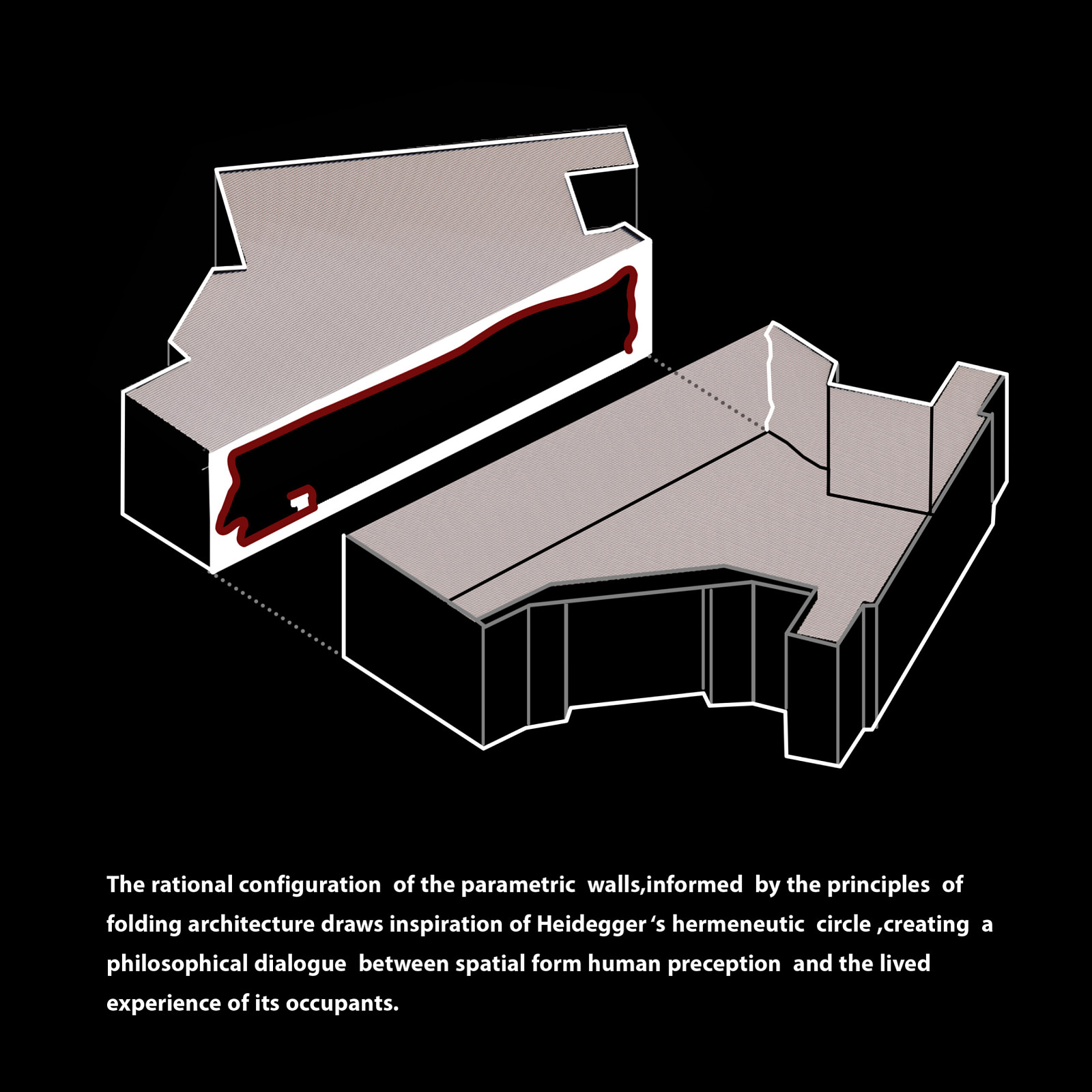
The design process is further grounded in a deeper philosophical framework through the application of Heidegger’s hermeneutic circle. Based on the reciprocal interpretation of the whole and its parts, this hermeneutic approach provides a conceptual framework for establishing connections between lived human experience, the latent meanings embedded within space, and the formation of architectural form. Within this perspective, design is understood not merely as a technical or aesthetic exercise, but as an ontological inquiry into the nature of space and place.
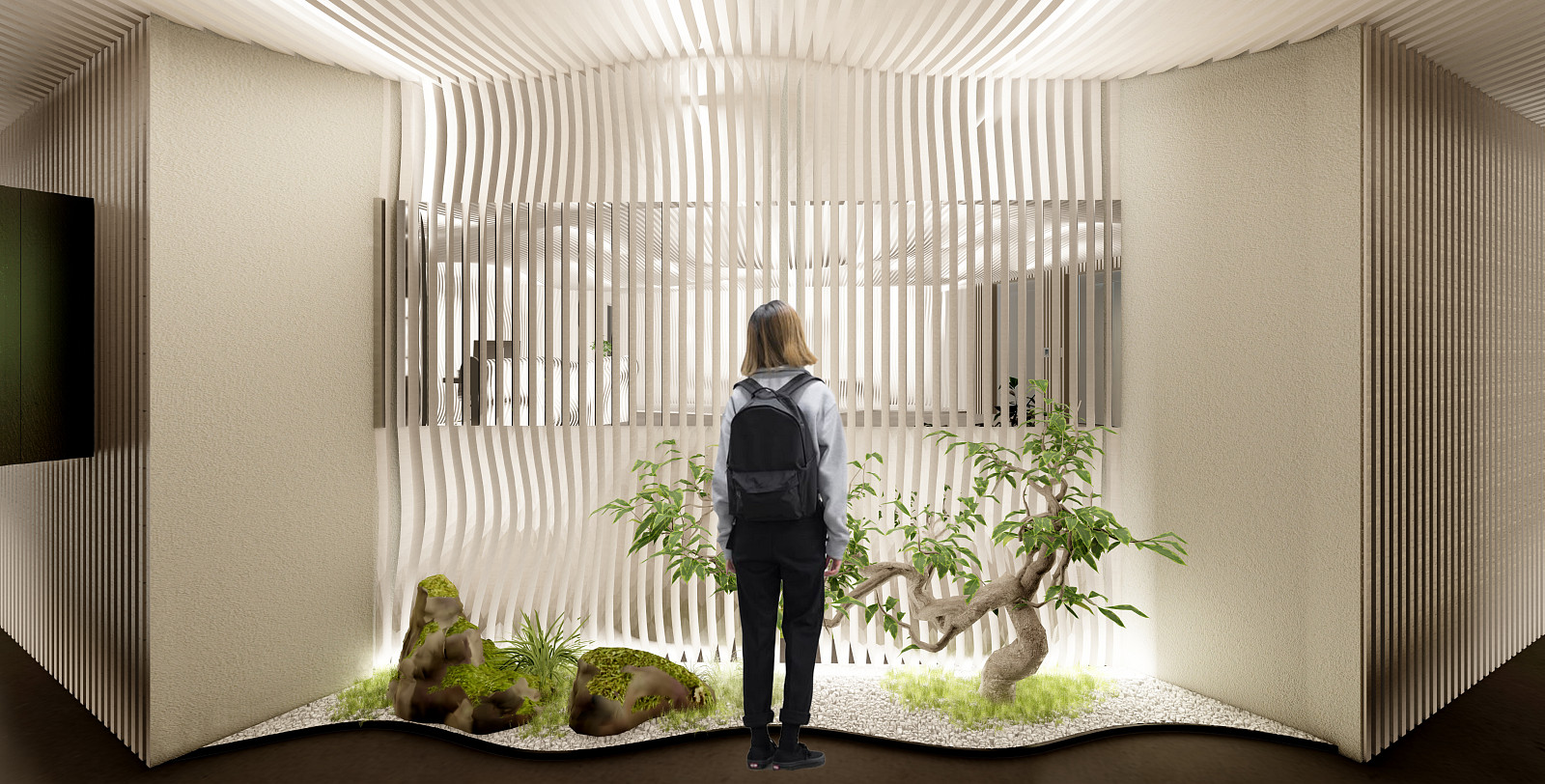
The lobby garden is conceived through principles inspired by Zen architecture, employing white gravel as a primary spatial element to create a calm and minimalist environment. Drawing from the natural beauty and contemplative simplicity of East Asian traditions, the composition combines white stones with natural materials such as greenery and wood, generating a balanced and harmonious atmosphere. The resulting space fosters a sense of tranquility, focus, and stillness, offering residents and visitors not only visual appeal but also a sensory and psychological experience of calmness and reflection.
The project ultimately emerges as a synthesis of:
- Dynamic parametric forms
- The structural logic of Folding Architecture
- Context-driven analyses derived from Ekbatan Town
- A philosophical reading informed by the ontology of contemporary space
Together, these elements shape a design that seeks to respond simultaneously to physical, semantic, and human dimensions of architecture, positioning space as a medium through which form, meaning, and lived experience converge.
Technické informace
The design process is further grounded in a deeper philosophical framework through the application of Heidegger’s hermeneutic circle. Based on the reciprocal interpretation of the whole and its parts, this hermeneutic approach provides a conceptual framework for establishing connections between lived human experience, the latent meanings embedded within space, and the formation of architectural form. Within this perspective, design is understood not merely as a technical or aesthetic exercise, but as an ontological inquiry into the nature of space and place.
The lobby garden is conceived through principles inspired by Zen architecture, employing white gravel as a primary spatial element to create a calm and minimalist environment. Drawing from the natural beauty and contemplative simplicity of East Asian traditions, the composition combines white stones with natural materials such as greenery and wood, generating a balanced and harmonious atmosphere. The resulting space fosters a sense of tranquility, focus, and stillness, offering residents and visitors not only visual appeal but also a sensory and psychological experience of calmness and reflection.
The project ultimately emerges as a synthesis of:
- Dynamic parametric forms
- The structural logic of Folding Architecture
- Context-driven analyses derived from Ekbatan Town
- A philosophical reading informed by the ontology of contemporary space
Together, these elements shape a design that seeks to respond simultaneously to physical, semantic, and human dimensions of architecture, positioning space as a medium through which form, meaning, and lived experience converge.

Copyright © 2026 INSPIRELI | All rights reserved. Use of this website signifies your agreement to the Terms of Use, Privacy Policy, and use of cookies.