Карагандинский архитектурный институт на базе НАО Карагандинского технического университета имени Абылкаса Сагинова


Idea projektu
PROJECT STATEMENT
Project Title: "Karaganda Architectural Institute" (KAI) Architectural and Educational Complex
Project Type: Degree Project (Diploma)
Institutional Basis: Abylkas Saginov Karaganda Technical University (KarTU)
1. Context and Justification
The "Karaganda Architectural Institute" (KAI) project was developed as a direct spatial solution to a severe infrastructure crisis currently facing the architectural department. The relevance of this project is driven by a steady, year-over-year surge in the number of applicants enrolling in the Faculty of Architecture and Construction. The existing university facilities are currently experiencing a critical shortage of space and are completely inadequate to accommodate the growing student body.
Beyond the sheer lack of classrooms to sustain the educational process, this space deficit recently forced the closure of the university's unique physical model museum. Furthermore, due to layout non-compliance with modern safety standards and an official mandate from the fire inspection bureau, the department's methodological archive is now facing imminent closure. These circumstances place the irreplaceable, decades-long academic and creative heritage of the Department of Architecture and Design under direct threat of being lost.
2. Architectural Concept and Solution
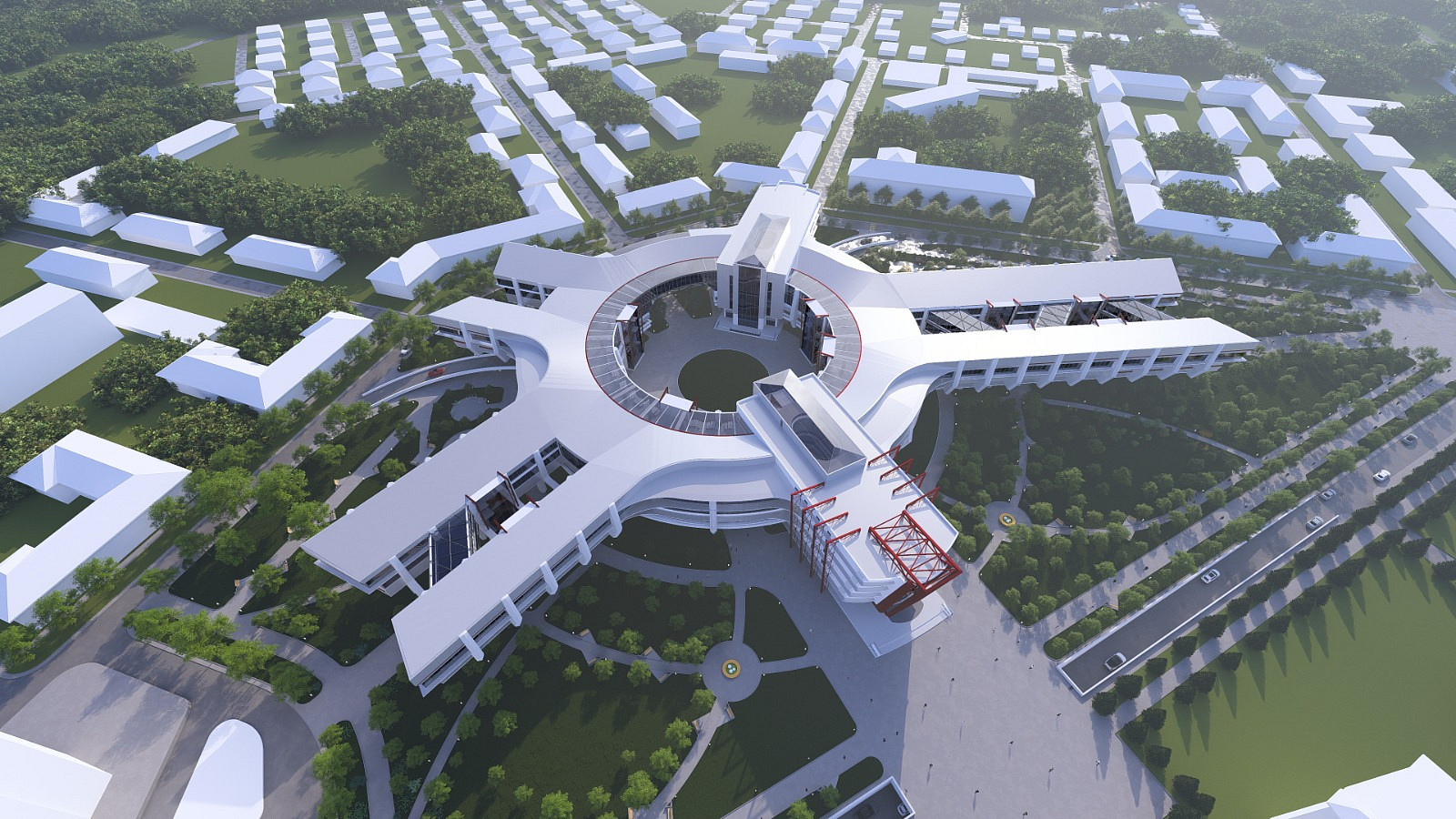
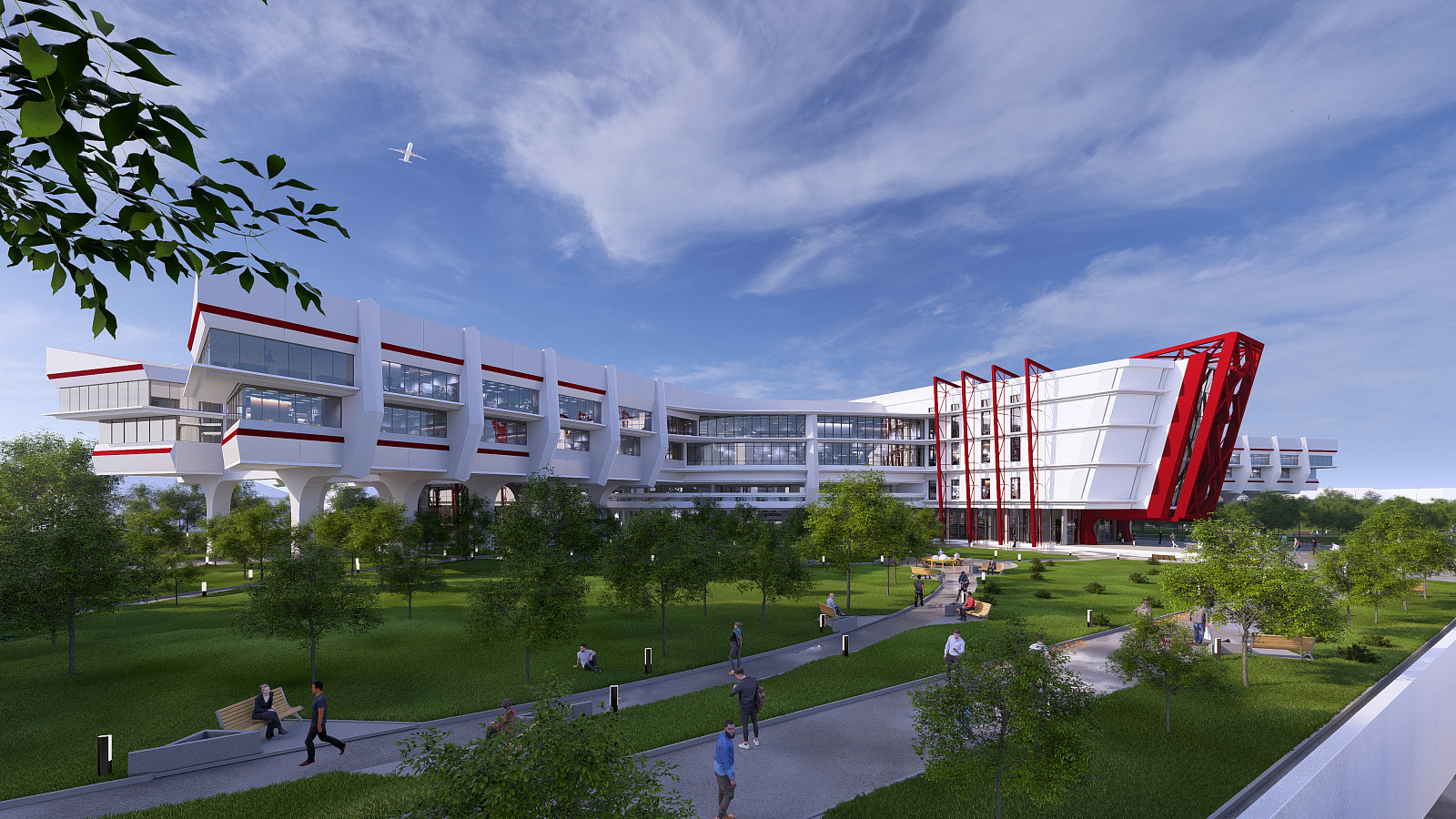
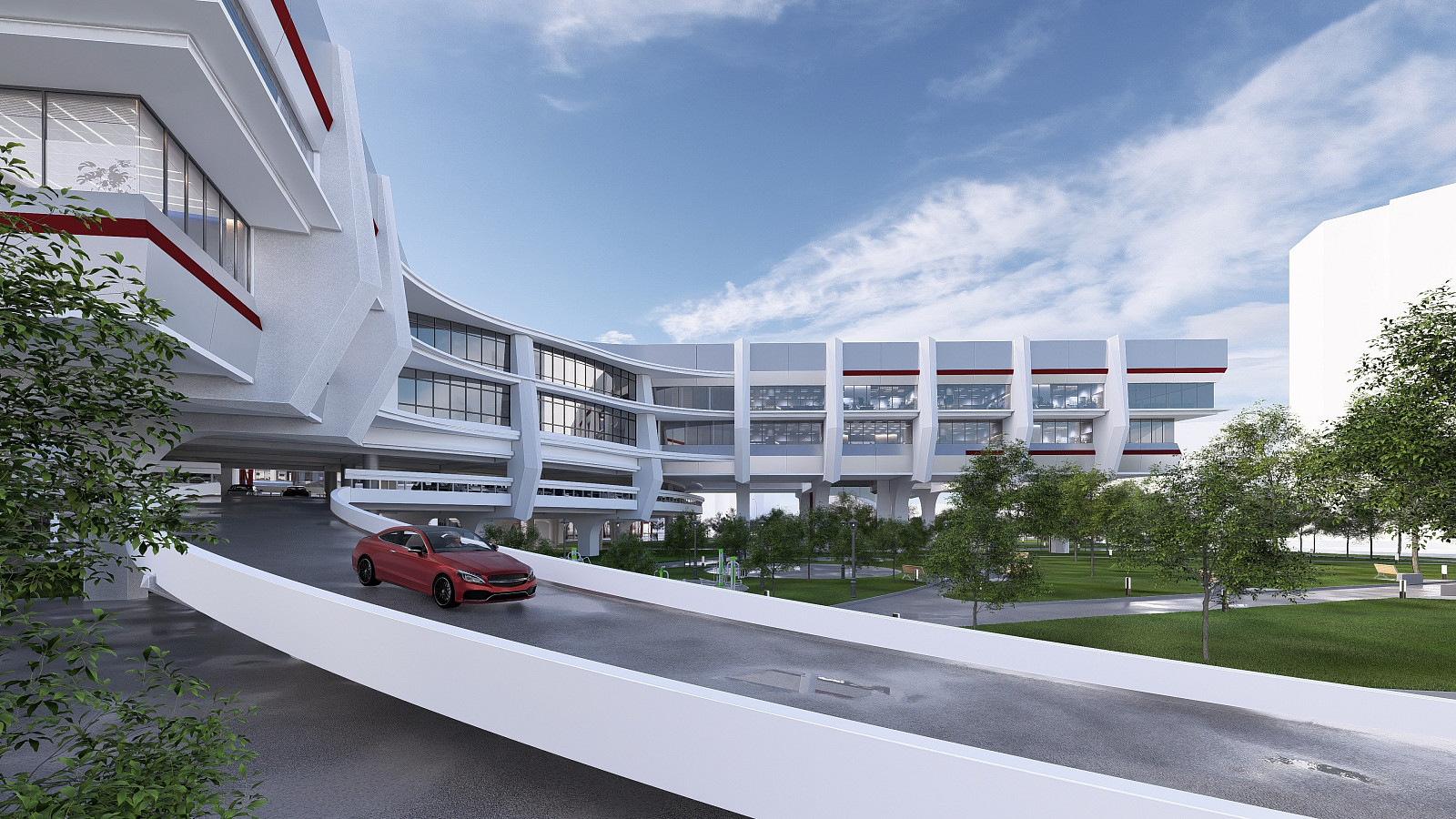
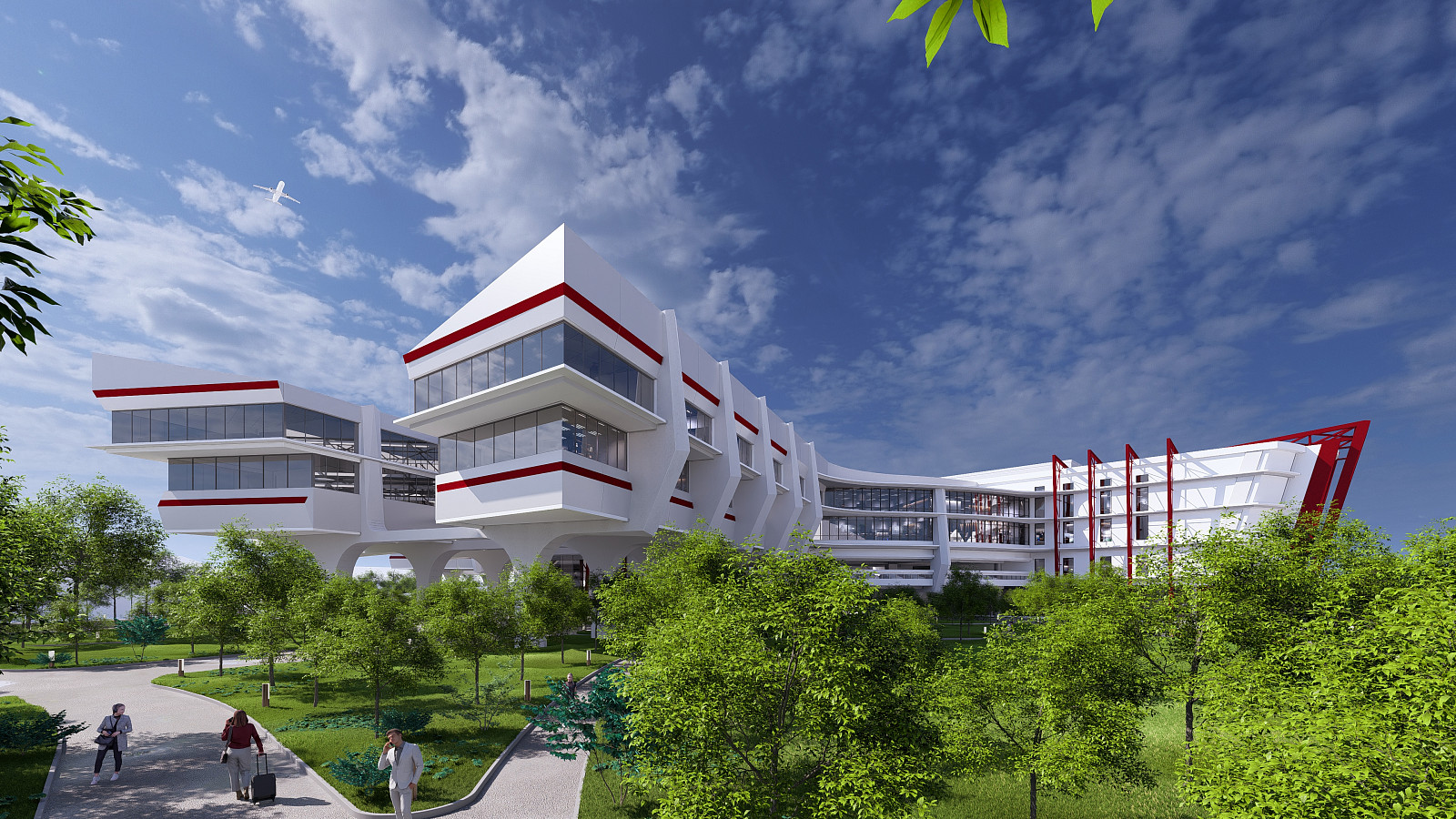
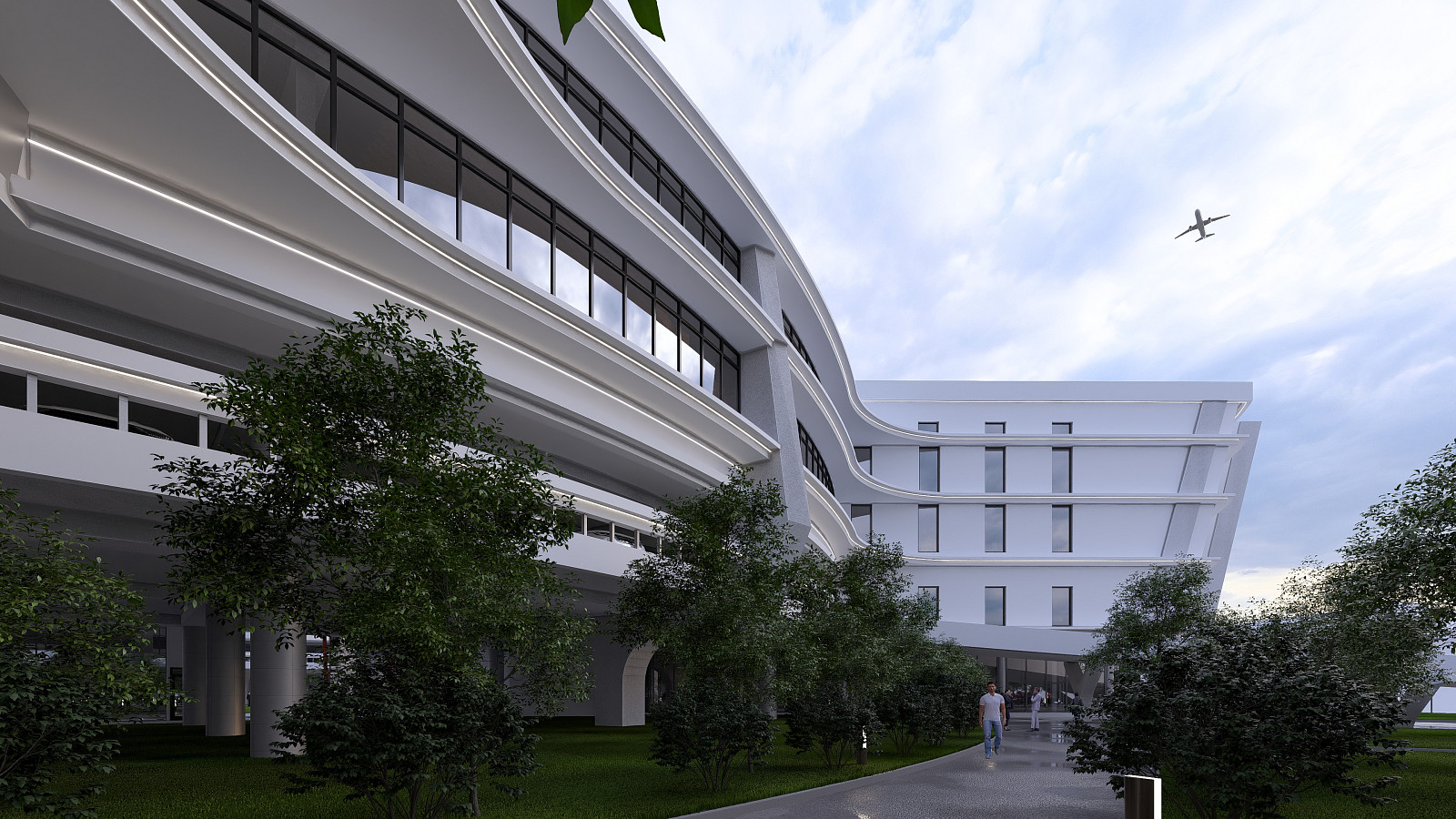
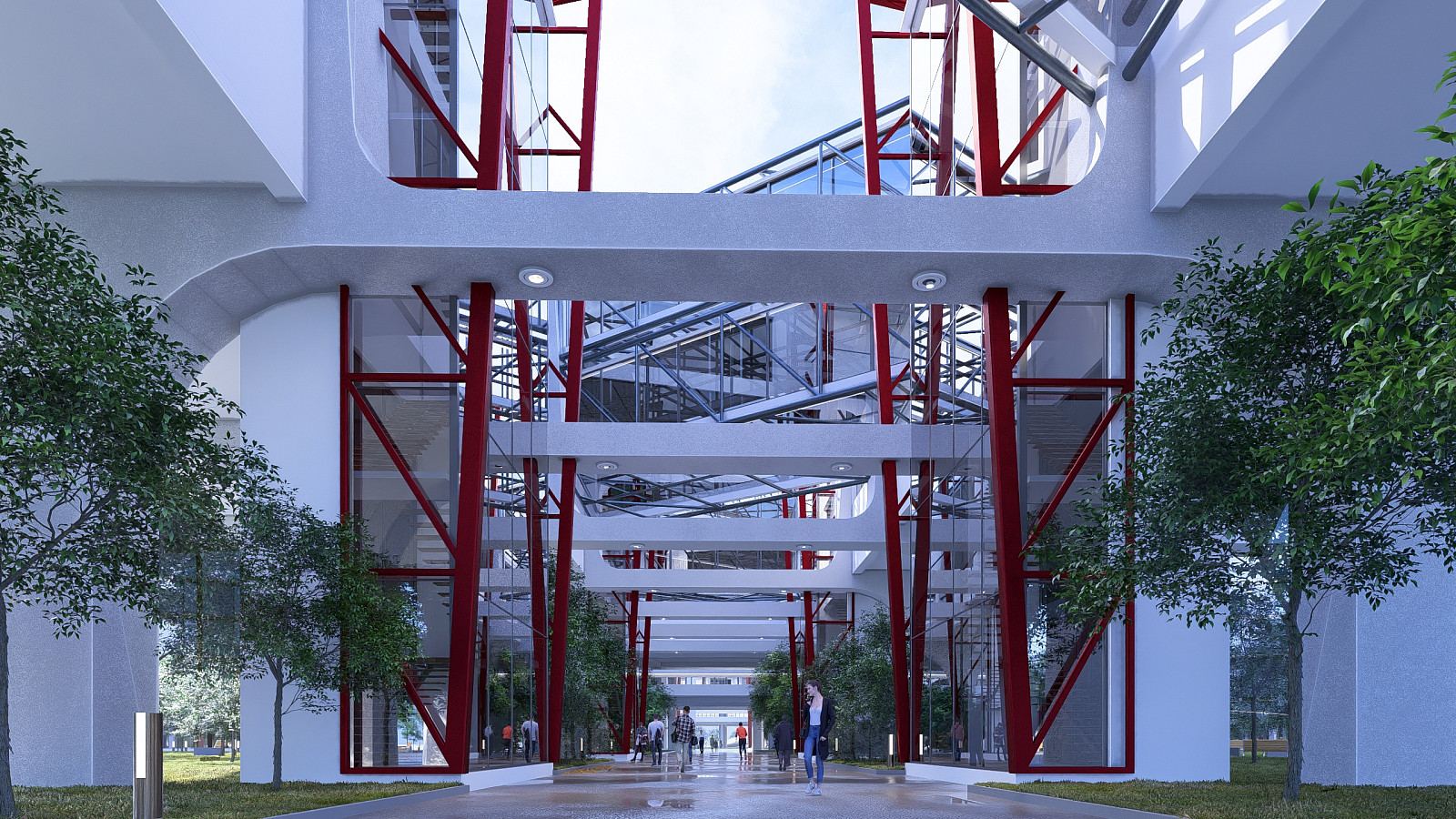
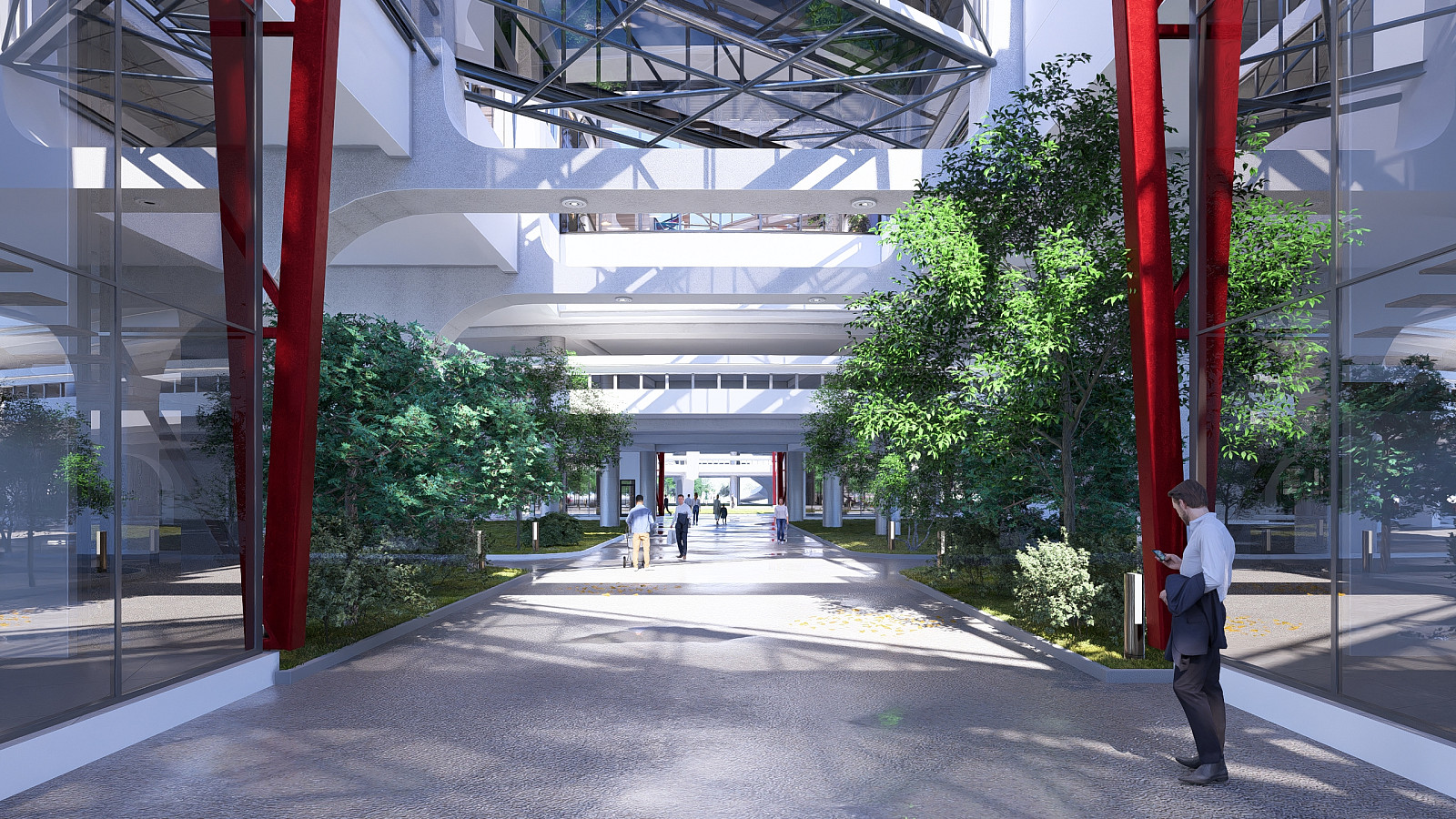
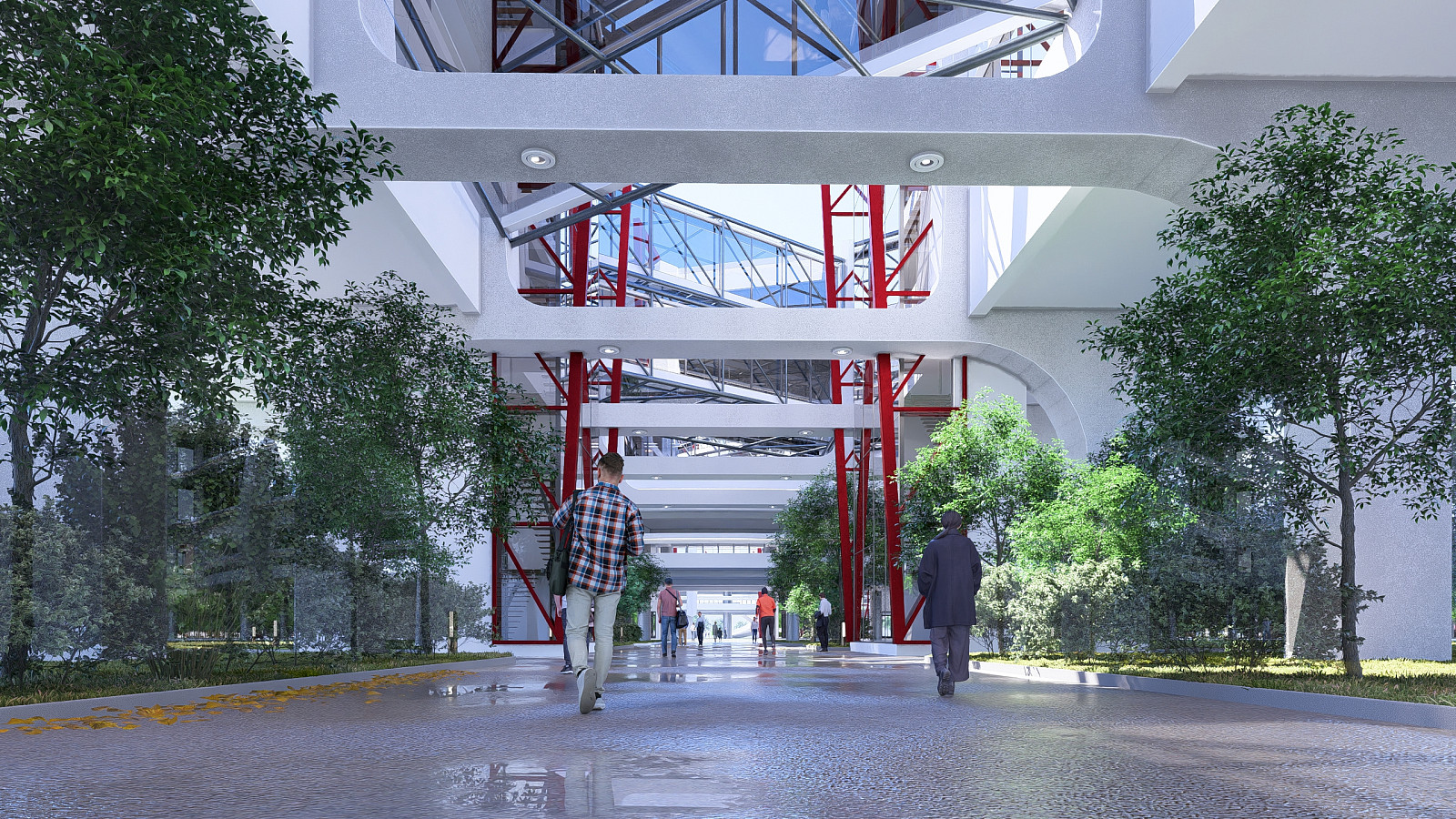
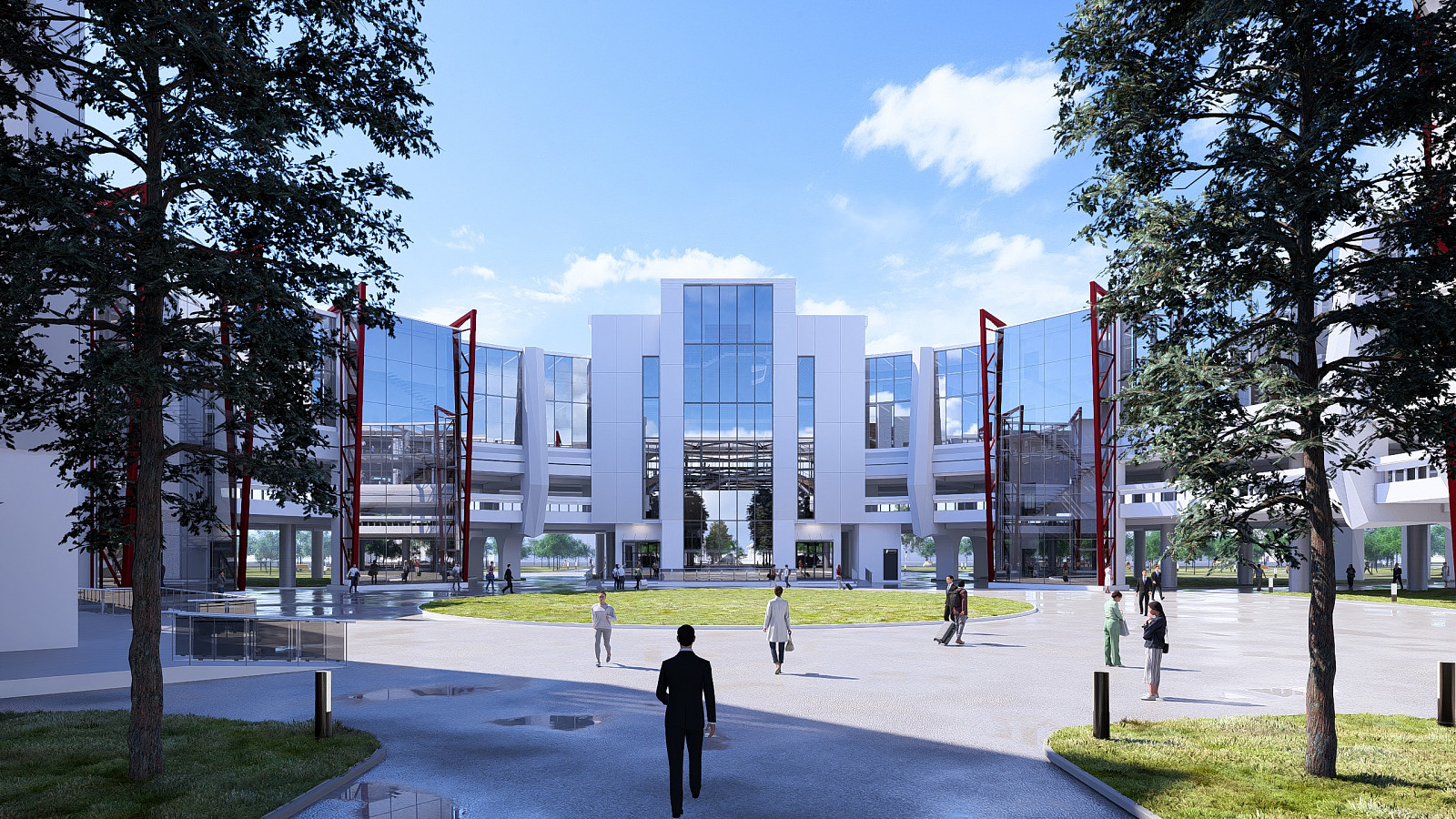
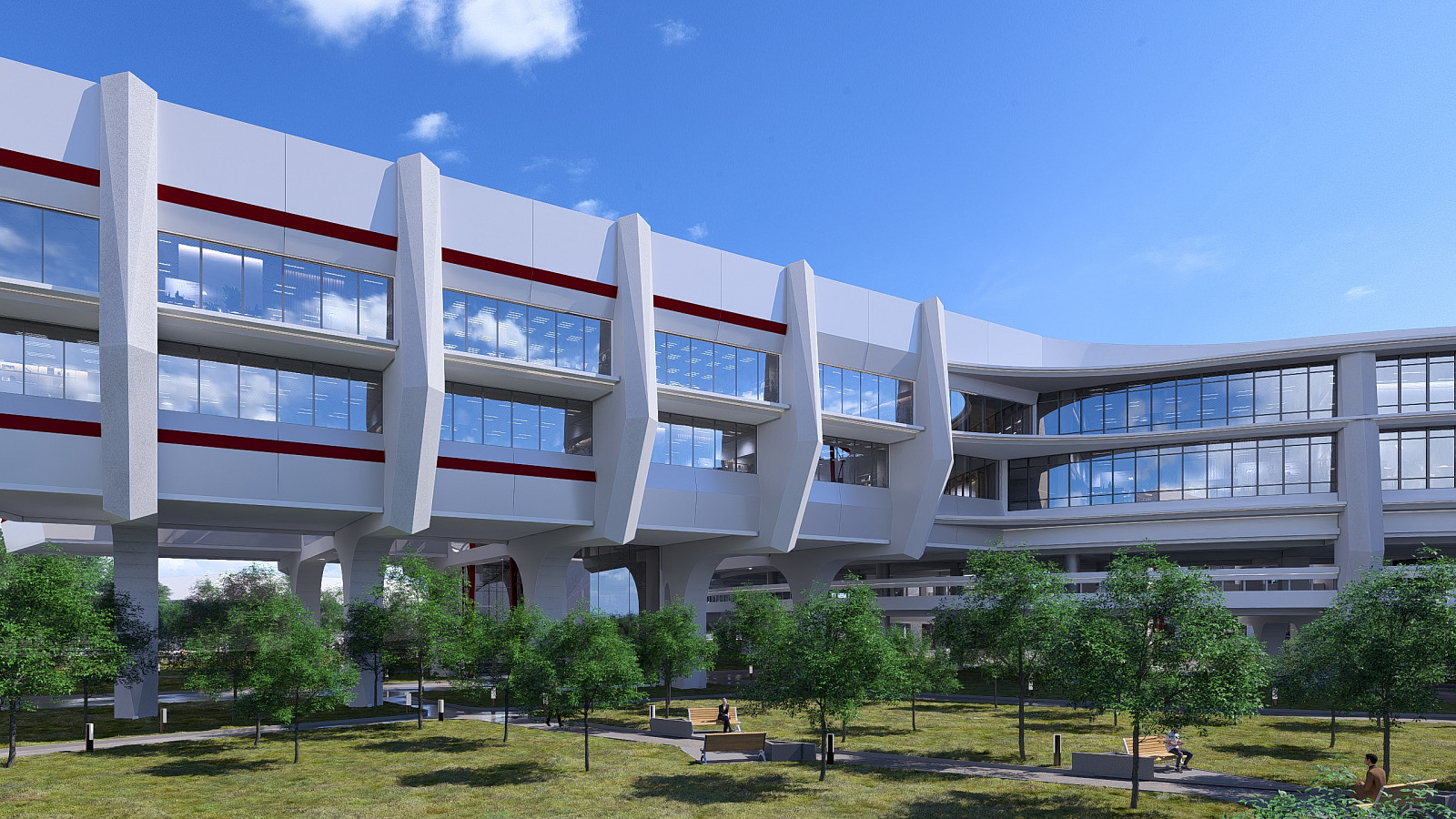
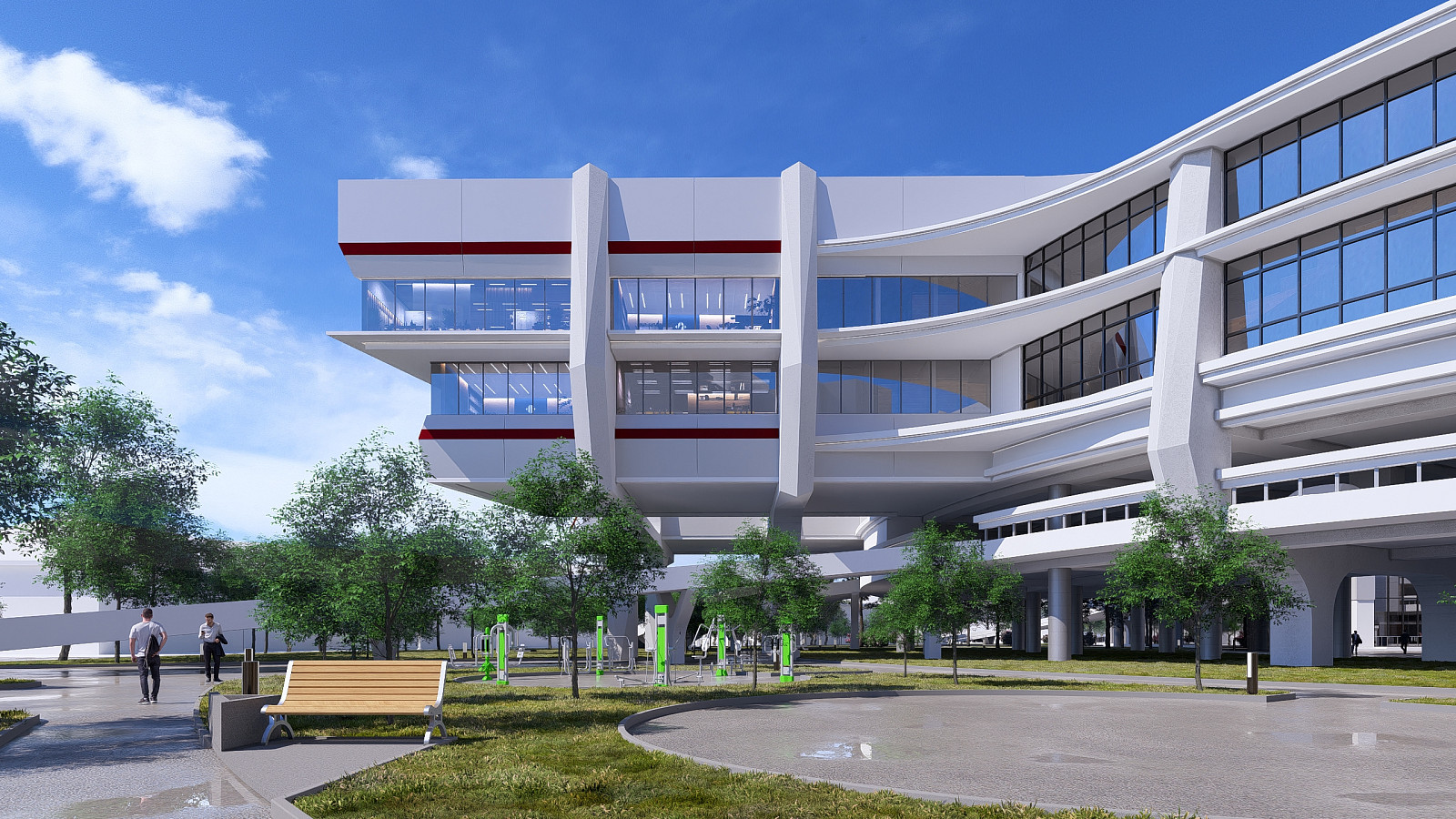
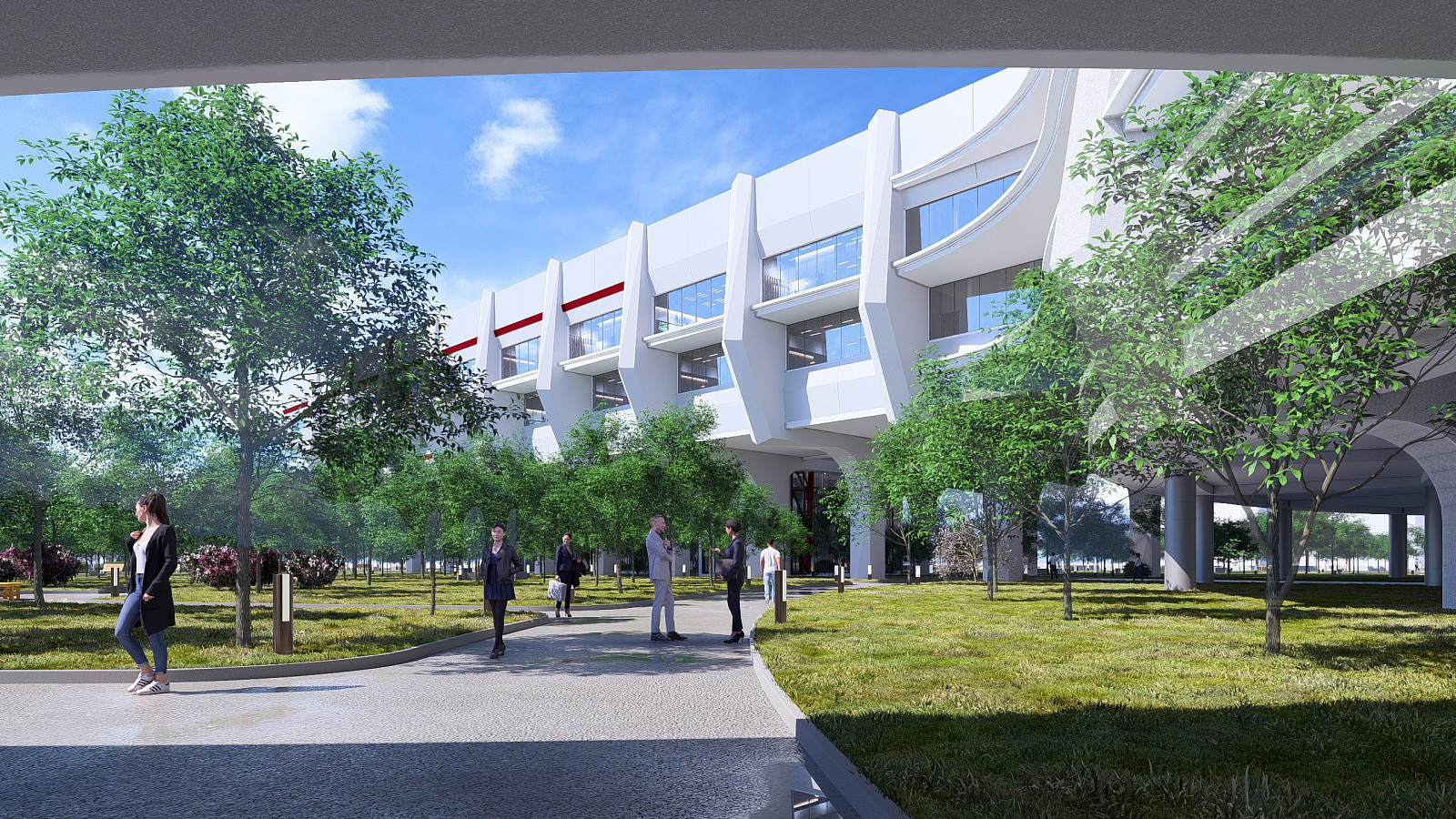
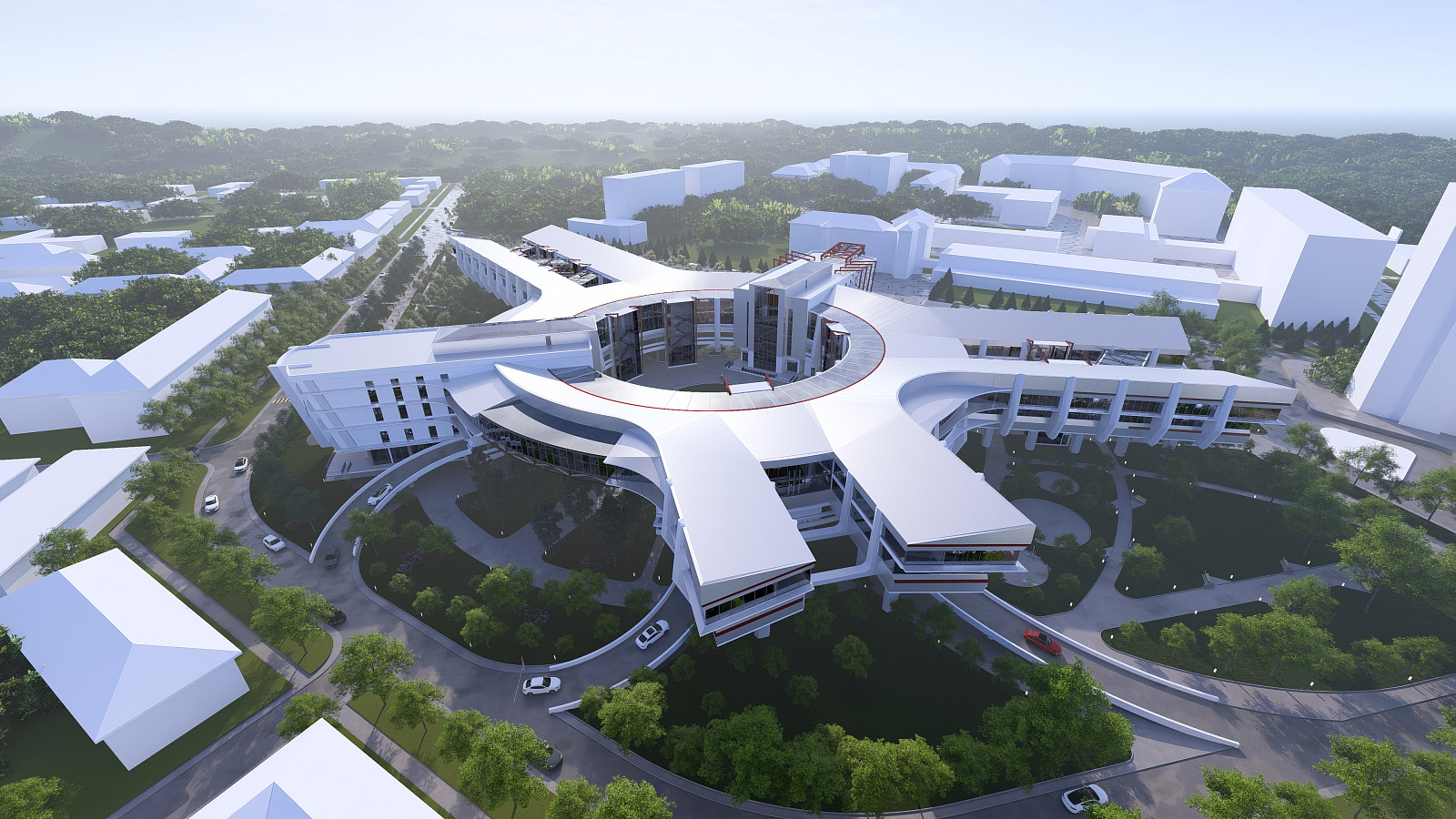
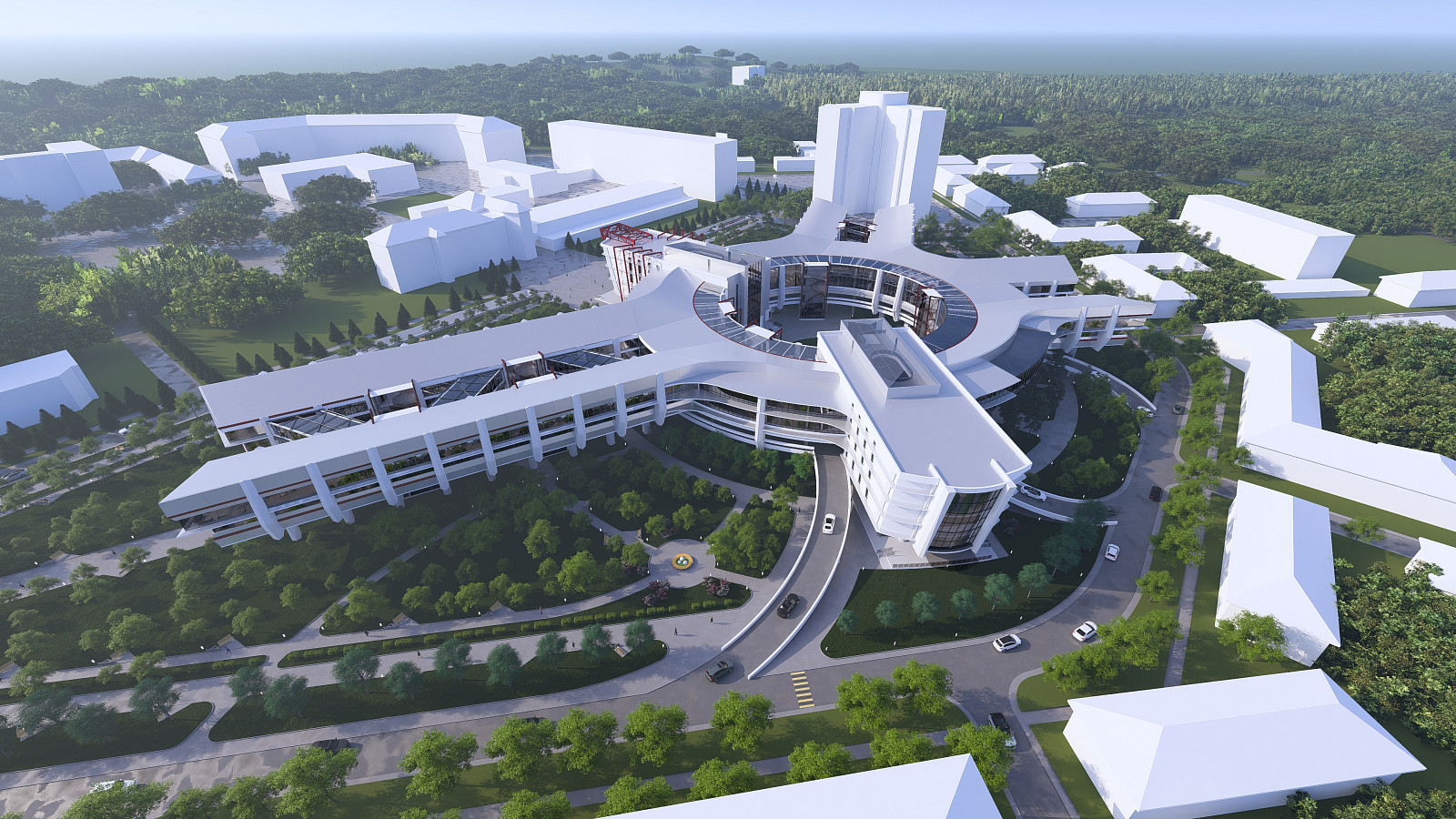
The KAI architectural project acts as a newly conceived, technologically advanced, and secure platform designed to comprehensively eliminate all the aforementioned issues. The spatial organization of the building is based on a radial-ring structure. This geometric layout effectively enables:
Capacity Expansion: A significant increase in net usable area to seamlessly accommodate the expanding student enrollment.
Heritage Preservation: The organization of isolated, specialized, and fire-secure zones dedicated to reviving the model museum and ensuring the long-term preservation of the department's archives.
Optimized Circulation: An intuitive, barrier-free interior logistics network that eliminates congestion and seamlessly distributes heavy foot traffic between blocks.
3. Goals and Objectives
Project Goal: To establish a new, safe, state-of-the-art educational environment that preserves the unique academic heritage of the department while serving as a contemporary hub for collaboration among students, faculty, and practicing regional architects.
Key Objectives:
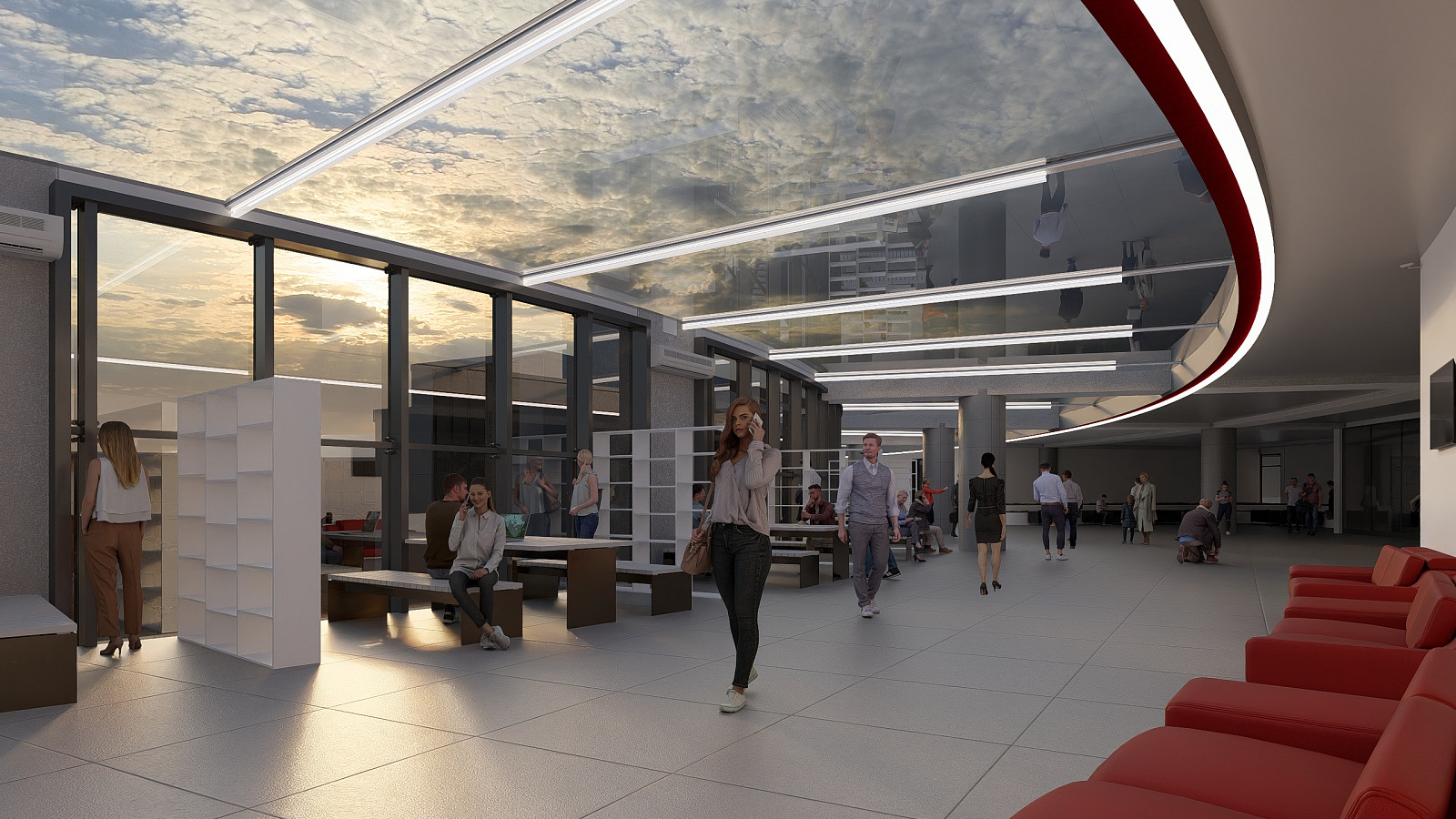
Functional Modernization: Designing spacious, transformable lecture halls, open design studios (coworking spaces), and laboratories.
Archival Protection & Exhibition: Integrating an innovative museum and archive cluster equipped with advanced fire suppression systems for the safe display and storage of historical drawings and models.
Professional Community Integration: Creating shared public exhibition and jury spaces tailored for competitions, workshops, and final thesis defenses.
Structural Integrity: Engineering a reliable structural framework tailored to the complex geometry of the radial-ring layout, allowing for wide-span public areas and optimal load distribution.
Popis projektu
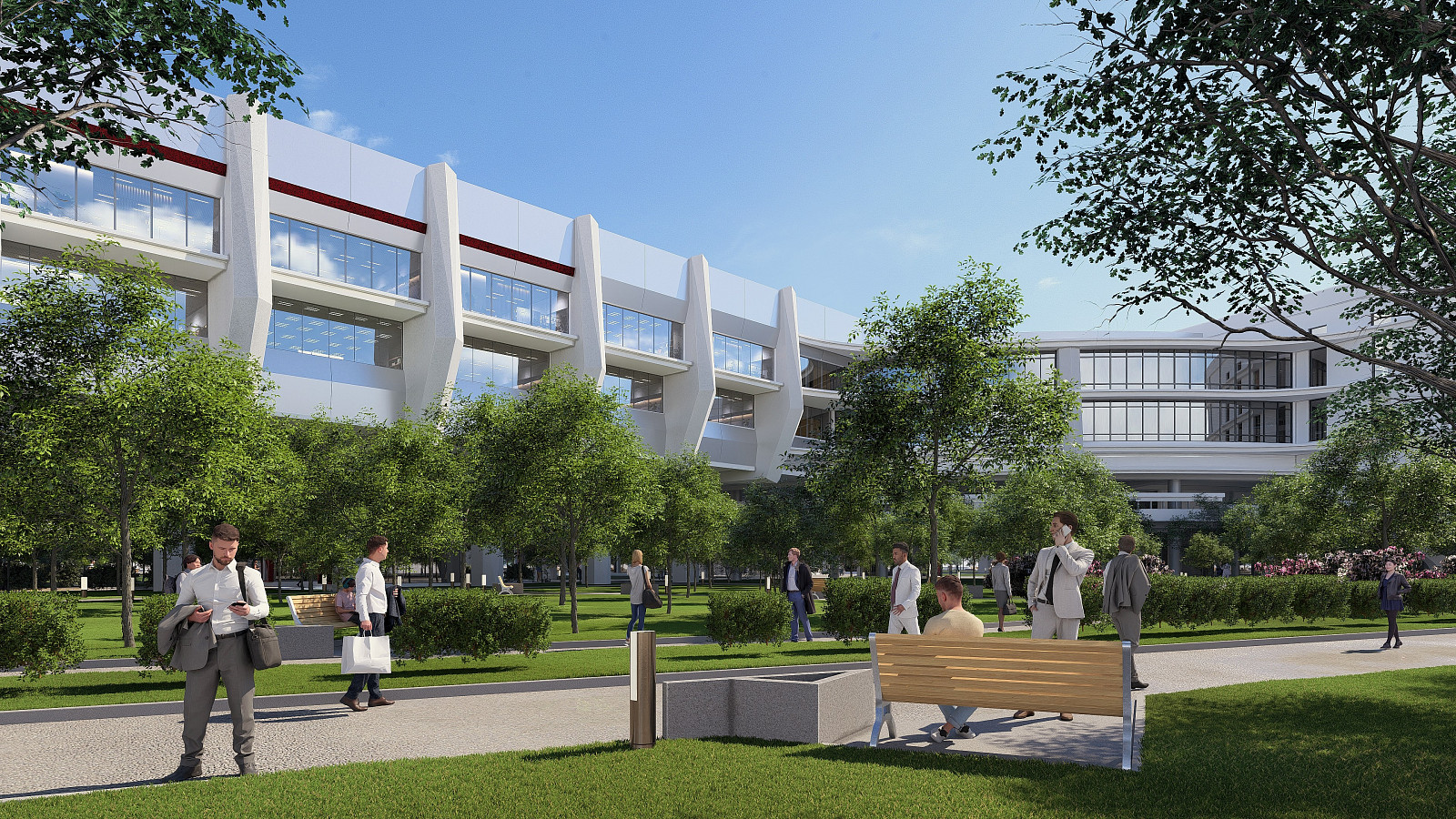
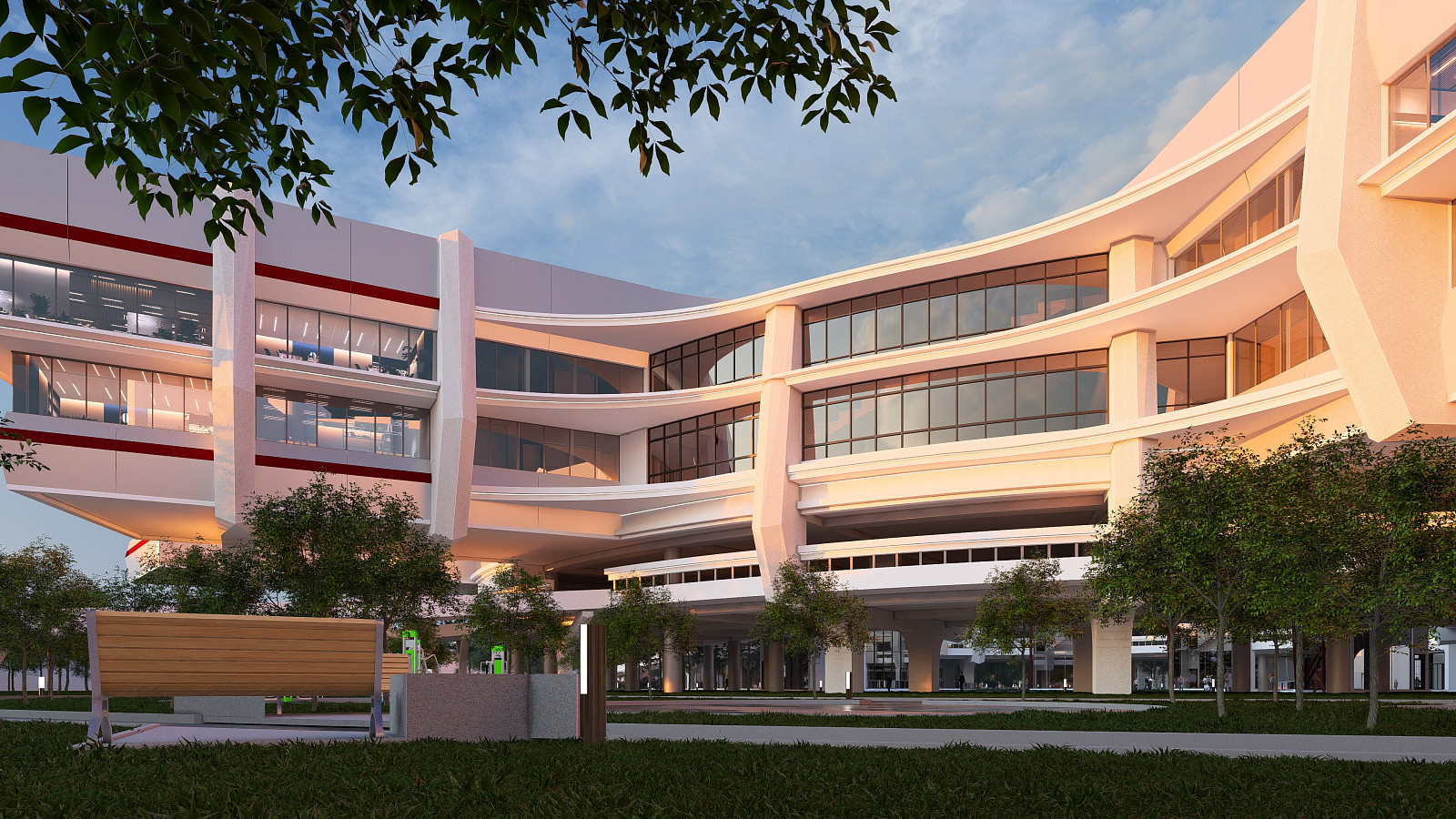
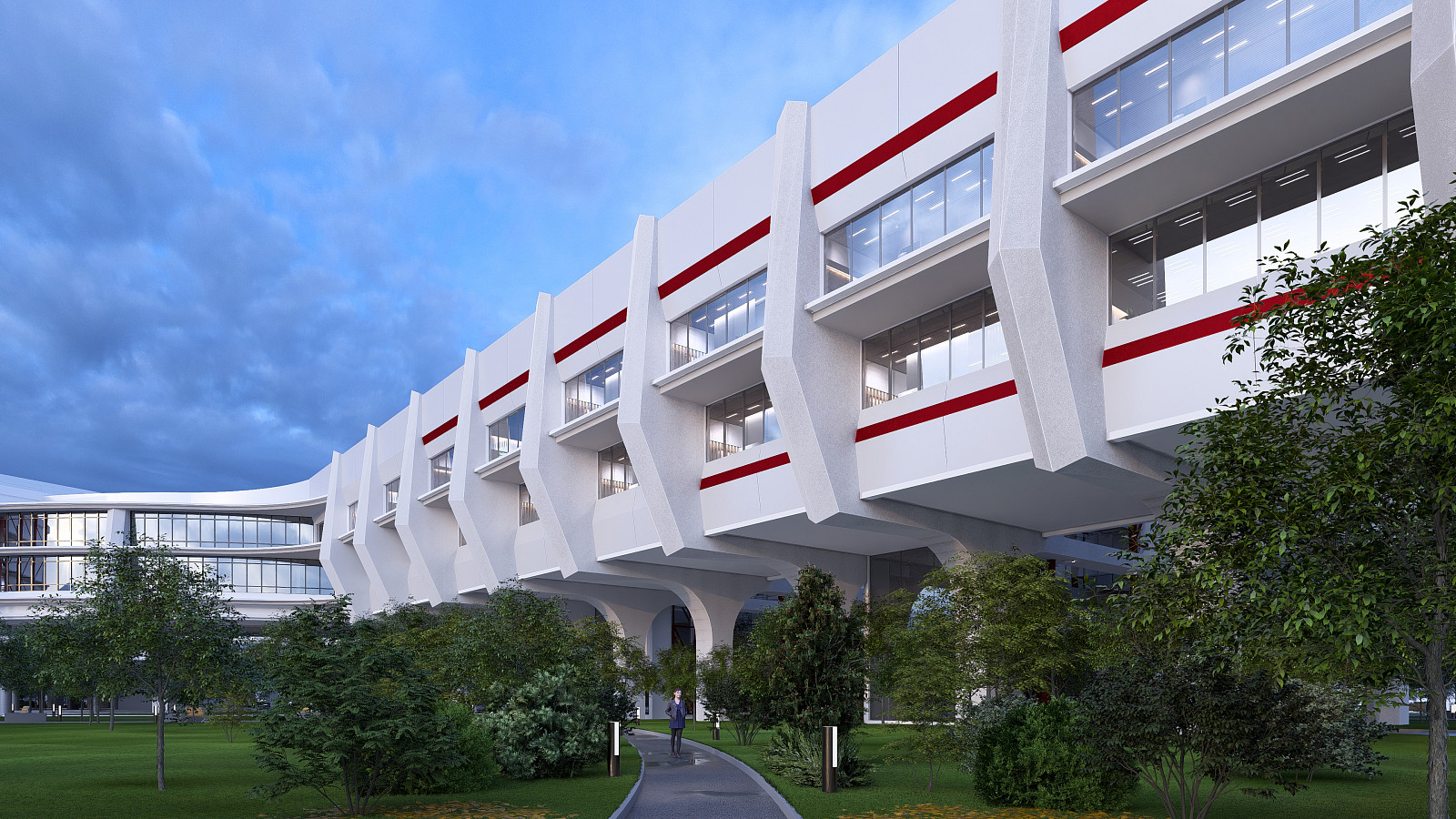
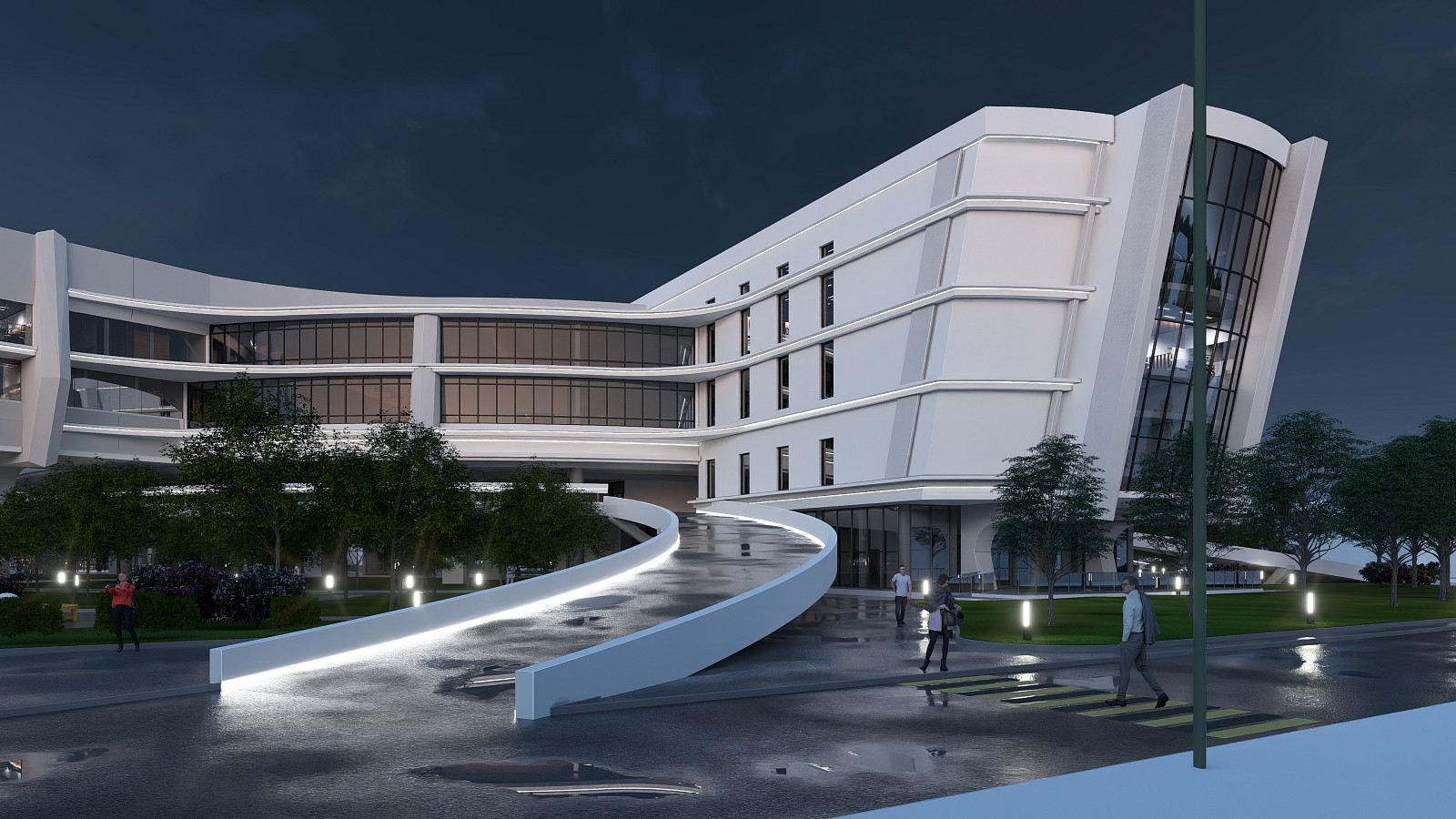
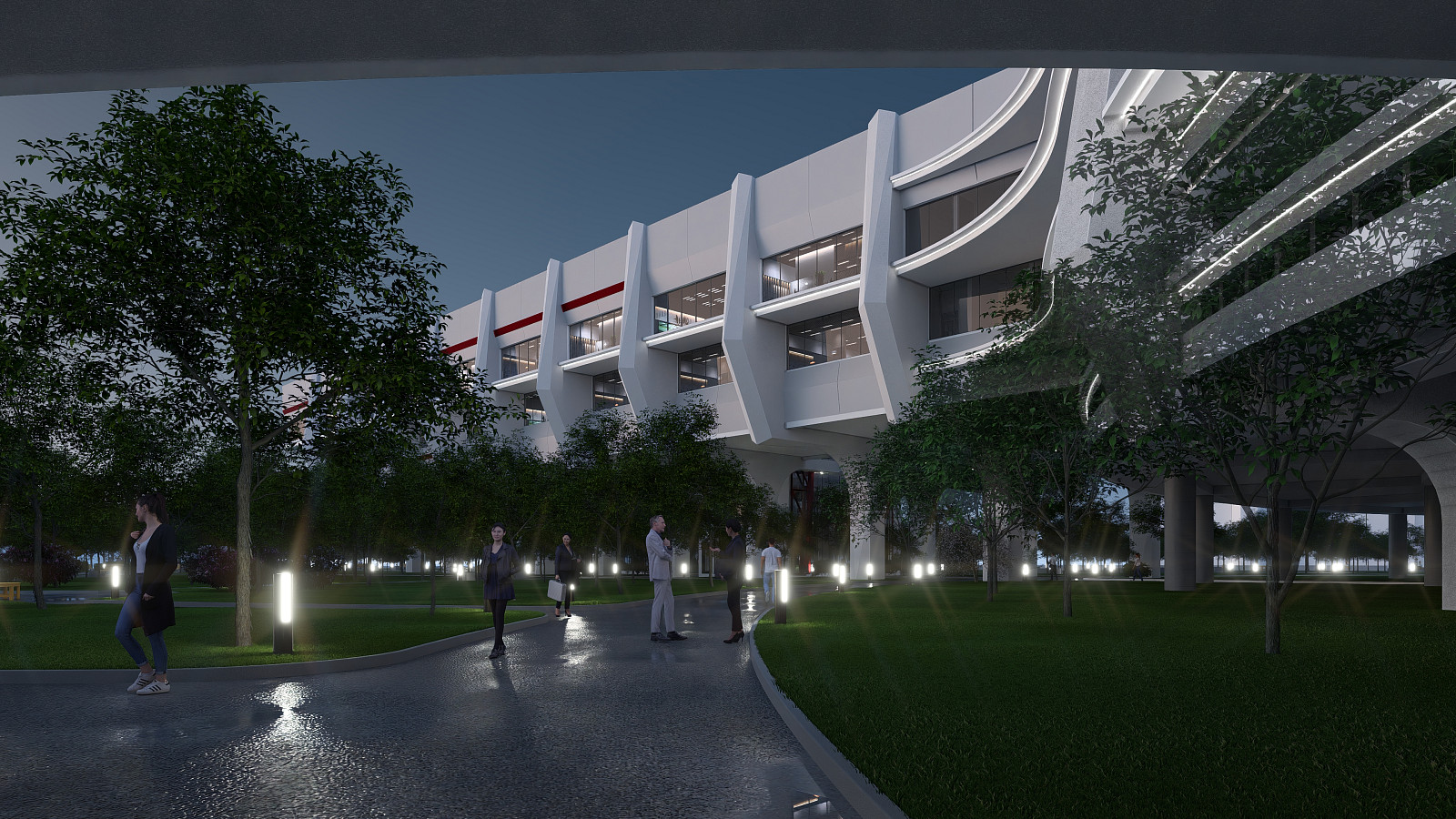
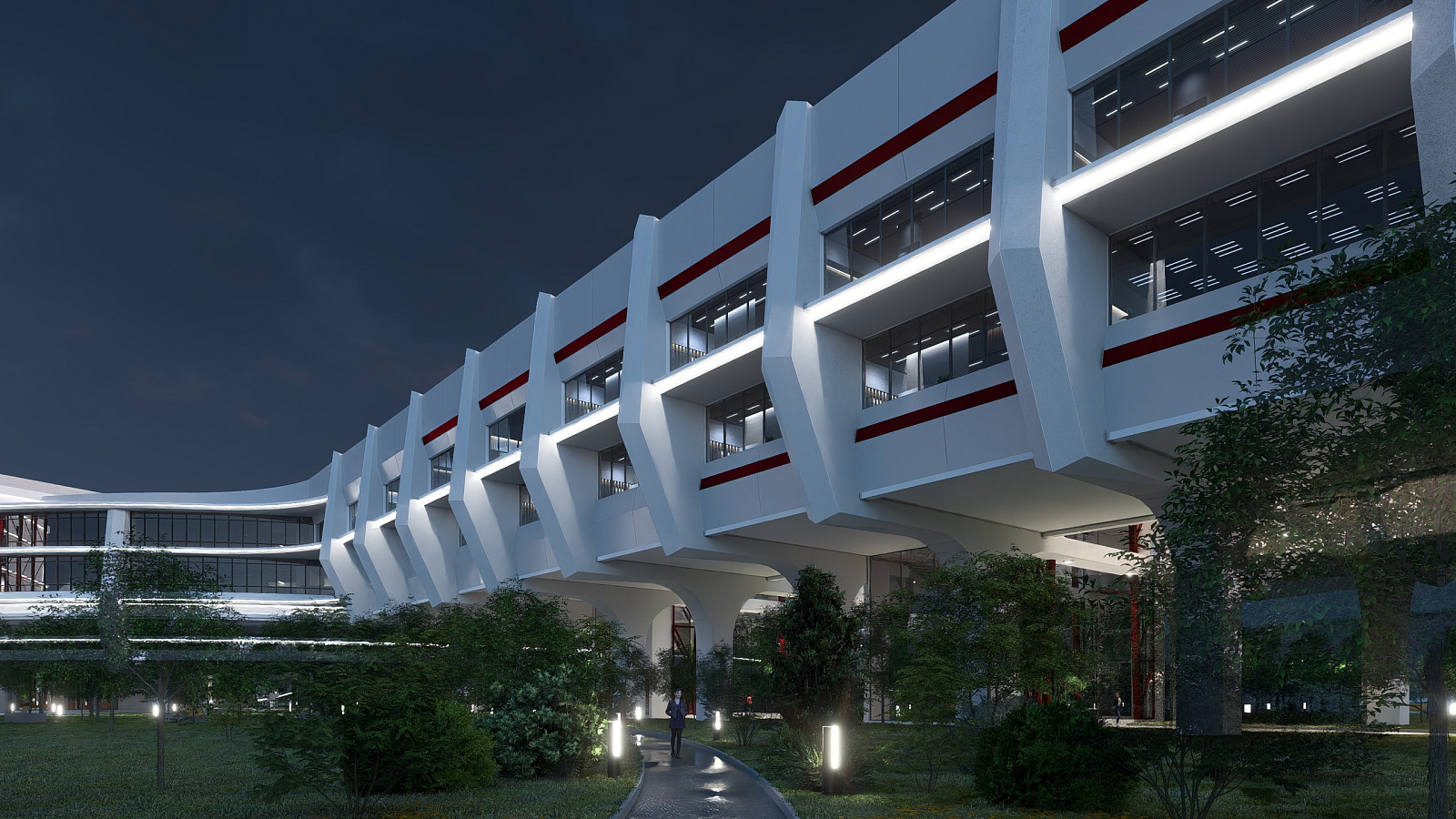
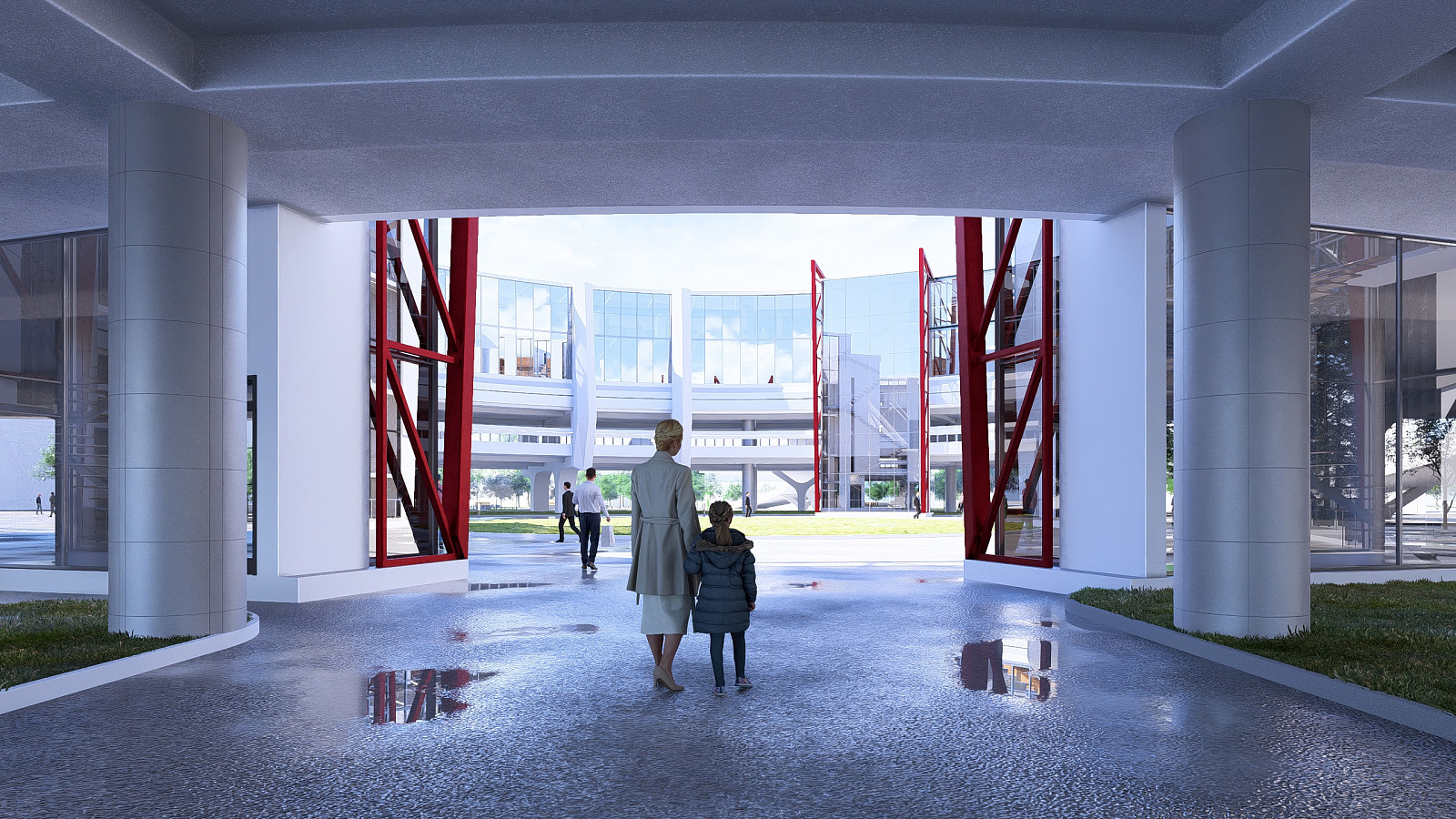
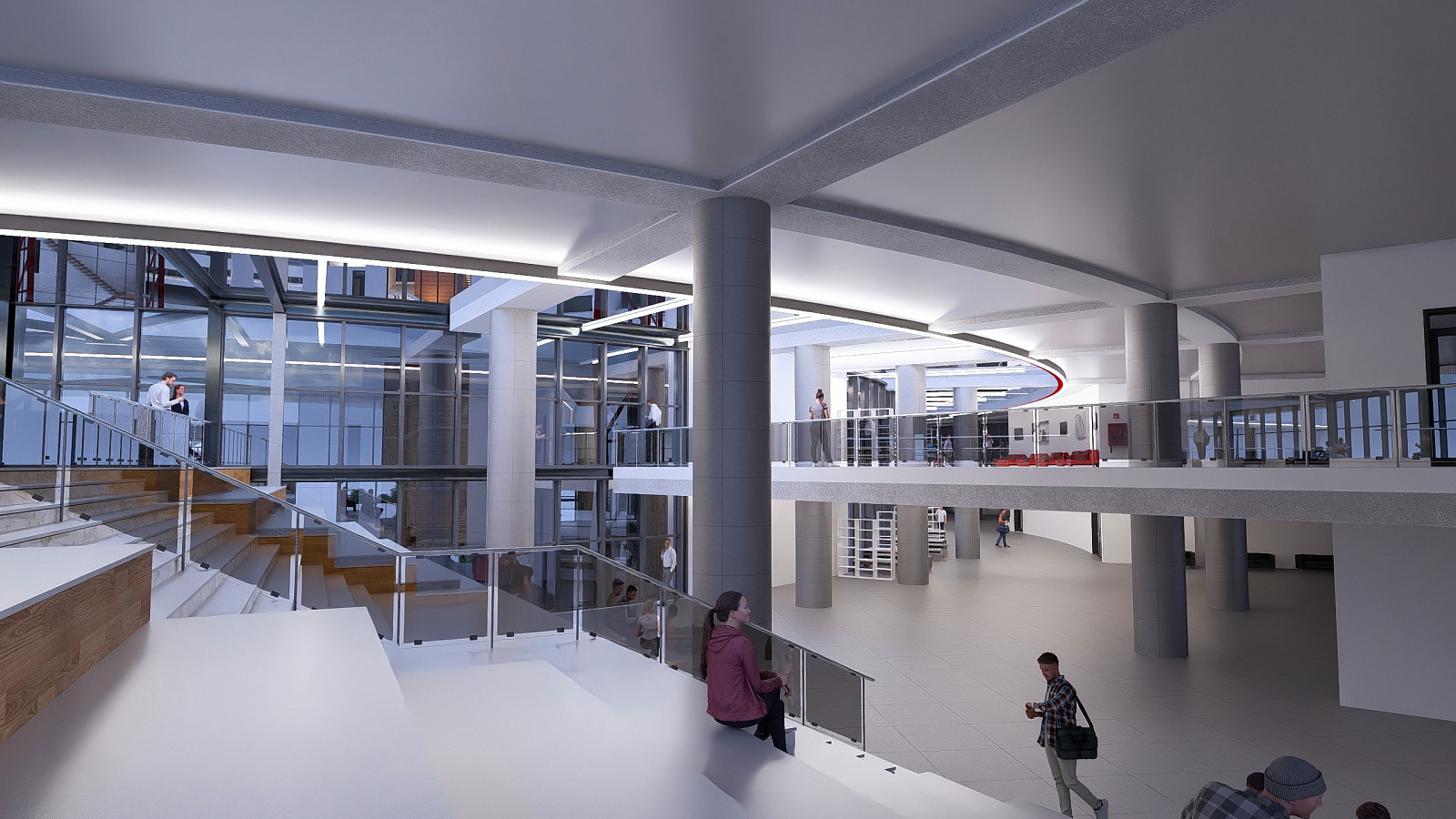
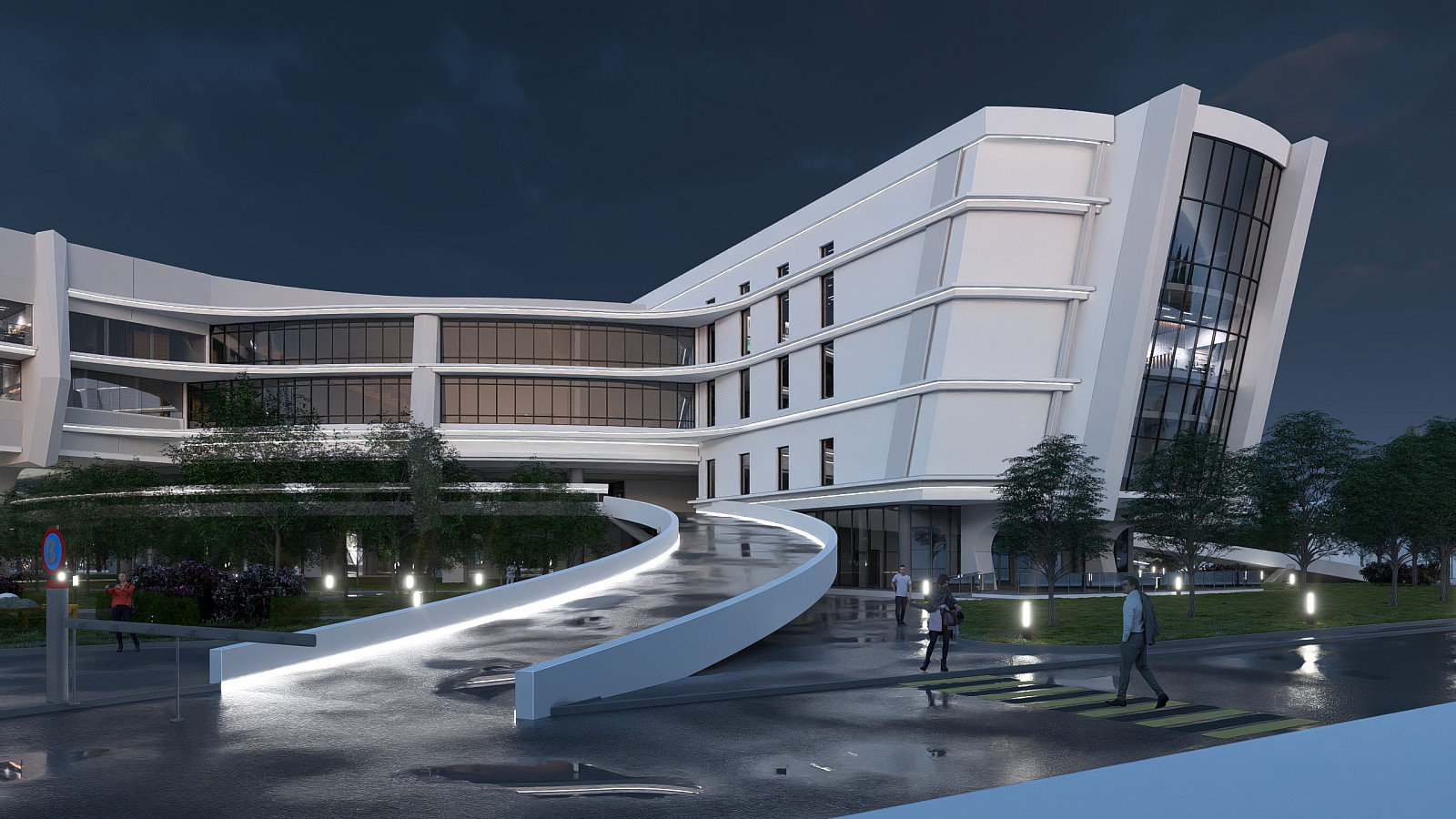
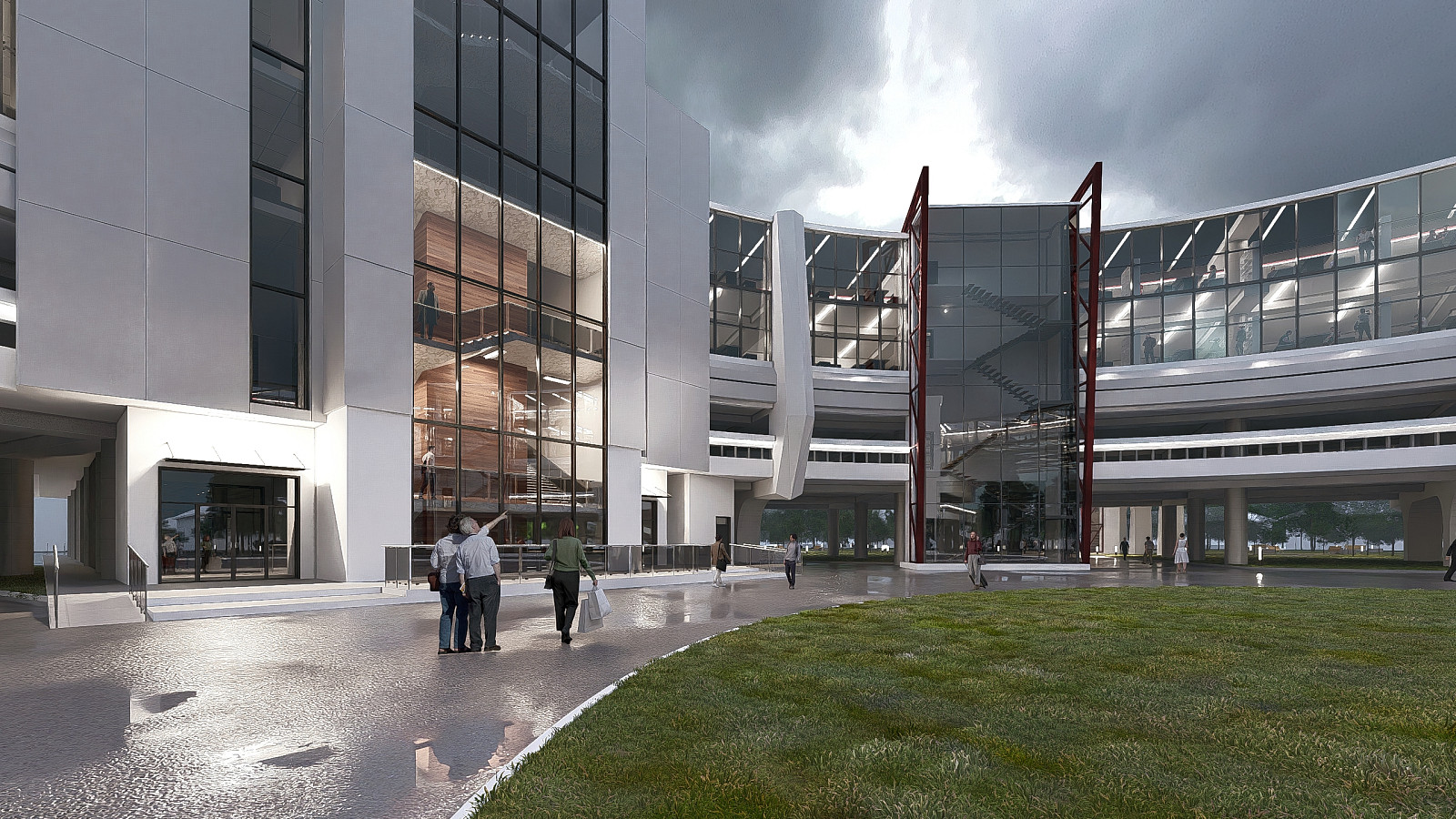
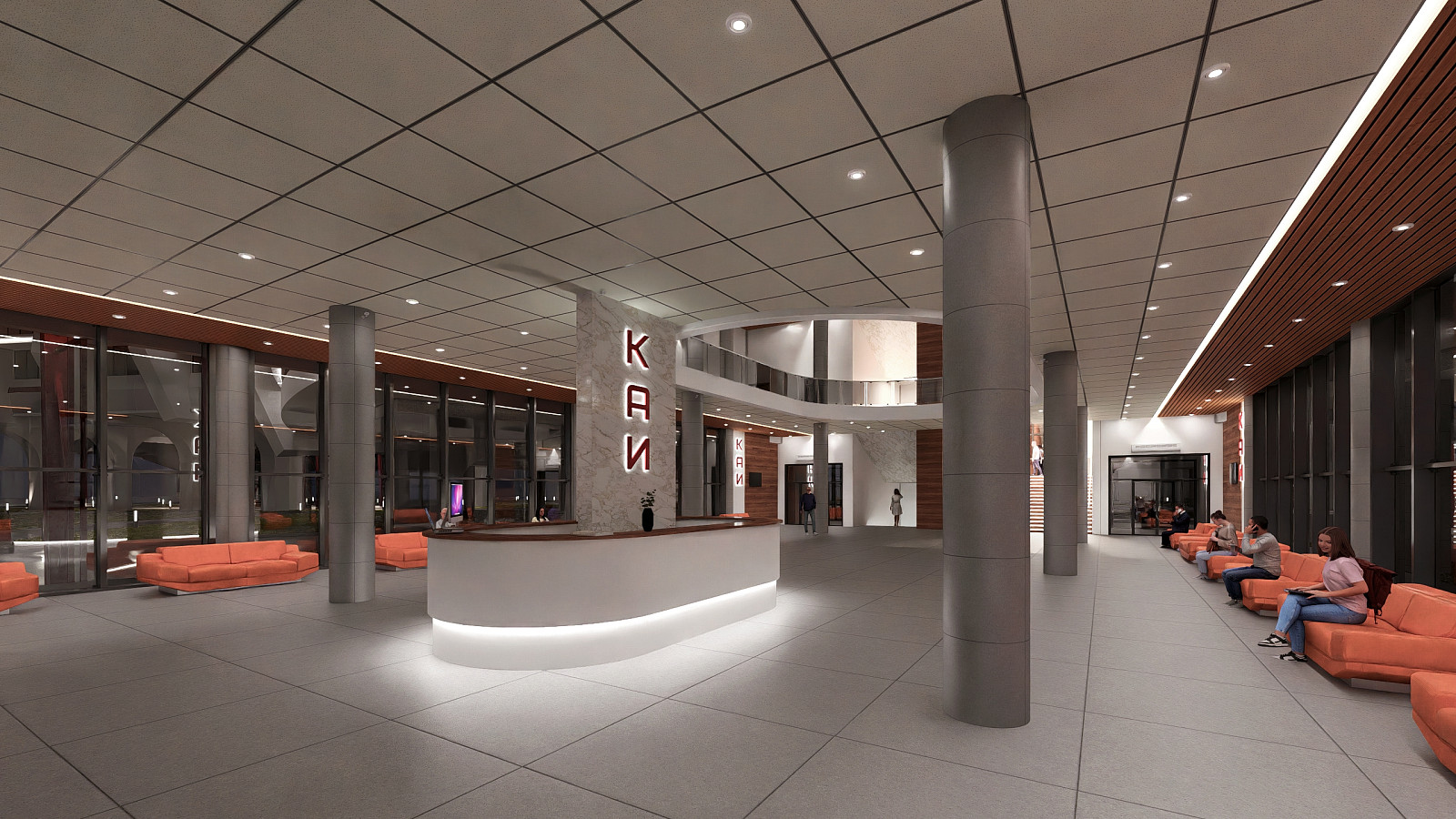
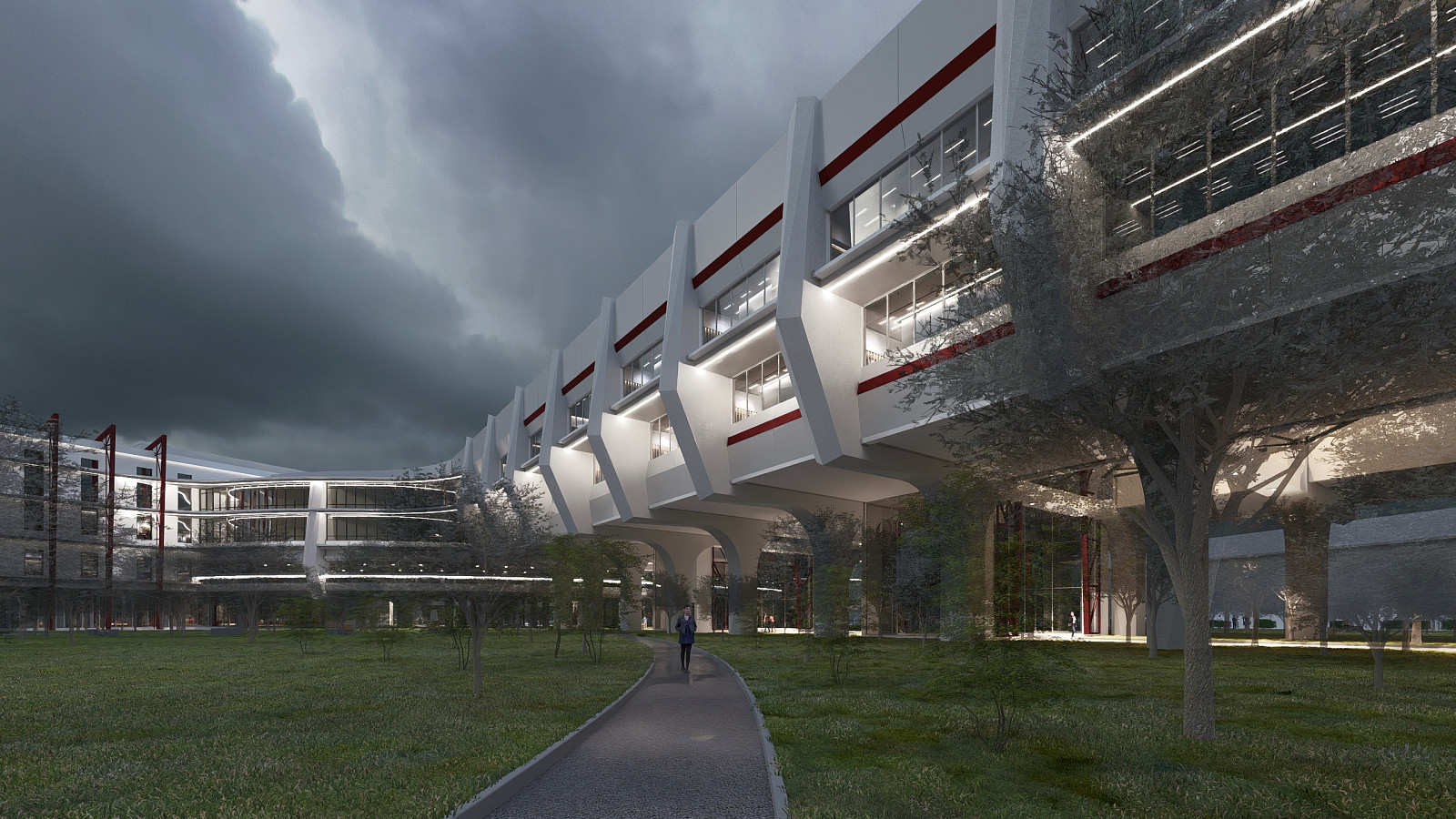
The project consists of five blocks united in a ring configuration. Two of the main blocks are ground-based entrance volumes: the primary and secondary entrance groups. These contain the institute’s key functions, including the Department of Architecture and Civil Engineering, the administration offices, an exhibition hall, a cafeteria with service and loading areas, and a library.
The remaining three blocks are academic buildings containing classrooms and teaching spaces. Within the central ring are large lecture halls with a capacity of 50 students, as well as tiered lecture auditoriums accommodating up to 220 students.
Technické informace
A monolithic reinforced concrete frame structure supported by columns, with foundations consisting of bored cast-in-place piles.
Vytvořeno pomocí:


Copyright © 2026 INSPIRELI | All rights reserved. Use of this website signifies your agreement to the Terms of Use, Privacy Policy, and use of cookies.