Hotousa Tower

Idea projektu
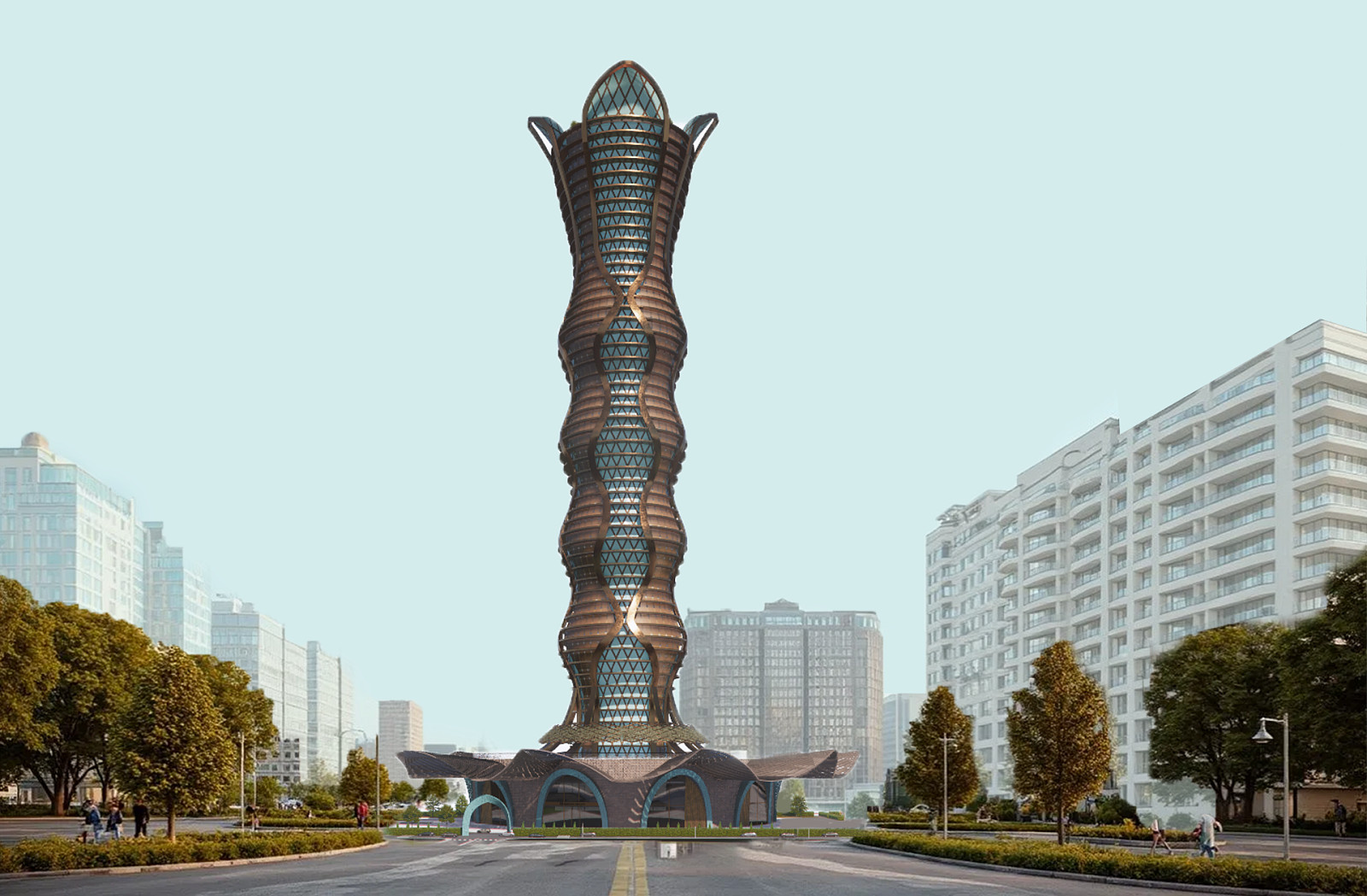
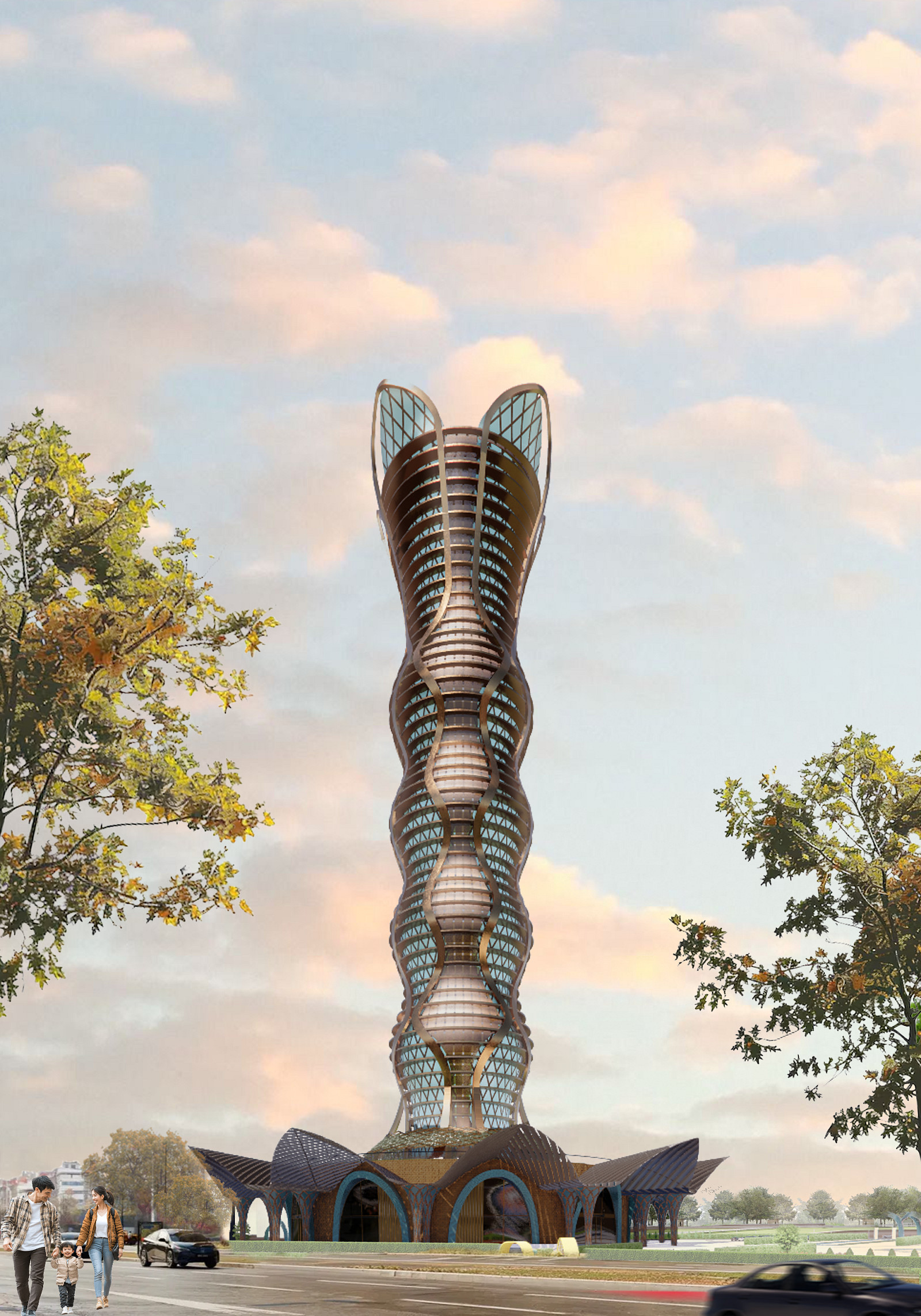
*Hotuosa Tower is conceived as a contemporary architectural statement that reconnects modern design with the enduring legacy of Iranian architecture. This connection is not merely expressed through visual references, but through deeper layers of geometry, symbolism, and spatial aesthetics that have shaped Iran’s architectural identity for centuries.
The central ambition of the project is to create a building that embodies Iranian cultural identity within a contemporary architectural language. The tower is intended to evoke the rich history, culture, and worldview embedded in Iranian architecture while functioning as an efficient, forward-looking structure for future generations. Throughout the design process, traditional geometric principles, classical proportions, and indigenous spatial concepts were carefully reinterpreted and translated into the tower’s form and envelope. The result is an architecture in which the spirit of the past remains alive within the language of the present—allowing visitors to experience both the grandeur of historical heritage and the logic and performance of contemporary design.
The name “Hotuosa” is derived from an Avestan root associated with Atossa, the daughter of Cyrus the Great. In Iranian history, Atossa represents dignity, wisdom, and a profound connection to the nation’s Achaemenid heritage. The choice of this name reinforces the project’s conceptual foundation and its dialogue with cultural memory.
Hotuosa Tower* is an attempt to create an architecture that speaks from the past while looking toward the future. It reinterprets Iranian identity through the typology of a contemporary high-rise and demonstrates that cultural heritage, when thoughtfully understood and transformed, can remain relevant and vibrant across all scales and eras.
Popis projektu
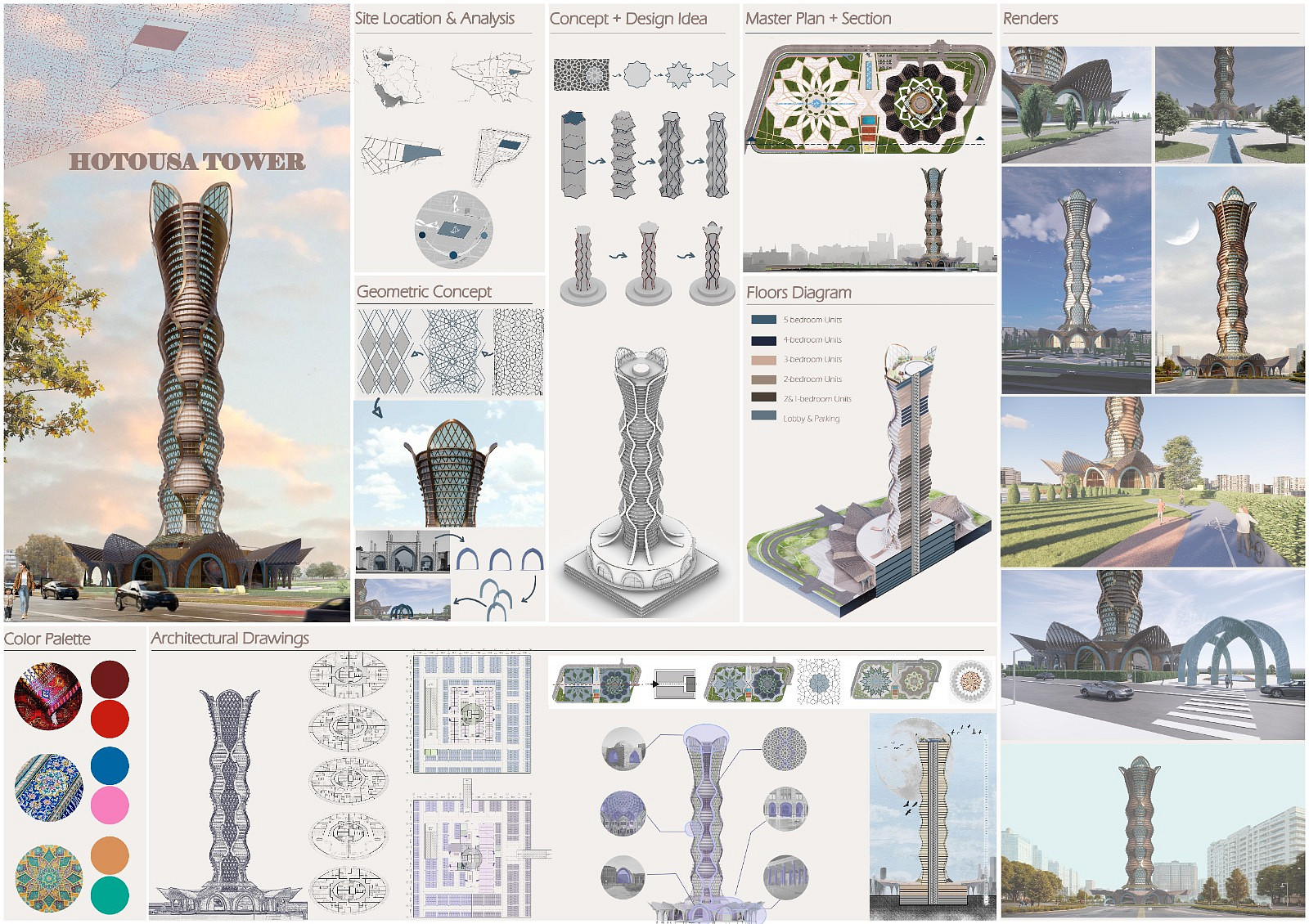
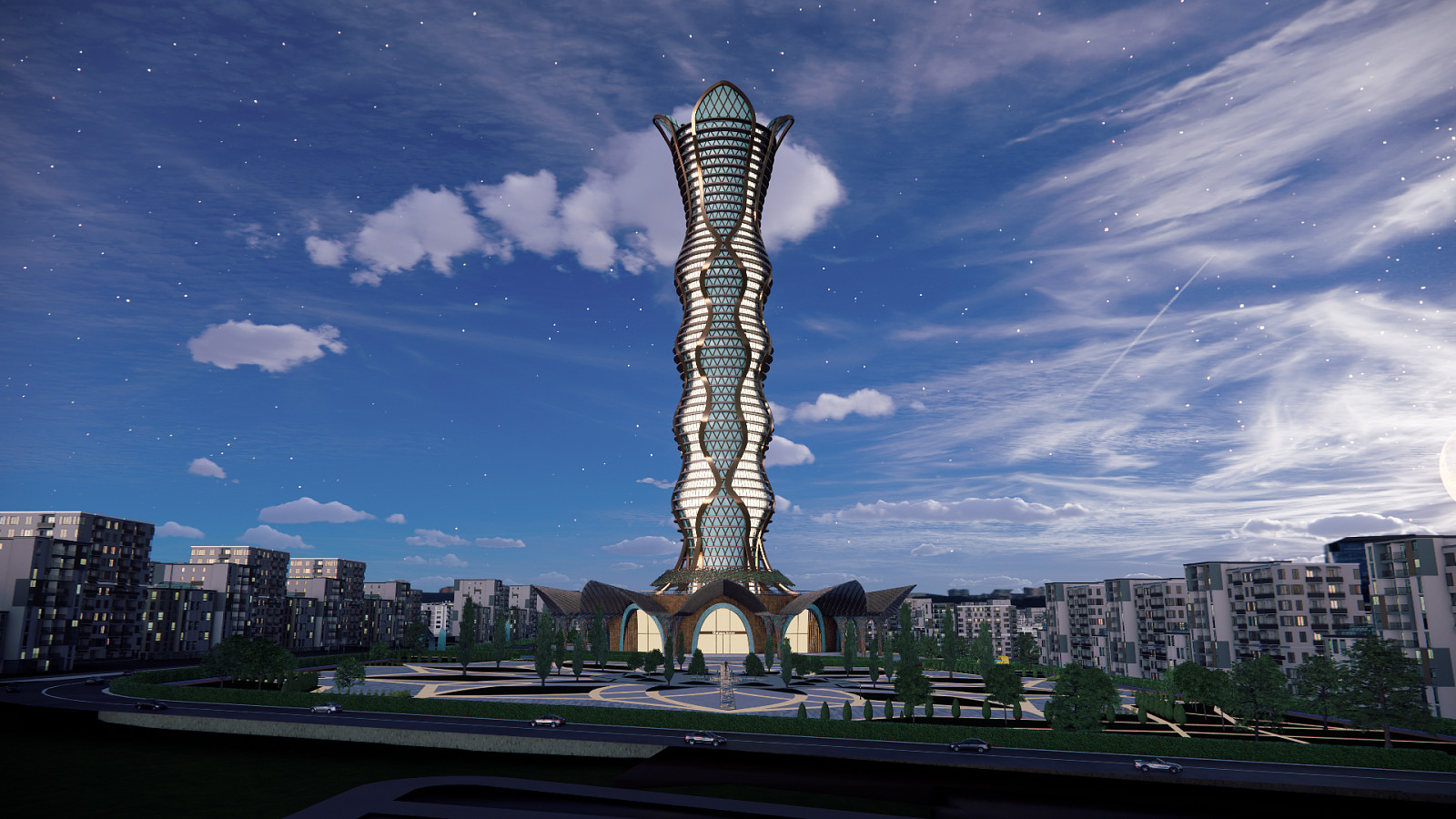
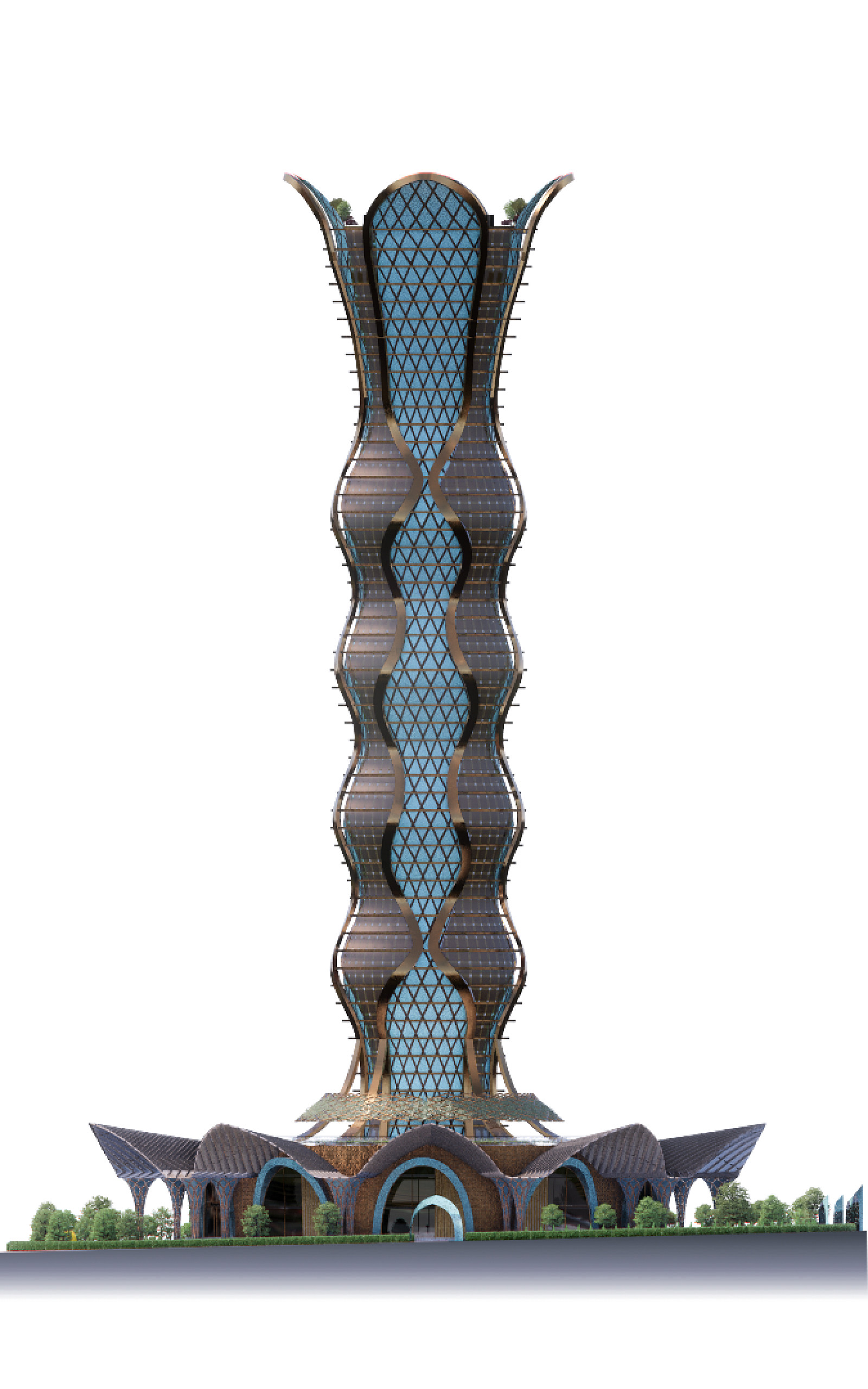
The design process of the tower began with a return to the origins of Persian geometry—a search for the underlying order embedded within Iran’s architectural heritage. The conceptual starting point was a traditional geometric knot pattern, a complex yet harmonious system whose internal proportions inspired the formation of the tower’s primary mass. By extracting and reinterpreting these proportional relationships, the initial geometric framework of the tower emerged: a form grounded in mathematical order and the enduring spirit of Persian architecture.
In the next stage, this foundational geometry was revisited and transformed. Through the derivation of new proportional systems, slender, flowing bands were generated across the façade, introducing a sense of movement and dynamism to the building envelope.
The tower’s skin was developed through a contemporary abstraction of traditional Persian geometric patterns. A continuous and ordered lattice of diamond-shaped modules was created, reflecting the disciplined logic and spatial richness of Persian ornamental architecture. The rhythmic repetition of lines and proportions gives rise to a unified and refined form—one that quietly expresses the identity, harmony, and intrinsic balance of Iranian architectural tradition.
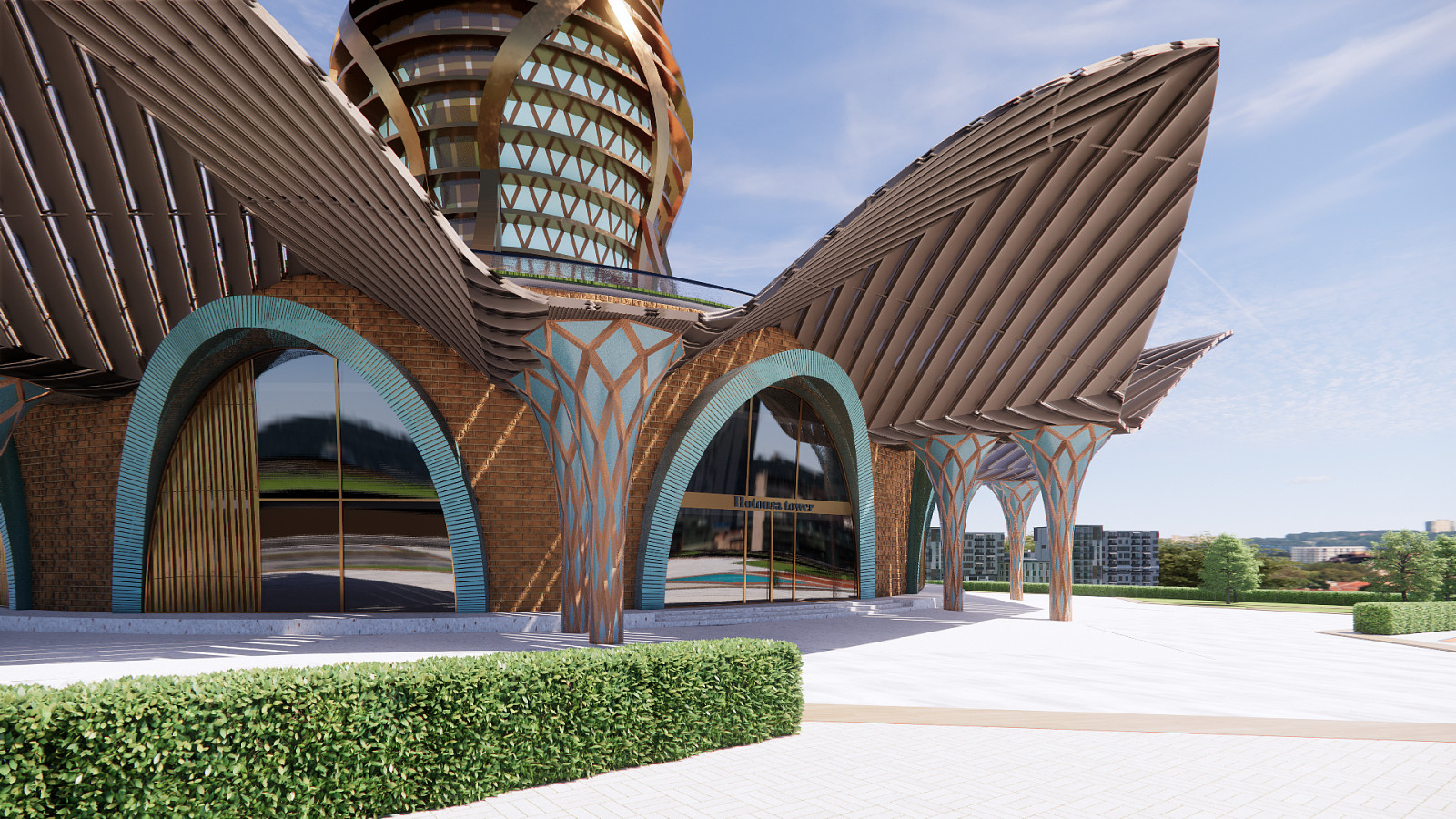
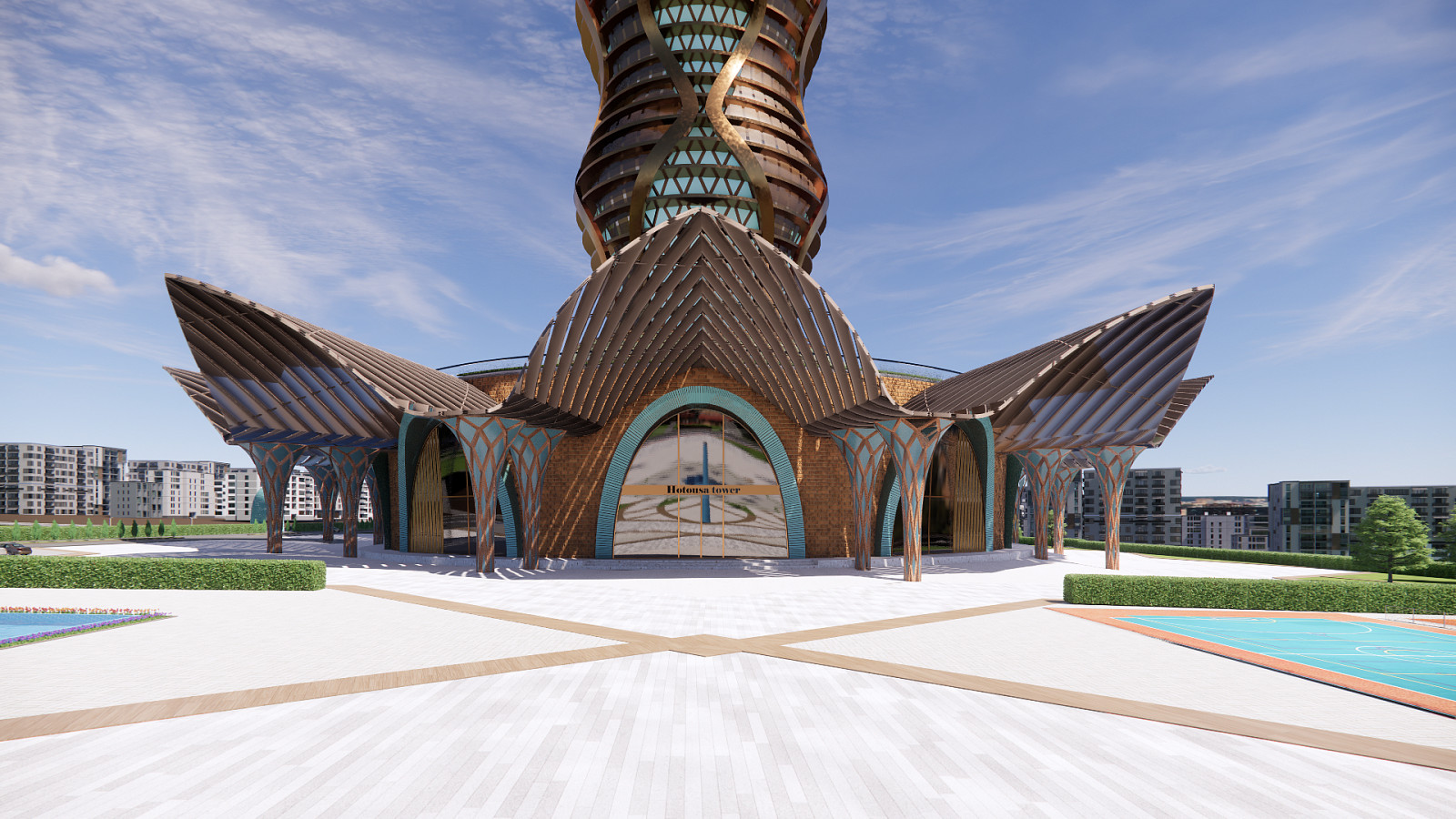
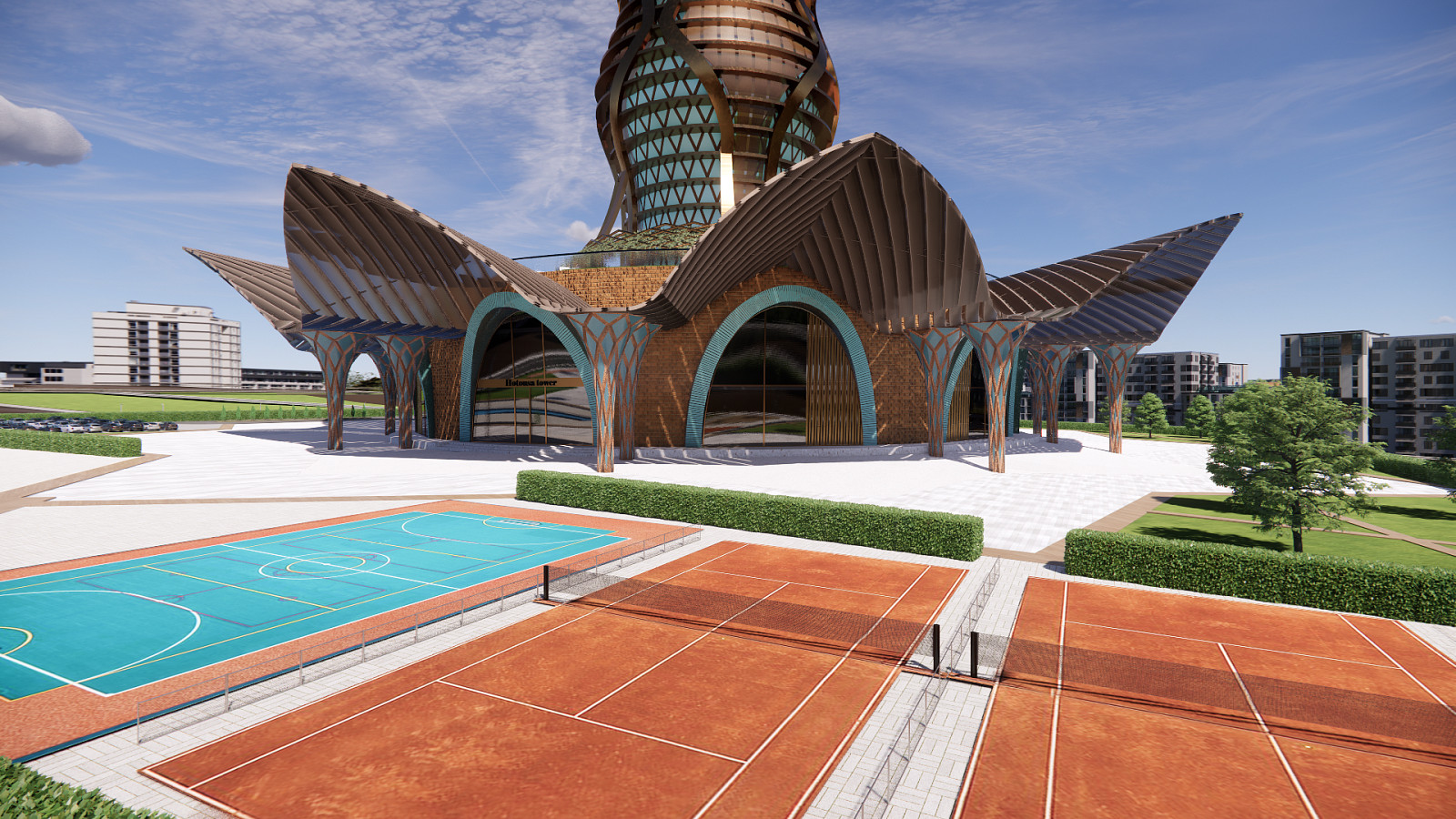
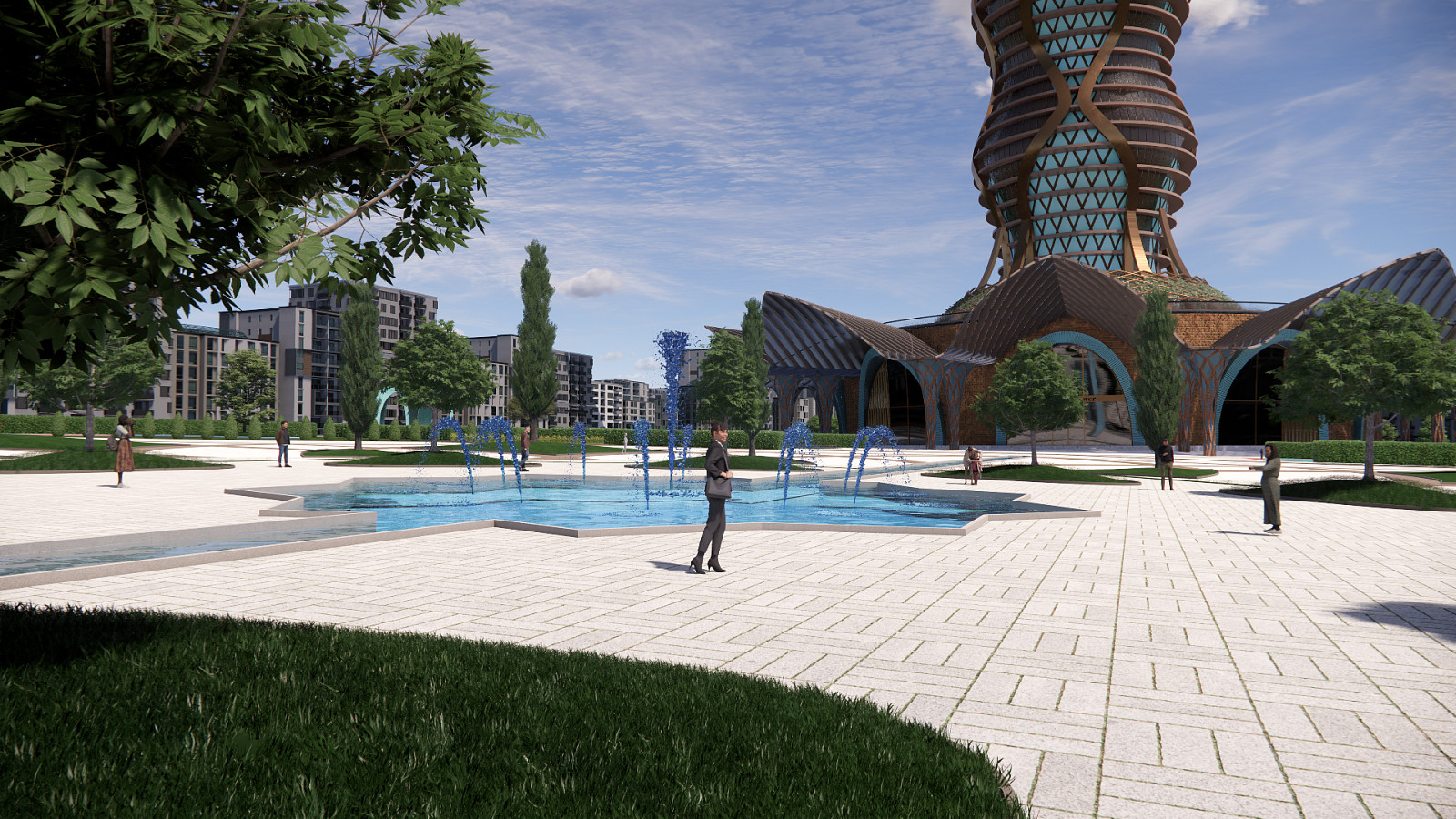
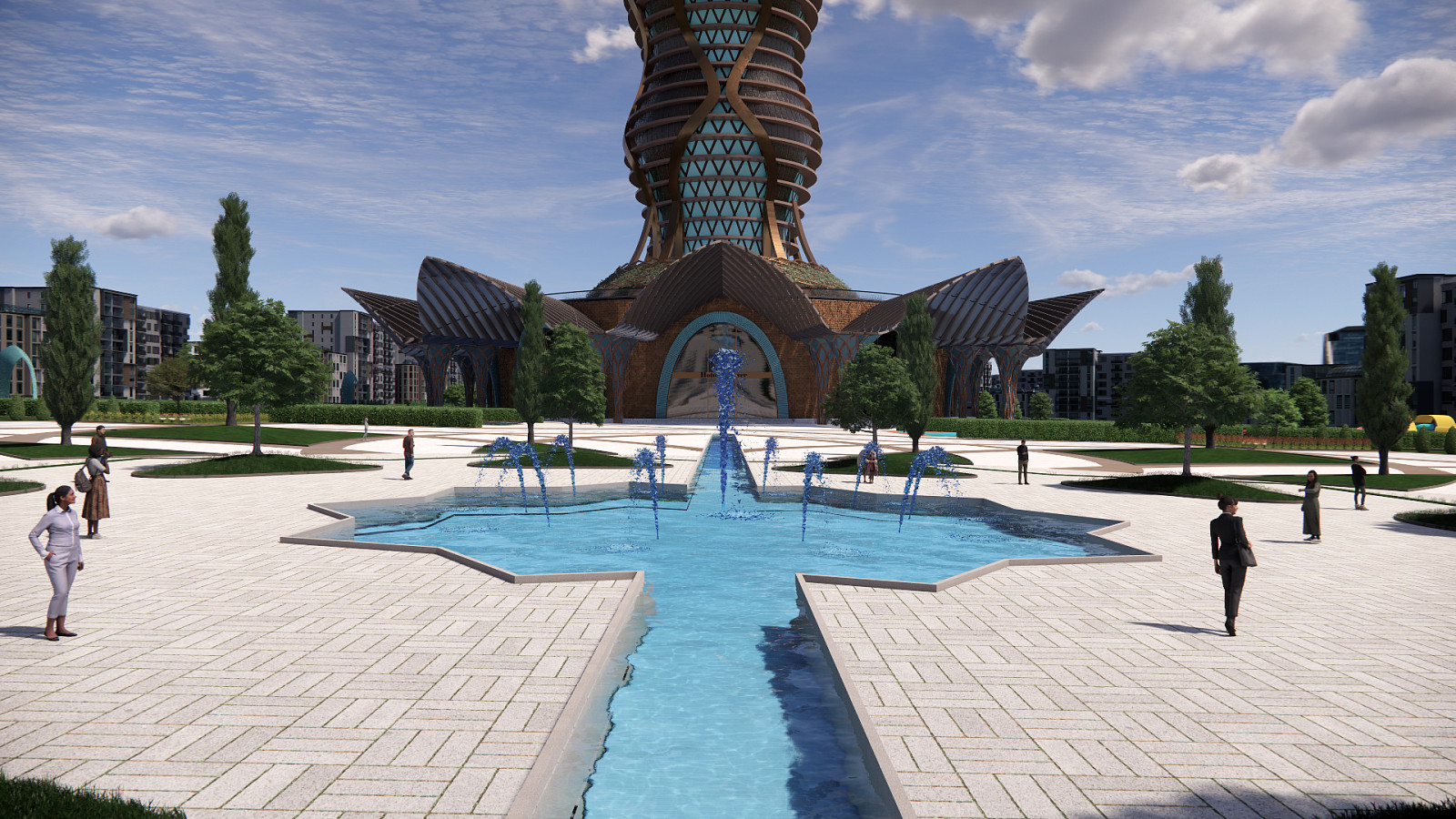
The podium and structural base of the tower draw inspiration from the colonnades of the Apadana Palace and the ceremonial entrance spaces of Golestan Palace. Rather than a literal historical imitation, this reference represents a reinterpretation of their spatial order and architectural grandeur. As a result, the lower levels of the tower are articulated through a sequence of regular columns, creating a transitional realm between earth and sky, between human scale and monumental structure.
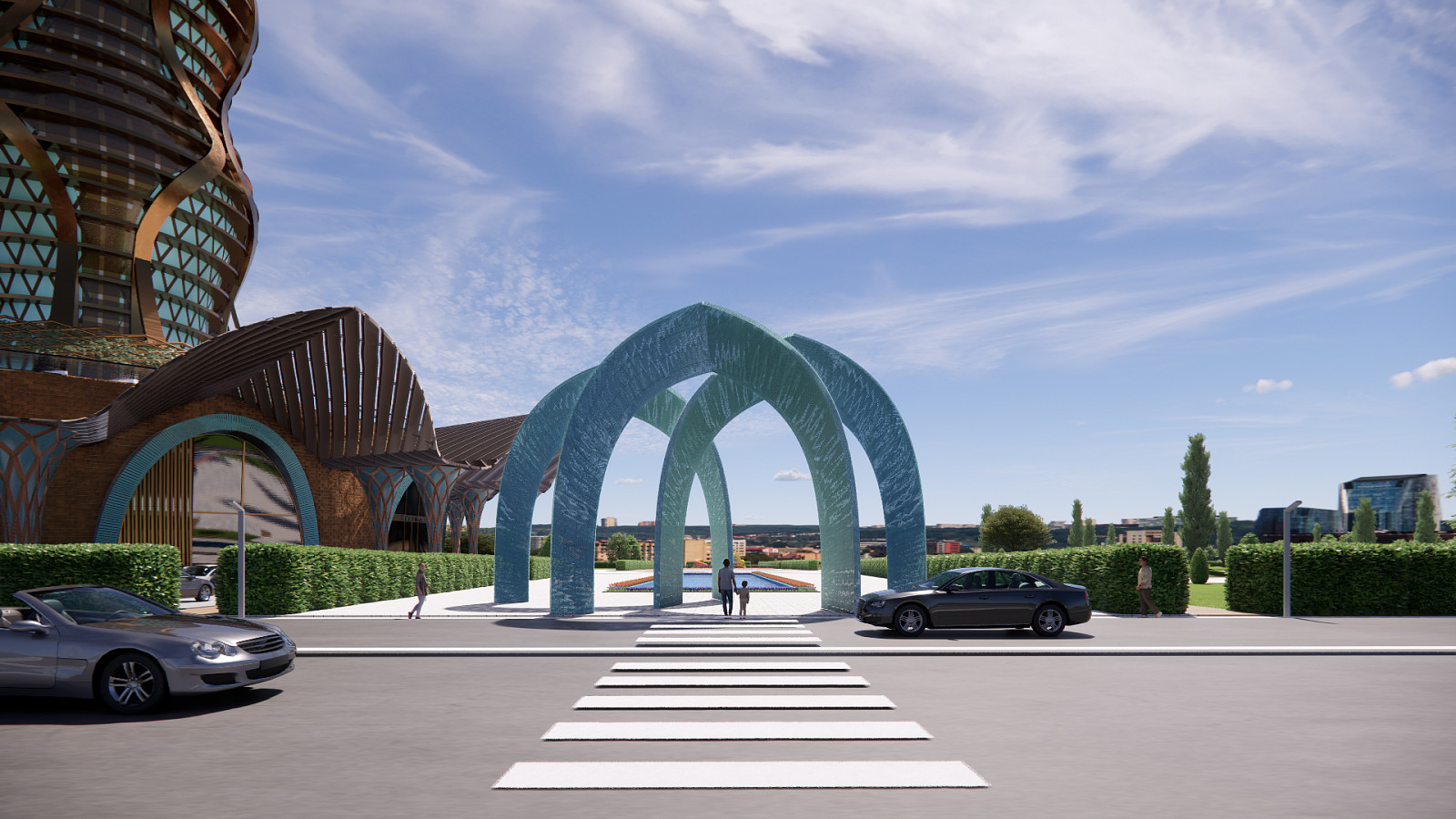
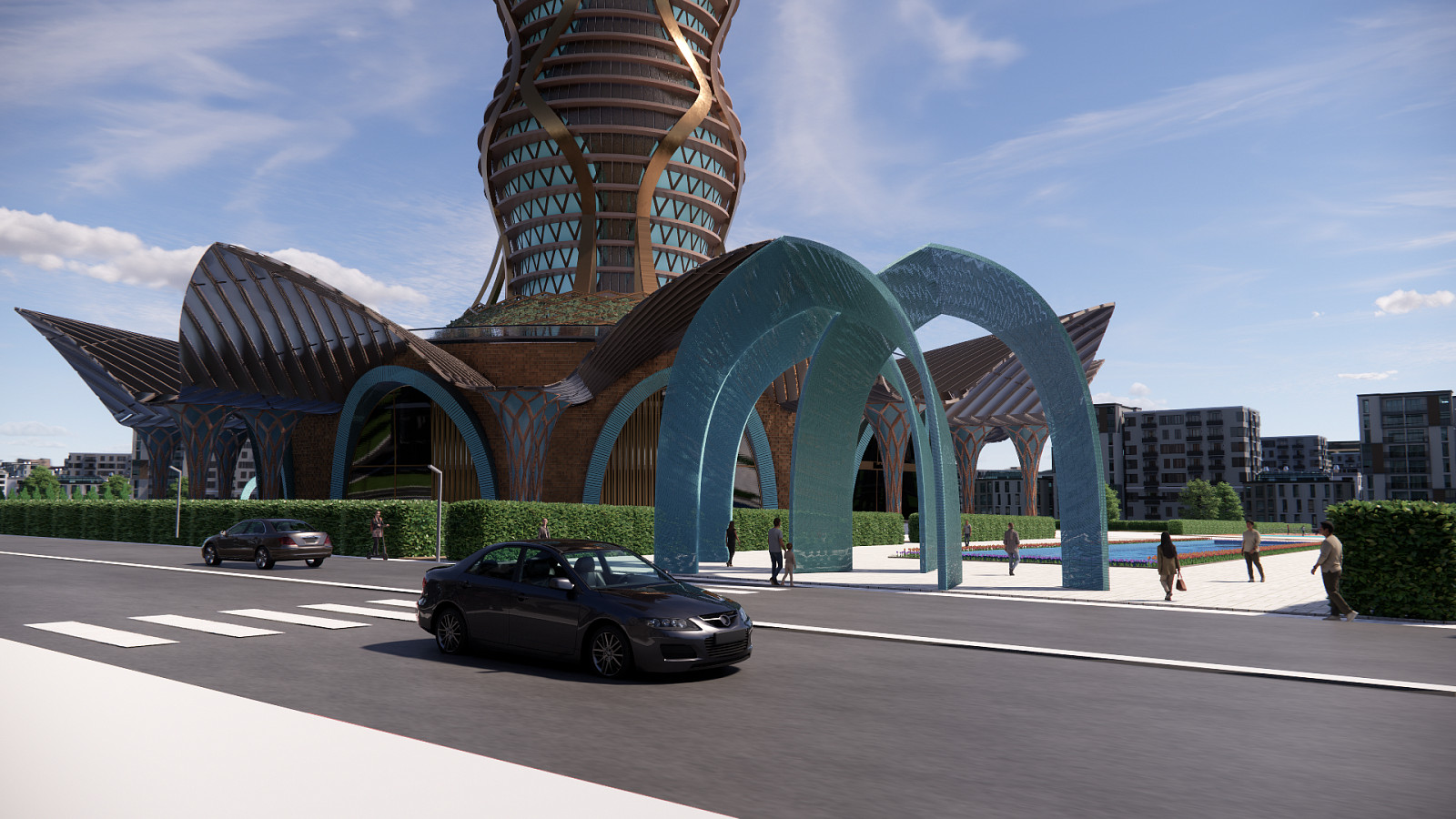
The design of the main entrances incorporates the proportional principles of the Taq Kasra arch, preserving a sense of invitation, dignity, and monumentality. Finally, the tower crown is inspired by the concept of the Persian Chahar-Taq, a spatial archetype where geometry converges toward a center and light becomes the defining architectural element.
Technické informace
In the design of this tower, color is not treated as a decorative element, but as a cultural essence and a carrier of meaning. The six colors employed throughout the design process are derived from internationally recognized Iranian color palettes—tones that each evoke aspects of Iran’s landscape, artistic heritage, and aesthetic tradition.
The first three colors (shown on the right side of the palette) informed the tower’s form-making and façade composition, shaping an architectural expression that conveys dignity and a distinctly Iranian identity within the urban fabric. The remaining three colors (on the left side of the palette) served as the foundation for the project's visual presentations and graphic language.
This work is an attempt to create a dialogue between architecture and collective memory, between the geometry of thought and the emotion of color. The Iranian Tower stands as a narrative of cultural continuity in the contemporary era—an exploration of how beauty can be reinterpreted and expressed through the language of today.
Dokumentace


Copyright © 2026 INSPIRELI | All rights reserved. Use of this website signifies your agreement to the Terms of Use, Privacy Policy, and use of cookies.