Repurposing of the Abandoned Barlo Mining Site: Proposed Bamboo Livelihood Training Complex Integrated with an Agroecological Pa


Idea projektu
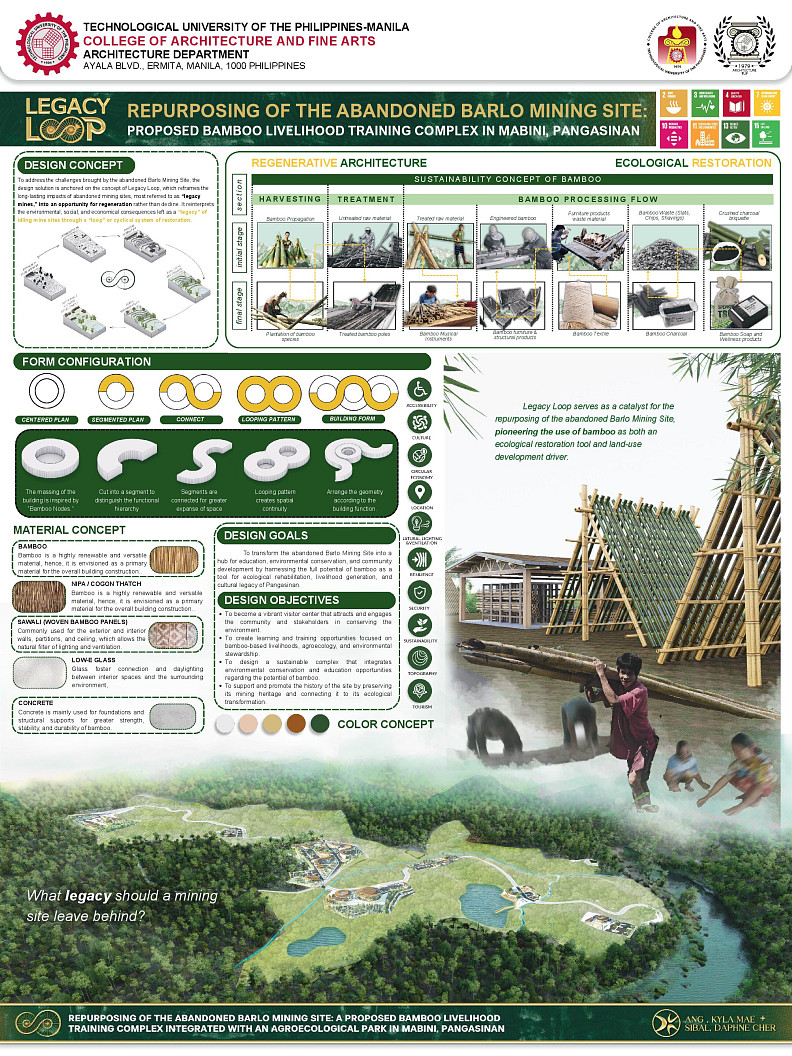
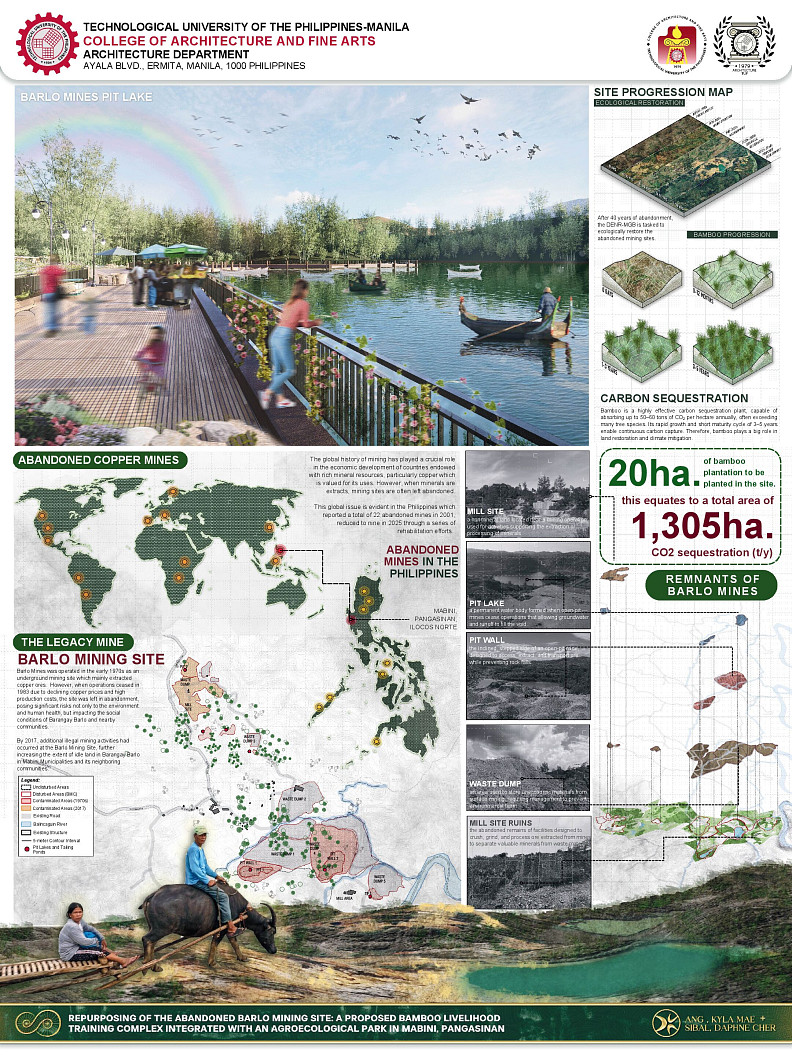
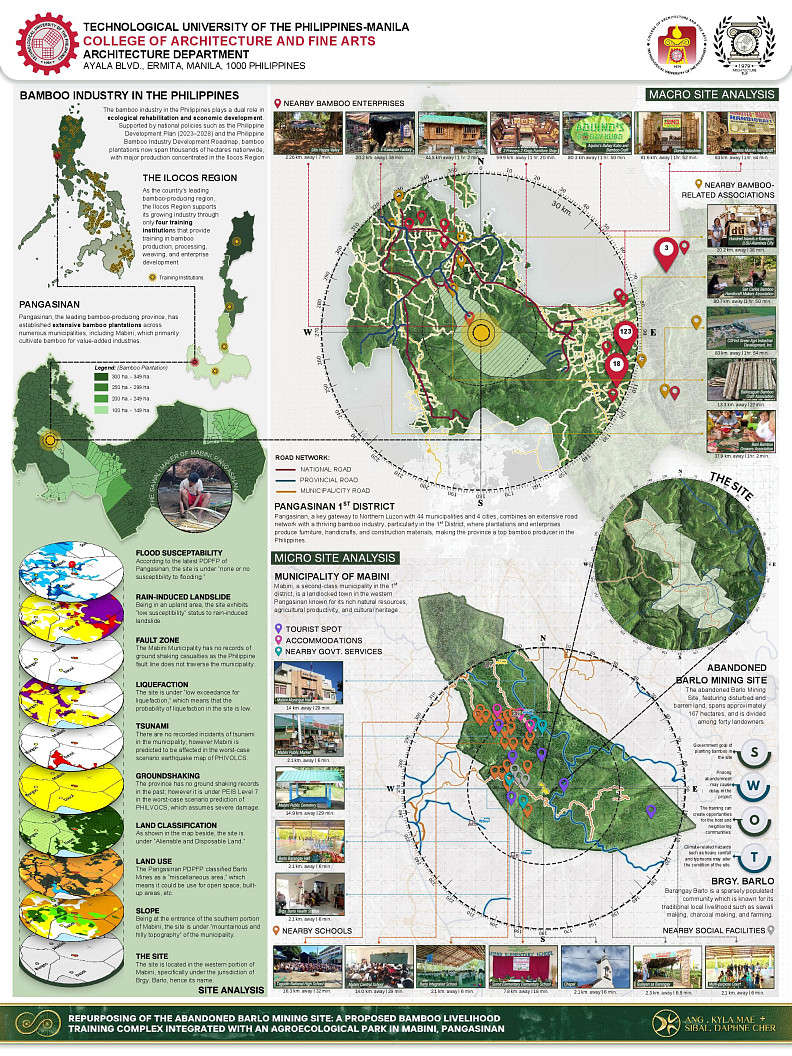
The repurposing of the Barlo Mining Site in Mabini, Pangasinan was conceived as a response to the challenges brought from its 42 years of abandonment. It aims to reframe the long-lasting impacts of abandoned mining sites, most referred to as “legacy mines,” into an opportunity for regeneration rather than decline. It reinterprets the environmental, social, and economical consequences left as a “legacy” of idling mine sites through a “loop” or cyclical system of restoration.
Therefore, Legacy Loop proposes a land regeneration concept that transforms the abandoned mining area into a hub for education, environmental conservation, and community development. By harnessing the full potential of bamboo, the project promotes ecological rehabilitation, sustainable livelihoods, and the preservation of Pangasinan’s cultural legacy.
Popis projektu
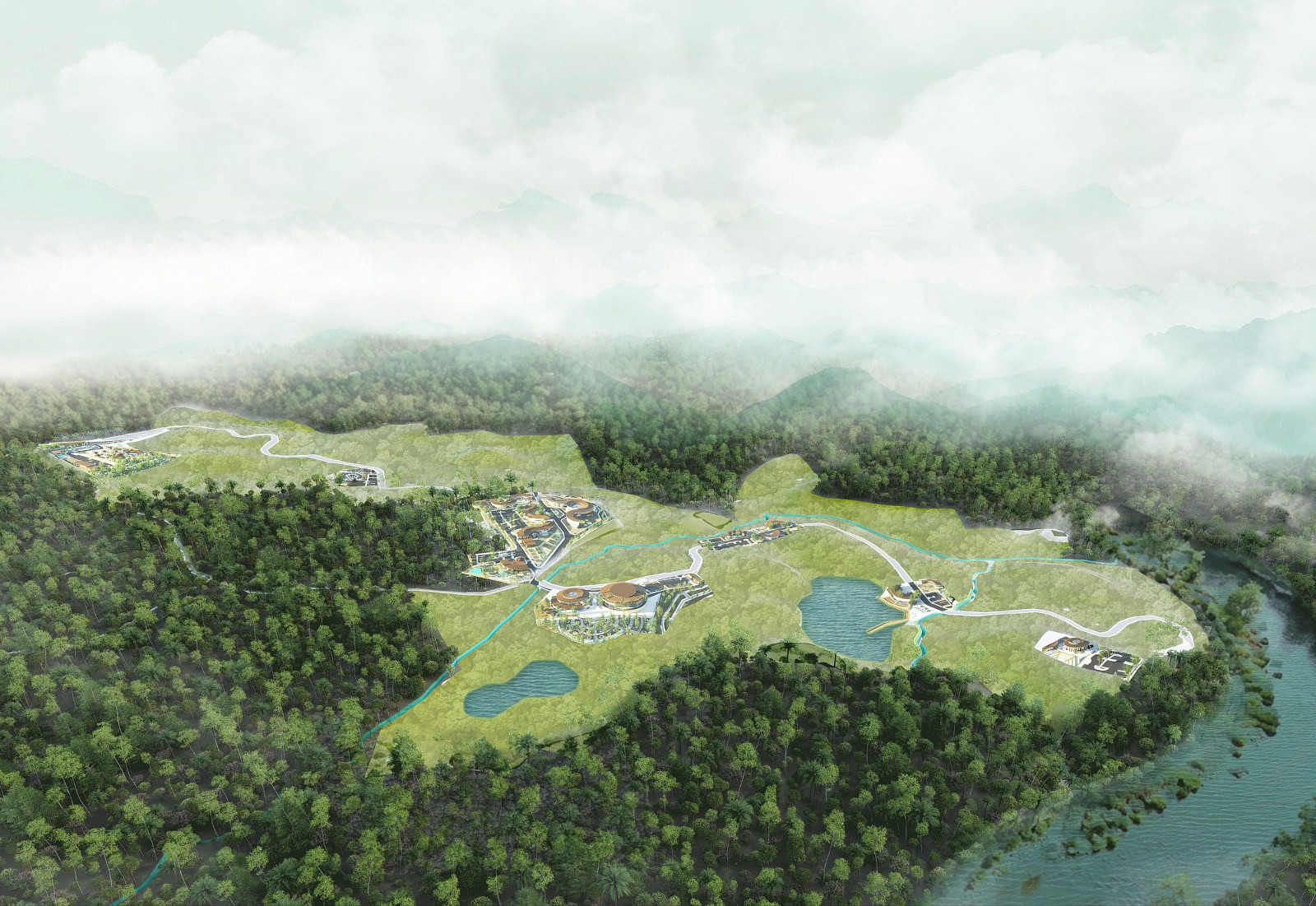
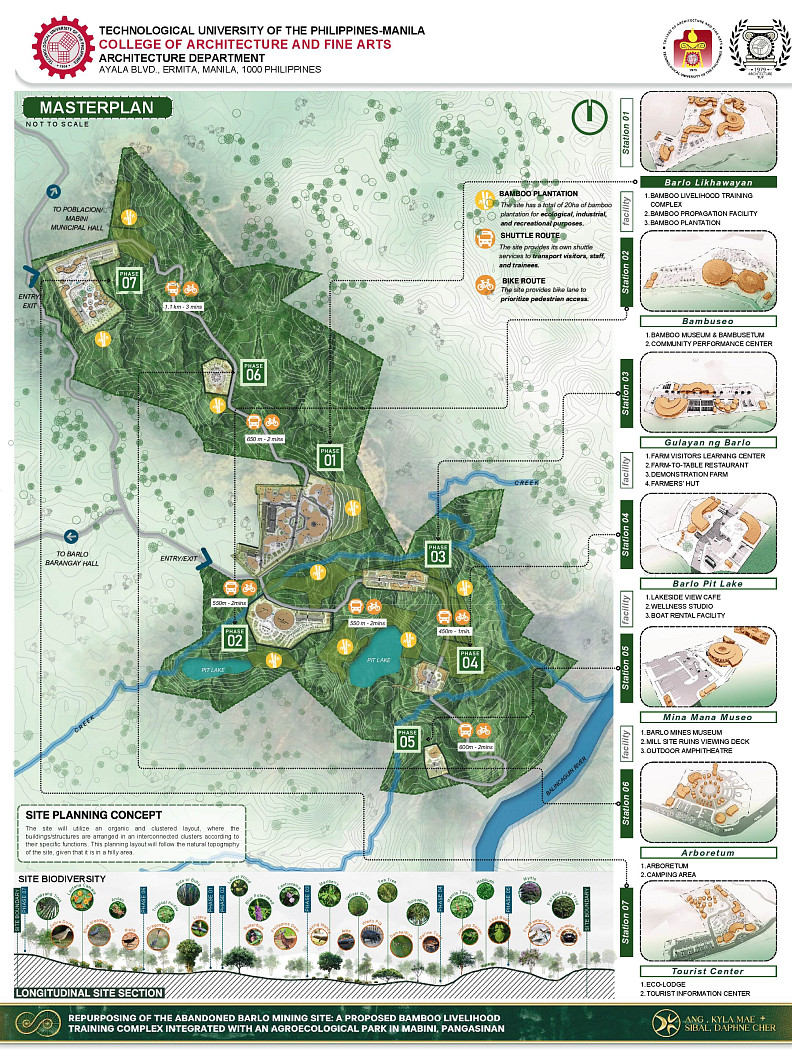
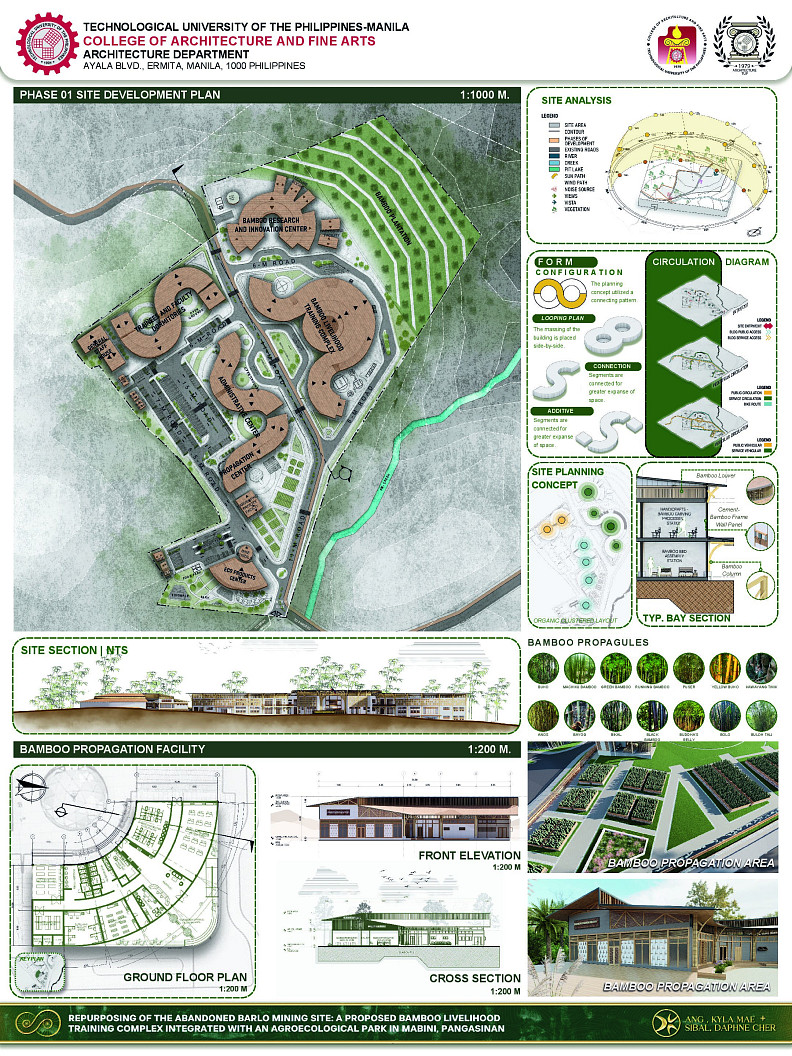
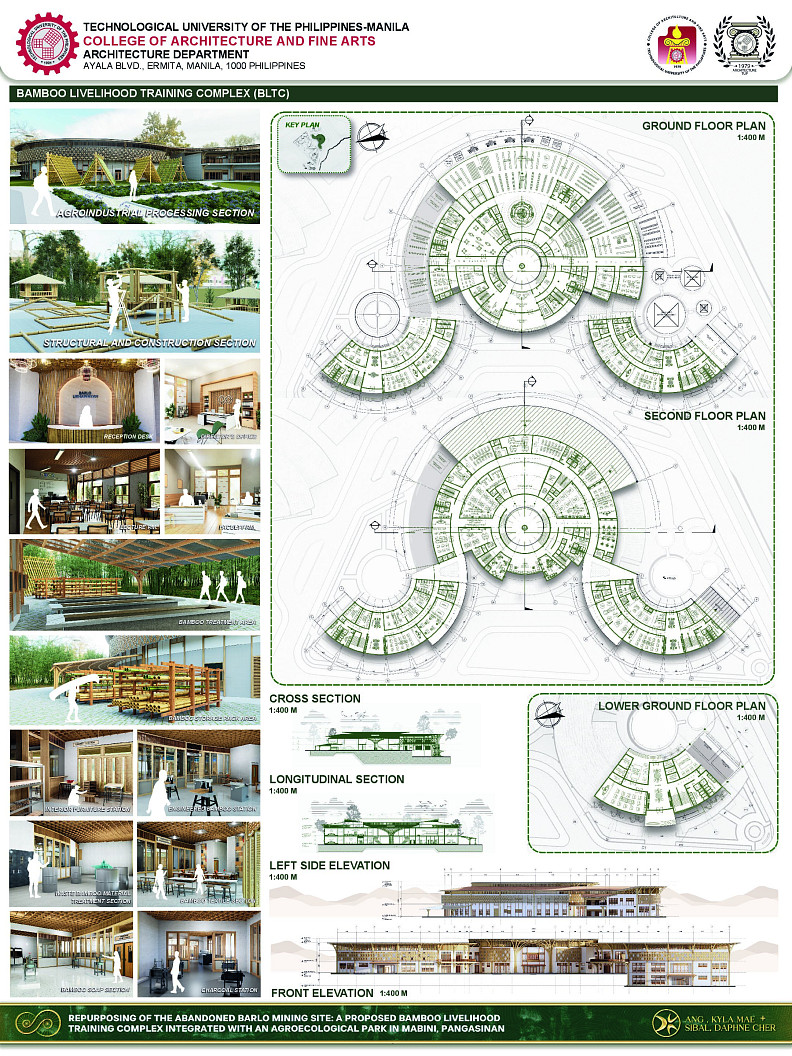
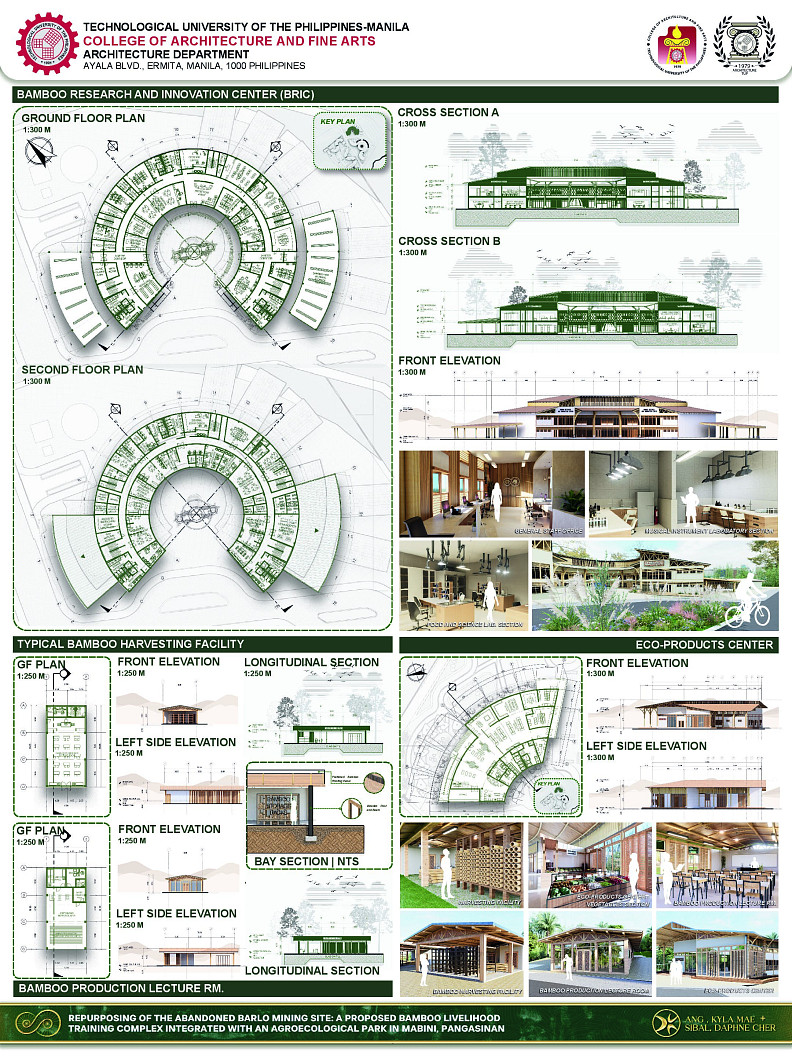
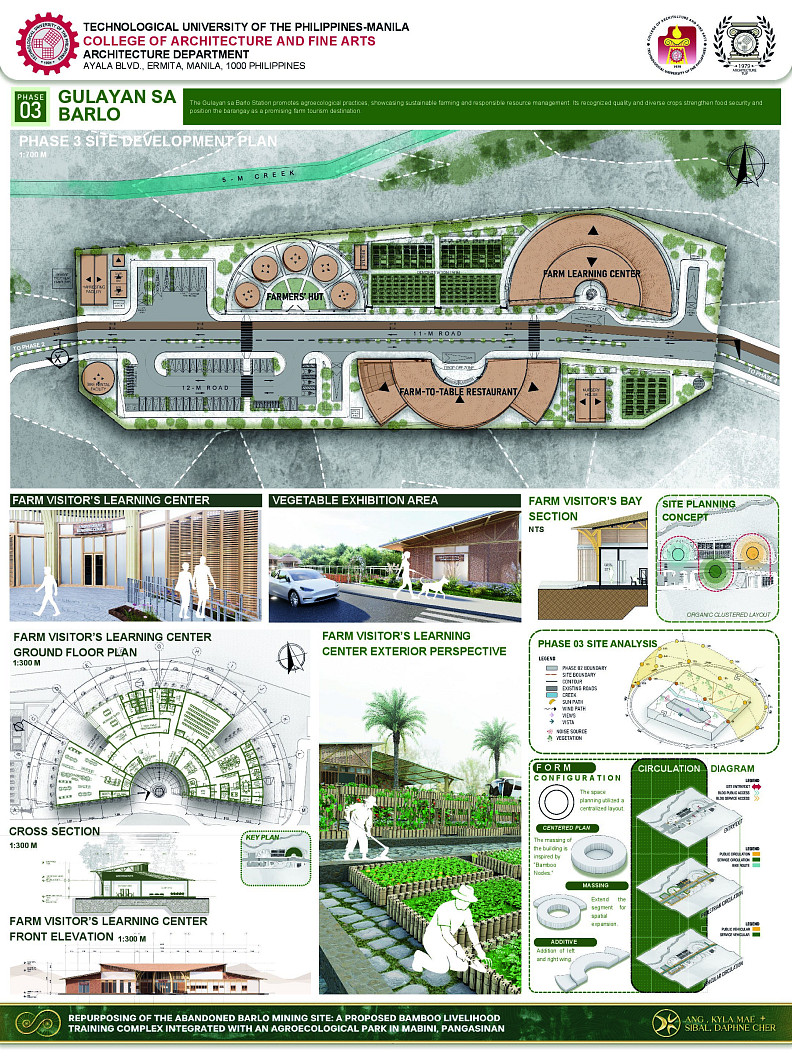
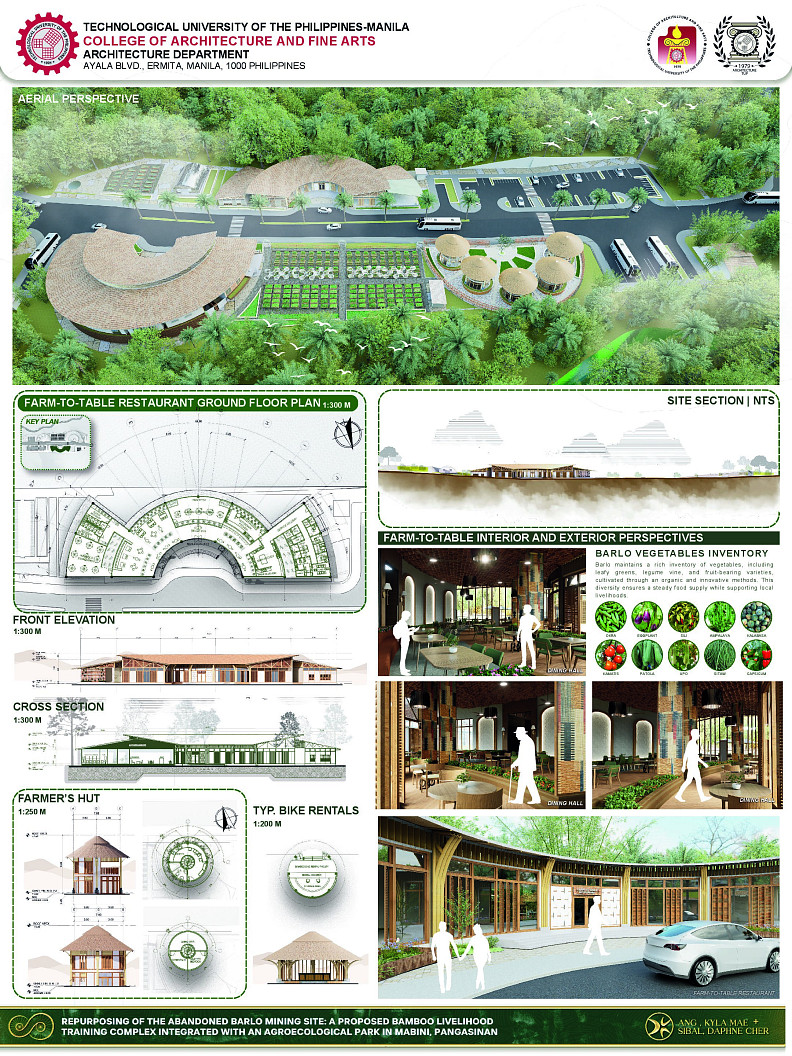
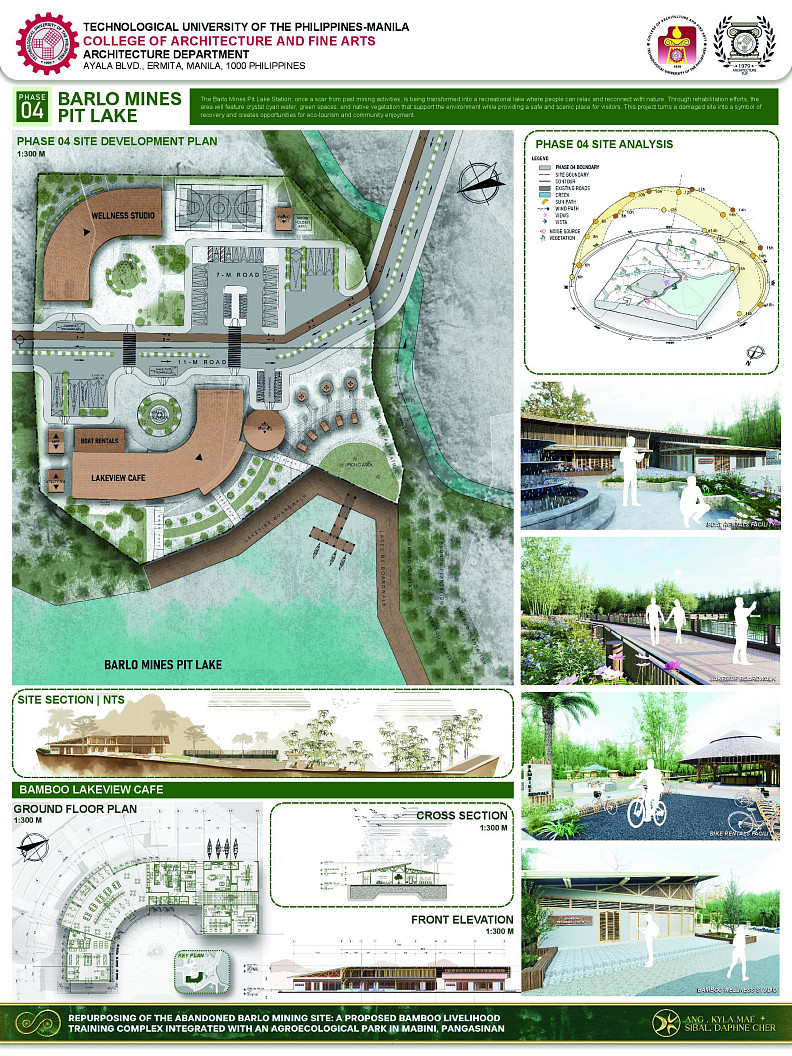
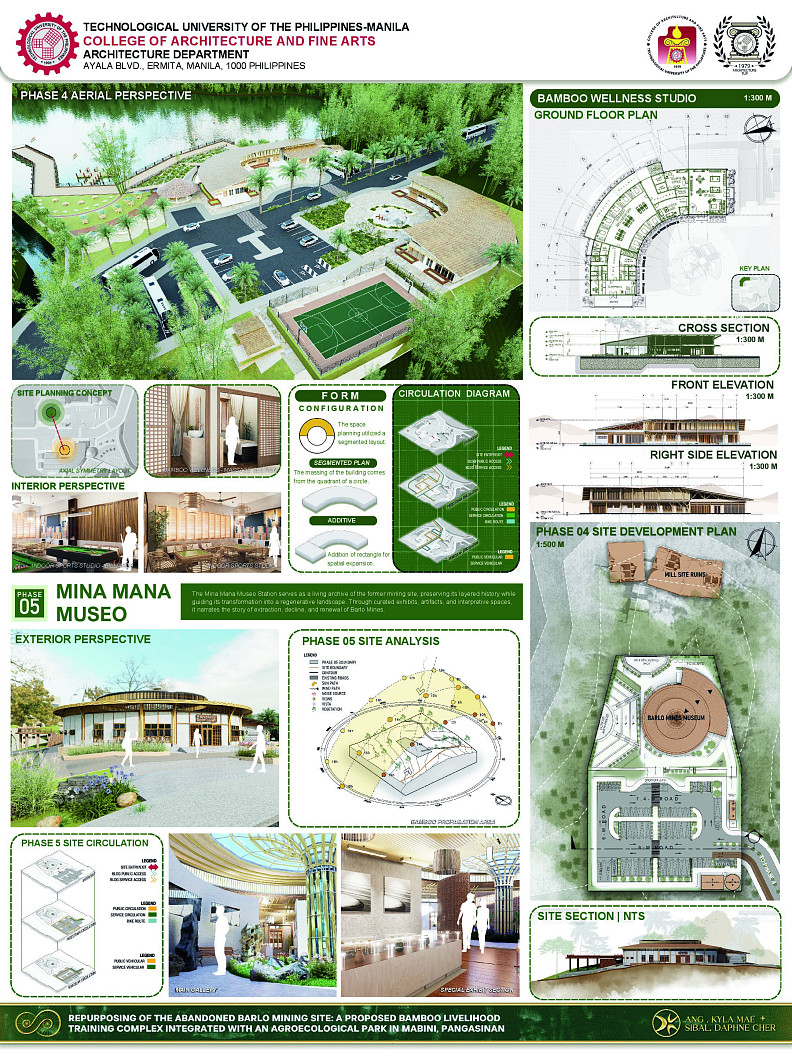
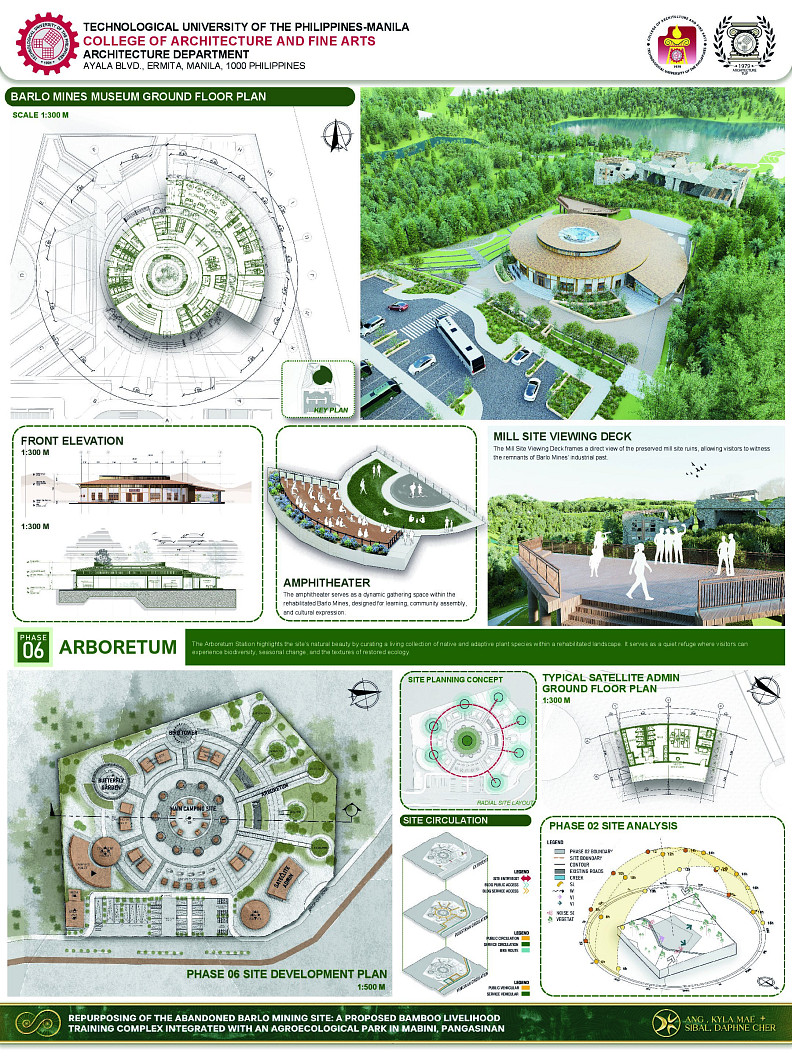
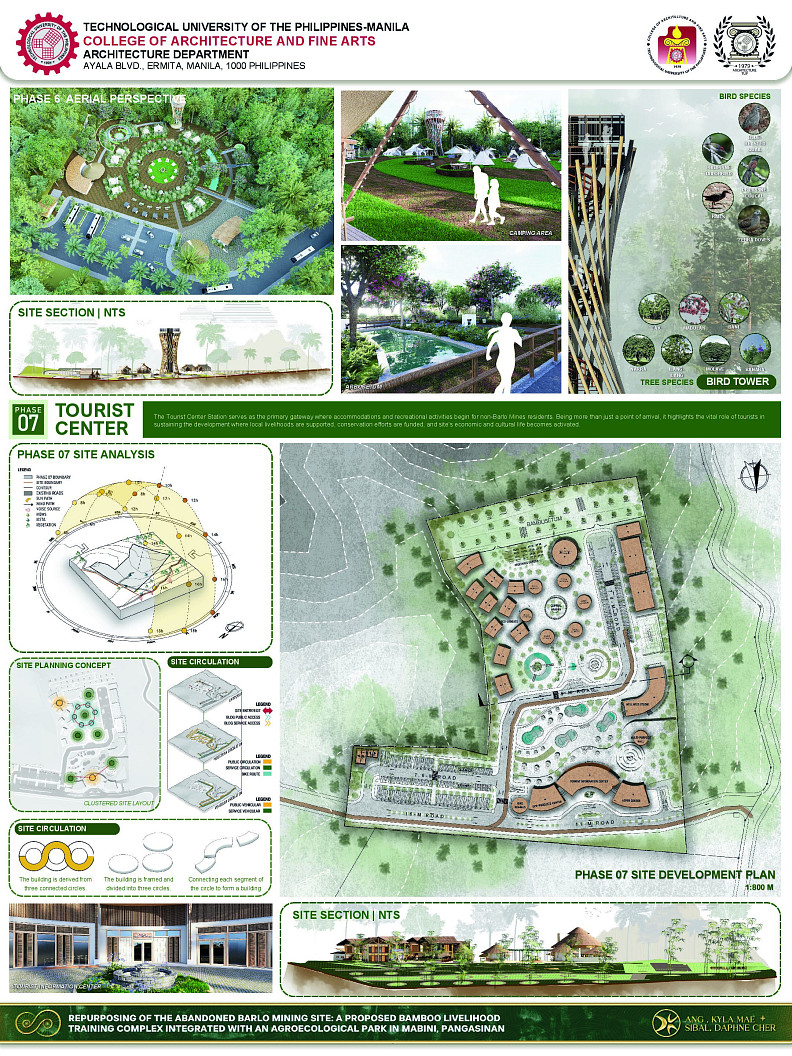
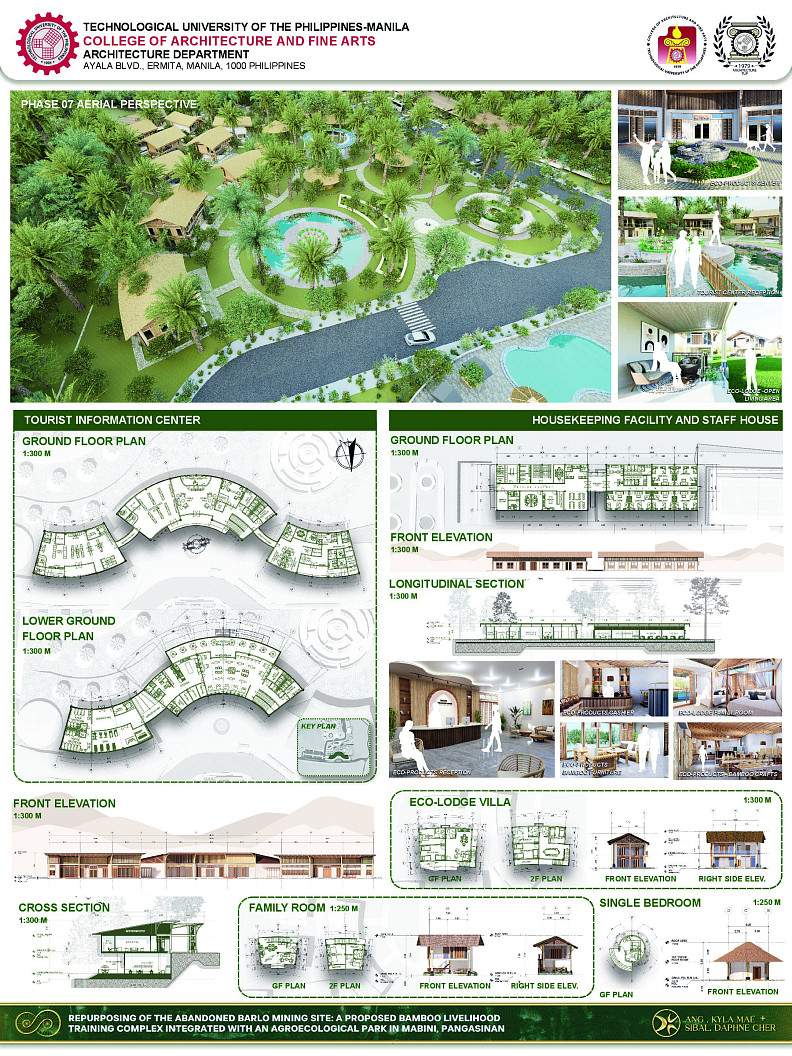
The proposed rehabilitation of the Barlo Mining Site is structured into seven phases of development, encompassing 23.19 hectares of the 167.81-hectare land area. The project will be implemented sequentially, starting with the Bamboo Livelihood Training Complex, which serves as the catalyst for both economic and ecological sustainability of the proposal. Through the bamboo-based livelihood program, the development aims to generate employment opportunities while supporting the site’s environmental restoration.
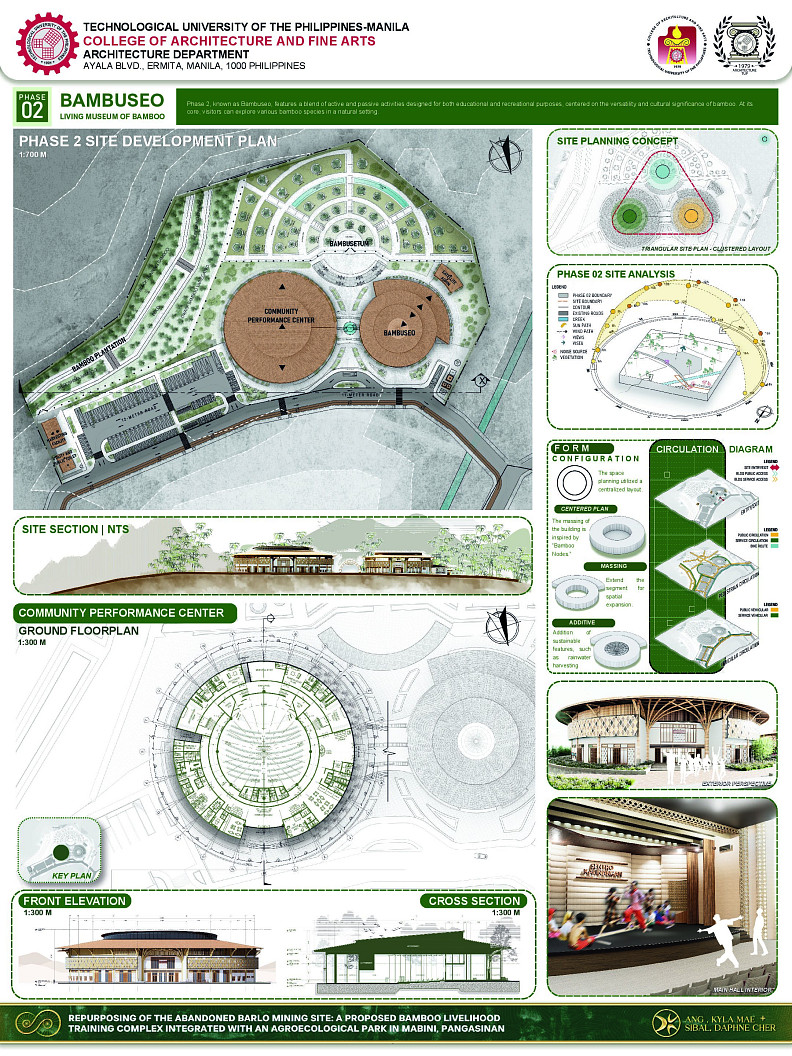
Complementing the economic initiatives are recreational and tourism-oriented facilities, including museums, an agroecological park, tourist accommodation, visitor attractions, and the revitalization of the Barlo Mines Pit Lake. Together, these components foster meaningful social connectivity between people and nature. The cultural heritage of Pangasinan is further preserved through educational programs hosted in the Farm Visitors Learning Center, which provides livelihood opportunities for local farmers and communities who were significantly affected by the long-term impacts of idle land.
Through a balanced integration of environmental rehabilitation, livelihood generation, education, recreation, and cultural preservation, the proposed development transform the abandoned mining site into a sustainable and productive landscape that benefits both present and future generations.
Technické informace
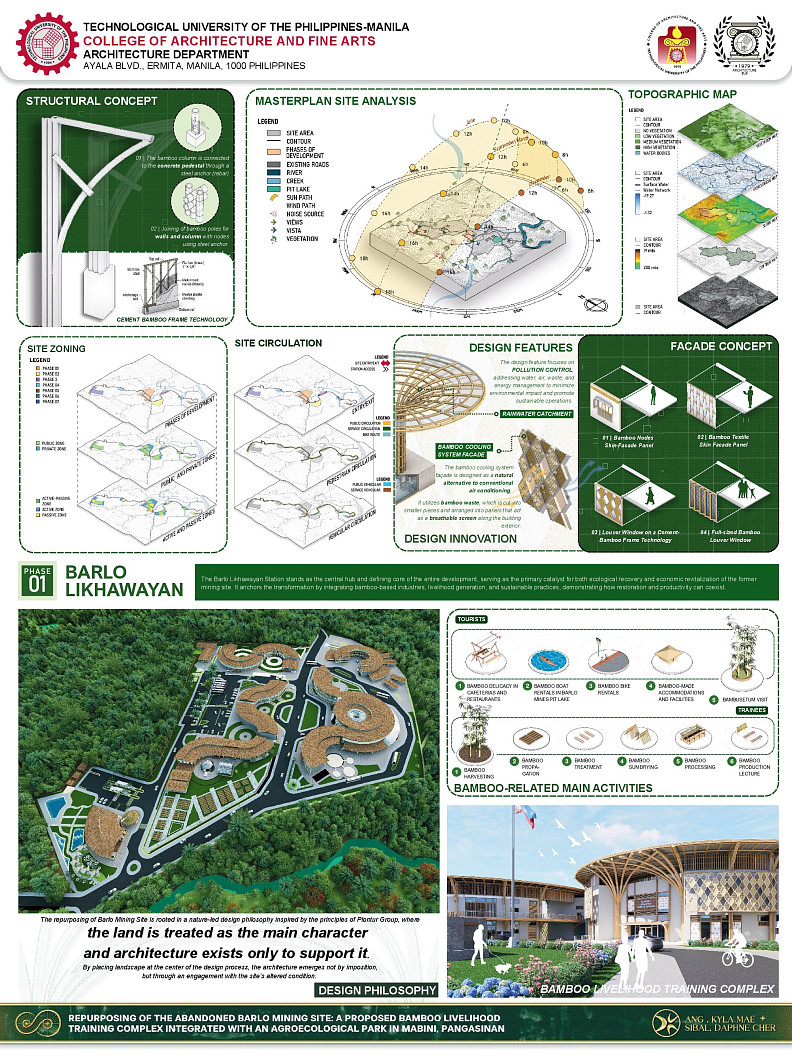
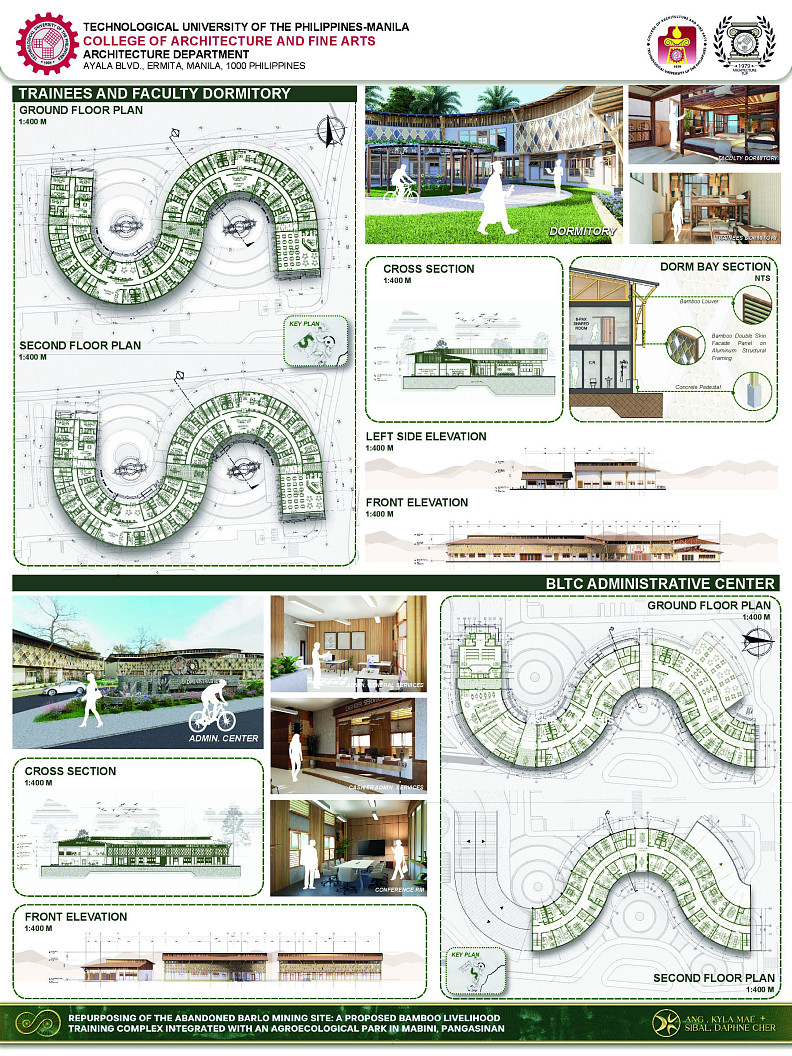
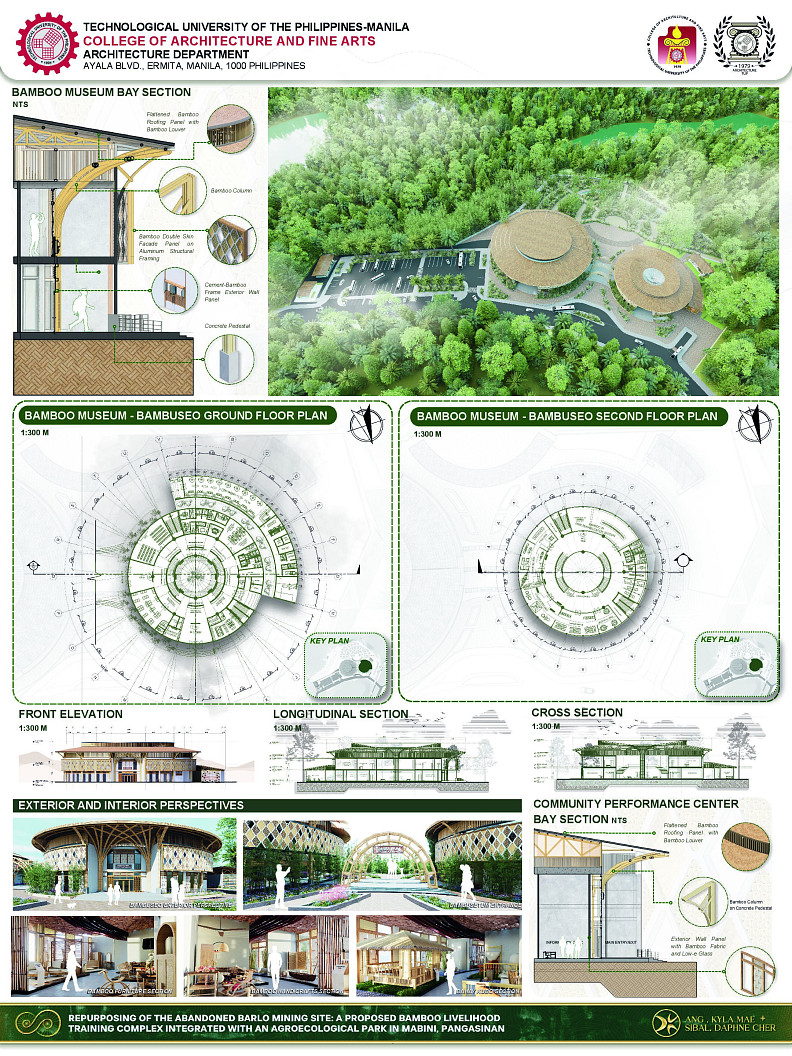
Drawing inspiration from the rich natural environment of the Mabini Municipality, the project prioritizes the use of locally sourced and sustainable materials that reflect both tradition and innovation. Bamboo serves as the primary construction material, forming both the structural framework and building envelope. To achieve the project’s distinctive curved architectural forms, a hybrid bamboo structural system was employed, demonstrating the material’s versatility and strength.
For enclosed spaces requiring greater privacy, the project utilizes Cement Bamboo Frame Technology (CBFT). This integrates bamboo framing with cement infill, allowing walls to be molded into solid, durable surfaces while maintaining the environmental benefits of bamboo-based construction.
The building façade incorporates a variety of prefabricated panel systems, enhancing construction efficiency while ensuring cohesiveness of the design throughout the development. Complementing these panels is an innovative bamboo cooling system façade that serves as a natural alternative to conventional air-conditioning. It uses bamboo waste cut products to act as breathable screen along the building exterior, and promote passive cooling, improved airflow, and reduced solar heat gain along the building exterior.
The development also responds to the site’s natural topography. By working with the existing undulating terrain, the design strategically positions water-management features such as rainwater catchment systems. Solar energy systems are also incorporated to reduce reliance on conventional energy sources. Together, these interventions contribute to the site’s overall ecological resilience.
Dokumentace
Show PDF 1Show PDF 2Show PDF 3Show PDF 4Show PDF 5Show PDF 6Show PDF 7Show PDF 8Show PDF 9Show PDF 10Show PDF 11Show PDF 12Show PDF 13Show PDF 14Show PDF 15Show PDF 16Show PDF 17Show PDF 18


Copyright © 2026 INSPIRELI | All rights reserved. Use of this website signifies your agreement to the Terms of Use, Privacy Policy, and use of cookies.