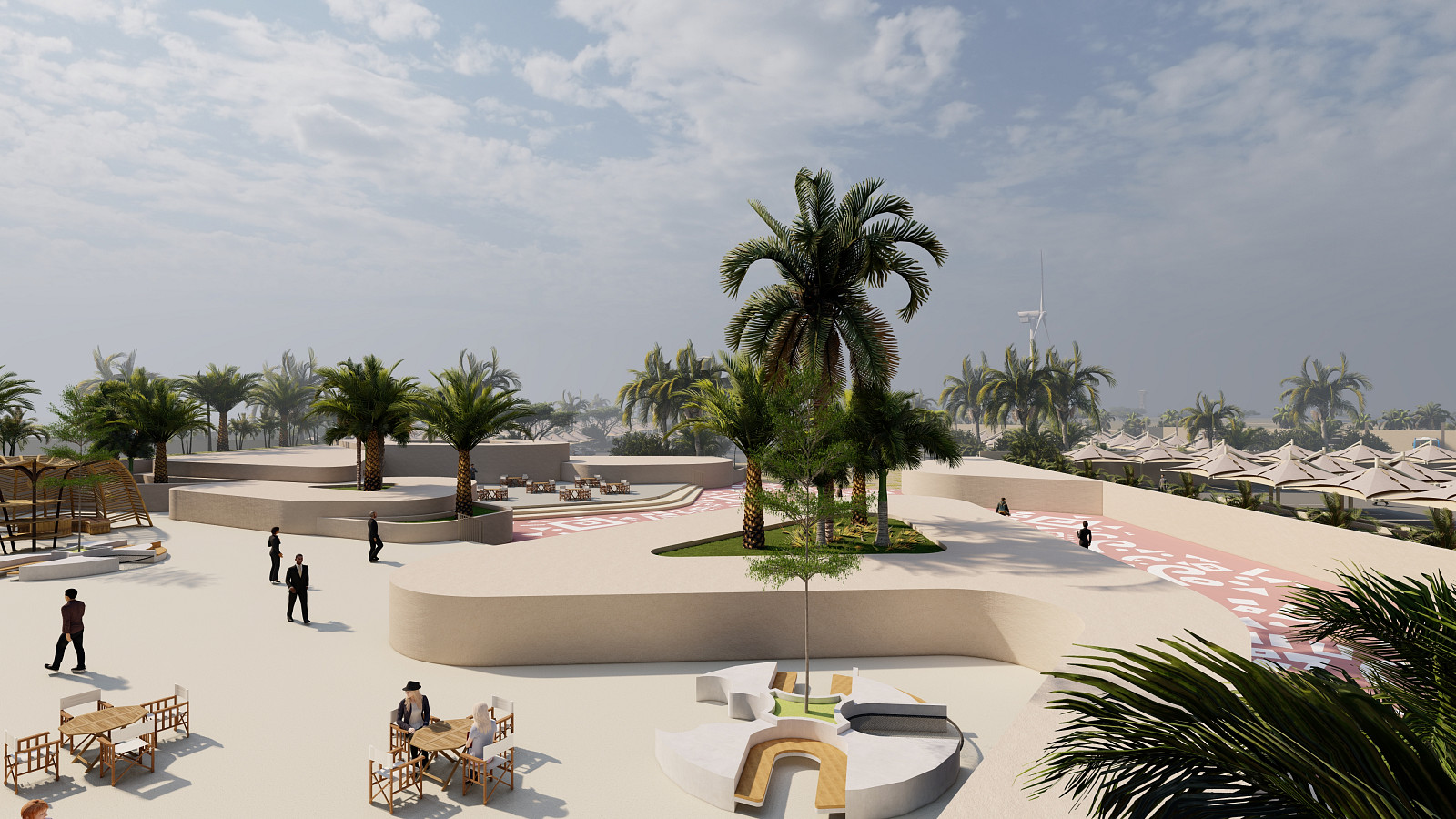
Wildlife Sanctuary & Research Center


Idea projektu
This project proposes the development of a Wildlife Sanctuary and Research Center covering an area of 233 hectares in Fincha, Ethiopia. The project is framed within a sustainable architectural approach that aims to integrate environmental protection, scientific research, and community awareness.
The concept of the project arises from the urgent need to protect endangered species in the Horn of Africa by providing a safe environment for rehabilitation and study, alongside establishing a specialized educational and research platform.
The project aims to achieve several key objectives, including wildlife protection and rehabilitation, supporting scientific research in biodiversity conservation, providing educational opportunities for students, and creating an engaging visitor experience that promotes environmental awareness. Additionally, the project seeks to implement sustainable design strategies that harmonize with the natural environment while minimizing ecological impact.
Popis projektu
The scope of this project includes the design and development of an integrated Wildlife Sanctuary and Research Center aimed at addressing environmental challenges related to biodiversity loss and endangered species in the Horn of Africa.
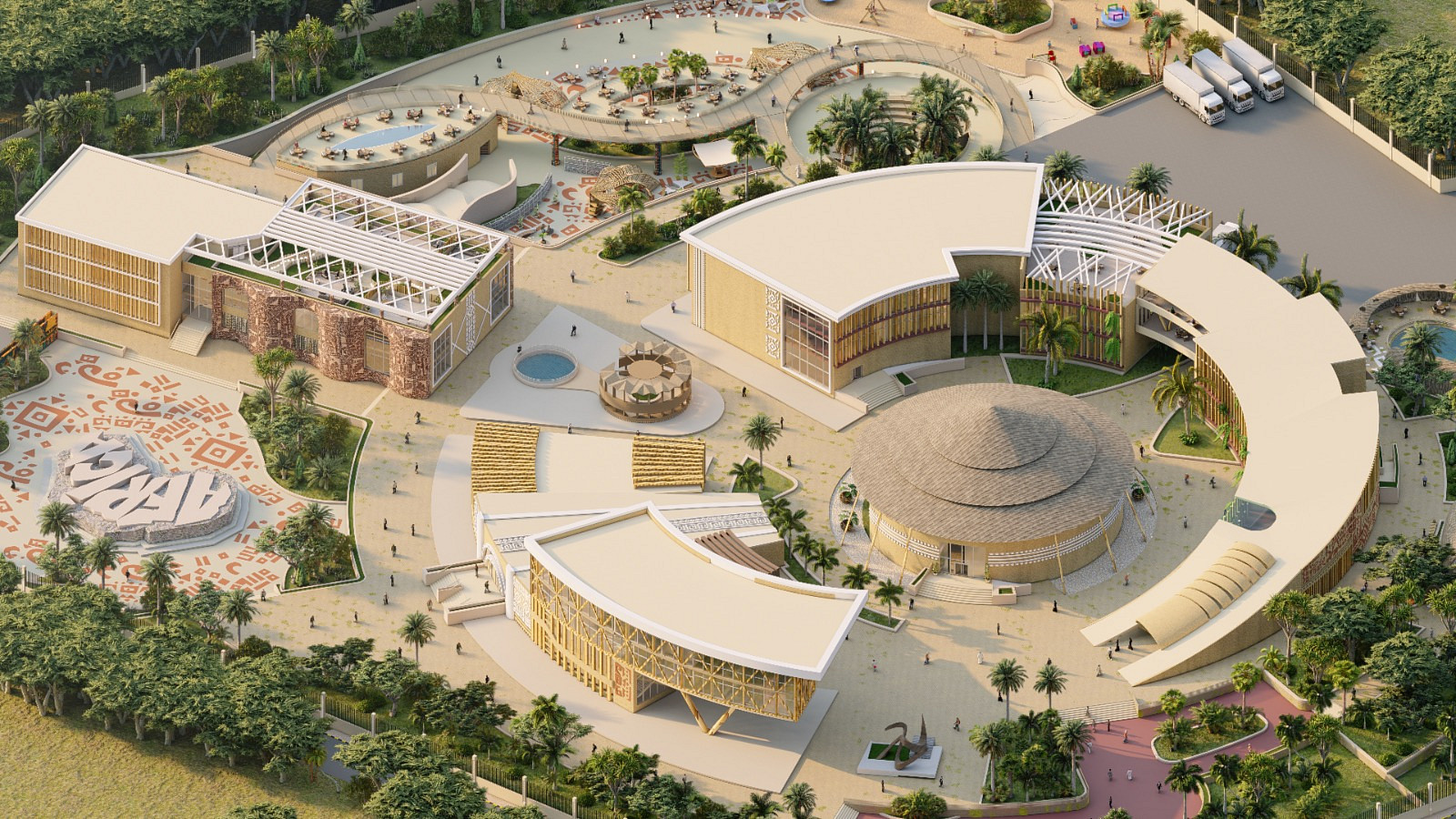
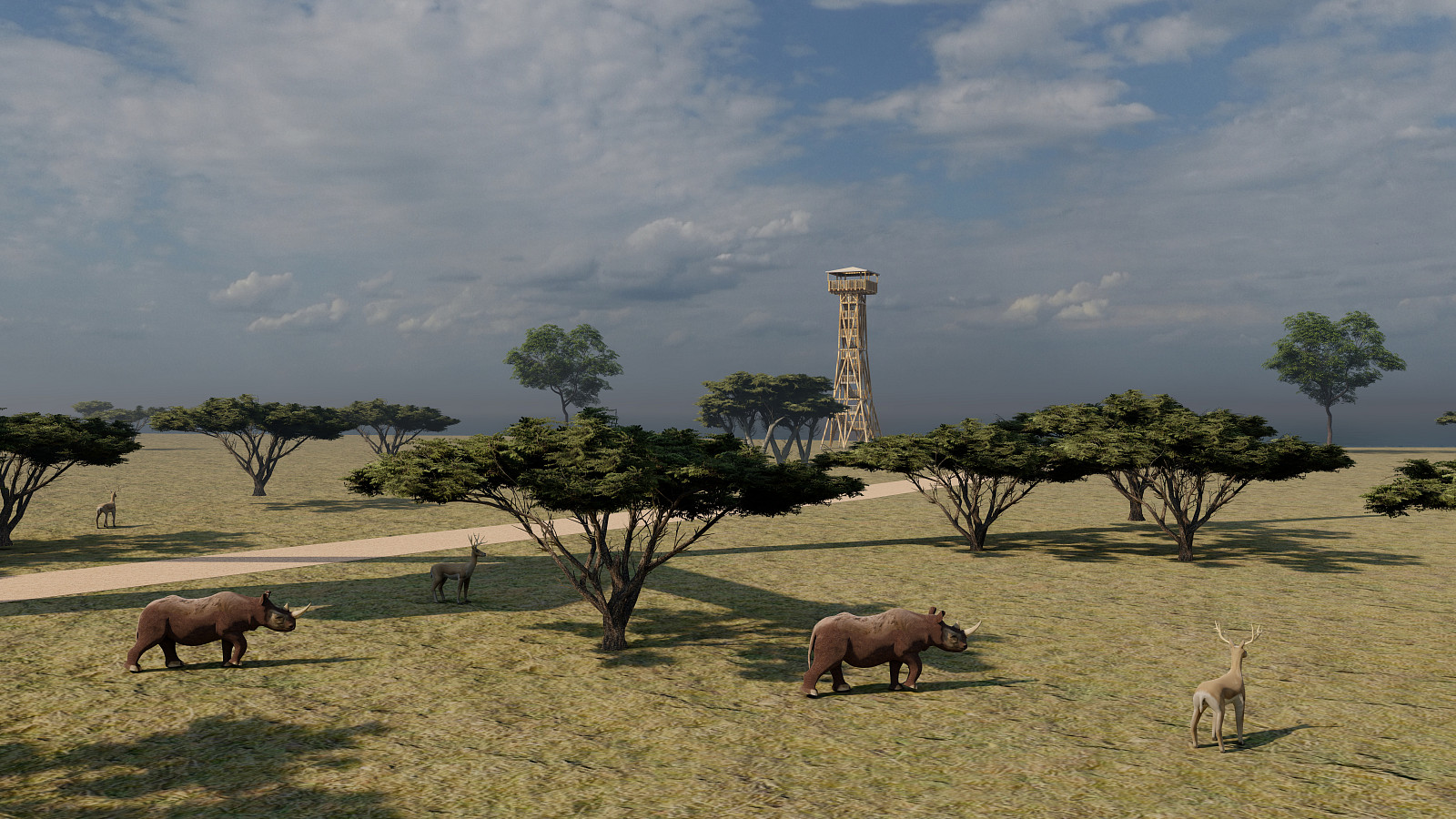
The solution involves establishing comprehensive infrastructure, including a fully equipped research center with laboratories and animal care facilities, as well as a visitor center featuring educational and interactive spaces. It also includes the development of natural habitats designed for animal housing and rehabilitation, simulating their native ecosystems.
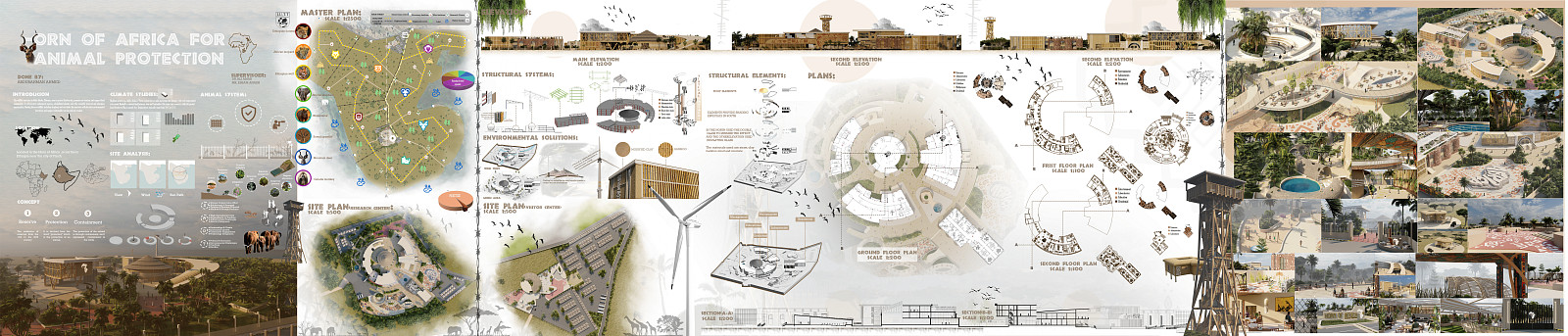
The project scope further covers the implementation of sustainable design strategies such as natural ventilation, energy efficiency, and integration with the site's natural topography. It also emphasizes functional zoning by separating research areas from public zones to ensure operational efficiency and animal safety.
Beyond the architectural aspect, the solution extends to educational and awareness components by engaging students and visitors through informative programs that promote environmental consciousness.
Technické informace
The project is based on an integrated architectural and technical design that meets environmental and functional standards to ensure operational efficiency and long-term sustainability. The development covers an area of 233 hectares and is planned with a clear functional zoning system separating research areas, public zones, and animal habitats.
The research center includes fully equipped scientific laboratories, veterinary care facilities, monitoring units, as well as administrative and service spaces. The visitor center consists of exhibition halls, educational spaces, and public amenities designed to accommodate a significant number of annual visitors.
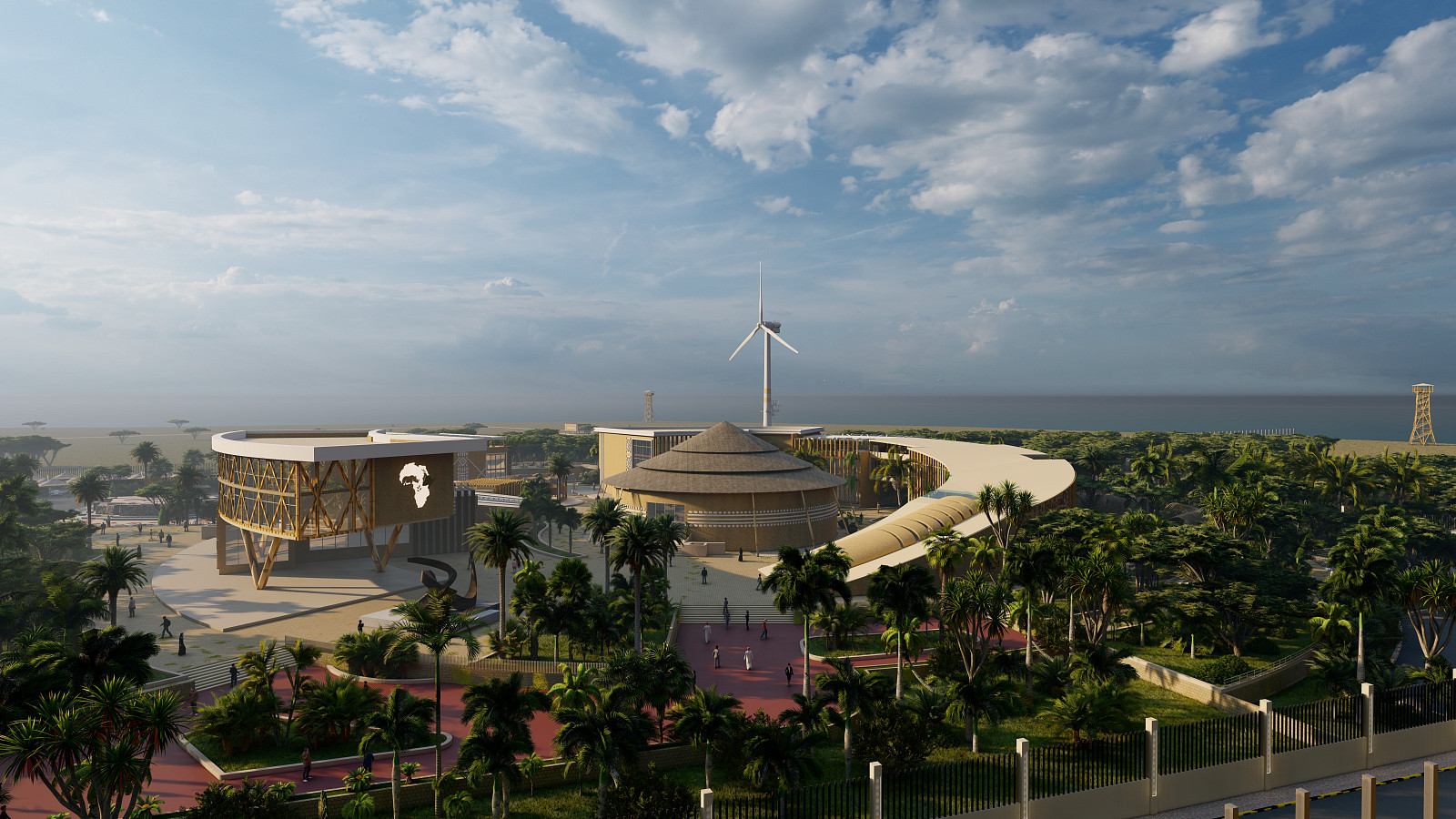
The buildings utilize structural systems appropriate to the site conditions, with an emphasis on using local and sustainable materials whenever possible. Environmental design strategies are implemented, including natural ventilation, daylighting, thermal insulation, and energy efficiency.
The project also incorporates integrated operational systems such as:
1-Water management systems (rainwater harvesting and reuse).
2-Renewable energy systems (such as solar energy).
3-Safety and monitoring systems to ensure the protection of animals and visitors.
Animal habitats are designed according to standards that simulate their natural environments, while addressing health and behavioral needs to support effective rehabilitation.
Vytvořeno pomocí:


Copyright © 2026 INSPIRELI | All rights reserved. Use of this website signifies your agreement to the Terms of Use, Privacy Policy, and use of cookies.
