"The Fluid Monolith: A Next-Gen Transit Oasis"


Idea projektu
(Strategic Context)
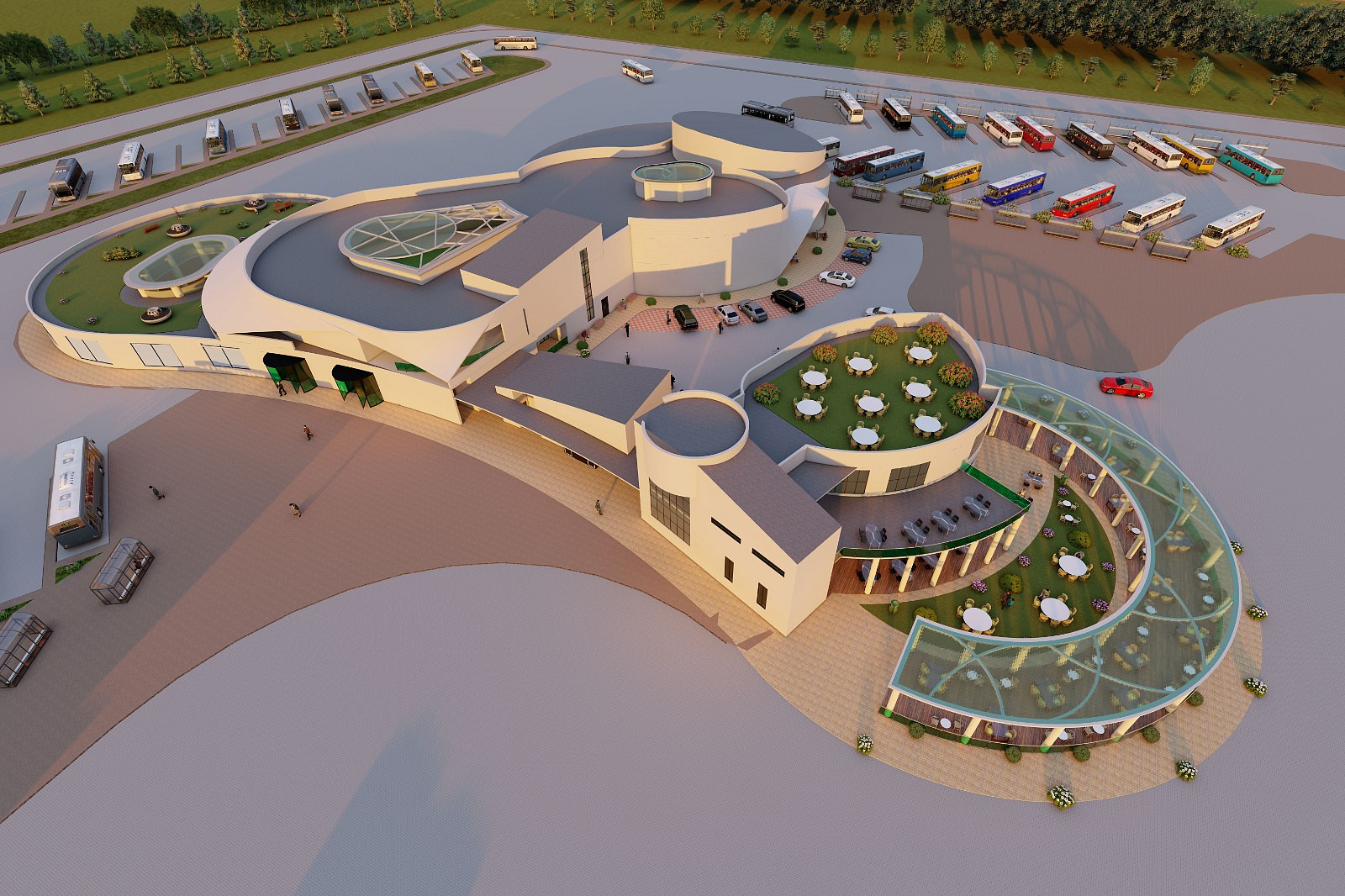
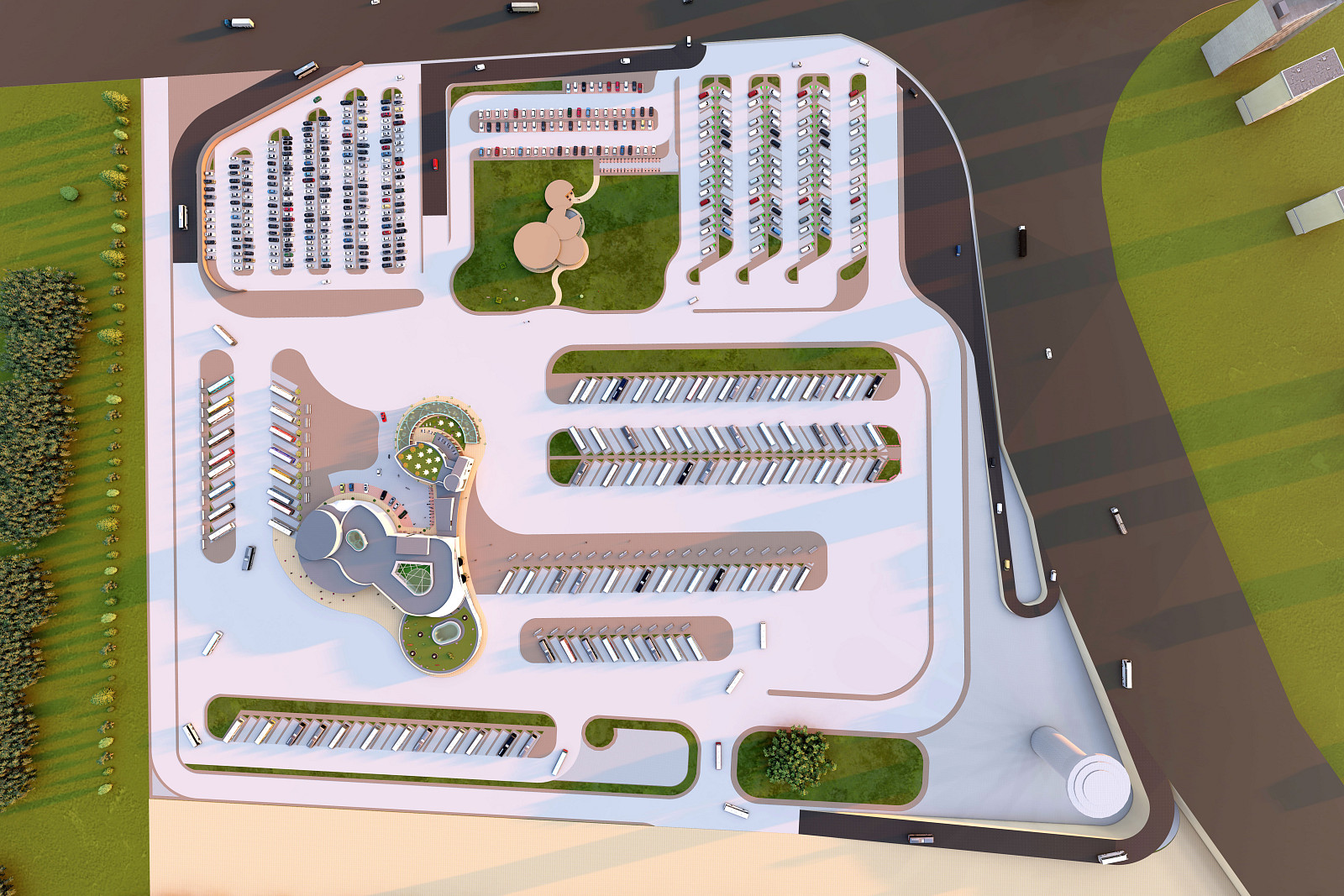
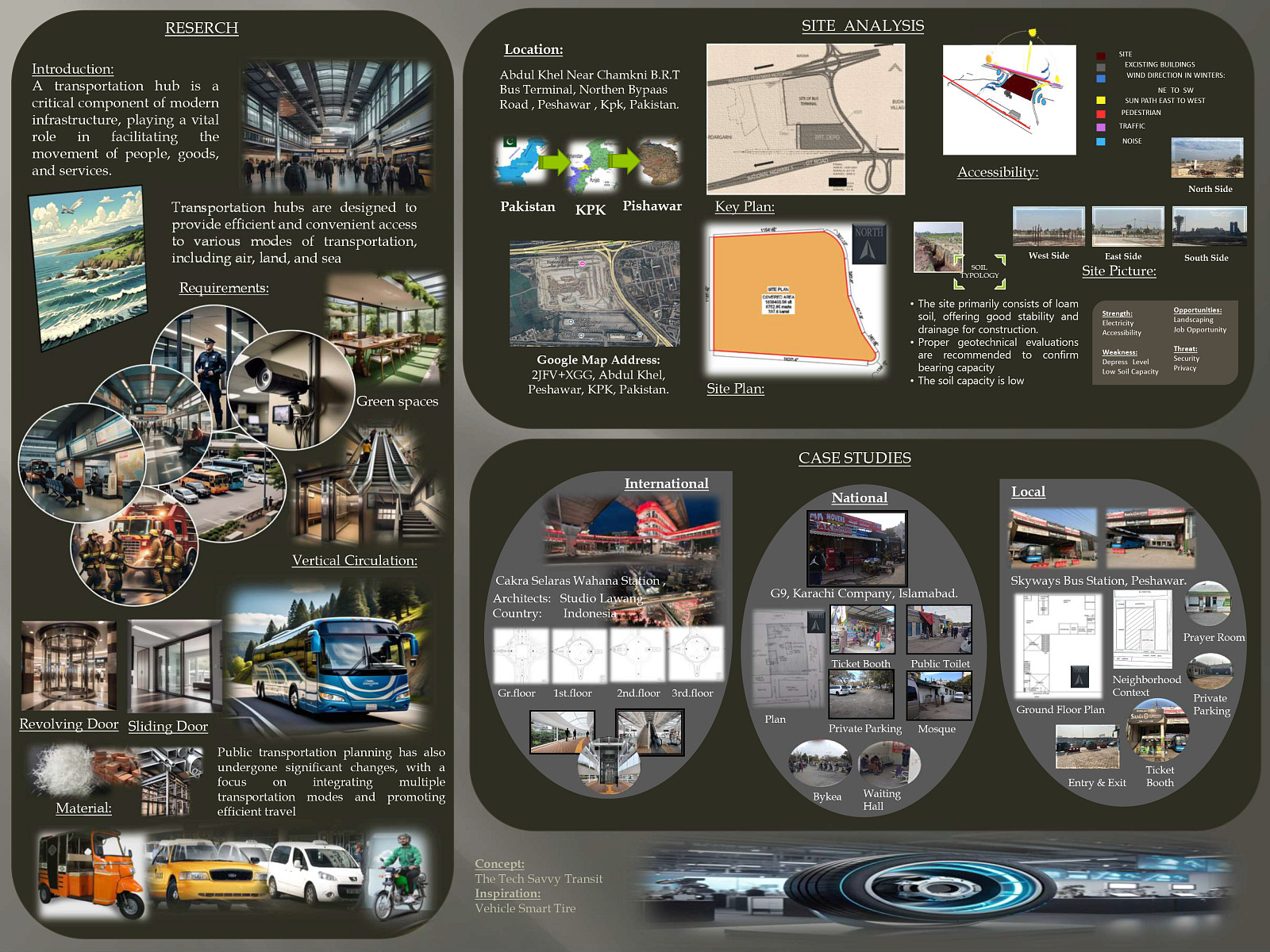
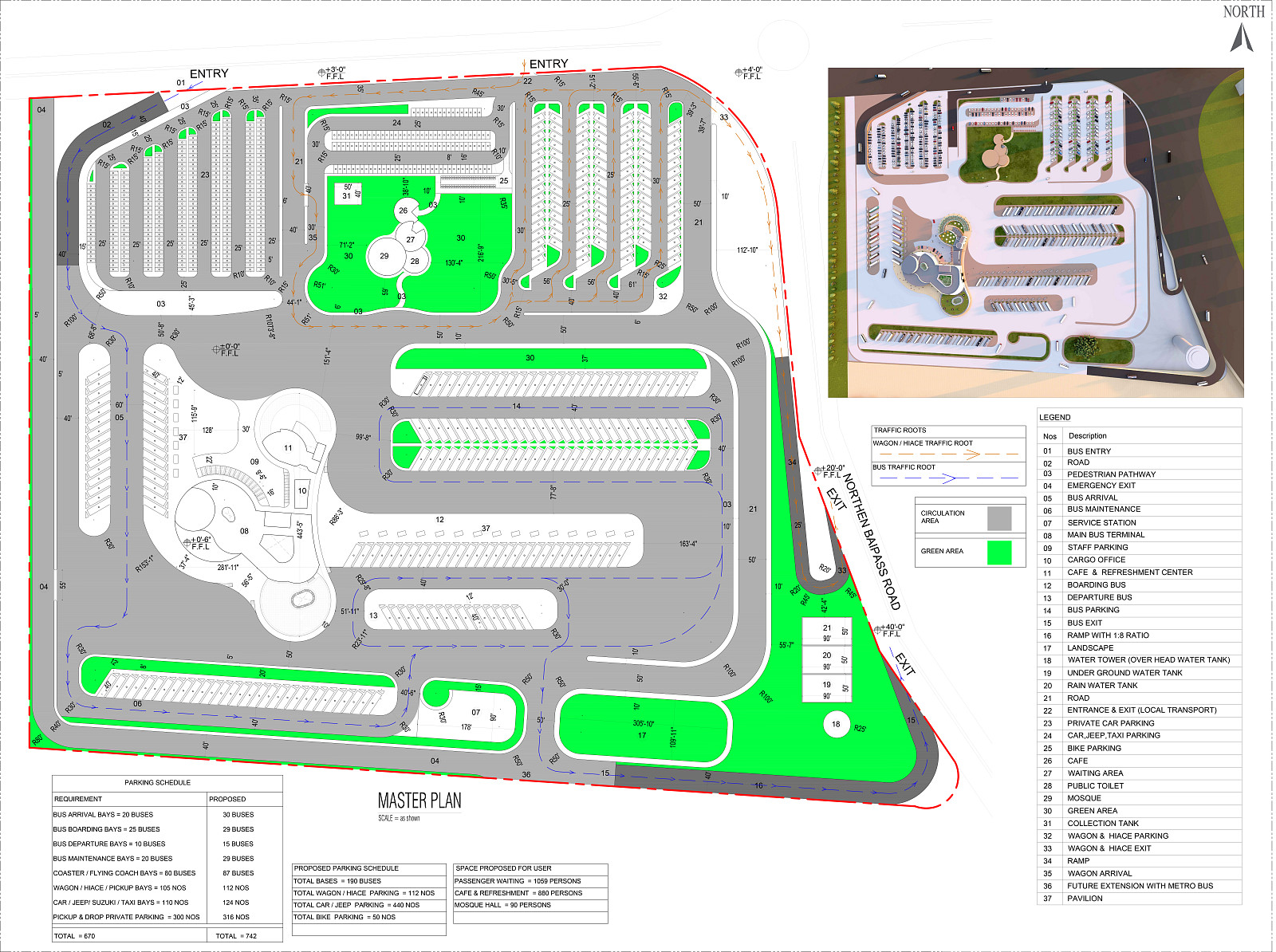
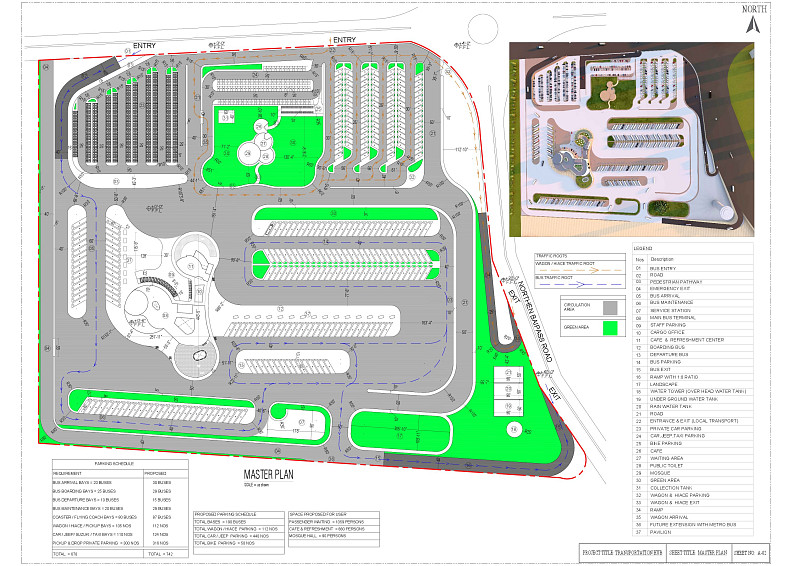
"The project addresses the chronic urban congestion in Peshawar by proposing a decentralized Multi-Modal Interchange. By diverting heavy inter-city traffic away from the city core and integrating it with the Electric BRT network, the design significantly reduces CO2 emissions and urban anxiety. The goal is to create a 'Transit Oasis' that serves as a high-tech gateway while fostering a healthier, pollution-free environment for the city."
Popis projektu
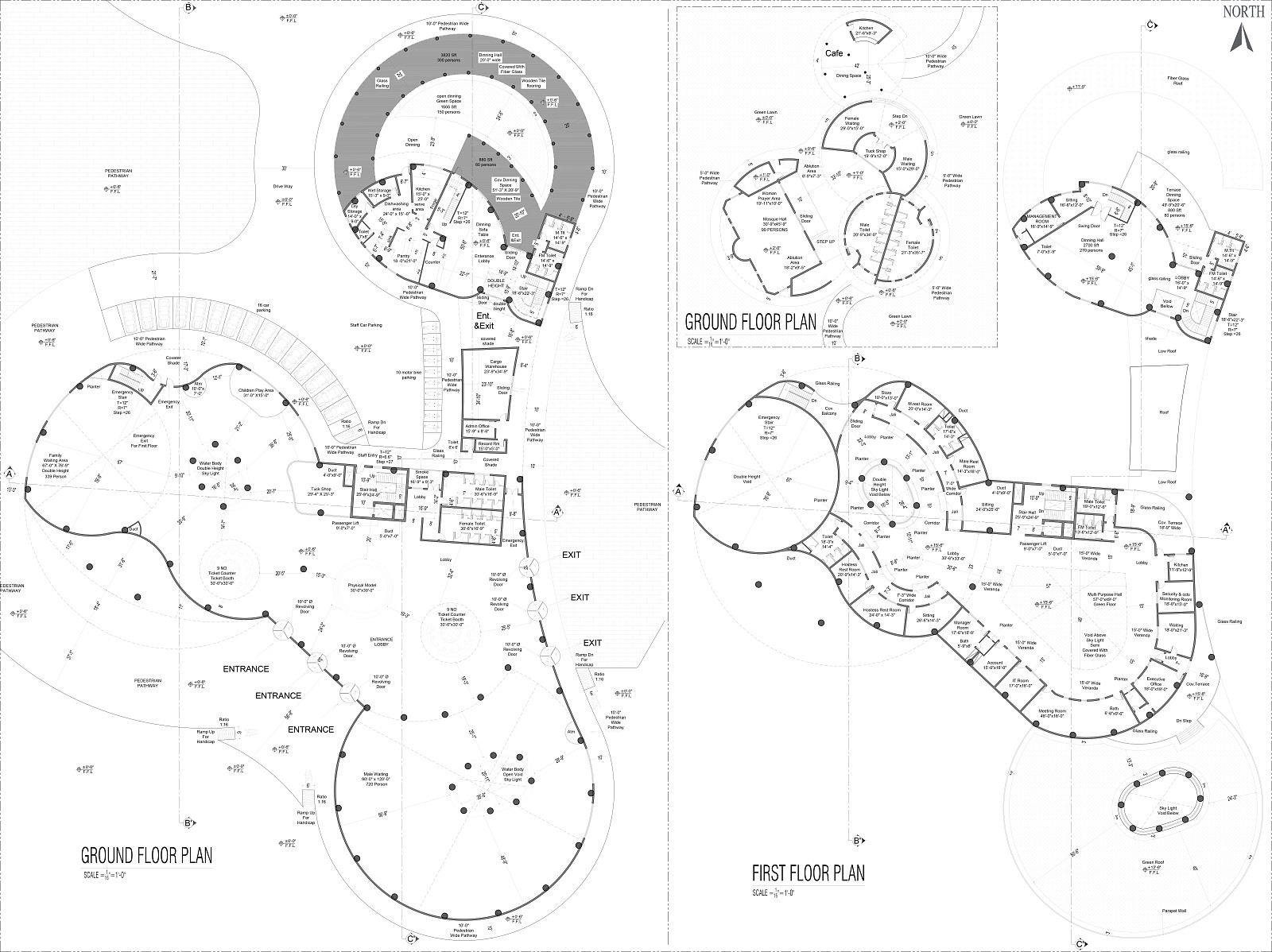
"The 'Transit Oasis' is a comprehensive social hub designed for the comfort of thousands of daily commuters. Key facilities include:
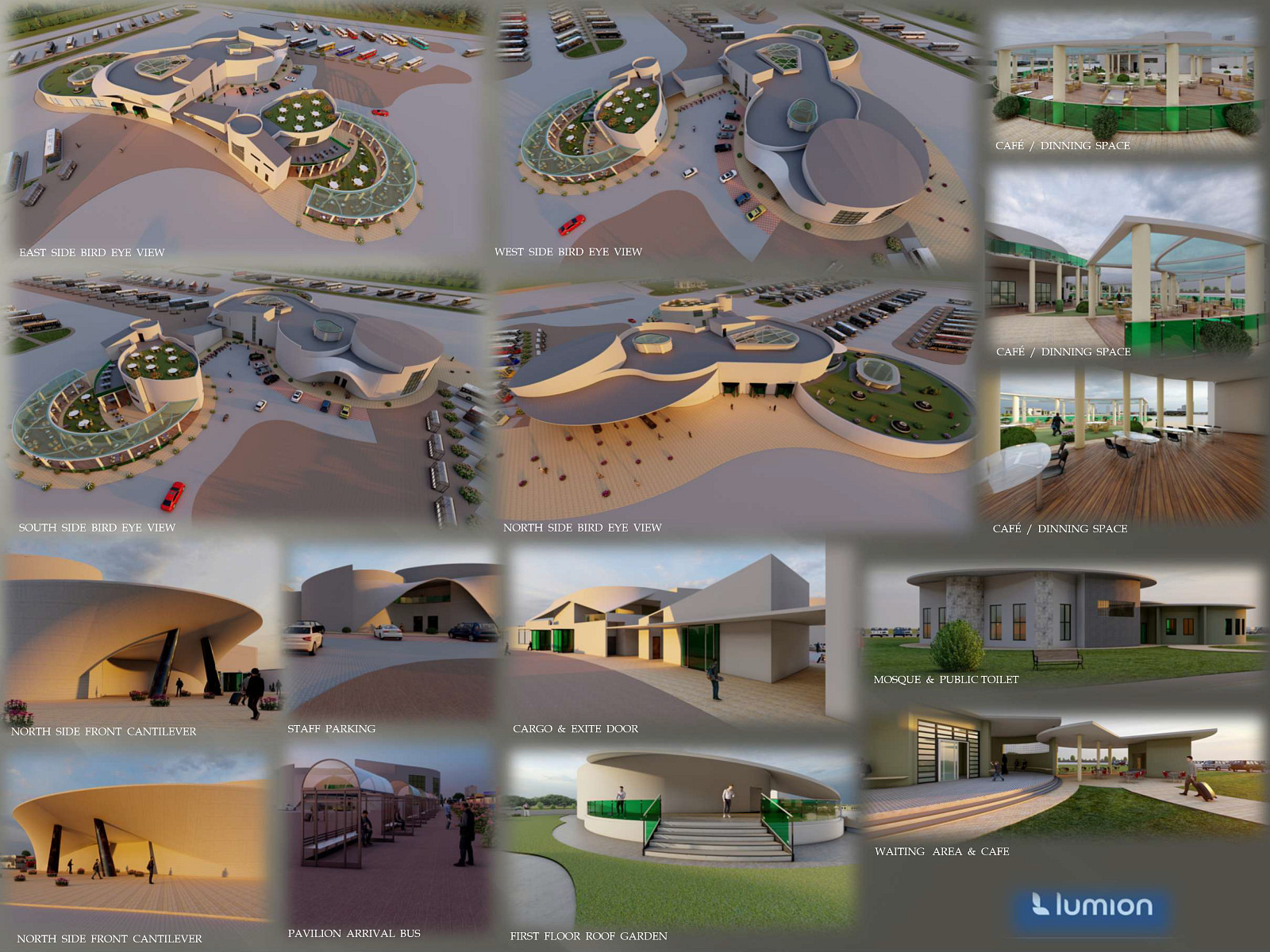
The Culinary & Spiritual Zone: To cater to the basic needs of travelers, the project integrates a diverse restaurant area and a serene Mosque, allowing passengers to dine and offer prayers comfortably within the complex.
Public Wellbeing: Spacious, naturally ventilated waiting areas are strategically placed near bus bays, complemented by high-standard public toilets and utility blocks.
Staff Sanctuary: The first floor is dedicated to administration, featuring offices with private semi-covered open spaces and a green roof for staff relaxation.
Universal Access: The entire hub is 100% accessible via long-gradient ramps, ensuring that the handicapped and elderly move without barriers."
Technické informace
"The technical framework ensures both structural strength and environmental comfort:
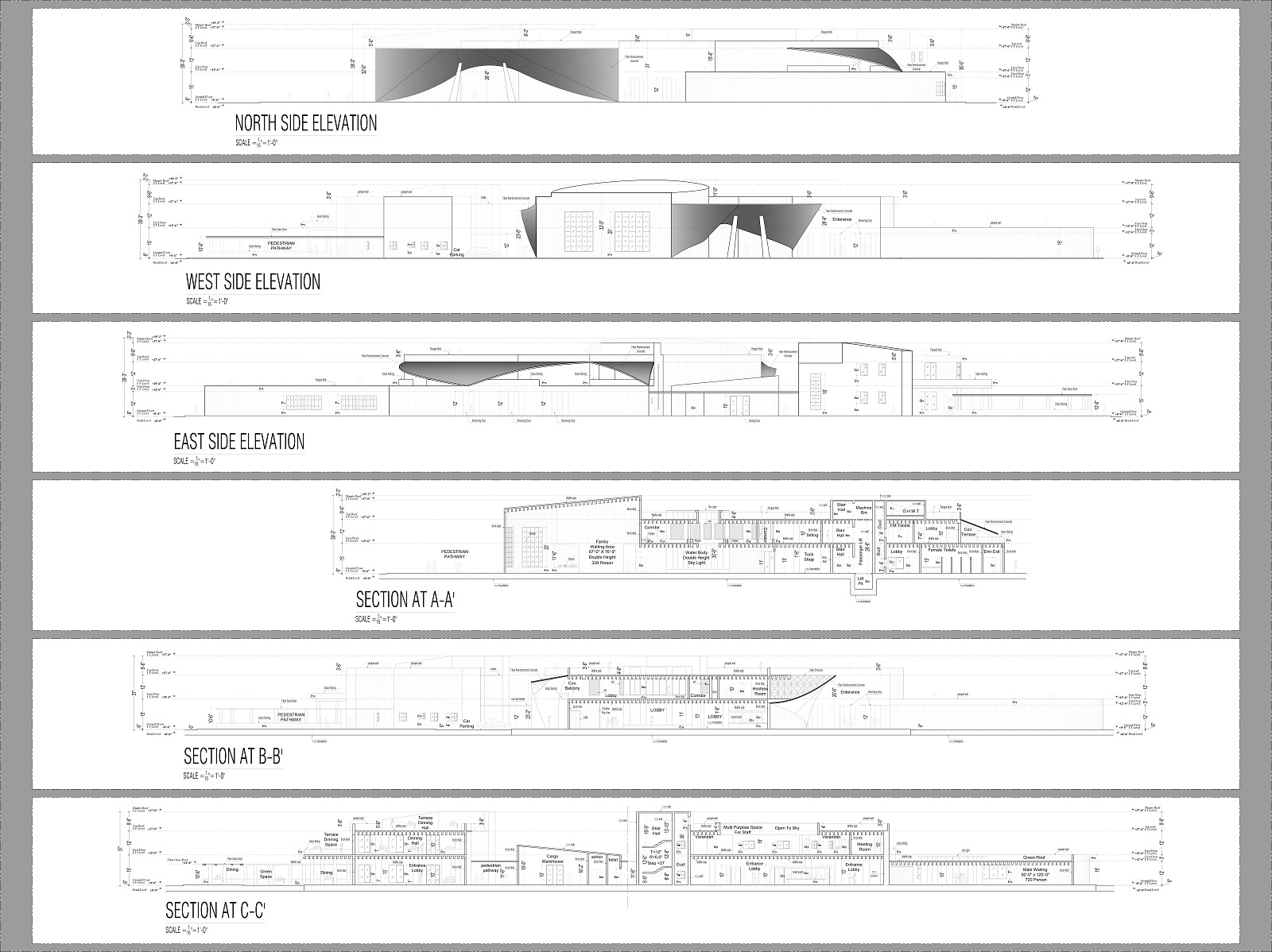
Structural Innovation: The project utilizes a Fiber-Reinforced Waffle Slab system to achieve the massive clear spans (as seen in the Sections) required for heavy-duty terminal operations.
Daylighting Strategy: Large sky-lights are integrated into the roof, flooding the waiting areas and corridors with natural light, reducing electricity consumption.
Passive Design: Organic, fluid elevations act as passive solar shades, while the green roof provides thermal insulation.
MEP Integration: Dedicated service ducts and waffle recesses house all MEP and HVAC systems, maintaining the clean aesthetic of the 'Fluid Monolith'."
Dokumentace

Copyright © 2026 INSPIRELI | All rights reserved. Use of this website signifies your agreement to the Terms of Use, Privacy Policy, and use of cookies.