Wetland Awareness & Eco-Adventure Centre


Idea projektu
Malabe was formerly known as “Maha Leheba,” meaning a large forest. Most of the area’s inhabitants were engaged in agriculture as their primary source of livelihood. However, with gradual development and the introduction of the open economy, areas around Colombo began to grow at an unprecedented pace.
With this transformation, younger generations of farmers living near Colombo started shifting from blue-collar to white-collar employment. At the same time, the increasing demand for land in the suburban areas of Colombo led to a gradual decline in the need for agriculture in these regions.
As a result, younger landowners in Malabe began selling their paddy lands to the highest bidders. Since the value of paddy lands (wetlands) is lower than that of regular land plots, large-scale developers started purchasing these lands at low prices and filling them for construction purposes.
Today, this situation poses a significant threat to the remaining wetlands in Malabe, largely due to a lack of public awareness and understanding of the importance of urban wetlands beyond their agricultural use.
Therefore, this project proposes a Wetland Awareness and Eco-Adventure Center aimed at fostering positive perceptions of wetlands in Malabe and preventing further degradation. The main objective is to educate the public in an engaging and innovative way about the diverse functions and benefits of urban wetlands. By raising awareness, the project seeks to encourage conservation efforts and provide alternative, sustainable income opportunities for landowners who may otherwise choose to sell or develop these lands.
Site selection
The selected site for the Wetland Awareness & Eco-Adventure Centre is located in Malabe, Colombo. It consists of abandoned paddy fields and several natural ponds and was chosen for its relatively low population density, which makes it ideal for the eco-adventure activities proposed.
Despite the surrounding urban density and traffic congestion, the site remains easily accessible via the canal transportation system and the proposed road network. The immediate area has a relatively low population and traffic is minimal, with roads primarily used by farming vehicles.
Design idea
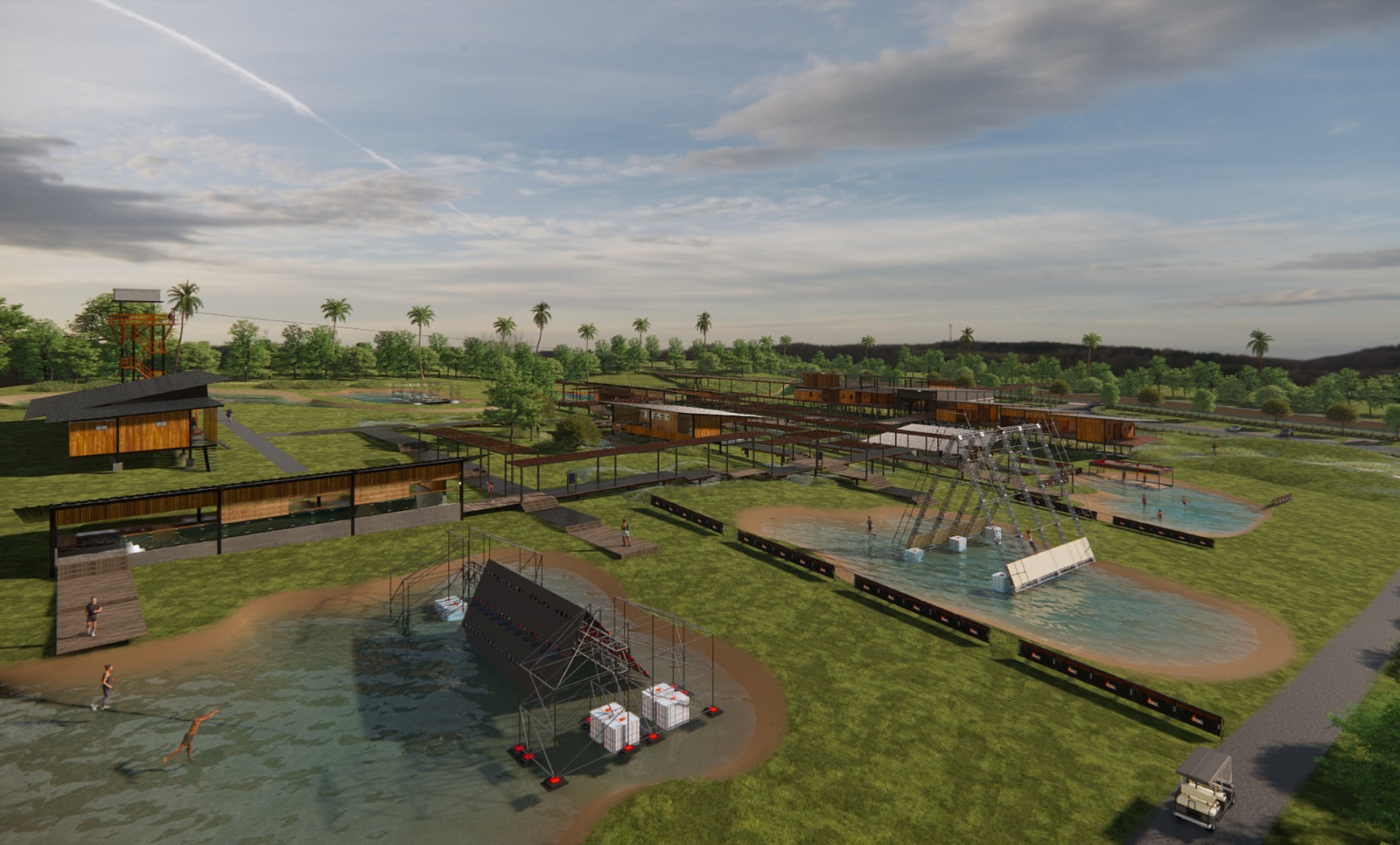
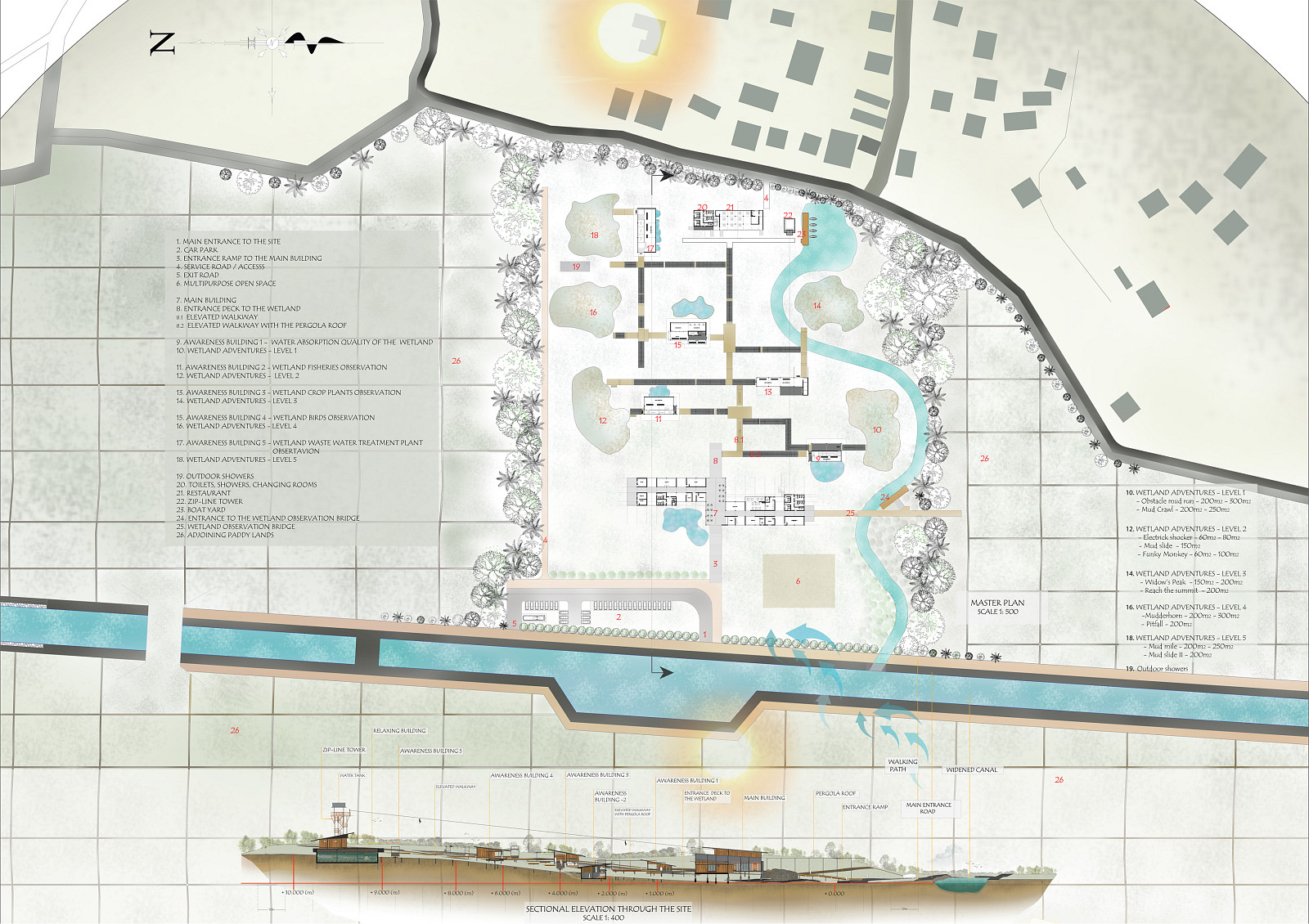
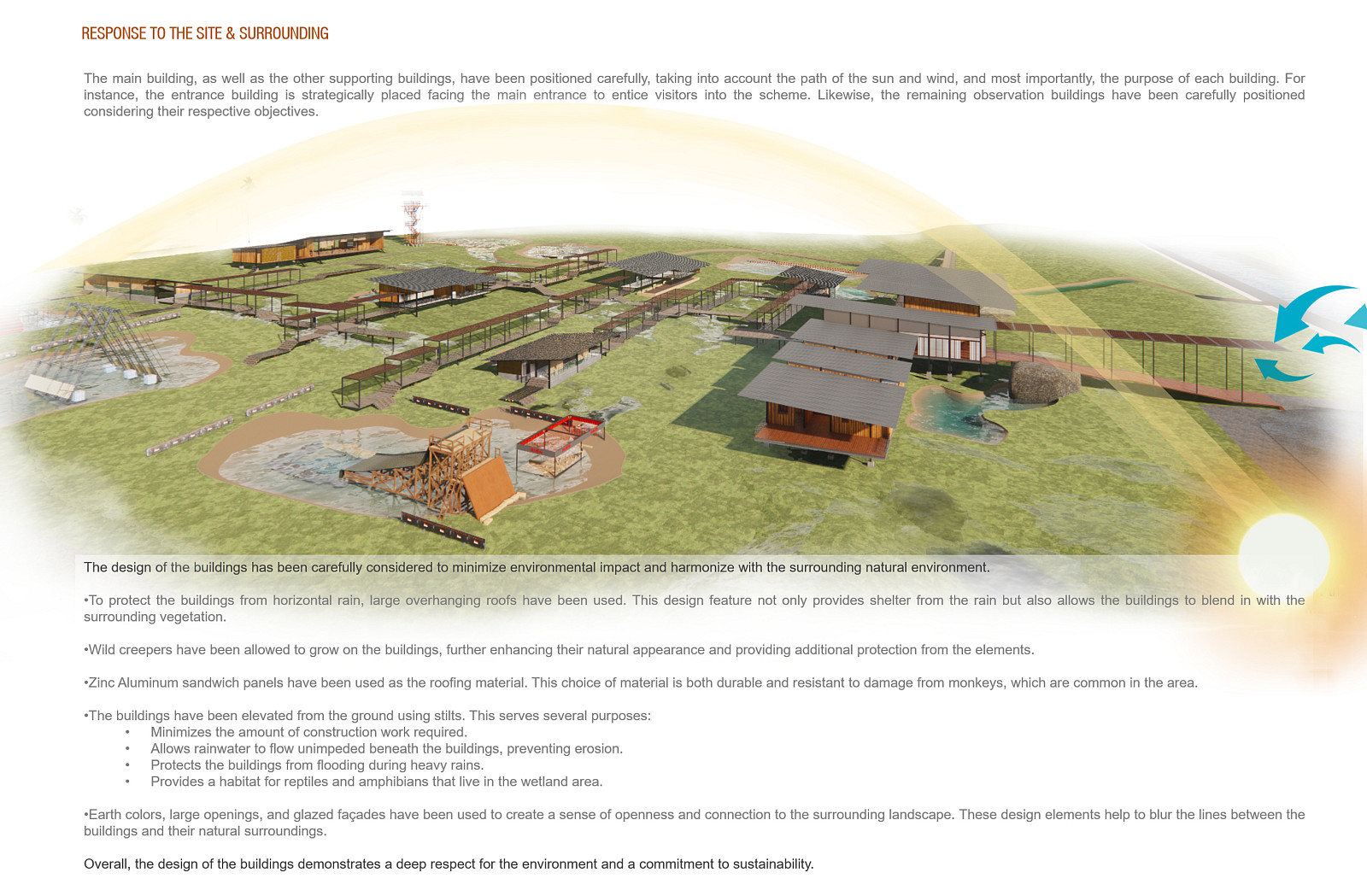
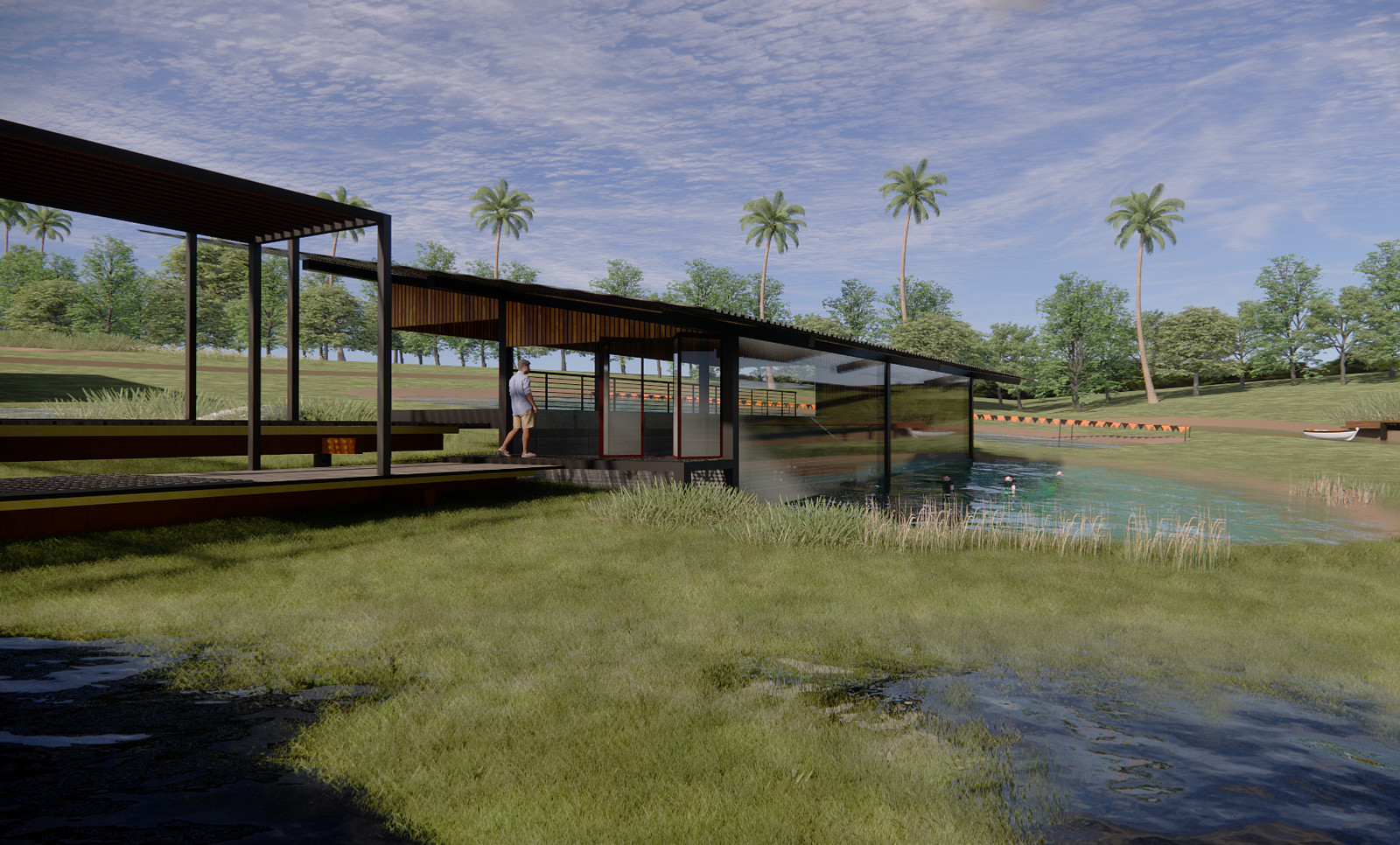
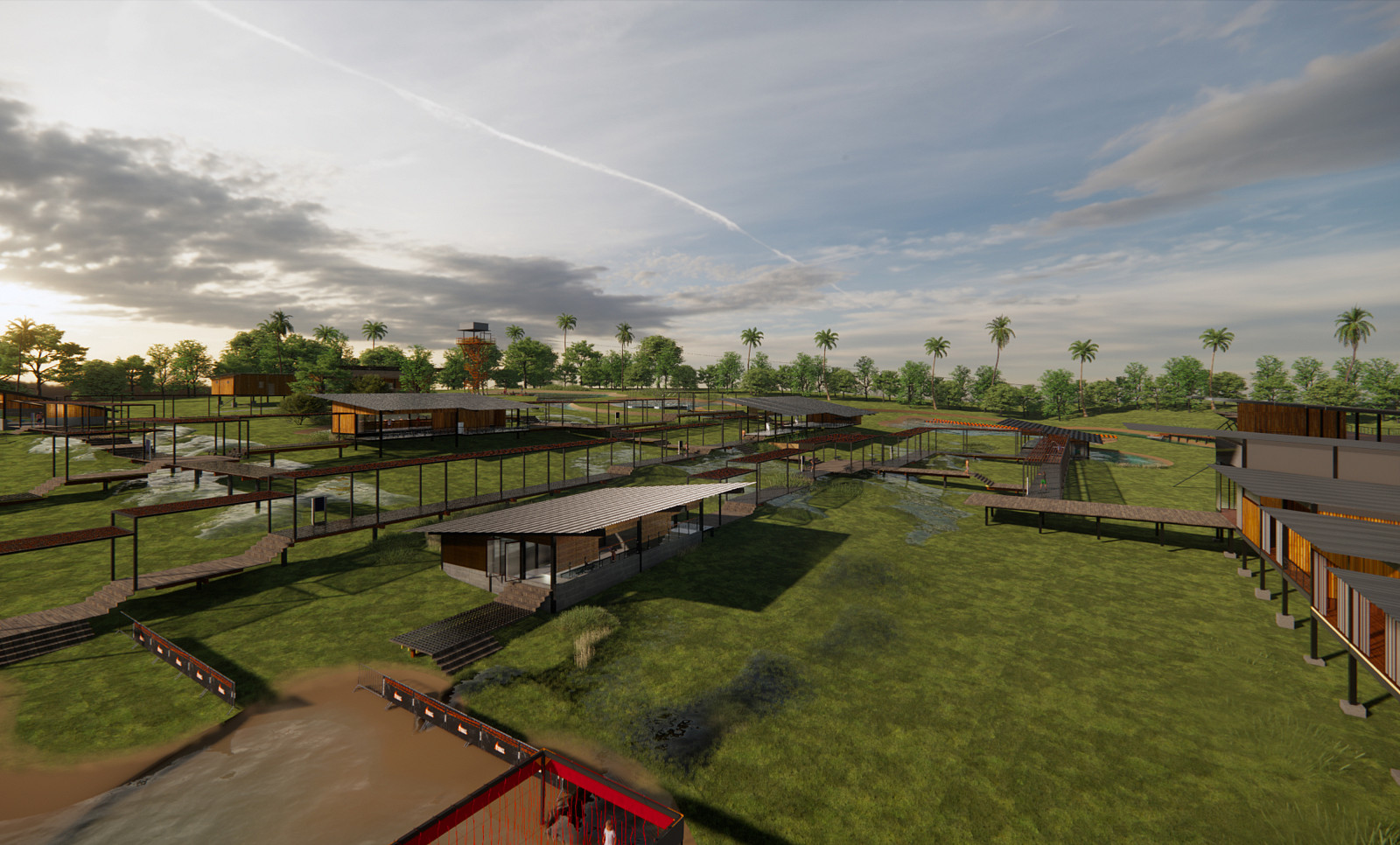
The design idea for this Wetland Awareness & Eco-Adventure Centre is to create a scattered layout inspired by the site’s former use as a paddy field. The awareness centers will be distributed across the wetland and connected by elevated walkways. This arrangement will guide visitors through the site in a structured sequence while also providing a smoother route that minimizes impact on the marshland and blends the design with the surrounding environment.
Each awareness center will represent different uses of the wetland while supporting the eco-adventure activities taking place on site. These small centers will educate visitors about the various benefits and importance of urban wetlands, while also providing essential knowledge and instructions before they engage in eco-adventures. Additionally, the pavilions will include resting areas, first aid supplies, cleaning equipment, and other necessary tools required for the respective activities.
Design inspiration
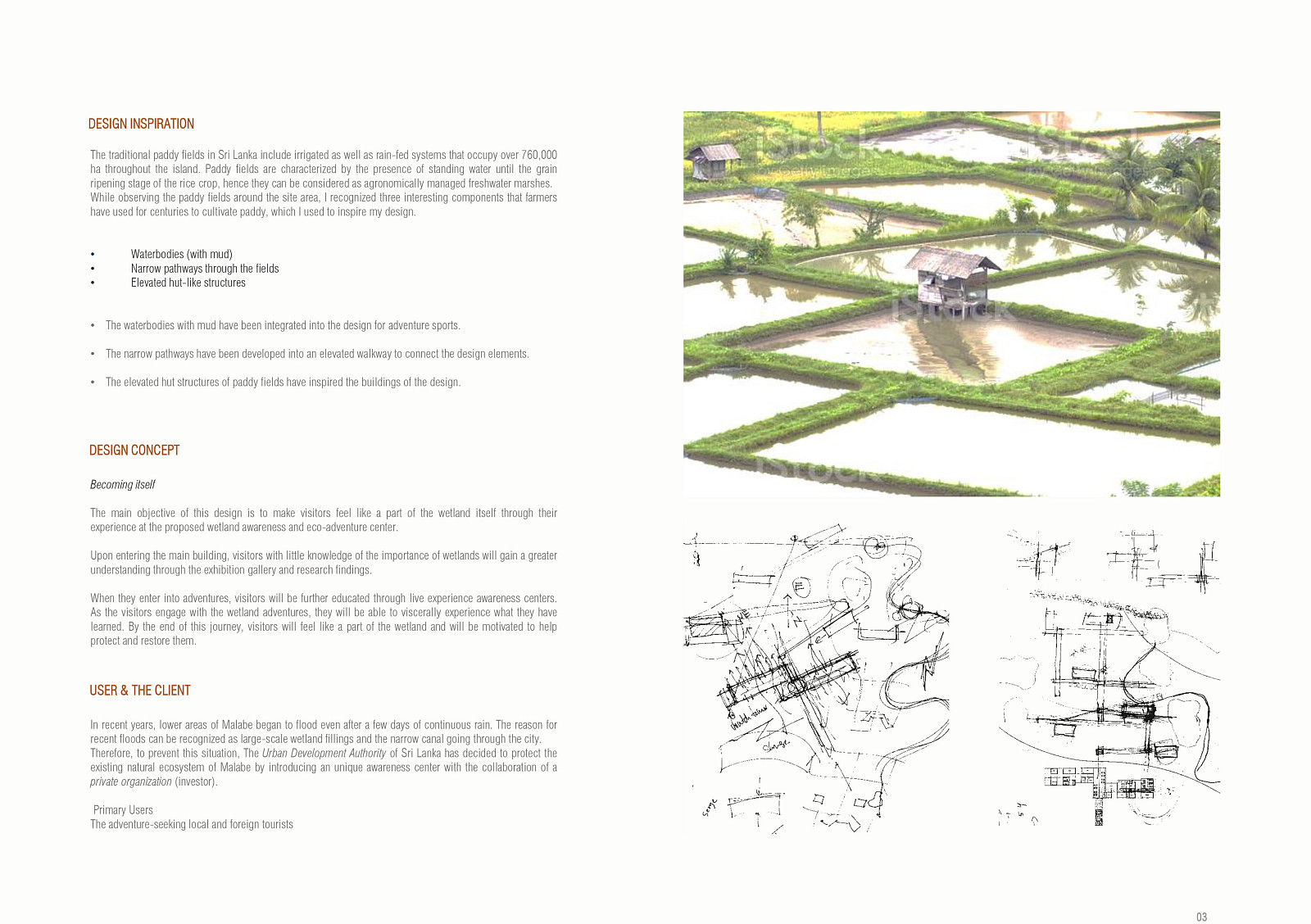
While observing the paddy fields around the site, I identified three interesting components that farmers have used for centuries in paddy cultivation, which inspired my design.
Water bodies (with mud)
Narrow pathways through the fields
Elevated hut-like structures (chena huts)
These elements have been translated into the design as follows:
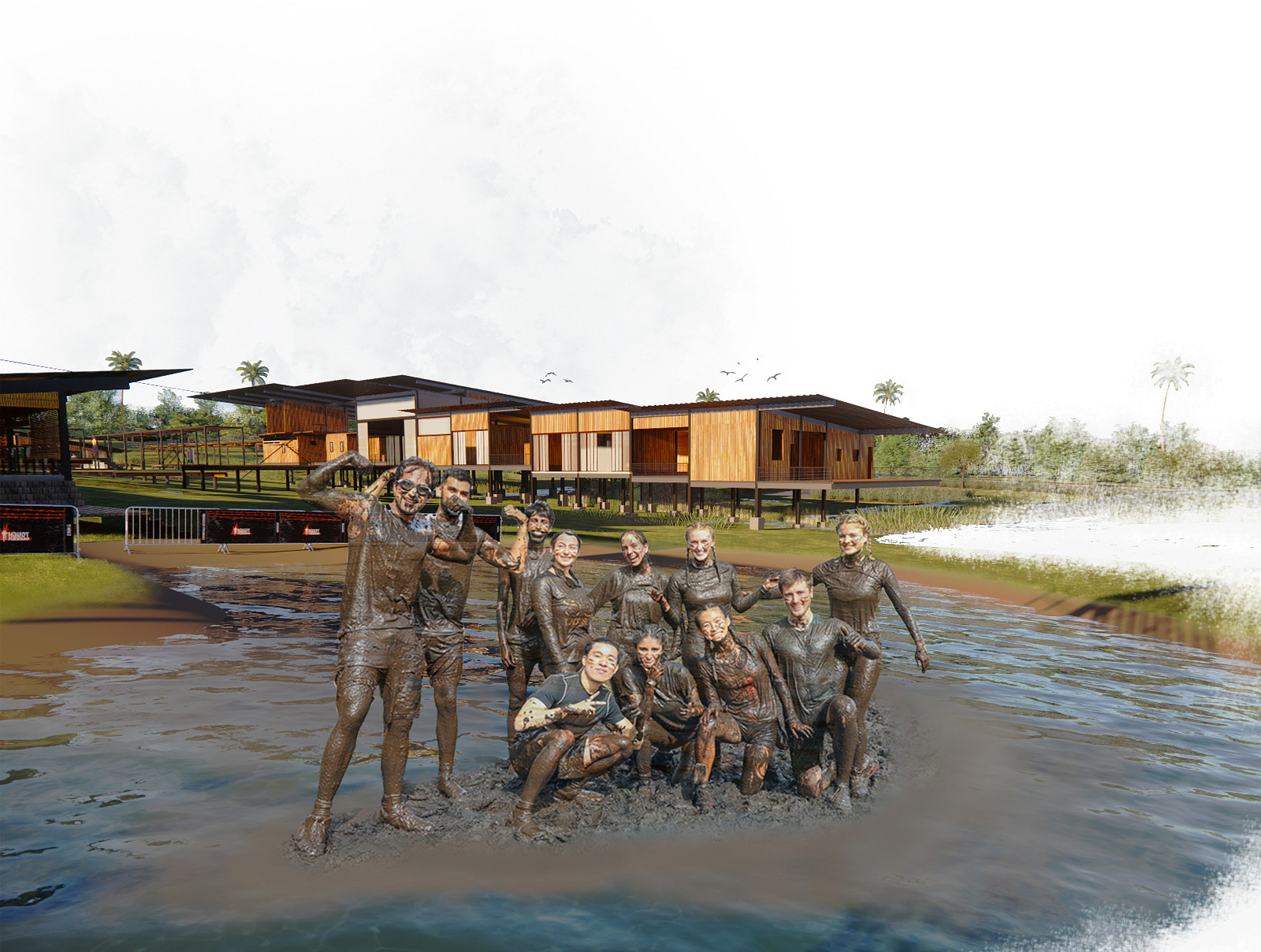
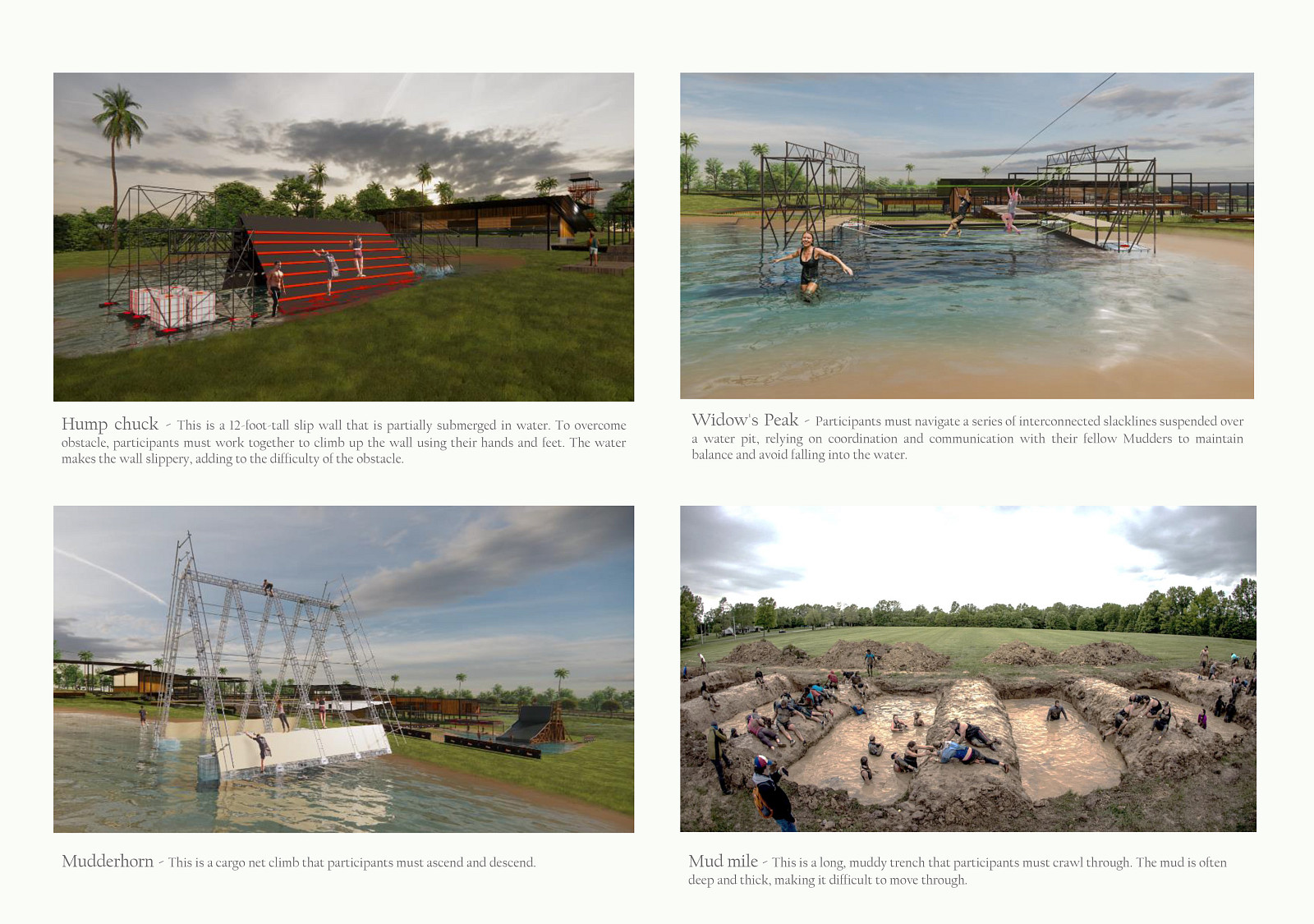
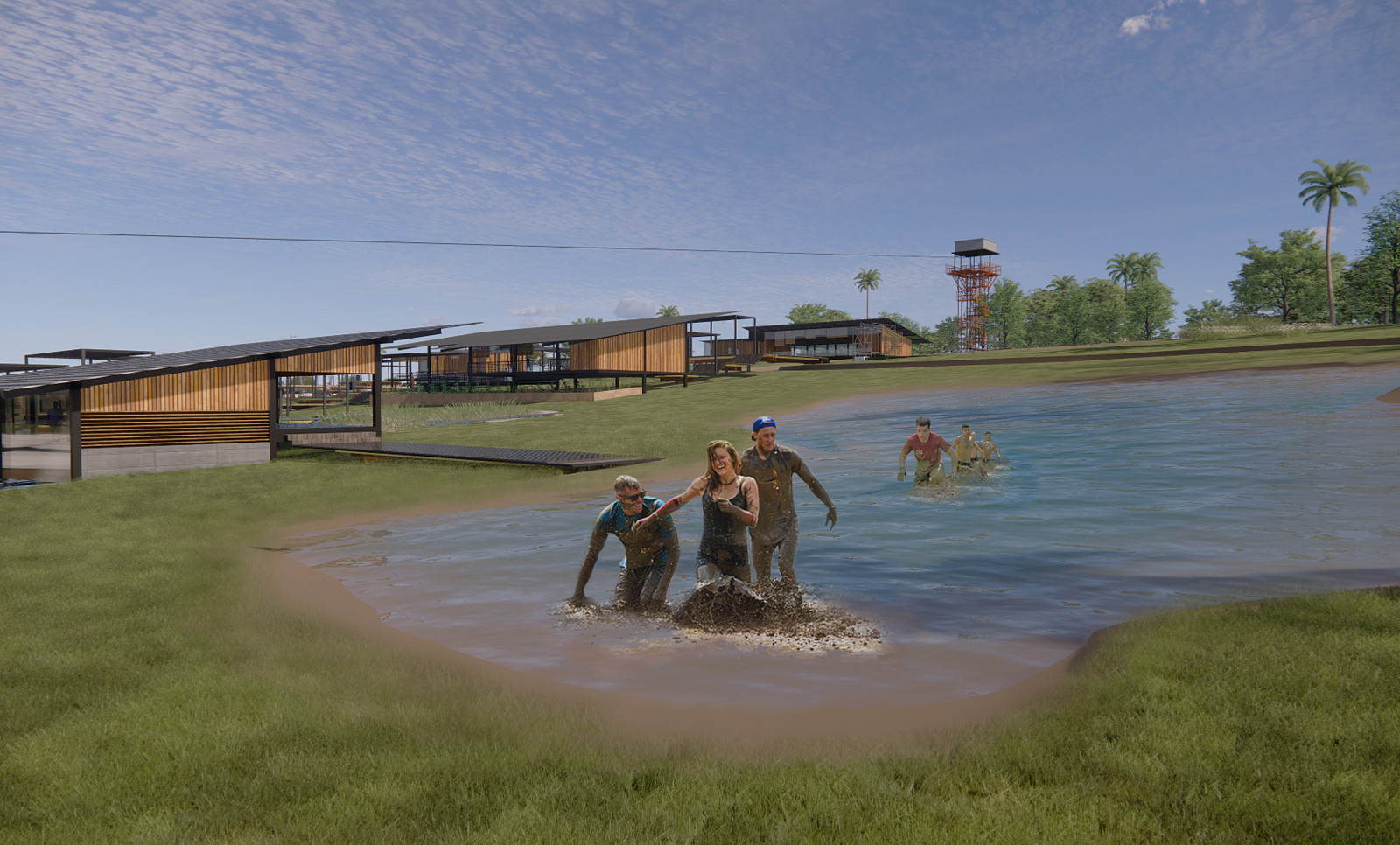
The water bodies with mud have been integrated into the design for adventure sports.
The narrow pathways have been developed into elevated walkways to connect different design elements.
The chena huts have inspired the design of the awareness center structures.
Design concept
“Becoming Itself”
The intention of this design is to make visitors feel as though they are part of the wetland itself by experiencing it through the proposed wetland awareness and eco-adventure center.
Popis projektu
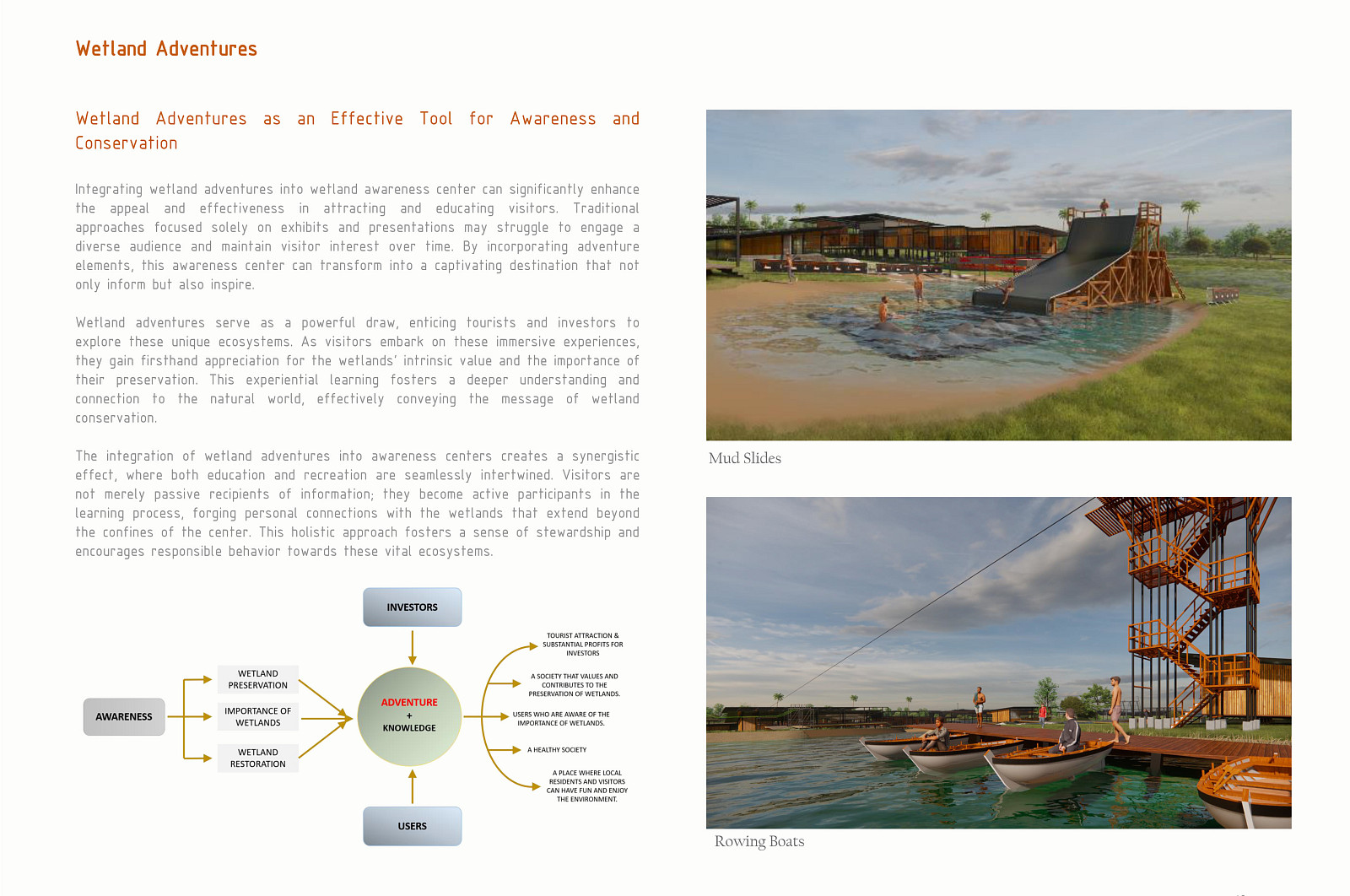
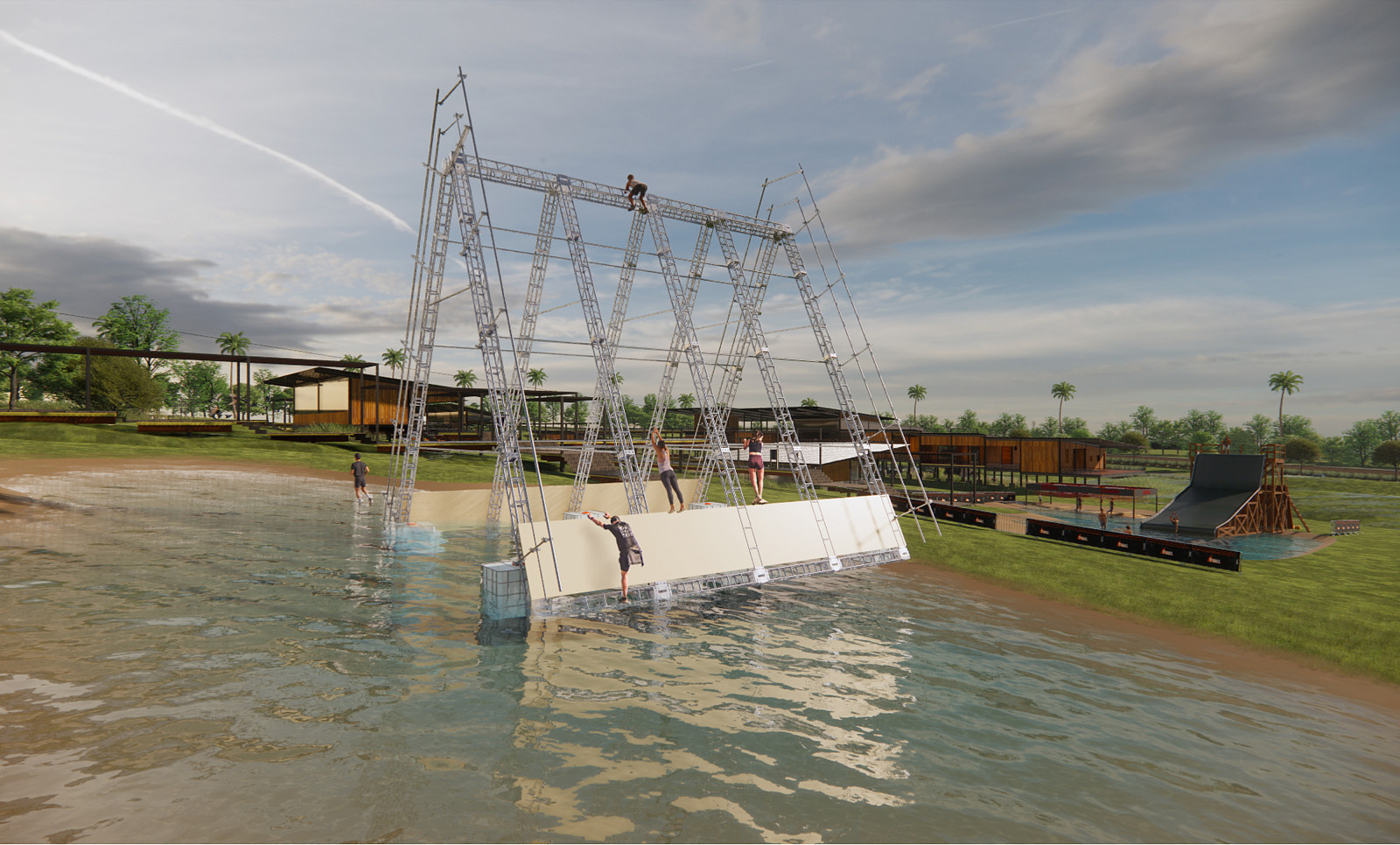
The goal of incorporating Mud Trail Adventures into this Wetland Awareness Centre is to attract more visitors by promoting eco-adventures as a key attraction. If the scheme’s sole purpose were to raise awareness about the importance of wetlands, the target users or visitor groups would likely be limited. However, incorporating eco-adventures into the project helps attract multiple user categories.
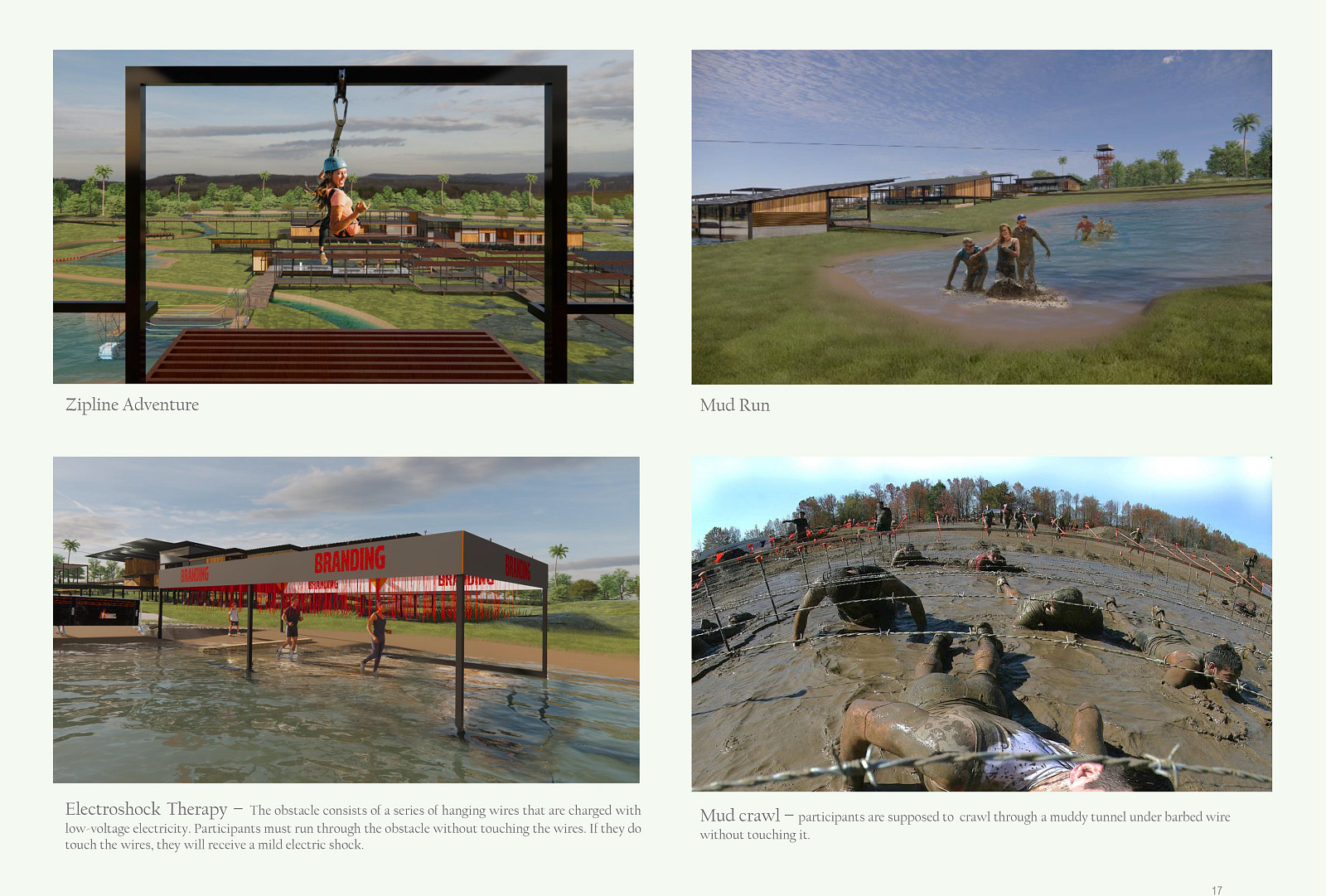
Although mud trails and adventure-based wetland experiences have recently become popular worldwide, they have not yet been introduced in Sri Lanka. Therefore, this will offer a unique experience for locals and help educate a wider audience compared to a conventional awareness centre.
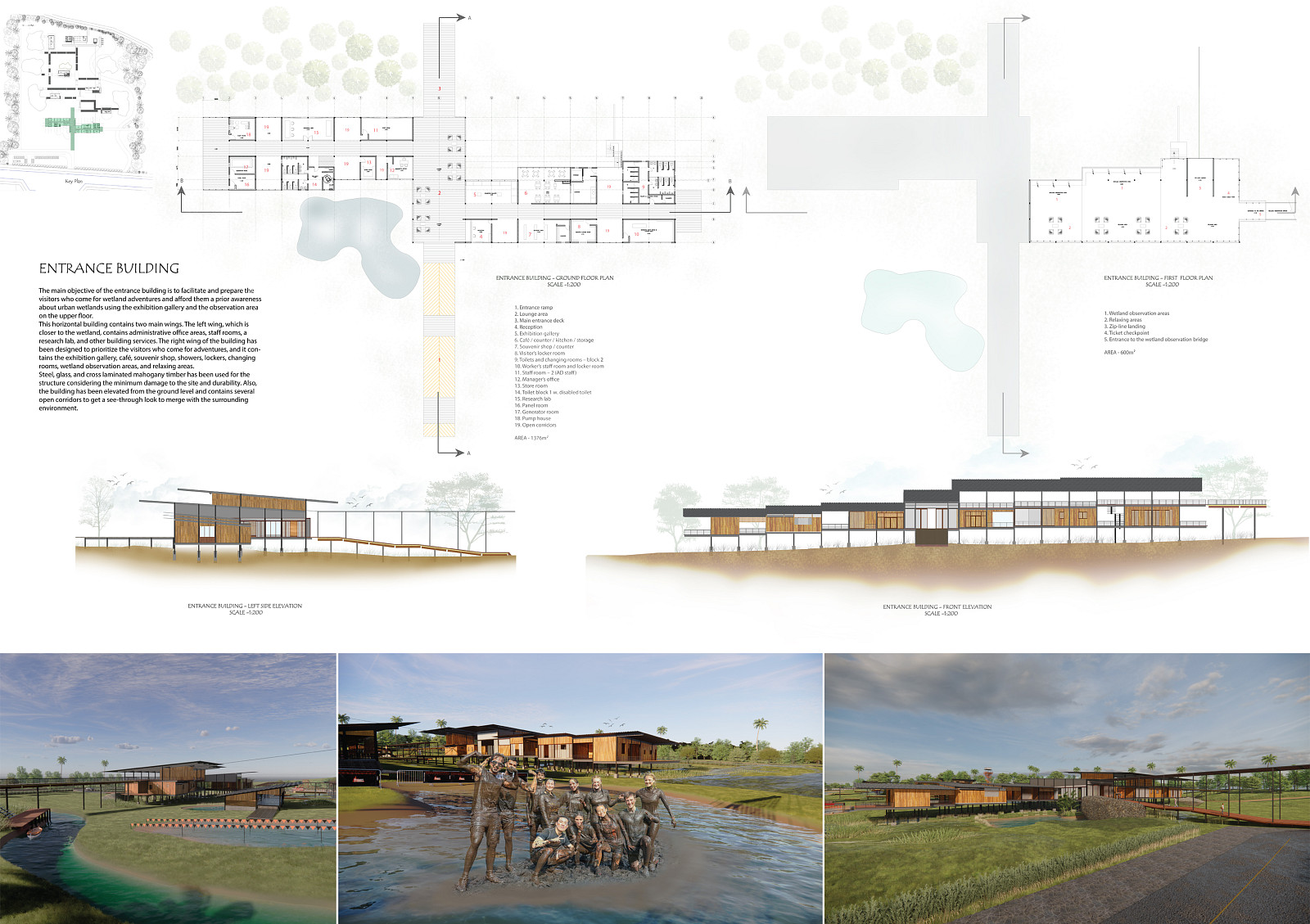
The scheme consists of an entrance building, five awareness centers, and a resting pavilion. The awareness program begins at the entrance building. The main objective of this building is to facilitate and prepare visitors for wetland adventures while also providing prior awareness about urban wetlands through an exhibition gallery and an observation area on the upper floor.
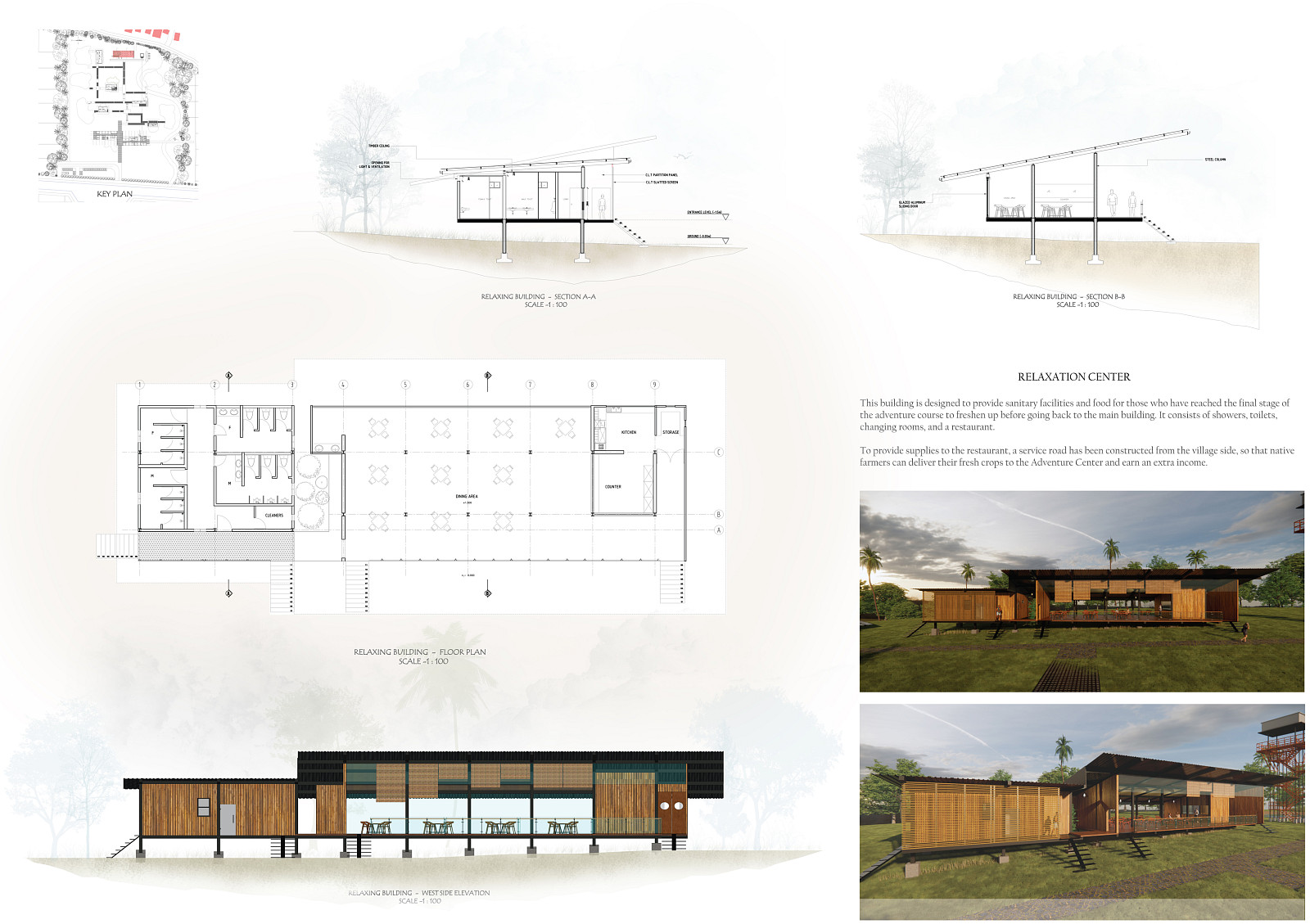
This horizontal building consists of two main wings. The left wing, which is closer to the wetland, contains administrative offices, staff rooms, a research lab, and other service areas. The right wing is designed to prioritize visitors engaging in adventures and includes an exhibition gallery, café, souvenir shop, showers, lockers, changing rooms, wetland observation areas, and relaxation spaces.
When visitors are ready to step into the wetland, they will be guided through the proposed awareness centers which showcase the unique significance, advantages, and potential opportunities of wetlands. These awareness centers will also function as supporting facilities for the eco-adventure activities.
Visitors will gain essential knowledge about the importance of wetlands and receive instructions related to the eco-adventure experiences. These facilities will also include resting areas, first aid services, cleaning equipment, and other necessary tools required for the respective activities.
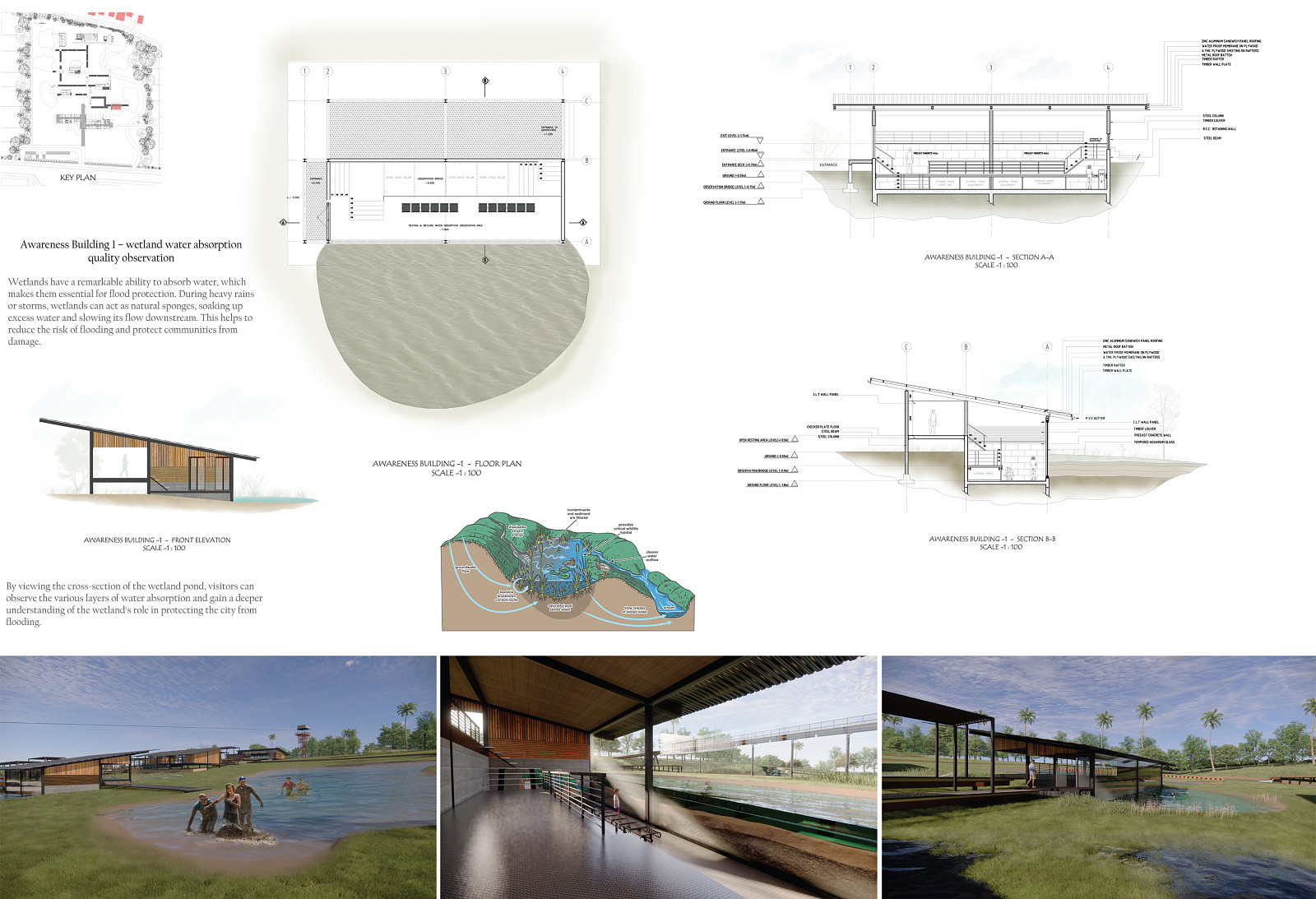
Awareness Center 1 - will exhibit the water absorption capacity of wetlands, which makes them essential for flood protection. This helps reduce the risk of flooding and protects surrounding communities from potential damage.
By displaying this function through a cross-section of a wetland pond, visitors can observe the different layers involved in water absorption and gain a deeper understanding of the wetland’s role in protecting the city from flooding.
This awareness center also leads to two eco-adventures: an obstacle mud run and a mud crawl.
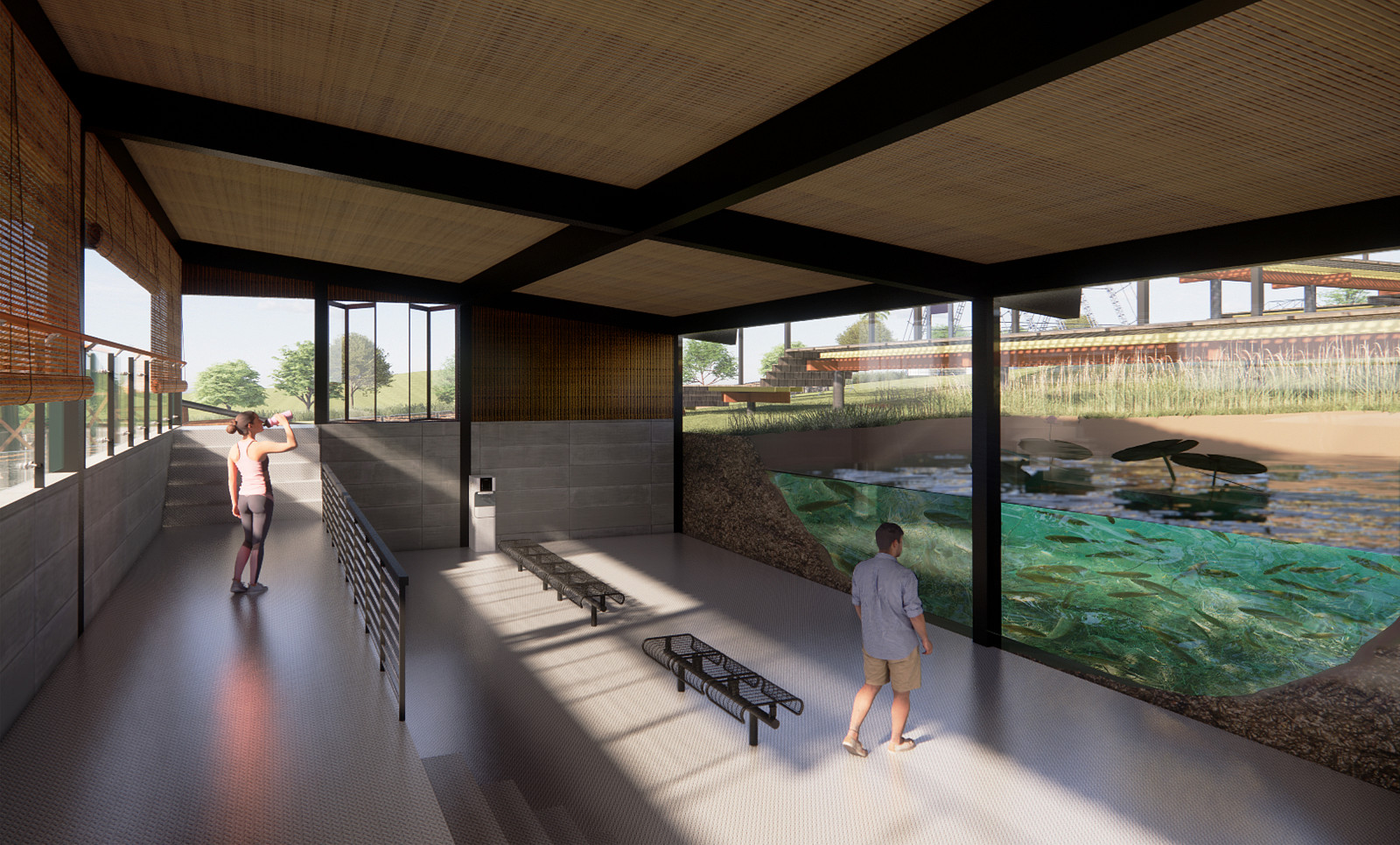
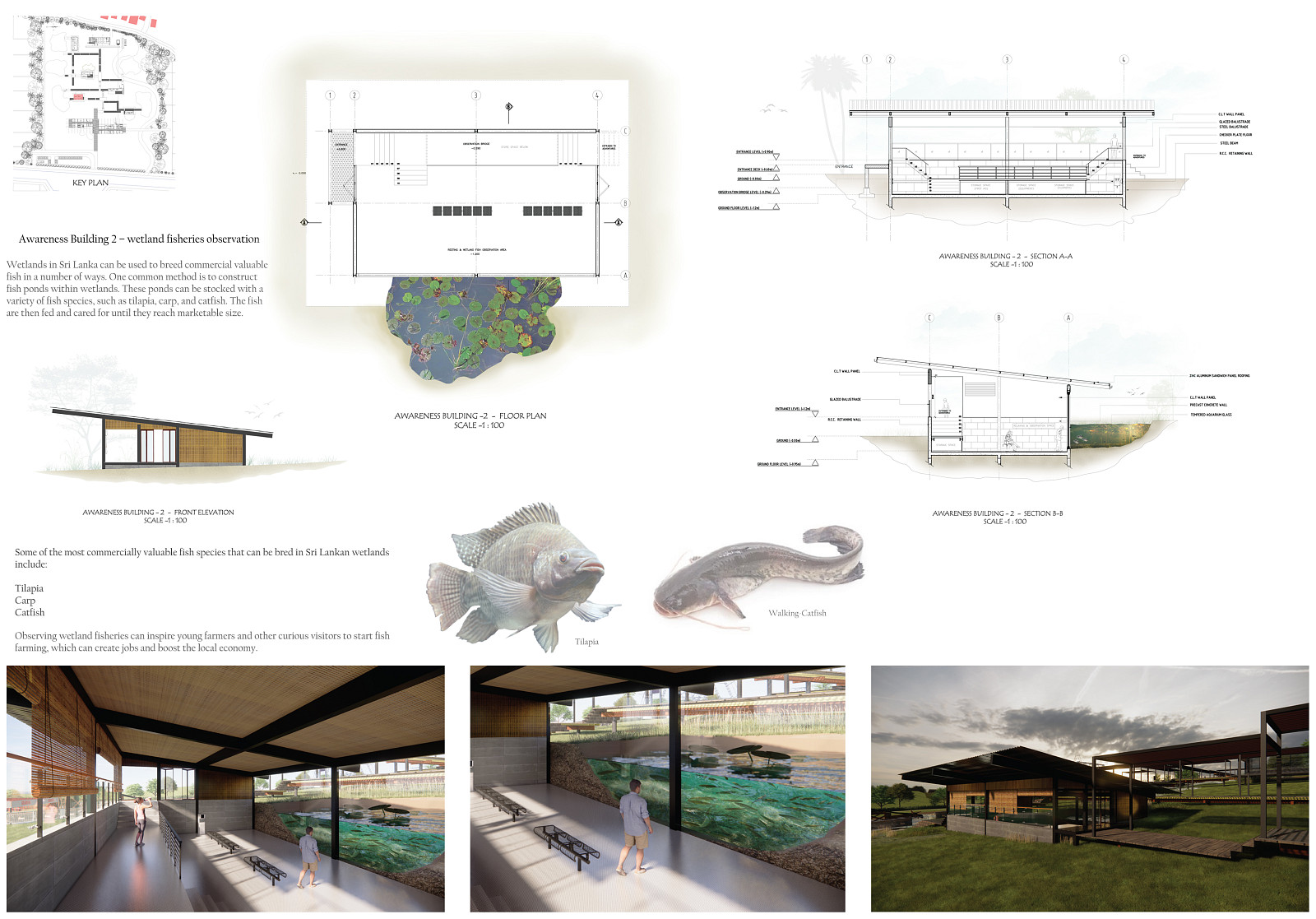
Awareness Center 2 - will demonstrate the potential for breeding commercially valuable fish, such as koi, which has significant global demand. Alternatively, these ponds can be stocked with a variety of fish species, such as tilapia, carp, and catfish. The fish are then fed and cared for until they reach marketable size.
This awareness center also leads to multiple eco-adventure activities, including the Mud Slide, Electric Shocker and Funky Monkey.
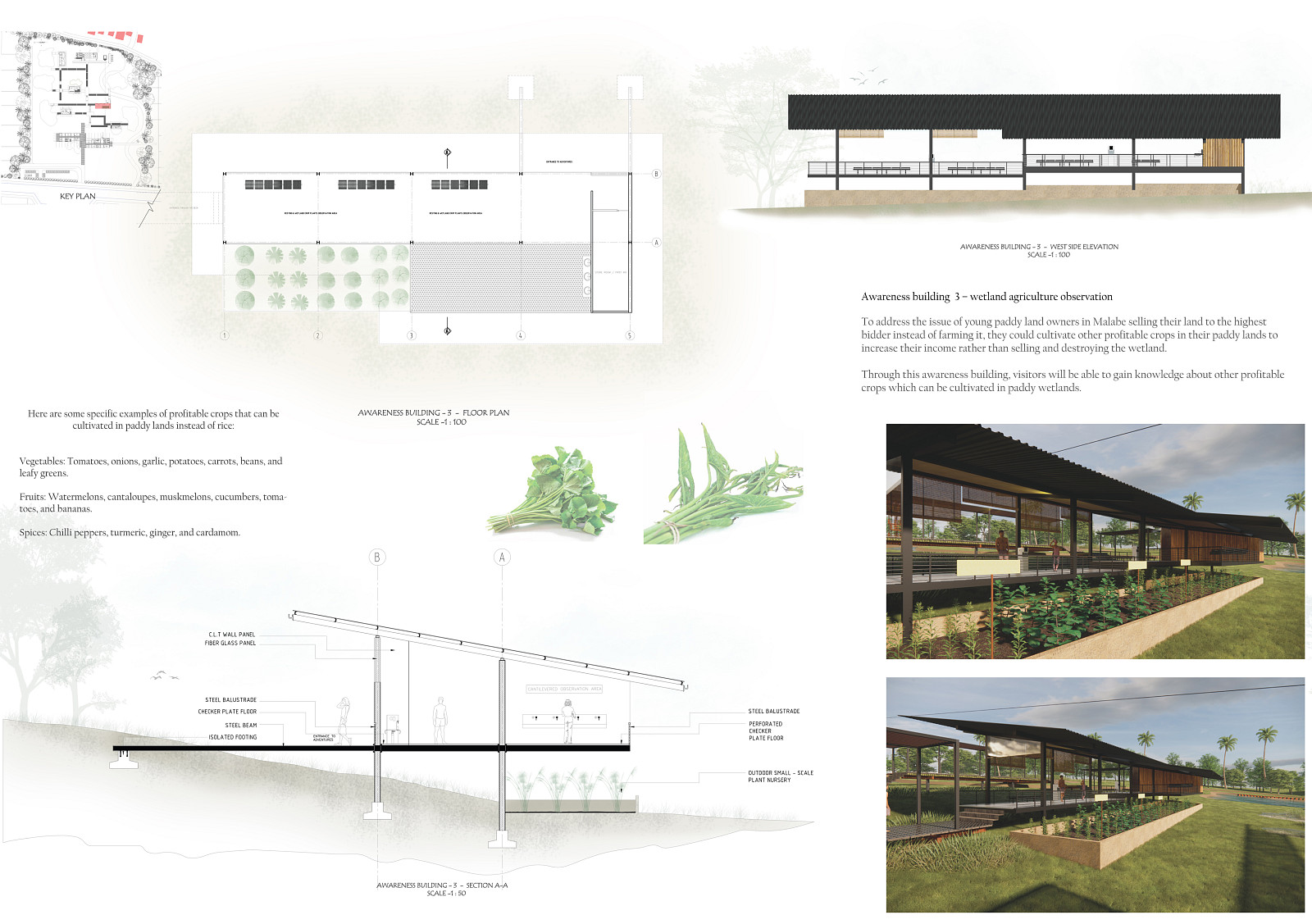
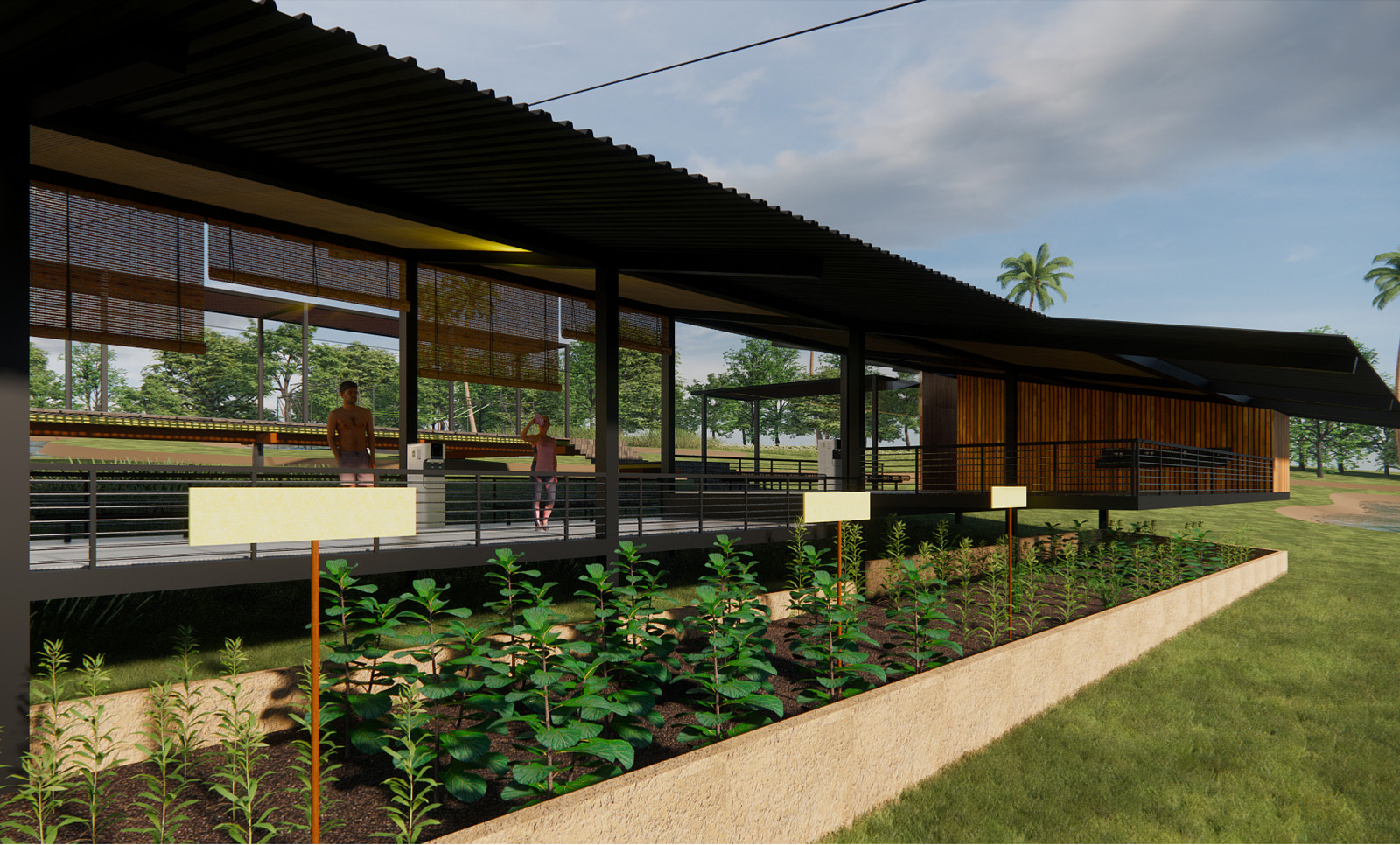
Awareness Center 3 - will demonstrate how these lands can be used to cultivate alternative, profitable crops in paddy fields, helping to increase farmers’ income rather than selling or destroying the wetland.
Through this awareness center, visitors will gain knowledge about other profitable crops that can be cultivated in wetland areas.
This awareness center also leads to eco-adventure activities such as Widow’s Peak.
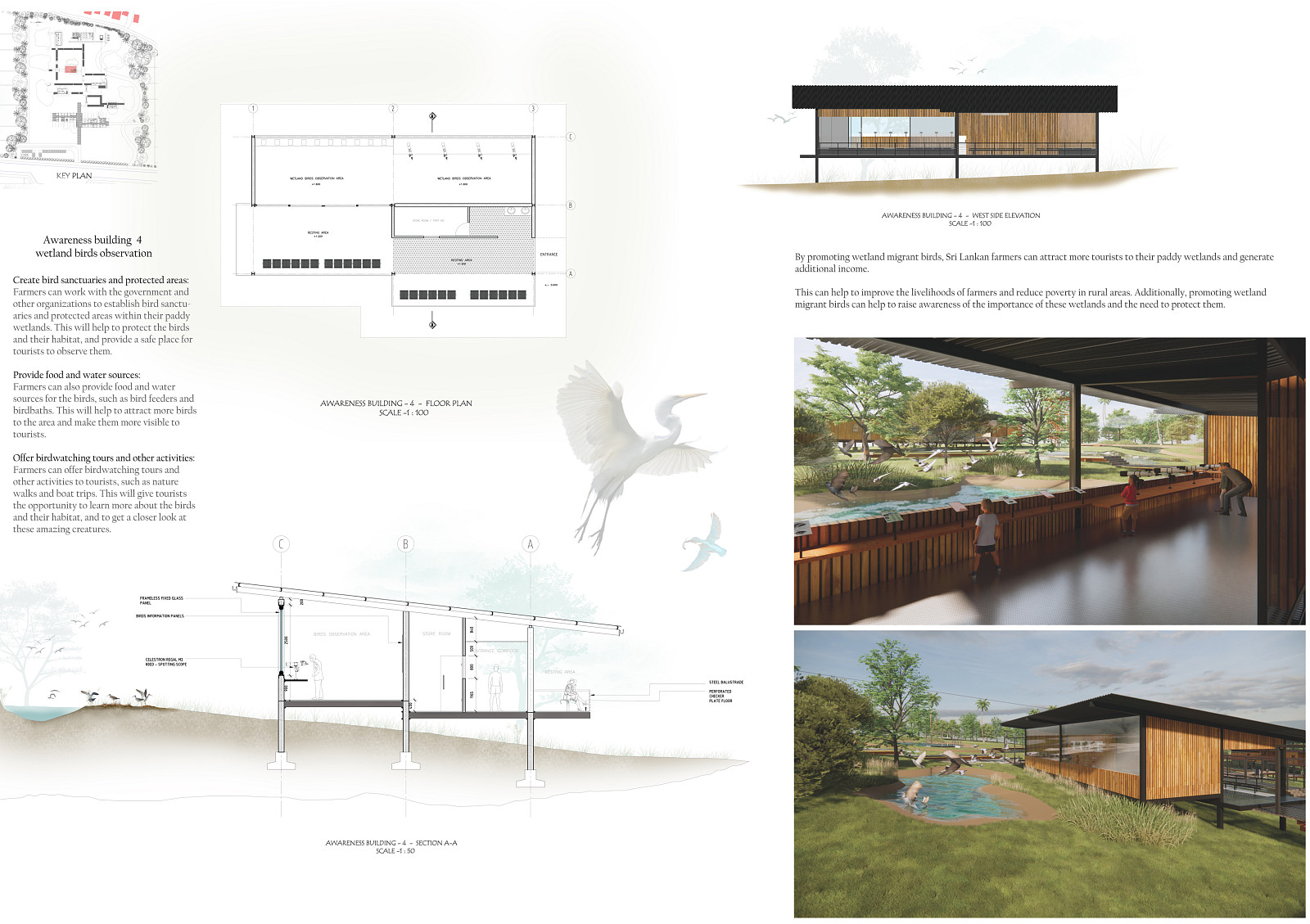
Awareness Center 4 - will demonstrate how these wetlands can be used to promote wetland bird observation. Farmers can offer birdwatching tours, nature walks, and boat trips to enthusiasts, generating additional income.
Within this awareness center, visitors can learn how wetlands also act as habitats for different kinds of endemic and migratory birds.
This awareness center also leads to eco-adventure activities such as Mudderhorn and Pitfall.
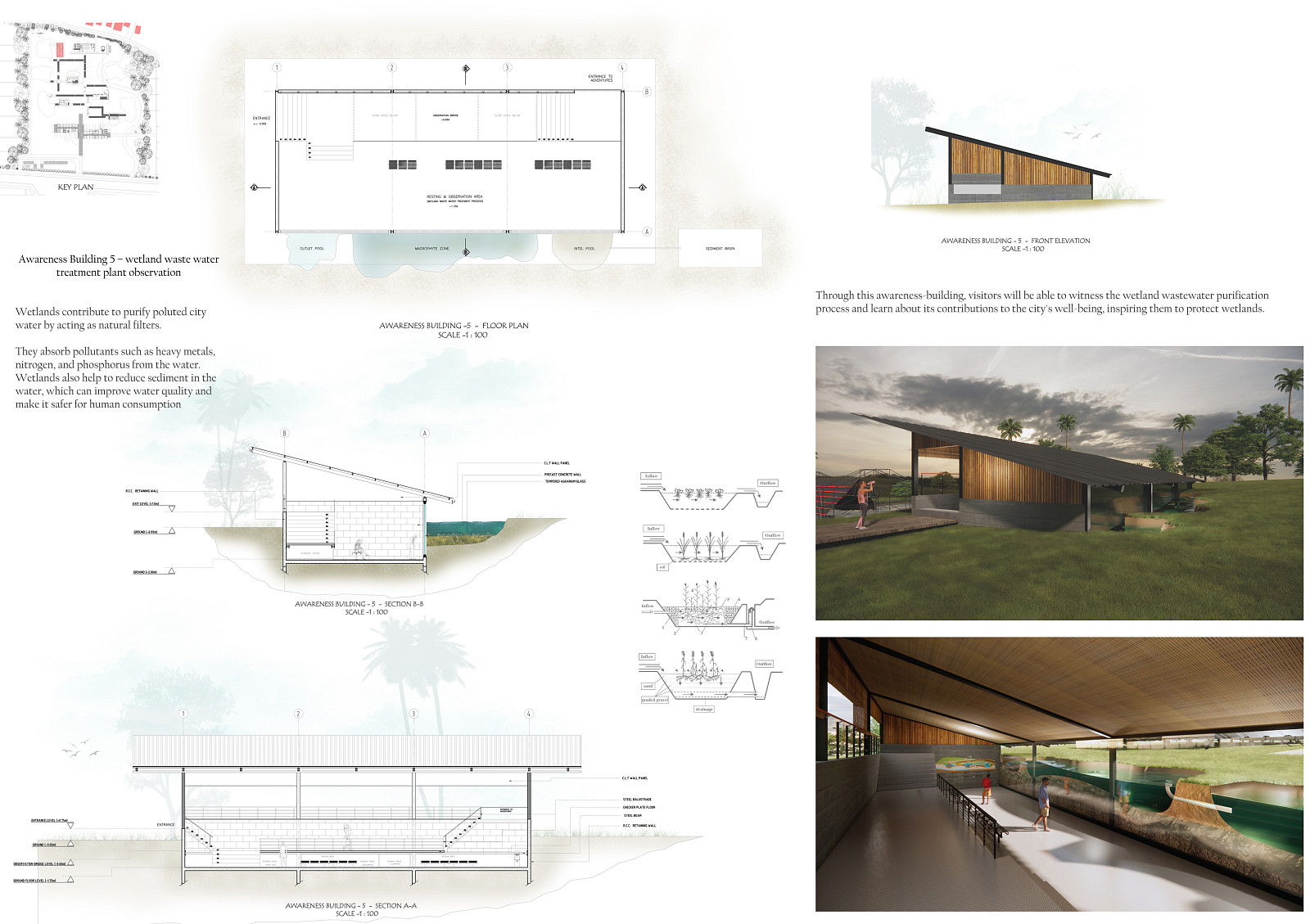
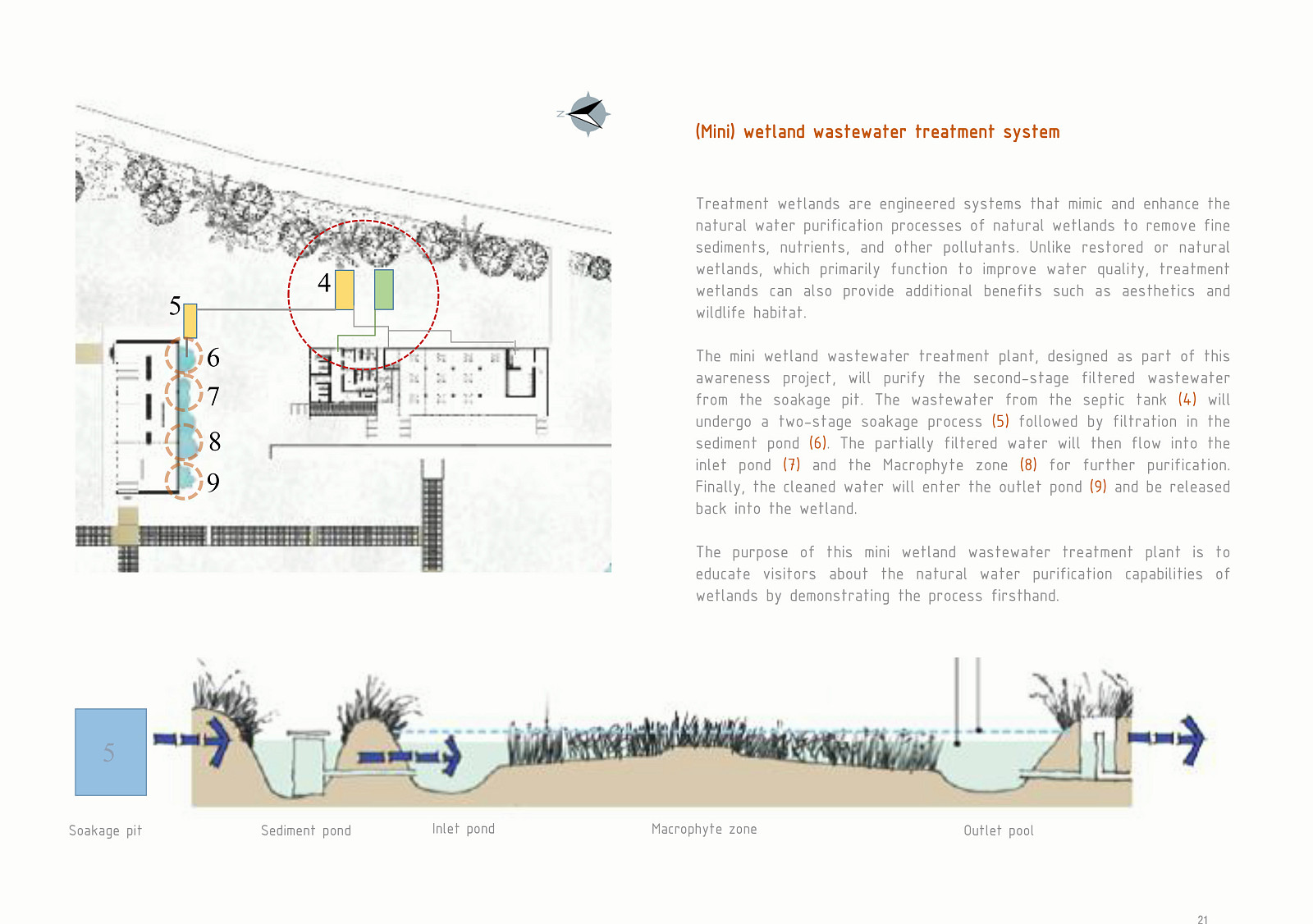
Awareness Center 5 - will demonstrate the wetlands’ ability to function as a wastewater treatment system.
Wetlands contribute to purifying polluted urban water by acting as natural filters. In Awareness Center 5 visitors will be able to view a cross section of a wastewater treatment system and learn about the natural ability of wetlands to transform muddy, polluted water into cleaner water.
This awareness center also leads to eco-adventure activities such as Mud Mile and Mud Slide 2.
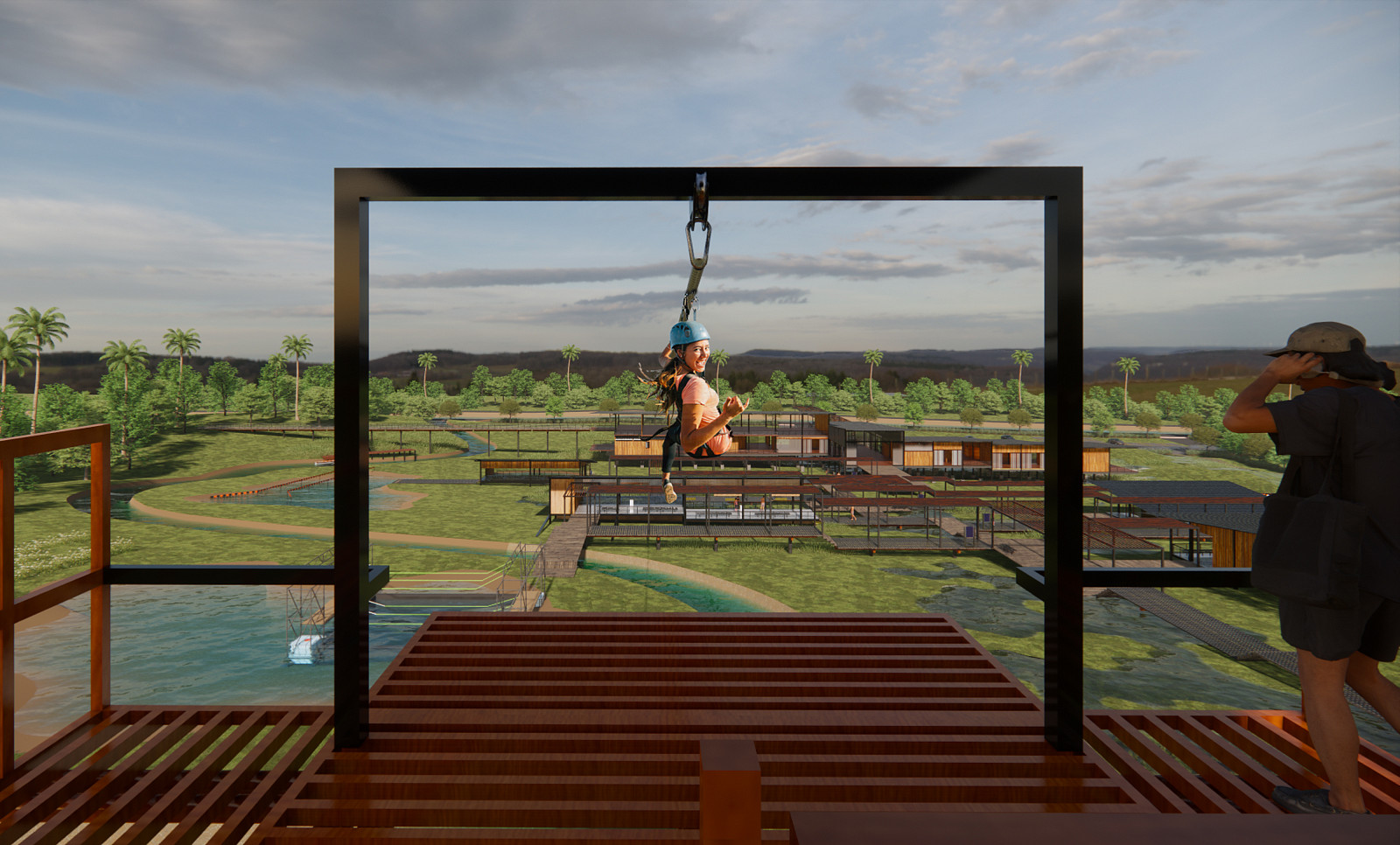
After visitors have been through all the awareness centers and eco-sports activities, they can take a shower and then head to the resting pavilion to enjoy food and refreshments. From there they can return to the main building via zip line, boat ride, or the service route.
Technické informace
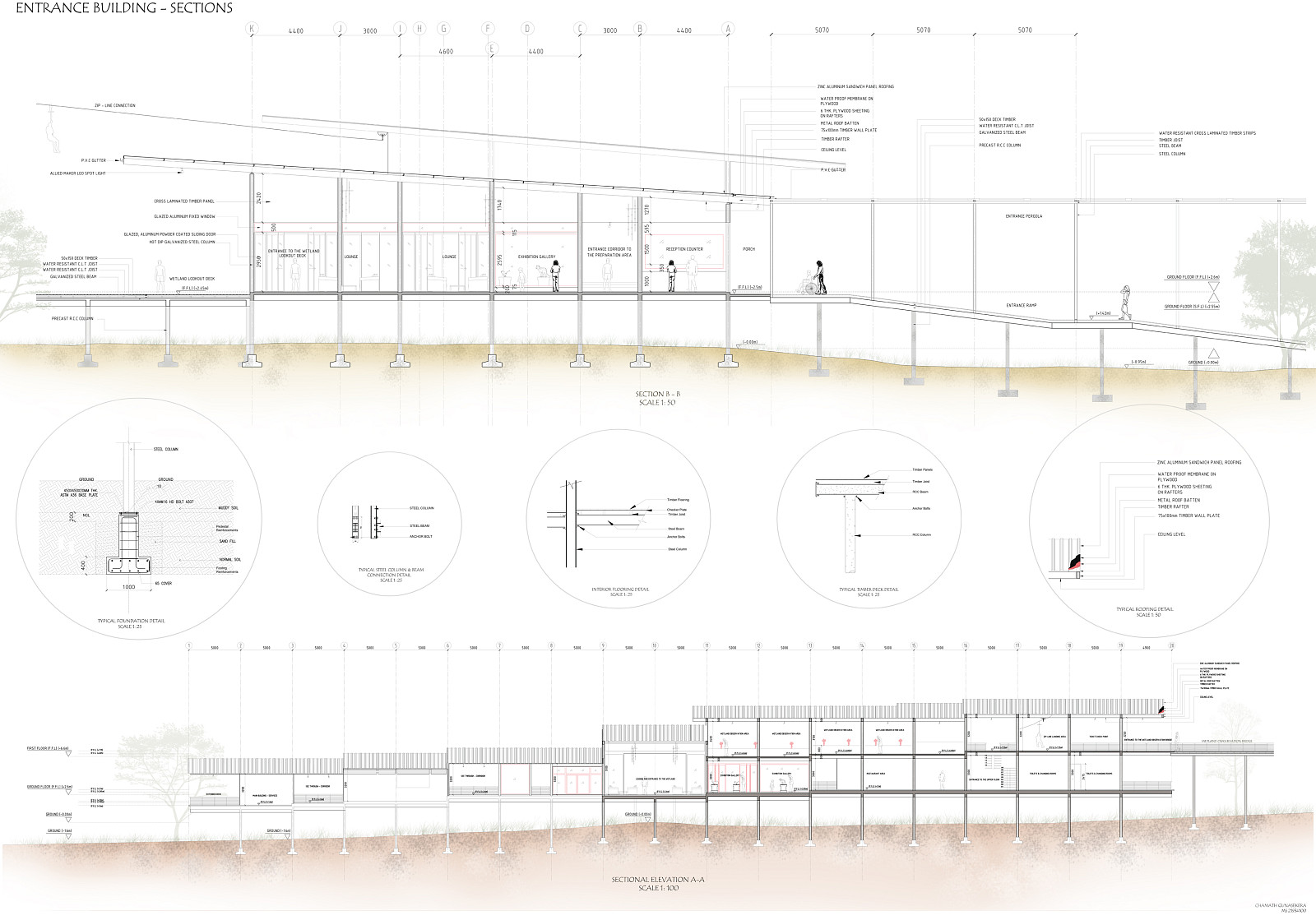
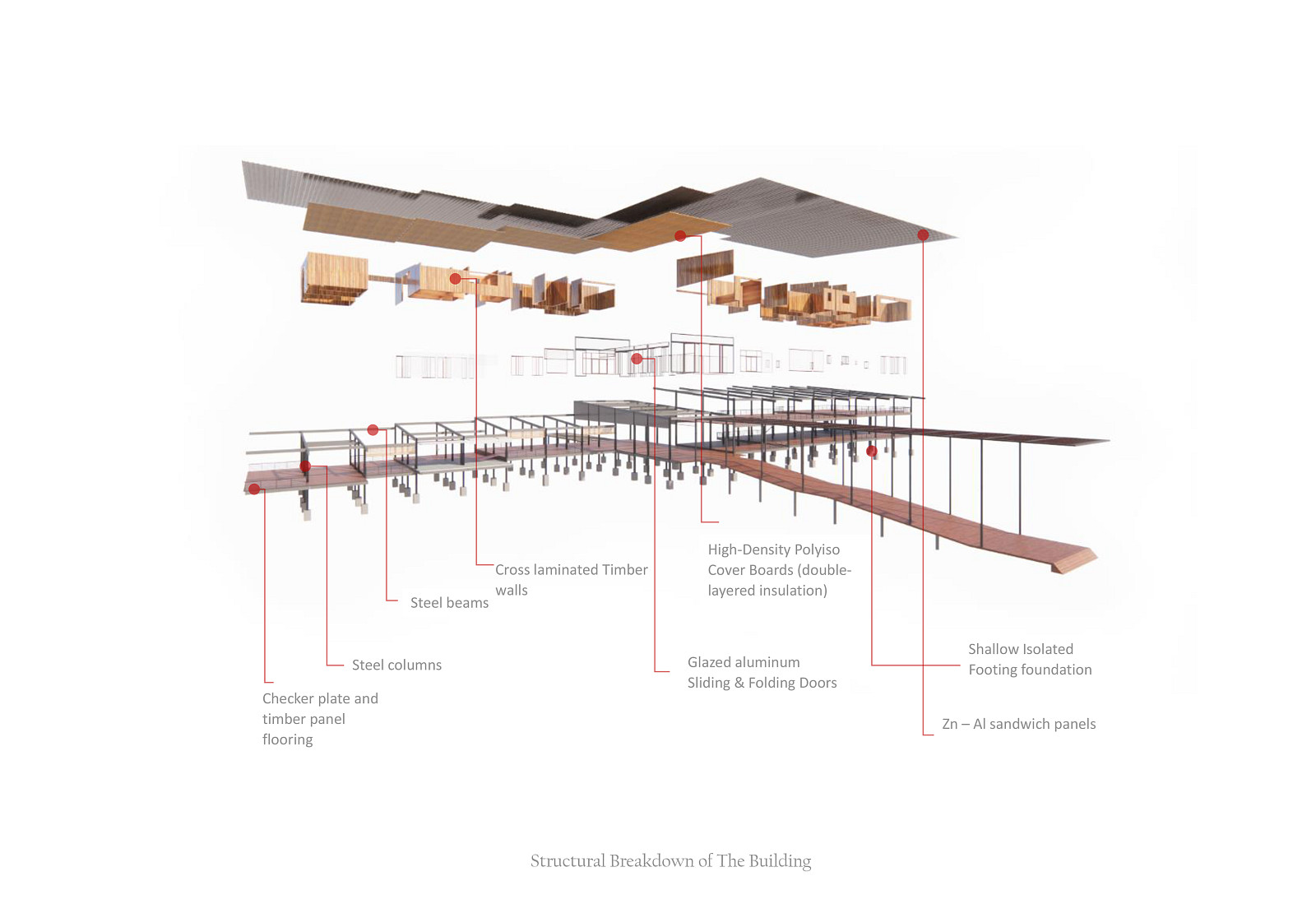
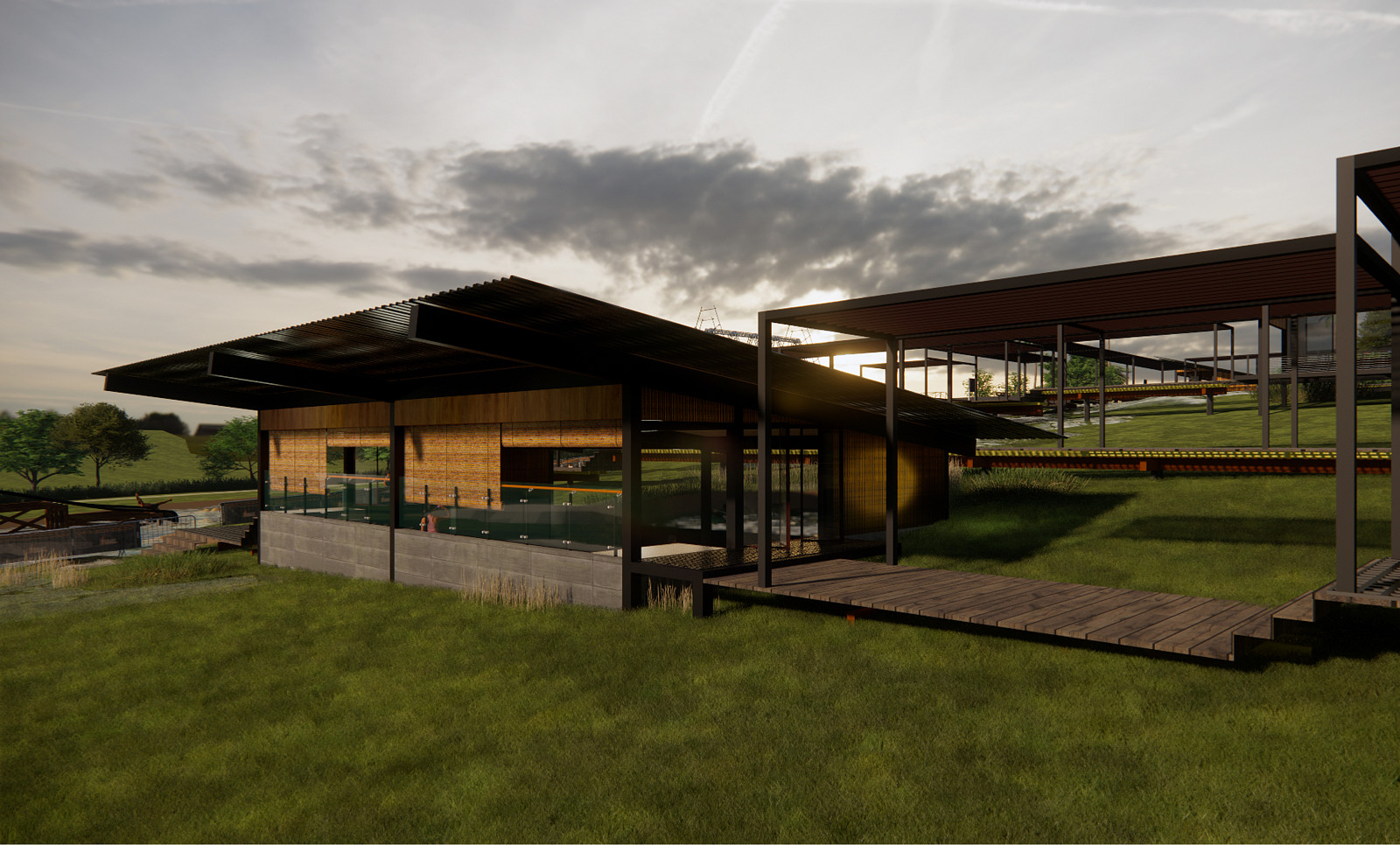
The superstructure of the entrance building consists of steel columns and beams as the primary structural components, while cross-laminated mahogany timber panels are used for the flooring and walls.
To achieve a transparent, see-through appearance, glazed aluminum doors and windows have been incorporated. The building is elevated above ground level and includes several open corridors, enhancing visual permeability and allowing it to merge with the surrounding environment. Zinc-aluminum sandwich panels are used as the primary roofing material due to their durability; however, they are proposed to be covered with iluk thatch to better harmonize with the natural context.
Considering the sensitivity of the site, along with the effects of live and dead loads, a shallow isolated footing foundation has been adopted for the superstructure.
The awareness centers are designed for durability and ease of maintenance. They are constructed using steel and concrete structural systems, with checkered plates and stainless steel perforated sheets used as flooring materials. Cross-laminated timber is used for the visible wall surfaces, while concrete is used for underground walls.
In areas where the awareness centers include sectional cuts through parts of the wetland—such as wetland ponds—tempered glass is used for its strength, durability and low maintenance requirements. These structures are resistant to water and mud, and are easy to clean.
To ensure a clean and pleasant experience for all visitors, each building is equipped with cleaning facilities, and dedicated staff maintain the premises at regular intervals. This ensures a welcoming environment, even for visitors arriving wet or muddy.


Copyright © 2026 INSPIRELI | All rights reserved. Use of this website signifies your agreement to the Terms of Use, Privacy Policy, and use of cookies.