AFTERMATH


Project idea
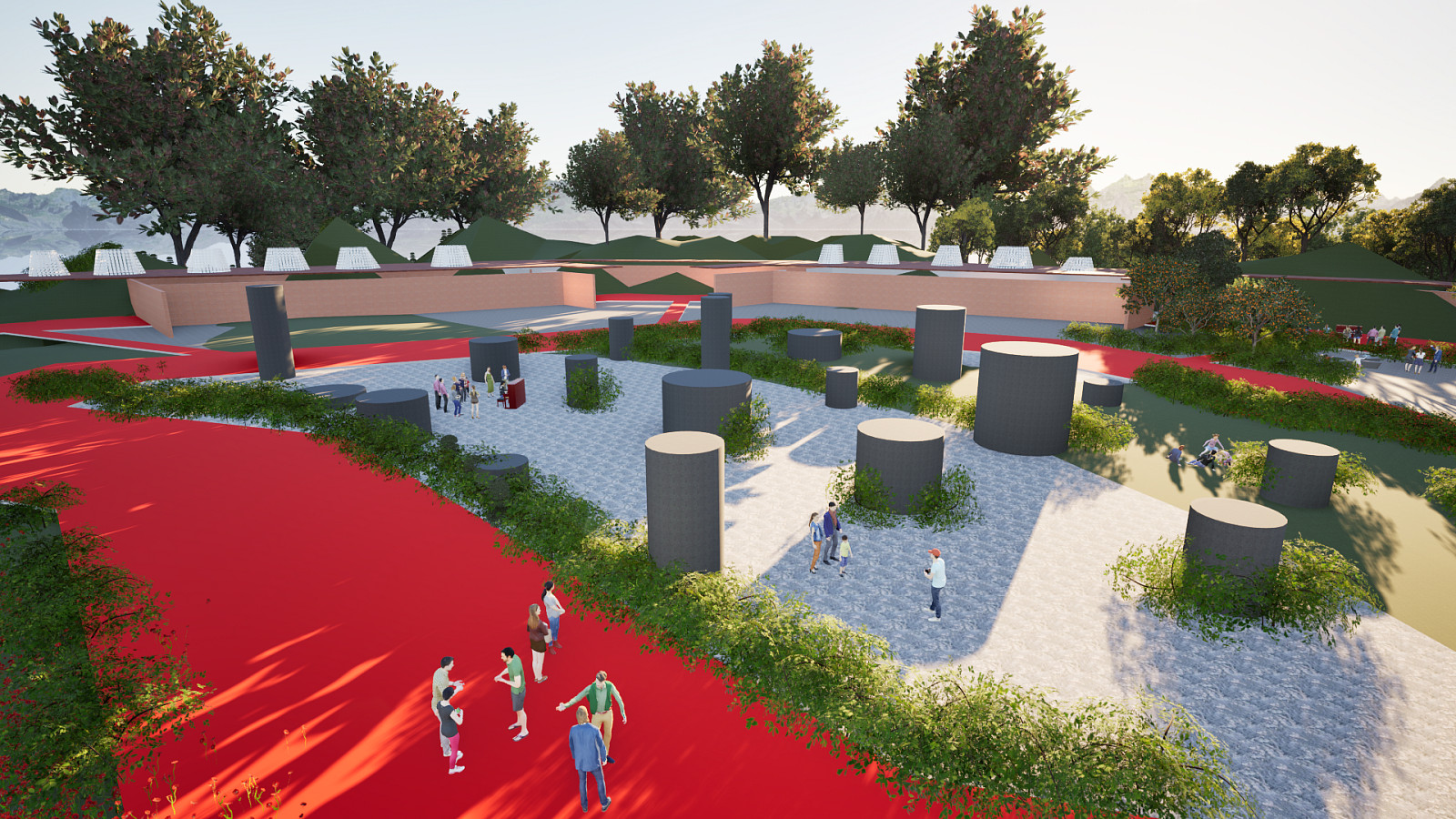
Inspired by the idea of memory as fragments that remain and reconnect over time, the project translates historical narratives into spatial experiences. Open and enclosed spaces, moments of pause, and varied spatial conditions guide visitors through an interpretive journey, allowing individual reflection while acknowledging shared histories. The architecture aims to remain grounded and respectful to the context while creating meaningful engagement with the site.
Project description
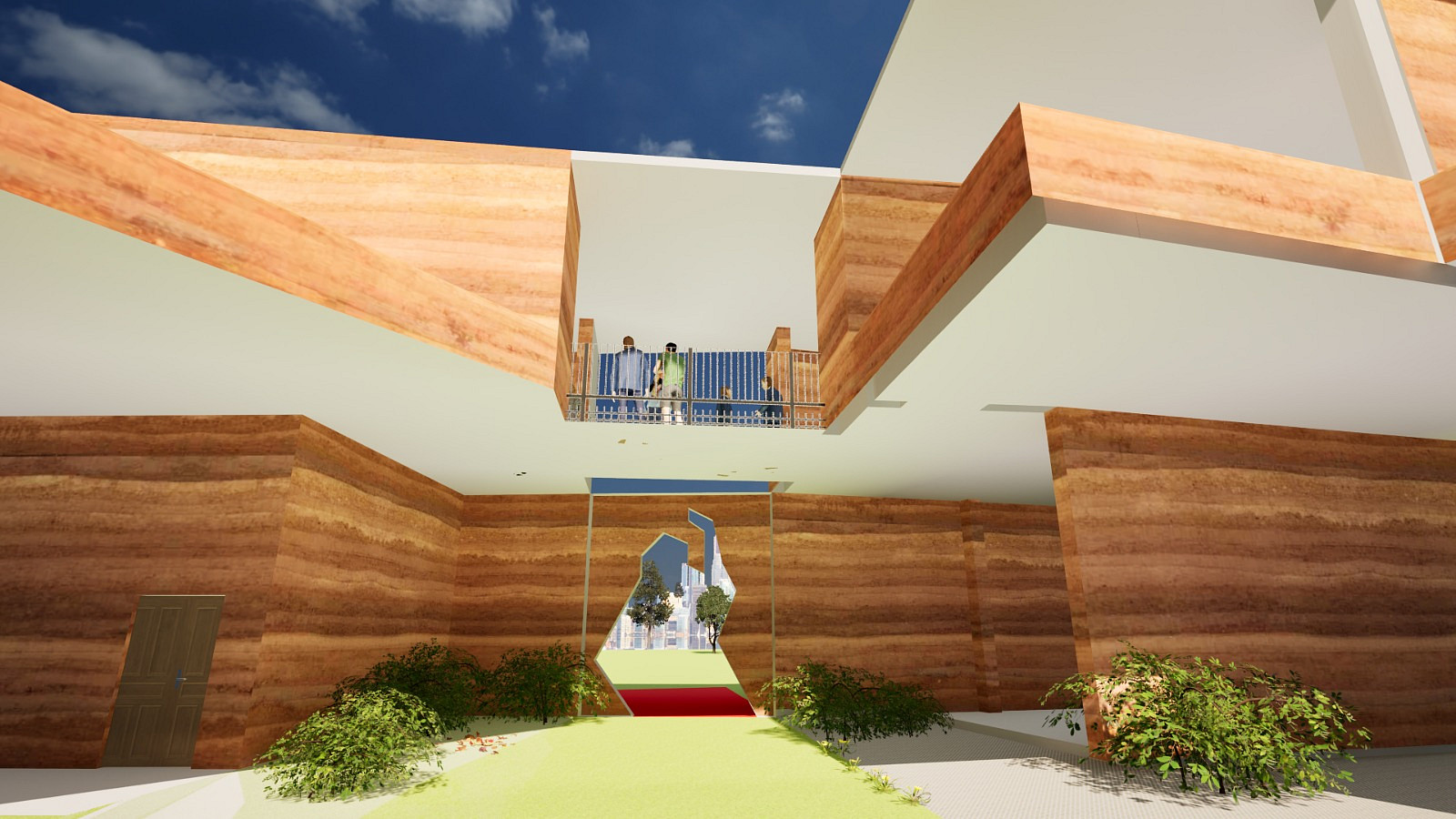
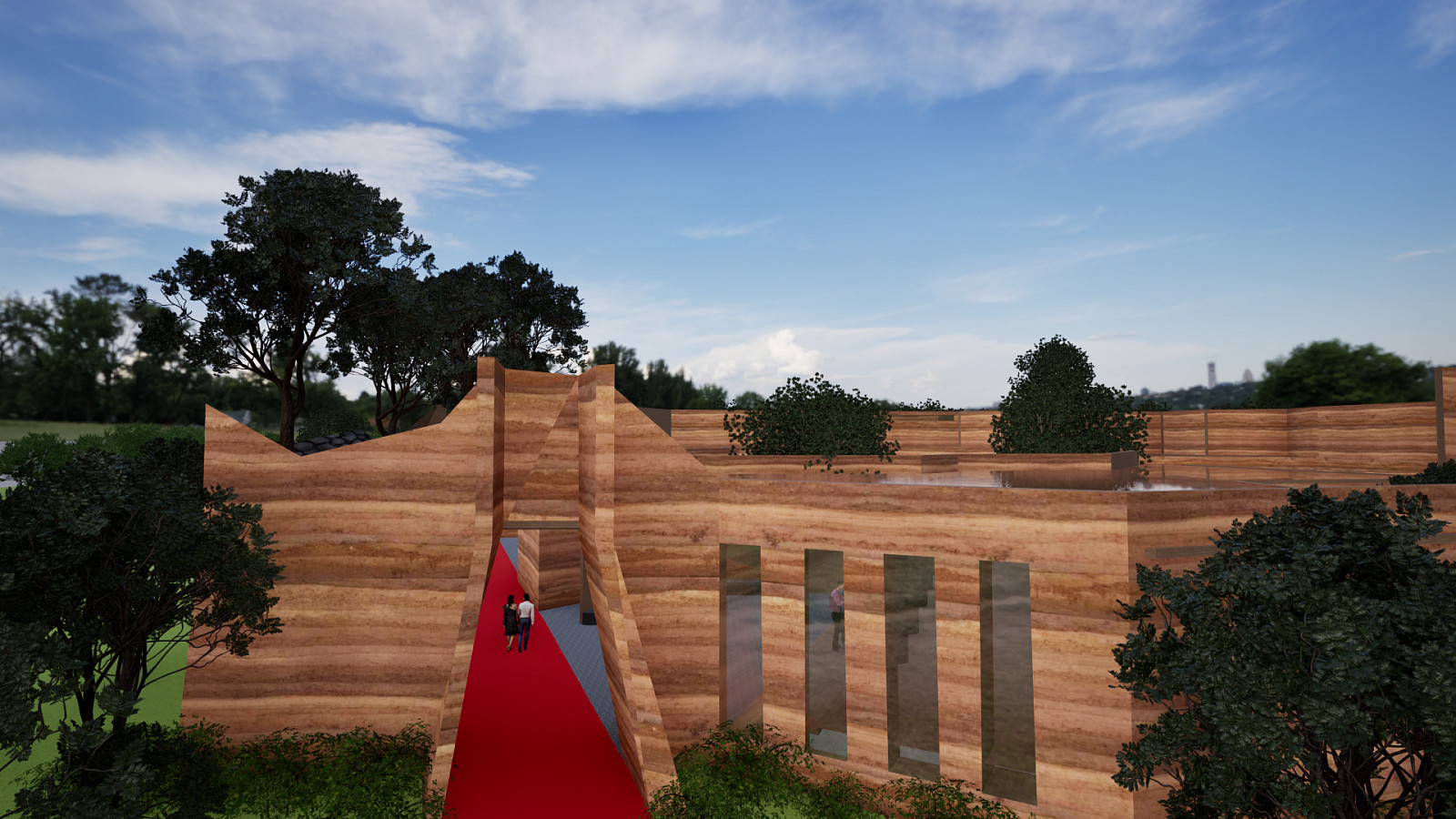
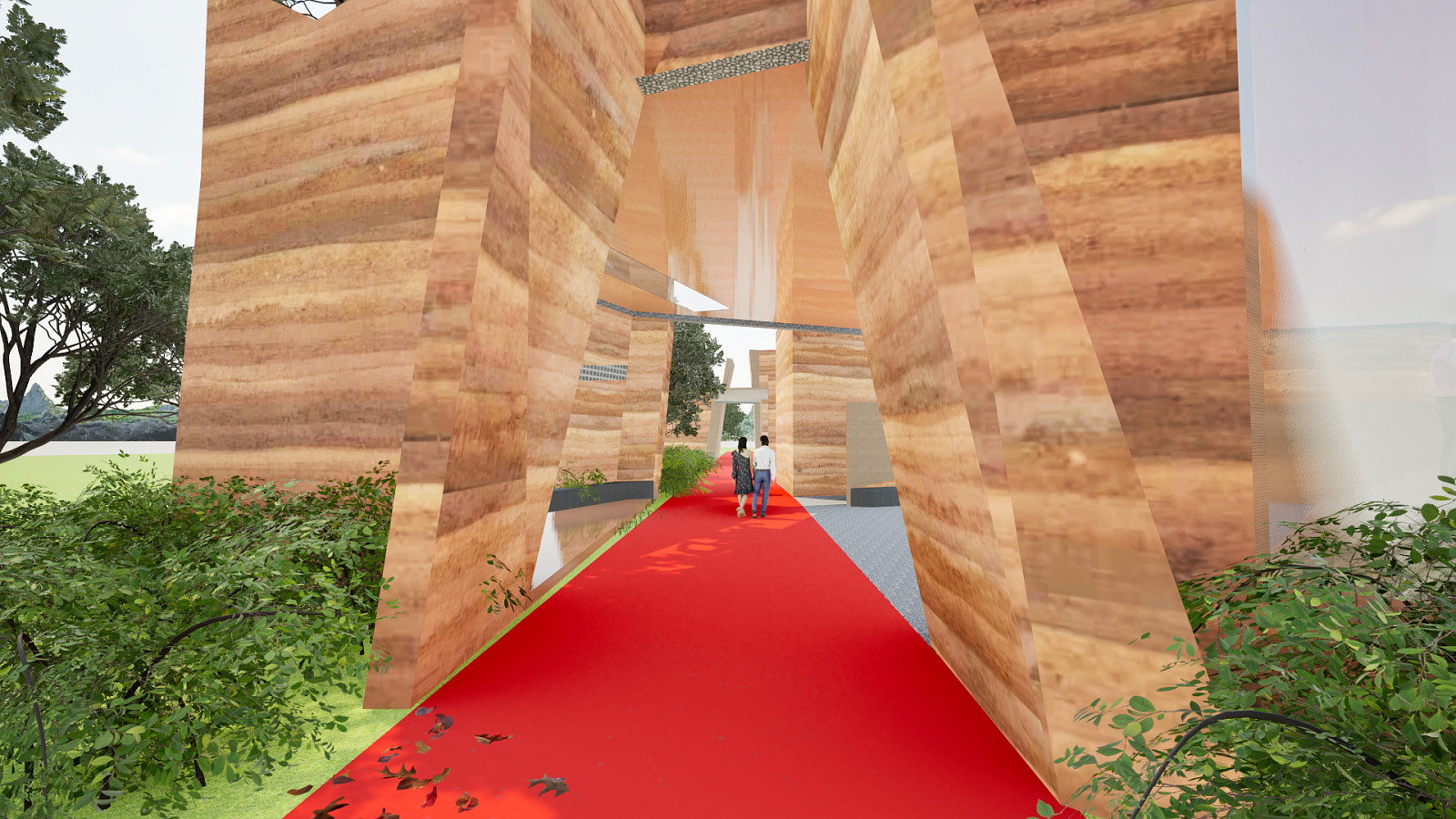
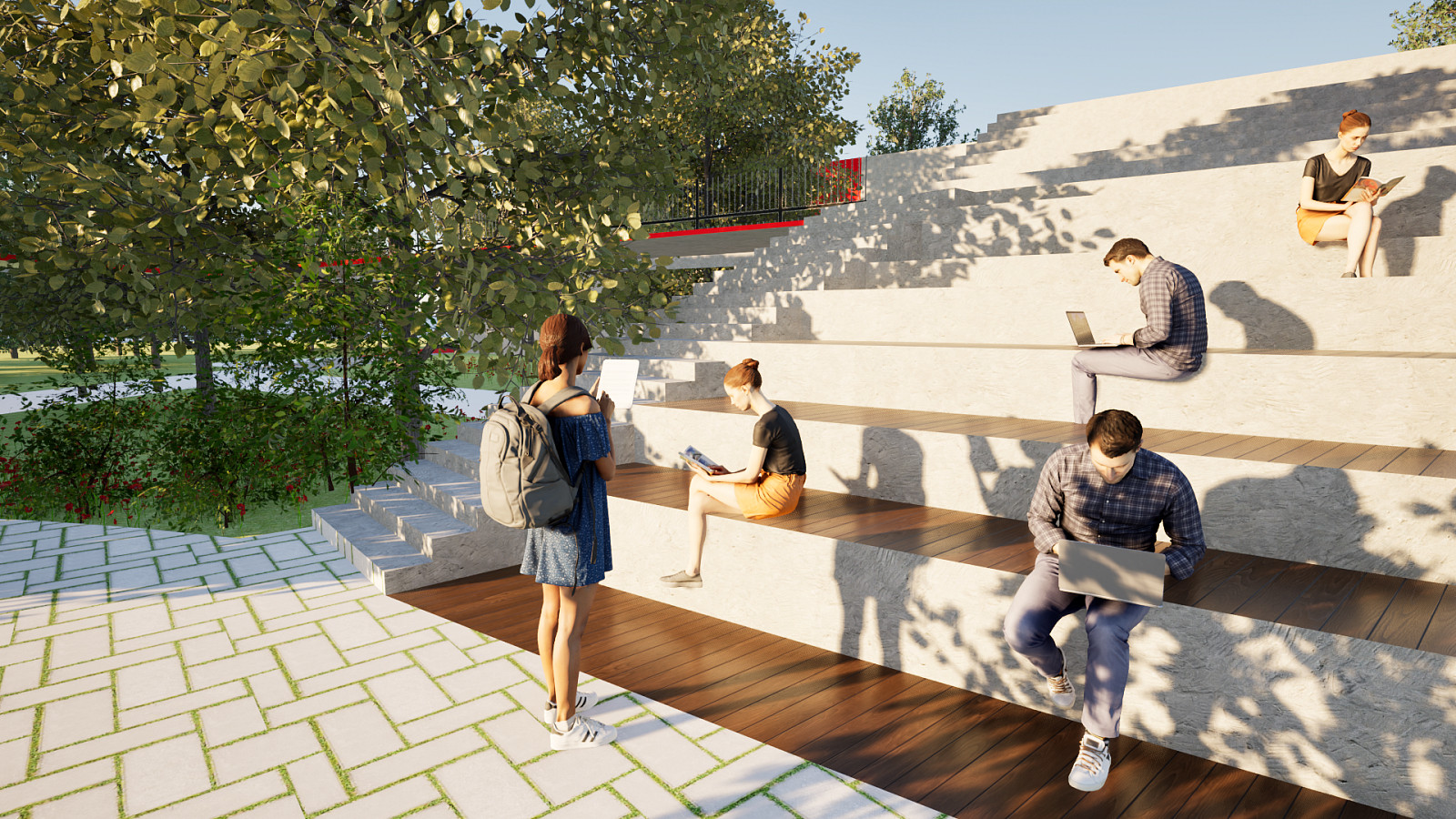
The Interpretation Center is envisioned as a space that enables visitors to engage with and understand the historical significance of the site through experience, movement, and reflection. Rather than presenting history as static information, the project creates an environment that encourages interpretation, collective memory, and interaction through a sequence of immersive and contemplative spaces.
Technical information
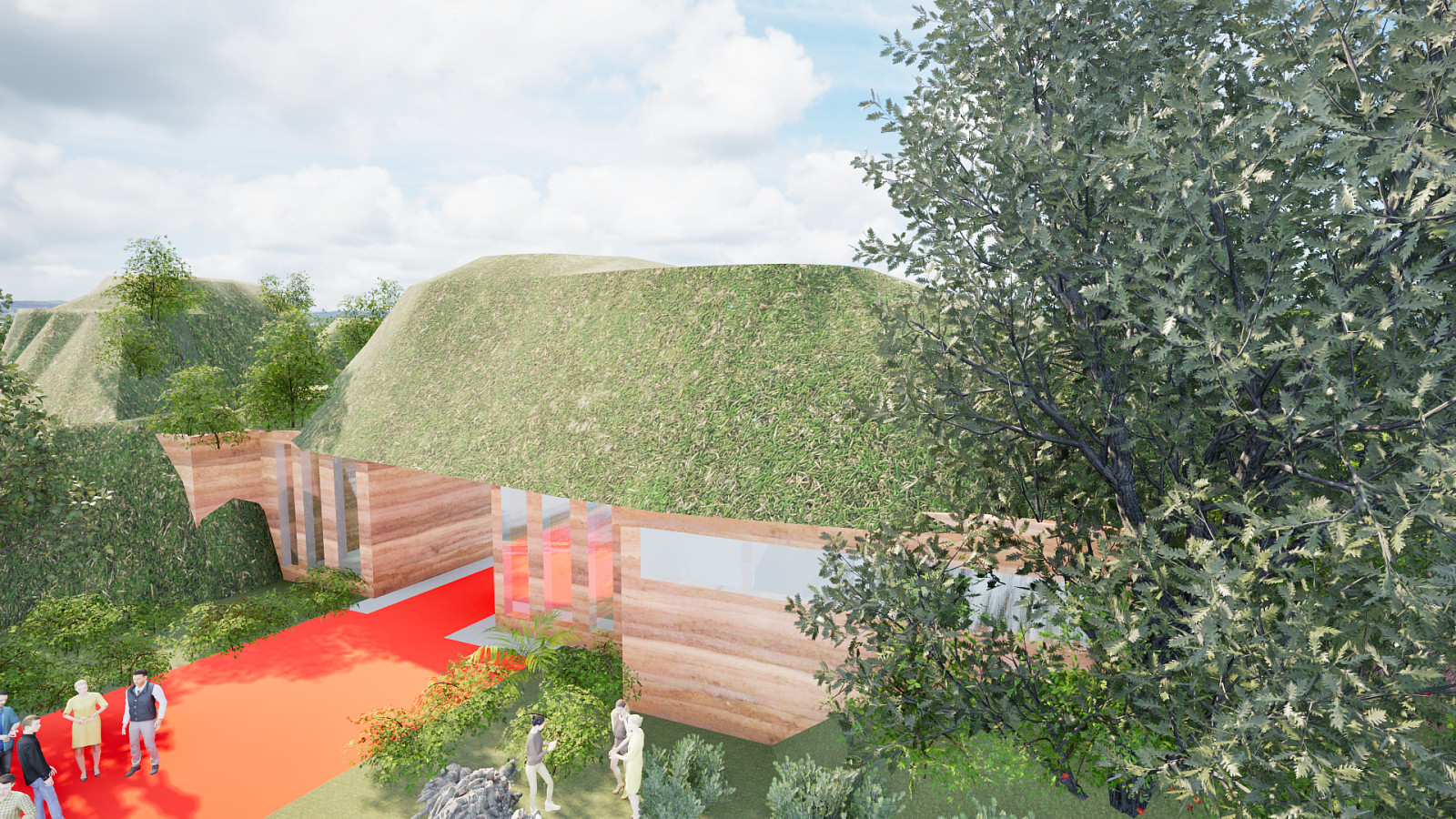
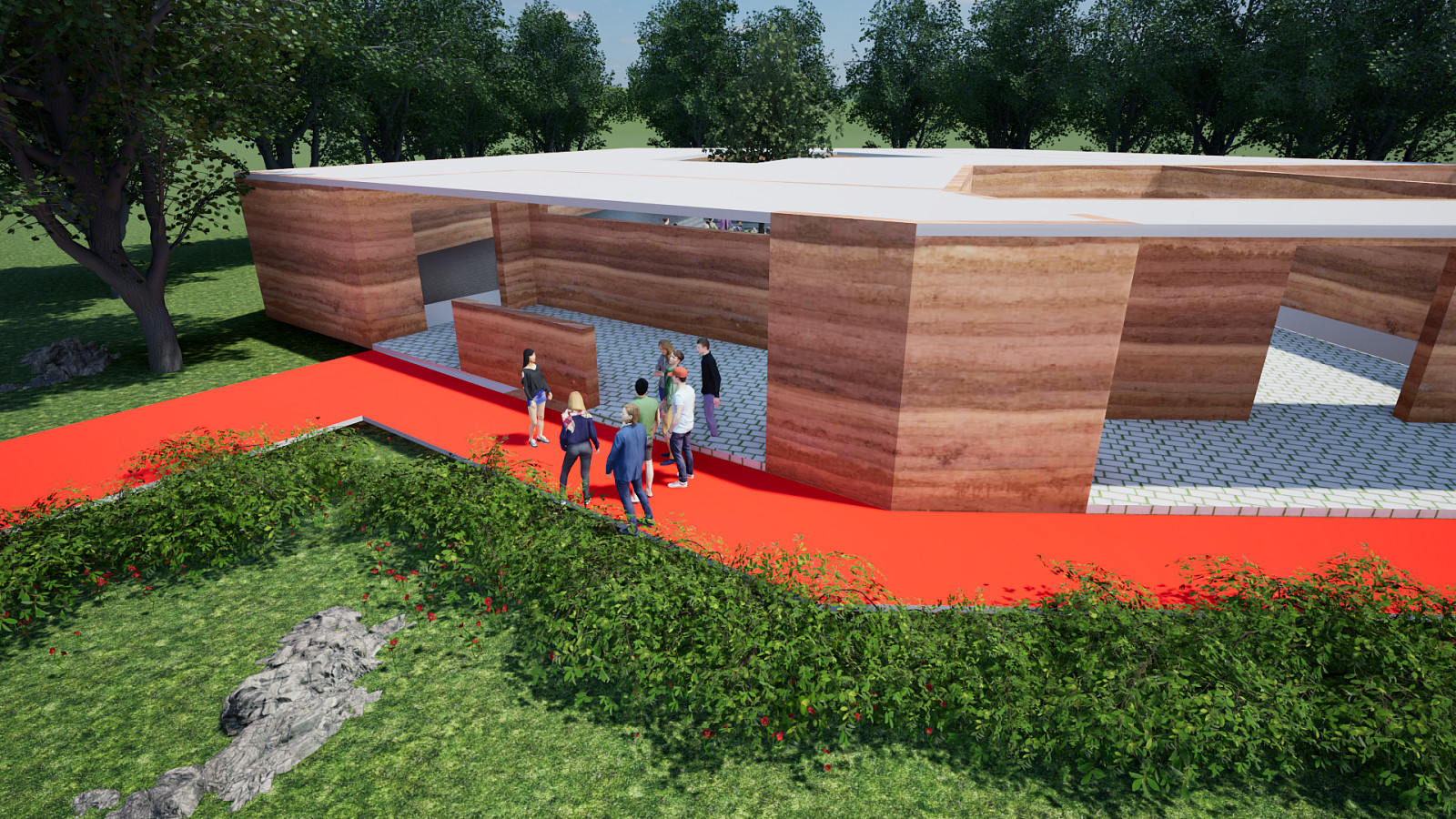
The project explores the use of rammed earth as a non-load-bearing enclosure system integrated with a long-span structural framework. Due to the limited tensile and spanning capacity of conventional rammed earth construction, larger uninterrupted spaces are achieved using a reinforced structural system that carries the primary roof loads. Rammed earth walls function as enclosure and environmental mass while contributing to thermal performance, material expression, and spatial character. Reinforcement and structural integration allow greater flexibility in planning while retaining the tactile and sustainable qualities of earth construction.

Copyright © 2026 INSPIRELI | All rights reserved. Use of this website signifies your agreement to the Terms of Use, Privacy Policy, and use of cookies.