Fragmented loop of active memory


Project idea
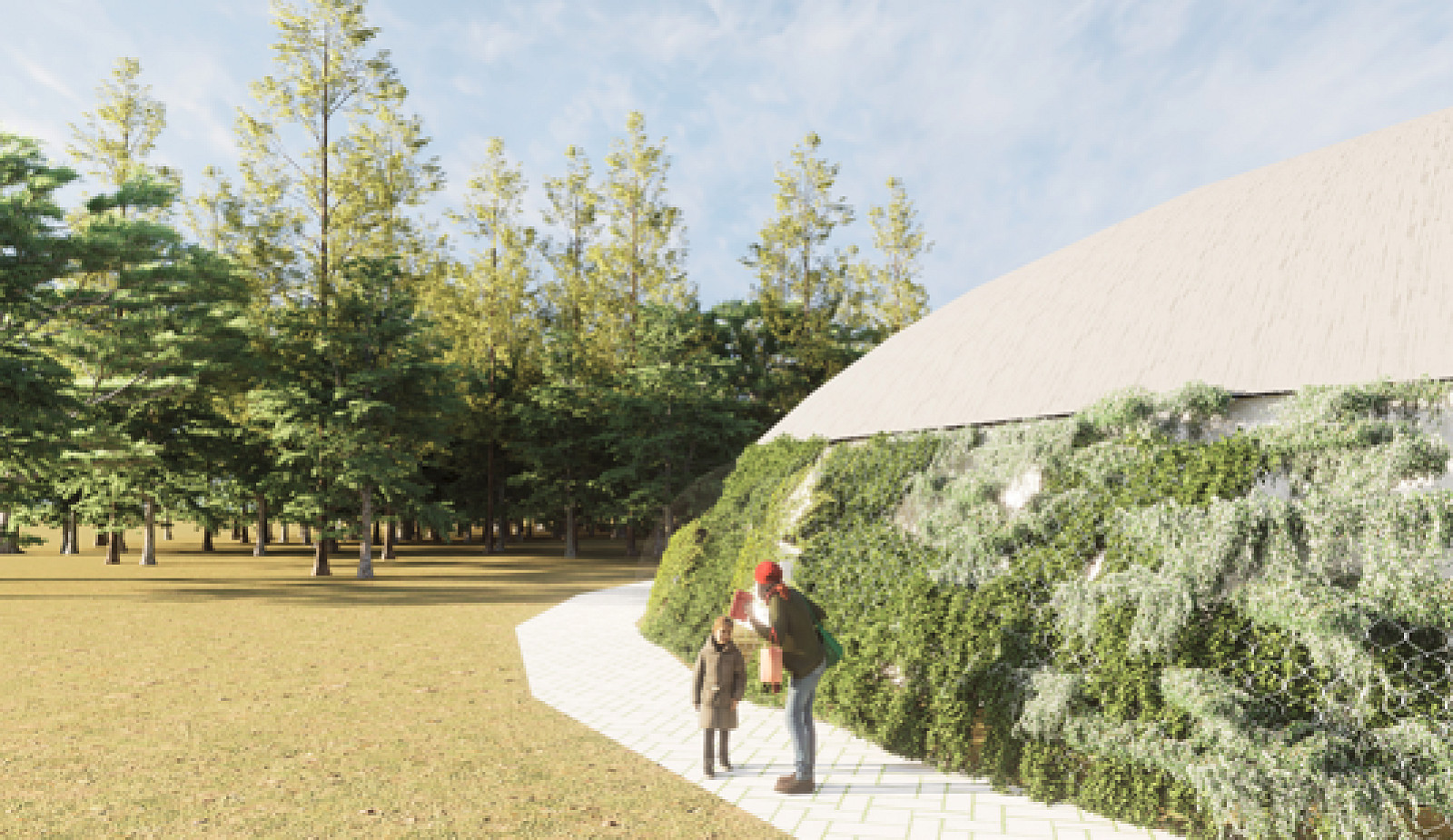
The project explores “Active Memory” through a fragmented loop connecting the past, present, and future. The design is divided into two interconnected fragments: the Interpretation Center, representing remembrance and reflection, and the complementary public spaces, representing dialogue, awareness, and future resilience. Through narrow pathways, dense vegetation, dark transitional spaces, water elements, and open gathering zones, the project creates an emotional journey from trauma and confinement toward healing, hope, and collective memory.
Project description
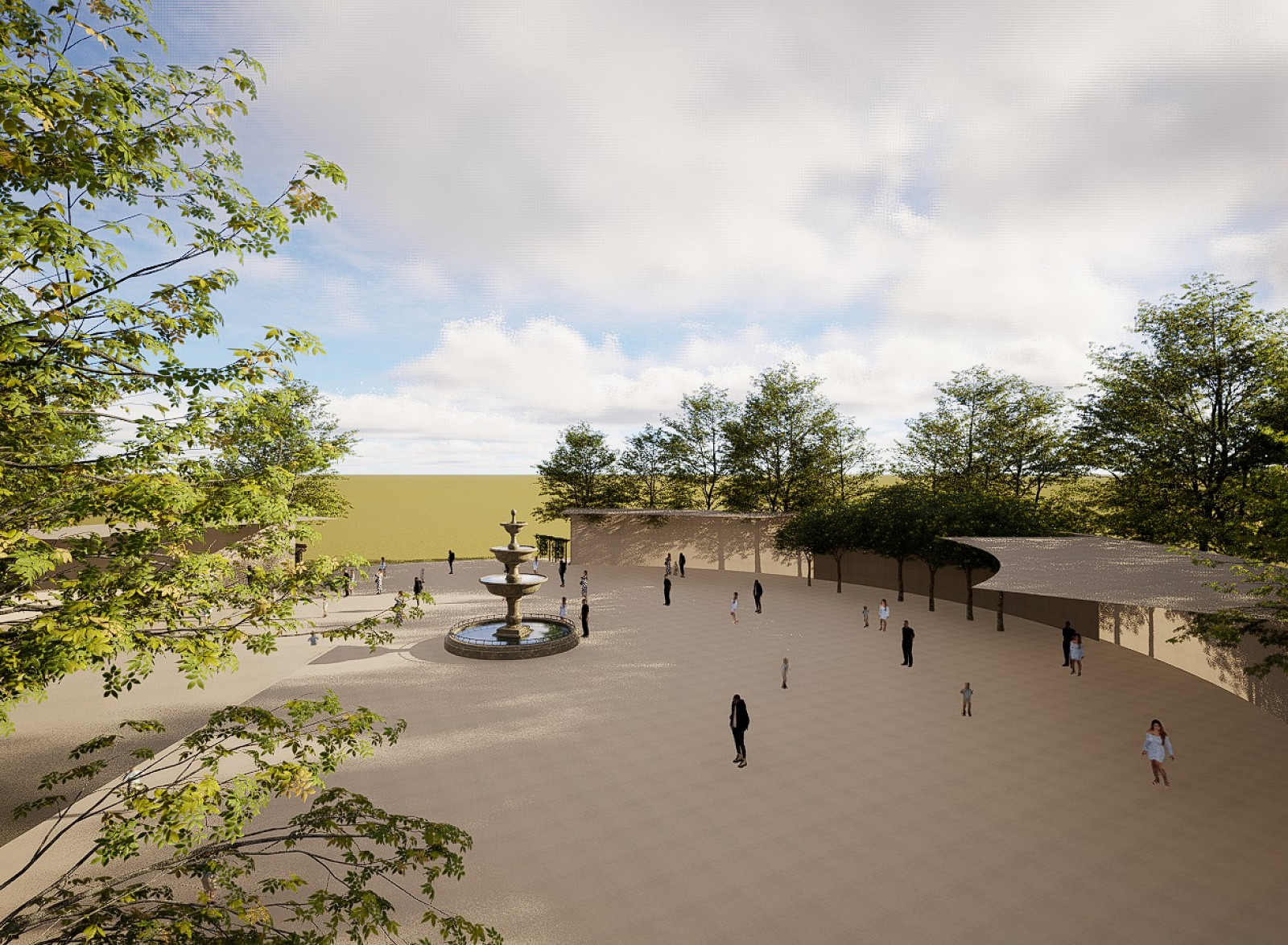
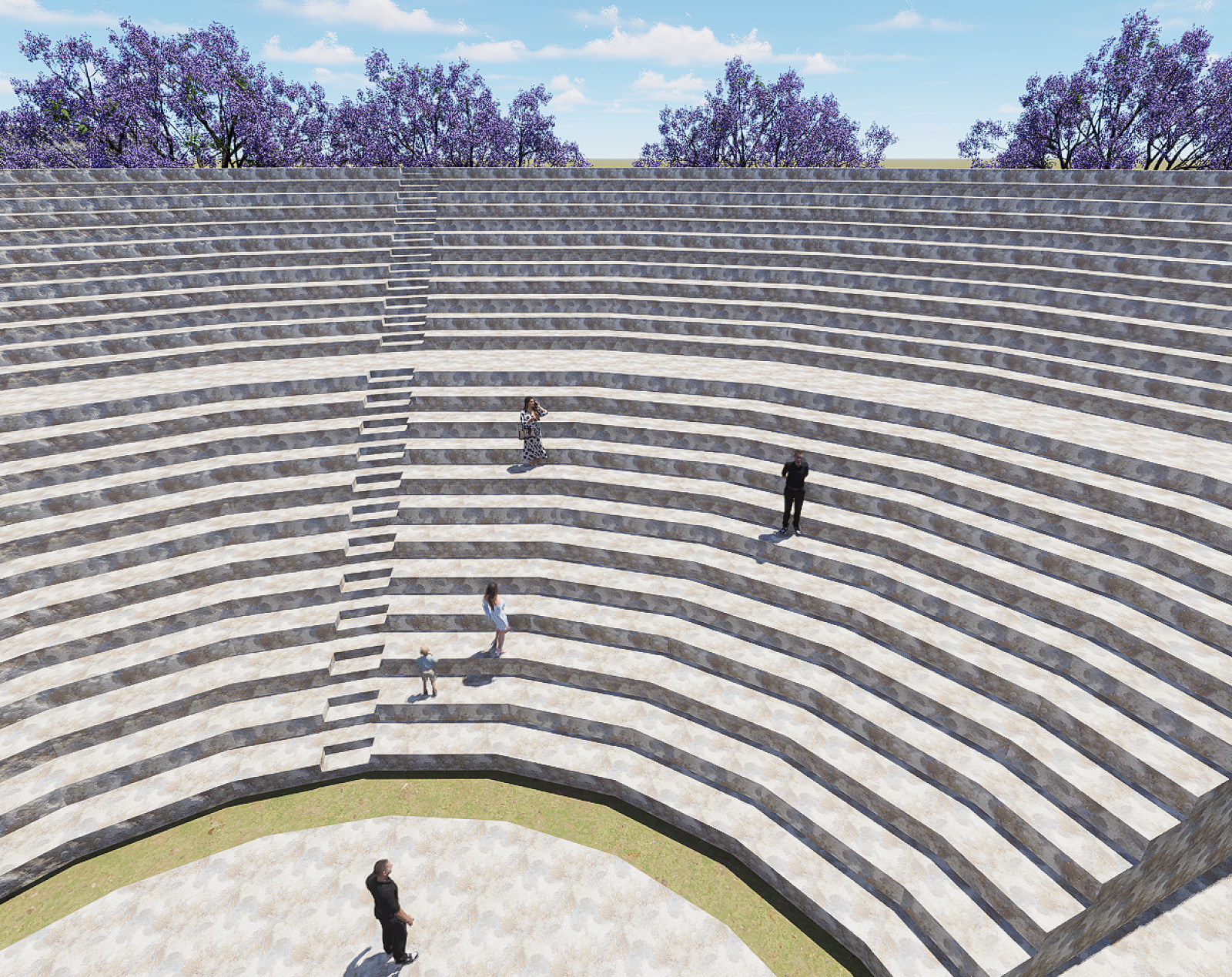
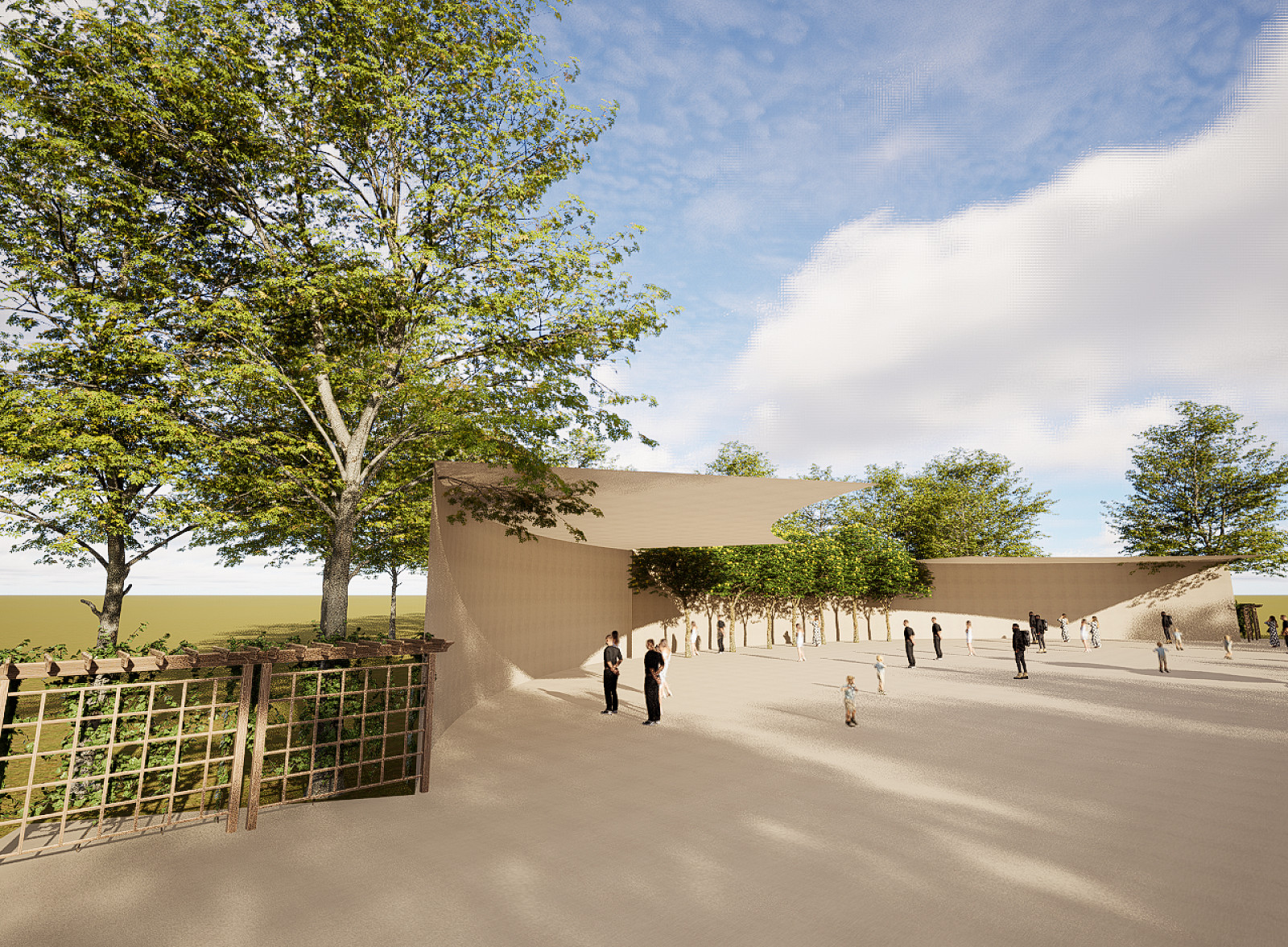
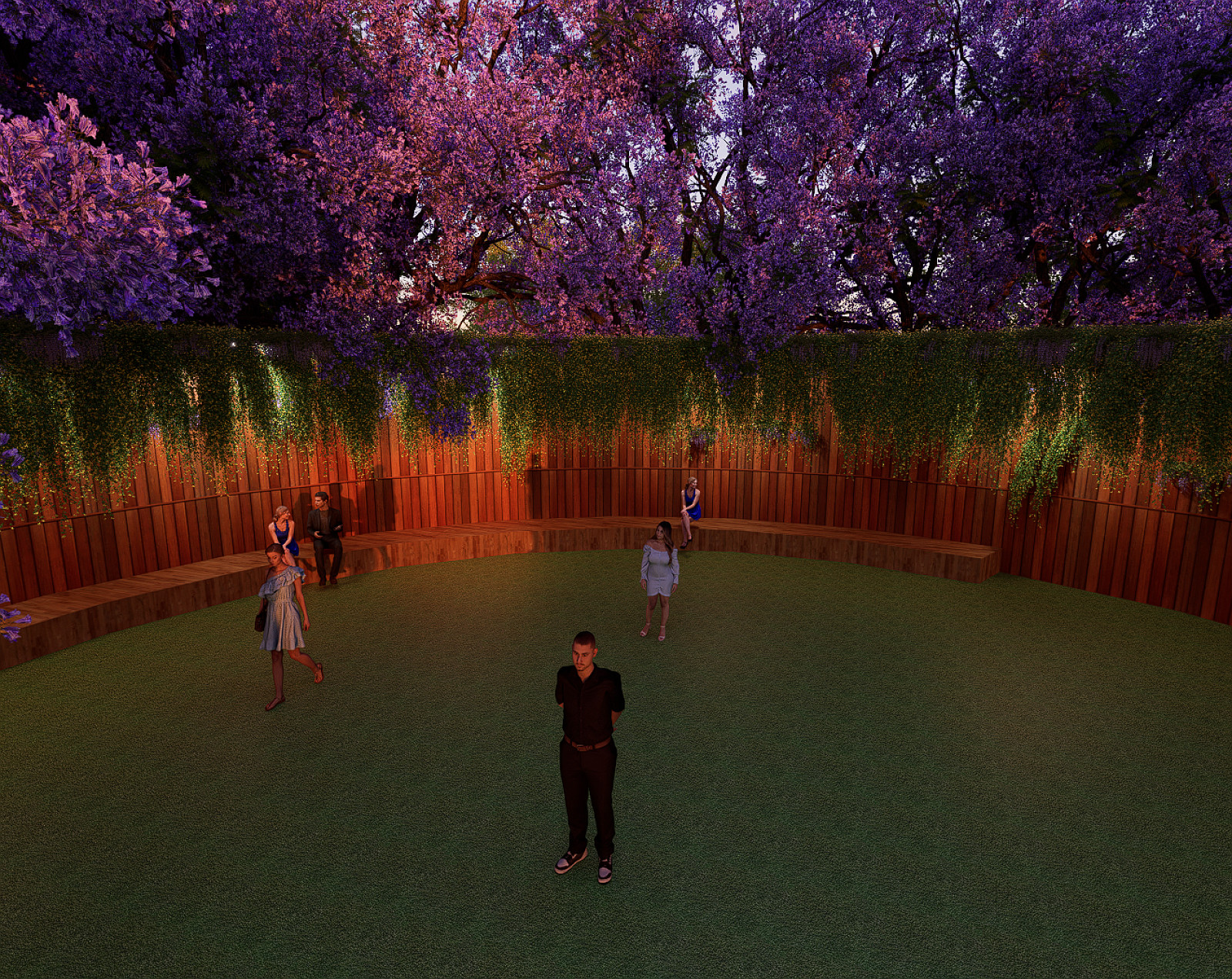
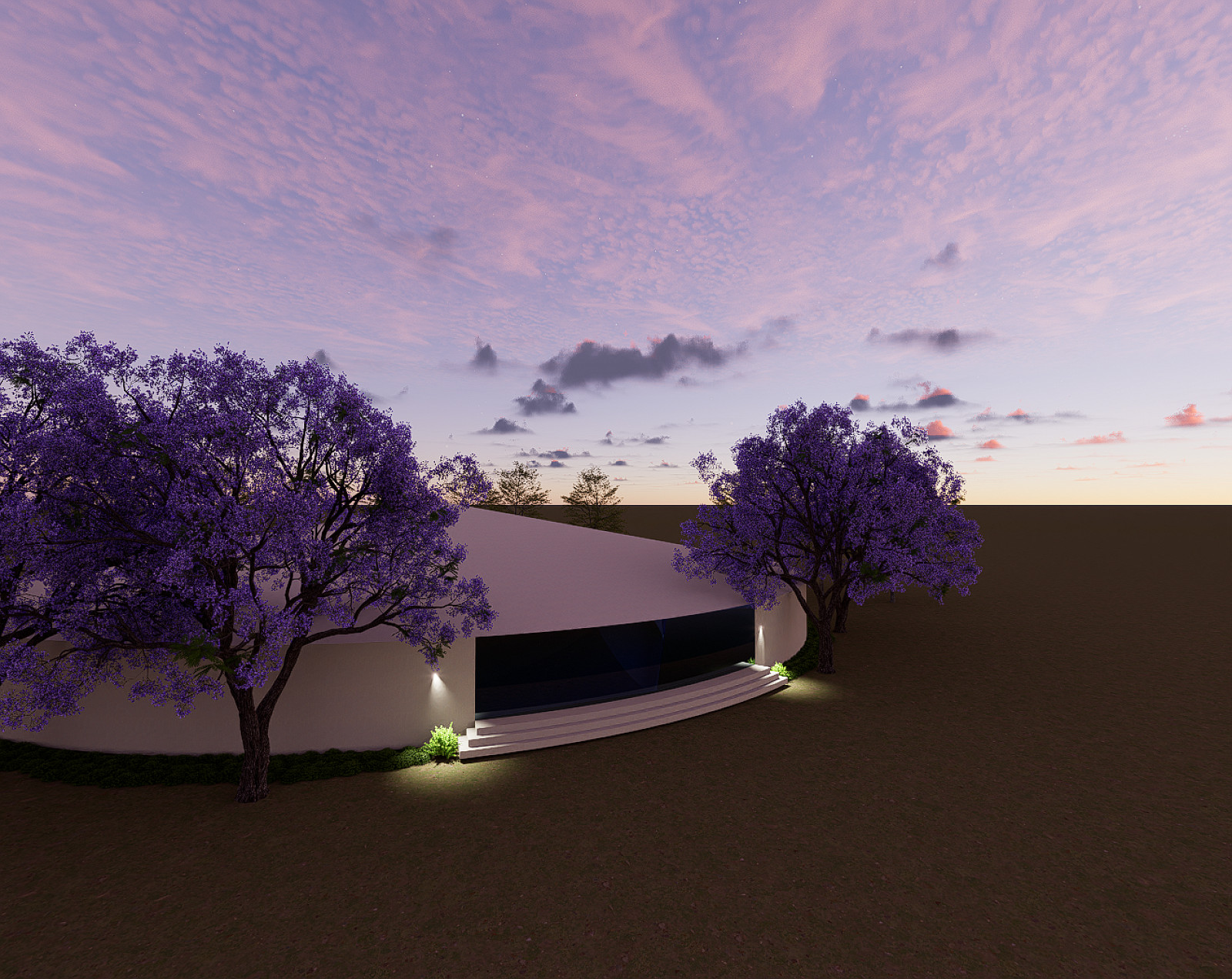
The Arsenal Memory Park is designed as a memorial landscape and Interpretation Center on the site of a former clandestine detention center in Tucumán, Argentina. The project preserves the historical ruins while transforming the site into an active public and cultural space. The spatial experience moves from compressed and enclosed areas symbolizing trauma to open landscapes and water features symbolizing healing and renewal. Cultural and educational facilities such as the concert hall, audiovisual spaces, and amphitheater support the concept of “Active Memory” by encouraging public interaction, awareness, and reflection.
Technical information
Project Type: Interpretation Center + Memorial Landscape
Location: Tucumán, Argentina
Concept: Fragmented Loop of Active Memory
Main Functions: Exhibition spaces, memorial plaza, concert hall, AV spaces, amphitheater, academic spaces, shade house
Landscape Elements: Dense vegetation, water features, reflective pools, shaded pathways, open lawns
Material Strategy: Dark and rough materials in trauma zones transitioning into lighter and open materials in healing zones
Environmental Features: Passive shading, natural ventilation, water-based cooling, ecological green spaces
Spatial Strategy: Circulation transforms from narrow and enclosed paths to open and interactive public spaces, representing the transition from trauma to hope.

Copyright © 2026 INSPIRELI | All rights reserved. Use of this website signifies your agreement to the Terms of Use, Privacy Policy, and use of cookies.