Interpretation Centre


Project idea
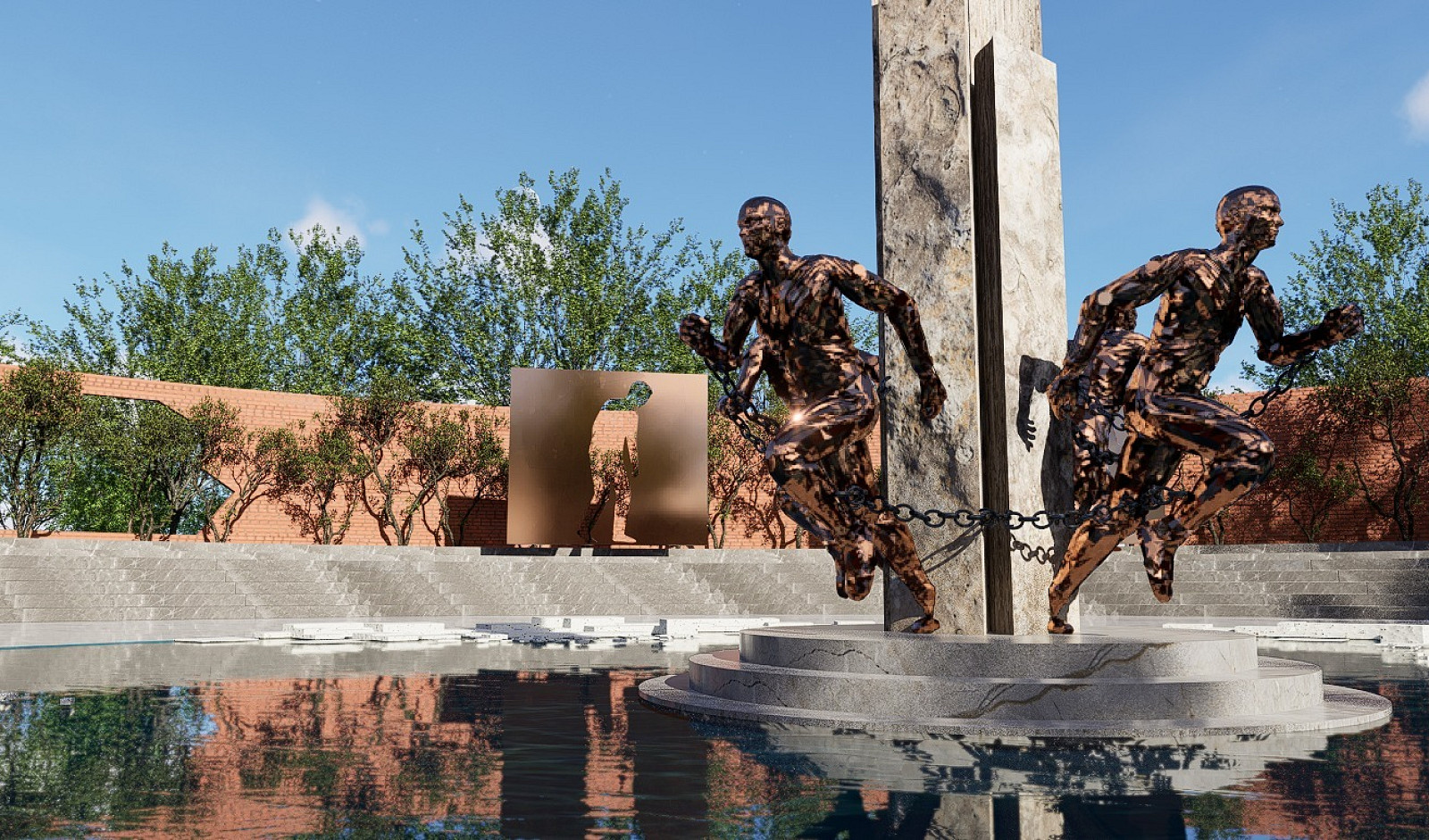
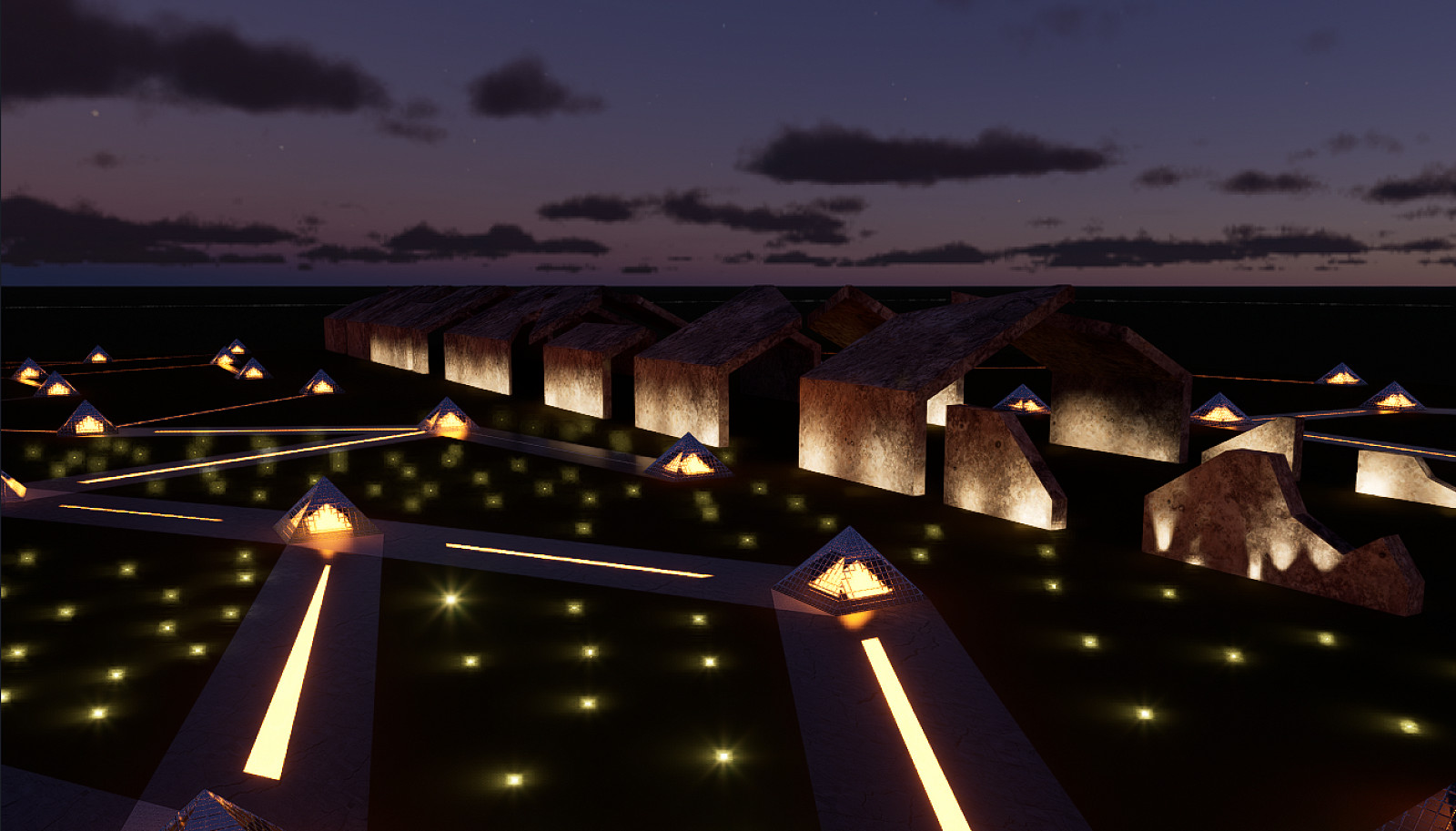
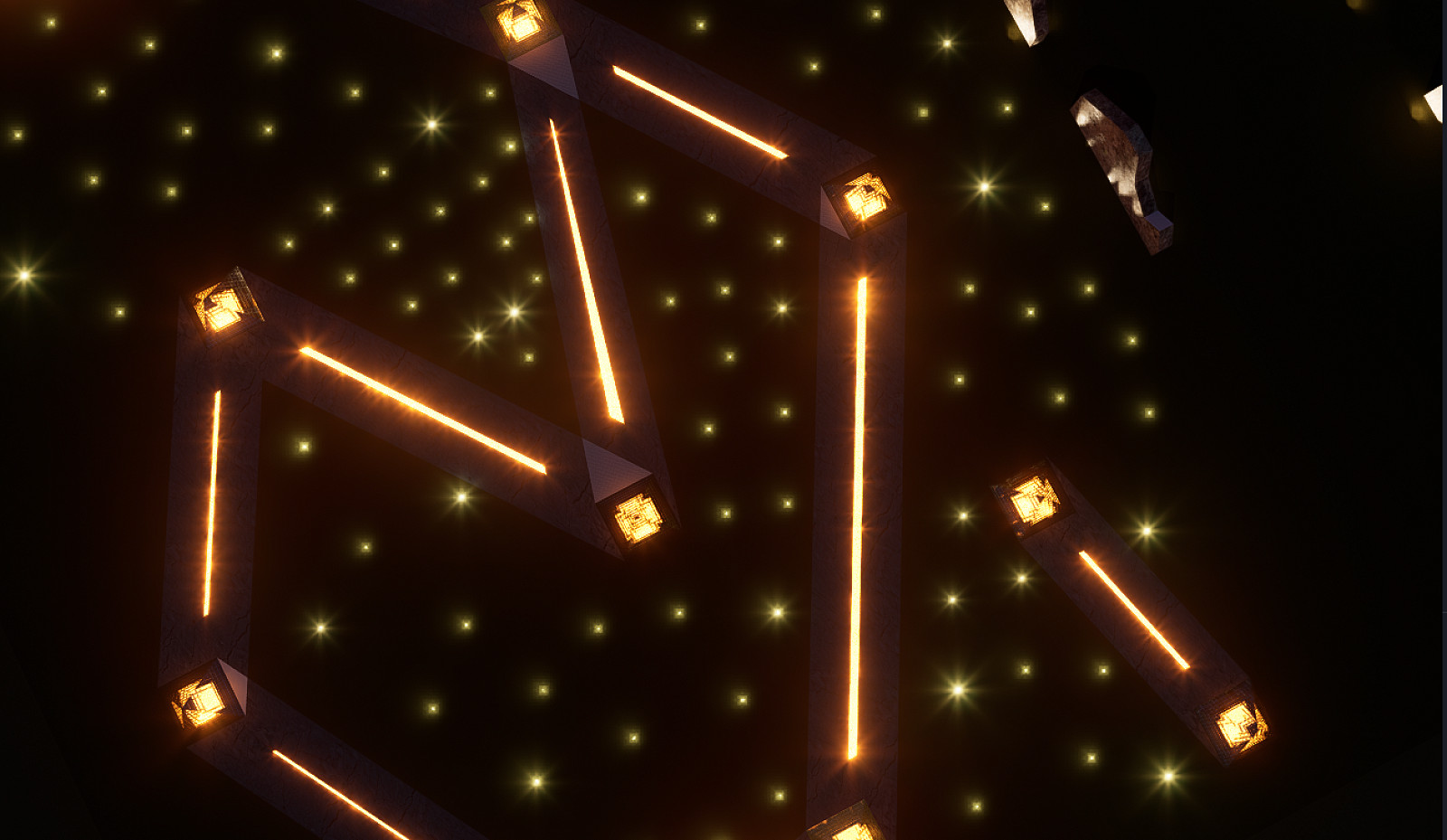
Constellation of Erasure is a memorial interpretation centre and cultural landscape developed on the former military arsenal site in San Miguel de Tucumán, Argentina. The project responds to histories of political violence, disappearance, and collective trauma by transforming fragmented memories into a connected spatial narrative. Inspired by the idea of a constellation, individual program elements act as symbolic “stars” linked through pathways, landscapes, and public spaces. The design aims to preserve memory, encourage reflection, support education, and promote reconciliation through architecture, landscape, light, and void.
Project description
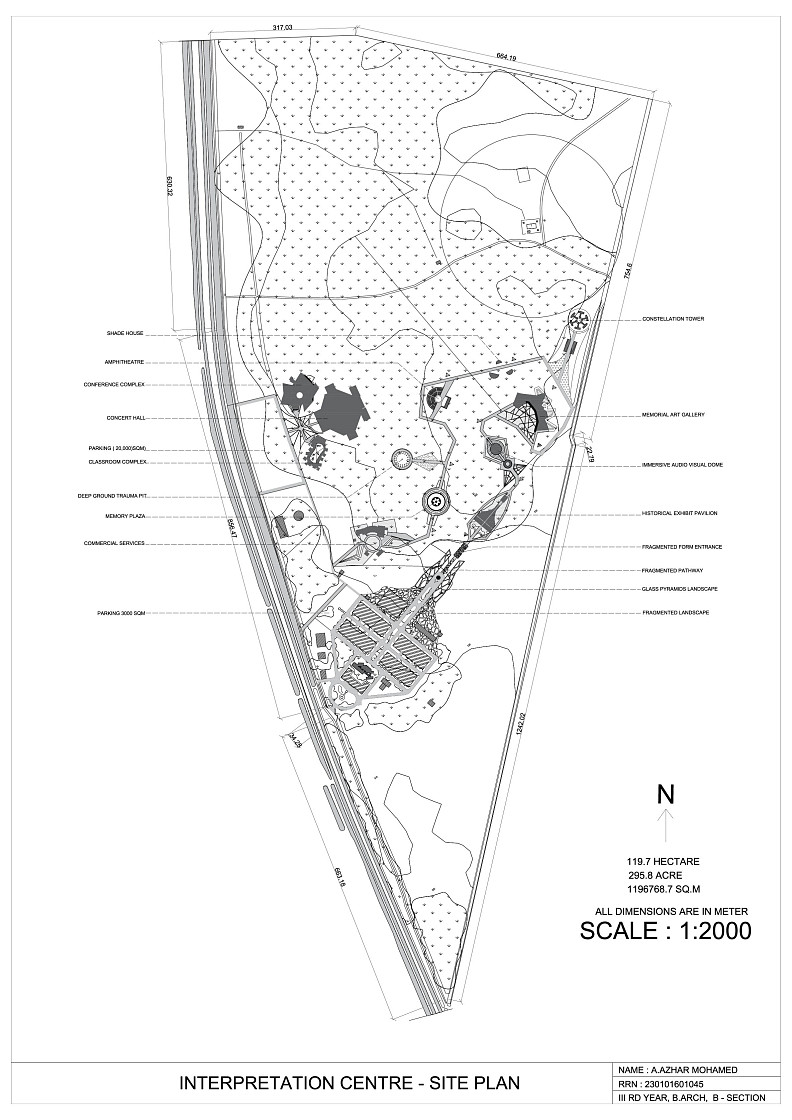
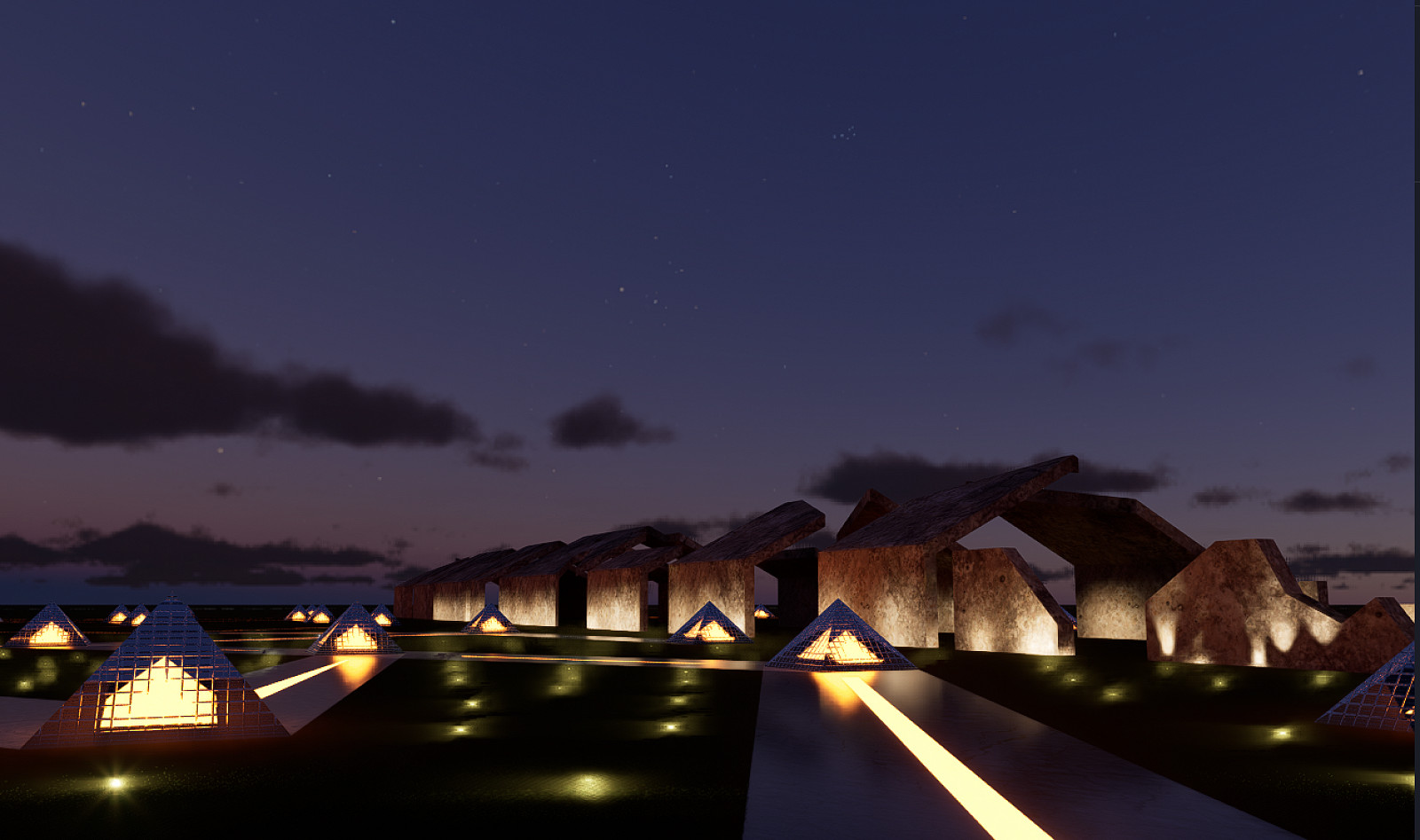
The project is conceived as a large-scale memorial campus integrating remembrance, education, culture, and public engagement within a fragmented landscape framework. Major components include a Memorial Plaza, Audio-Visual Dome, Historical Interpretation Centre, Art Gallery, Classroom Complex, Conference Facilities, Commercial Services, Water Courts, Landscaped Gardens, Shade House, and the Constellation Tower. The architectural language is derived from fragmentation, representing disrupted histories and erased memories. Pathways, water features, and open spaces connect the various program elements to create a continuous visitor journey of discovery, reflection, and healing. Existing heritage structures are preserved and incorporated into the overall master plan, ensuring that the site's historical significance remains visible and accessible to future generations.
Technical information
Scale of Site Plan: 1:2000
Primary Design Concept: Fragmentation, Memory, Absence, and Reconnection
Key Design Elements: Memorial Plaza, Constellation Tower, Historical Interpretation Centre, Audio-Visual Dome, Art Gallery, Educational Facilities, Water Courts, Landscaped Gardens, and Heritage Preservation Zones.
The project combines architecture and landscape design to create an immersive memorial environment that commemorates erased histories while supporting cultural, educational, and community activities. Existing historic structures, including barracks and military facilities, are retained as part of the site's interpretive framework.
Documentation

Copyright © 2026 INSPIRELI | All rights reserved. Use of this website signifies your agreement to the Terms of Use, Privacy Policy, and use of cookies.