Eco-Commons: Seeding Biodiversity for Climate Resilience in Tubli Bay


Project idea
The project was conceived as a counter-force against ecologically detrimental policies adopted by the oil-producing country of Bahrain. It aims to complement Bahrain's 2030 vision of economic diversification and climate-change mitigation by centering local communities in ecological protection and regeneration.
Project description
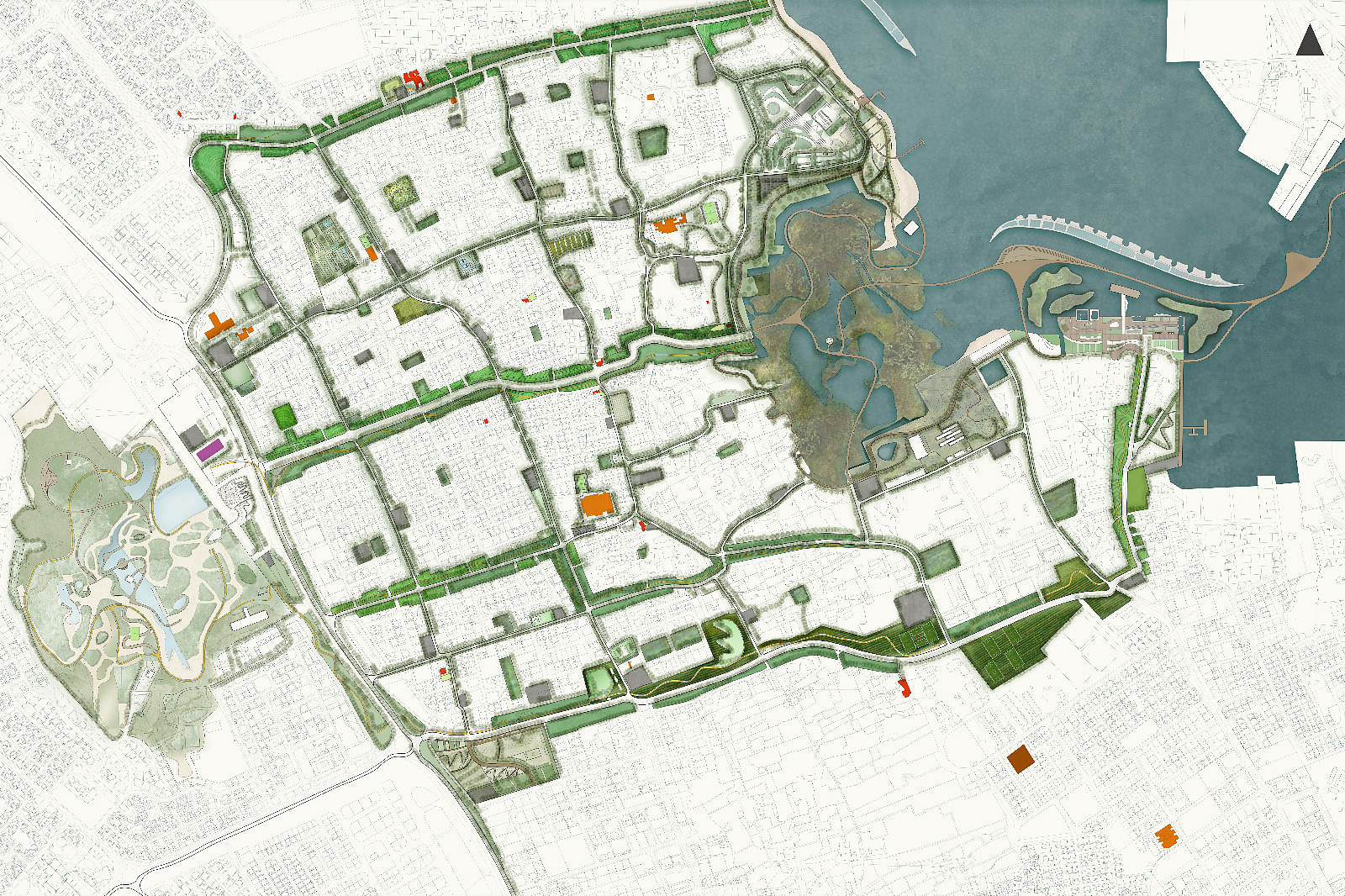
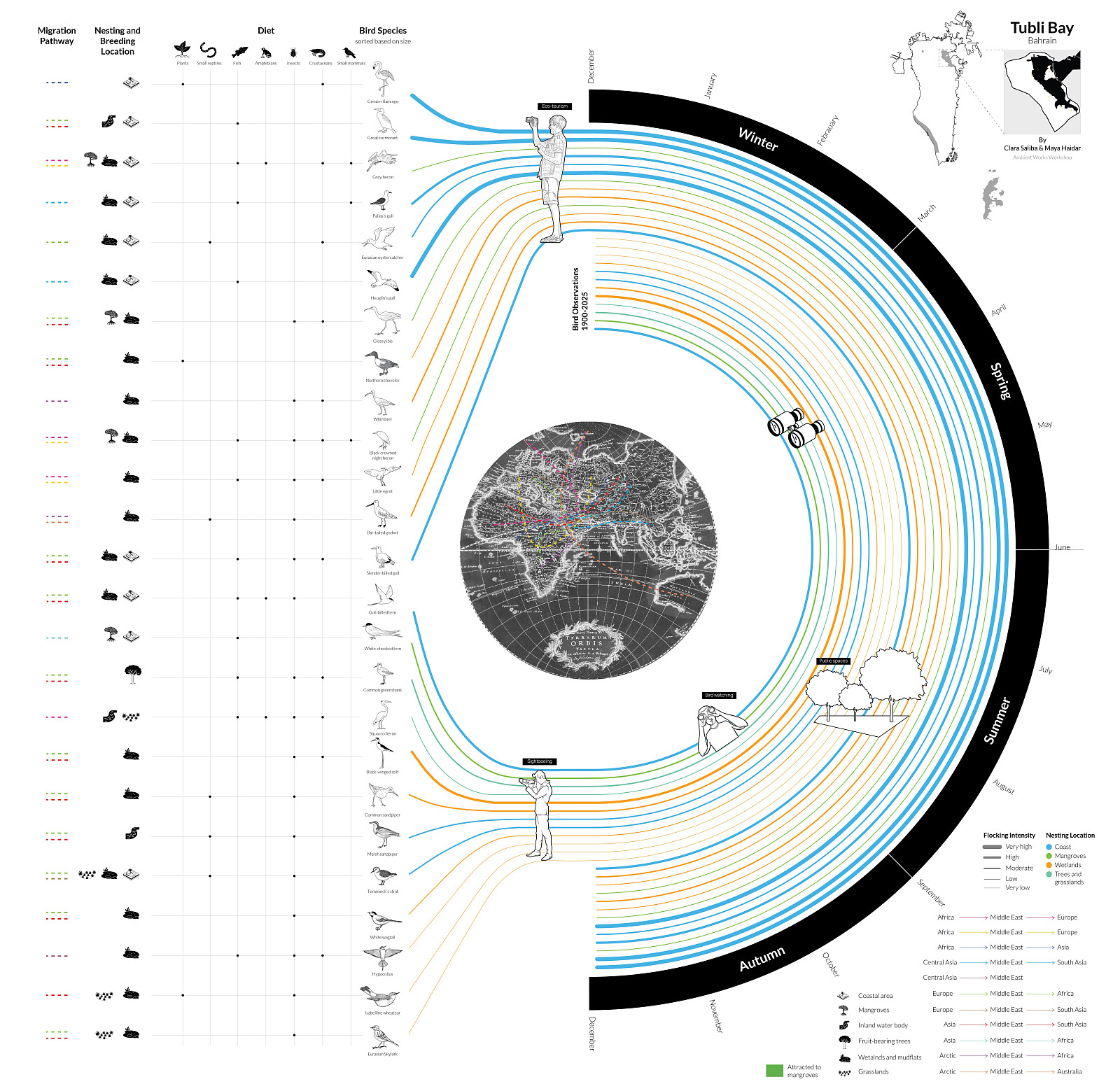
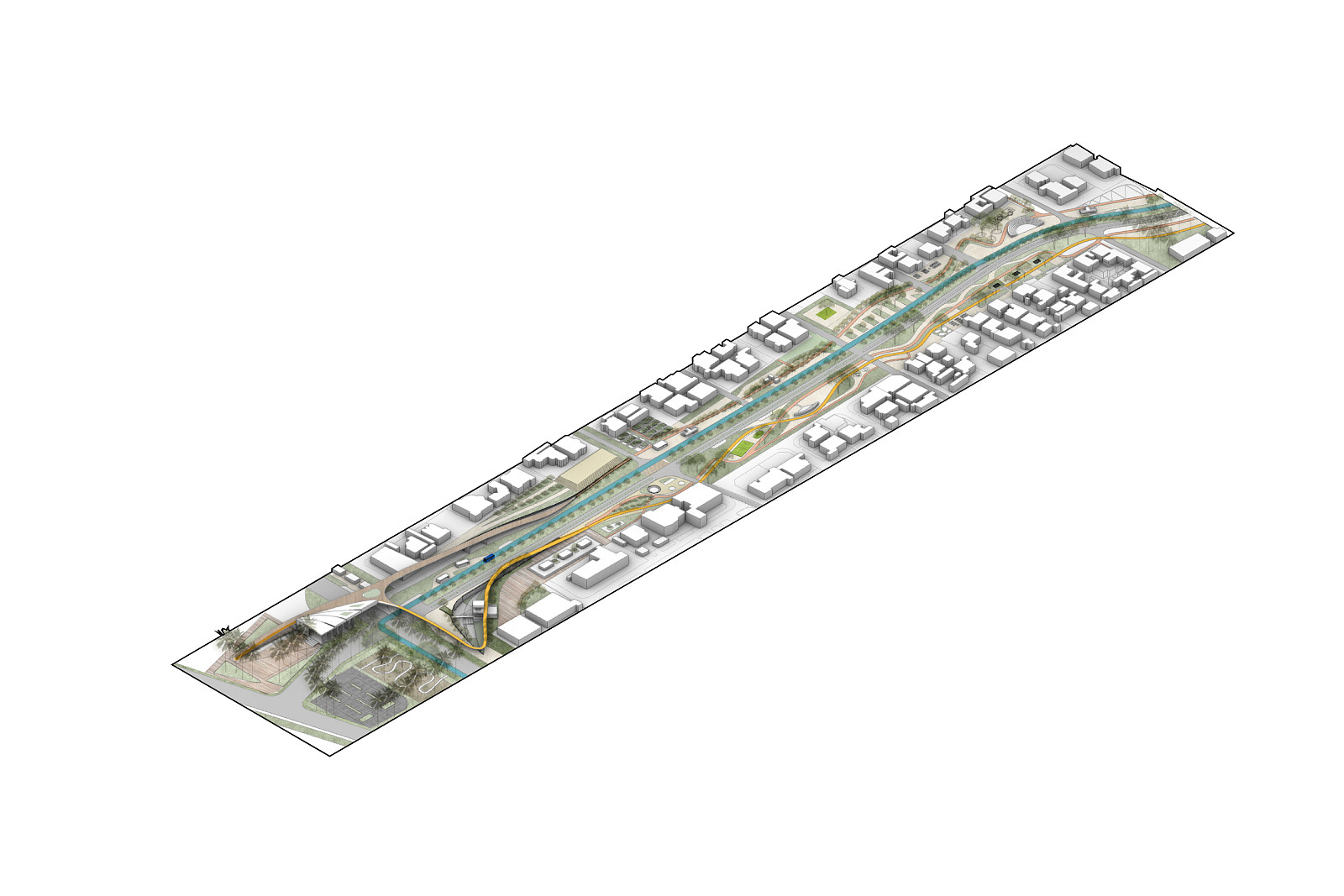
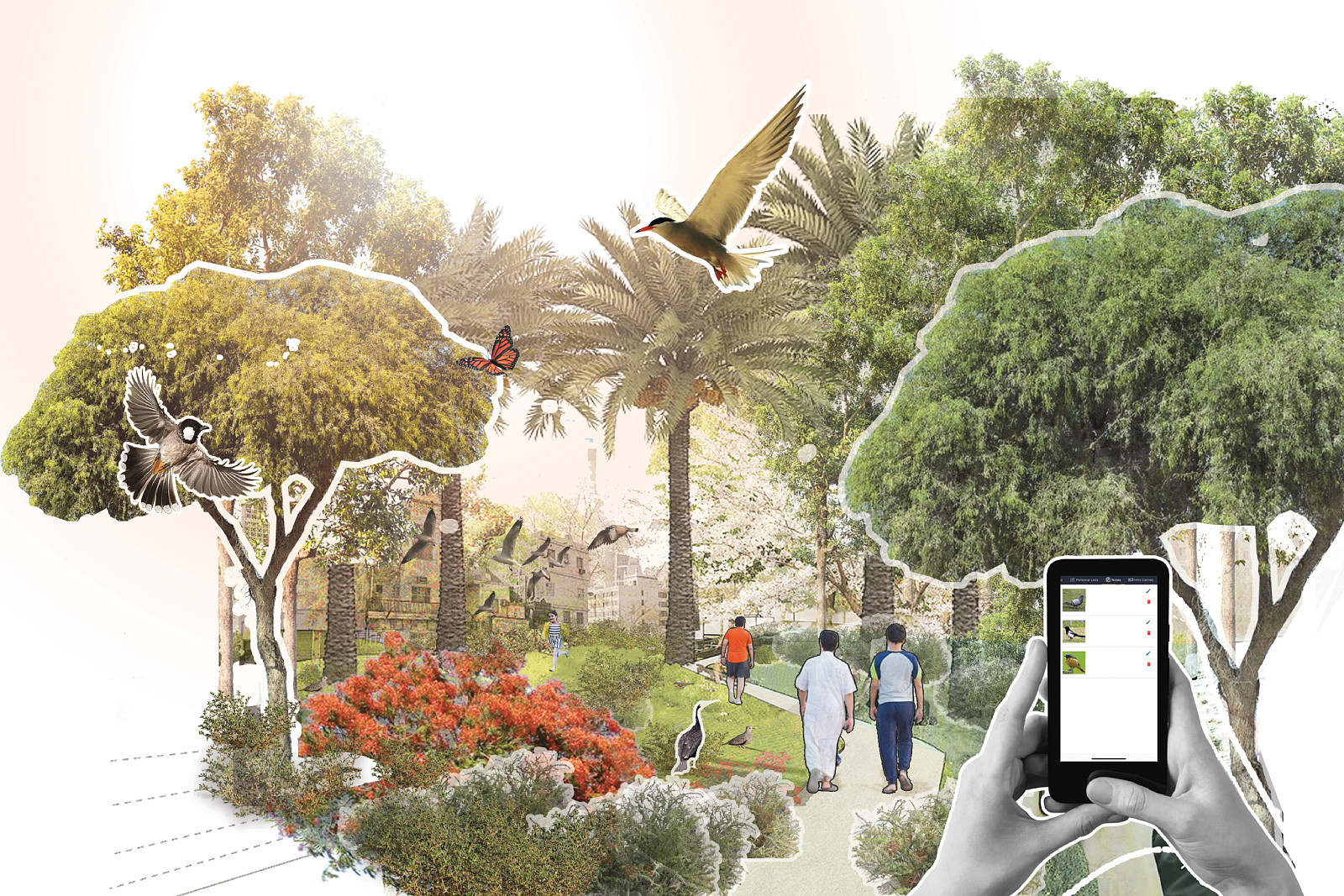
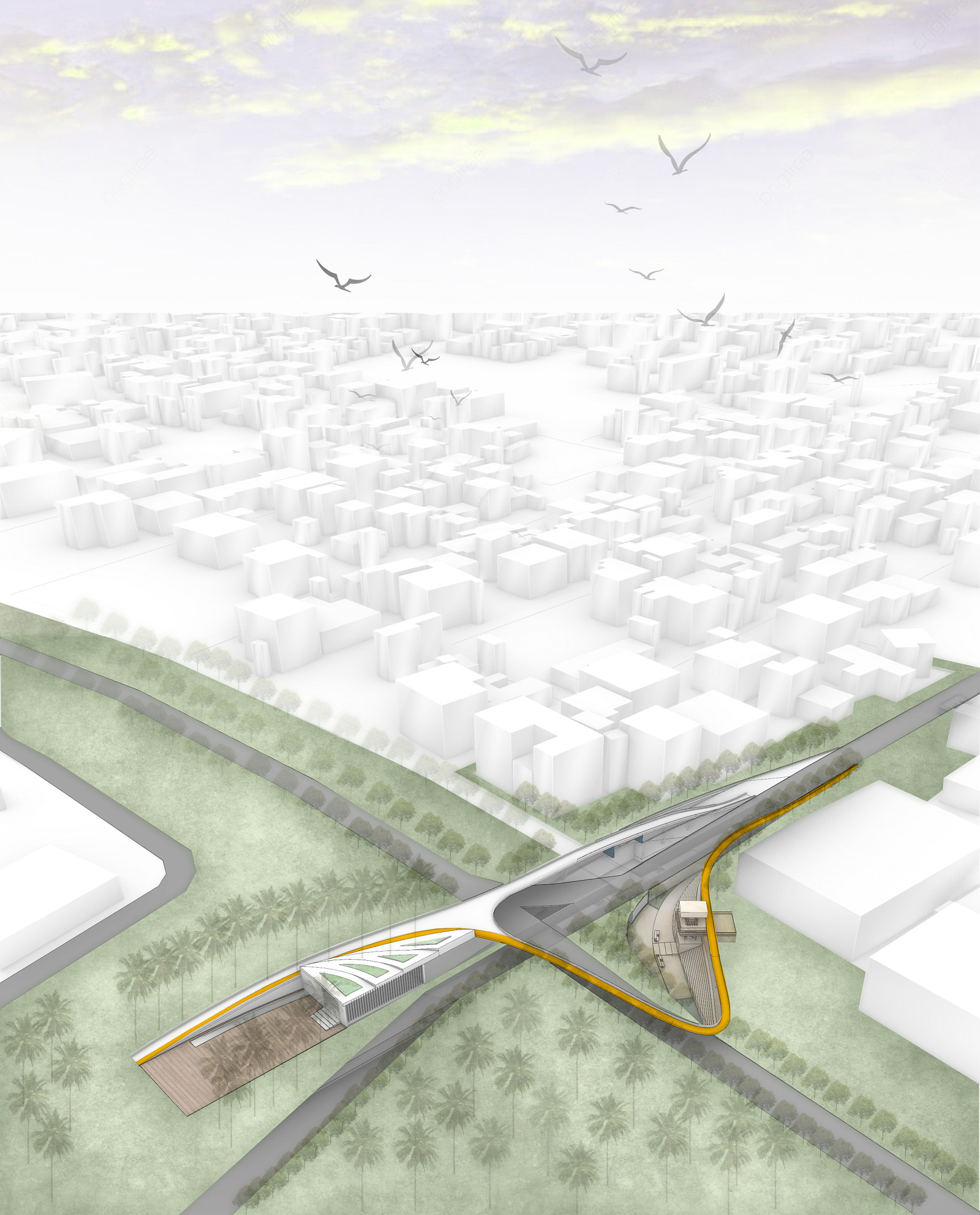
Eco-commons is envisioned as an ecological rehabilitation and green infrastructure project in Bahrain, designed to increase and connect marine and urban biodiversity in Tubli Bay through a continuous network of habitat spaces for migrating birds, and marine and terrestrial species. Equally, this network aims to enhance existing social infrastructures and multi-modal mobility through urban microclimates and shade/cooling corridors in the area, and improved public access to the waterfront. The project proposes Eco-commons as a base to transition the area’s current economy which comprises intensive aluminum extraction, heavy industries, and dwindling commercial activities to a clean economy that rests on eco-tourism, fair-trade fisheries, and clean energy production. The project overlays water harvesting, storing, and treating structures with urban landscapes that alternate between habitat enhancement, recreation, and shade creation. Through its compounded performance of shade creation, water harvesting , and biodiversity/mangroves enhancement, the project aims to increase resiliency to climate threats that had been frequent in the area (increased heatwaves, droughts, flashfloods, and shoreline erosion) as well as grow a social resilience through communal stewardship of the eco-commons that translates into economic prosperity in line with climate action.
Technical information
The project covers an area of 16 sqkm. It is envisioned as a strategic masterplan that adresses several climate-change related issues across Tubli Bay, Bahrain. The project's armature is made up of a network of primary and secondary eco-corridors, water collection and treatment and recharge infrastructure, and biodiversity hotspots paired with social infrastructure.

Copyright © 2026 INSPIRELI | All rights reserved. Use of this website signifies your agreement to the Terms of Use, Privacy Policy, and use of cookies.