The Penguin House in Novy Svet

Project idea
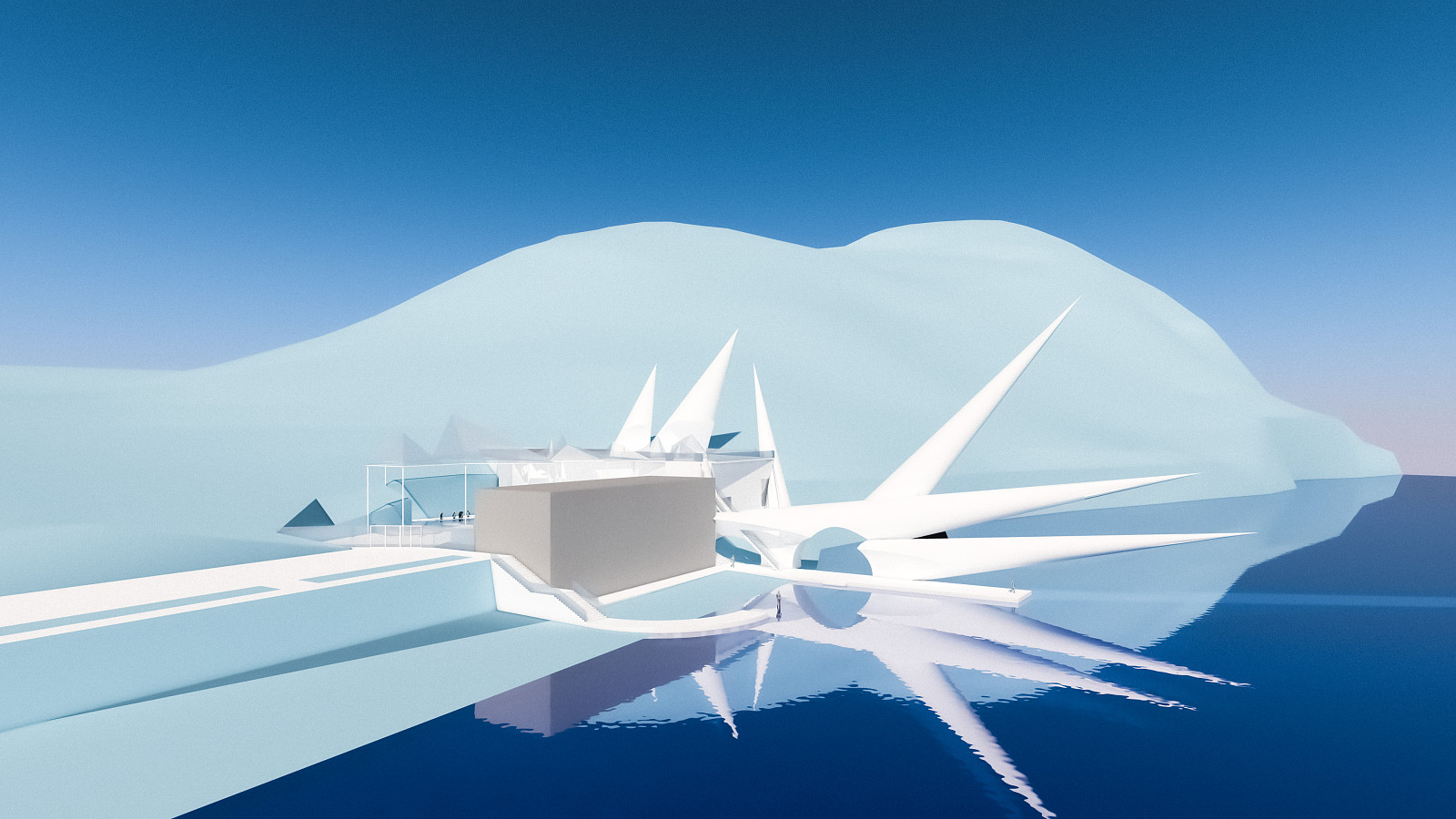
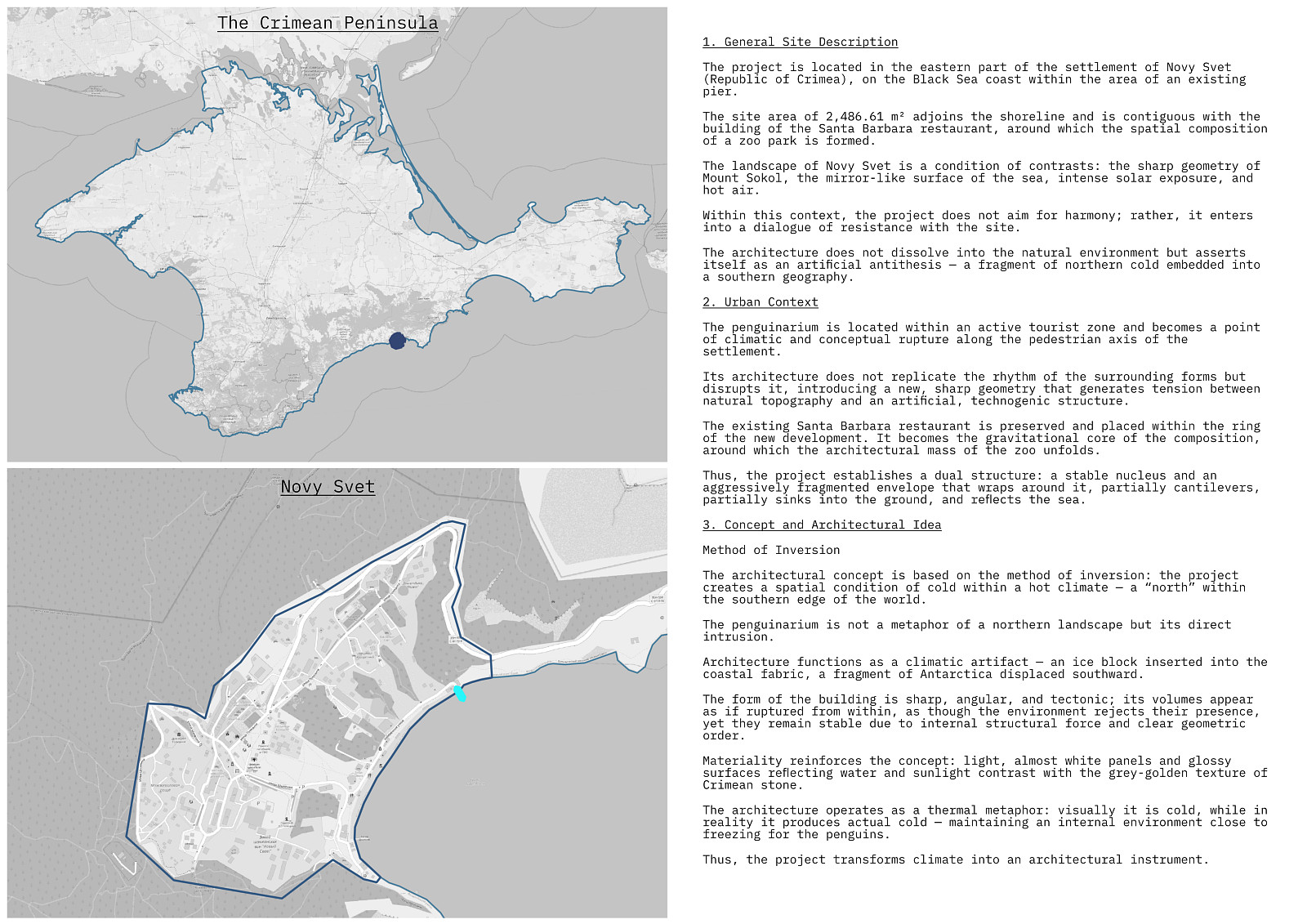
The Penguinarium in Novy Svet is conceived as a deliberate climatic and conceptual intrusion — a fragment of the North inserted into the extreme conditions of the southern Black Sea coast. Instead of seeking harmony with its surroundings, the project establishes a condition of productive resistance, transforming architecture into a medium of environmental opposition.
The concept is based on the principle of inversion: cold is introduced into heat, artificial order into natural intensity, and Arctic geometry into a Mediterranean landscape. The building is not a metaphor of Antarctica but its direct architectural transplantation — a spatial anomaly anchored within a tourist coastal environment.
At its core, the project investigates architecture as a climatic instrument. It reframes temperature not as a background condition but as a primary material of design, capable of shaping perception, behavior, and spatial experience. The result is a constructed “thermal rupture” — a place where climate becomes form and architecture becomes atmosphere.
Project description
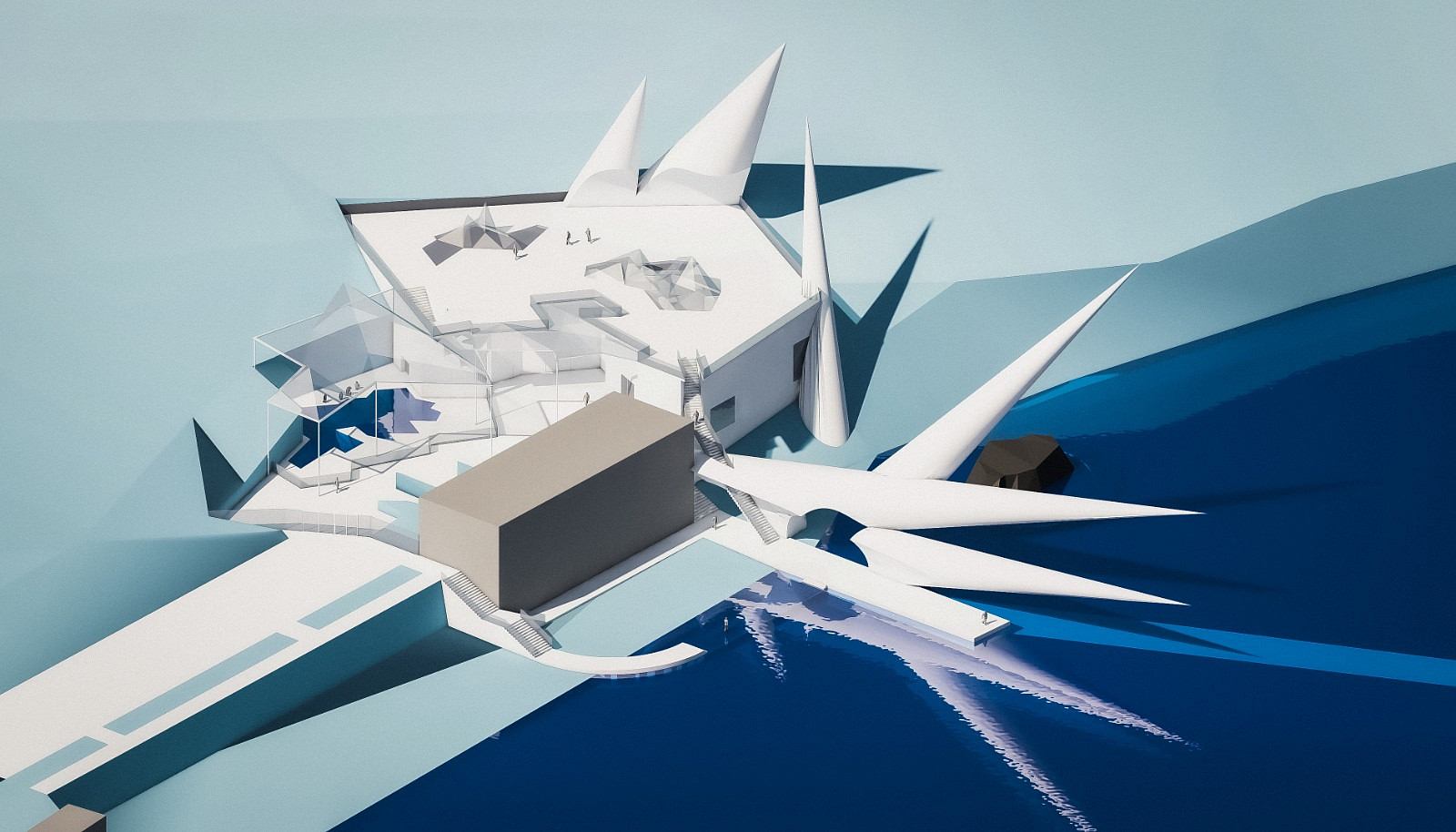
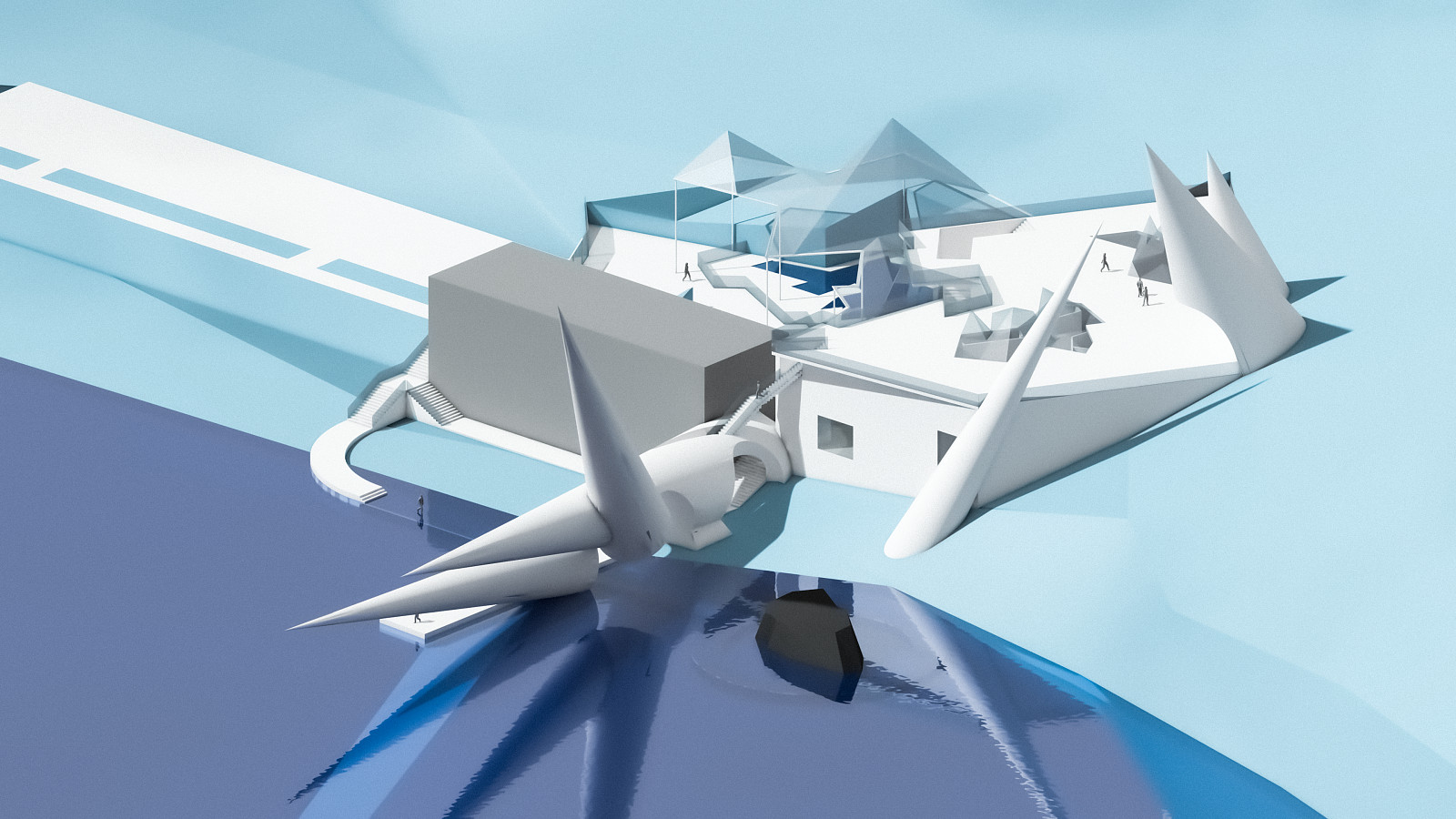
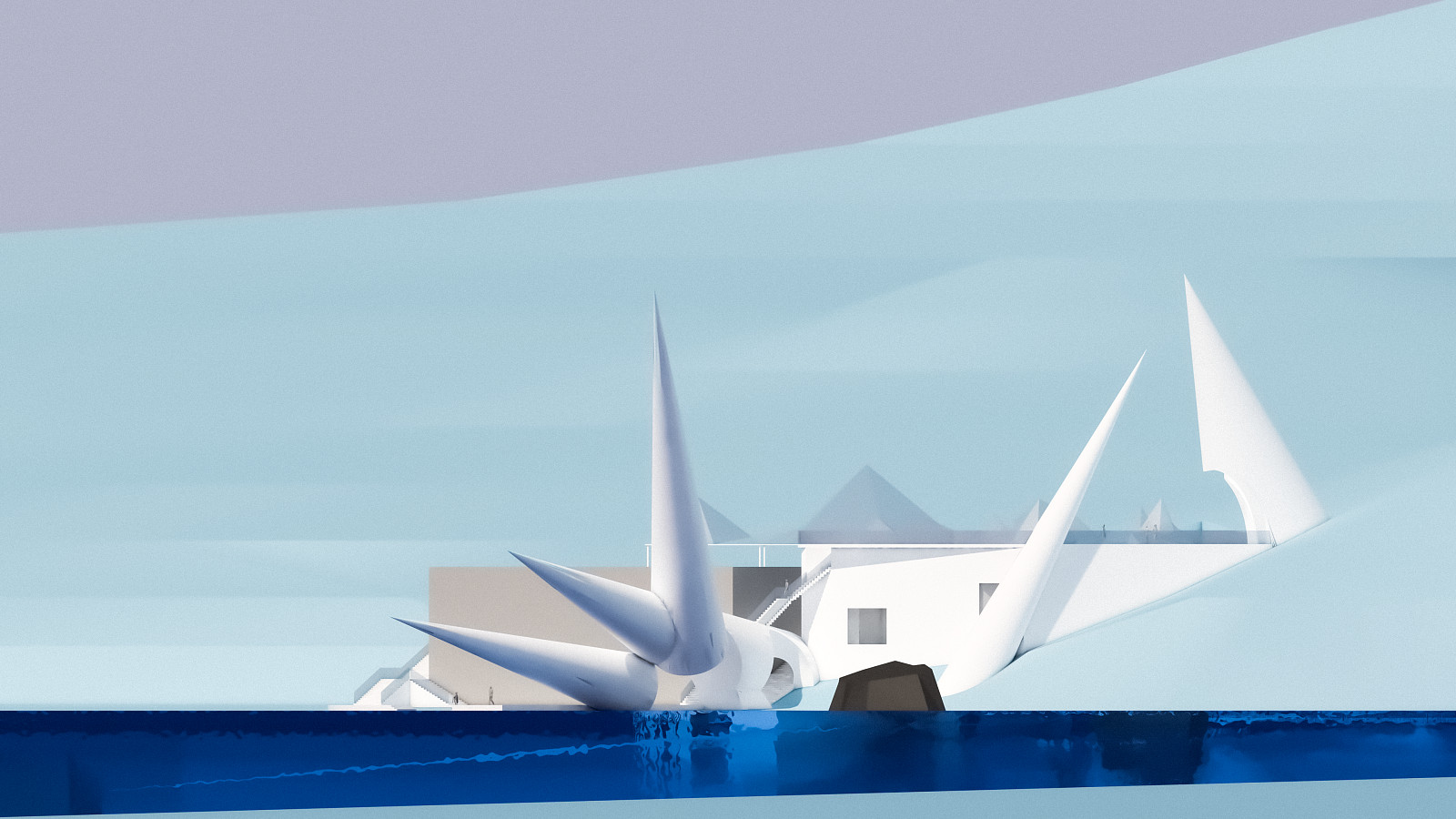
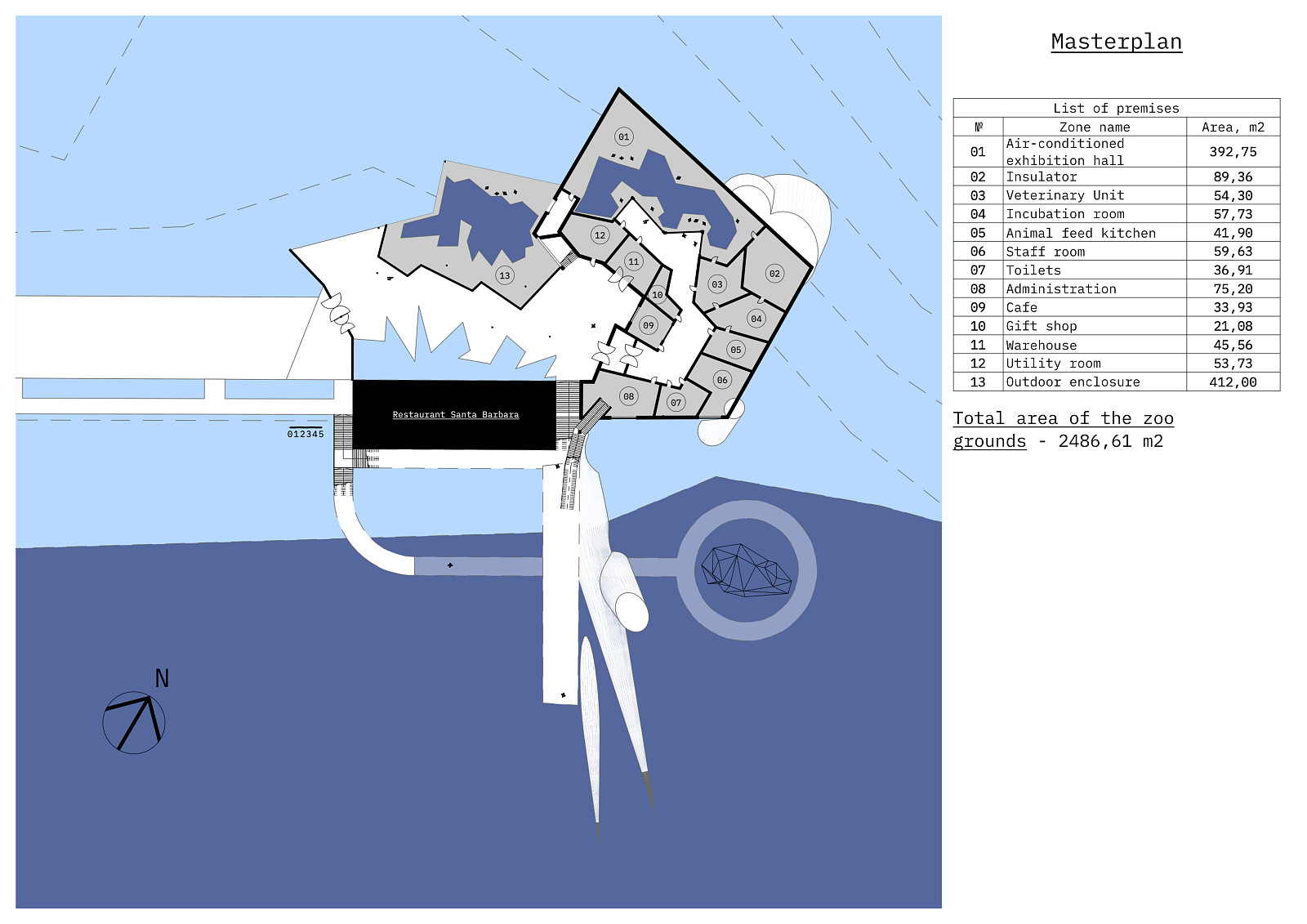
The site is located in the eastern part of Novy Svet, directly adjacent to the Black Sea shoreline and an existing pier. The composition is organized around the preserved building of the Santa Barbara restaurant, which becomes the gravitational and symbolic center of the entire zoo complex.
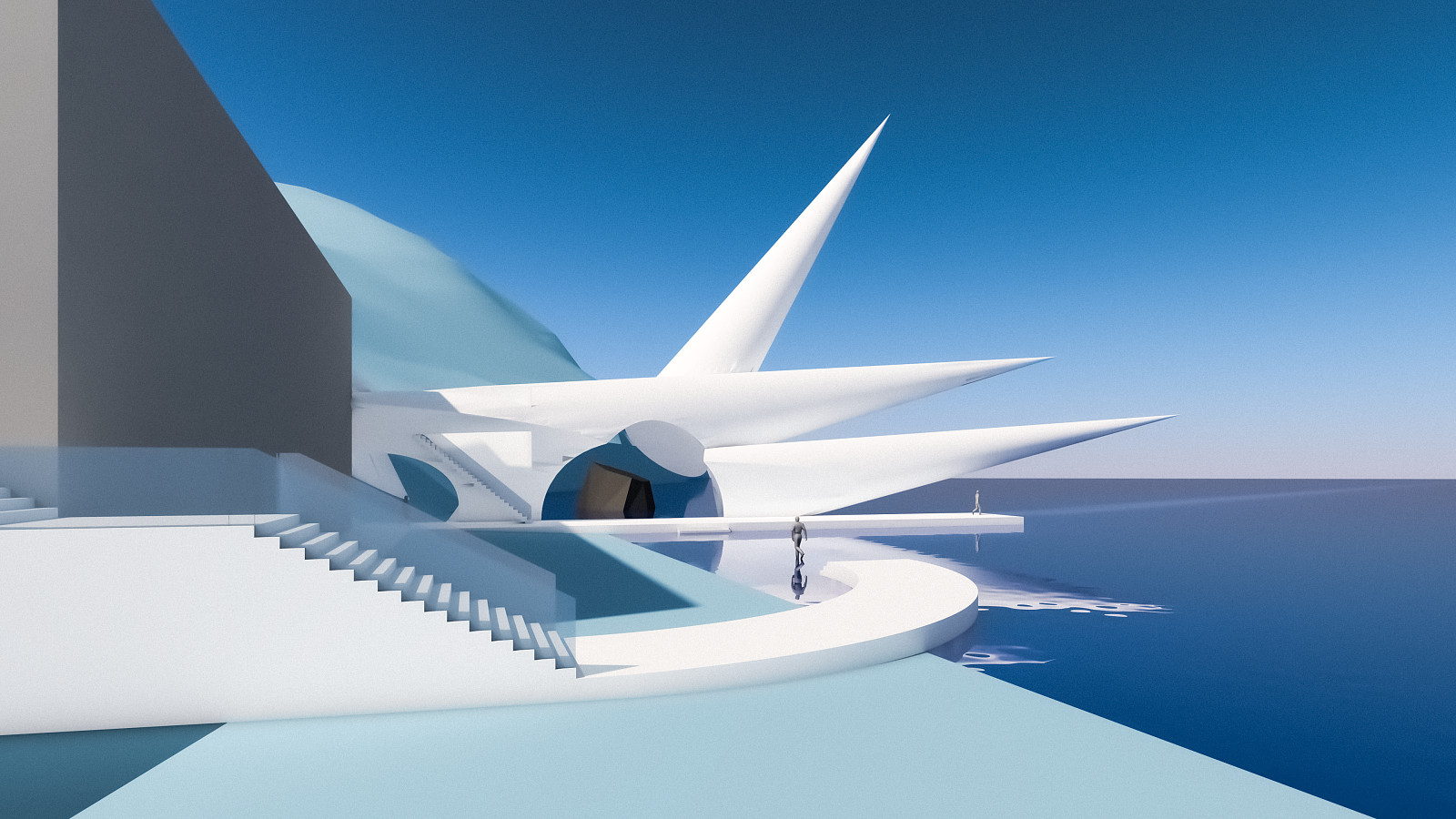
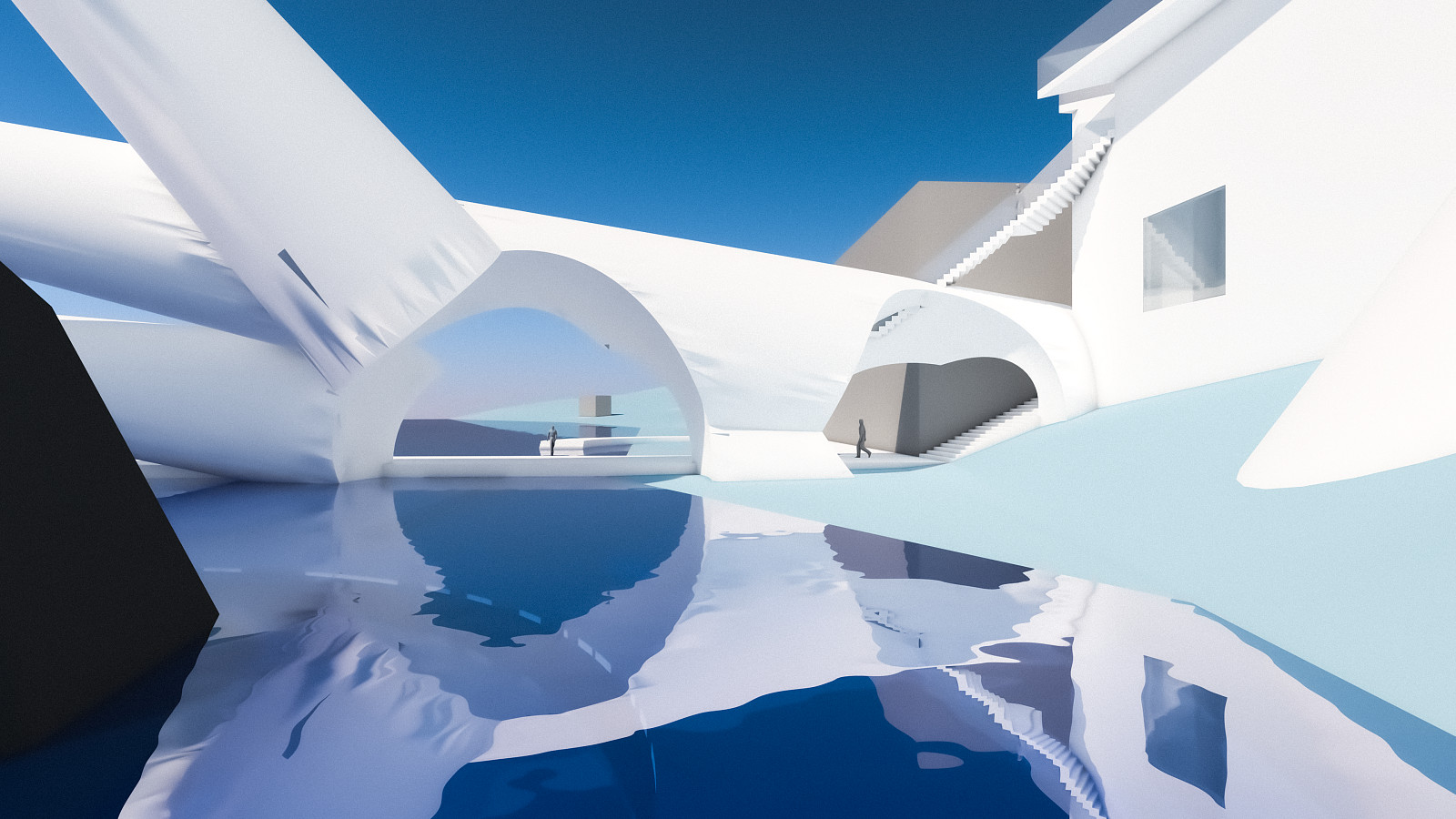
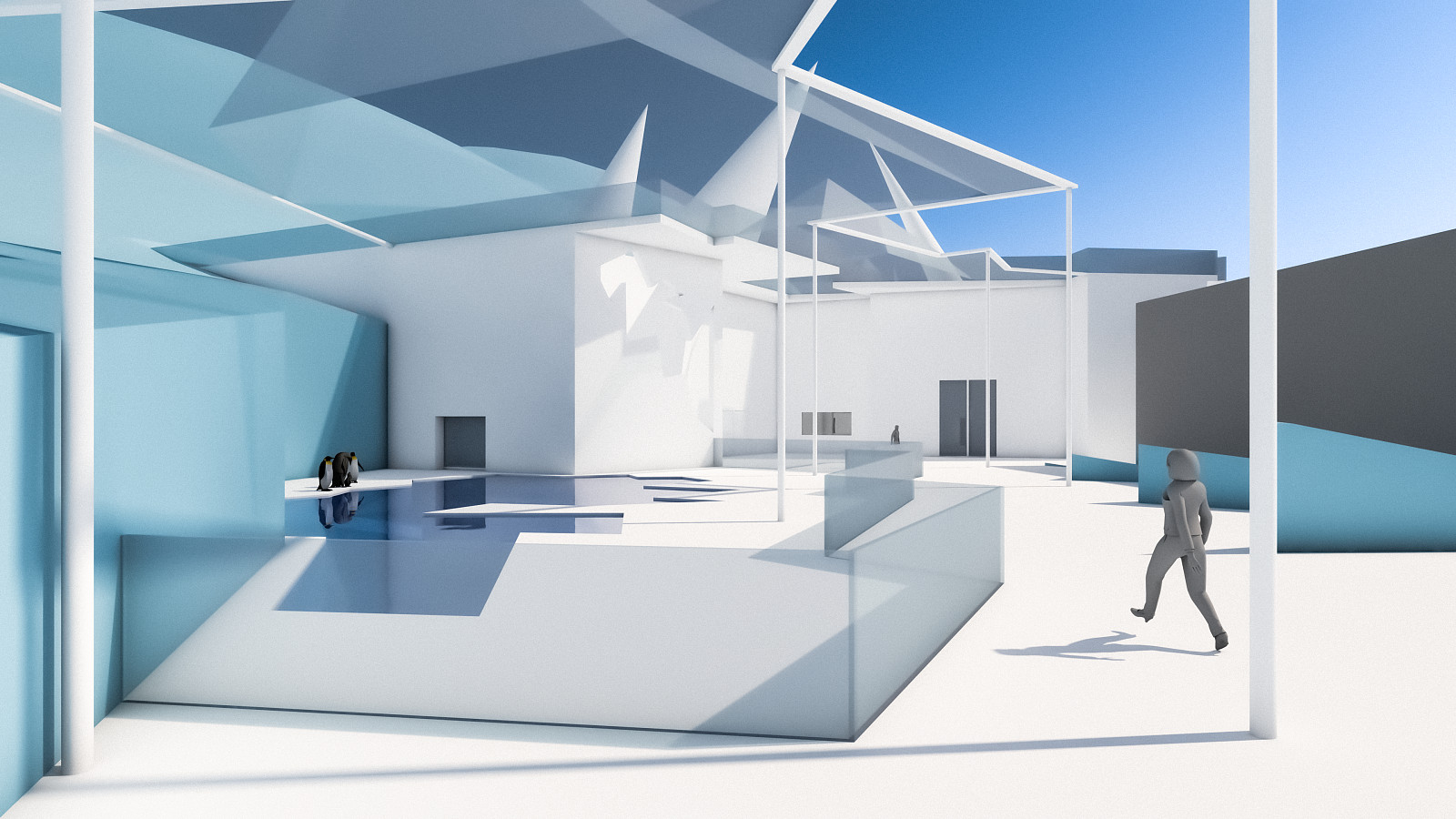
A system of new architectural volumes encircles this core, forming a clearly defined spatial ring. This ring generates a dual spatial condition: an inner Arctic courtyard dedicated to the penguin habitat, and an outer public perimeter oriented toward the sea and promenade.
The visitor sequence is designed as a gradual climatic transition. The route begins at the entrance zone from the coastline and passes through a series of functional layers — ticketing, retail, and service spaces — before reaching the main climate-controlled exhibition hall. Here, the penguin colony is experienced within a carefully stabilized cold environment.
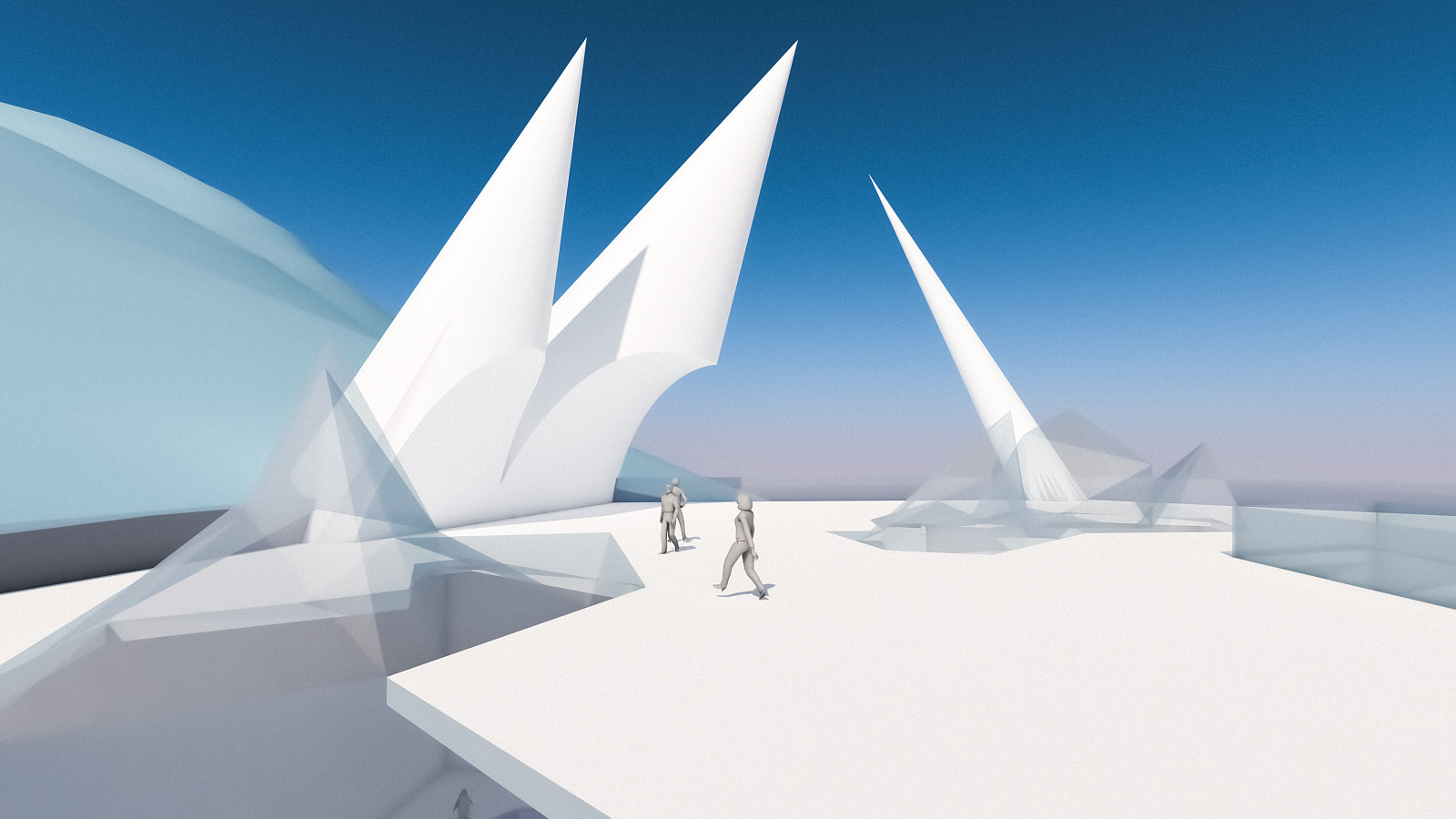
From this controlled interior, the spatial narrative extends toward an open-air enclosure used during moderate climatic periods. The landscape is integrated with cooling systems that create localized microclimates, enabling a dynamic exchange between interior and exterior conditions.
Supporting functions include veterinary facilities, incubation rooms, food preparation areas, storage, and technical infrastructure. A small café offering ice cream extends the conceptual logic of cold into the sensory and gastronomic experience.
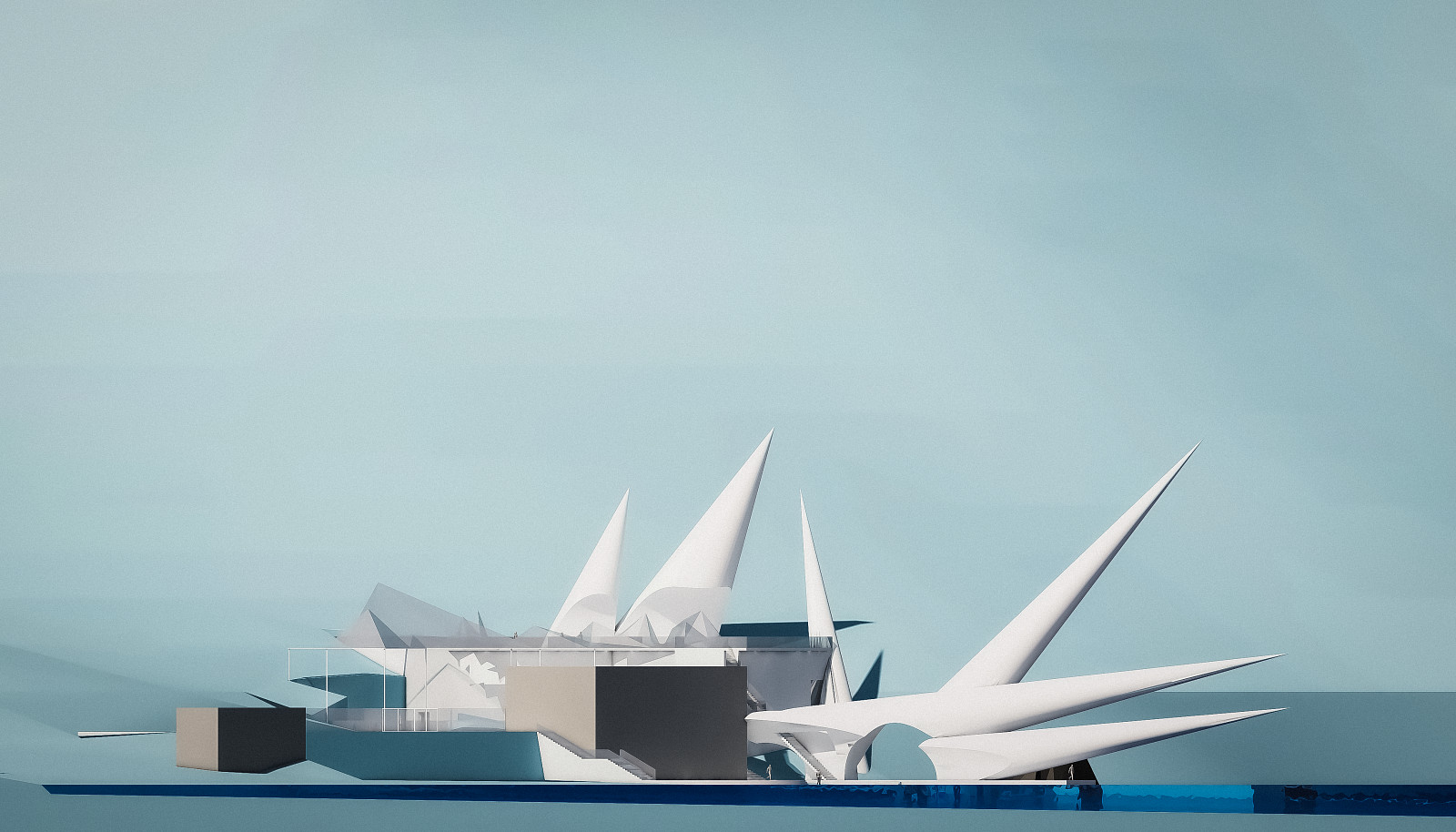
Architecturally, the complex is treated as a tectonic artificial formation — as if a fractured mass of ice had detached from the North and come to rest at the shoreline. The volumes are fragmented, displaced, and reassembled under structural tension, generating a sense of frozen impact and geological instability.
Reflective façades amplify this effect by capturing sunlight and redirecting it toward the sea, producing a phenomenon of “optical coldness,” where temperature is perceived visually through brightness, reflection, and contrast. A key spatial gesture is the submerged pedestrian path toward the Stone of Sunkov, where a partially submerged concrete walkway creates the illusion of walking on water — a direct interface between body, architecture, and sea.
Technical information
The structural system is based on a reinforced concrete framework designed to support large-span exhibition spaces and cantilevered fragmented volumes. The geometry of the building is defined by shifted and interlocked structural modules, allowing for spatial discontinuities while maintaining overall stability of the ring configuration.
The envelope combines layered insulated panels, high-performance glazing, and reflective cladding systems. These elements are assembled to achieve both thermal separation for the penguin habitats and a deliberately high albedo effect on the exterior surfaces, reinforcing the conceptual reading of the building as an artificial cold mass within a hot coastal environment.
Mechanical systems are fully integrated into the architectural structure. Cooling is distributed through a centralized plant connected to seawater heat exchange, with localized secondary systems regulating microclimatic conditions in animal and visitor zones. Ventilation is organized through controlled air loops with humidity and temperature differentiation between exhibition, service, and transitional spaces.
Water management is treated as an operational and spatial component. Filtration, circulation, and temperature regulation systems are embedded within the landscape and architectural base, supporting both the aquatic habitats and external cooling elements while minimizing visible technical infrastructure.
Lighting design prioritizes low-heat artificial sources combined with controlled daylight penetration through filtered openings. The overall technical strategy is focused on maintaining stable internal conditions while preserving the conceptual duality between climatic precision inside and environmental intensity outside.
Created in:


Copyright © 2026 INSPIRELI | All rights reserved. Use of this website signifies your agreement to the Terms of Use, Privacy Policy, and use of cookies.