A PROPOSED BOHOL PANGLAO INTERNATIONAL AIRPORT


Project idea
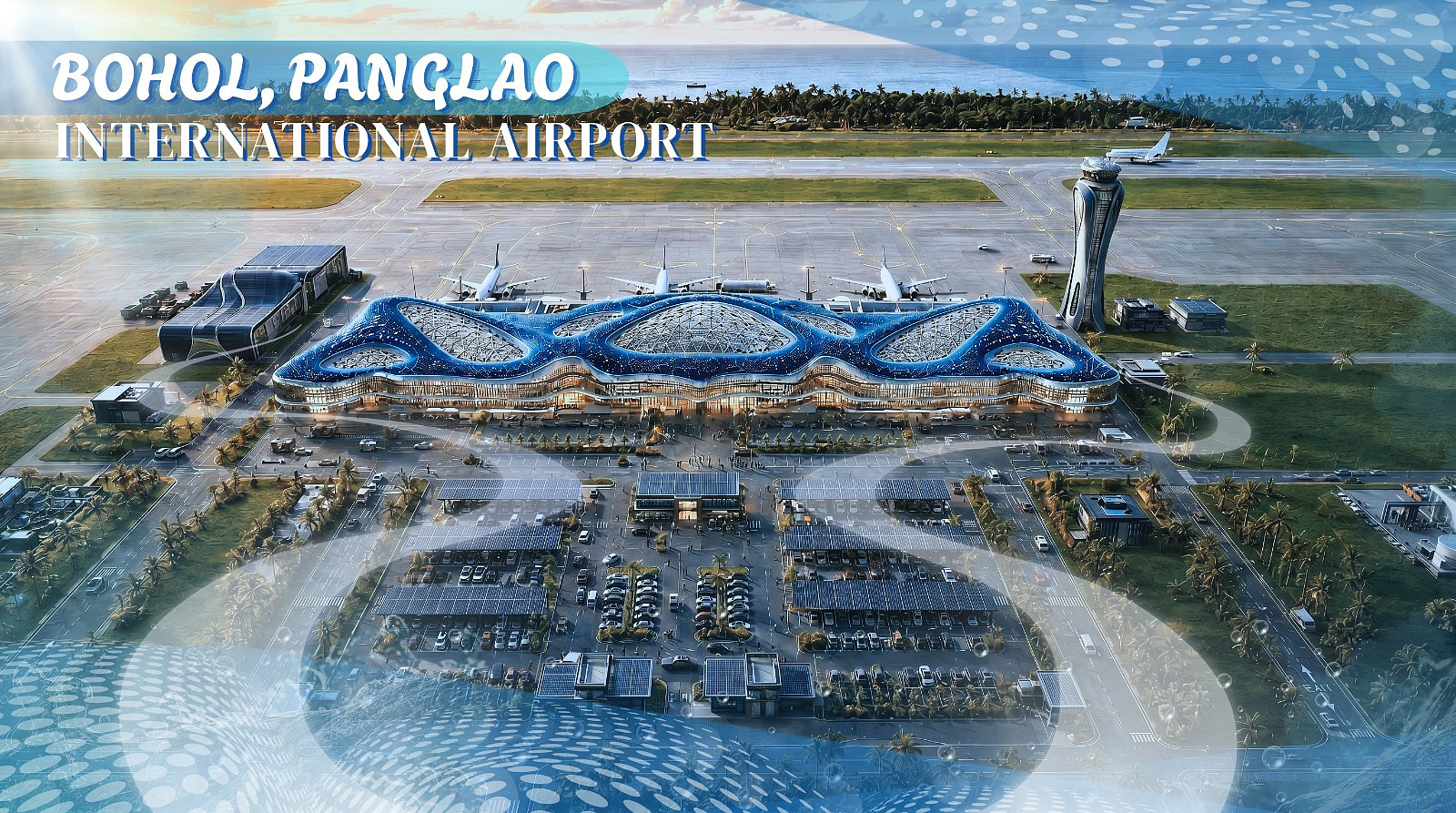
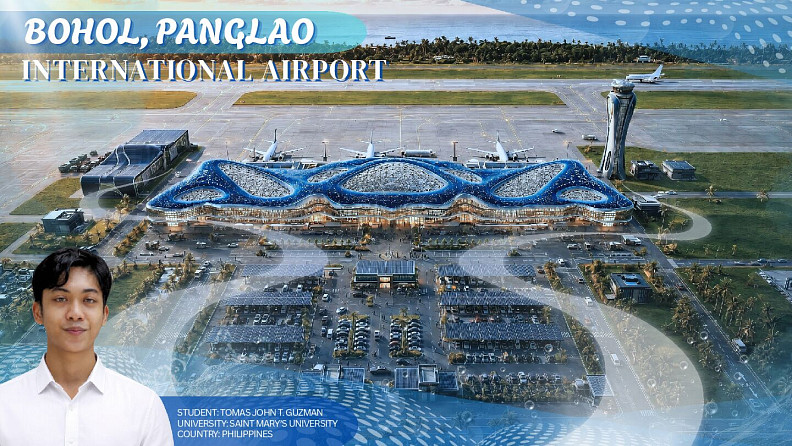
The Whale Shark International Airport Concept: Bohol–Panglao Gateway is envisioned as the world’s first revolutionary oceanic experience airport, redefining the traditional role of an airport from a transportation facility into an immersive architectural destination. Inspired by the majestic whale shark, one of Bohol’s most recognizable natural icons, the project aims to establish a new global benchmark for airport design by combining architecture, ecology, tourism, culture, technology, and sustainability into one iconic development.
The project embraces biomimicry, using the graceful movement and form of the whale shark as the guiding design philosophy. The whale shark symbolizes gentle guidance and calm movement, reflecting a stress-free passenger journey; harmony between humans, nature, and marine ecosystems, emphasizing environmental stewardship; Bohol’s sustainable tourism identity; innovation inspired by oceanic flow and biomimicry; strength, serenity, and environmental resilience; and its status as a globally recognizable tourism icon of the Philippines.
Unlike conventional airports that merely facilitate travel, this proposal transforms arrival and departure into an unforgettable sensory experience. From the moment passengers enter the terminal, they are immersed in an environment where architecture, flowing water, movement, lighting, and environmental storytelling evoke the beauty of Bohol’s marine ecosystem before they even leave the airport. The design seeks to create feelings of calmness and relaxation, wonder and awe, ocean-inspired tranquility, luxury and comfort, curiosity and excitement, a memorable arrival and departure journey, and an emotional connection to Bohol’s marine environment.
The whale shark was selected as the defining airport character because it creates an unforgettable first impression for international travelers while providing a calm, immersive, luxurious, and relaxing arrival experience. It represents the ecological richness of Bohol, strengthens the province’s tourism branding and cultural identity, creates an emotional connection before passengers enter or depart the island, serves as a global benchmark for experiential airport architecture, and promotes environmental awareness through design.
The airport introduces a series of innovative and revolutionary features that distinguish it from existing airport typologies. It is envisioned as the world’s first airport with a full-complex aquarium experience, incorporating immersive marine biodiversity environments, an original flowing water floor wayfinding system, and interactive water navigation paths that symbolically guide passengers like ocean currents. The architecture integrates climate-responsive design strategies, sustainable passive cooling systems, smart environmental technologies, biophilic interior spaces, nature-integrated passenger environments, energy-efficient building systems, rainwater harvesting and water recycling technologies, and renewable energy integration, creating a facility that is both experiential and environmentally responsible.
A signature element of the proposal is the Flowing Water Floor, which acts as a symbolic ocean current that intuitively guides passengers throughout the terminal while providing visual relaxation and reinforcing the project’s marine identity. This feature combines aesthetics, navigation, and storytelling into a single experiential design element.
Beyond its architectural innovation, the project strongly supports the United Nations Sustainable Development Goals (SDGs) by promoting:
SDG 6 – Clean Water and Sanitation: through responsible water management and conservation.
SDG 7 – Affordable and Clean Energy: through renewable energy integration and energy efficiency.
SDG 9 – Industry, Innovation, and Infrastructure: by creating resilient and innovative airport infrastructure.
SDG 11 – Sustainable Cities and Communities: by developing a safe, inclusive, and sustainable transportation hub.
SDG 12 – Responsible Consumption and Production: through efficient resource use and waste management.
SDG 13 – Climate Action: by reducing carbon emissions and improving climate resilience.
SDG 14 – Life Below Water: by promoting marine conservation and ecosystem protection.
SDG 15 – Life on Land: by protecting terrestrial ecosystems and biodiversity.
Furthermore, the project supports marine conservation awareness, resilient infrastructure development, eco-tourism, environmental education, carbon footprint reduction through smart systems, renewable and water-efficient technologies, and the creation of healthier, more human-centered airport environments.
Ultimately, the Whale Shark International Airport Concept seeks to become the first revolutionary airport design that transforms aviation architecture into an immersive environmental experience. It aims to redefine how airports connect emotion, tourism, sustainability, and innovation, create a new generation of experiential transportation hubs, position the Philippines as a global leader in innovative airport design, enhance the international tourism appeal of Bohol and the country, and demonstrate that world-class infrastructure can celebrate both cultural identity and environmental stewardship.
Project description
The proposed Whale Shark International Airport Concept: Bohol–Panglao Gateway is a visionary international airport development designed to serve as the world’s first revolutionary oceanic experience airport. The project goes beyond the conventional function of an airport by creating an immersive transportation hub that integrates architecture, marine-inspired design, sustainability, advanced technology, and cultural identity into a single iconic destination.
The scope of the project includes the planning, architectural design, interior design, landscape development, and sustainable infrastructure systems of a world-class international airport capable of accommodating both domestic and international passengers. The airport is designed to provide efficient aviation operations while delivering a memorable and emotionally engaging passenger experience inspired by the marine ecosystem of Bohol.
Architecturally, the project adopts the whale shark as its primary design concept through biomimicry, incorporating fluid forms, organic patterns, and ocean-inspired spatial planning. The terminal will feature immersive marine environments, interactive water-inspired circulation spaces, biophilic interior design, and a symbolic Flowing Water Floor wayfinding system that naturally guides passengers throughout the facility while creating a relaxing sensory experience.
The project also integrates innovative environmental technologies, including climate-responsive architectural systems, passive cooling strategies, smart environmental technologies, energy-efficient building systems, rainwater harvesting and water recycling facilities, and renewable energy integration. These sustainable solutions aim to reduce environmental impact while improving operational efficiency and passenger comfort.
In addition, the airport development supports tourism by showcasing the ecological richness and cultural identity of Bohol, positioning the province as a premier international gateway and destination. The project promotes marine conservation awareness, eco-tourism, environmental education, and resilient infrastructure while contributing to the achievement of the United Nations Sustainable Development Goals (SDGs), particularly those related to clean water, clean energy, innovation, sustainable communities, responsible consumption, climate action, life below water, and life on land.
Overall, the project proposes a new model for future airport architecture by combining transportation, tourism, sustainability, technology, and experiential design into one globally recognizable landmark. It aims to establish a new international benchmark for airport development while strengthening the Philippines' position as a leader in innovative and sustainable aviation infrastructure.
Technical information
The Whale Shark International Airport Concept is designed as a state-of-the-art international aviation facility that combines advanced engineering, sustainable building technologies, and experiential architecture. The project utilizes high-performance materials and innovative construction systems to ensure structural durability, environmental efficiency, passenger safety, and long-term operational excellence.
Architectural Structure
-The terminal features a parametric roof system inspired by the fluid movement and organic form of the whale shark. The roof is supported by a steel and metal frame structural system, allowing for large column-free spaces and long-span construction suitable for airport terminals.
The exterior roof cladding is composed of high-quality Aluminum Composite Panels (ACP), providing a lightweight, corrosion-resistant, weather-resistant, and low-maintenance architectural finish while enhancing the building's iconic appearance.
Façade and Glazing System
-The building envelope utilizes impact-resistant Low-Emissivity (Low-E) curtain wall glazing, designed to withstand strong wind loads and accidental impacts while maximizing natural daylight and reducing solar heat gain.
The terminal incorporates Low-E skylight glazing systems strategically positioned throughout the roof structure to introduce abundant natural lighting, improve energy efficiency, and create bright, comfortable interior spaces without excessive heat transmission.
Aquarium and Immersive Marine Experience
-A signature feature of the project is the integration of large-scale, high-end aquarium installations constructed using ultra-clear laminated acrylic or low-iron tempered aquarium glass specifically engineered for large aquatic environments.
The aquarium glazing provides exceptional transparency, high structural strength, optical clarity, and long-term durability while ensuring the safety of both marine life and passengers.
Flowing Water Floor System
-The airport incorporates an innovative Flowing Water Floor that serves as both a symbolic wayfinding feature and an immersive architectural experience.
The system utilizes high-strength laminated structural glass floor panels with a non-slip treated surface capable of supporting heavy pedestrian traffic while allowing visual integration of flowing water or dynamic water-inspired effects beneath the glass.
The glass flooring is engineered for impact resistance, safety, and long-term durability in public spaces.
Floor Finishes
-The primary flooring material throughout the terminal is premium white terrazzo flooring, selected for its:
High durability under heavy passenger traffic
Elegant and timeless aesthetic
Low maintenance requirements
Resistance to wear and staining
High light reflectance, enhancing interior brightness and spatial quality
Structural and Interior Elements
Major exposed beams and architectural structural members are finished with a silver mirror metallic, creating a modern and luxurious appearance that reflects the fluid movement of light and reinforces the ocean-inspired design concept.
The structural system is designed to accommodate large open public spaces while maintaining flexibility for future expansion and technological upgrades.
Documentation
Created in:


Copyright © 2026 INSPIRELI | All rights reserved. Use of this website signifies your agreement to the Terms of Use, Privacy Policy, and use of cookies.
