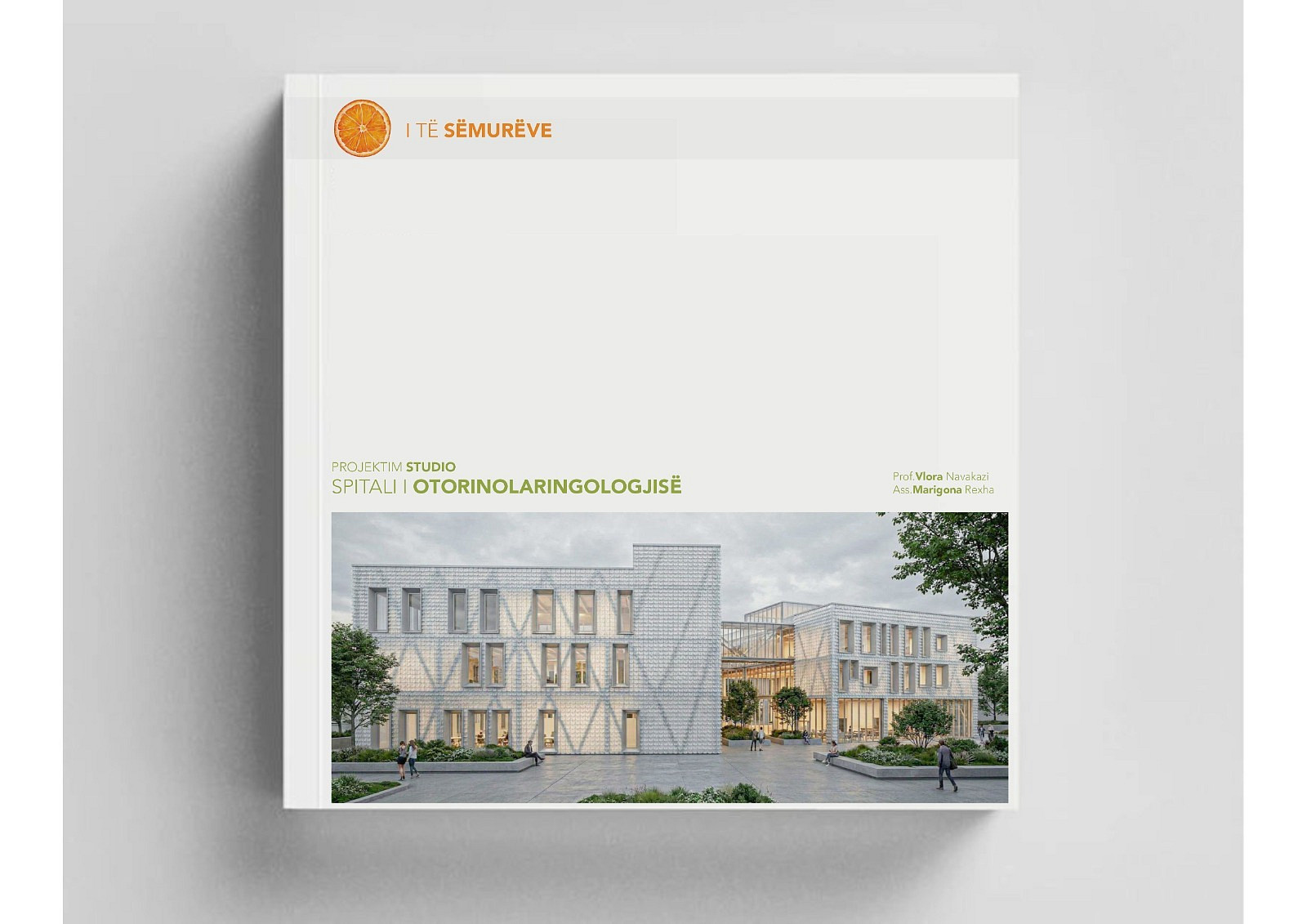
SPITALI I ORL-së


Project idea
The Otorhinolaryngology (ENT) Hospital is envisioned as a contemporary healthcare facility dedicated to specialized medical care for ear, nose, and throat diseases. The design aims to create a healing environment that balances functionality, patient comfort, and architectural identity.
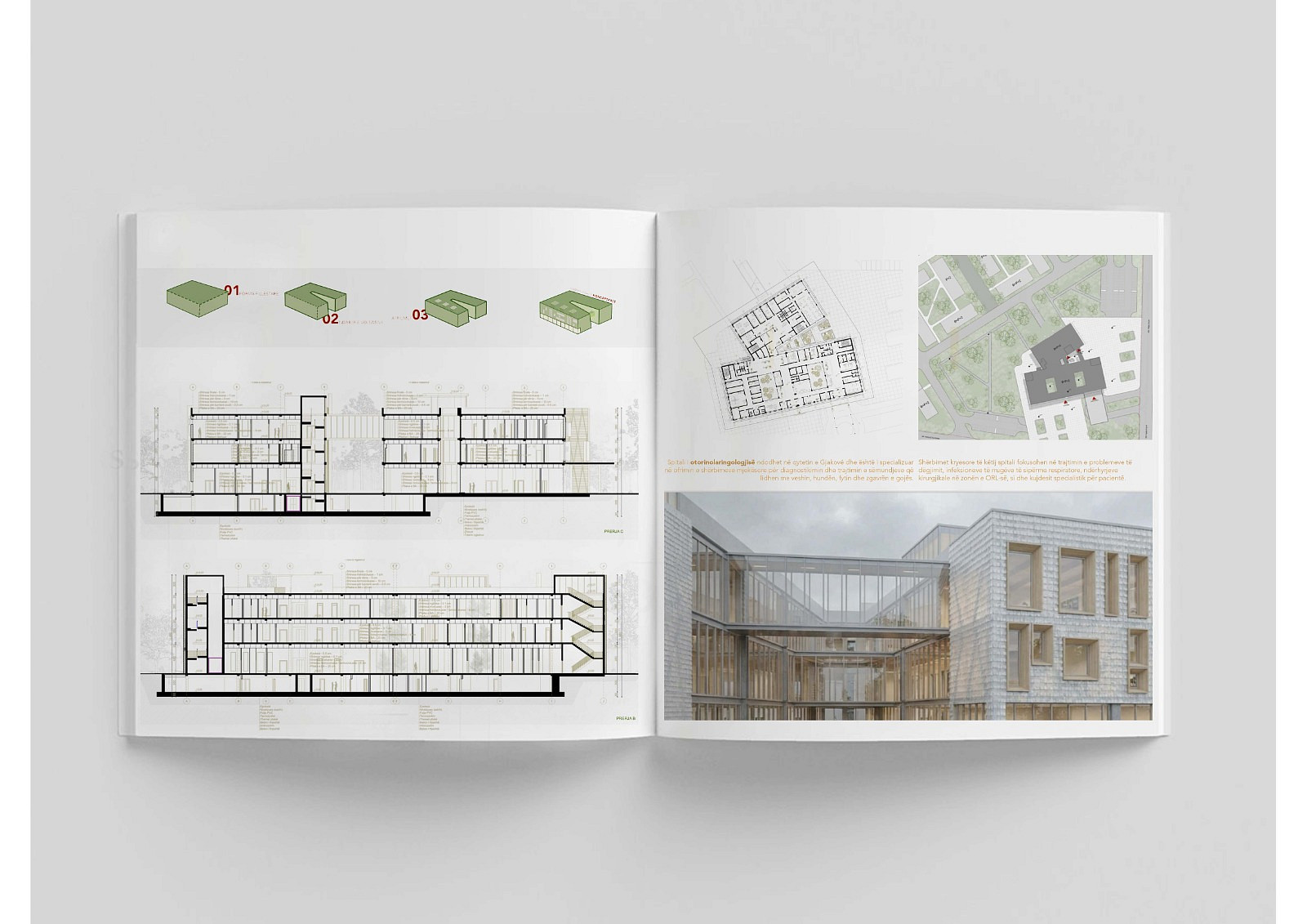
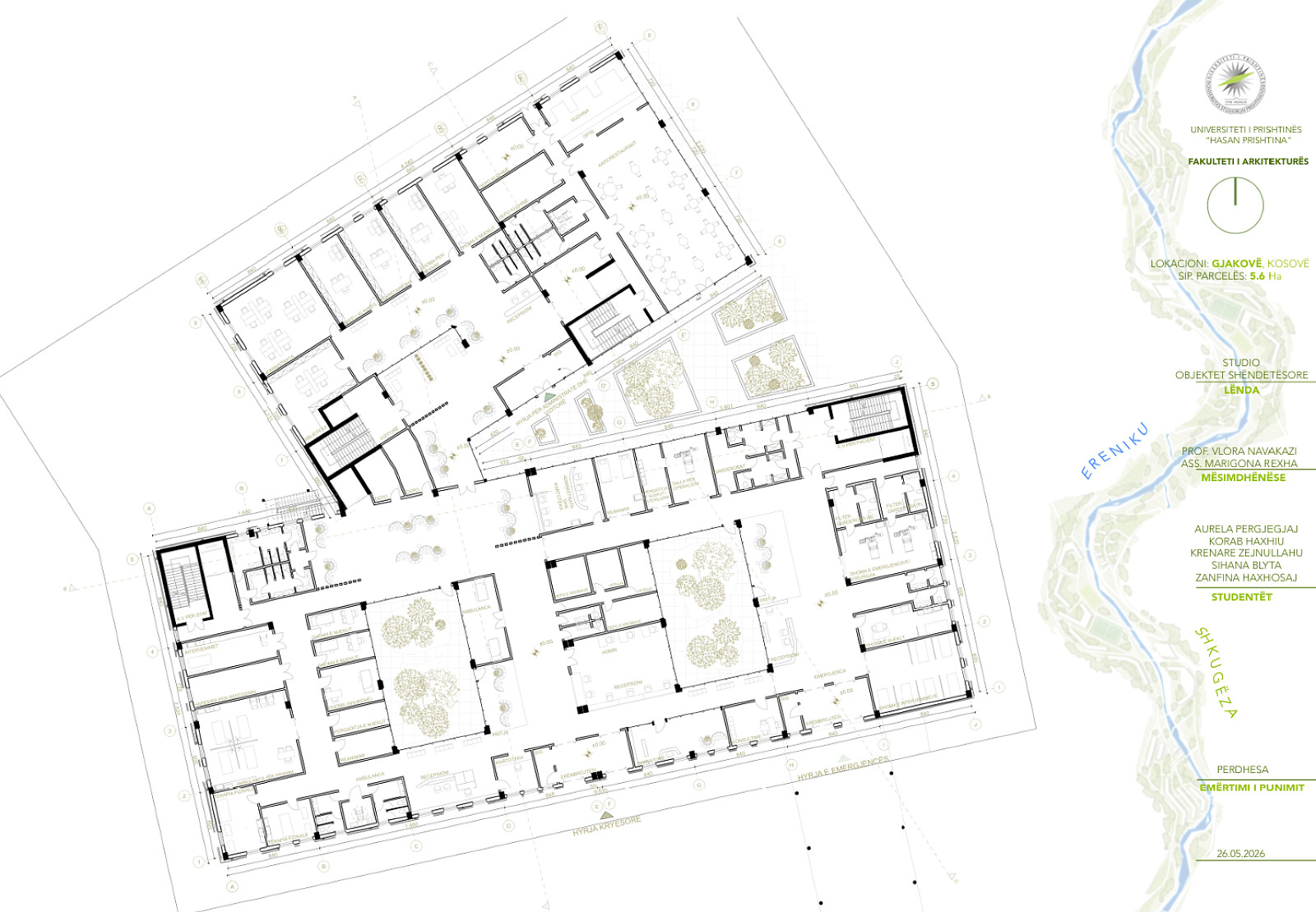
The spatial organization of the building is structured around two atriums, which serve as the main organizing elements of the complex. These internal courtyards introduce natural daylight and ventilation into the core of the building, strengthen visual connections between different departments, and provide a calming atmosphere that supports the recovery process. The atriums also improve orientation and create welcoming communal spaces for patients, visitors, and healthcare professionals.
Project description
The Otorhinolaryngology (ENT) Hospital is a specialized healthcare facility designed to provide comprehensive medical services related to ear, nose, and throat disorders. Located in a peripheral area of Gjakova, near Shkugëza Park and in close proximity to the regional hospital, the project benefits from a calm environment and convenient access to existing healthcare infrastructure.
The building is organized around two central atriums, which function as the core of the spatial composition. These atriums bring natural light and ventilation into the interior spaces, improve orientation, and create a therapeutic atmosphere for patients, visitors, and medical staff.
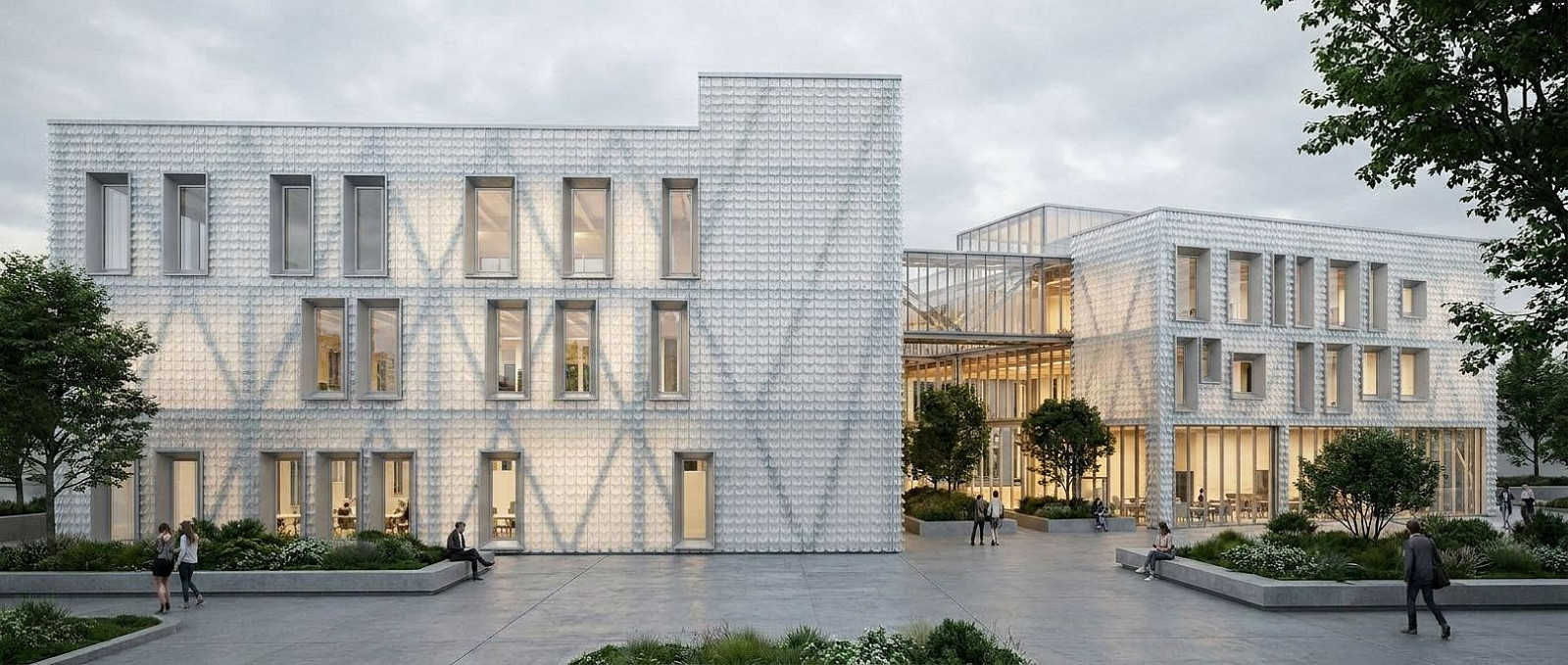
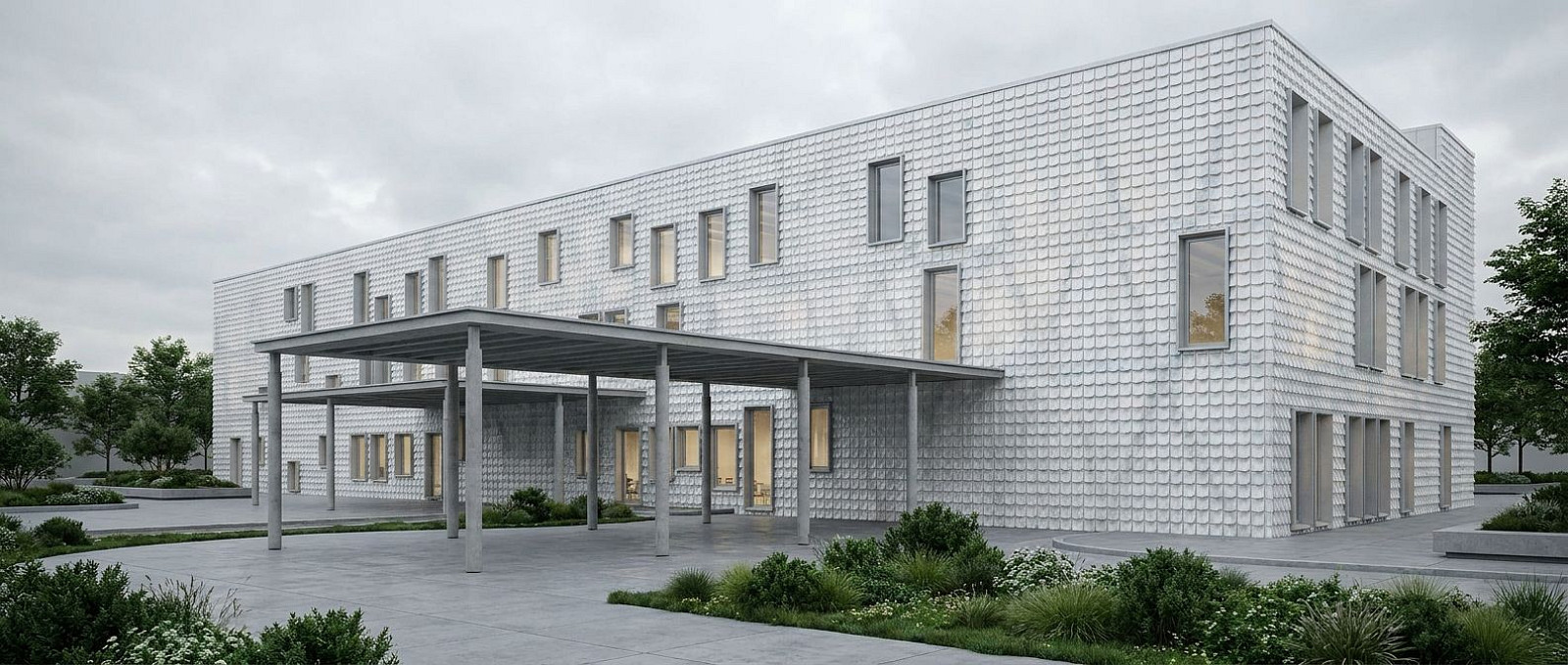
The project emphasizes a patient-centered approach, with a clear separation between public, clinical, and service areas to ensure efficient circulation and operational functionality. The architectural language is characterized by a contemporary and lightweight appearance, achieved through the use of translucent polycarbonate façade panels that provide privacy, diffused daylight, and energy efficiency.
Technical information
The project consists of a specialized Otorhinolaryngology (ENT) Hospital located in Gjakova, Kosovo, designed as a contemporary healthcare facility organized around two central atriums that provide natural light, ventilation, and spatial orientation throughout the building. The structural system is based on a reinforced concrete frame (skeleton structure), ensuring high stability, durability, and flexibility for future functional adaptations.
The façade is designed as a separate architectural layer, developed as a lightweight secondary structure composed of a timber substructure combined with translucent polycarbonate panels. This façade system allows diffused natural light to enter the interior spaces while maintaining privacy, improving thermal performance, and creating a soft, modern architectural expression.
The functional layout clearly separates public, clinical, and service zones, ensuring efficient circulation for patients, visitors, and medical staff. Landscaped courtyards and green areas are integrated into the design to enhance the therapeutic quality of the environment and strengthen the relationship between architecture and nature.
Overall, the project combines a robust reinforced concrete structural system with a lightweight, sustainable façade solution, creating a balance between technical performance, flexibility, and a healing architectural atmosphere.
Created in:



Copyright © 2026 INSPIRELI | All rights reserved. Use of this website signifies your agreement to the Terms of Use, Privacy Policy, and use of cookies.