THE LI.NE - Homeless Rehabilitation & Reintergration Centre


 Muzamil Mutalib
Project idea
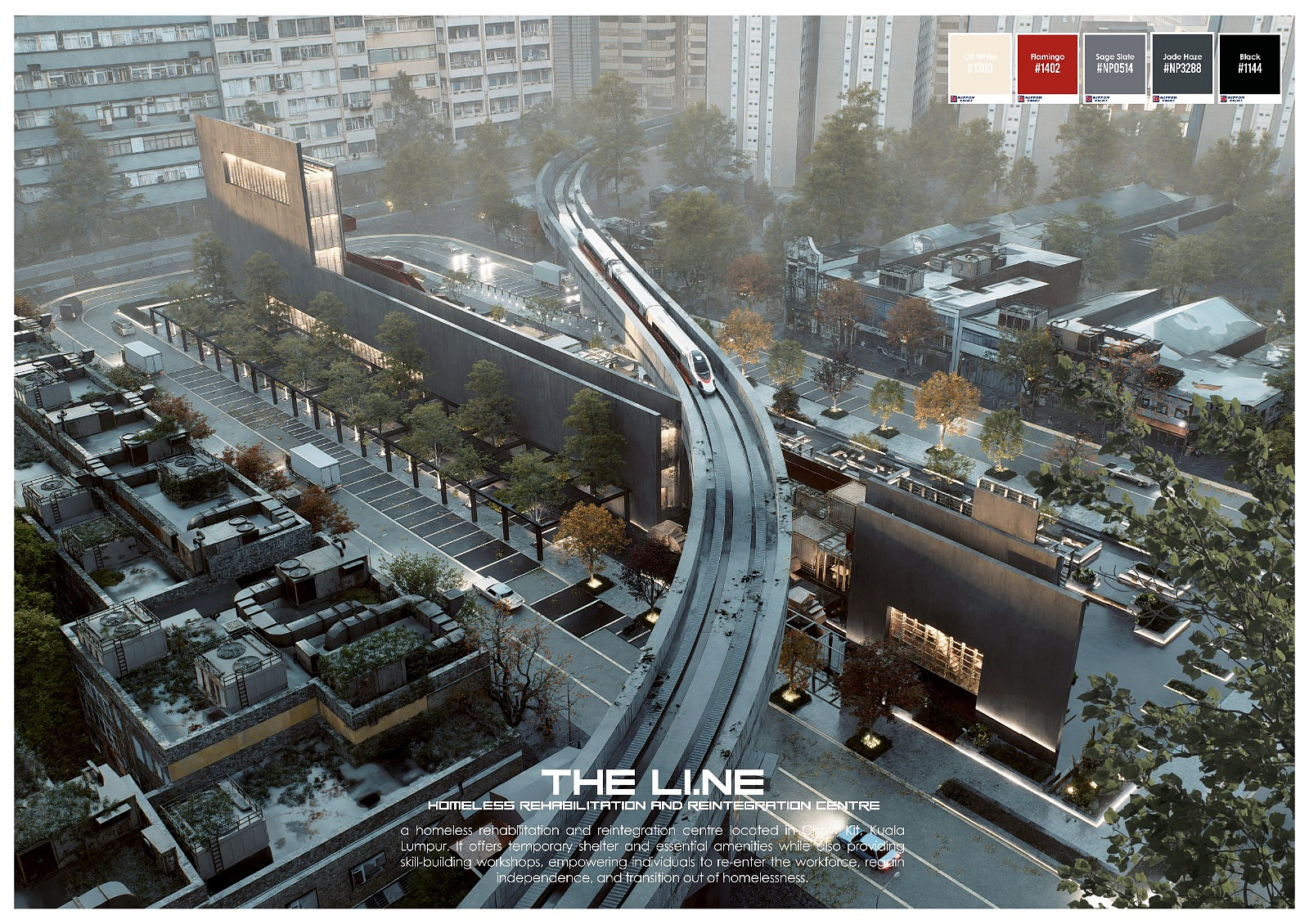
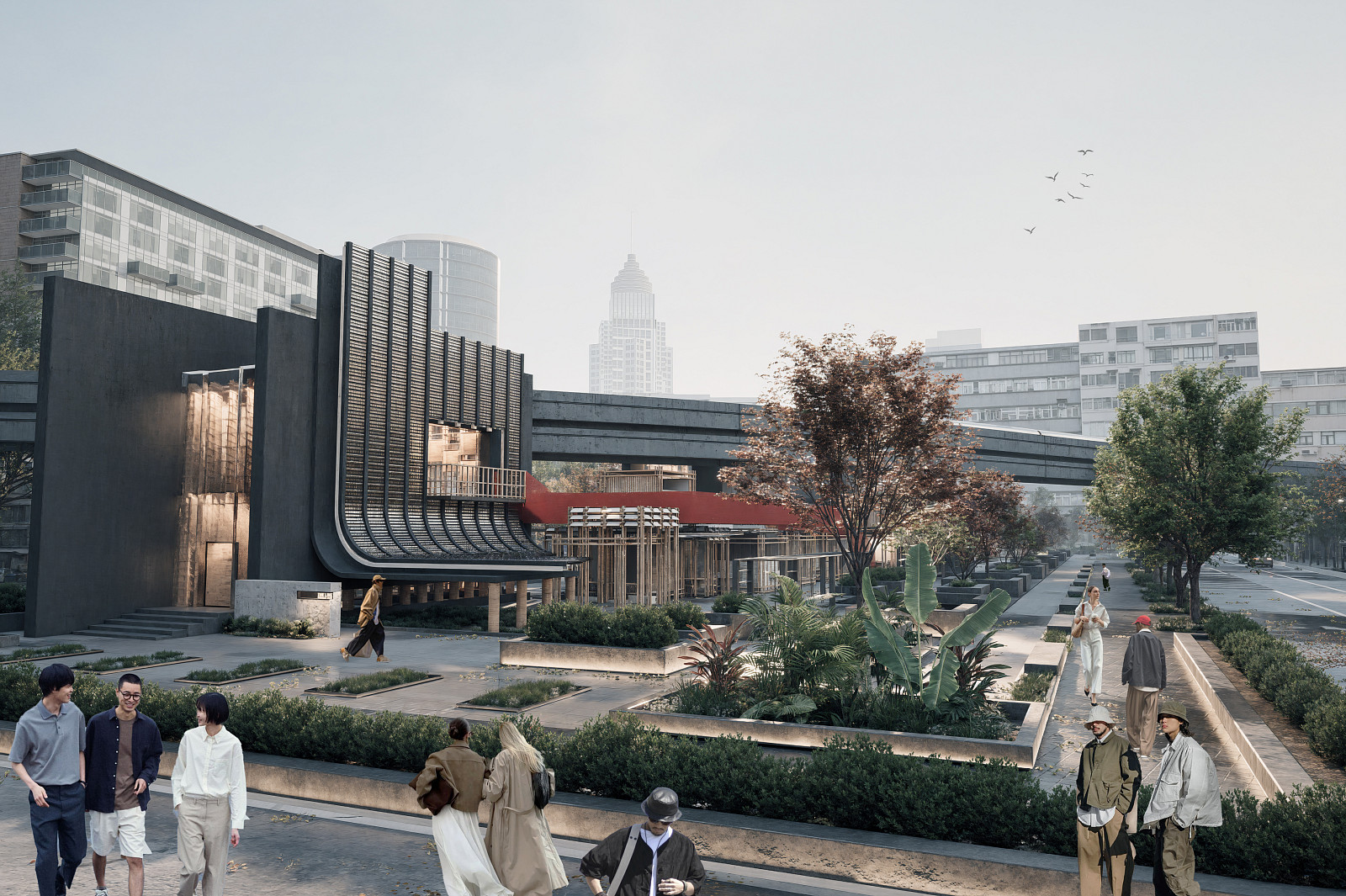
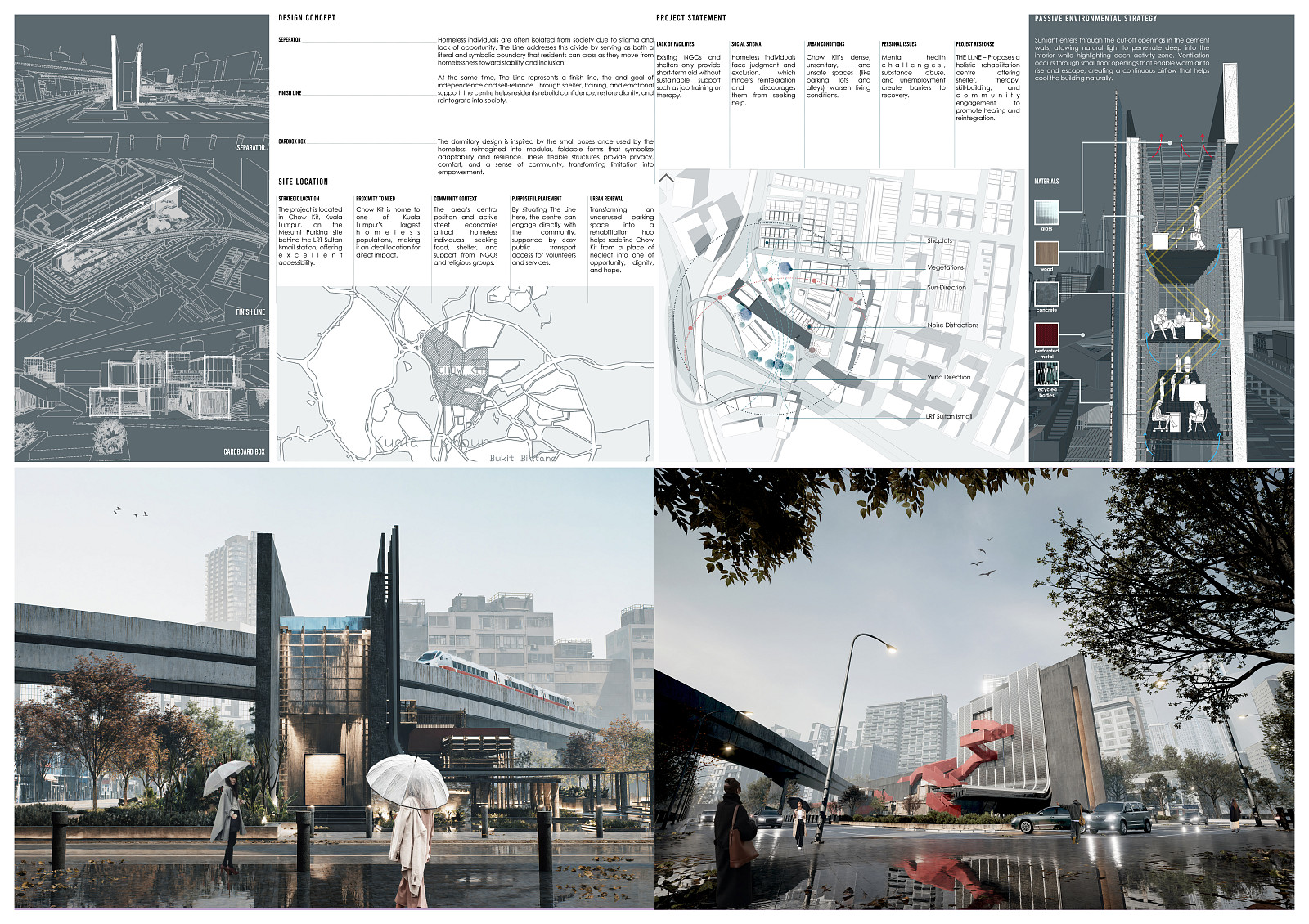
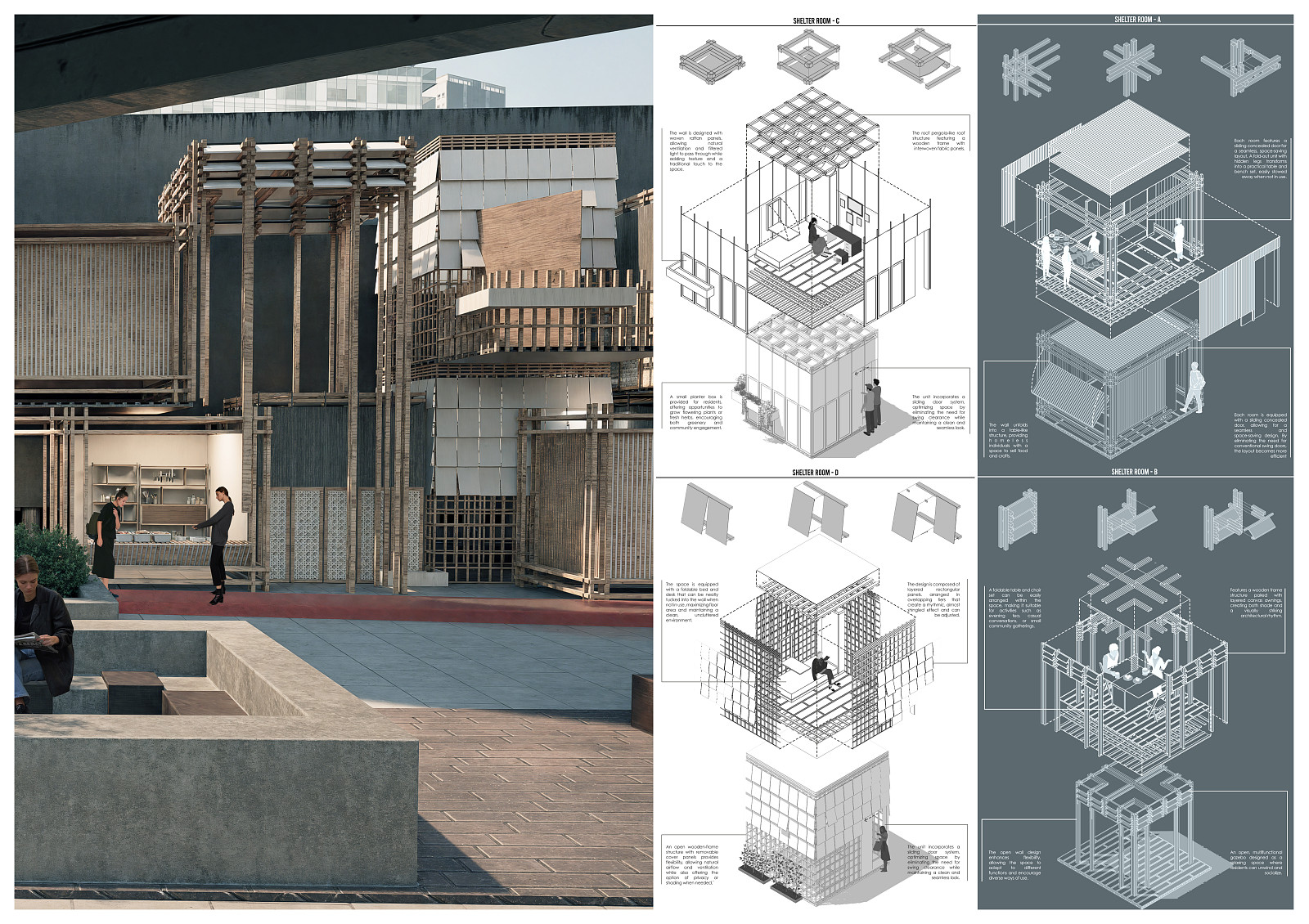
The Line is a rehabilitation and reintegration centre designed to address homelessness in Chow Kit, Kuala Lumpur, by providing a structured environment that supports recovery, personal development, and social reintegration. The project responds to the growing challenges faced by homeless individuals, including inadequate access to shelter, social stigma, unemployment, and limited opportunities for rehabilitation.
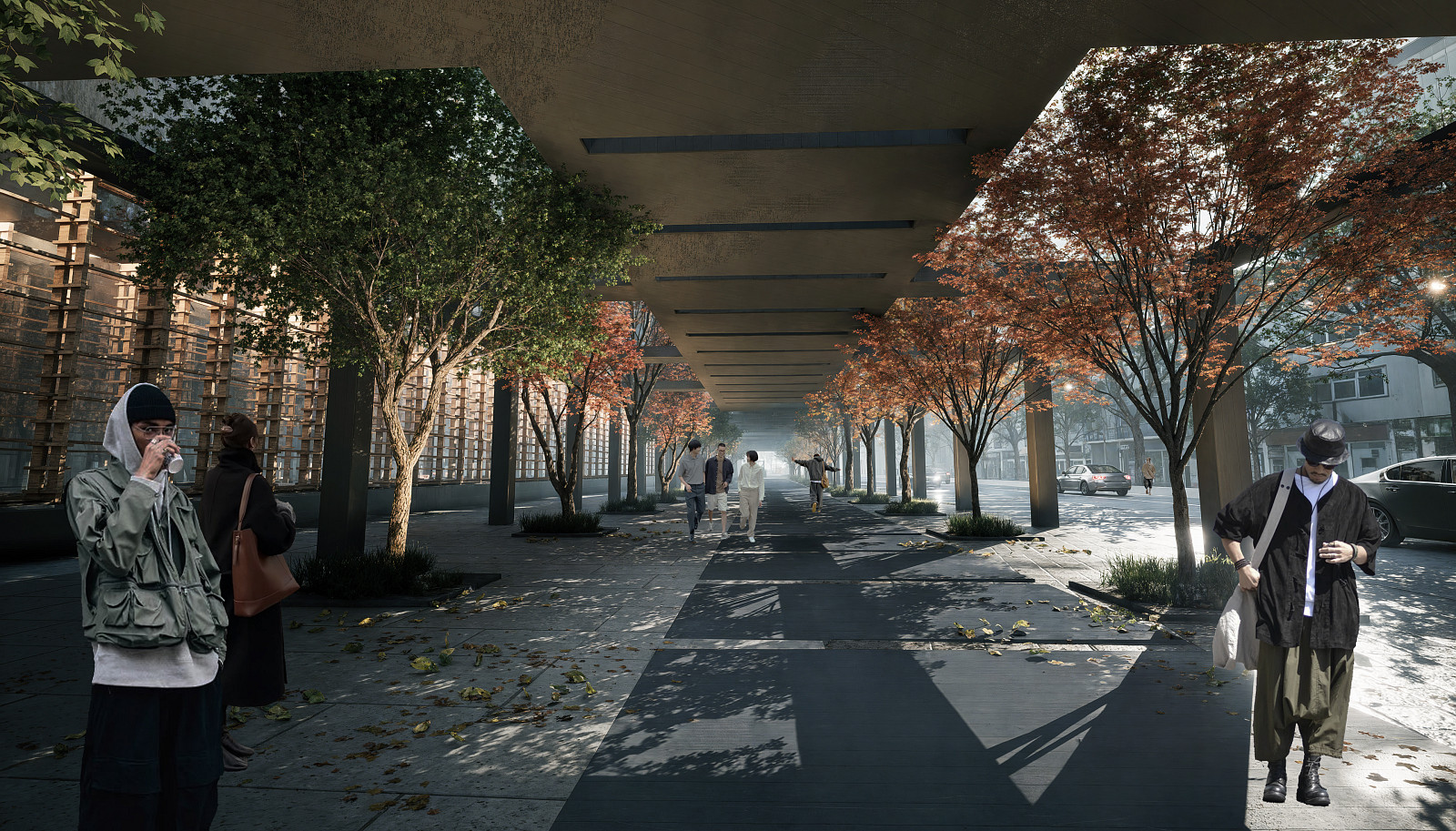
Strategically located within Chow Kit, an area with a significant homeless population and close proximity to public transportation, the project integrates itself within the existing urban fabric while remaining accessible to support networks, employment opportunities, and community resources. The architectural form reinforces the concept of transition, representing the journey from instability to stability, and from social exclusion to active participation in society.
Environmental considerations are embedded throughout the design through passive strategies that maximise natural daylight, ventilation, and thermal comfort. These measures contribute to a healthy and sustainable living environment that supports the physical and psychological well-being of residents.
Project description
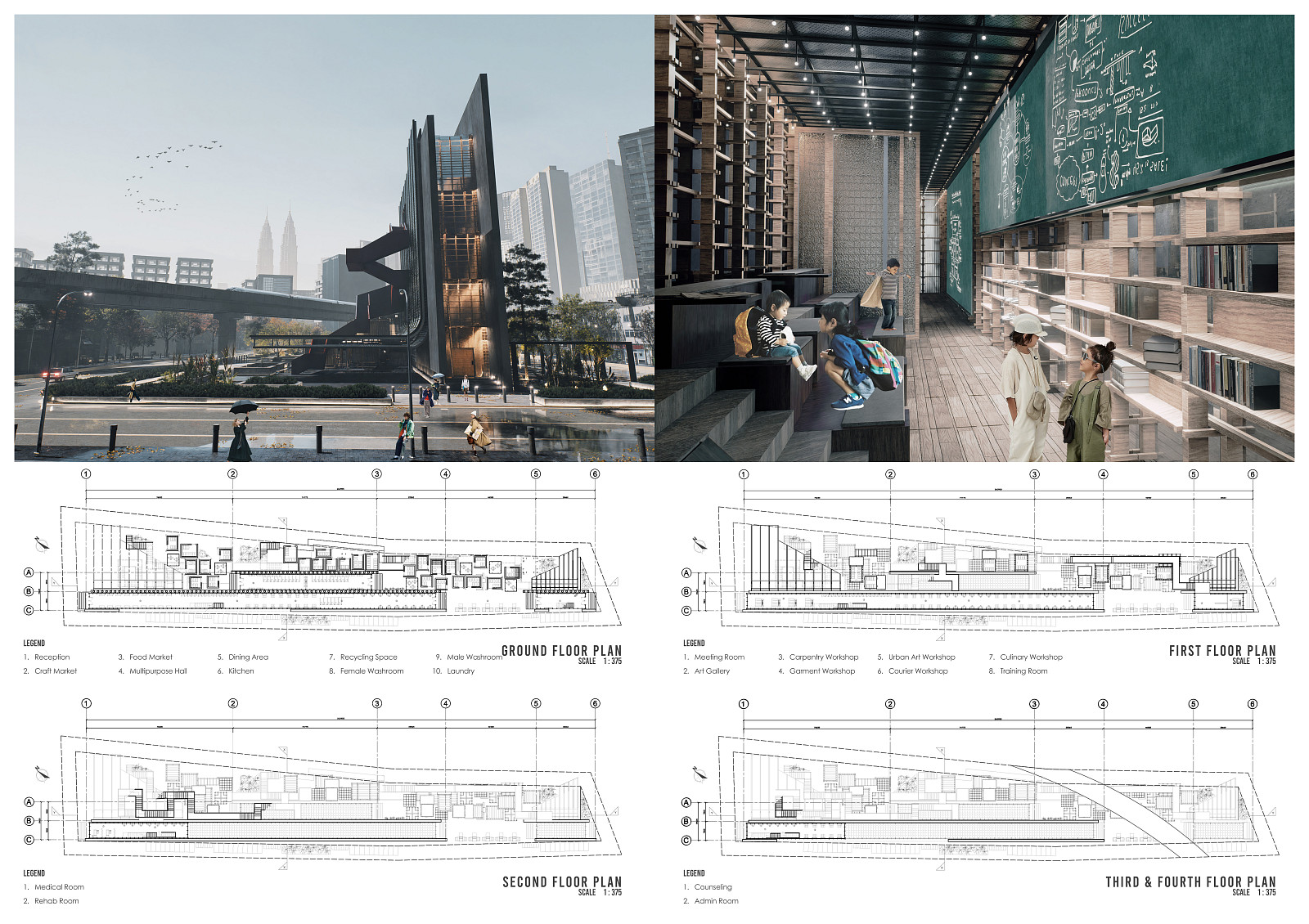
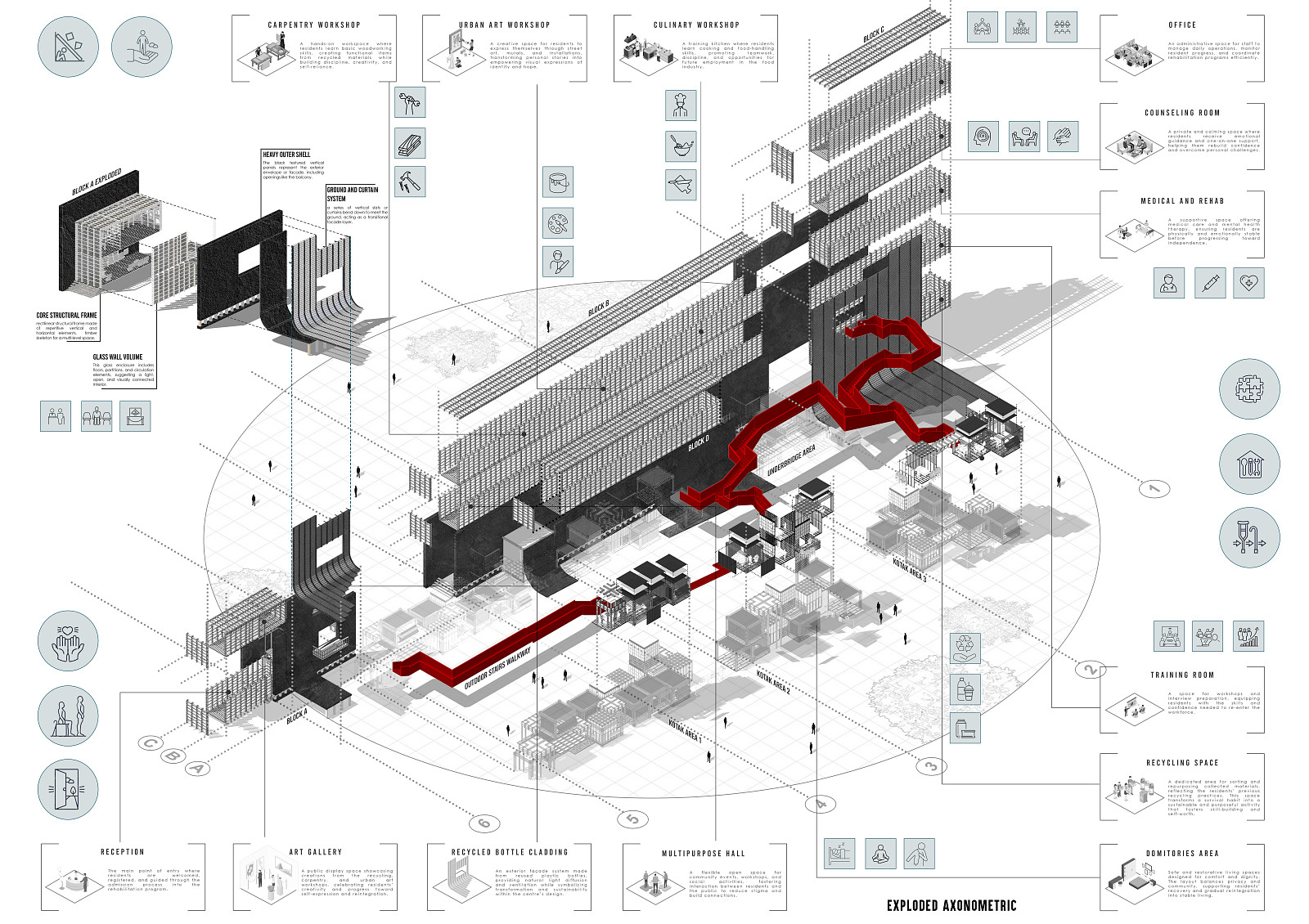
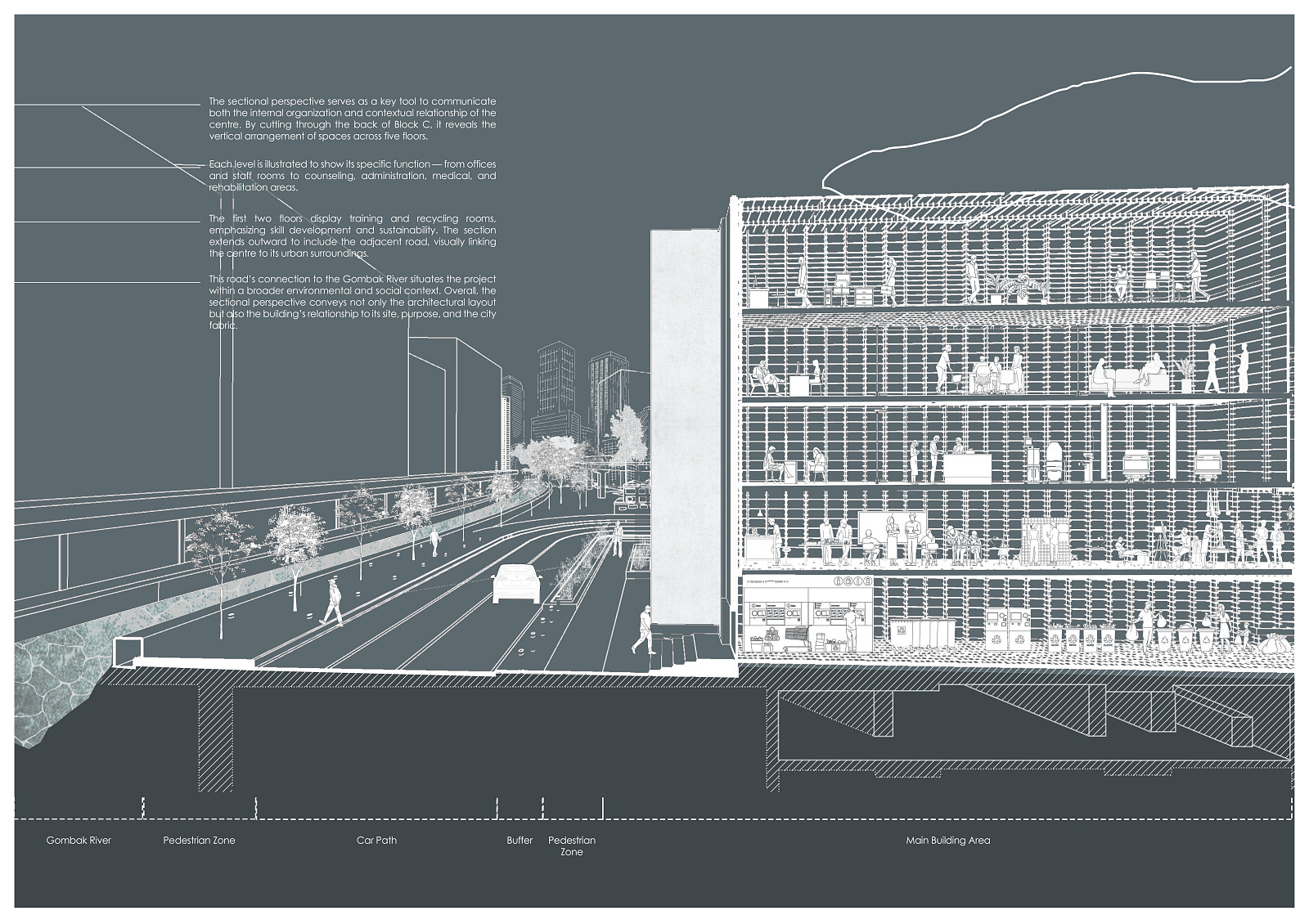
The concept is derived from the symbolic meaning of a line as both a separator and a connector. While homelessness often creates a divide between individuals and society, The Line seeks to bridge this gap by establishing a clear pathway towards independence and inclusion. Through the provision of temporary accommodation, vocational training, counselling services, and communal facilities, the centre empowers residents to rebuild confidence, acquire practical skills, and regain self-sufficiency.
Ultimately, The Line aims to redefine the perception of homeless shelters by creating a dignified, supportive, and empowering space that promotes recovery, fosters community engagement, and enables individuals to successfully reintegrate into society. The project serves not only as a place of refuge but as a catalyst for transformation, offering hope, opportunity, and a renewed sense of belonging.
Technical information
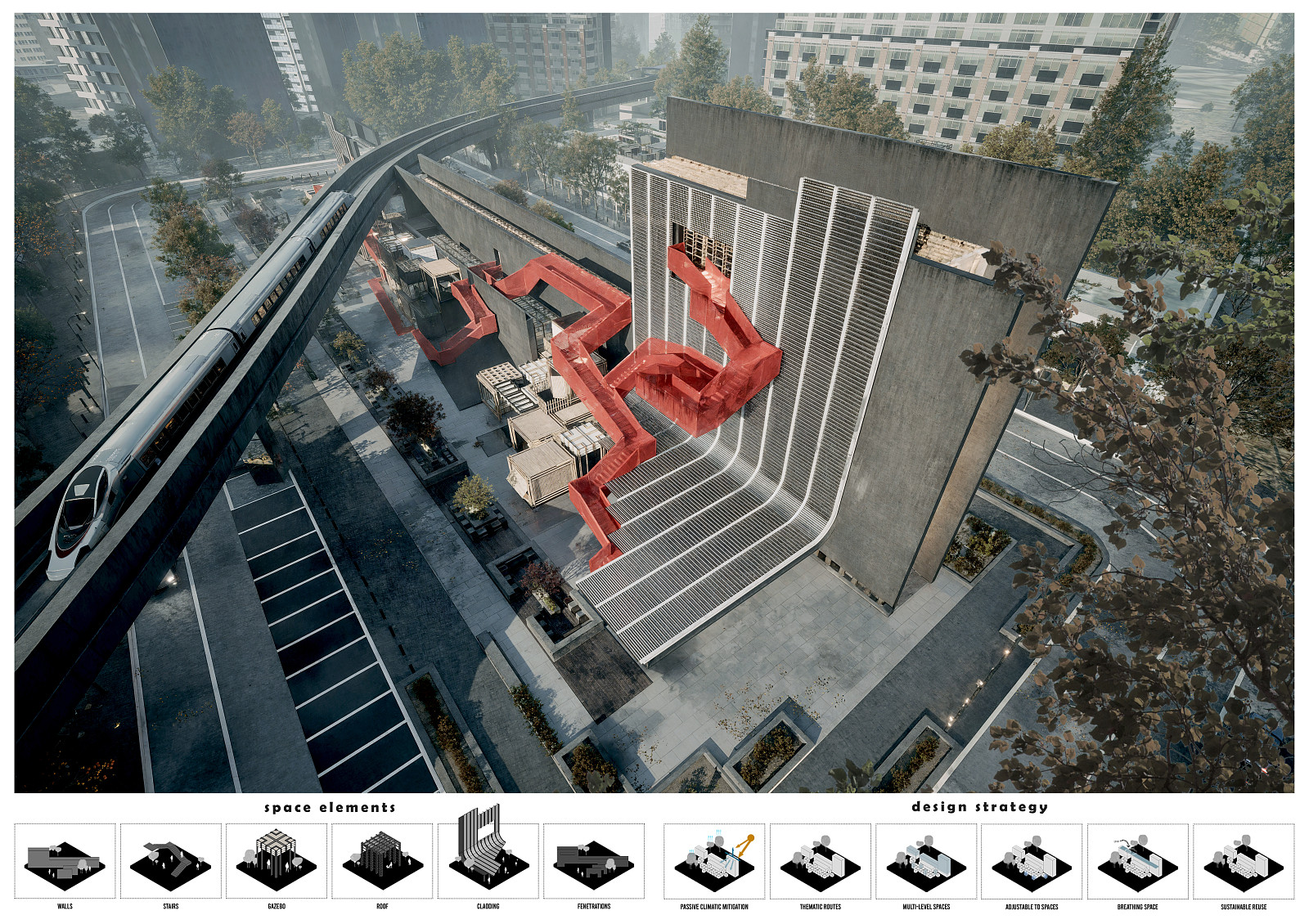
The building utilizes a reinforced concrete structural system comprising concrete columns, beams, slabs, and shear walls to ensure structural stability and durability. Steel elements are incorporated within the elevated circulation spine and roof structures to achieve longer spans and reinforce the project's architectural expression. The development is designed in accordance with Malaysian building regulations, including the Uniform Building By-Laws (UBBL), fire safety requirements, and universal accessibility standards.
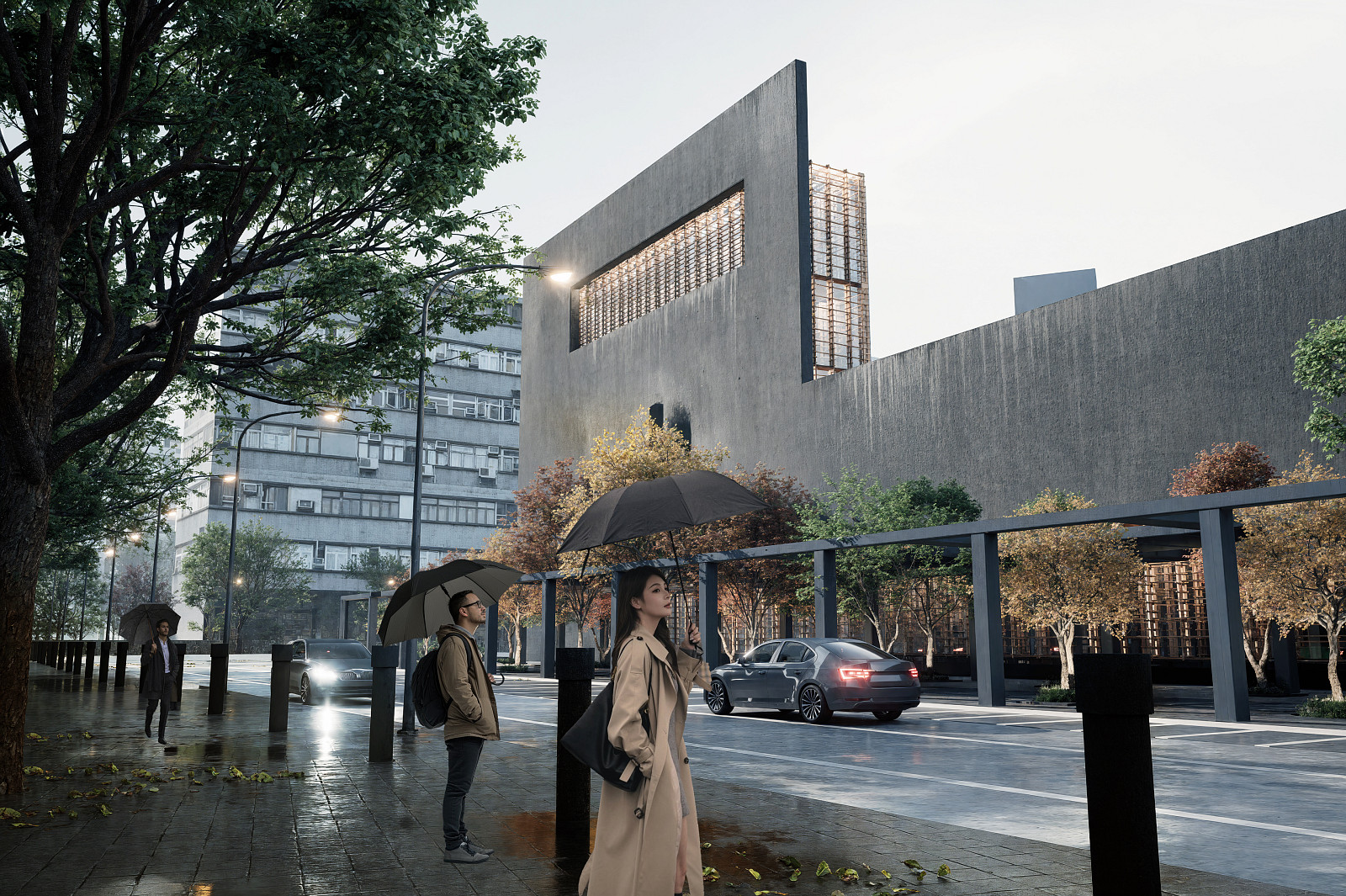
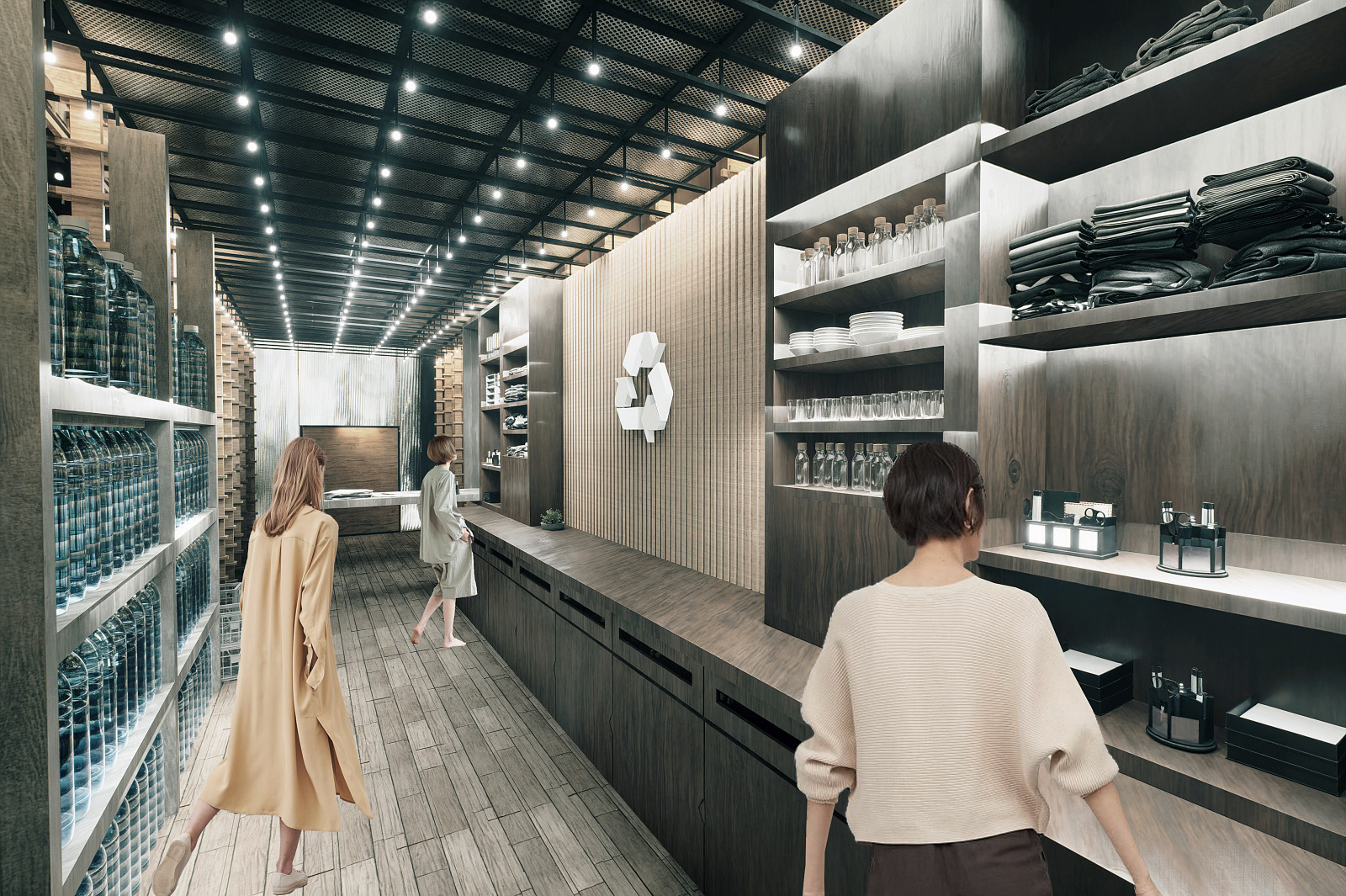
The architectural envelope consists primarily of exposed concrete, glass, perforated metal panels, and timber accents, creating a robust yet welcoming environment. A key sustainable feature of the project is the incorporation of reused plastic bottles as a secondary façade system. The recycled bottles are arranged within modular screening panels that function as shading devices while reducing material waste. This façade treatment not only minimizes solar heat gain and improves indoor thermal comfort but also symbolizes transformation and renewal, reflecting the project's mission of giving individuals a second chance. The translucent quality of the bottles allows filtered daylight to penetrate interior spaces, creating dynamic lighting effects throughout the building.


Copyright © 2026 INSPIRELI | All rights reserved. Use of this website signifies your agreement to the Terms of Use, Privacy Policy, and use of cookies.