EPOCH - The Canvas Of Humanity


Project idea
A crisis is often perceived as solely an act of destruction. Epoch: The Canvas of Humanity is an innovation gallery and multicultural hub that challenges this perception. Inspired by the Olusosun Landfill crisis in Lagos, Nigeria, the project draws from a situation where rapid urbanisation collided with an unprepared city, resulting in communities forming within and around the landfill. Despite severe conditions, people adapted, creating new ways of living and establishing informal systems and economies. This reality revealed a powerful truth: even in the most chaotic circumstances, humanity continues to create, rebuild, and find meaning. This understanding became the foundation of the project, translating a real-life condition into a spatial narrative.
Throughout history, humanity has repeatedly experienced cycles of creation, crisis, and renewal. Wars, economic collapse, pandemics, social unrest, and environmental disasters have disrupted established ways of living, yet these moments have also given rise to new cultures, artistic movements, technologies, and social systems. While the effects of crisis are widely documented, the relationship between hardship and the evolution of human creativity is rarely explored through spatial experiences.
The project reinterprets crisis as a catalyst for transformation rather than an endpoint. It investigates how humanity continuously adapts to changing realities, turning adversity into opportunities for innovation, growth, and new forms of expression. Through an immersive architectural journey, the gallery invites visitors to reflect on human resilience and the ways in which challenges have shaped the identities, cultures, and creative expressions that define our world today.
Project description
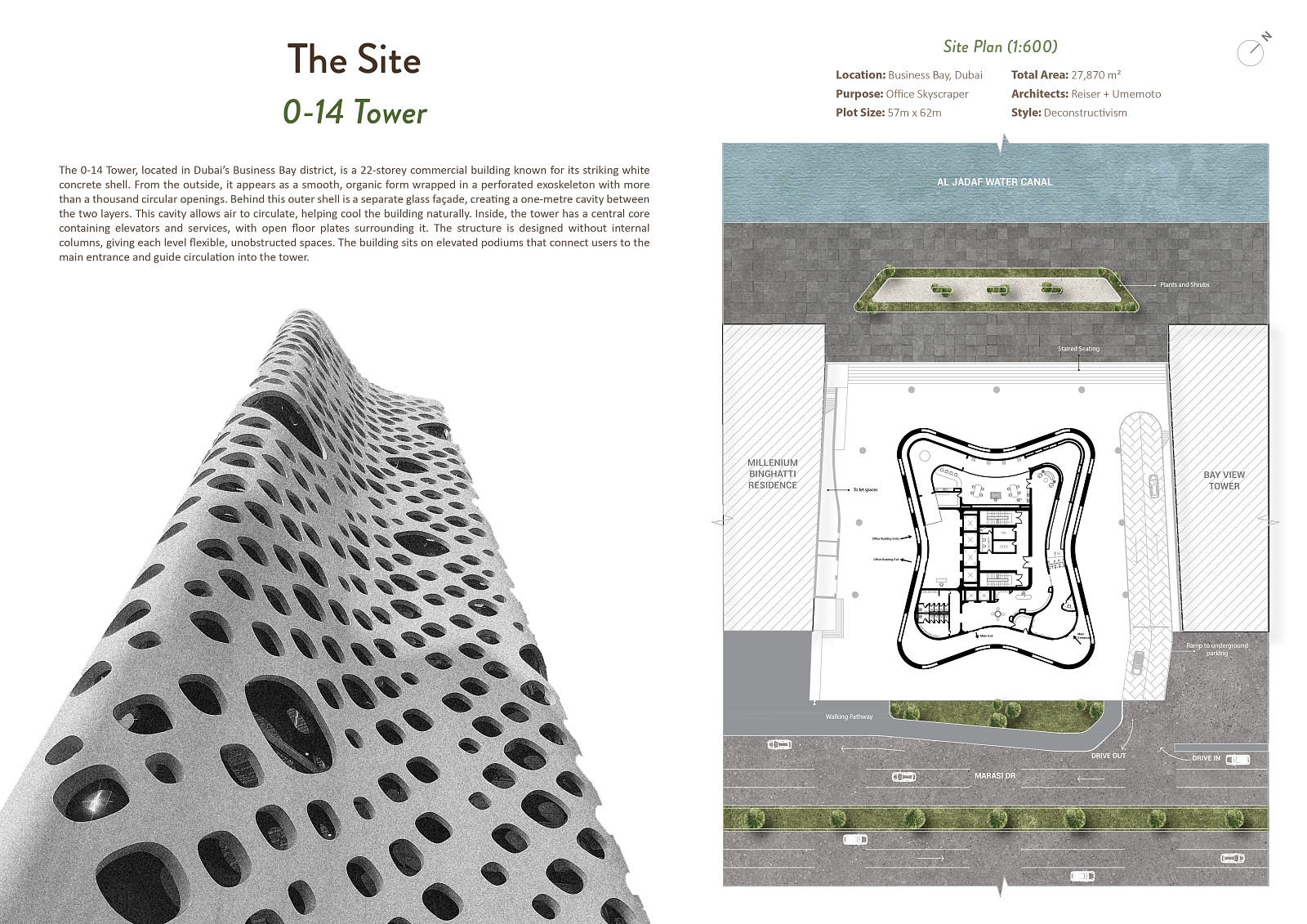
Epoch: The Canvas of Humanity is located within the 0-14 Tower in Business Bay, Dubai, United Arab Emirates. Business Bay is characterised by rapid urbanisation as one of Dubai’s leading commercial and financial districts. In response, the gallery and multicultural hub provide both an enlightening experience and a place for community engagement, reflection, and connection with nature. The project translates the cyclical relationship between creation, crisis, and renewal into a spatial narrative that guides visitors through the evolution of humanity and creative expression.
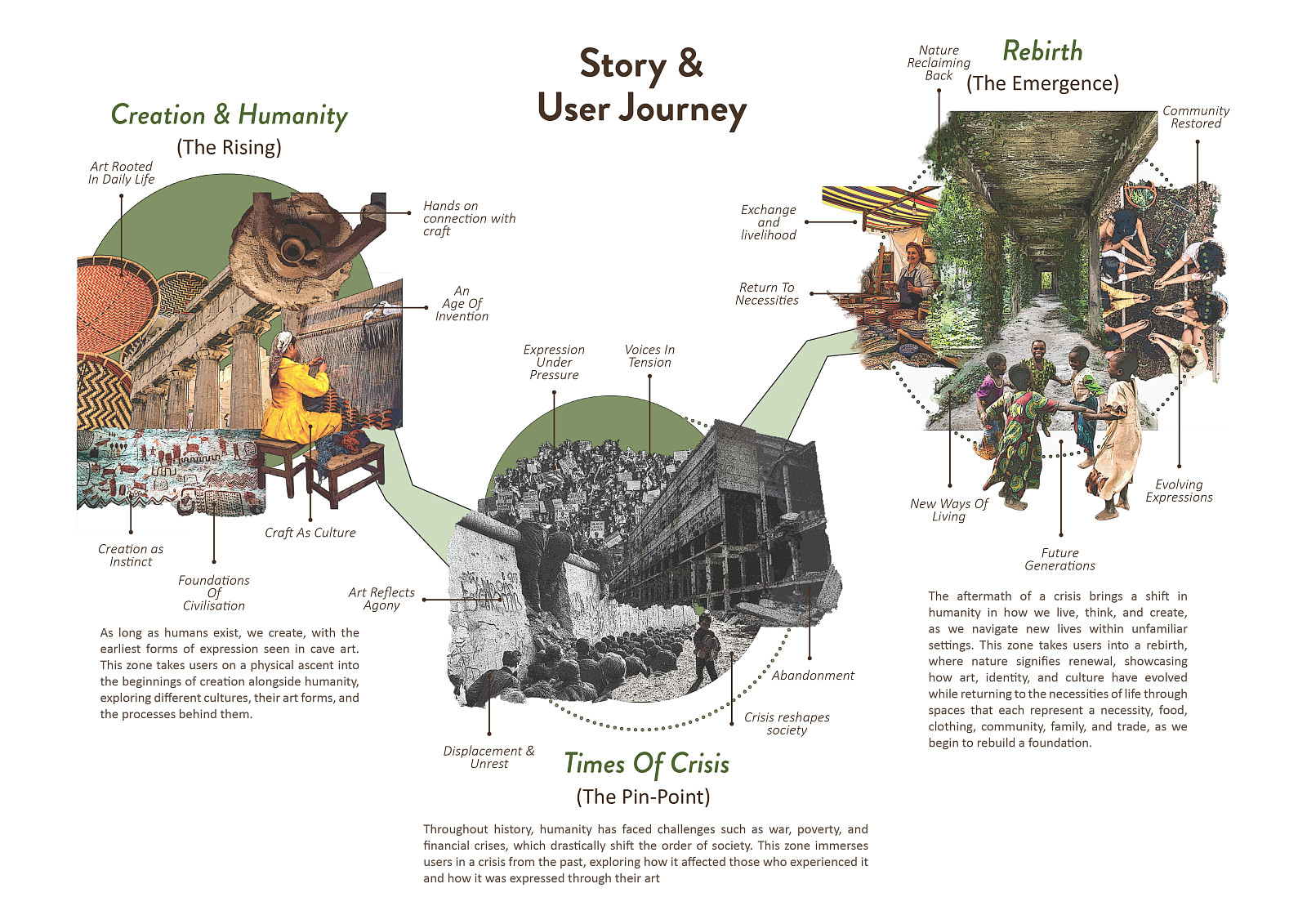
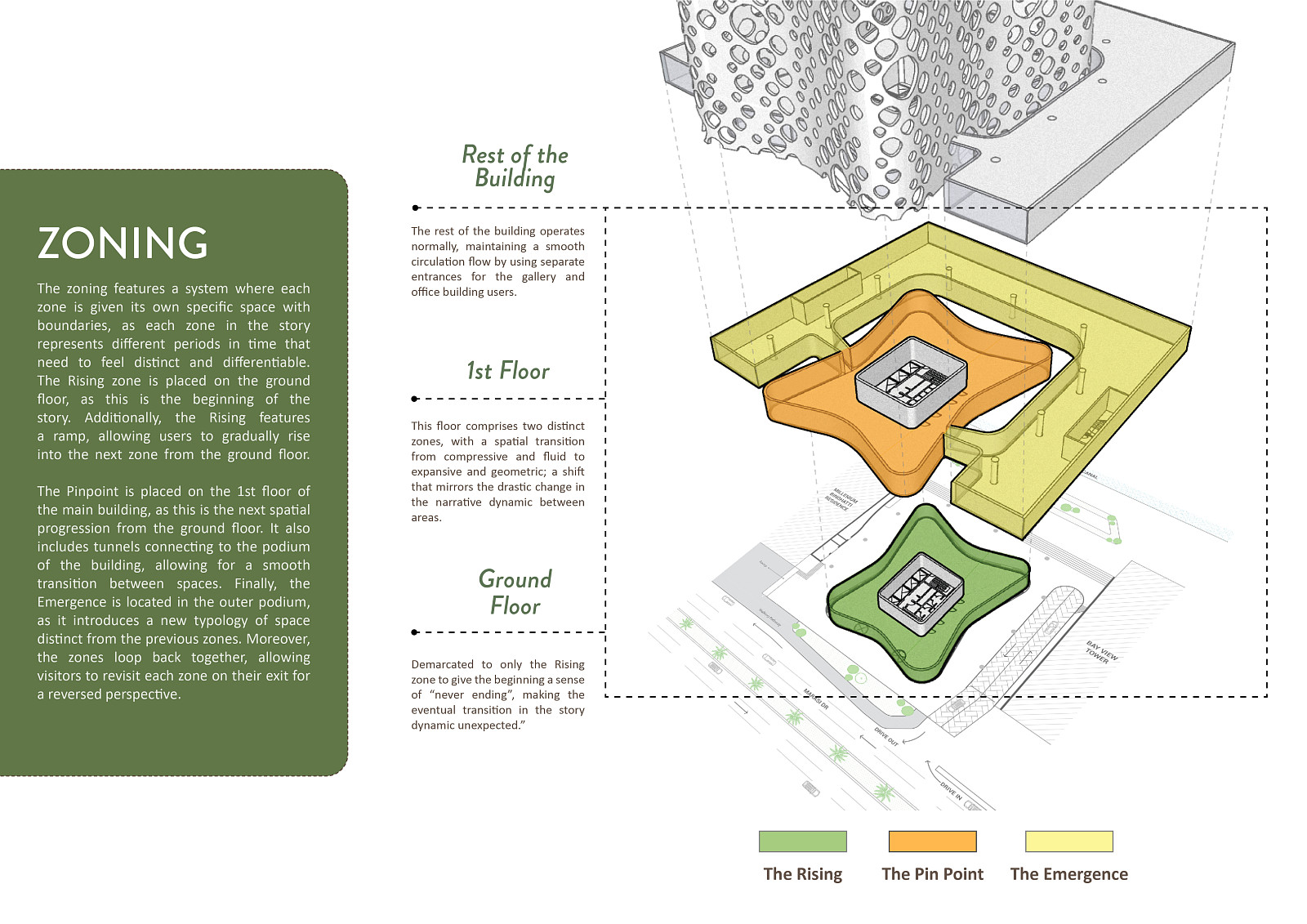
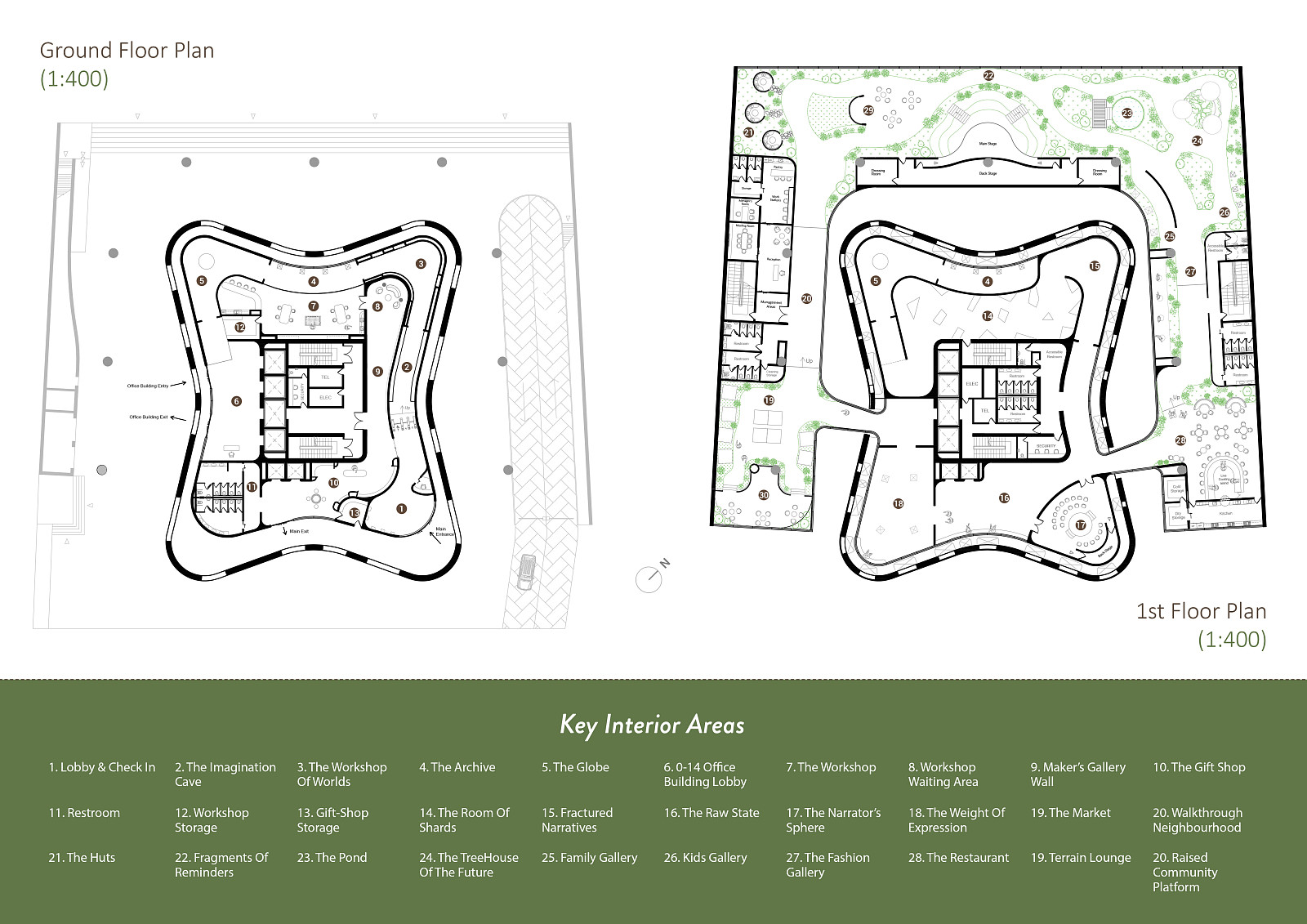
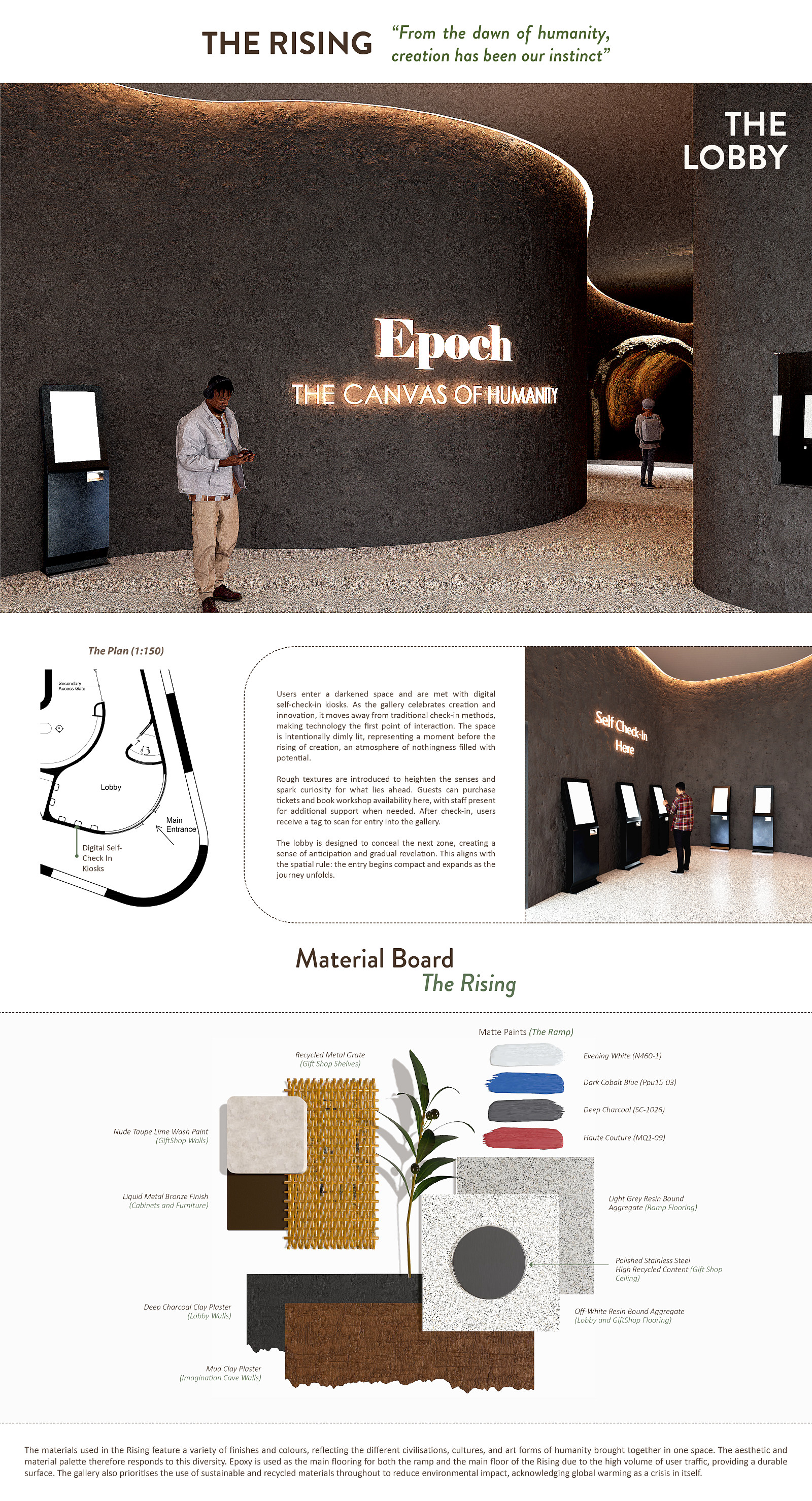
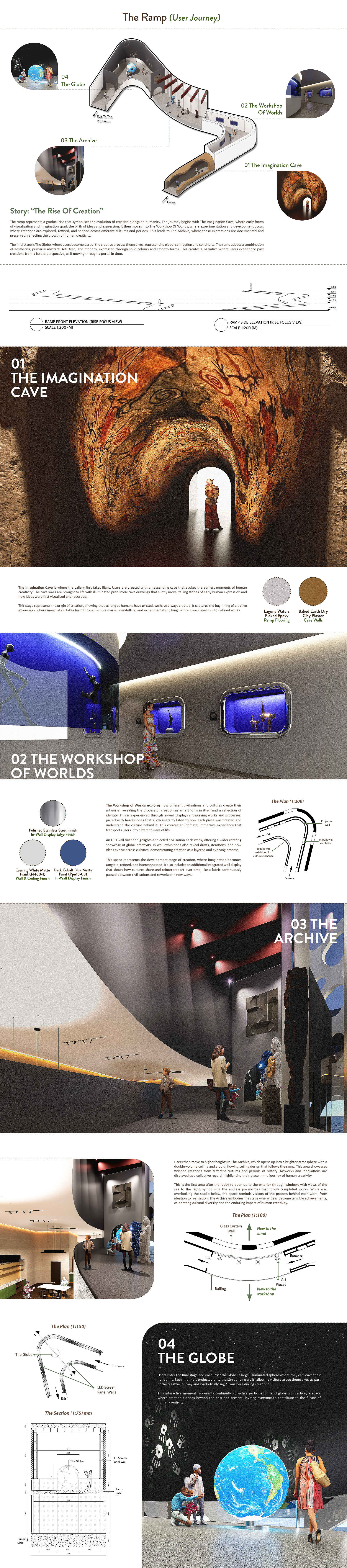
The journey unfolds through three zones: The Rising, The Pinpoint, and The Emergence. The Rising introduces visitors to the beginnings of human creation through a series of galleries connected by a ramp that symbolises the ascent of creativity alongside civilisation. Interactive and immersive experiences celebrate cultural diversity, artistic traditions, and the innate human desire to discover and create. A workshop extends this idea into the present, allowing visitors to actively engage in making and learning, reinforcing creation as an ongoing process.
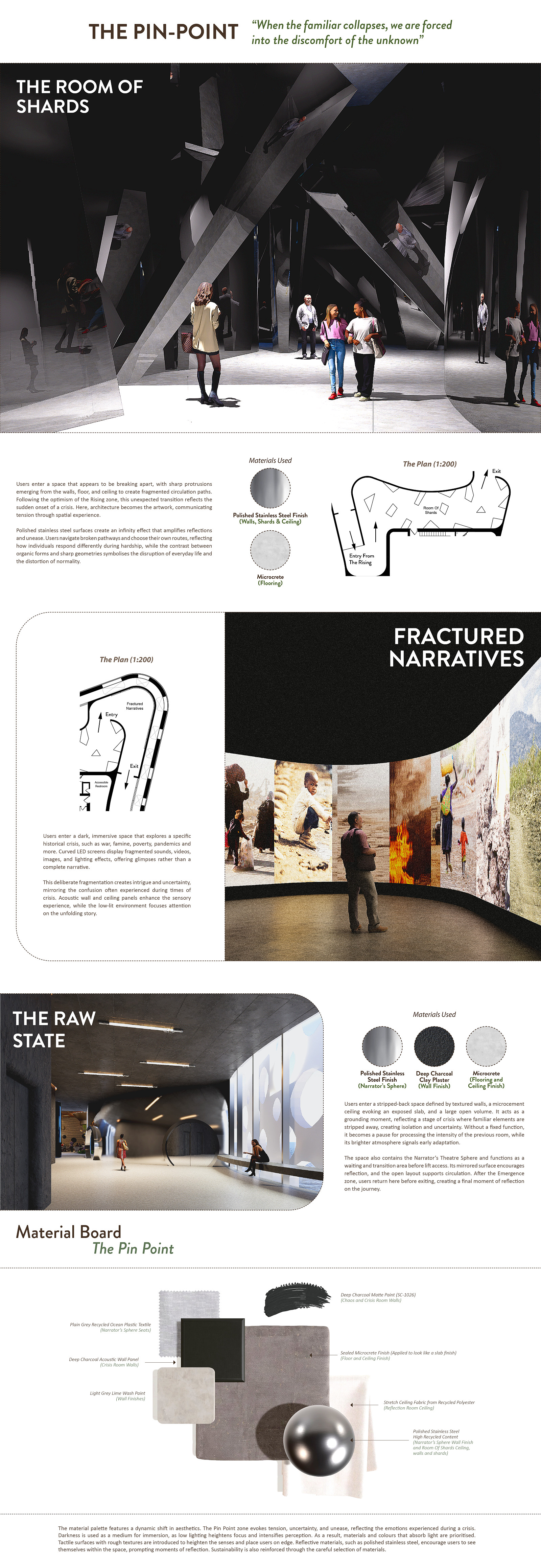
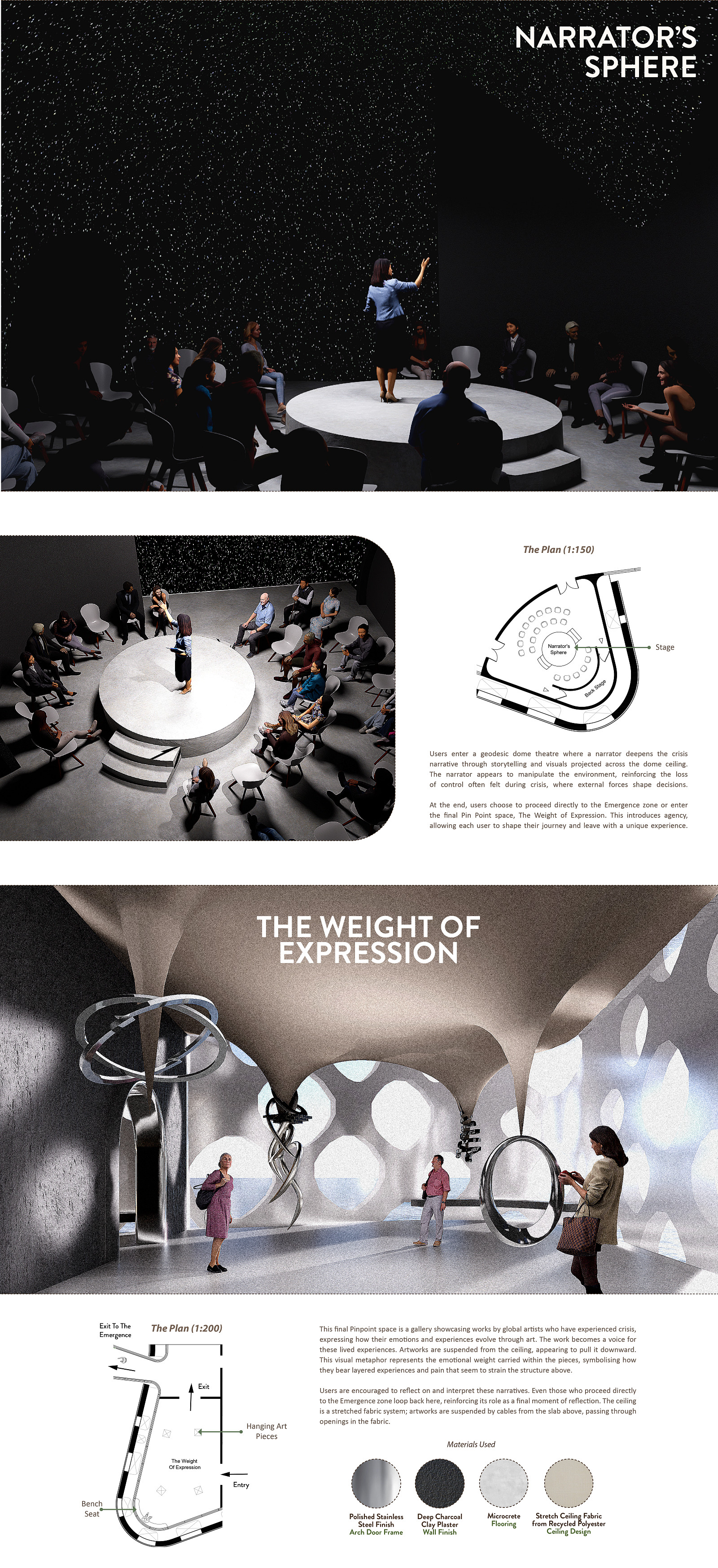
The journey then shifts into the Pinpoint, a darker and more immersive sequence that explores a specific historical crisis, changing on a monthly basis. Through fragmented pathways, sharp protrusions, reflective materials, and immersive storytelling, the zone explores the emotional and psychological impacts of disruption. Spaces present fragments of historical crises, creating a sense of uncertainty and disorientation without revealing a complete narrative. At its centre, an immersive theatre deepens the experience, encouraging reflection on the human condition during times of hardship. Here, architecture itself becomes the artwork, using light, materiality, and form to communicate emotion.
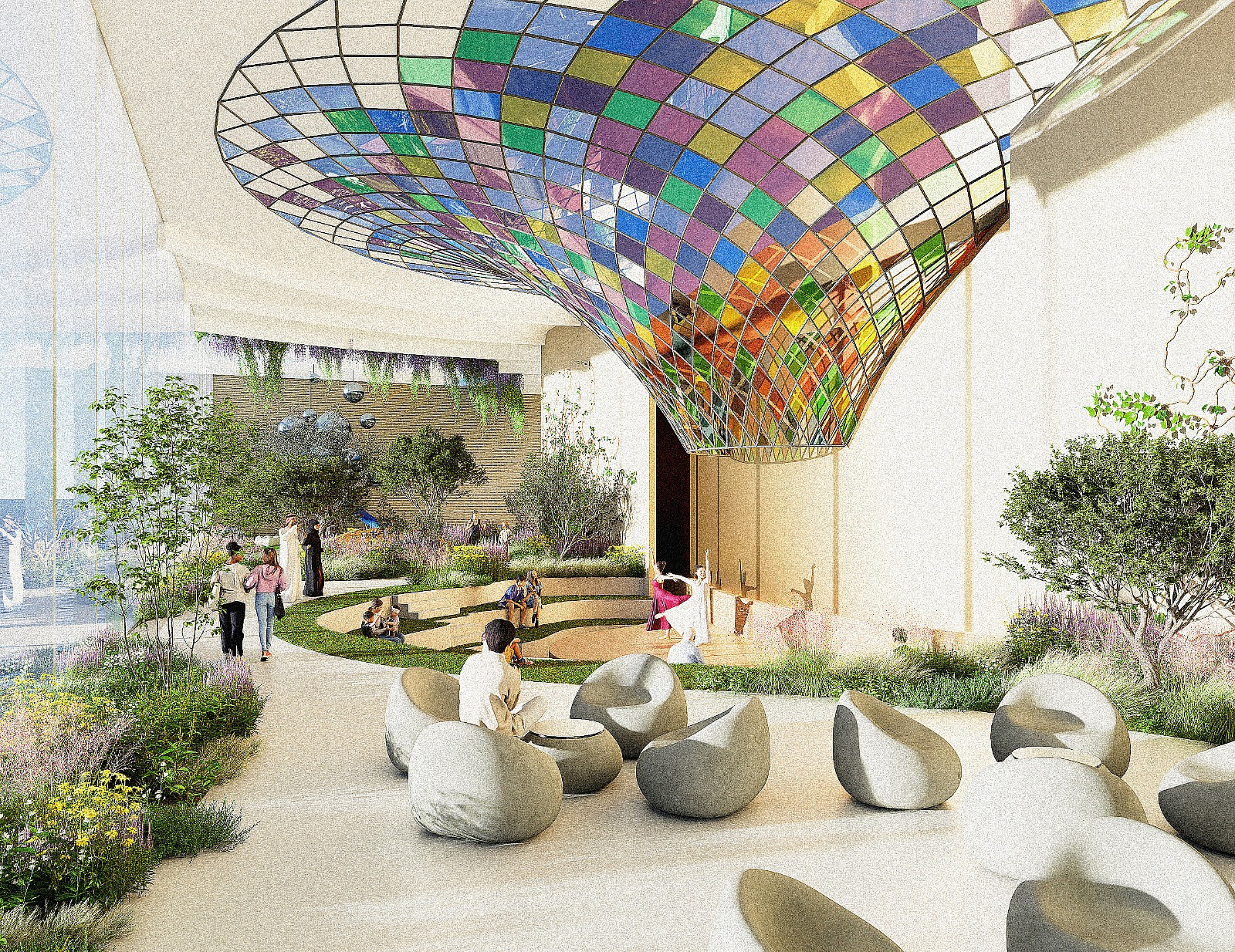
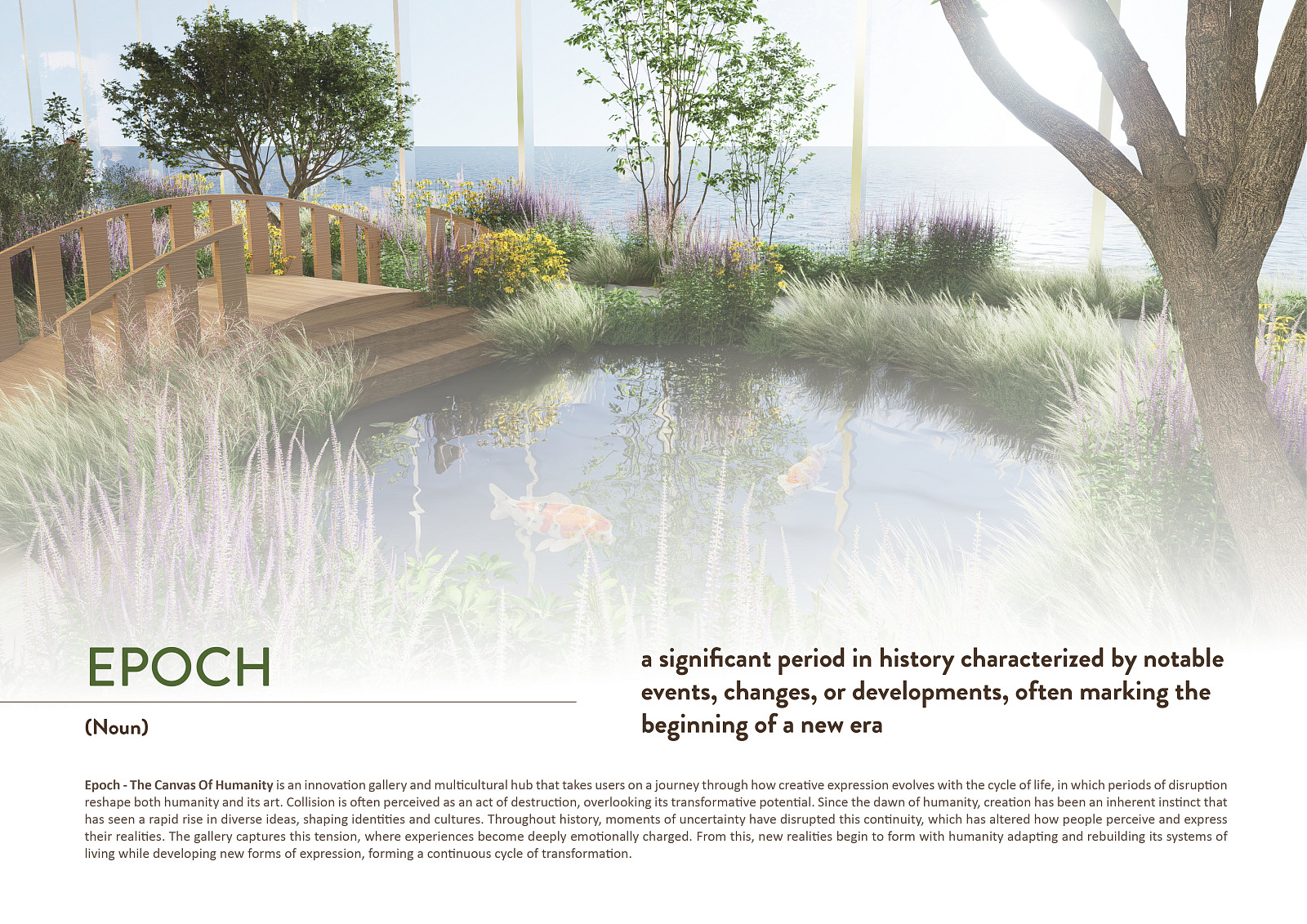
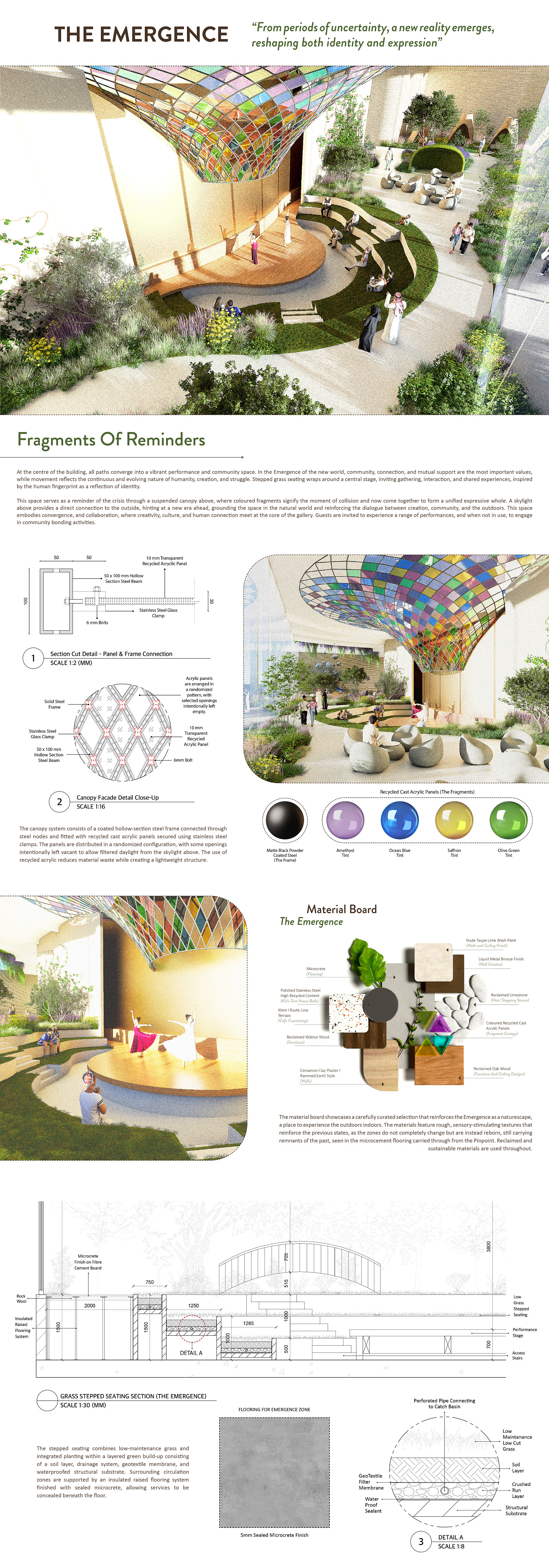
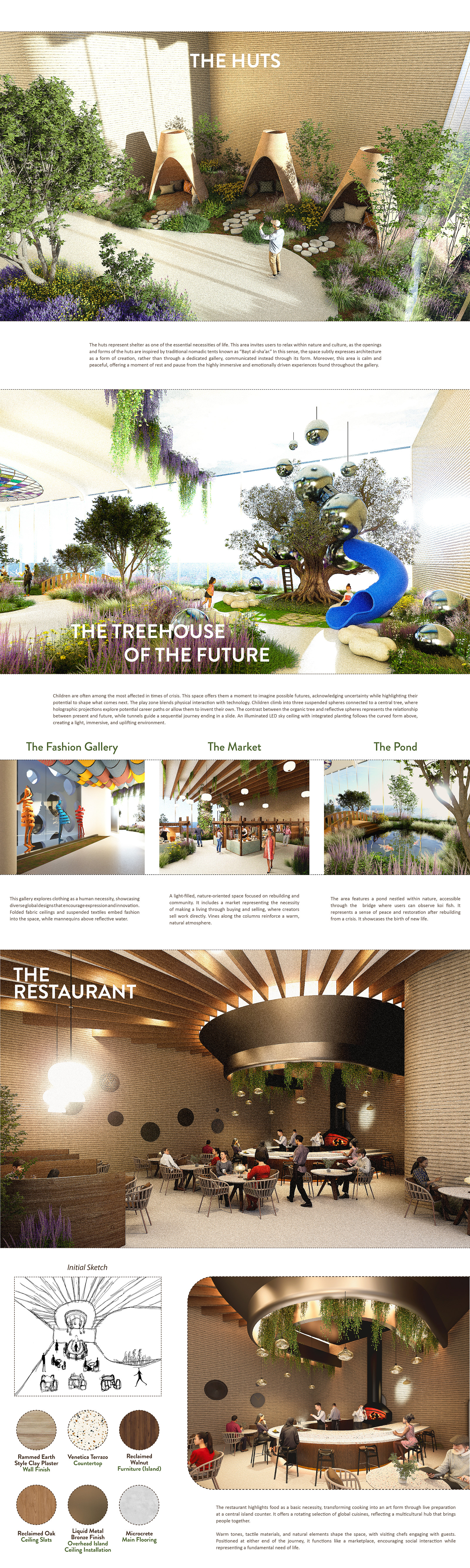
Following this, visitors enter the Emergence, where a new world unfolds. Defined by openness, light, and nature, the zone symbolises renewal, adaptation, and hope. The gallery expands into its multicultural hub component through spaces and activities that encourage social interaction and community engagement. The experience focuses on the fundamental aspects of life that are often re-established after disruption, including food, clothing, community, family, and trade. Each space demonstrates how these necessities are rebuilt and reinterpreted within new contexts. The restaurant, fashion gallery, and communal areas act as representations of these systems, highlighting how culture and identity evolve alongside them.
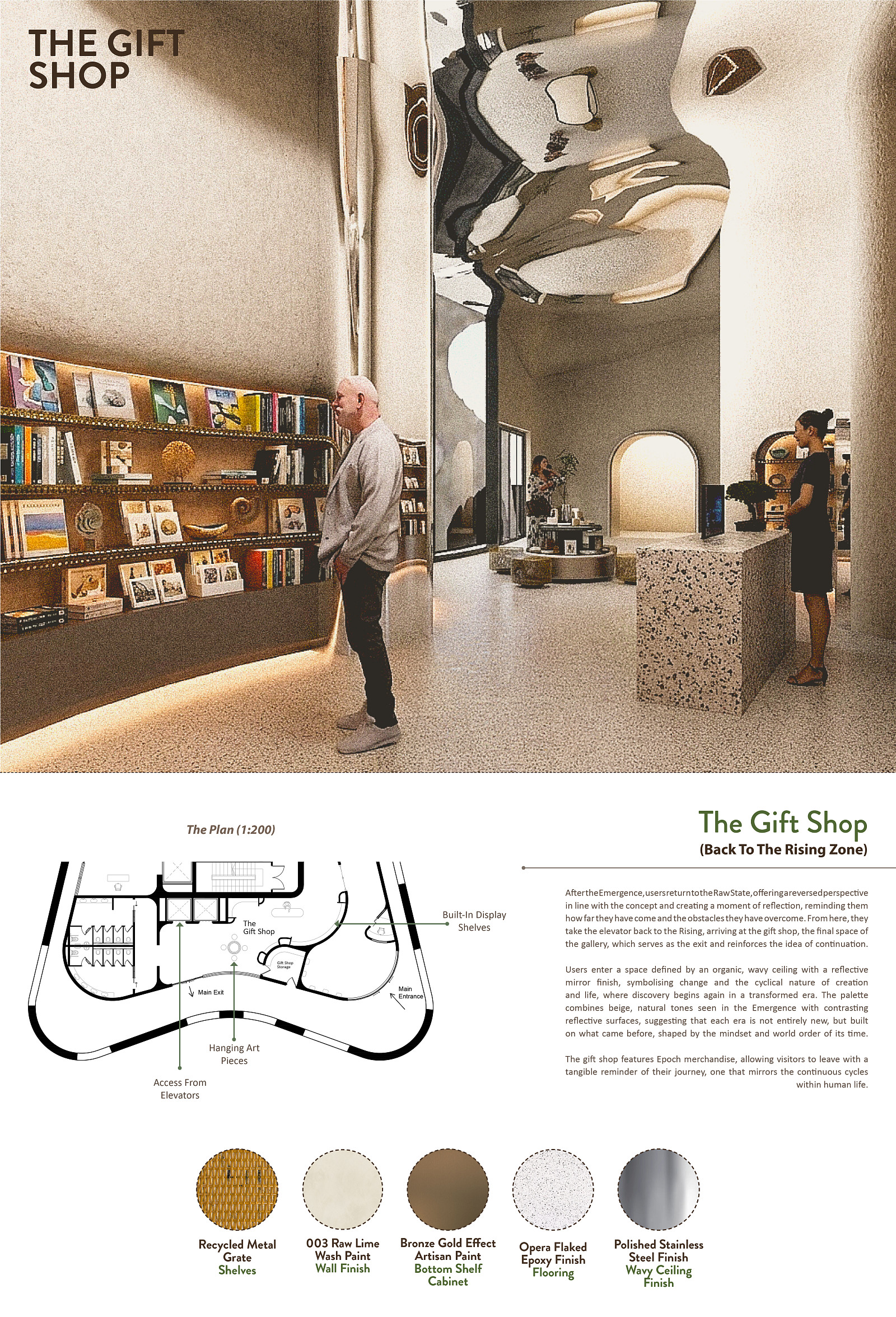
The spatial journey is designed as a continuous loop with no defined end, reinforcing the idea that creation, disruption, and renewal are ongoing cycles. Visitors revisit each phase from a reversed perspective, encouraging reflection on how their understanding has changed throughout the experience. The architecture functions as a living system composed of distinct yet interconnected parts, each contributing to a unified narrative.
Materiality plays a key role in reinforcing the emotional progression of the gallery. The Rising adopts lighter forms and smoother surfaces that evoke curiosity and discovery, while the Pinpoint shifts to darker, tactile materials that absorb light and heighten the senses. The Emergence reintroduces warmth, natural textures, and greenery, symbolising growth and new beginnings. By redefining collision as the beginning of renewal, Epoch offers a new perspective on crisis, not as an end, but as the foundation for creation, adaptation, and human evolution.
Technical information
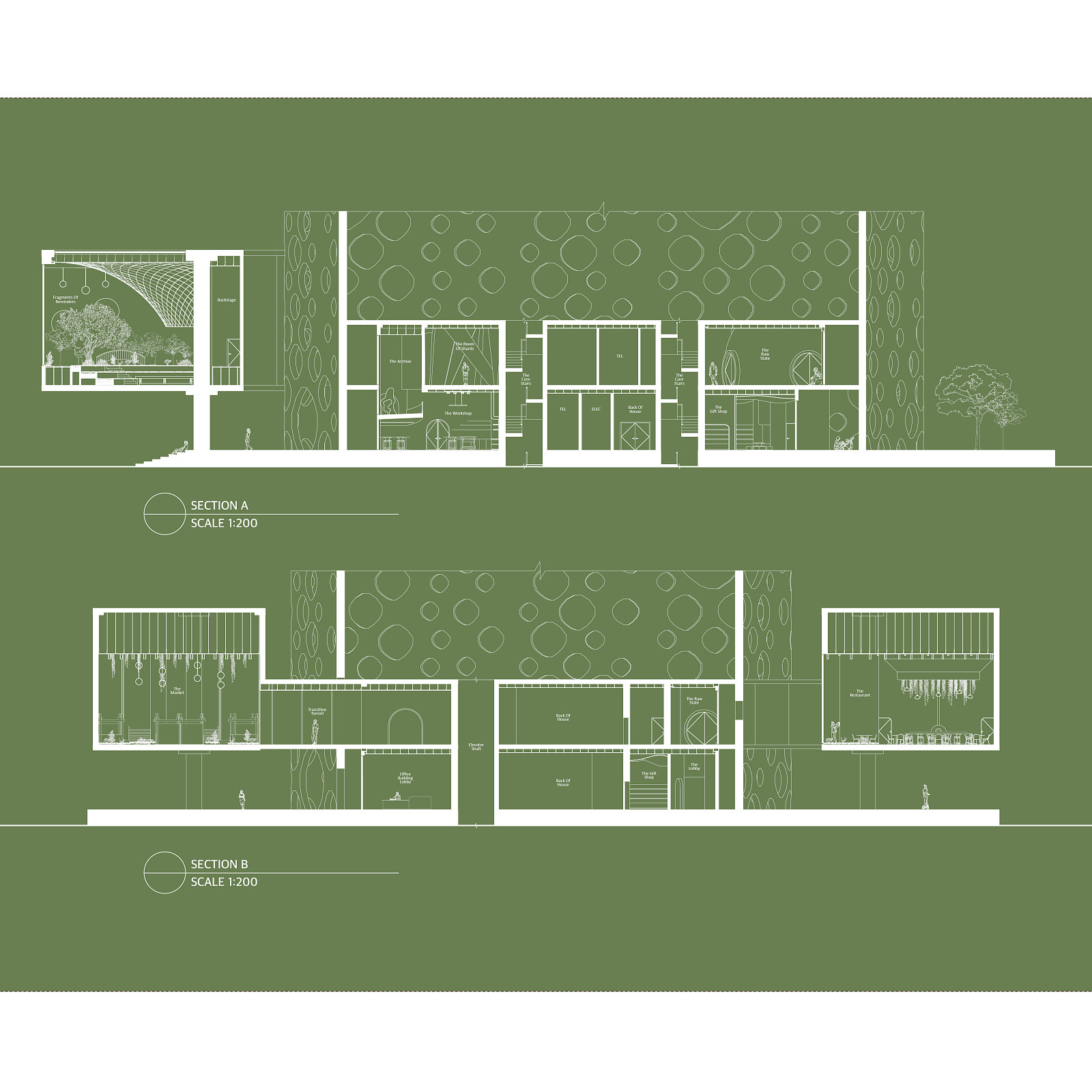
This adaptive reuse project is integrated within the existing structure of the 0-14 Tower, a 22-storey office building with a two-level raised podium and four levels of underground parking. The gallery occupies the ground and 1st floor of the main building and the podium. To ensure the smooth operation of the office tower and effectively manage visitor circulation, the gallery is separated from the main tower circulation system, with dedicated lobbies, entrances, and elevators. However, back-of-house functions share the building core and service lifts with the tower, accessible only to staff.
The existing façade contributes to the environmental performance of the gallery. A one-metre cavity between the perforated concrete shell and the curtain wall promotes natural ventilation, allowing wind to circulate around the building envelope and assist in regulating the internal environment. As a result, the gallery layout adopts passive design principles that respond to these existing climatic advantages.
Throughout the project, durable, sustainable, and recycled materials are prioritised, including microcement finishes, recycled-content surfaces, sustainable flooring systems, and locally sourced materials where possible. Within the Emergence zone, natural planting is integrated throughout the space and maintained through a combination of abundant daylight from the adjacent full-height curtain wall and supplementary LED grow lights. An automated irrigation system provides consistent watering, while a drainage layer with perforated collection pipes prevents water accumulation and promotes healthy root development. Routine horticultural maintenance, including pruning, soil conditioning, and plant replacement, ensures the long-term health and appearance of the landscape.
Digital media installations are incorporated throughout the gallery to create immersive experiences. Large-scale LED displays are integrated into curved architectural elements to communicate historical narratives through sound, moving image, and light. Additionally, the Pinpoint zone features the Narrator’s Sphere, a geodesic dome theatre constructed from interconnected triangular panels that efficiently distribute structural loads while creating a large open interior. Its curved surface enables fully immersive projection, allowing visitors to engage with a surrounding visual experience.
Check Out The Virtual Tour!: https://share.d5render.com/user-hub/showreel/shortLink/uWlhLo

Copyright © 2026 INSPIRELI | All rights reserved. Use of this website signifies your agreement to the Terms of Use, Privacy Policy, and use of cookies.
