Infrastructural Afterlife


Project idea
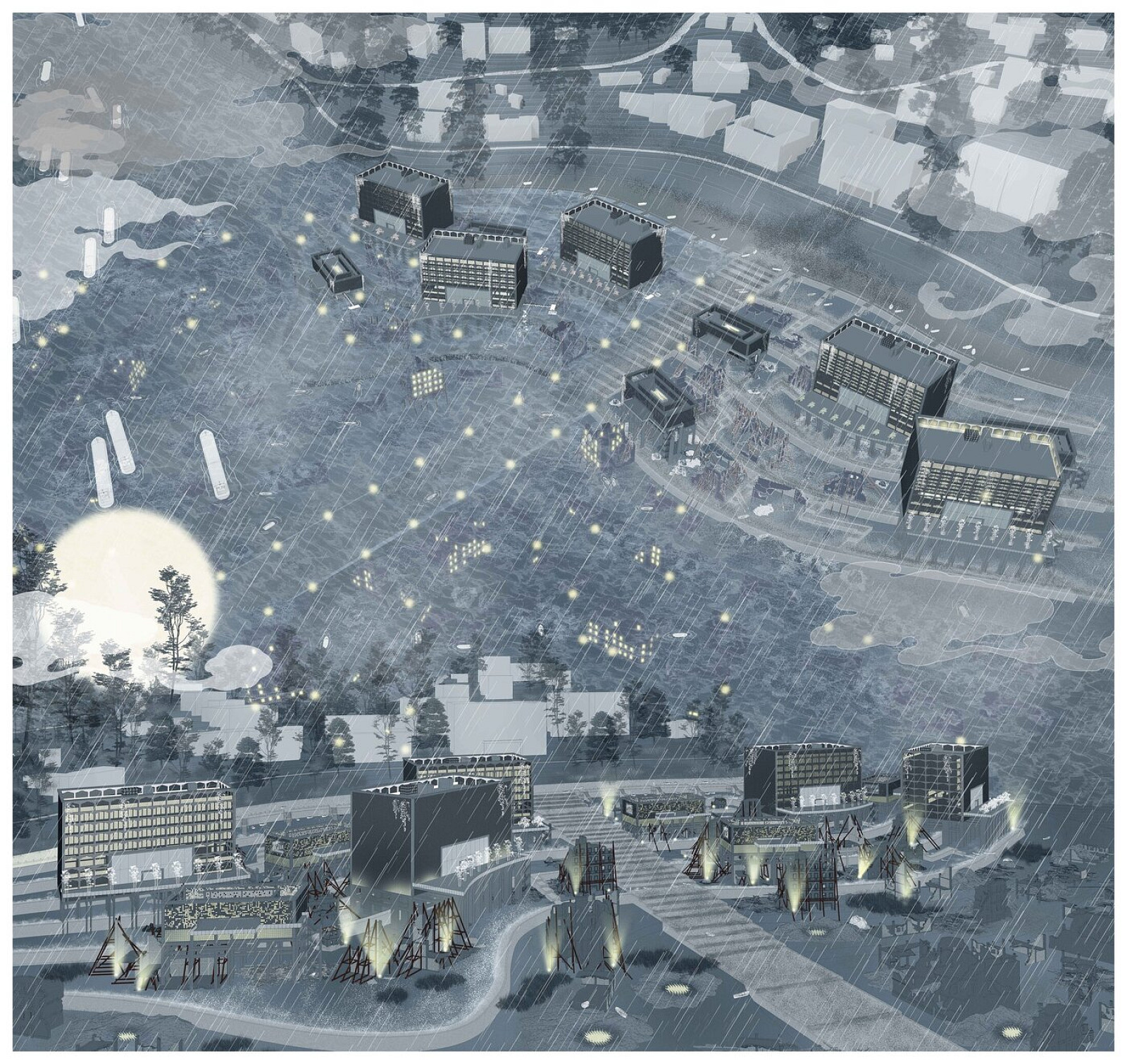
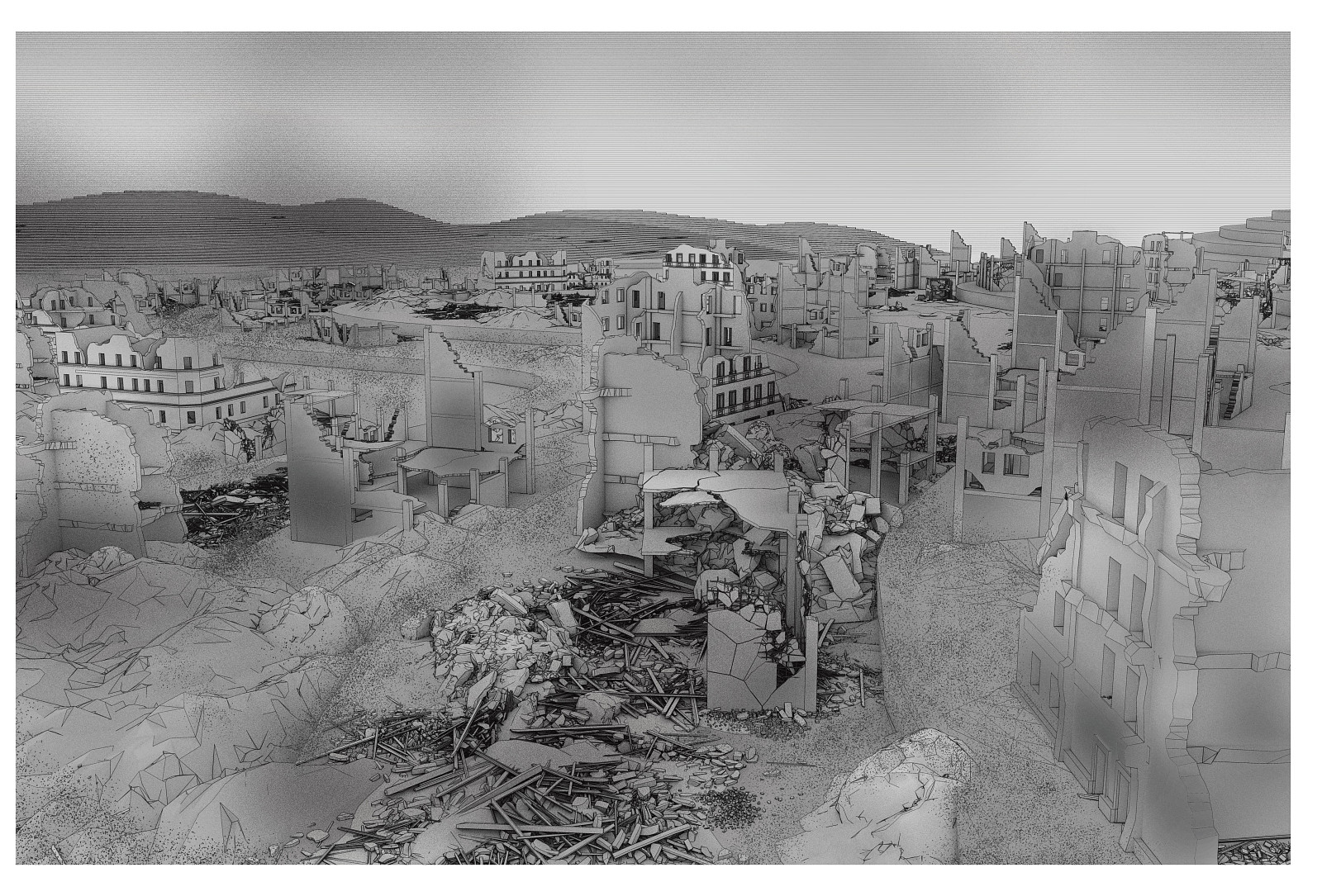
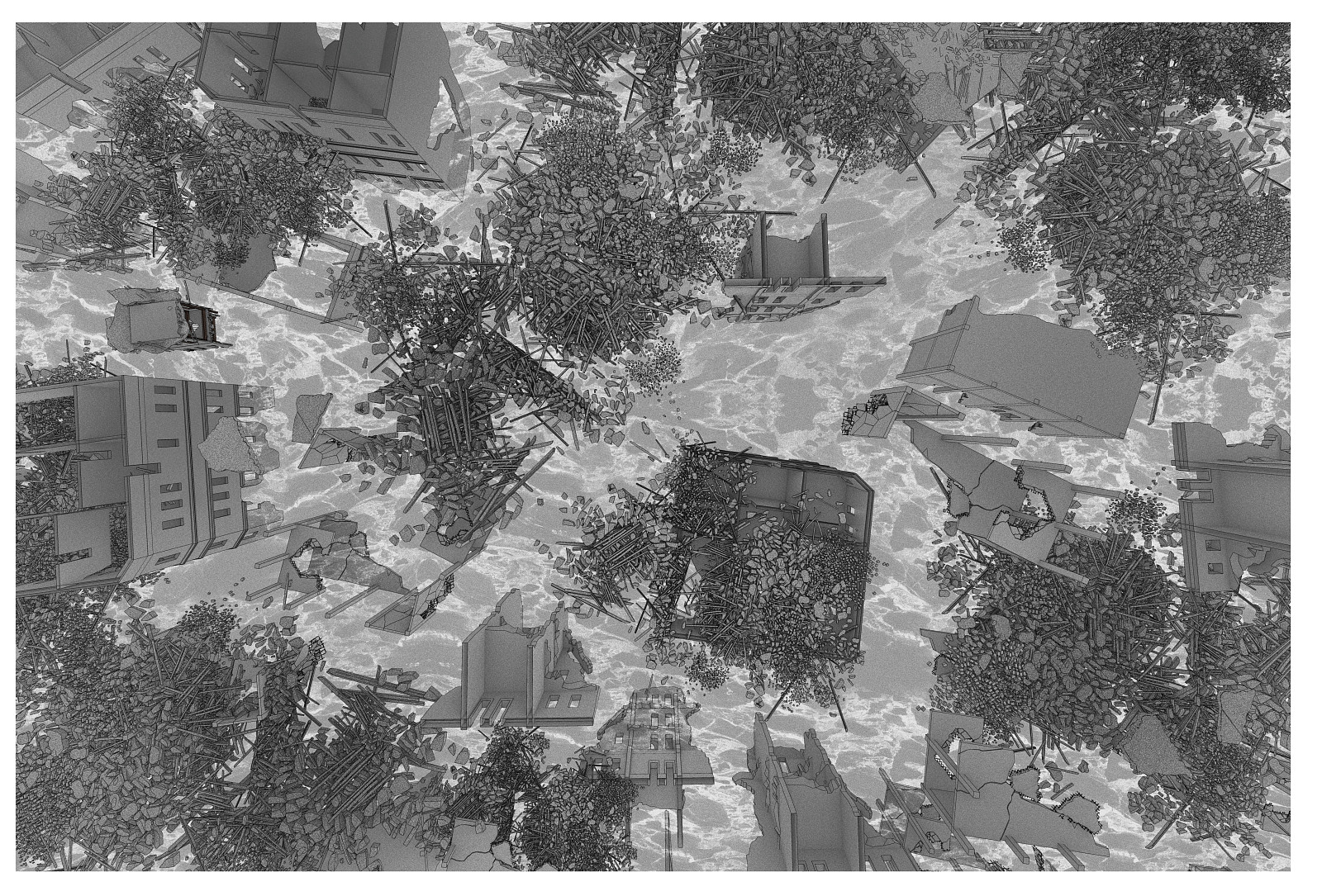
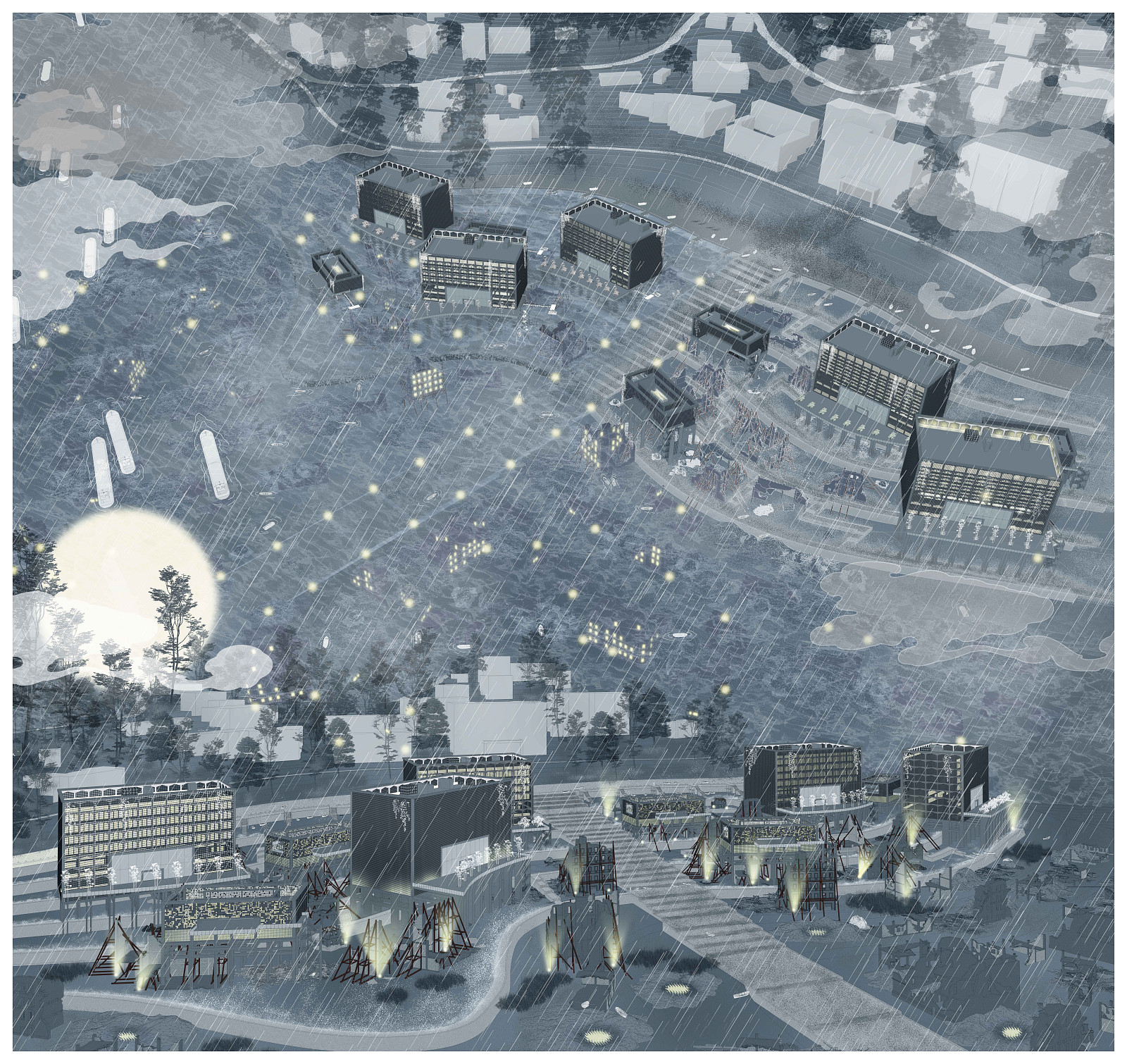
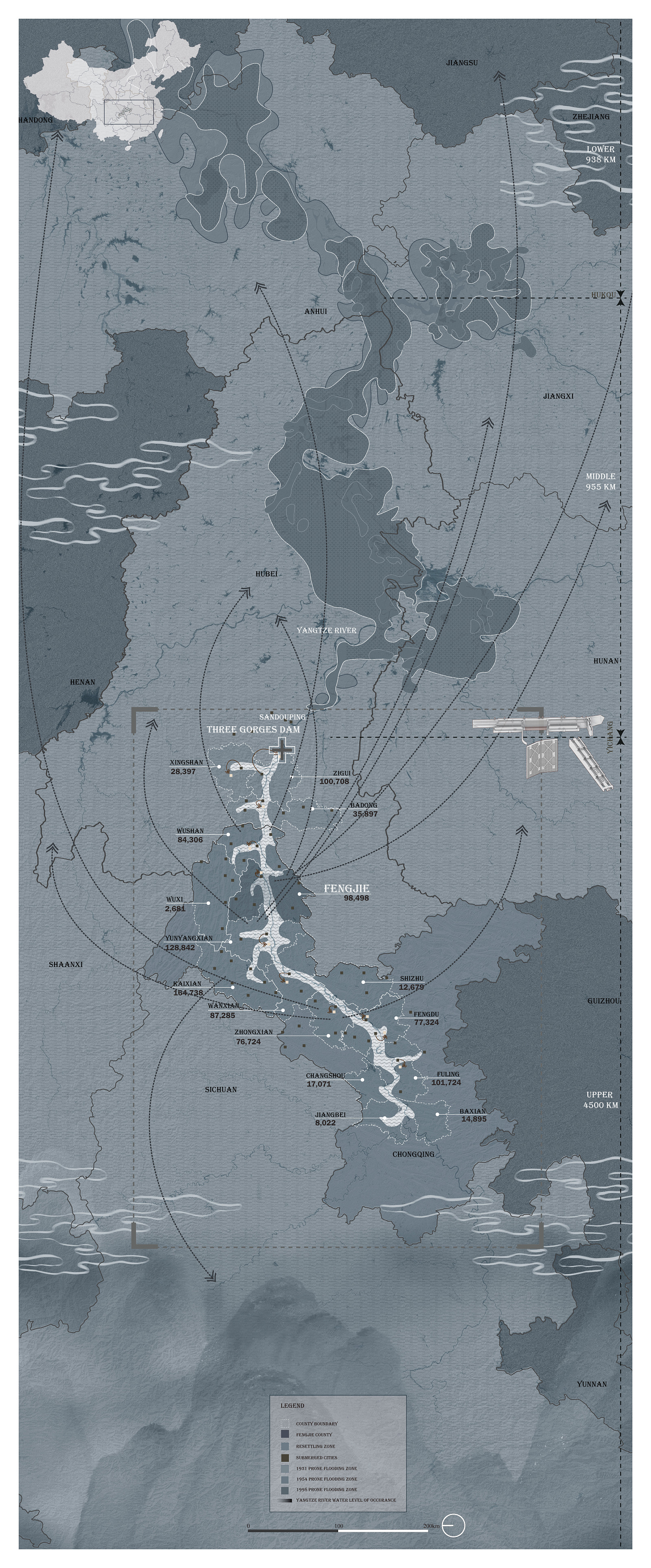
Infrastructural Afterlife investigates Fengjie, a former river-port town along the Yangtze River whose old urban fabric now lies submerged within the fluctuating reservoir of the Three Gorges Dam. Rather than treating the site as a lost city to be restored, the project understands it as an interstitial field produced by the overlap of water, infrastructure, memory, ritual, and displacement. Here, ruins are cyclically revealed and concealed by changing water levels, producing a condition between presence and absence, occupation and memory, life and death.
The project traces a transformation of power from architectural monument to infrastructural system. Historically, Fengjie’s ceremonial stair and imperial toll station regulated movement through spatial choreography. Today, the dam and its lock system govern movement through clearance, sequencing, waiting, and delay. What was once spatial control has become temporal control.
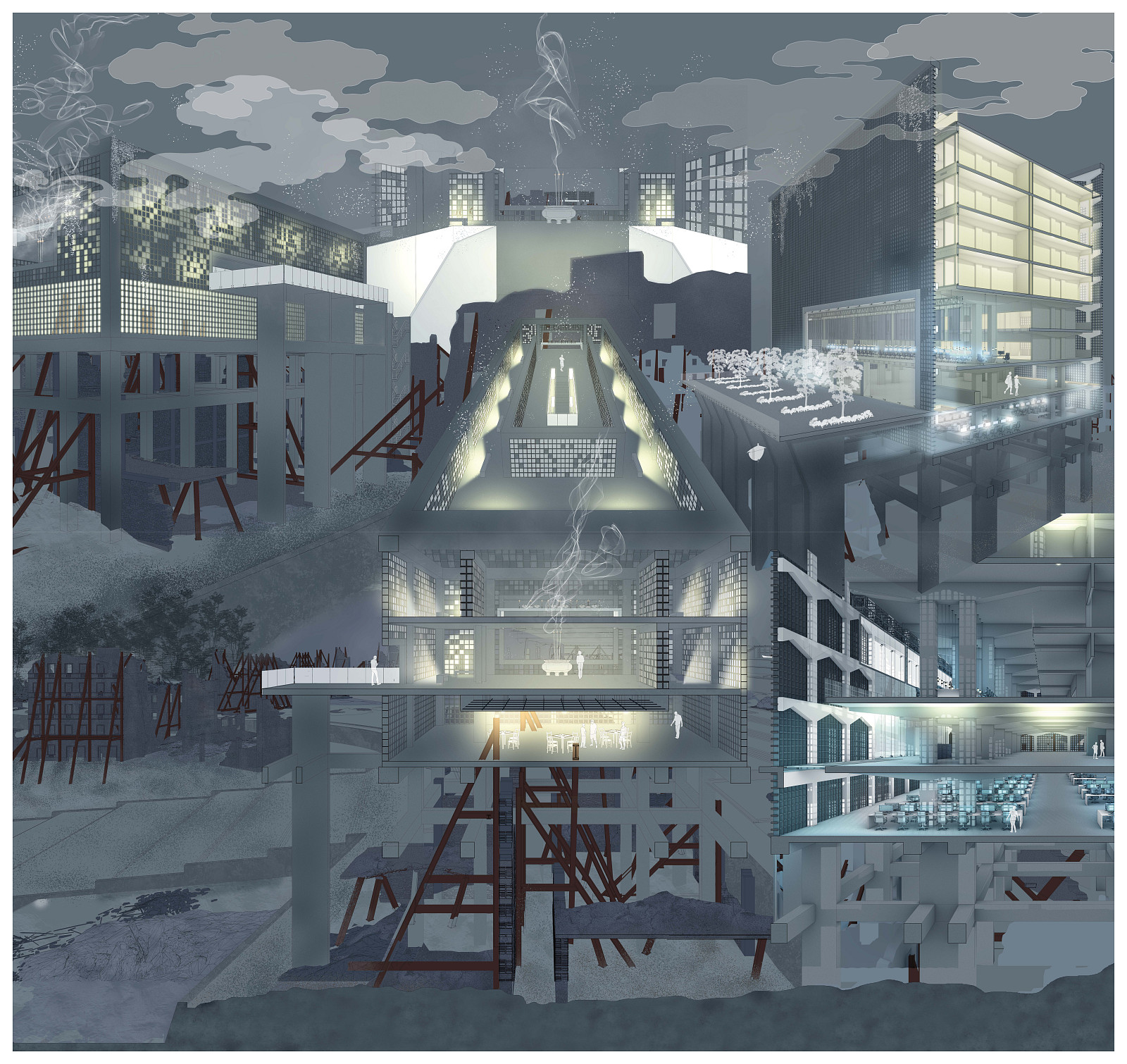
This condition also extends to the dead. As graves were exhumed and ancestral ground submerged, the cultural act of return became displaced. A series of columbaria and hotels are proposed as architectures of suspension within this unstable terrain. Through ritual spaces, mahjong rooms, digital recreation, and shifting access, the project makes waiting, fluctuation, and return inhabitable.
In Fengjie, the afterlife is no longer only spiritual or cultural. It is infrastructural: shaped by hydraulic control, temporal delay, and the persistence of memory within a landscape of regulated disappearance.
Project description
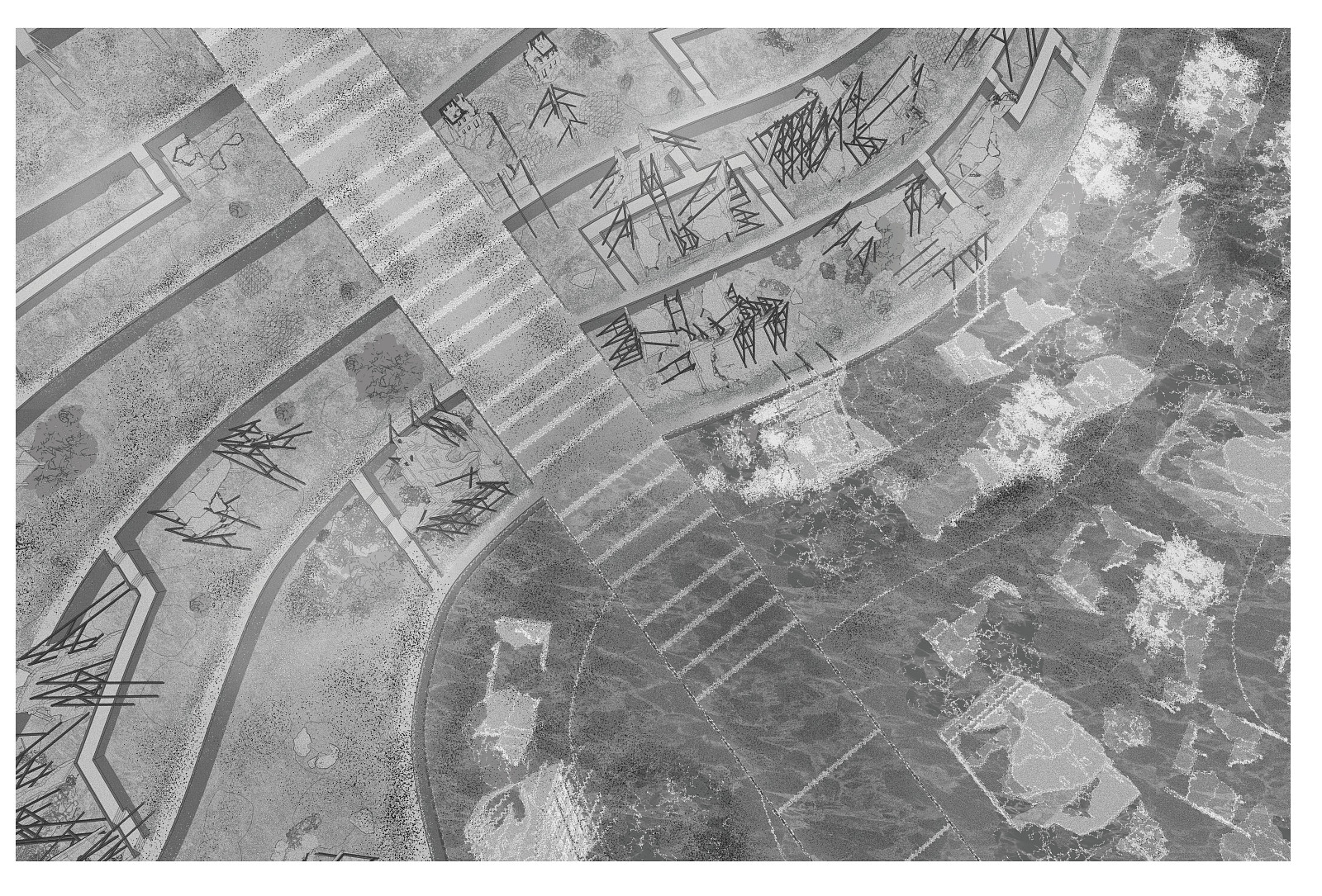
The project proposes a series of columbaria and hotels along Fengjie’s fluctuating reservoir edge. The columbaria provide spaces for ancestral remembrance, ritual visitation, and continued proximity between the living and the displaced dead. Ritual rooms, columbarium halls, mahjong spaces, stairs, terraces, and water-facing thresholds are arranged to respond to changing access and seasonal water levels.
The hotels accommodate river travellers, boatmen, returning former residents, and transient visitors whose movement is shaped by the dam’s lock system and conditions of waiting. Hotel rooms, gaming interiors, communal waiting areas, elevated walkways, and pontoons translate infrastructural delay into inhabitable space. Together, the columbaria and hotels form architectures of suspension, where memory, occupation, and partial return unfold within the regulated landscape of the Three Gorges reservoir.
Technical information
The buildings are constructed primarily with cement sand blocks, selected for their mass, durability, and rough material quality in relation to ruins, water, and erosion. To respond to seasonal water-level fluctuation, the main structures are built above the highest water datum, with attached pontoons enabling flexible access across varying reservoir conditions.

Copyright © 2026 INSPIRELI | All rights reserved. Use of this website signifies your agreement to the Terms of Use, Privacy Policy, and use of cookies.
