Renovation of a Building for a PTSD Rehabilitation Center


Project idea
The project focuses on the renovation of an existing building into a rehabilitation center for people with Post-Traumatic Stress Disorder (PTSD). The concept responds to the growing need for specialized therapeutic environments that support psychological recovery, emotional well-being, and social reintegration, particularly in the context of the ongoing consequences of war and trauma.
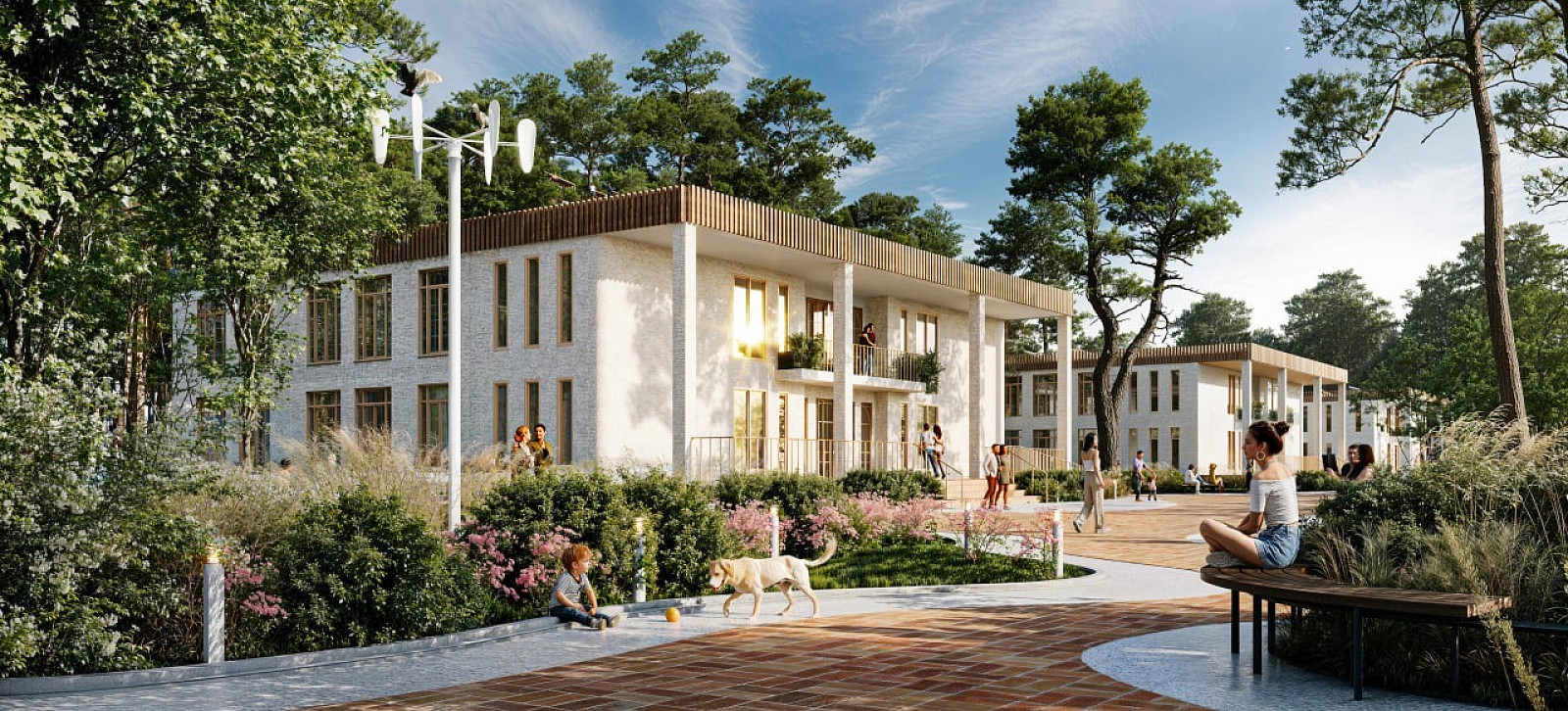
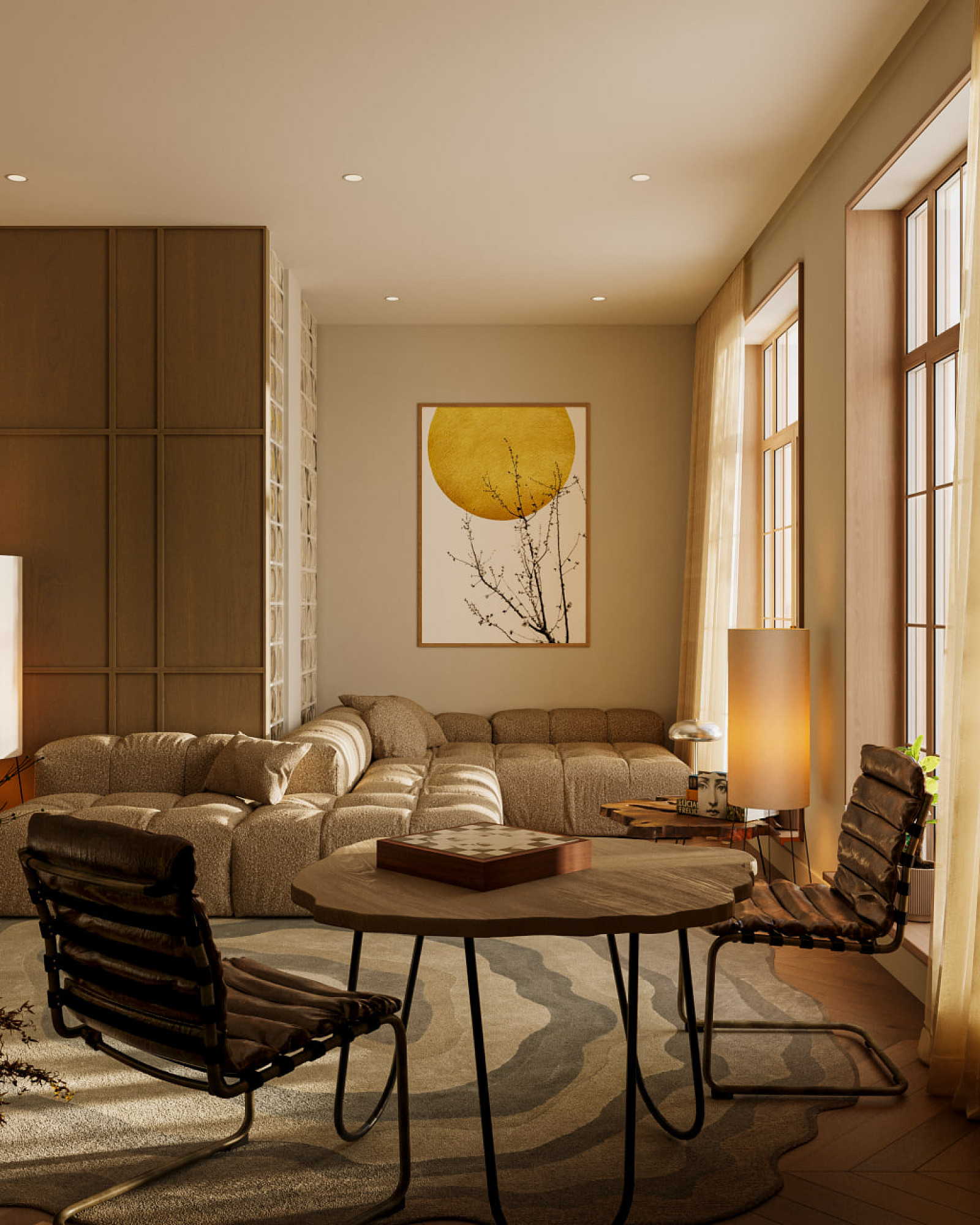
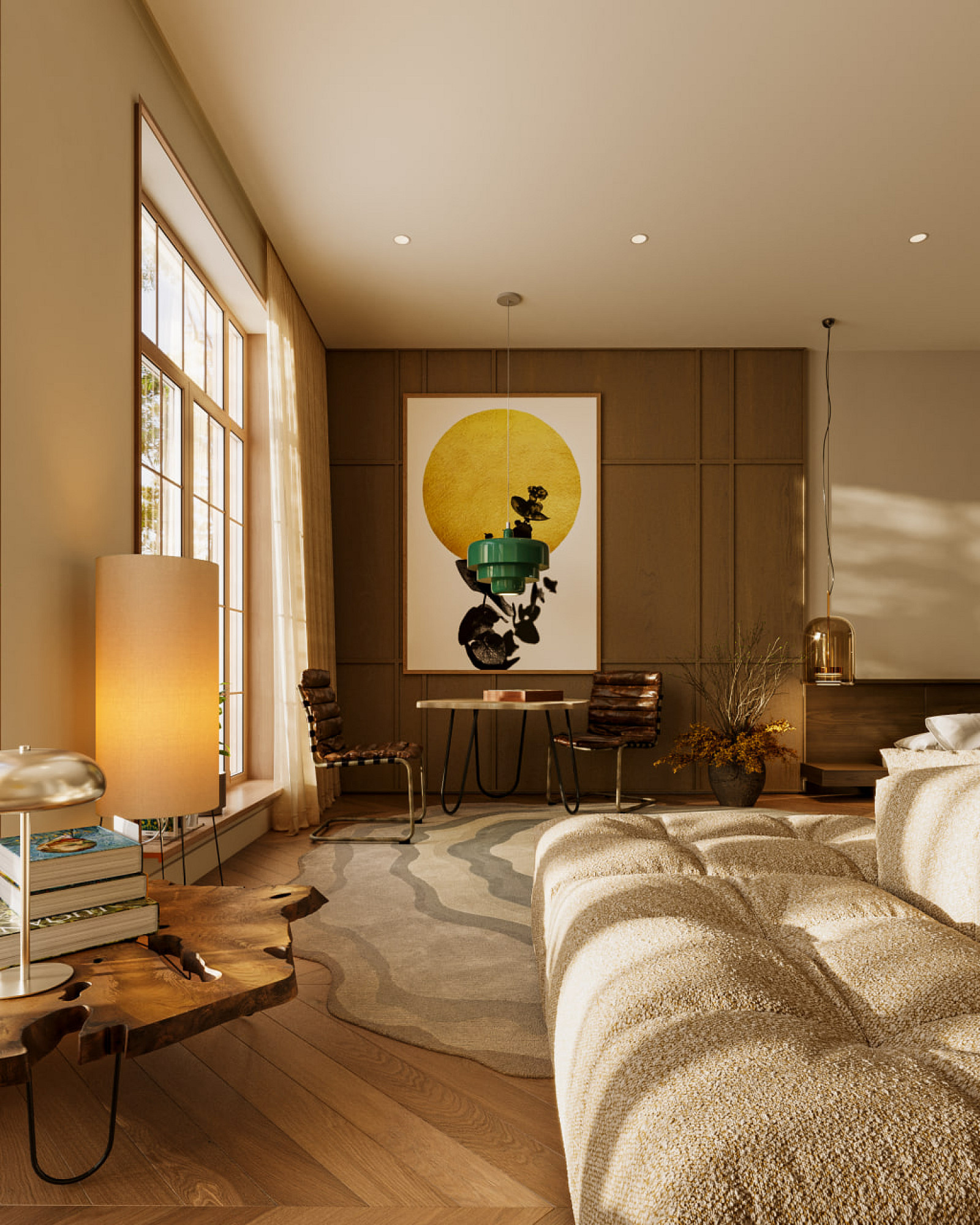
The project is based on the principles of trauma-informed design, biophilic architecture, and inclusive spatial planning. Its main objective is to transform the existing structure into a safe, calming, and restorative environment that reduces stress, promotes a sense of security, and supports the rehabilitation process. The design integrates therapeutic, residential, recreational, and social spaces while maintaining a strong connection to nature.
By adapting and reusing an existing building, the project also demonstrates a sustainable approach to architecture, creating a modern rehabilitation facility that addresses the real needs of people affected by trauma and contributes to the development of mental health infrastructure in Ukraine.
Project description
The project involves the adaptive reuse and renovation of an existing building and its surrounding territory into a comprehensive rehabilitation center for people with Post-Traumatic Stress Disorder (PTSD). The scope includes the development of an architectural and interior design concept based on trauma-informed design principles, biophilic design strategies, and contemporary standards for mental health environments.
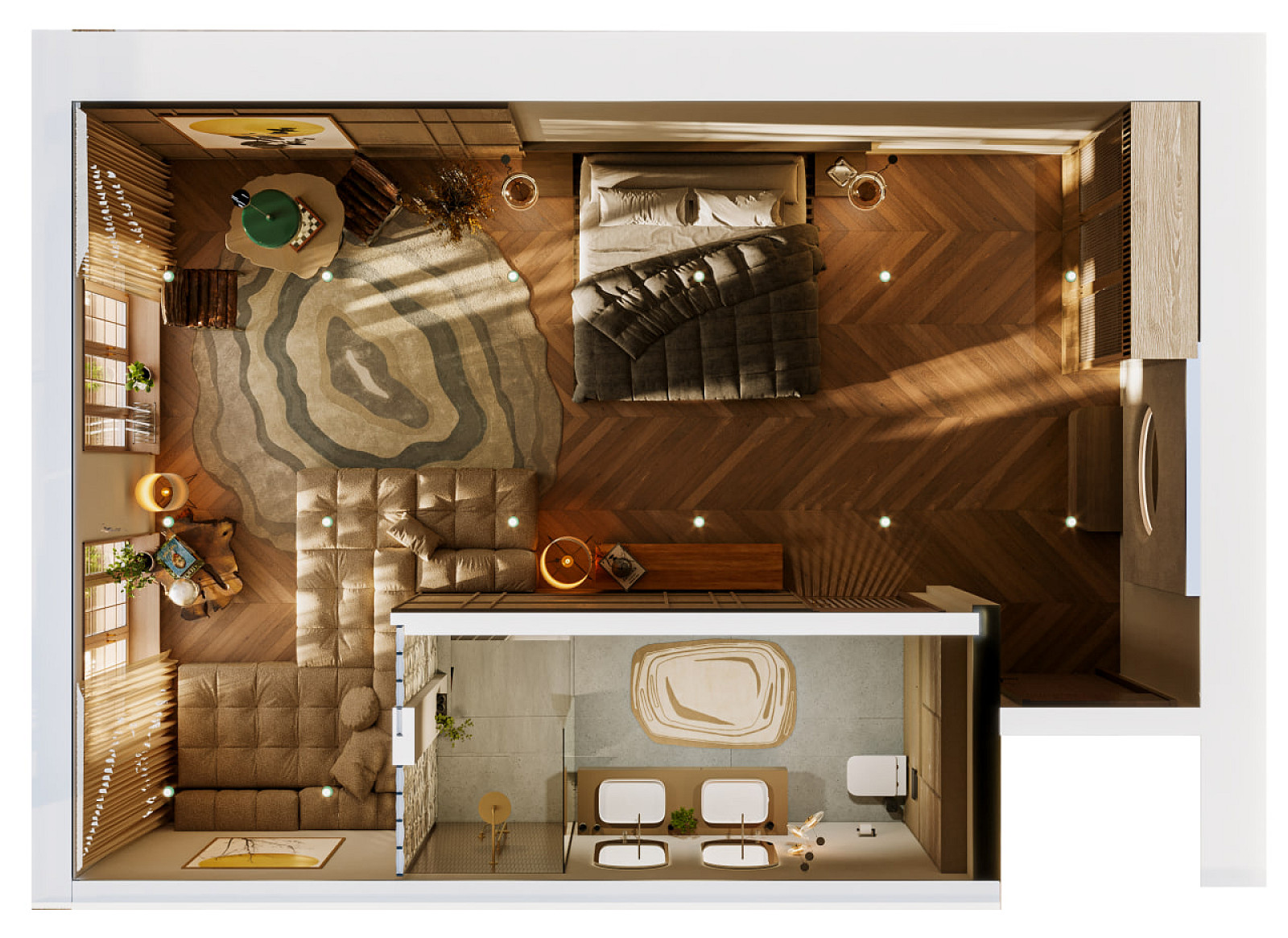
The project encompasses the functional zoning and planning of the facility, including reception and administration areas, psychotherapy rooms, physical rehabilitation spaces, residential accommodation, social interaction areas, sensory recovery zones, and outdoor recreational environments. Special attention is given to accessibility, inclusivity, user safety, privacy, wayfinding, ergonomic requirements, and the integration of natural elements into both interior and exterior spaces.
The proposed solution aims to create a therapeutic environment that supports emotional recovery, reduces anxiety, encourages social reintegration, and promotes overall well-being. The project also demonstrates a sustainable approach through the renovation and transformation of an existing building rather than new construction.
Technical information
Project Title: Renovation of a Building for a PTSD Rehabilitation Center
Project Type: Adaptive Reuse / Renovation and Interior Design
Location: Former “Salyut” Children's Camp, Kyiv Region, Ukraine
Project Area: Rehabilitation Center Complex
Target Users: Veterans, military personnel, internally displaced persons, and civilians affected by trauma and PTSD.
Main Design Requirements
Renovation and modernization of the existing building structure.
Creation of a safe, therapeutic, and user-centered environment.
Application of trauma-informed design principles to minimize stress and sensory overload.
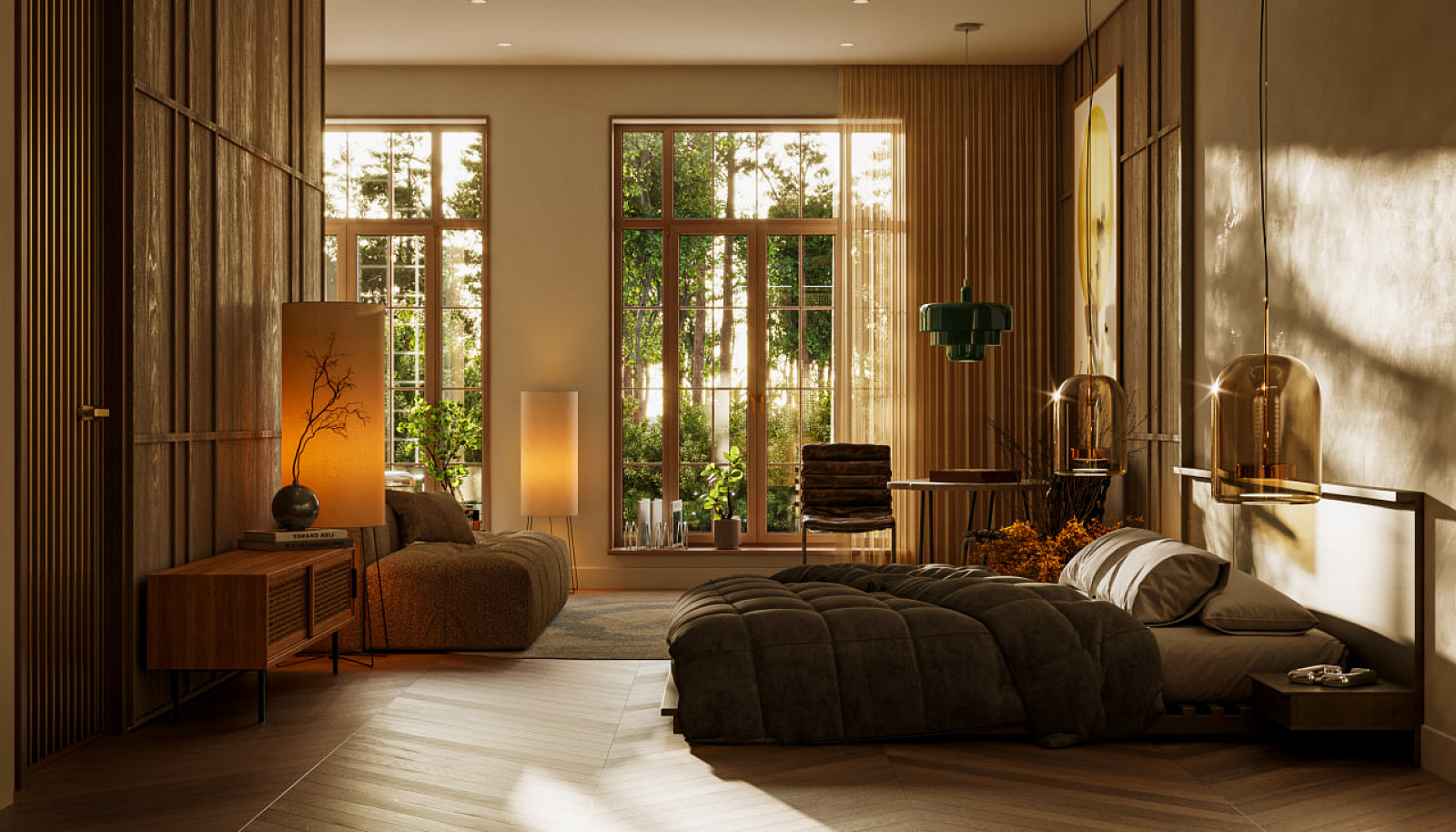
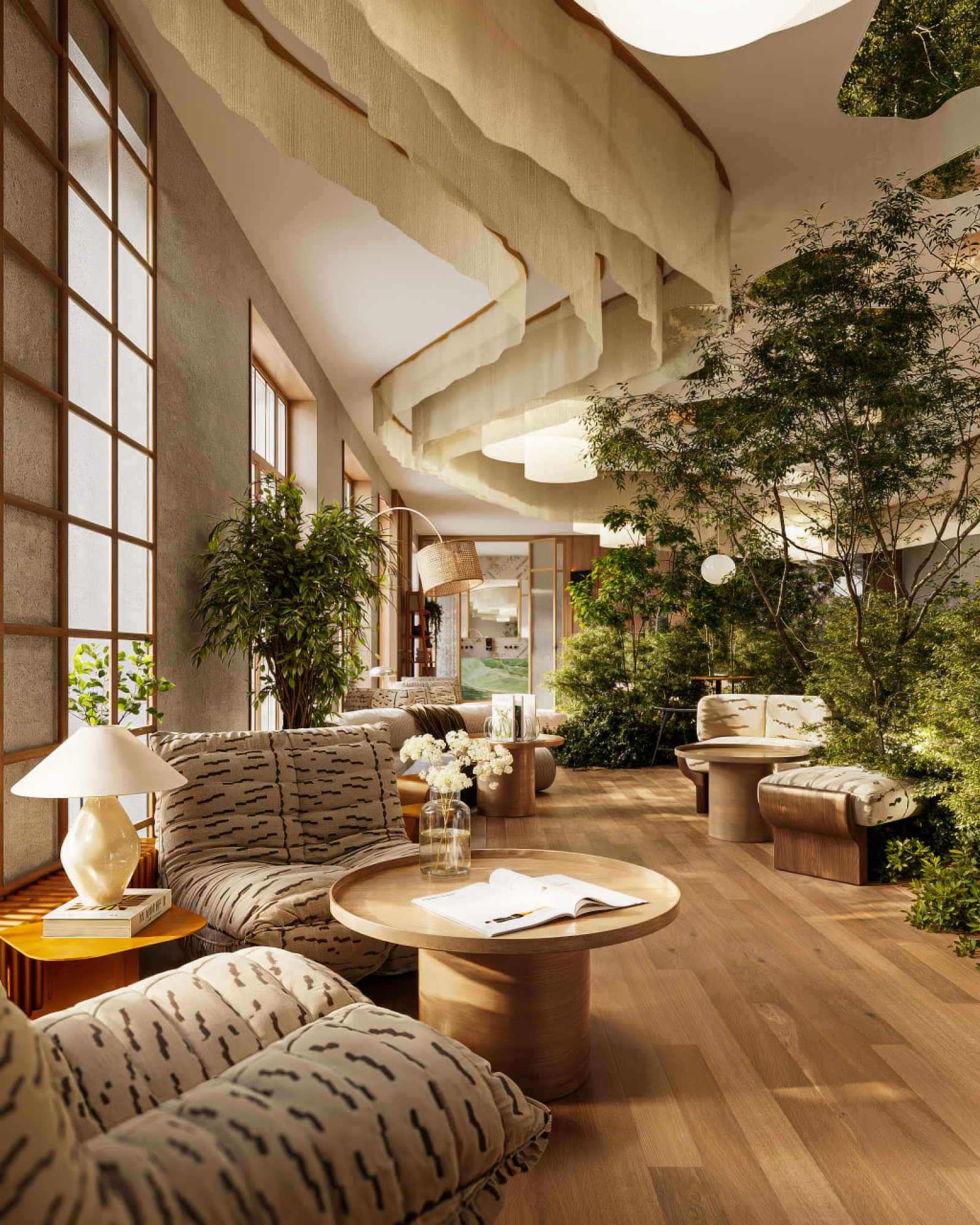
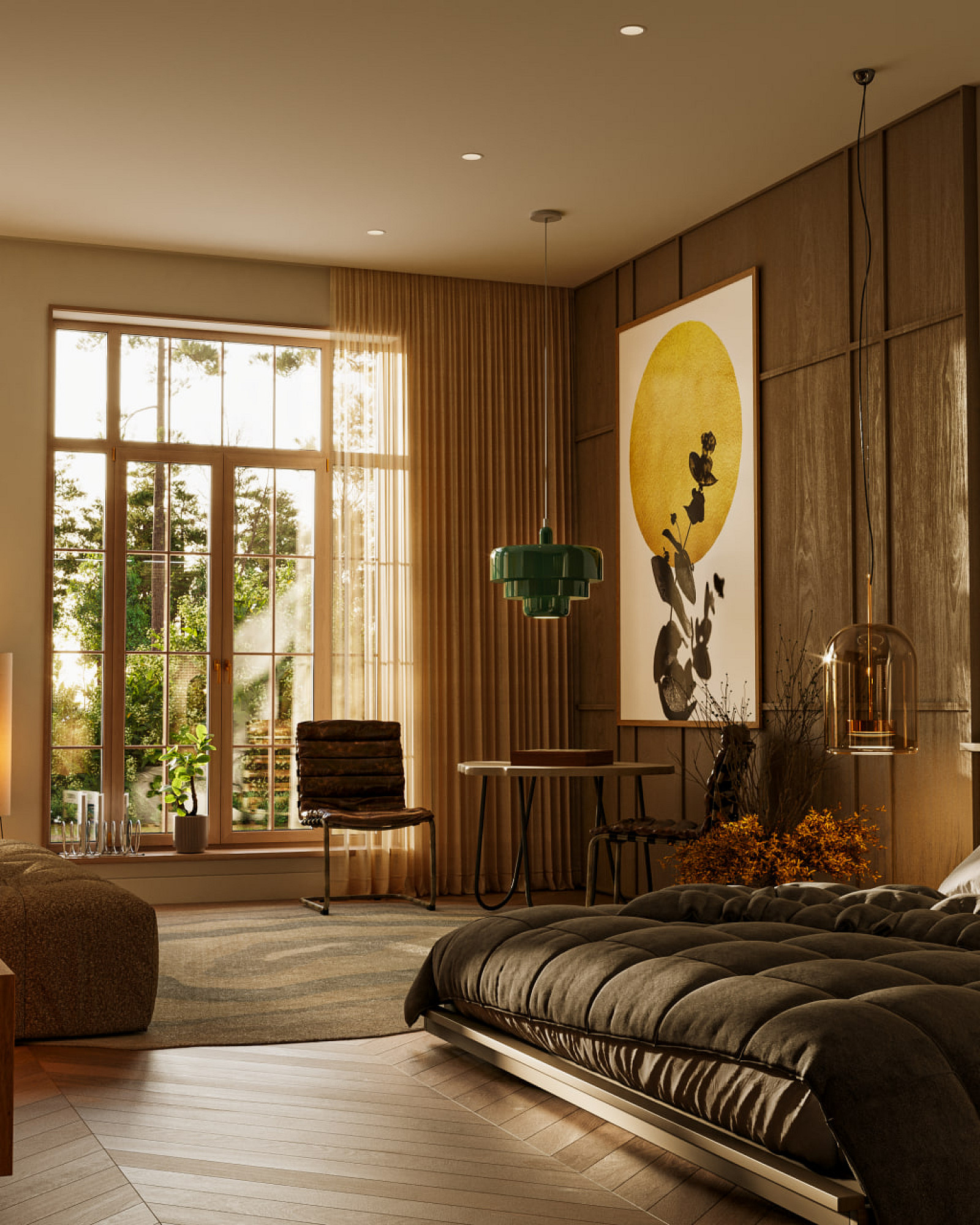
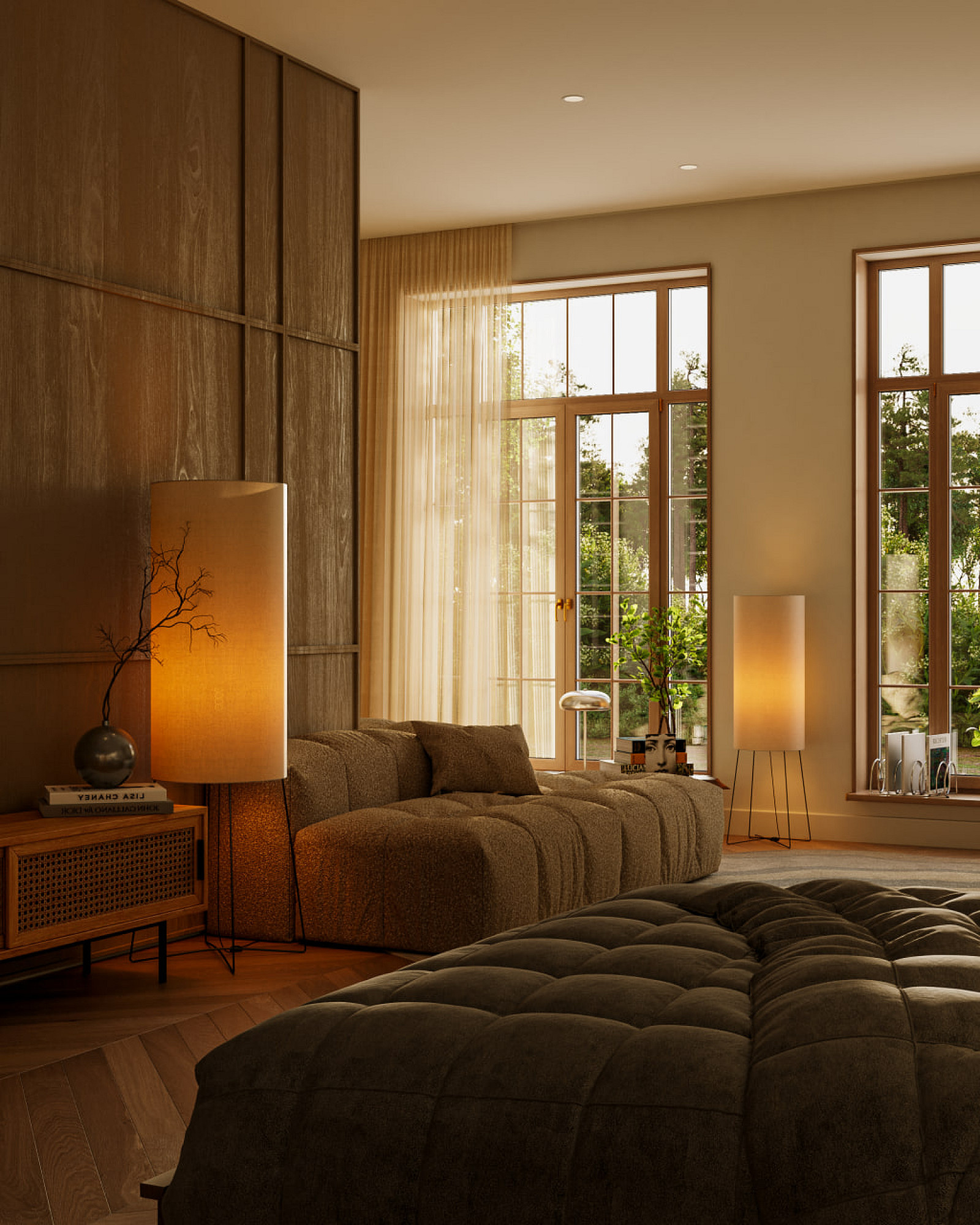
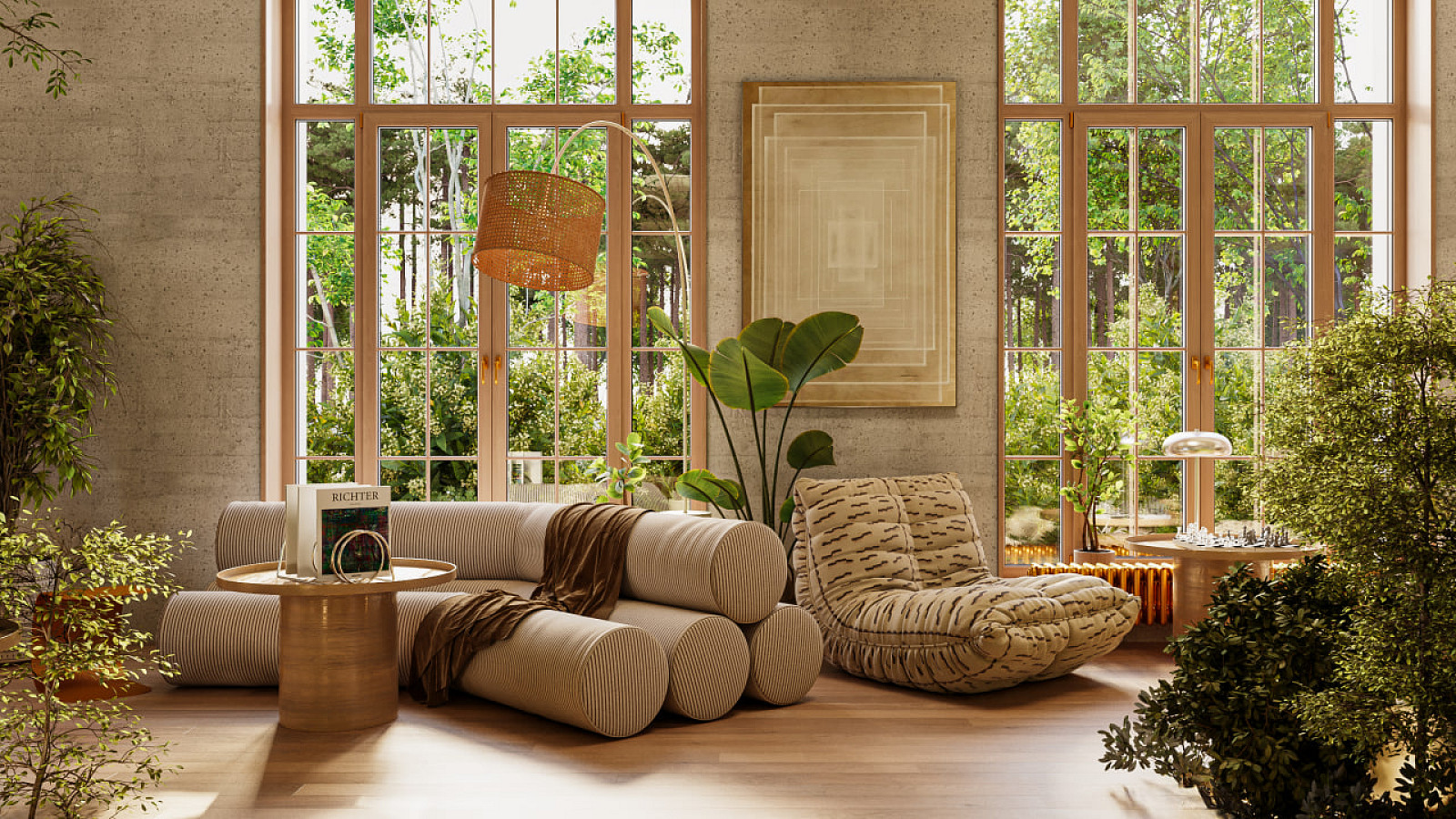
Integration of biophilic design elements, including natural materials, daylight, vegetation, and visual connections to nature.
Compliance with accessibility and inclusive design standards.
Development of clear circulation routes and intuitive wayfinding systems.
Provision of flexible and adaptable spaces for different rehabilitation activities.
Functional Program
The facility includes:
Reception and administrative areas.
Consultation and assessment rooms.
Individual psychotherapy rooms.
Group therapy and workshop spaces.
Physical rehabilitation and exercise areas.
Sensory recovery and relaxation rooms.
Residential accommodation for temporary stays.
Dining and communal spaces.
Staff offices and support facilities.
Outdoor therapeutic gardens and recreation areas.
Design Objectives
Promote emotional recovery and psychological well-being.
Reduce anxiety through controlled sensory environments.
Foster a sense of safety, privacy, and personal control.
Encourage social interaction and community support.
Strengthen the connection between users and the natural environment.
Create a non-institutional, welcoming atmosphere that resembles a residential setting rather than a hospital.
Materials and Environmental Strategy
Natural wood, textiles, stone, and other tactile materials.
Acoustic treatments to reduce noise and improve comfort.
Energy-efficient lighting with emphasis on natural daylight.
Sustainable renovation practices and reuse of existing structures.
Low-maintenance and durable interior finishes.
Expected Outcome
The project delivers a contemporary rehabilitation center that combines architectural renovation, interior design, and therapeutic spatial strategies to support the recovery and reintegration of individuals living with PTSD while contributing to the development of mental health infrastructure in Ukraine.
Created in:


Copyright © 2026 INSPIRELI | All rights reserved. Use of this website signifies your agreement to the Terms of Use, Privacy Policy, and use of cookies.