Polaris - A Maritime Cultural Nexus


Project idea
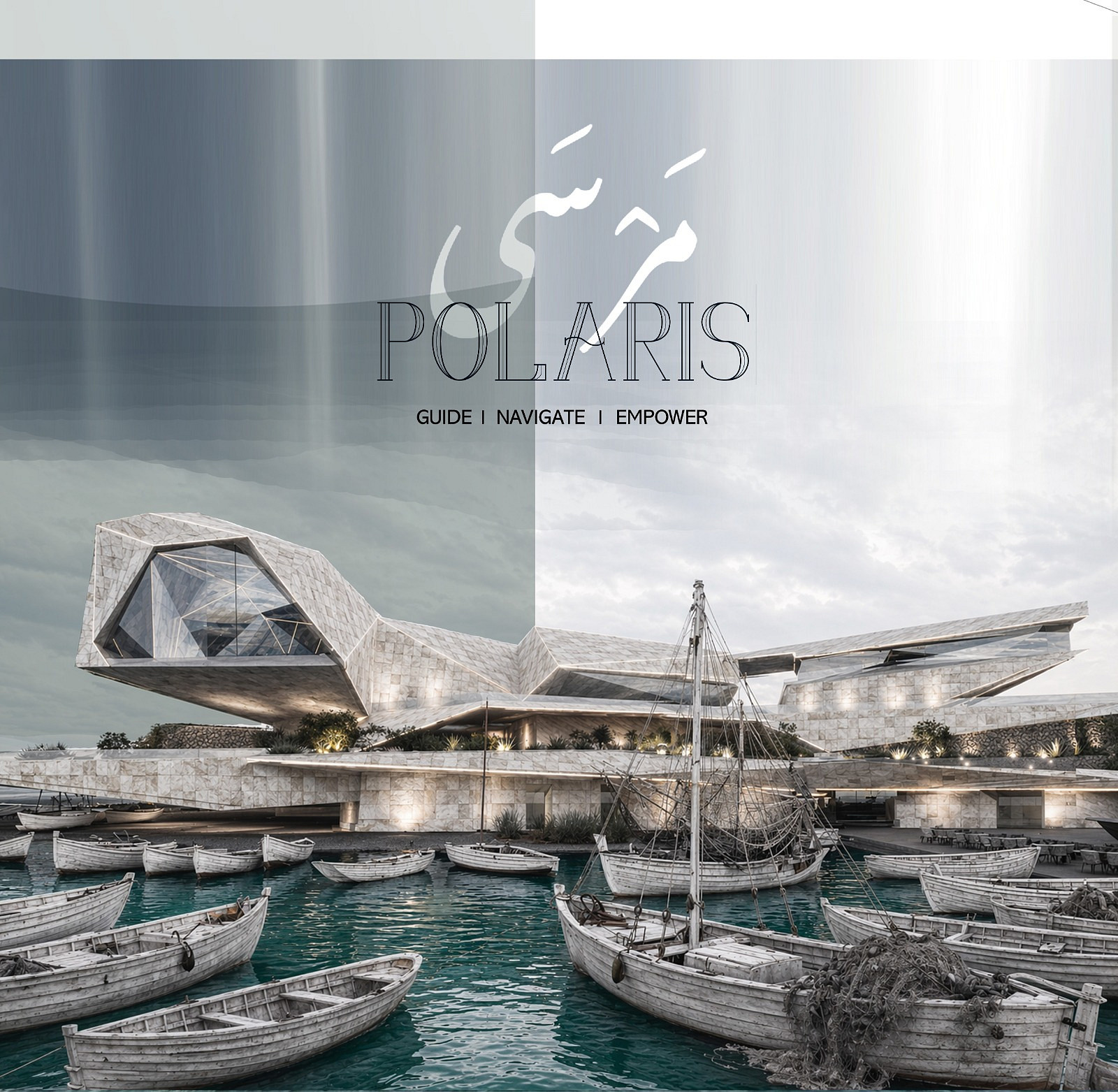
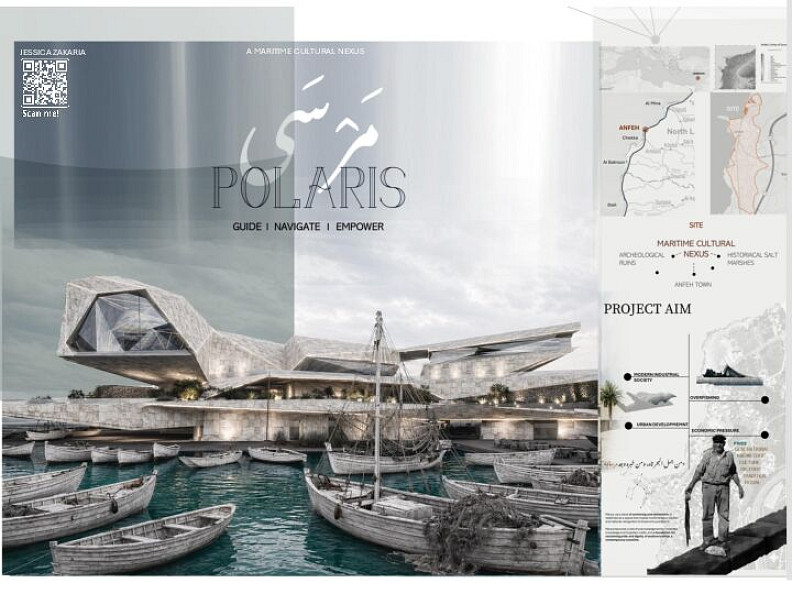
Marsa Polaris is a maritime cultural nexus dedicated to preserving coastal heritage and empowering fishing communities. Inspired by the concepts of navigation and wayfinding, the project serves as a beacon of culture, memory, and innovation, reconnecting people with the sea while revitalizing Anfeh's maritime identity.
Project description
As coastal communities face increasing environmental, economic, and cultural pressures, the traditions that once defined their relationship with the sea are steadily disappearing. Marsa Polaris emerges as a response to this loss, reimagining Anfeh's waterfront as a place where maritime heritage is not only preserved, but reactivated within contemporary life.
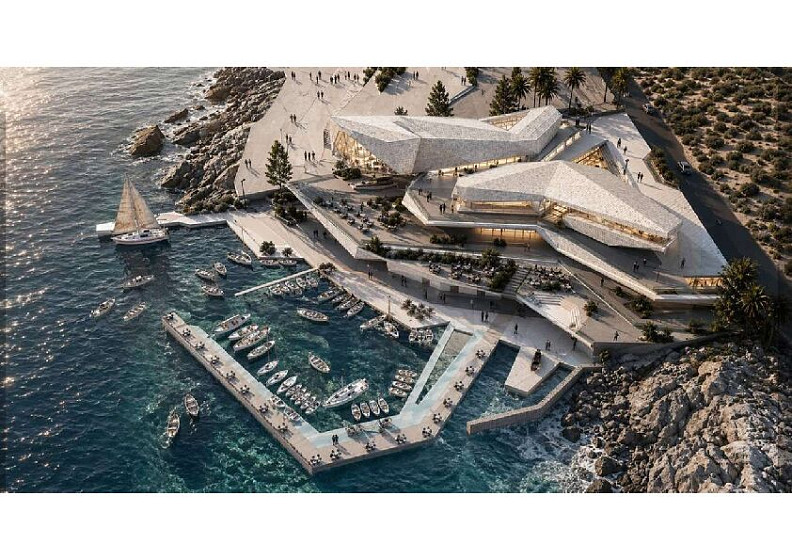
Inspired by the fragmented topography of Anfeh's coastline, Polaris is composed of three distinct fragments that emerge from the land and extend toward the Mediterranean. Each fragment is anchored by a specific program: a Cultural Fragment dedicated to heritage, exhibitions, and storytelling; a Community Fragment that celebrates coastal crafts, fishermen empowerment, and social engagement; and a Commercial Fragment that supports local enterprise and economic resilience.
Together, these fragments reconnect the harbor with archaeological ruins and historic salt marshes, forming a continuous cultural landscape. Reaching toward the Mediterranean through the Sail Cruise Extension, Boat Building Platform, and the Fishermen's Harbor & Community Pier, they restore the historic bond between people, heritage, and the sea.
Named after the star that guided fishermen through the darkness, Marsa Polaris reinterprets that role for the present day—becoming a cultural compass that anchors a fading heritage and guides it toward a future where it is no longer remembered as history, but lived as identity.
Technical information
The architectural expression of Marsa Polaris is defined by a steel diagrid structure that forms the building's folded skeletal framework, enabling large spans while reinforcing the project's dynamic maritime identity. The exterior is clad in locally sourced Lebanese limestone, grounding the project within its regional context and material heritage. To further promote sustainability, a wave energy plant is integrated into the harbor's wavebreaker, harnessing the power of the sea to generate renewable electricity and reinforcing the project's enduring relationship with the Mediterranean.
Documentation

Copyright © 2026 INSPIRELI | All rights reserved. Use of this website signifies your agreement to the Terms of Use, Privacy Policy, and use of cookies.