Velvet Industry - Kitchen–Living Room Design

Project idea
Velvet Industry explores the kitchen–living space as a continuous domestic landscape where industrial precision and tactile comfort coexist within a single spatial system. The concept is based on the idea that contemporary living no longer separates functional zones rigidly, but instead relies on subtle gradients of materiality, light, and reflection to define atmosphere and use. The project seeks to create a controlled tension between cold, engineered surfaces and warm, human-centred materials, forming an interior that is both disciplined and atmospheric.
Project description
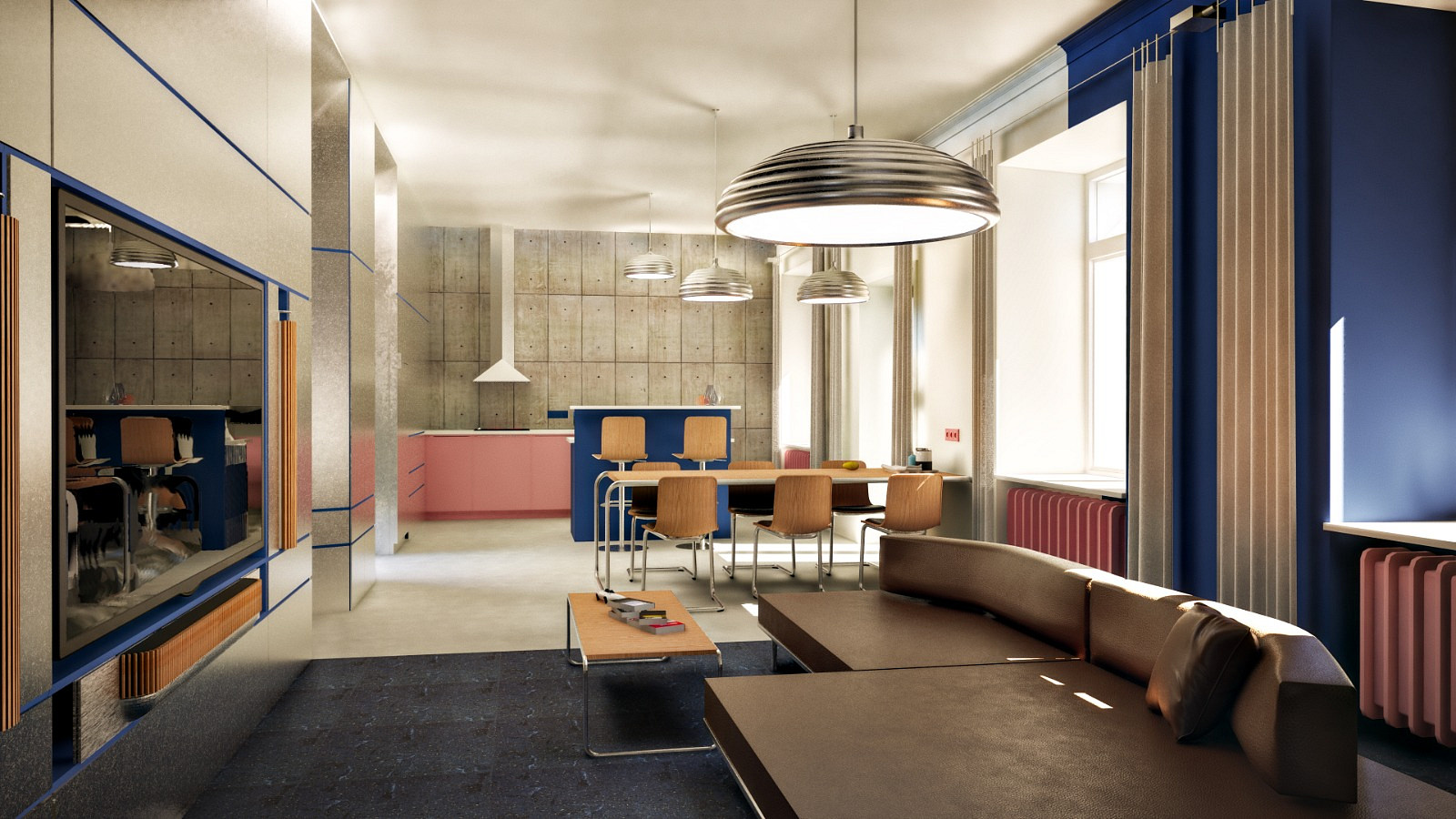
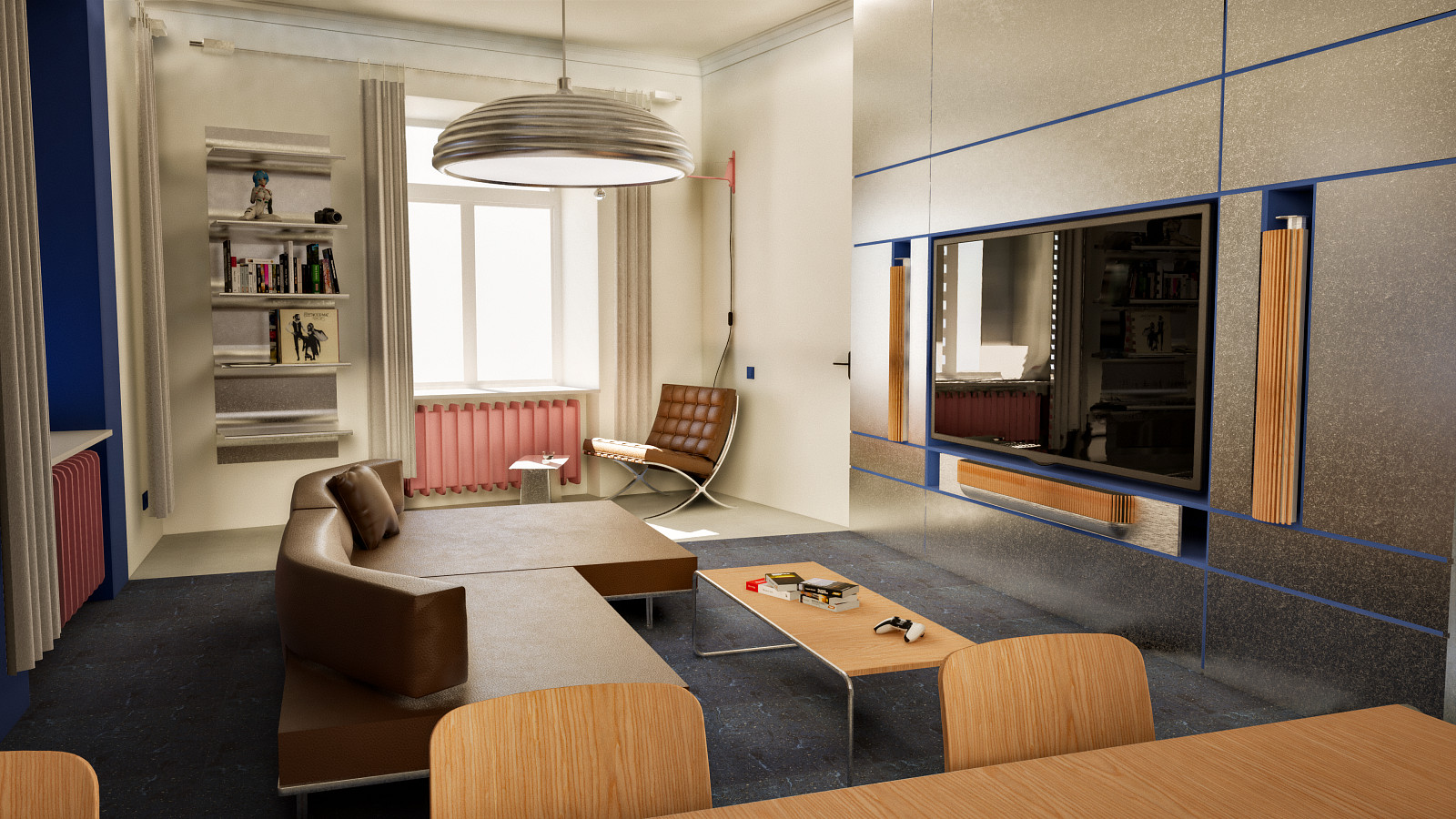
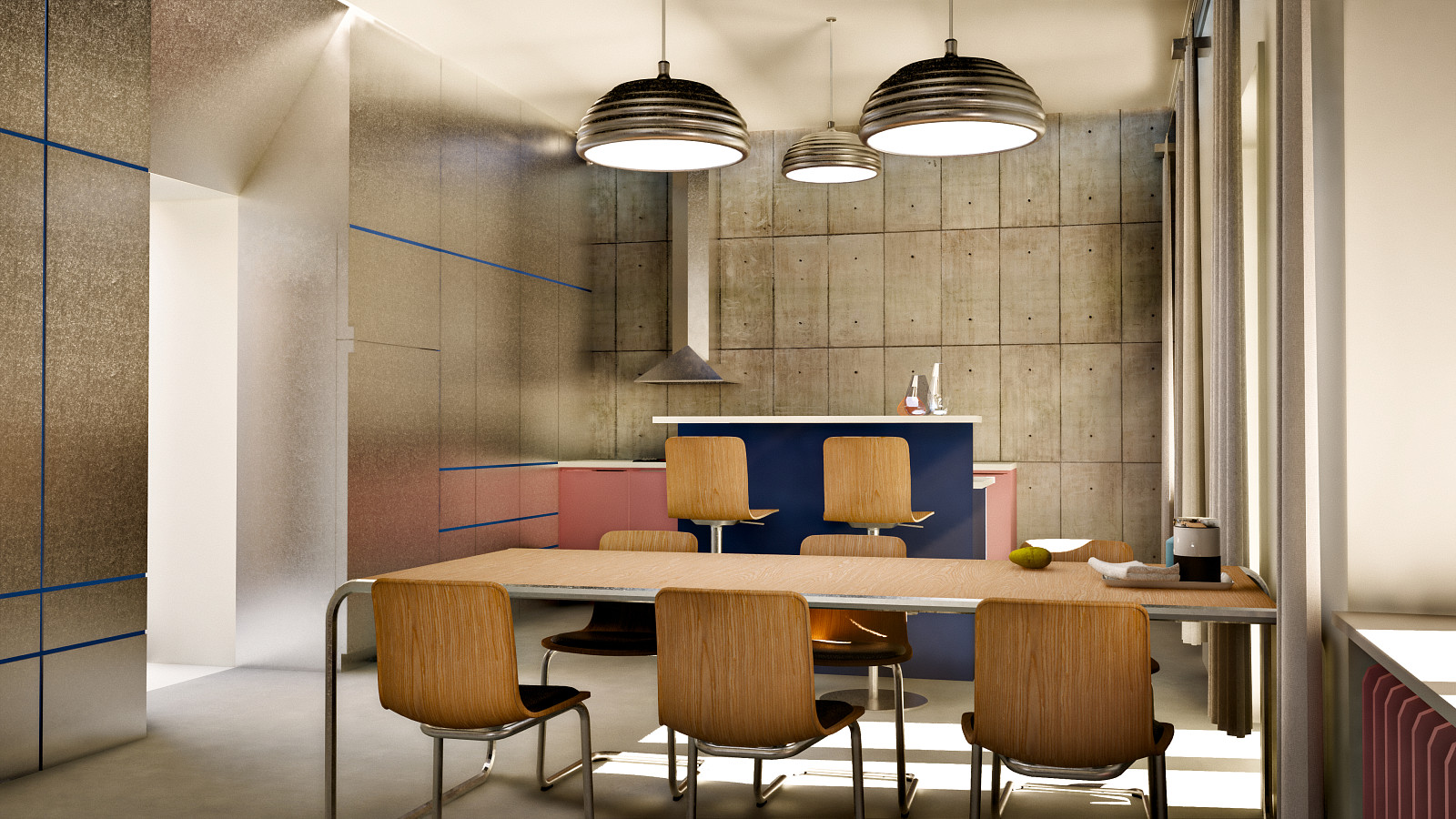
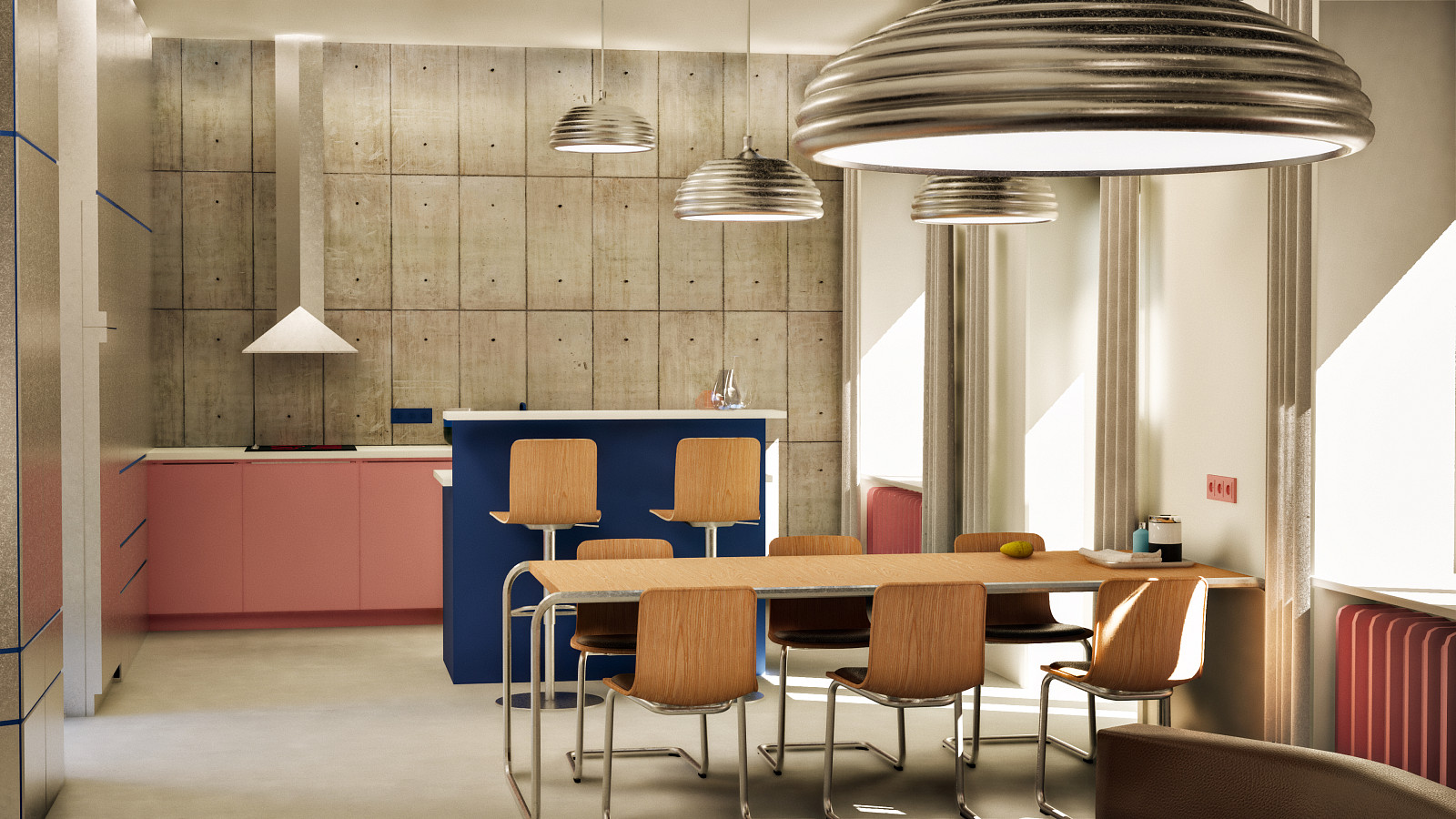
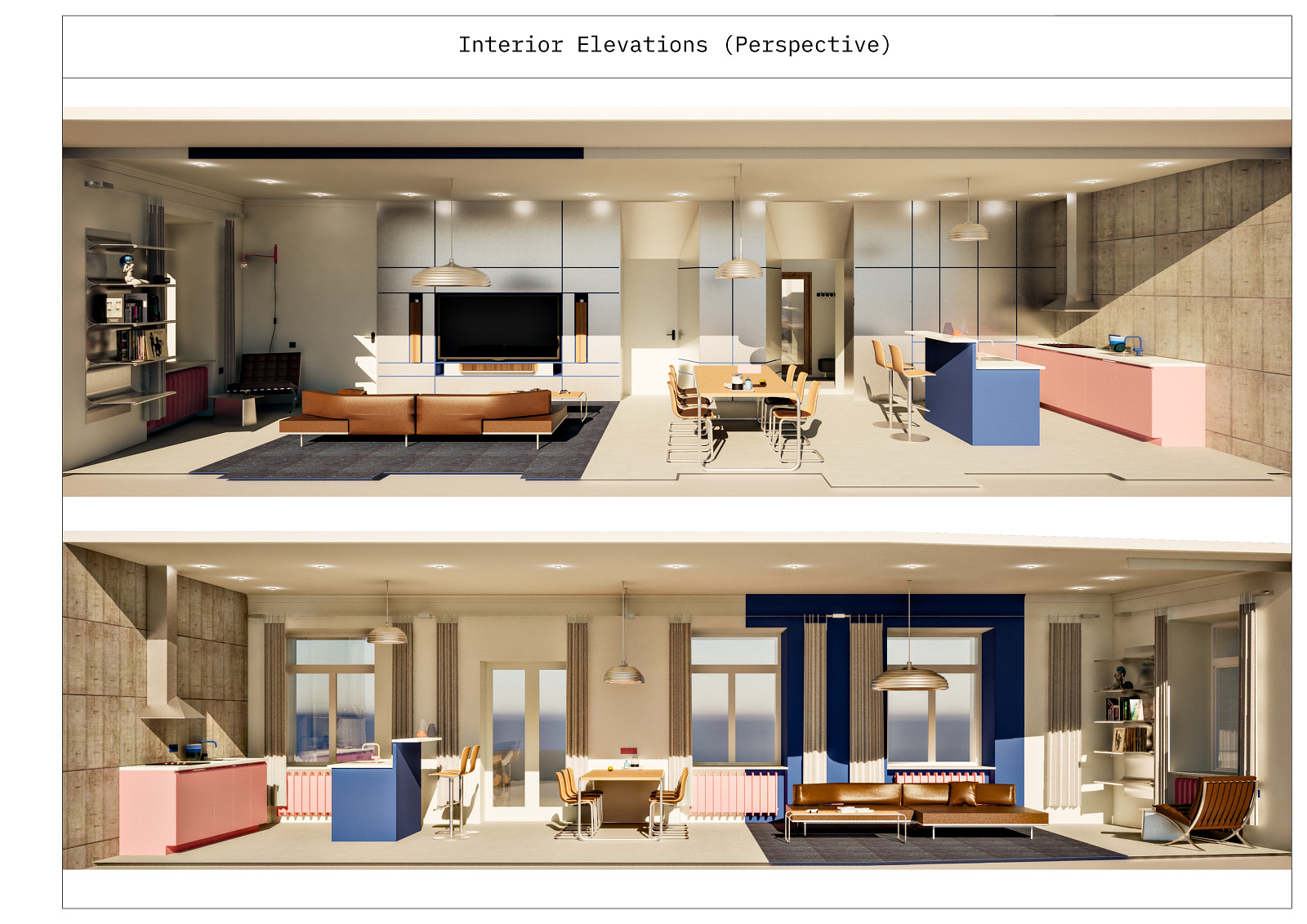
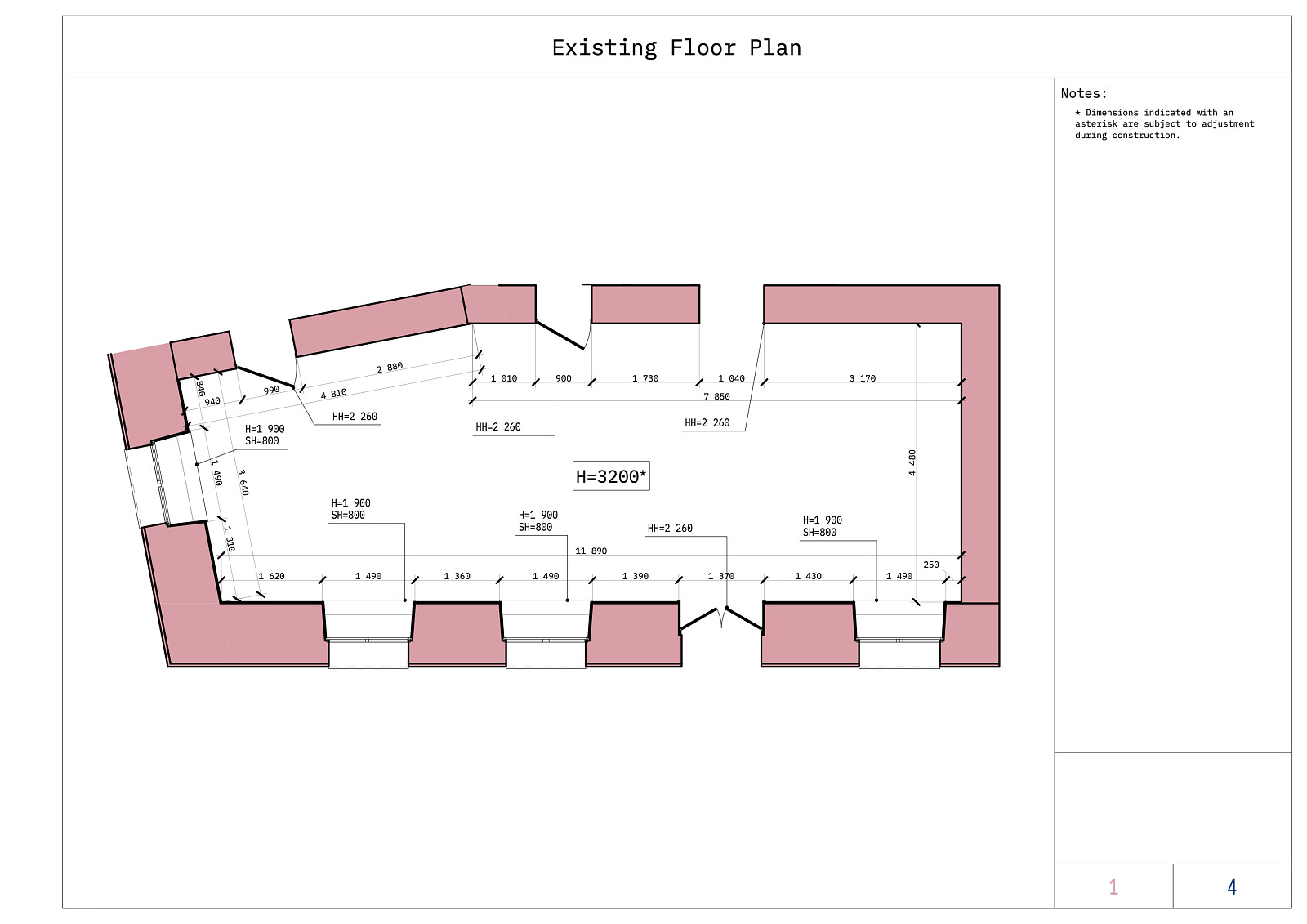
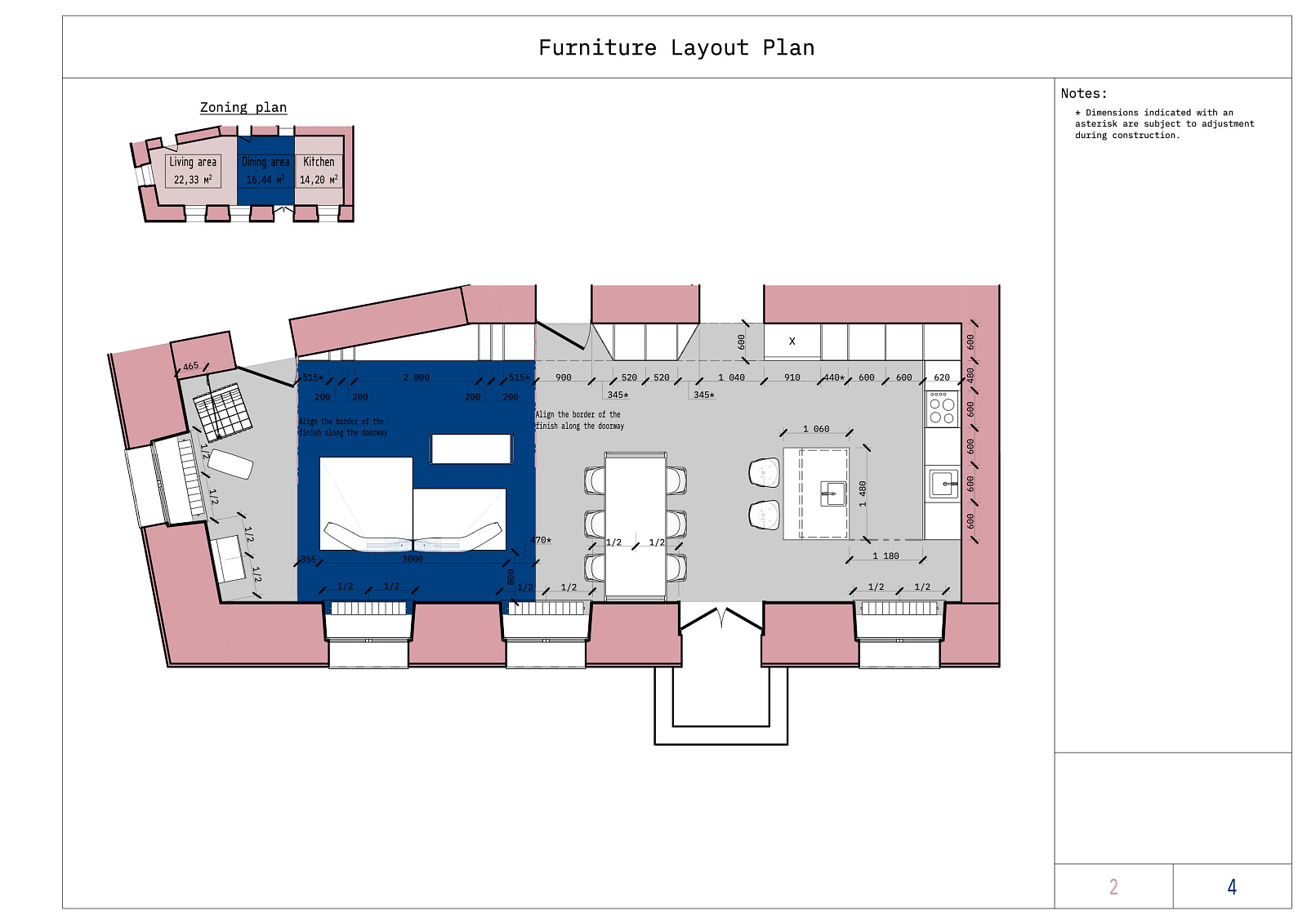
The design is developed for an actual apartment with a total area of approximately 53 square meters. The space is organized as an open-plan layout without fixed partitions, allowing the kitchen and living areas to flow into one another as a unified environment. Zoning is achieved through a deliberate composition of floor finishes and surface transitions, where changes in texture and reflectivity define functional areas rather than physical barriers.
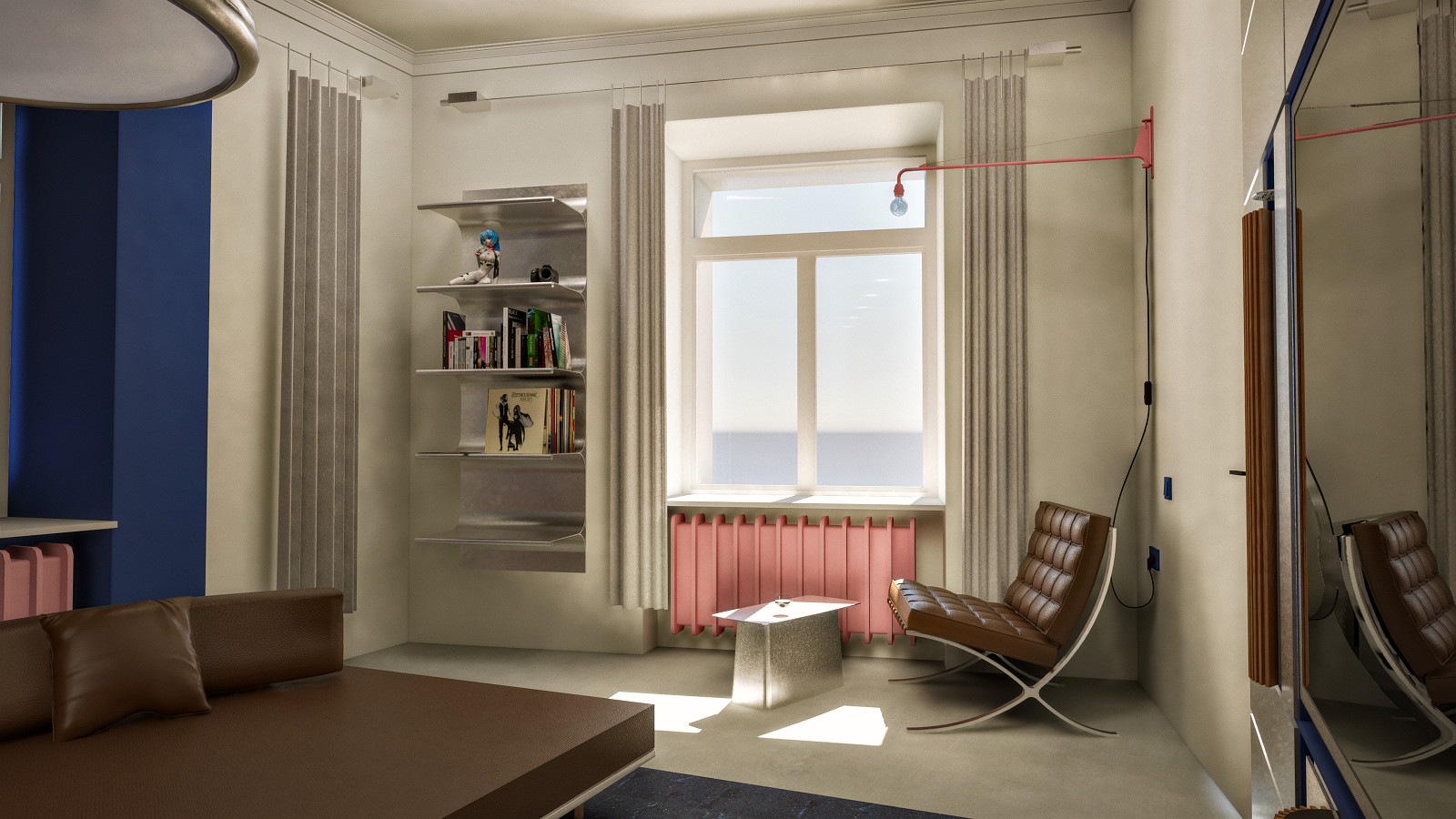
The living zone, including the TV area, is emphasized through warmer tonal materials and softer spatial perception, while the kitchen area introduces a more technical and reflective character. Stainless steel, leather, and wood are combined to establish a calibrated material dialogue, balancing industrial clarity with domestic intimacy. Reflective metal surfaces are used strategically to manipulate depth perception and light distribution, reinforcing the spatial continuity of the interior.
The result is a compact yet layered environment where everyday domestic functions are embedded within a continuous atmospheric field, rather than isolated rooms.
Technical information
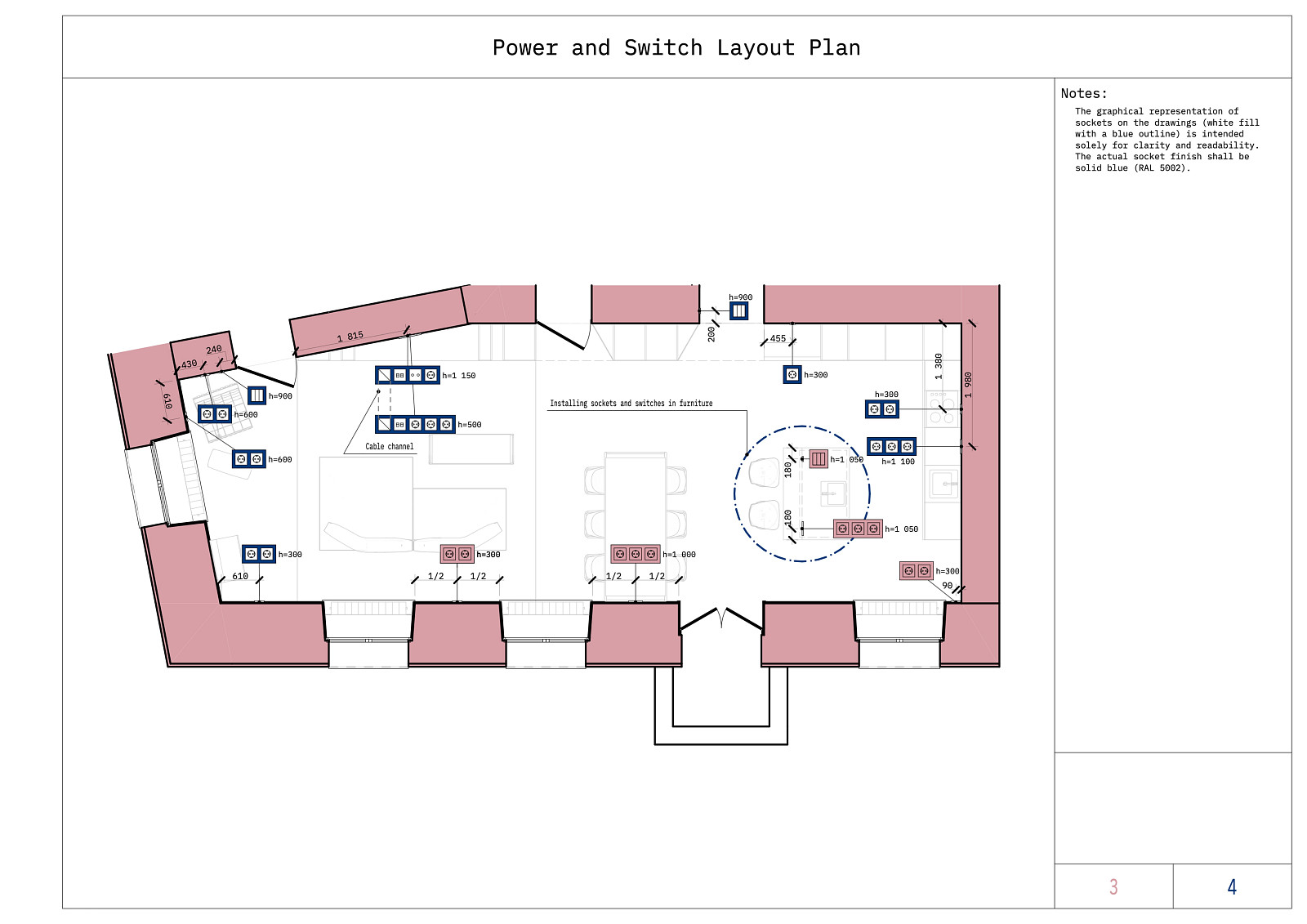
The project is based on a 53 m² open-plan apartment layout with no structural changes to the existing load-bearing system. Spatial organization relies on surface design strategies rather than architectural partitioning, ensuring flexibility and reversibility of interventions.
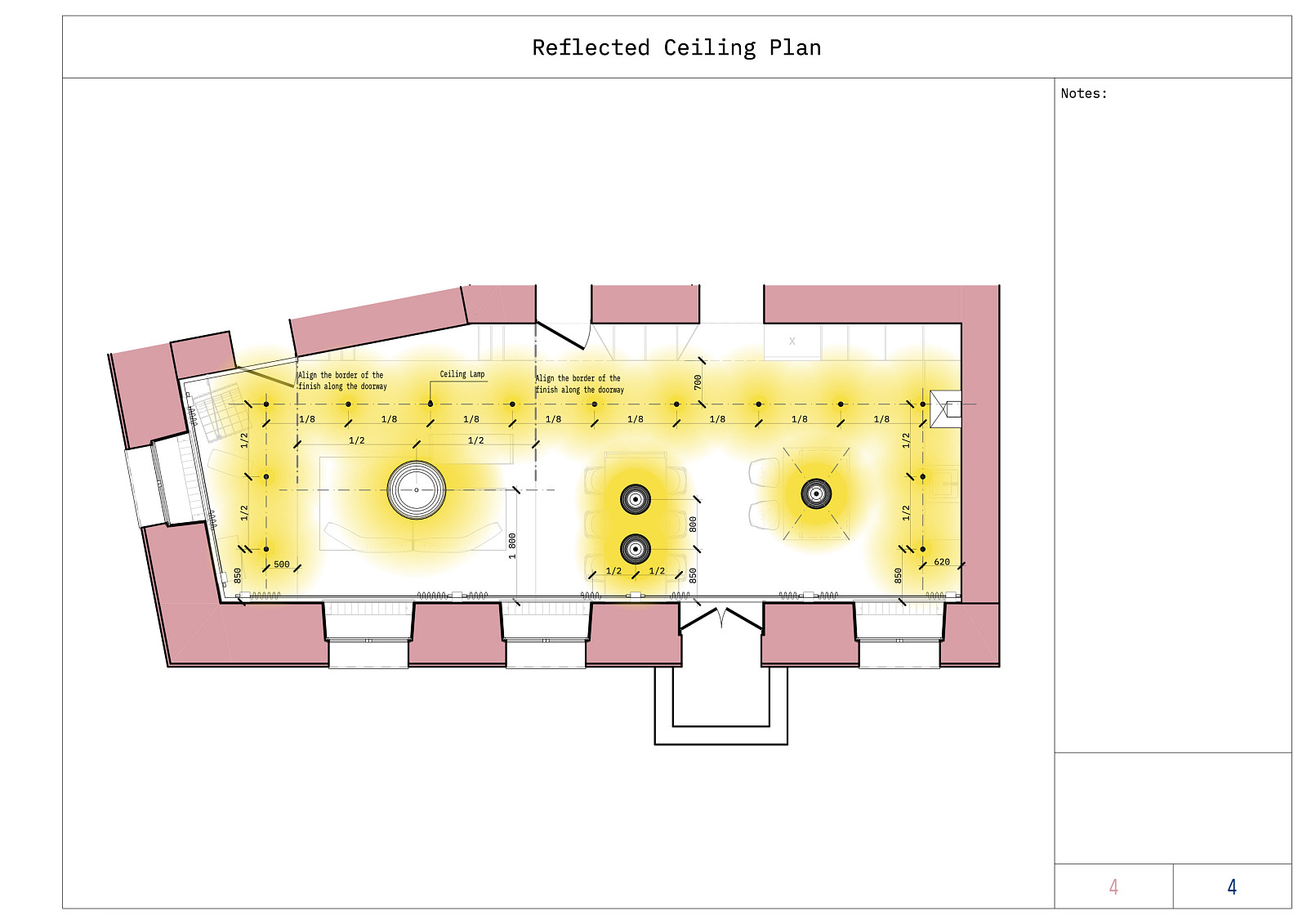
Material specification includes stainless steel elements, natural wood finishes, and leather surfaces selected for their contrasting tactile and reflective properties. Lighting is integrated to support spatial zoning through layered illumination rather than isolated fixtures, reinforcing the perception of depth within a compact footprint. Flooring transitions are used as primary spatial markers, replacing conventional physical separations.
All proposed interventions are compatible with standard residential construction practices and are intended for realistic implementation within a typical apartment renovation framework.
Created in:


Copyright © 2026 INSPIRELI | All rights reserved. Use of this website signifies your agreement to the Terms of Use, Privacy Policy, and use of cookies.