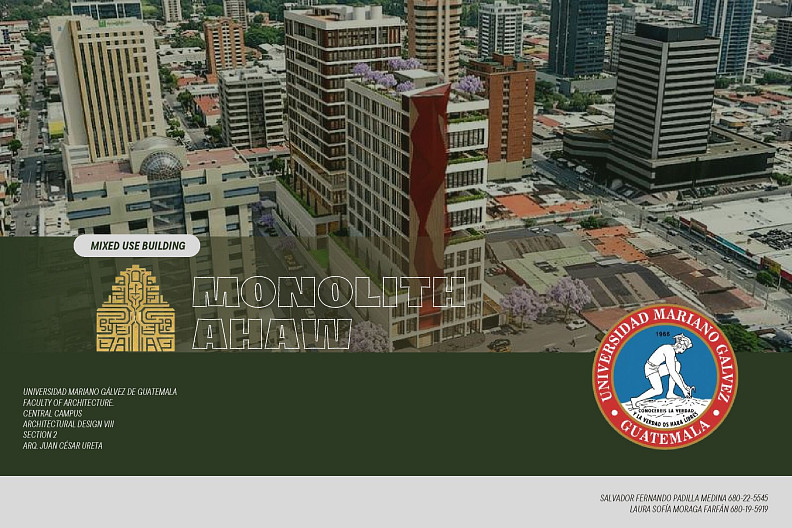
Monolith Ahaw


 Laura Cetino
Project idea
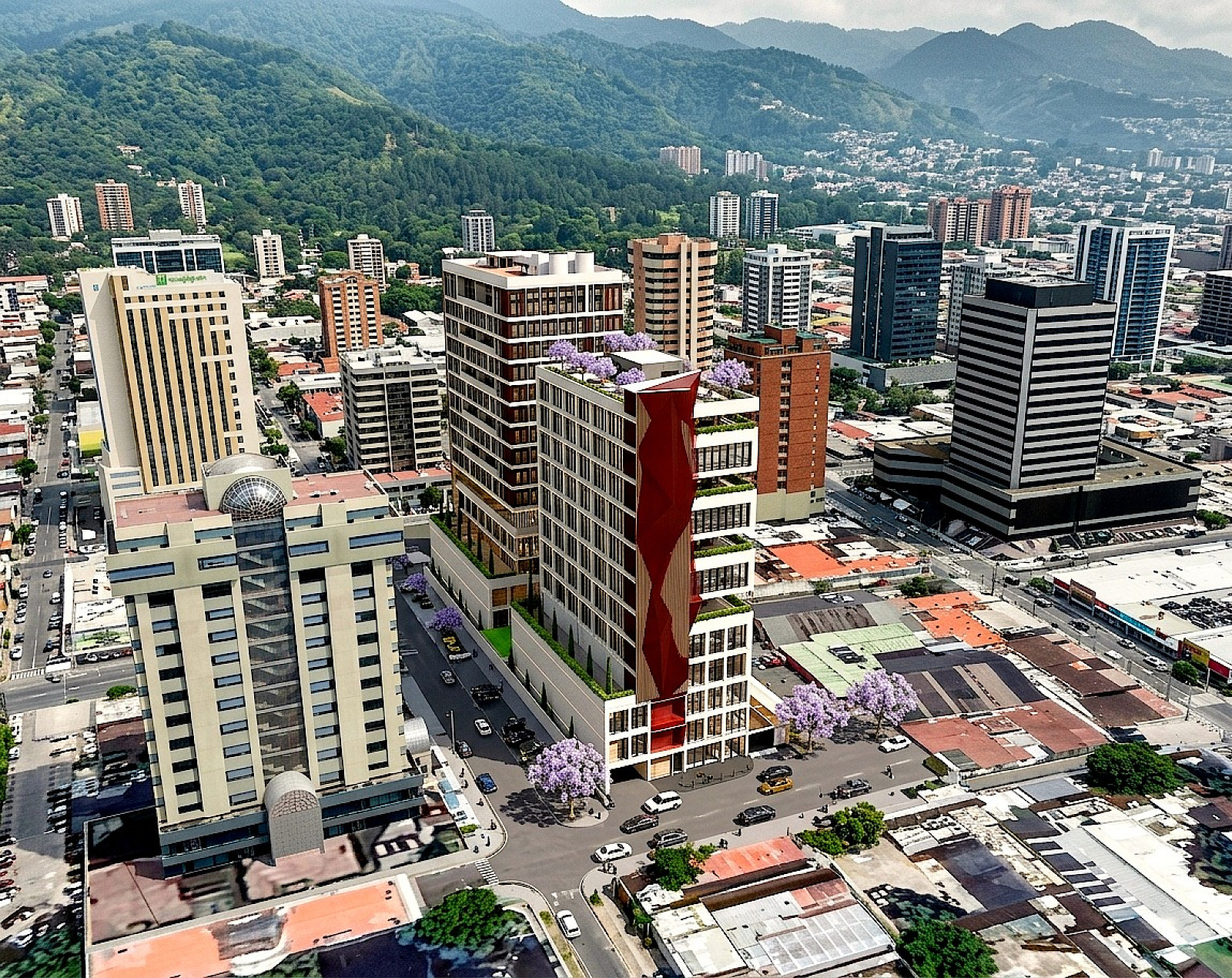
MONOLITH AHAW is conceived as a mixed-use urban landmark that responds to the increasing demand for density, connectivity, and contemporary lifestyles in Guatemala City. Located in Zone 10, one of the city's most dynamic commercial and business districts, the project seeks to consolidate multiple urban functions within a single vertical development, promoting a more efficient and sustainable model of urban growth.
The project integrates commercial spaces, office areas, and an aparthotel program, creating a vibrant environment that remains active throughout the day. By combining work, hospitality, and commerce within one architectural intervention, MONOLITH AHAW encourages urban interaction, reduces travel distances, and contributes to a more compact and connected city.
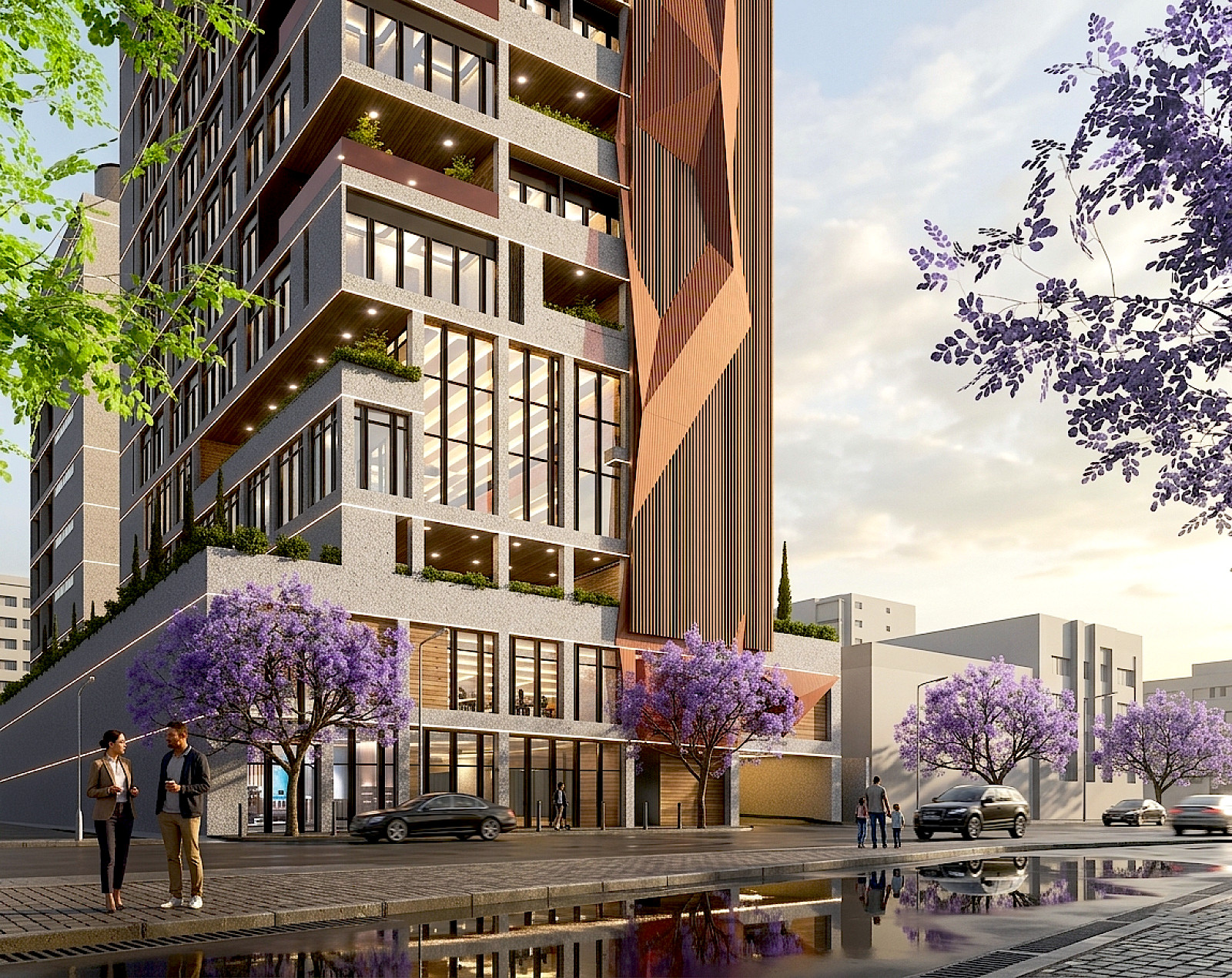
The architectural concept is inspired by the idea of the monolith as a symbol of permanence, identity, and transformation. This vision is expressed through a sculptural façade element that gives the building a distinctive presence within the skyline while establishing a contemporary landmark for Guatemala City. The design balances functionality and visual impact, creating a recognizable urban icon that reflects the city's ambition and growth.
The main objective of the project is to create a high-quality mixed-use development that enhances the urban experience through architectural excellence, economic activity, and social interaction. Through the integration of commercial, office, and hospitality functions, MONOLITH AHAW aspires to become a catalyst for urban vitality and a new symbol of contemporary development in Guatemala City.
Project description
MONOLITH AHAW is a mixed-use development located in Zone 10 of Guatemala City, designed to combine commercial, office, and hospitality functions within a single vertical structure. The project responds to the growing demand for integrated urban environments that promote economic activity, connectivity, and efficient land use in one of the city's most important business districts.
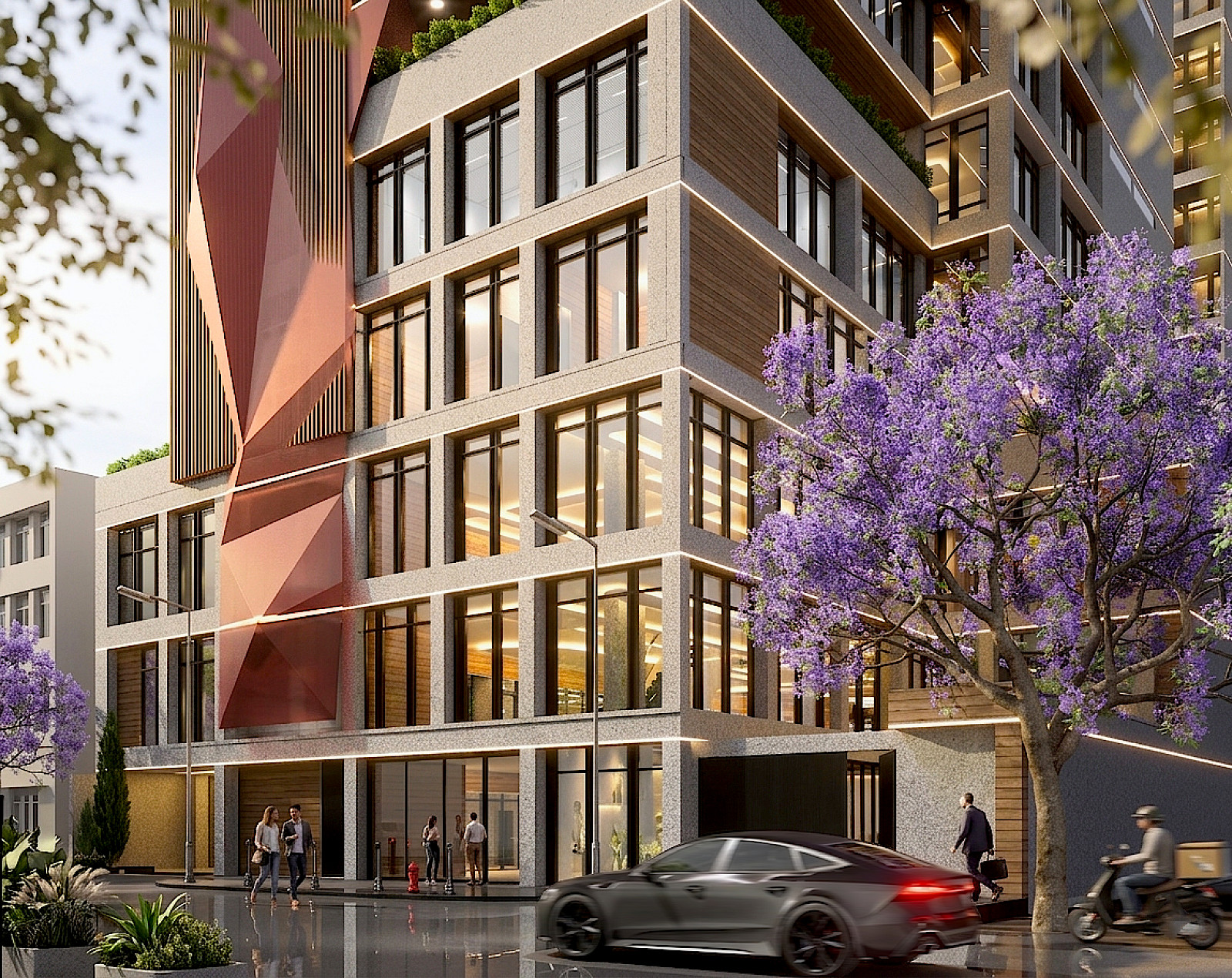
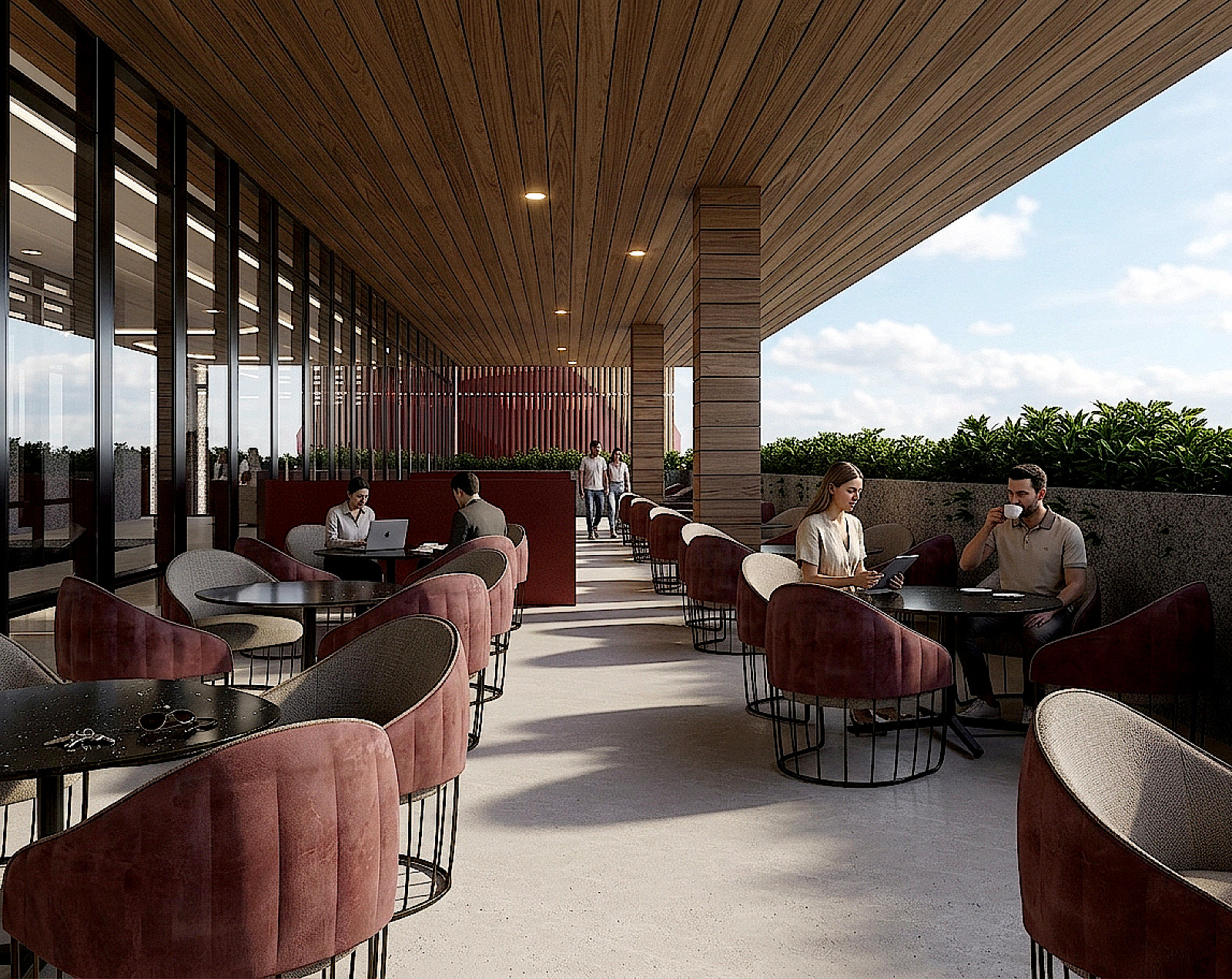
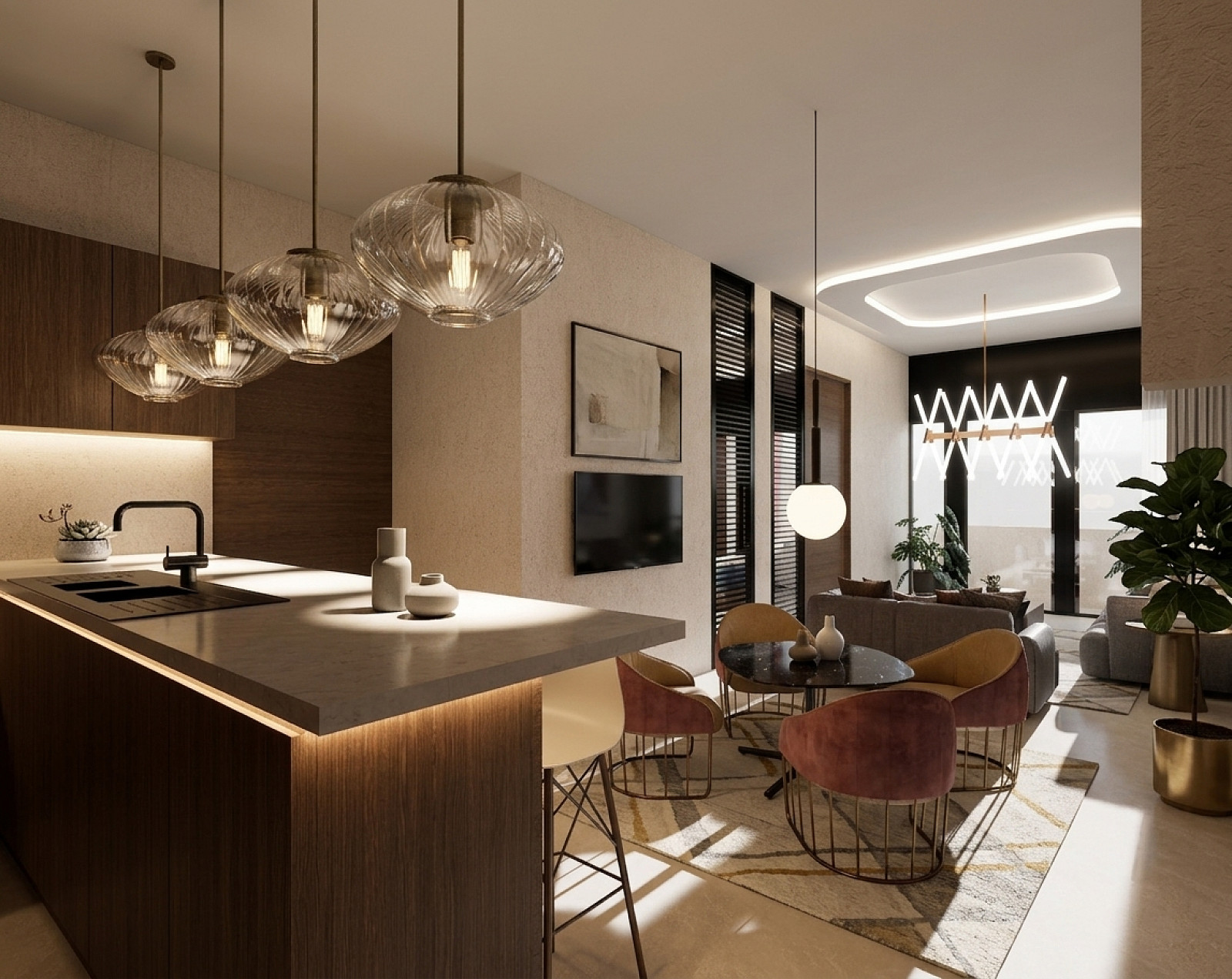
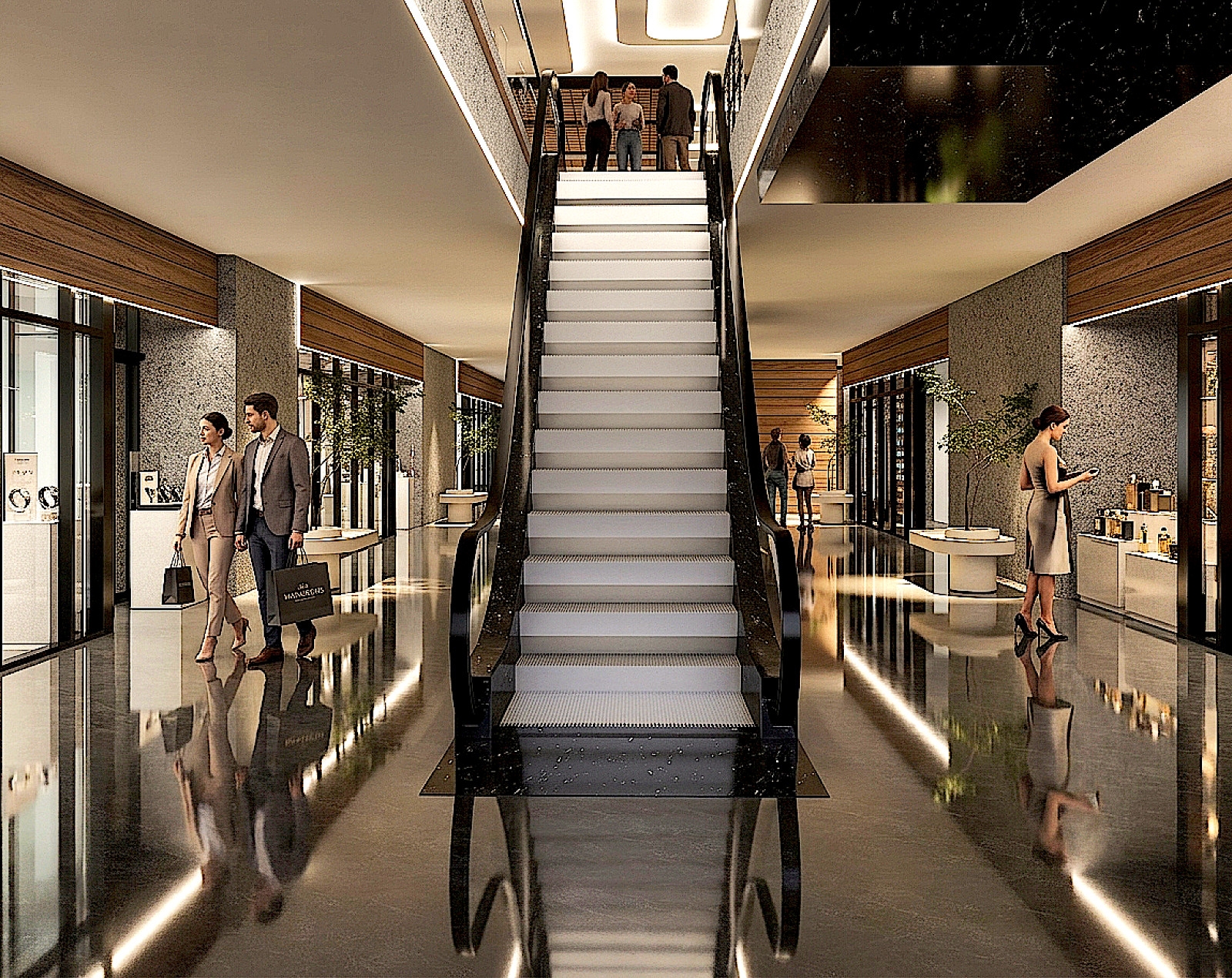
The lower levels are dedicated to commercial spaces that activate the public realm and strengthen the relationship between the building and the surrounding urban environment. Above, flexible office floors provide modern workspaces designed to accommodate a variety of professional and corporate activities. The upper levels house an aparthotel program that offers short- and medium-term accommodation supported by shared amenities and recreational areas.
The architectural composition is defined by a contemporary tower rising from a podium that organizes circulation, services, and public access. Landscaped terraces and outdoor communal spaces are strategically distributed throughout the building, enhancing user well-being while introducing vegetation into the urban skyline. A distinctive sculptural façade element reinforces the building's identity and establishes a recognizable landmark within the city.
Through the integration of commerce, business, and hospitality, MONOLITH AHAW creates a dynamic environment that remains active throughout the day, contributing to the urban vitality of Zone 10 while providing a high-quality experience for visitors, guests, and professionals.
Technical information
MONOLITH AHAW is designed as a high-rise mixed-use development that integrates commercial spaces, office floors, and an aparthotel program within a single vertical structure. The building employs a reinforced concrete structural system composed of columns, shear walls, beams, and post-tensioned slabs, providing structural stability, flexibility in floor layouts, and efficient load distribution.
The foundation system consists of reinforced concrete piles and pile caps designed to transfer loads safely to the underlying soil conditions. Vertical circulation is organized through a central core containing elevators, emergency staircases, mechanical shafts, and service areas, ensuring efficient circulation and compliance with life-safety requirements.
The building envelope combines high-performance glazing, aluminum composite panels, and architectural cladding systems that enhance energy efficiency while creating a distinctive contemporary appearance. Shading elements and landscaped terraces contribute to solar control, user comfort, and environmental performance.
The project incorporates passive and active sustainability strategies, including natural daylight optimization, energy-efficient systems, water-saving fixtures, and integrated green areas that improve the urban environment and contribute to user well-being.
Building Type: Mixed-use high-rise development
Program: Commercial spaces, offices, and aparthotel
Structural System: Reinforced concrete frame with shear walls and post-tensioned slabs
Foundation System: Reinforced concrete piles and pile caps
Vertical Circulation: Elevators, emergency staircases, and service core
Building Envelope: High-performance glazing, aluminum composite panels, and architectural cladding
Sustainability Features: Green terraces, daylight optimization, energy-efficient systems, and water conservation strategies
Documentation
Created in:


Copyright © 2026 INSPIRELI | All rights reserved. Use of this website signifies your agreement to the Terms of Use, Privacy Policy, and use of cookies.