Insecurity and Public Space


Project idea
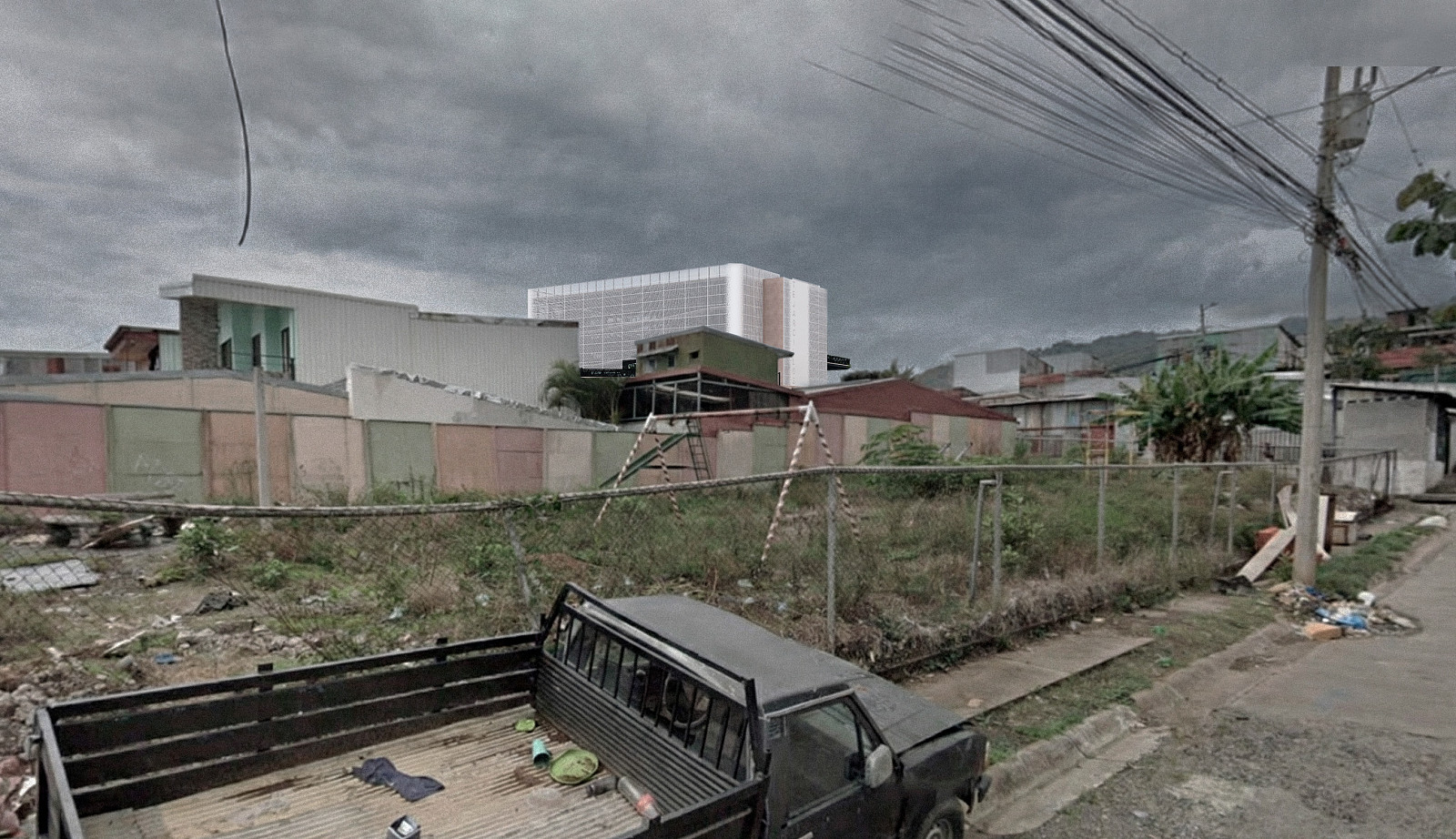
The project “Insecurity and Public Space” proposes an urban and architectural intervention in the community of Tejarcillos, located in the district of San Felipe, Alajuelita, San José, Costa Rica. This area presents high levels of social vulnerability, precarious infrastructure, deterioration of public space, poor urban connectivity, and a high incidence of crime, all of which directly affect quality of life, mobility, and residents’ perception of safety.
The main idea of the project is to use public space as a tool for territorial and social integration. Through a master plan and a specific architectural intervention, the proposal seeks to rehabilitate deteriorated spaces, strengthen connectivity between formal and informal neighborhoods, and create meeting points that promote coexistence, community appropriation, and urban safety.
The project is based on the principles of connectivity, activity, and transition, incorporating sports, cultural, recreational, and training programs. It also draws from urban theories such as Jane Jacobs’ concept of natural surveillance and Jorge Mario Jáuregui’s three social cements: work, sport, and celebration.
The main goal is to transform a deteriorated public space into an active, safe, and inclusive node capable of functioning as a pedestrian connector between the Juan Rafael Mora and García Monge neighborhoods, strengthening the social fabric and contributing to the reduction of urban exclusion.
Project description
The scope of the project solution includes an urban and architectural intervention developed at two complementary scales.
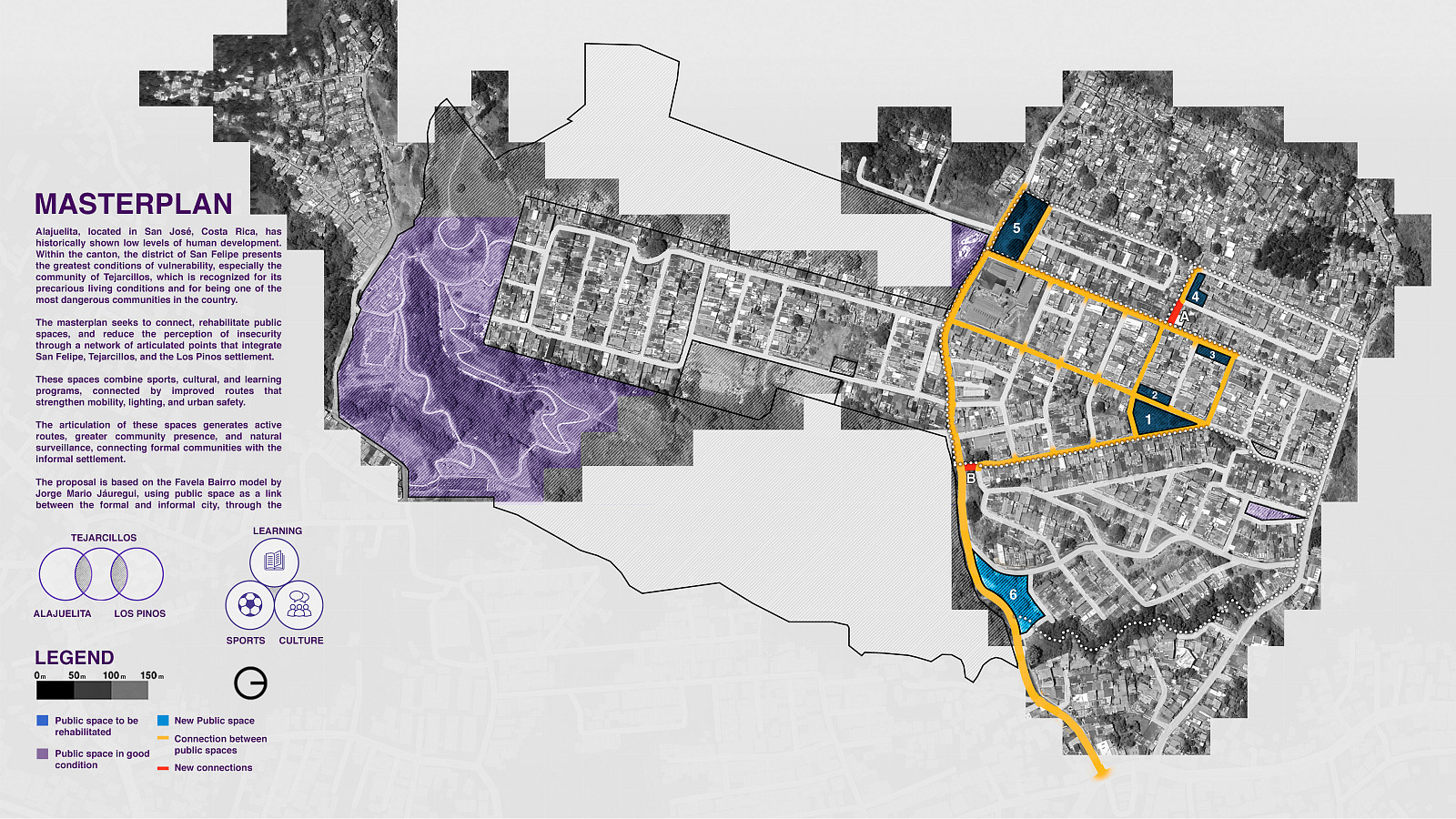
At the macro scale, a master plan is proposed for Tejarcillos and its immediate surroundings, focused on improving public infrastructure, rehabilitating existing spaces, and strengthening connectivity between neighborhoods. This strategy proposes the creation of articulation points between the center of San Felipe, the entrance to Tejarcillos, and the informal settlements, in order to territorially and socially integrate communities that currently face conditions of isolation and segregation.
The master plan prioritizes deteriorated public spaces located between two or more neighborhoods, transforming them into points of transition, gathering, and community activity. It also includes the improvement of pedestrian routes through interventions in public lighting, sidewalks, and roads, with the purpose of creating accessible, continuous, and safe pathways.
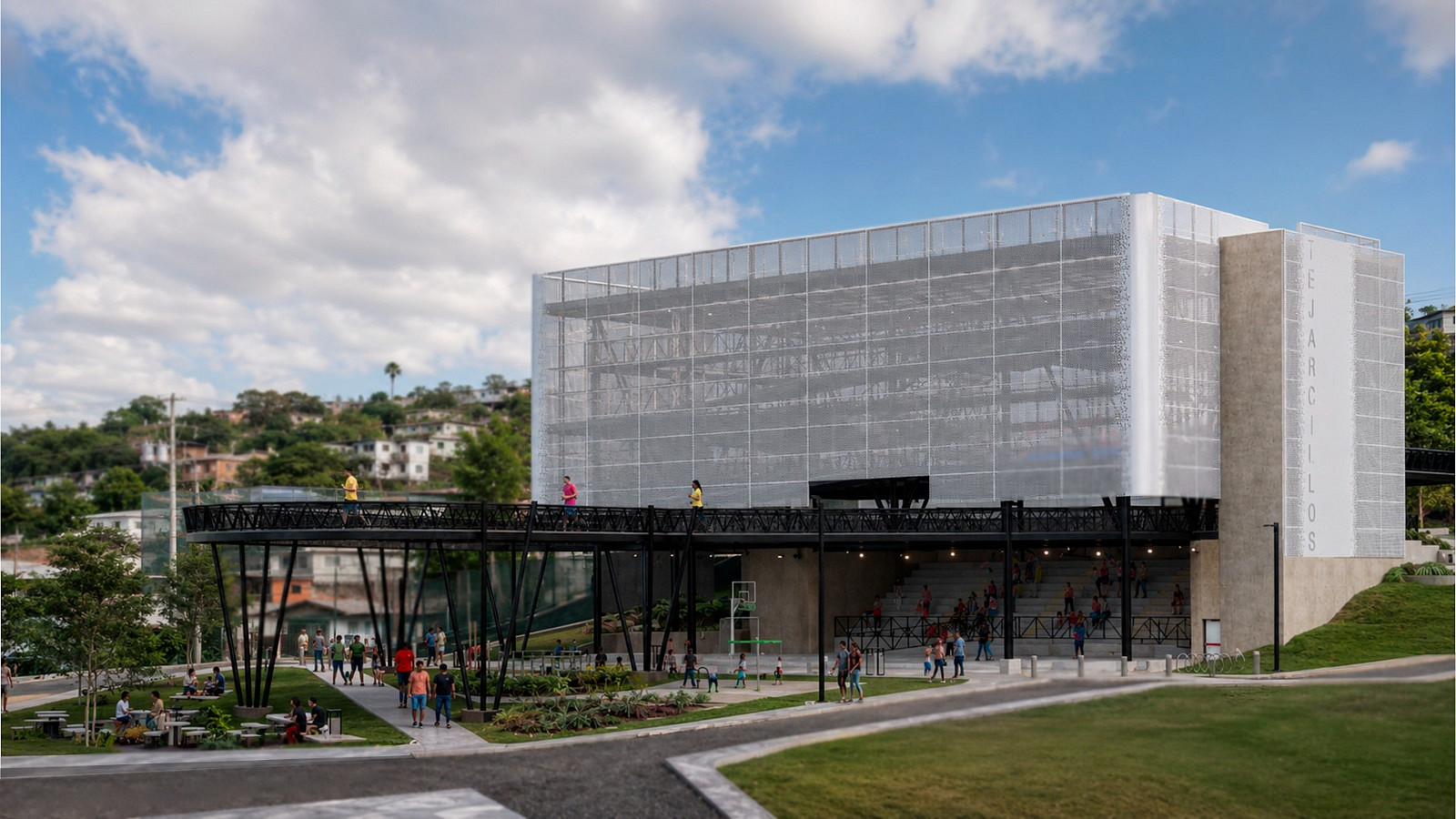
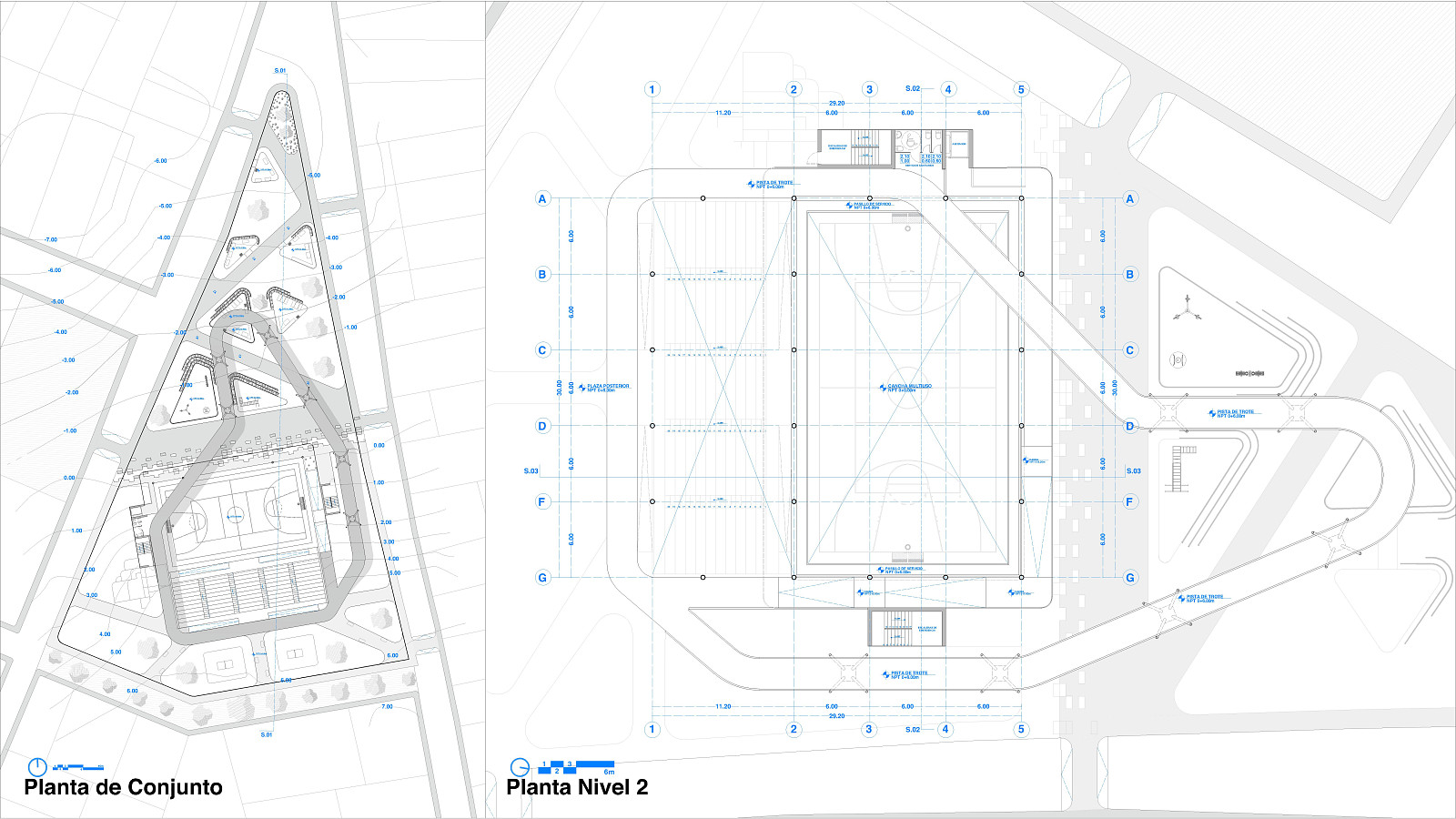
At the architectural scale, the project focuses on the rehabilitation of a specific public space identified within the master plan. The proposal includes a sports, recreational, and community-oriented building articulated with a public park. This complex seeks to function as an active urban node capable of creating a pedestrian connection between the Juan Rafael Mora and García Monge neighborhoods.
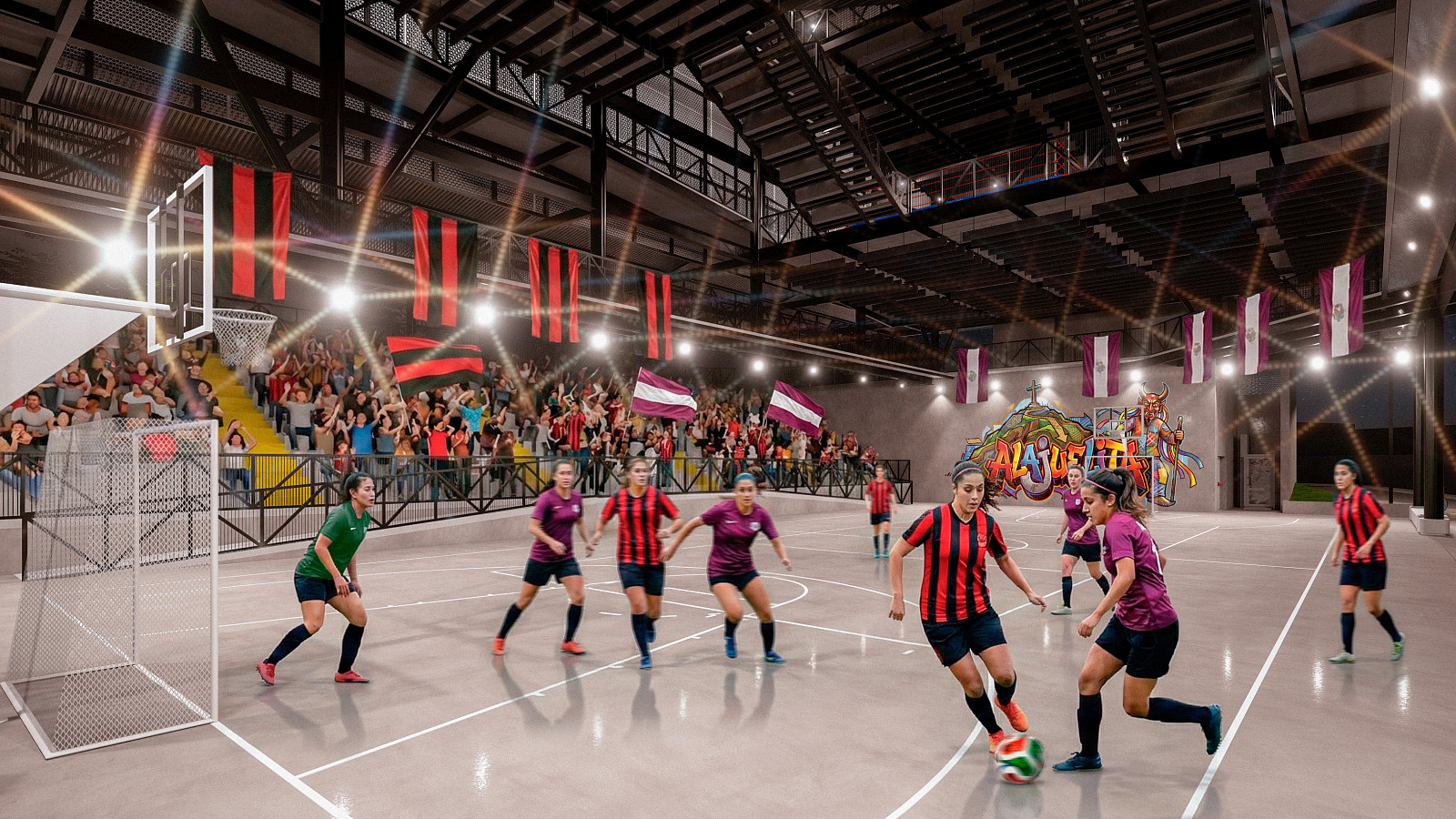
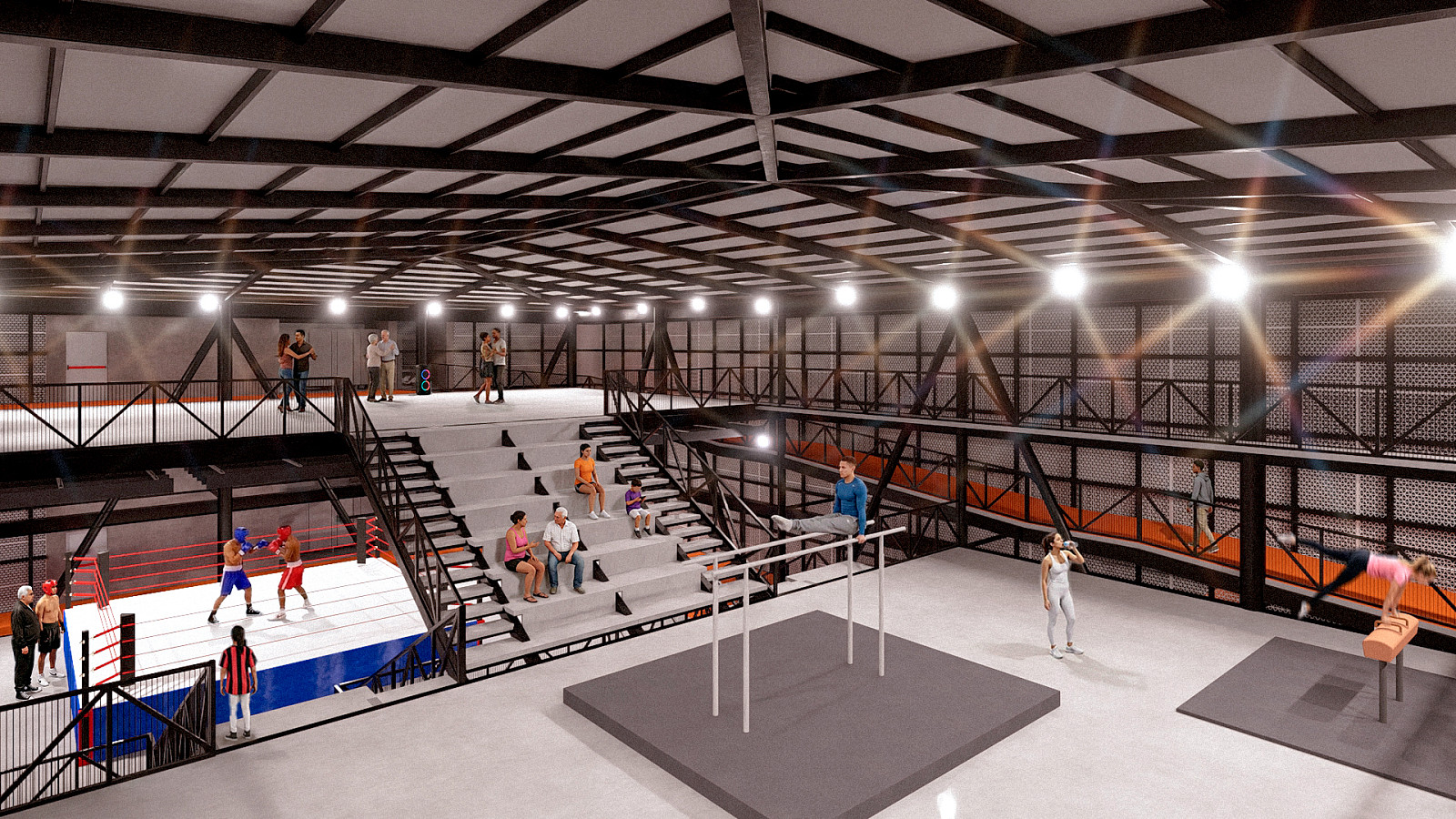
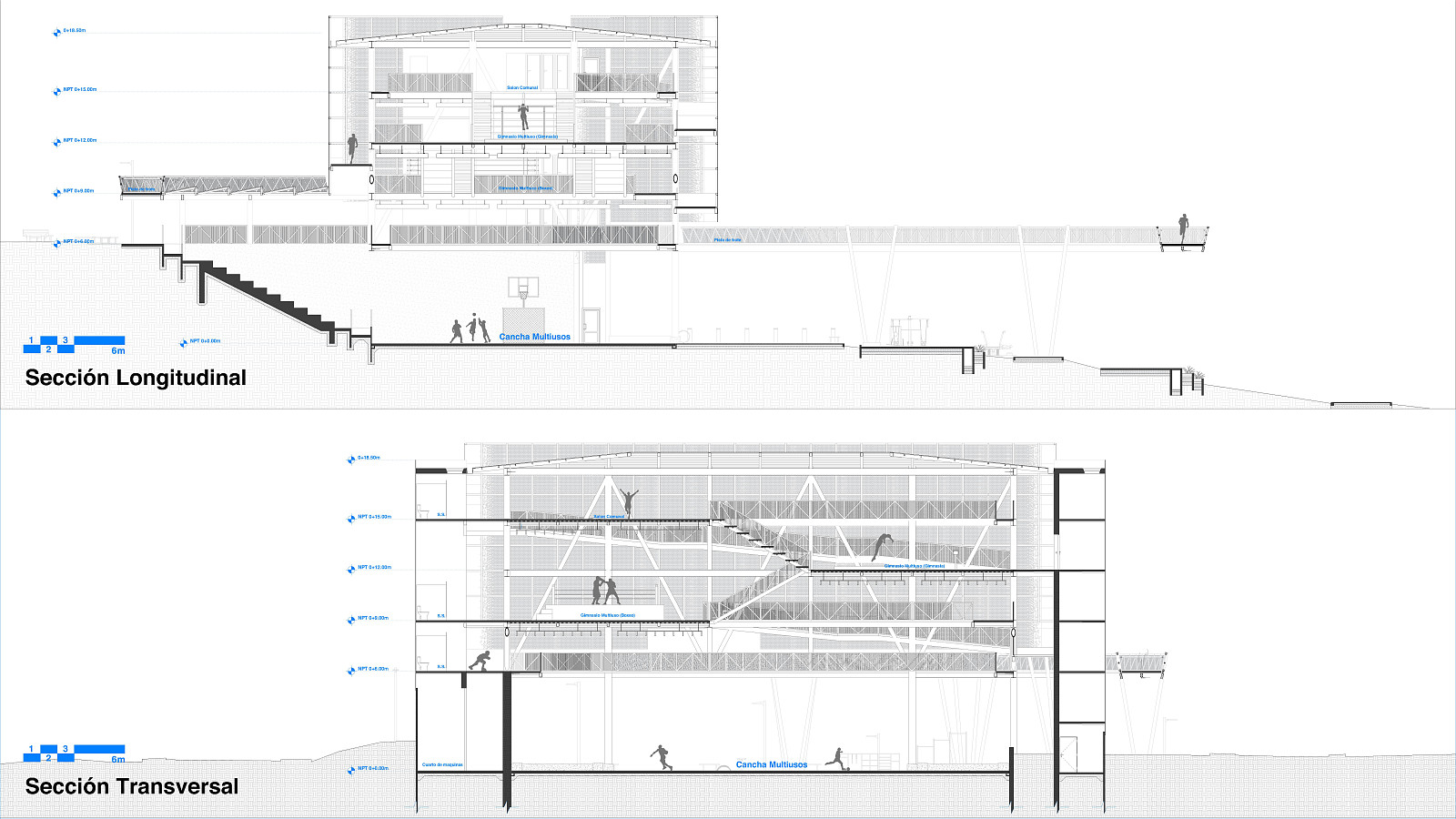
The scope includes a multi-purpose court, jogging track, rooms for activities such as dance, gymnastics, taekwondo, and boxing, a multi-purpose hall on the fifth level, spaces for workshops, training, social gathering, and areas for community permanence. The solution is not limited to the construction of infrastructure; it also seeks to strengthen community appropriation, increase the presence of people in public space, and improve the perception of safety.
Technical information
The project is developed based on urban, architectural, and social criteria mainly oriented toward safety, connectivity, activity, and the activation of public space.
From an urban perspective, the proposal must guarantee clear pedestrian connections between the Juan Rafael Mora and García Monge neighborhoods, integrating accessible, continuous, and safe pathways. These routes must articulate the park, the building, and the immediate surroundings, allowing fluid circulation and better integration between communities. The improvement of public lighting, sidewalks, and roads is also considered as part of the safety and connectivity strategy.
From an architectural perspective, the building was designed with safety as its main guideline. For this reason, constant visual connections are proposed throughout the project, based on the principle of natural surveillance. The design seeks to avoid blind spots, residual spaces, dark areas, or spaces without visibility, since these can become unsafe points within the public space.
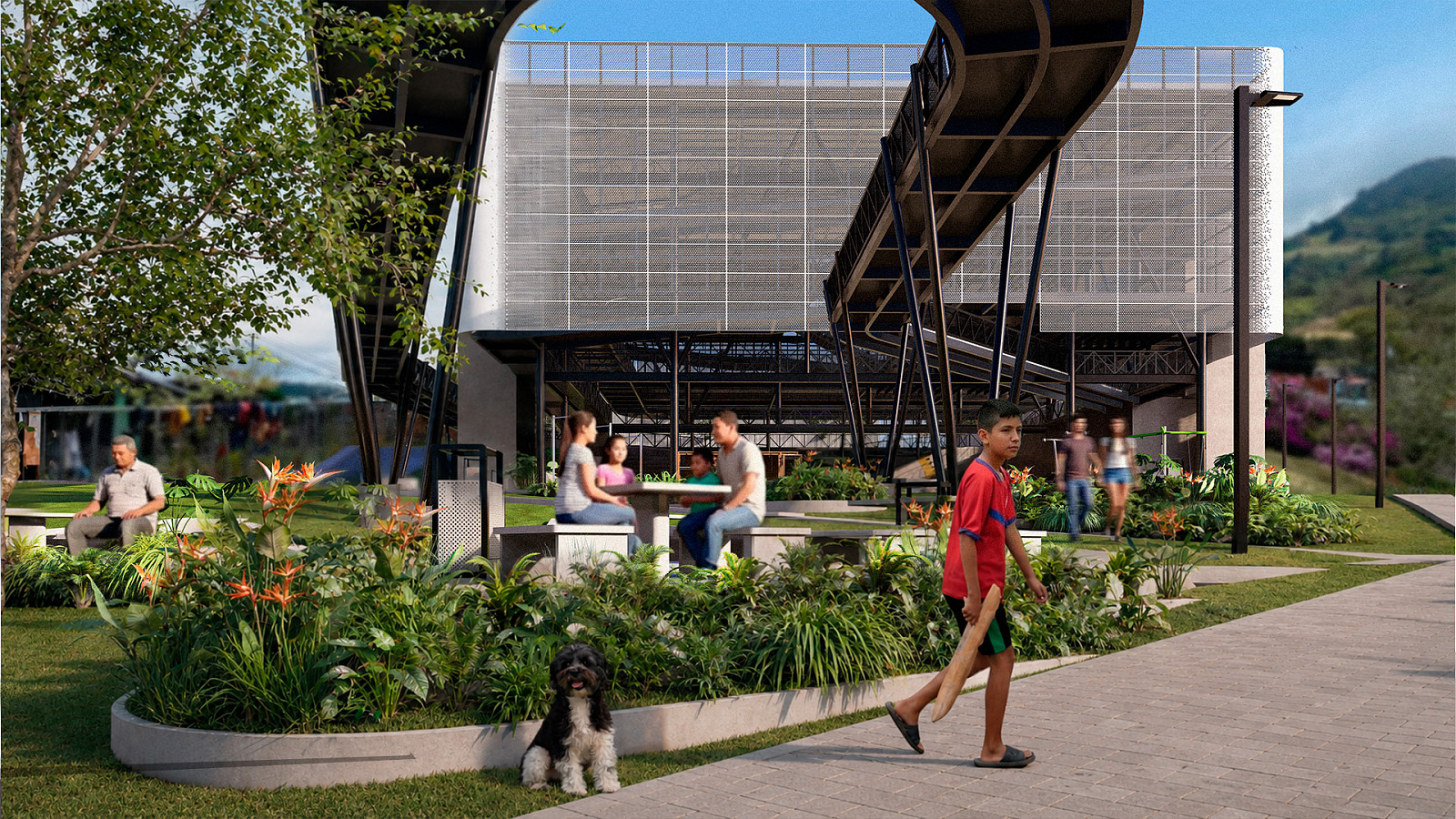
The translucent façade is a fundamental element of the architectural proposal. It is composed of micro-perforated panels that allow people to see what is happening inside the building from the outside and, at the same time, allow users inside the building to see the surrounding environment. In this way, the building functions as an open and visible space, where the absence of spatial privacy becomes a safety strategy. The intention is for activities to be perceived from different points of the complex, creating a condition in which everyone can see what is happening at all times.
The architectural program includes a multi-purpose court, a jogging track, sports and recreational rooms, spaces for disciplines such as dance, gymnastics, taekwondo, and boxing, as well as a multi-purpose hall on the fifth level with a community function. These activities are proposed as a tool to create safer spaces, since the constant use of the building and the park increases the presence of people, strengthens community appropriation, and reinforces natural surveillance.
From a functional perspective, the complex must promote diverse uses at different times of the day. For this reason, sports, cultural, training, study, technology, outdoor workshop, and urban garden spaces are incorporated. This programmatic diversity seeks to keep the space active, reduce the possibility of abandonment, and increase the perception of safety.
From an urban safety perspective, the proposal is based on three principles: connectivity, activity, and transition. These criteria seek to generate safe routes, visible spaces, active edges, and areas for permanence that reduce the perception of insecurity. Overall, the technical specifications of the project respond to the need to transform a deteriorated space into a safe, active, and inclusive urban node capable of improving the territorial and social integration of Tejarcillos with the rest of the canton.

Copyright © 2026 INSPIRELI | All rights reserved. Use of this website signifies your agreement to the Terms of Use, Privacy Policy, and use of cookies.