From Site to Section: Detailing Landscape by Function


Project idea
The project was an academic endeavor aimed at creating a site-responsive landscape intervention that is both functional, culturally relevant, and user-centered, as required by a Landscape Design course. We were set the challenge to create a landscape proposal for a mosque precinct. After analysing the sites and making a comparative assessment, we chose the historic city of Bagerhat as the best context for the project. Known as the “City of Mosques”, Bagerhat boasts thousands of mosques, among them about 360 from the Sultanate era built in the fifteenth century under Ulugh Khan Jahan's patronage, which is part of a UNESCO World Heritage landscape.
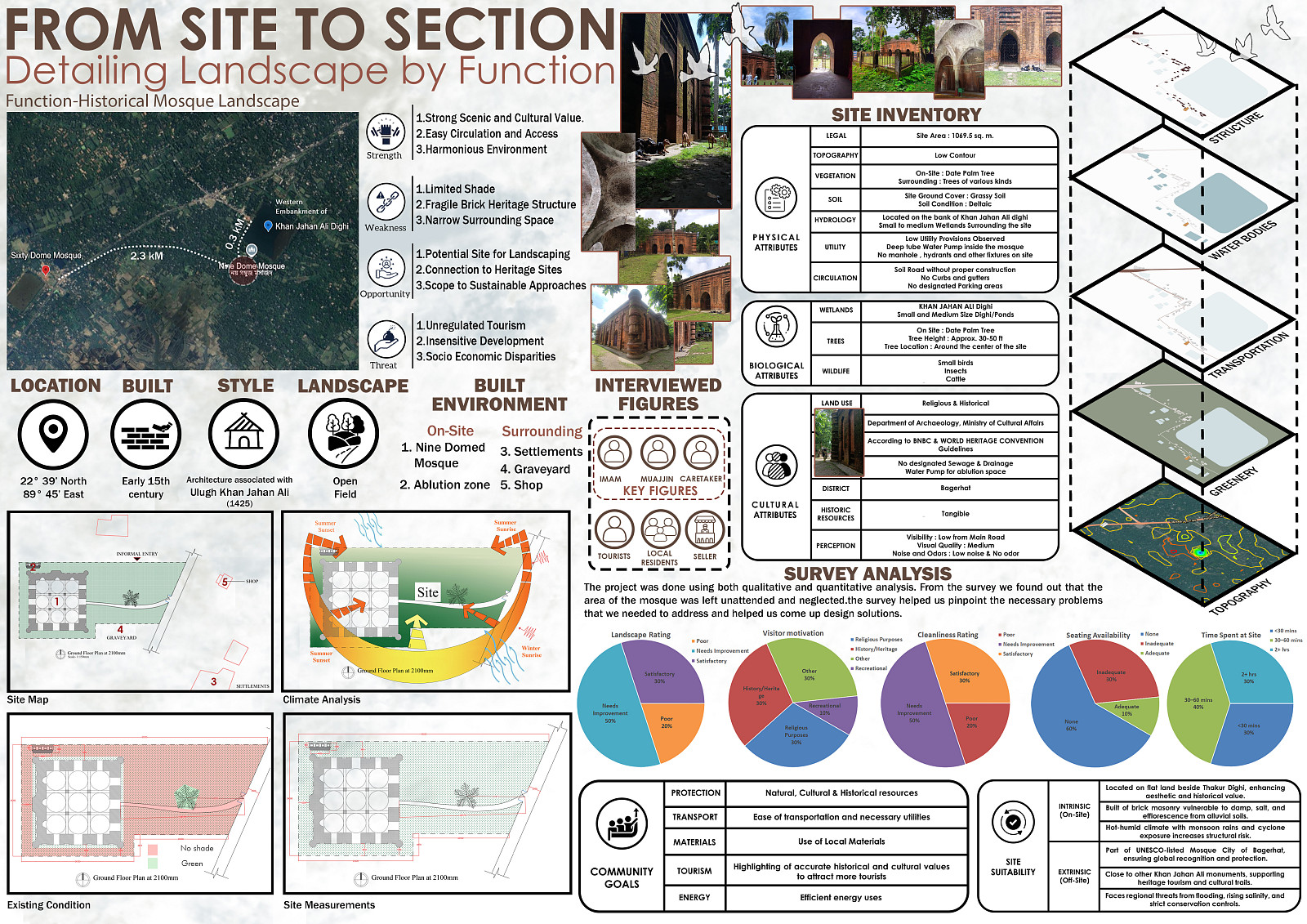
Our investigation involved visiting and surveying a number of historical mosques, which led us to identify the Nine Domed Mosque as being in urgent need of attention. The mosque precinct was in a state of neglect and underutilization, despite its historical and architectural importance. The site had come to be integrated into the surrounding urban fabric, losing its visibility and cultural imprint. The mosque does not have a clear spatial structure and heritage consciousness, as activities like cattle grazing and clothes drying were carried out daily within these premises. There were also several issues related to the lack of maintenance facilities, the lack of shaded aggregation areas, the poor quality of ablution facilities, lack of vegetation and the lack of a clear demarcation line between the sacred and the urban environment.
A series of targeted design objectives were developed on the basis of these observations. The aim of the proposal was to redefine and strengthen the site boundary, provide comfortable and shaded seating areas, to rework the existing sanitation facilities to suit modern sanitation standards, and to introduce an ecologically sound yet carefully nuanced vegetation strategy that would benefit the microclimate without altering the historic structure or the existing environmental assets. In addition, the landscape was designed to enhance public awareness, promote tourism, and to re-establish the cultural identity of the mosque as an important cultural landmark. Finally, the project shows how projects involving changes to the landscape can revitalise neglected heritage sites, retaining their historic authenticity and reinforcing the links between them and modern communities.
Project description
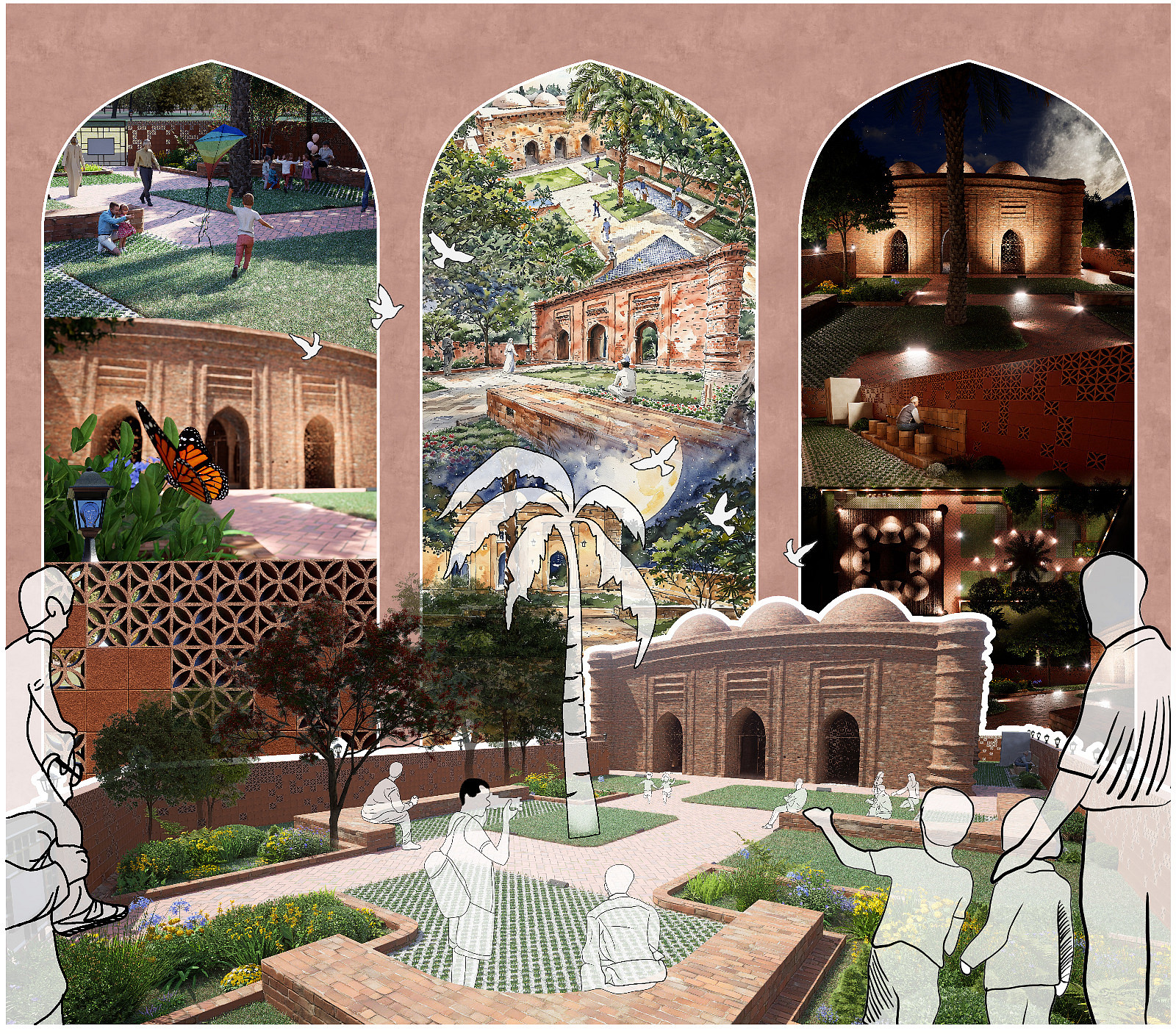
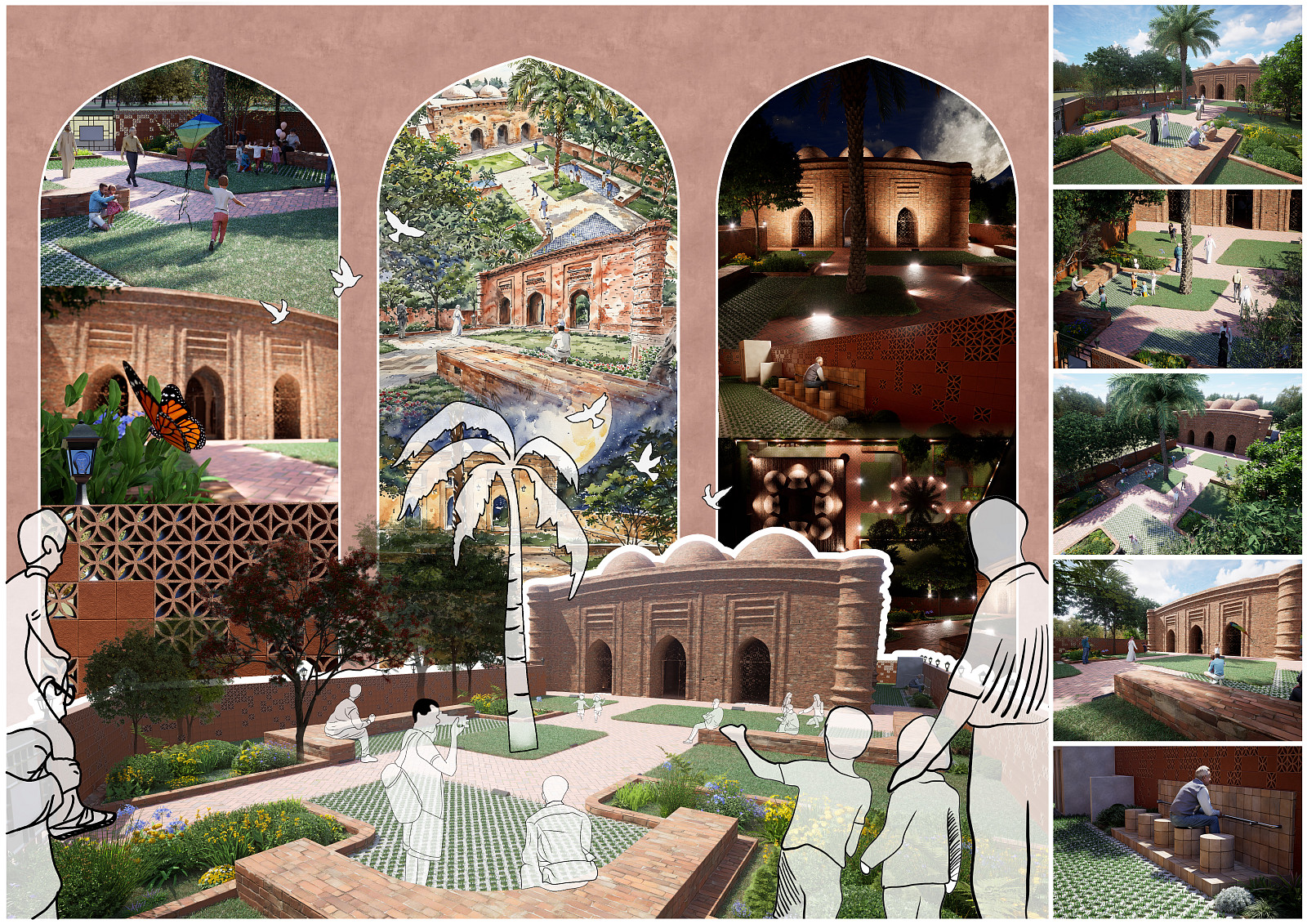
This project is not simply about site beautification, but also about the bigger challenge of combining heritage conservation with the needs of the contemporary community. The proposed intervention for the Nine Domed Mosque aims to enhance the historic precinct through the creation of a culturally meaningful, environmentally sensitive and socially dynamic public space – one that has been underutilized and in decline.
At the heritage scale, the project creates an appropriate landscape framework to protect the visual and physical integrity of the mosque while remaining faithful to the historical fabric. The proposal extends the boundaries of the site, incorporating buffers between the monument and the surrounding urban fabric, thereby reducing the negative effects of the unchecked urban encroachment. At the same time, the careful selection of the vegetation type allows for the improvement of the site's ecological value, its thermal comfort and the re-establishment of the spiritual ambiance that is traditionally linked with the Islamic sacred landscape.
User-based approach to the redesign of ablution facilities, seating areas and shaded places to gather, greatly enhances the comfort and usability of worshippers and tourists. These interventions aim to increase the length of time that people spend at the site, increase public involvement and improve the appreciation of the cultural significance.
Most important of all, the project provides a model for the use of landscape architecture to catalyze heritage revitalization. The proposal aims to enhance the accessibility, visibility, and public awareness around the Cultural Landscape, fostering sustainable cultural tourism and community stewardship. As a result, the project forms a model of conservation and activation of lesser-known heritage sites in the historic landscape of Bagerhat and beyond that can be replicated.
Technical information
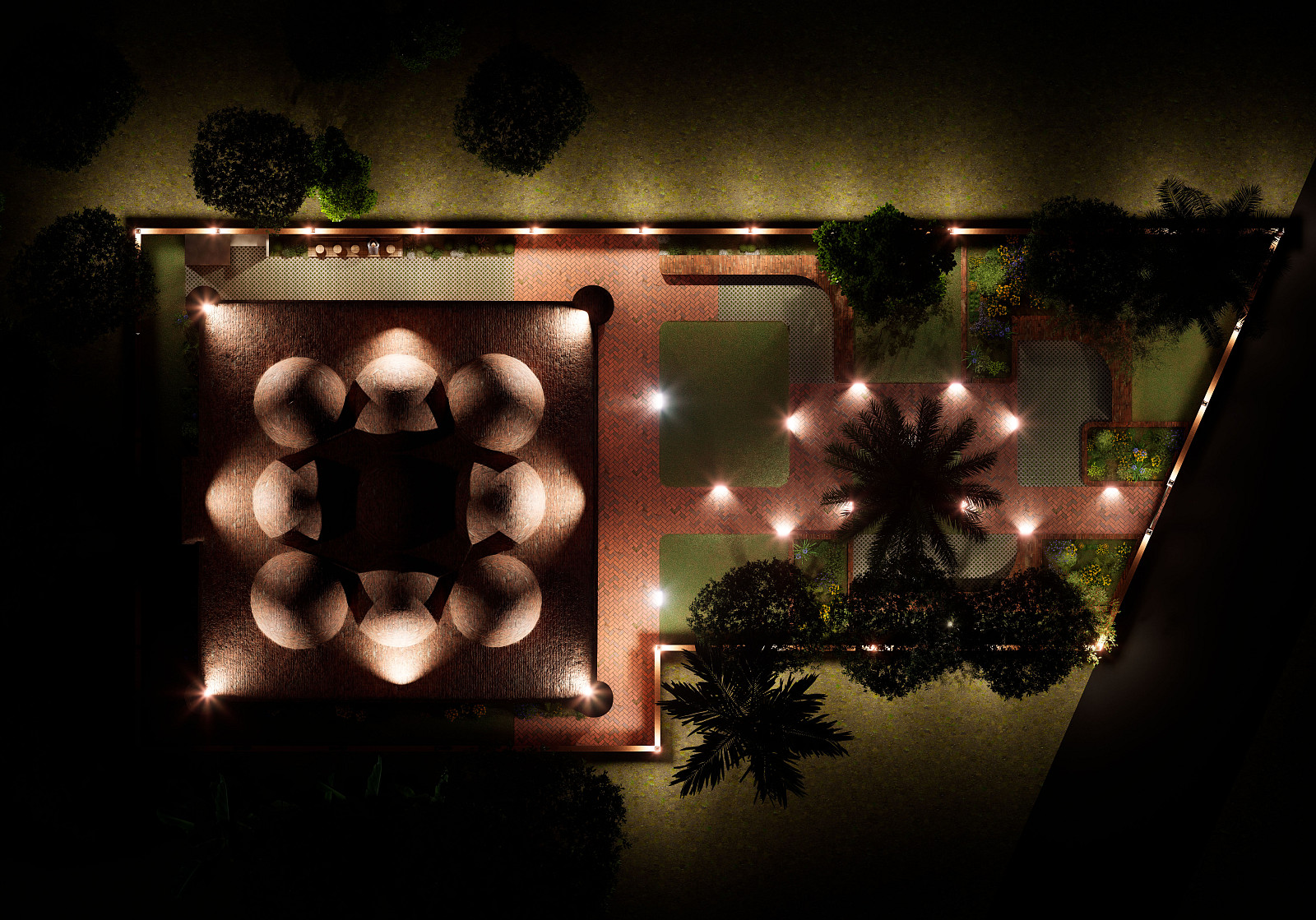
1. The development of a Formal Circulation Network.
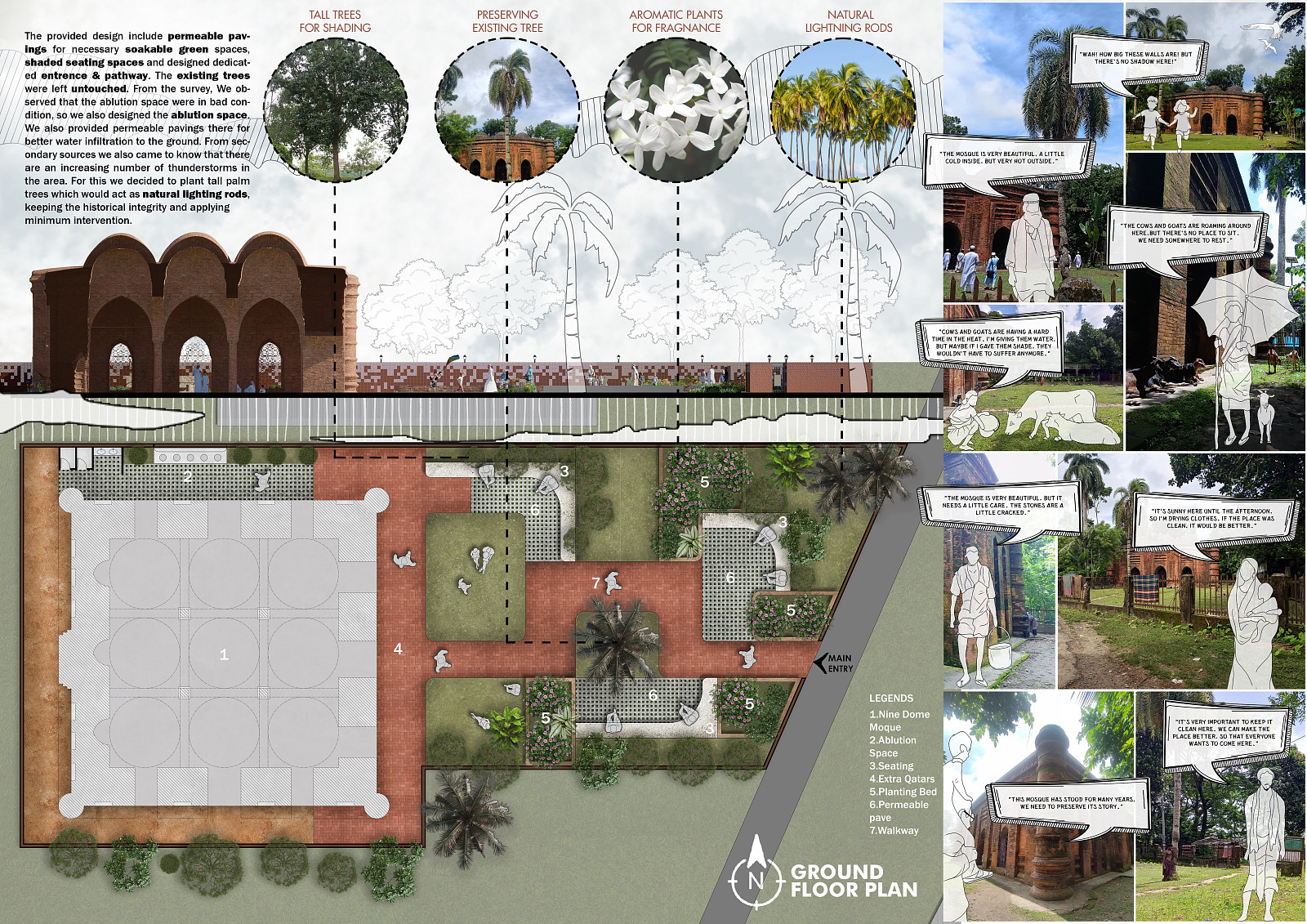
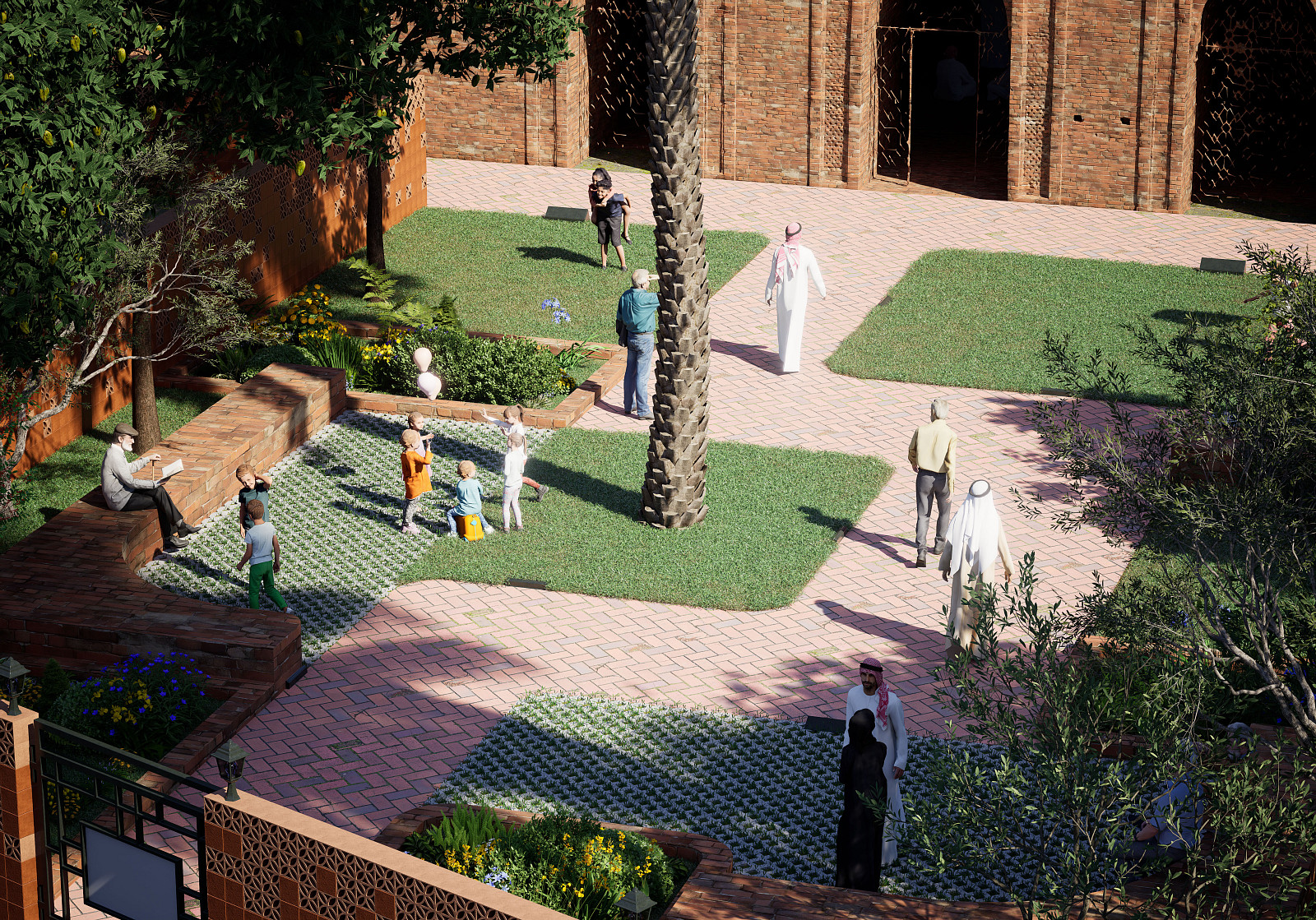
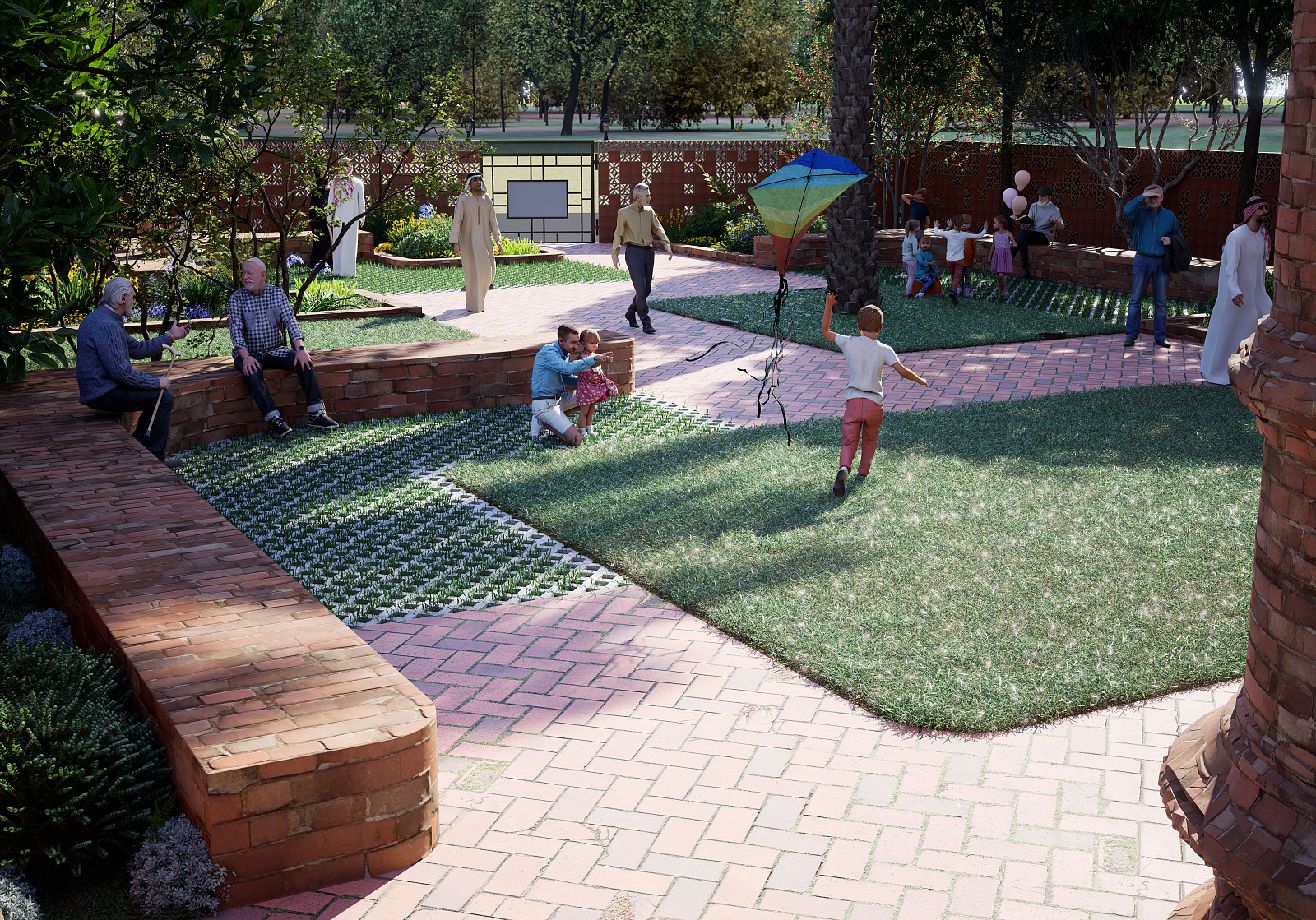
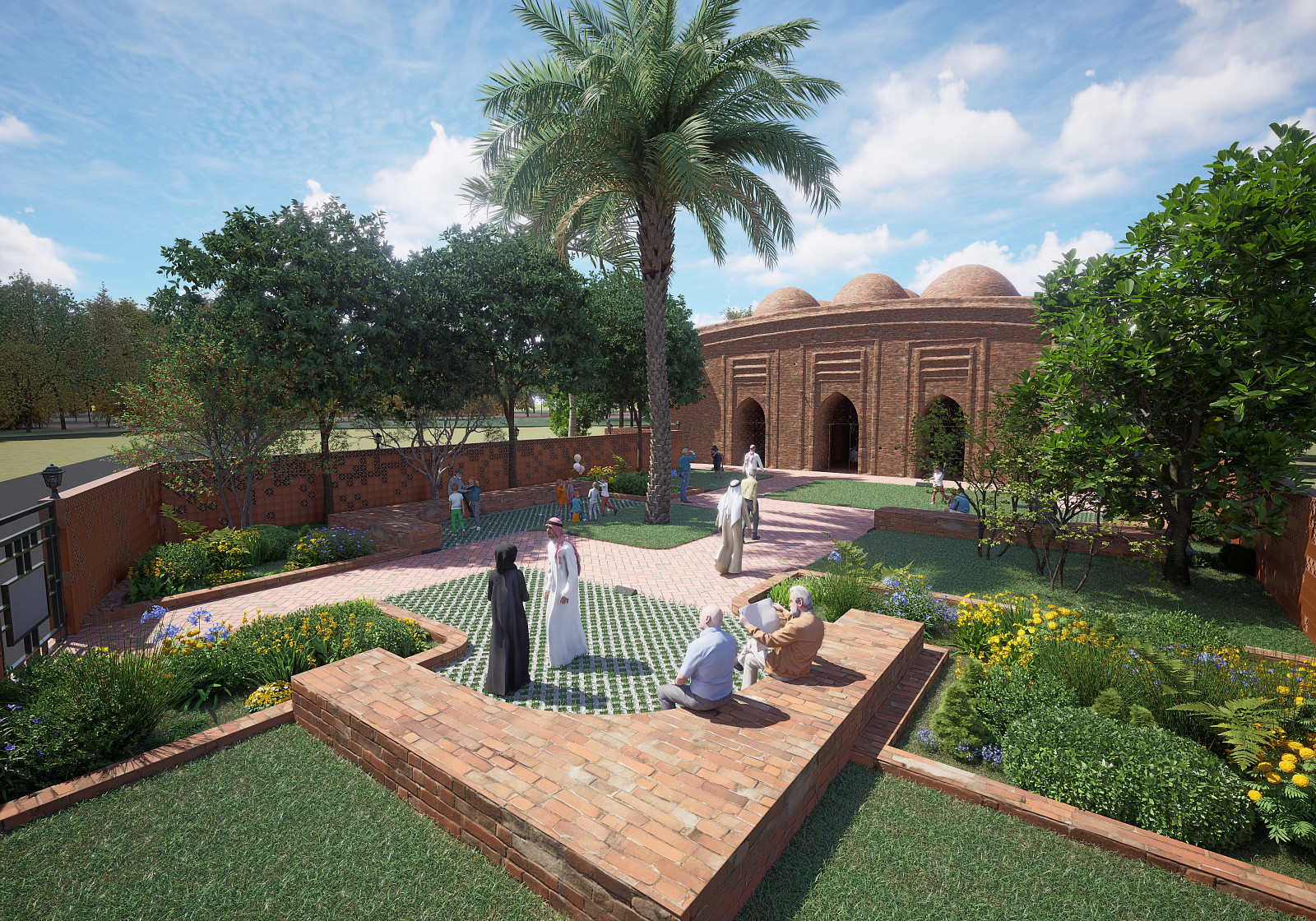
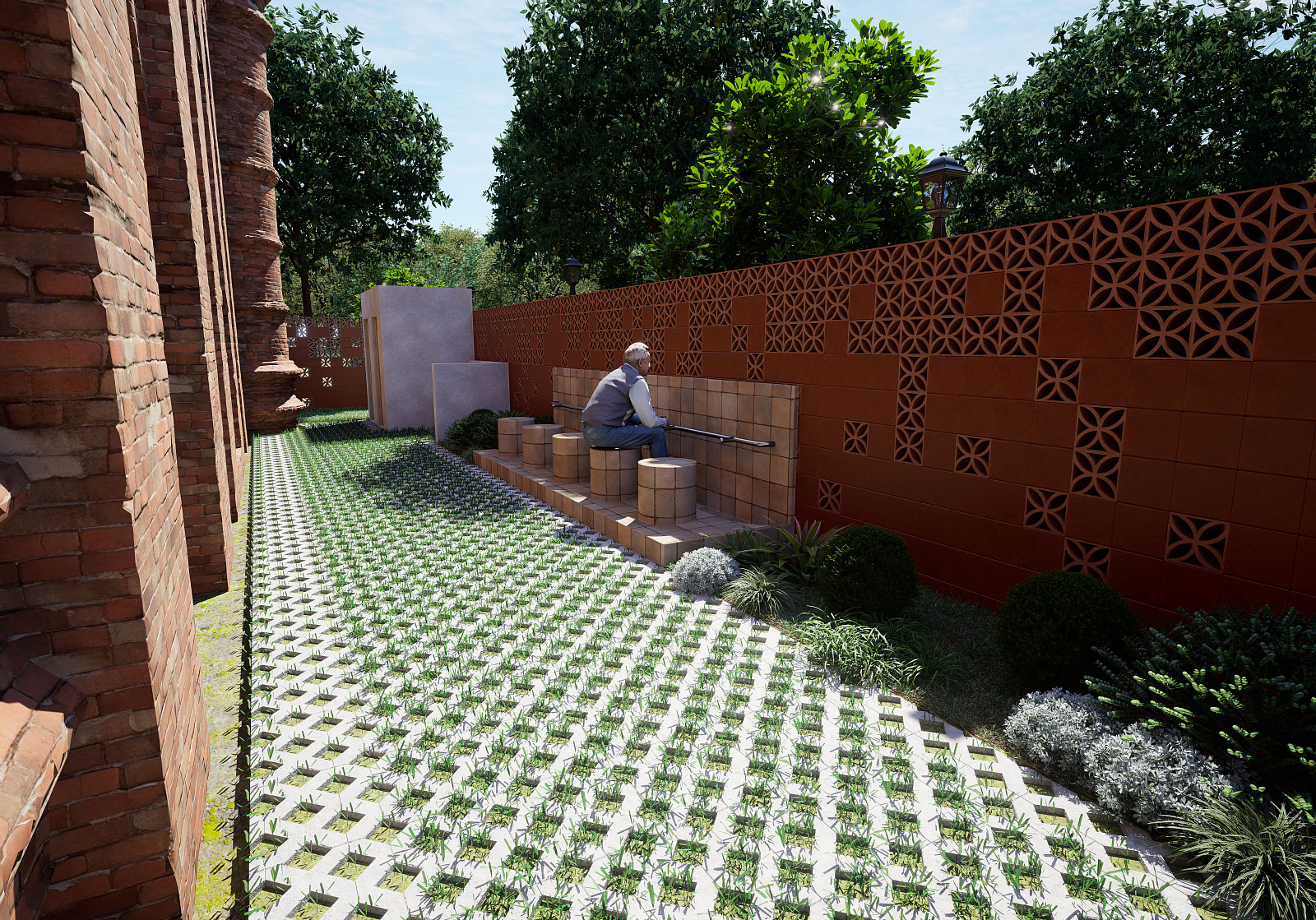
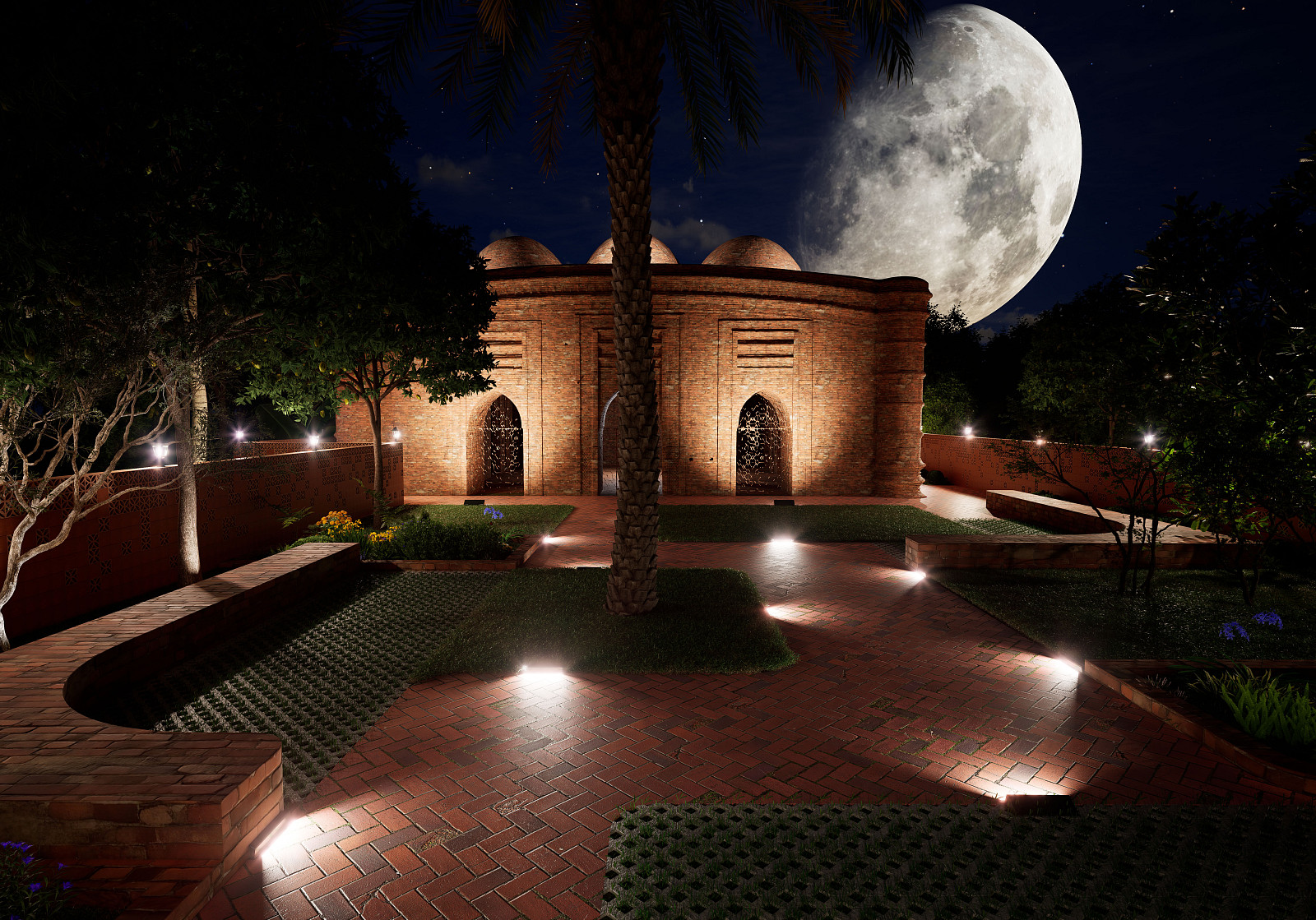
To compensate for the lack of a formal site entry and circulation system, a clearly defined pedestrian pathway was added. Permeable paving was selected as the primary construction material so that visitors can easily move around the grounds of the mosque and visitors can also observe how well the permeable paving allows natural groundwater recharge and reduces surface runoff on rainy days. This intervention not only is more accessible to visitors, but does not affect the ecological balance of the site.
2. Context-Sensitive Seating Integration
Access for worshippers and visitors to find resting places was provided on site and local concrete seating elements installed throughout. The design is deliberately kept simple and unadorned, with a careful consideration for how the seating relates to and enhances the historic mosque, while retaining the visual dominance of the monument in the landscape.
3. Natural shade and environmental improvements.
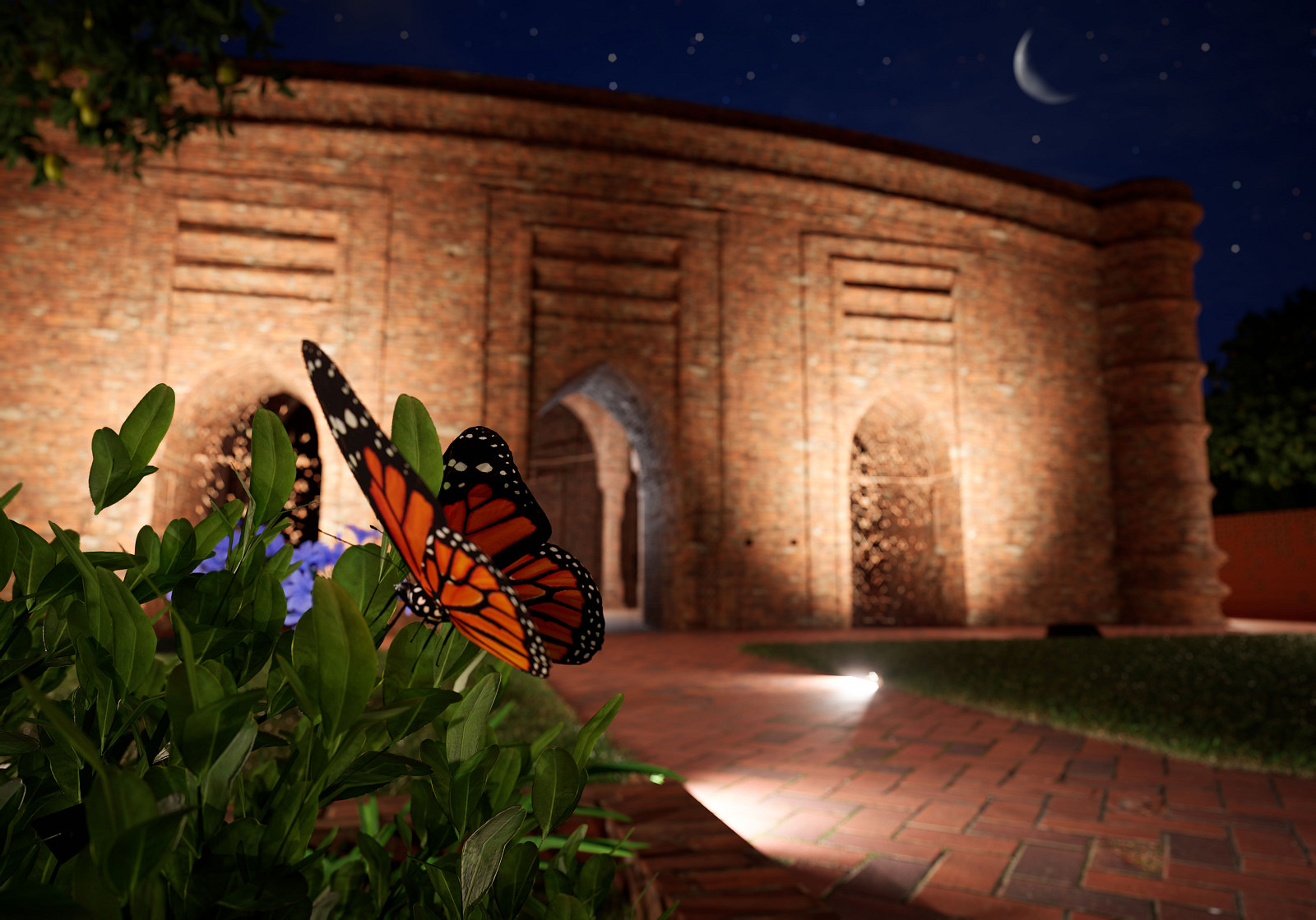
Due to the heritage sensitivity of the site, and the restrictions of height, an approach for vegetation shading was adopted. The shade trees have been carefully selected to provide thermal comfort, and to highlight the spiritual atmosphere of the mosque's ambiance. The planting scheme involves the use of plants that have known ecological, cultural, and health benefits, and will help to create a more sustainable and reflective landscape.
4. Climate-Responsive Storm Protection
Climatic studies in recent years suggest that thunderstorms are becoming more common in this area, and the historic masonry structures may be at risk. This risk was reduced by the strategic placement of palm trees at strategic points around the site. They are also easily able to attract lightning and can be used as a secondary guard against direct lightning, so reducing the risk of lightning.
5. Redesign of sustainable Ablution Facility.
The design of ablution area is overhauled with using locally available brick with the architectural language of Bagerhat's historic monuments. Enhancements to the drainage and water infiltration around the facility were achieved with a system of permeable paving to maintain the facility's functional performance and in harmony with the heritage setting to provide better sanitation, user comfort and environmental benefits.

Copyright © 2026 INSPIRELI | All rights reserved. Use of this website signifies your agreement to the Terms of Use, Privacy Policy, and use of cookies.