MAN-D-tuorism cultural food hub


Project idea
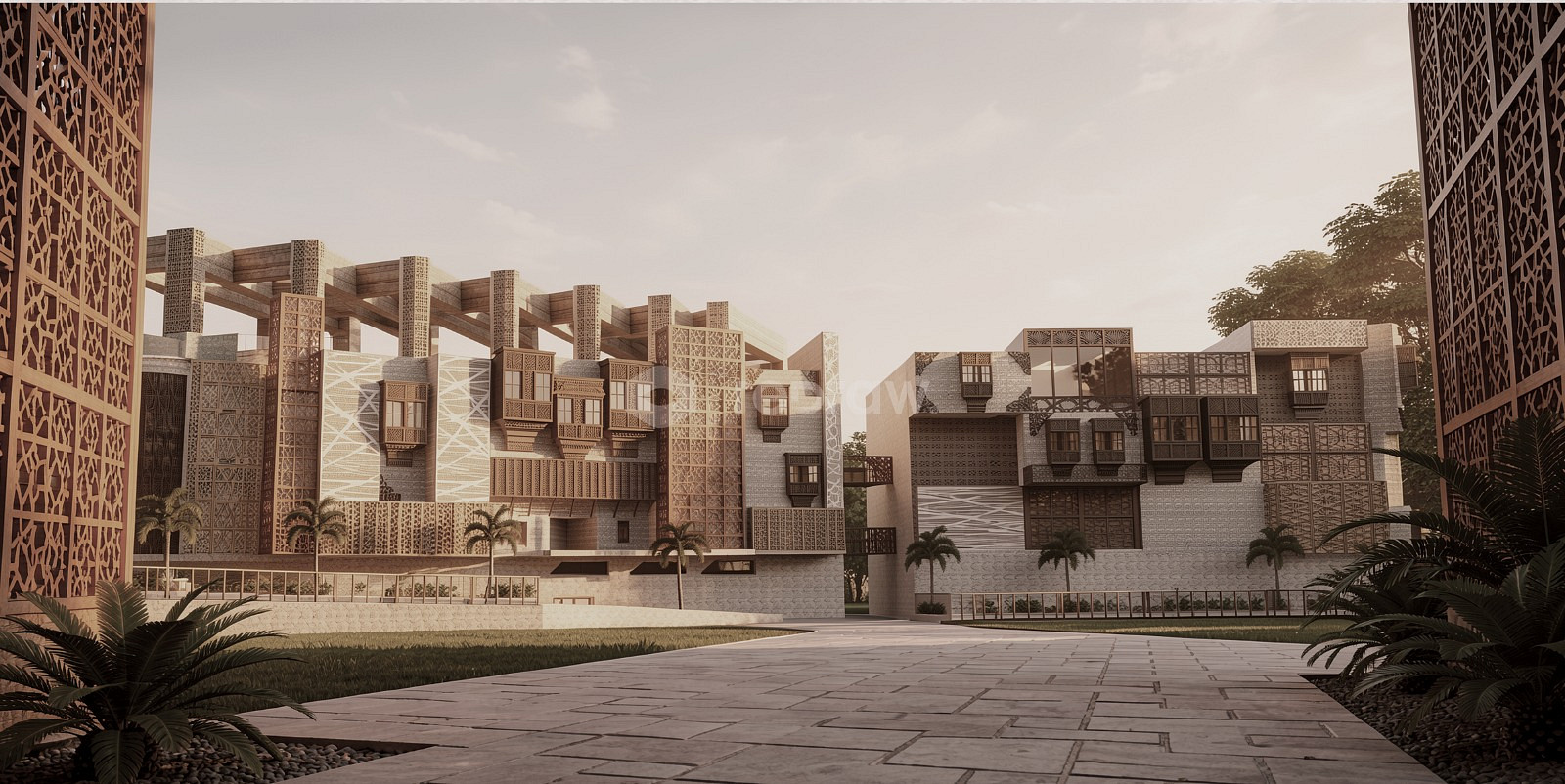
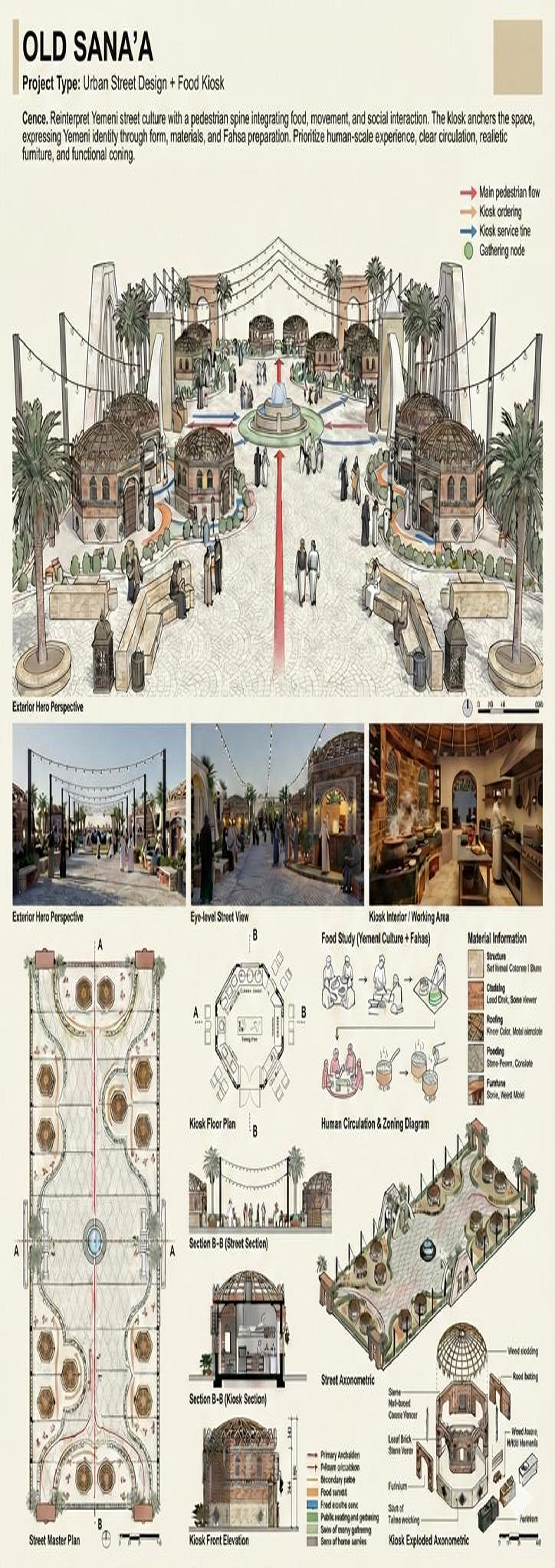
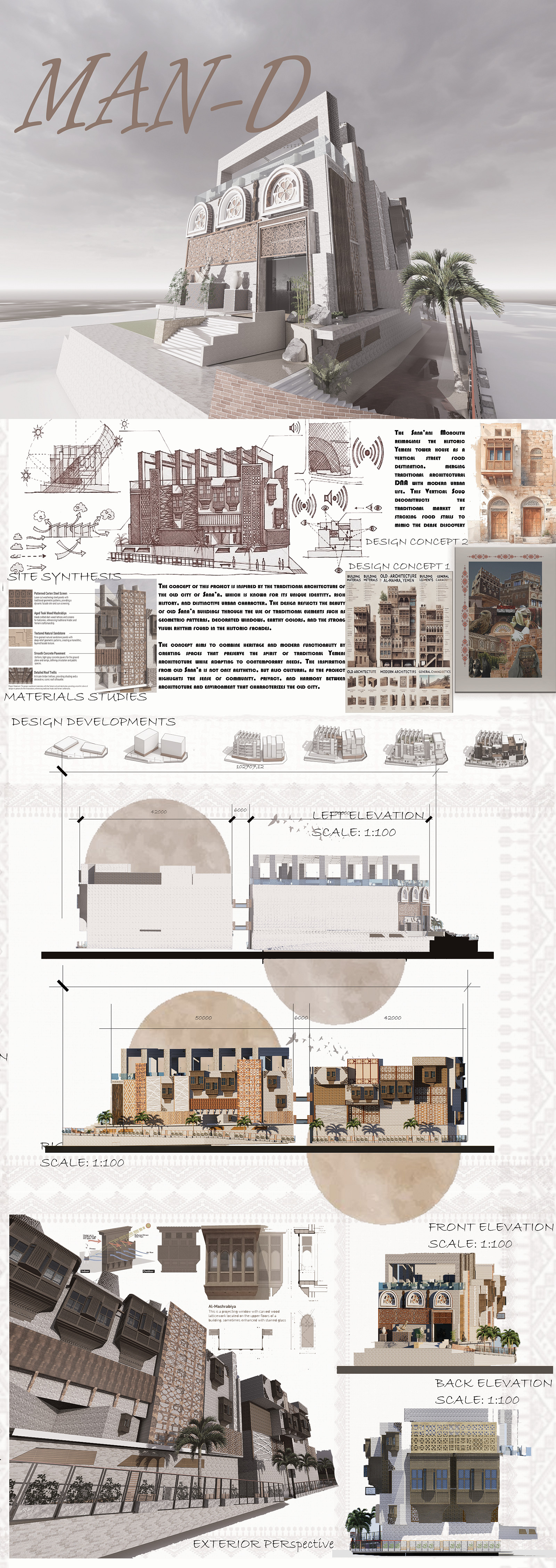
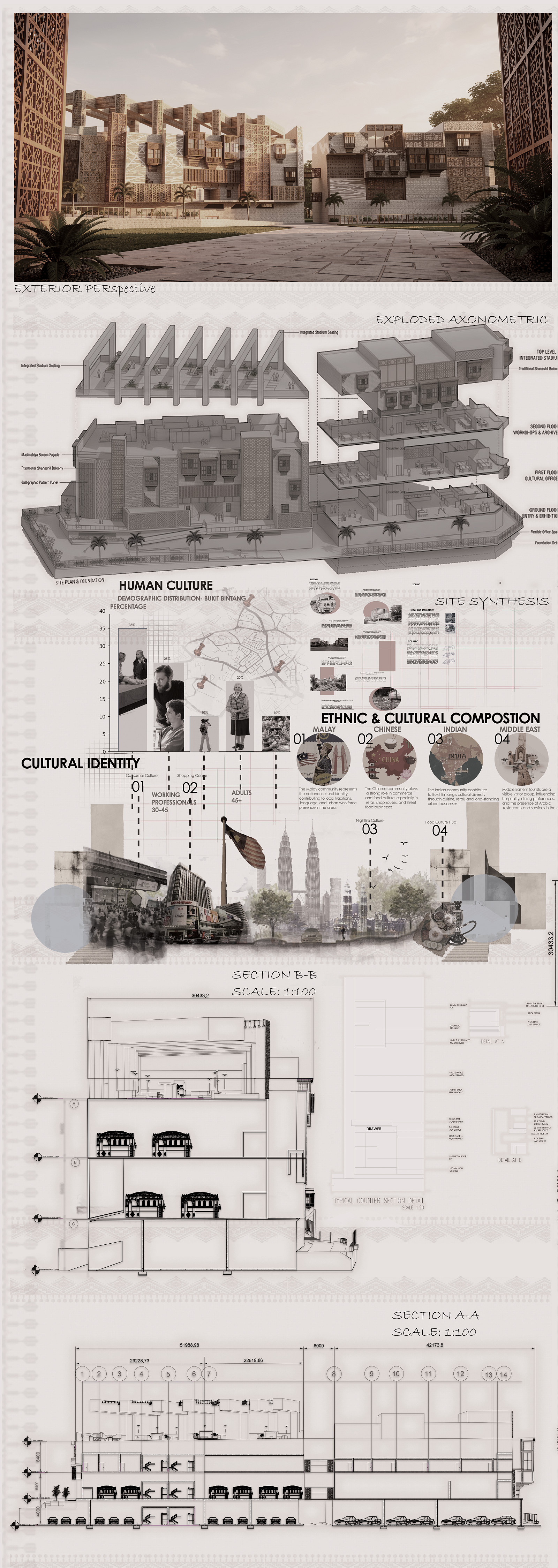
MAN-D is a Yemeni Cultural Food Street inspired by the traditional architecture, hospitality, and urban character of Sana’a, Yemen. The project aims to transform food into a cultural experience by creating a vibrant public destination where visitors can explore Yemeni cuisine, heritage, social traditions, and architecture within a pedestrian-oriented environment. The design seeks to strengthen the relationship between food, culture, and community while introducing Yemeni identity into the multicultural context of Kuala Lumpur.
Project description
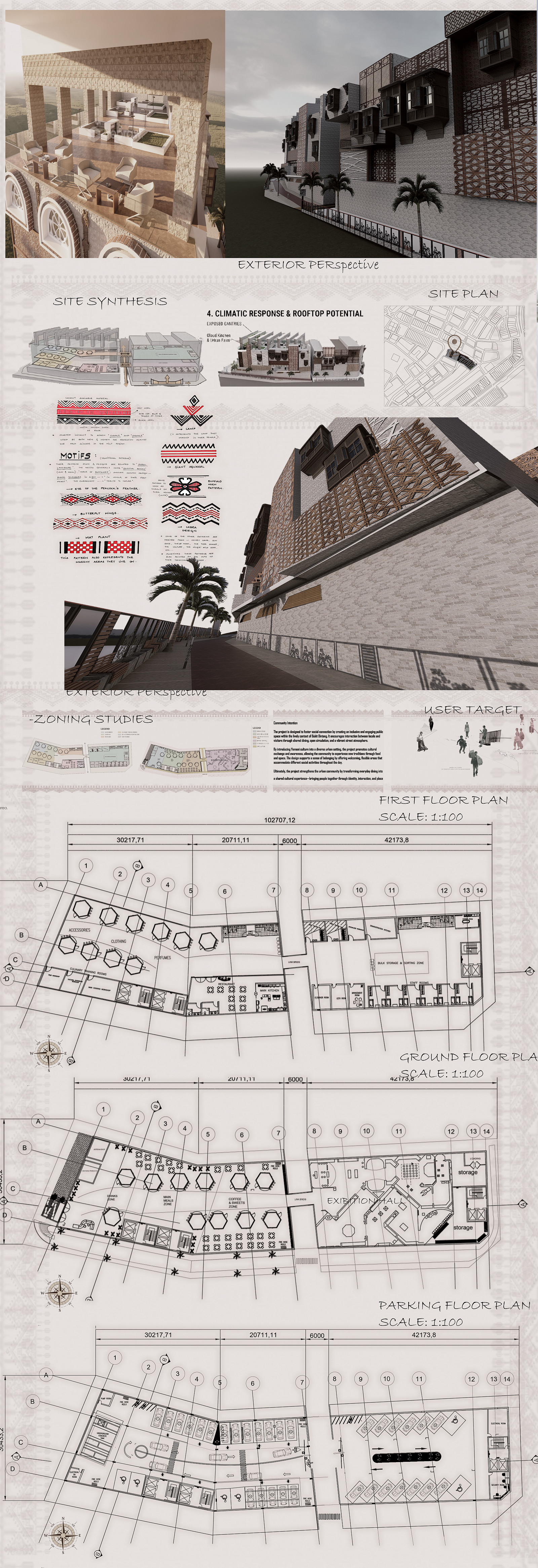
Located in Changkat Bukit Bintang, Kuala Lumpur, the project responds to issues such as weak social interaction, poor pedestrian experience, and the loss of cultural identity in contemporary urban developments. The proposal combines restaurants, cafés, traditional seating areas, cultural exhibitions, markets, gathering spaces, and public plazas into a cohesive food street destination. Inspired by the urban fabric of Sana’a, the development incorporates shaded pathways, interactive public spaces, and human-scaled environments that encourage exploration, social engagement, and cultural exchange. The project is designed not only as a food destination but also as a cultural landmark that promotes tourism, community activities, and public life within the city.
Technical information
The architectural language is derived from traditional Yemeni architecture through the use of textured façades, decorative patterns, layered massing, warm earth-tone materials, and contemporary interpretations of heritage elements. The spatial organization consists of dining areas, cafés, food kiosks, exhibition spaces, cultural markets, public plazas, traditional gathering areas, and supporting service facilities. A clear zoning strategy separates public, semi-public, and service functions while maintaining efficient circulation and strong visual connectivity. Environmental strategies include natural ventilation, shaded walkways, landscape buffers, passive cooling, and climate-responsive planning to improve outdoor comfort within Kuala Lumpur’s tropical climate. Material selections emphasize local character through stone textures, timber elements, traditional patterns, and warm finishes, creating a culturally expressive and sustainable urban destination.

Copyright © 2026 INSPIRELI | All rights reserved. Use of this website signifies your agreement to the Terms of Use, Privacy Policy, and use of cookies.
