POROUS COMMONS -TUORISM CULTURAL FOOD HUB


Project idea
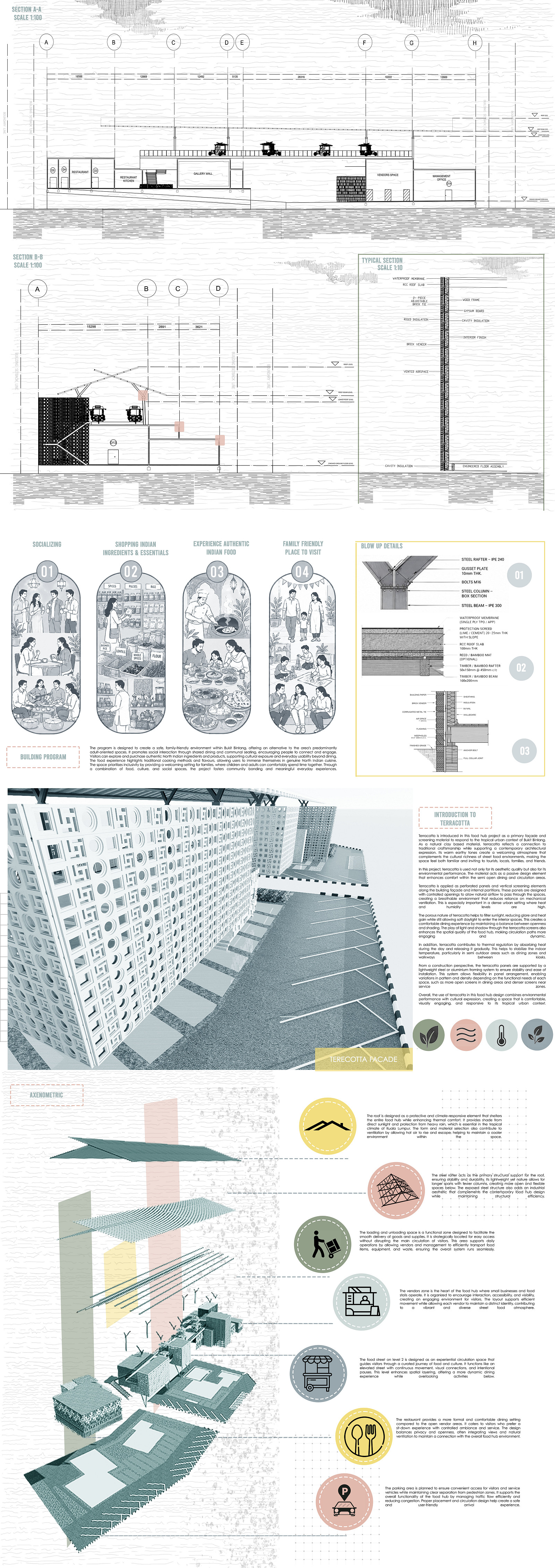
The project aims to transform Tamil Nadu’s food culture into a contemporary architectural experience in Bukit Bintang, Kuala Lumpur. Inspired by traditional communal dining, street food culture, banana-leaf meals, and open food preparation, the design creates a food destination that allows visitors to experience Tamil heritage through architecture, food, and social interaction. The concept focuses on cultural preservation, food tourism, and community engagement while adapting traditional practices into a modern urban environment.
Project description
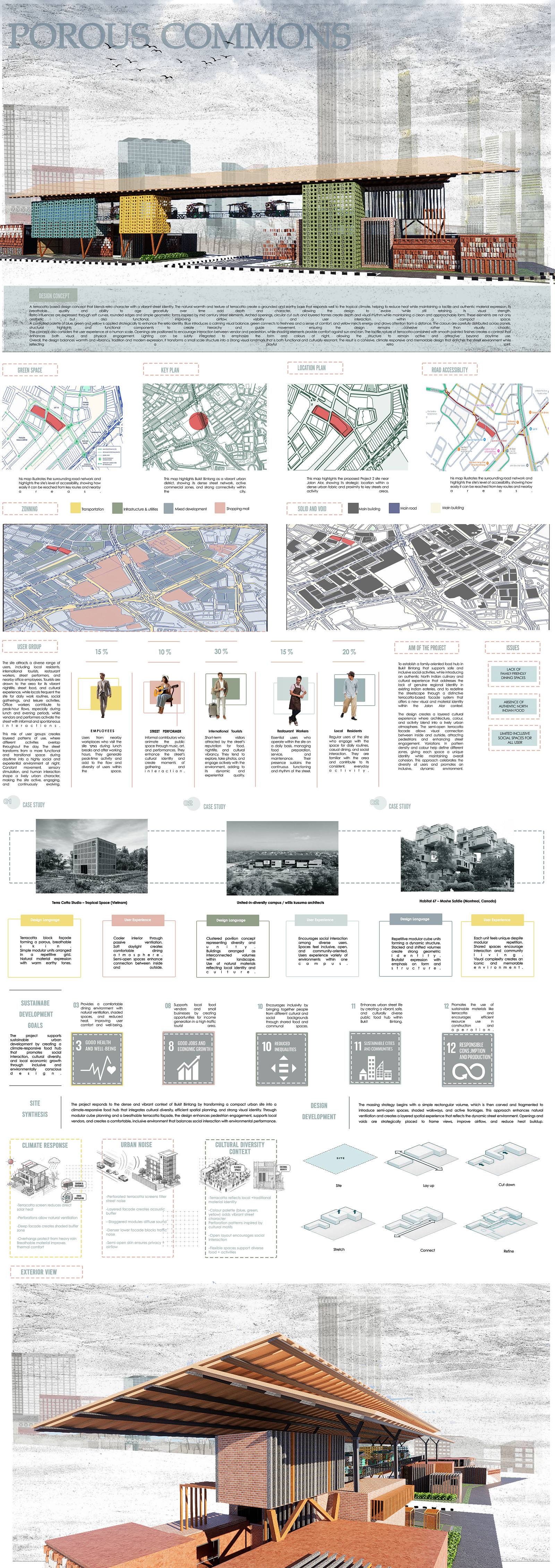
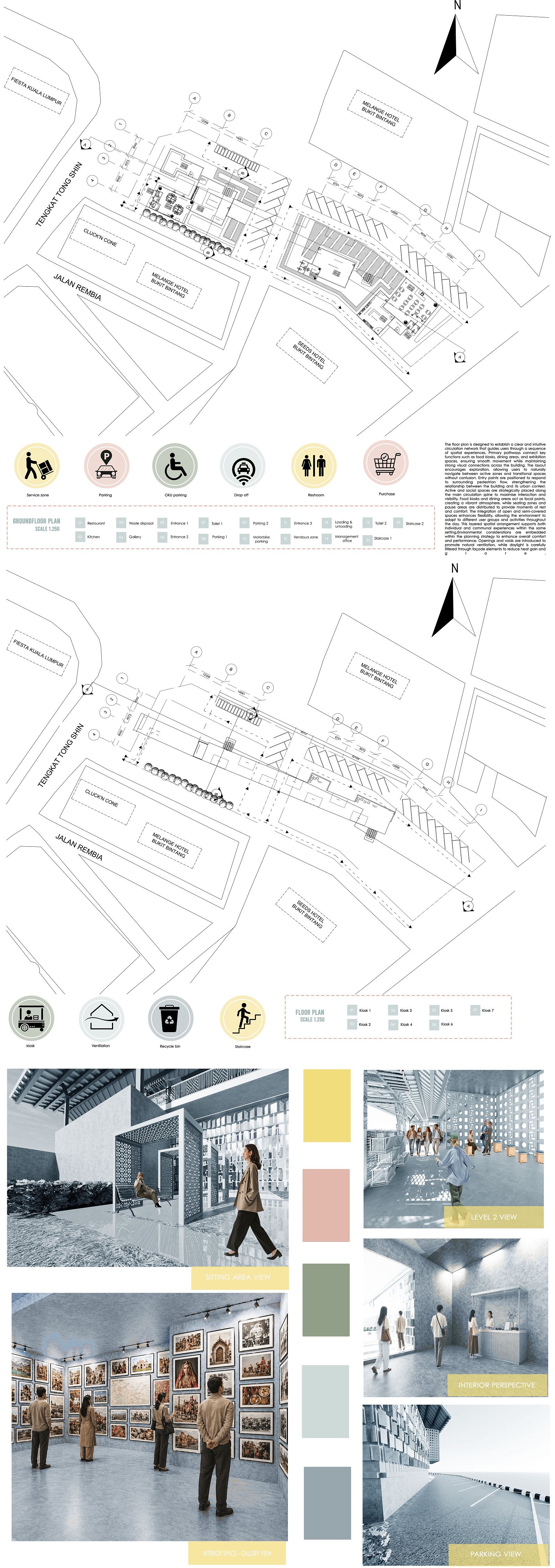
The proposal is a Tamil Nadu Food Hub Centre that combines dining, cultural learning, and social interaction within a single destination. Rather than functioning as a conventional restaurant, the building is designed as an immersive food experience where visitors can explore Tamil food traditions through vendor spaces, dining areas, cultural exhibitions, and educational displays. The spatial organisation encourages movement, exploration, and interaction, allowing users to engage with food culture beyond consumption. Located in Bukit Bintang, the project strengthens cultural tourism while creating a welcoming environment for both locals and international visitors.
Technical information
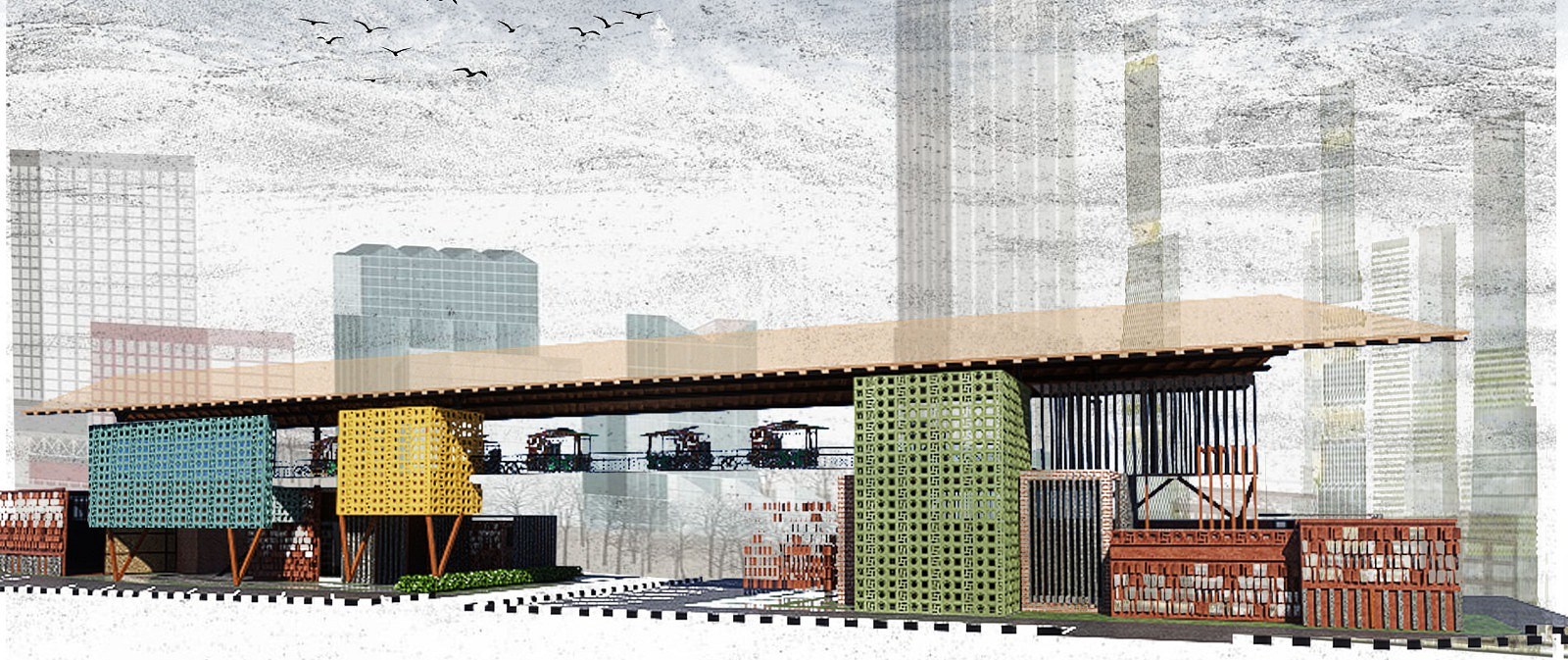
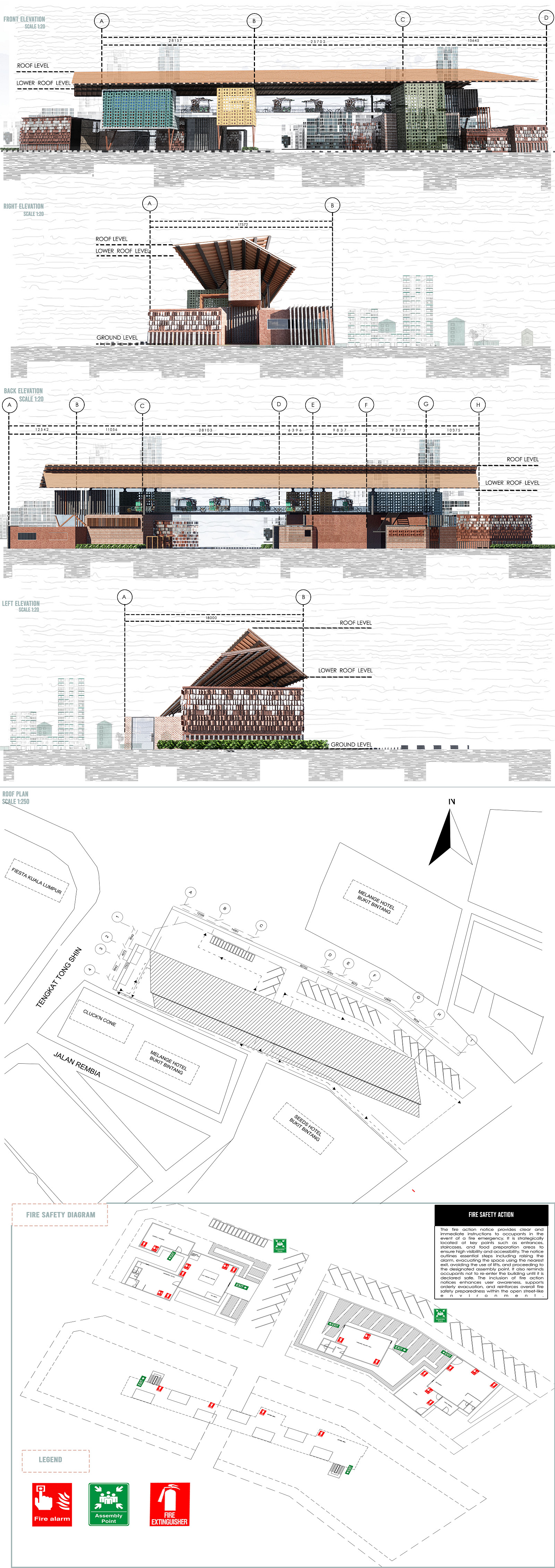
The architectural design is based on the concept of Porous Architecture, creating a highly permeable environment that promotes visibility, accessibility, and natural airflow. A terracotta façade system serves as the primary architectural feature, functioning as a breathable skin that filters sunlight, reduces heat gain, and improves ventilation. The building incorporates passive design strategies including cross ventilation, shaded semi-open spaces, filtered daylight, and thermal-responsive planning to suit Malaysia’s tropical climate. Key facilities include dining areas, food vendor spaces, cultural galleries, management offices, kitchen facilities, service zones, and a Level 2 pedestrian connection that integrates the building with the surrounding urban context.

Copyright © 2026 INSPIRELI | All rights reserved. Use of this website signifies your agreement to the Terms of Use, Privacy Policy, and use of cookies.