LAYERS OF LIVING - MENDEZ ALVARO MADRID


Project idea
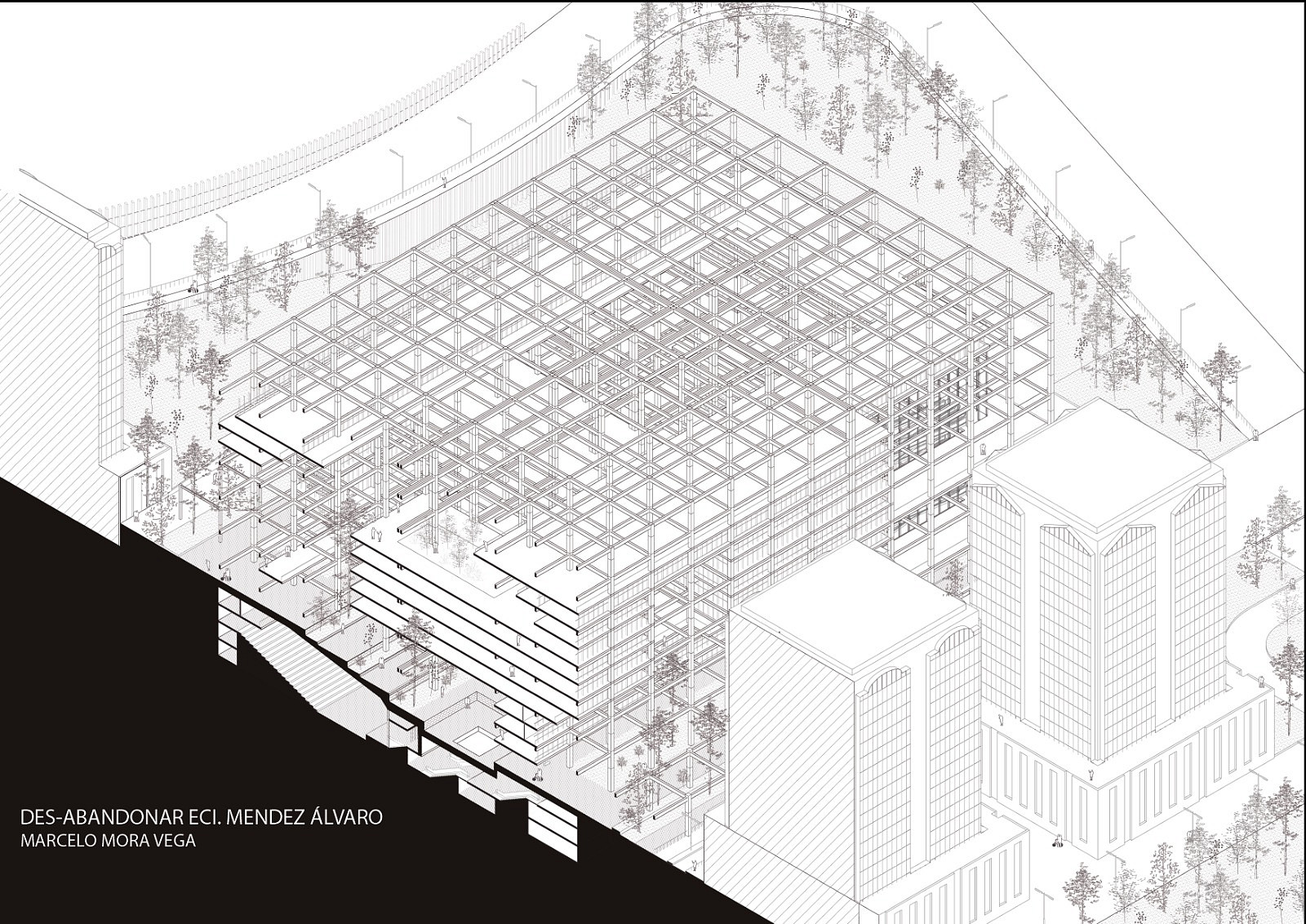
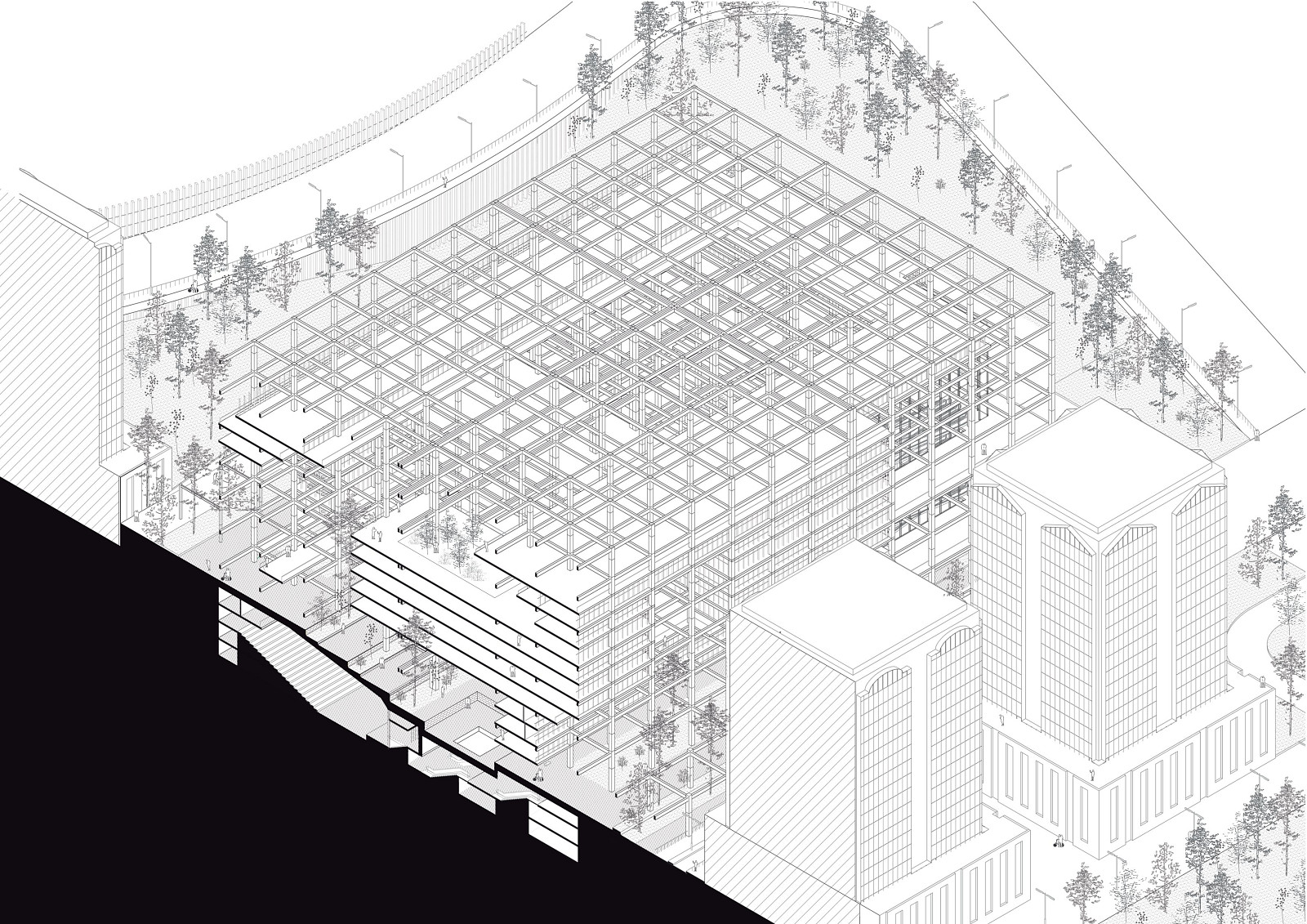
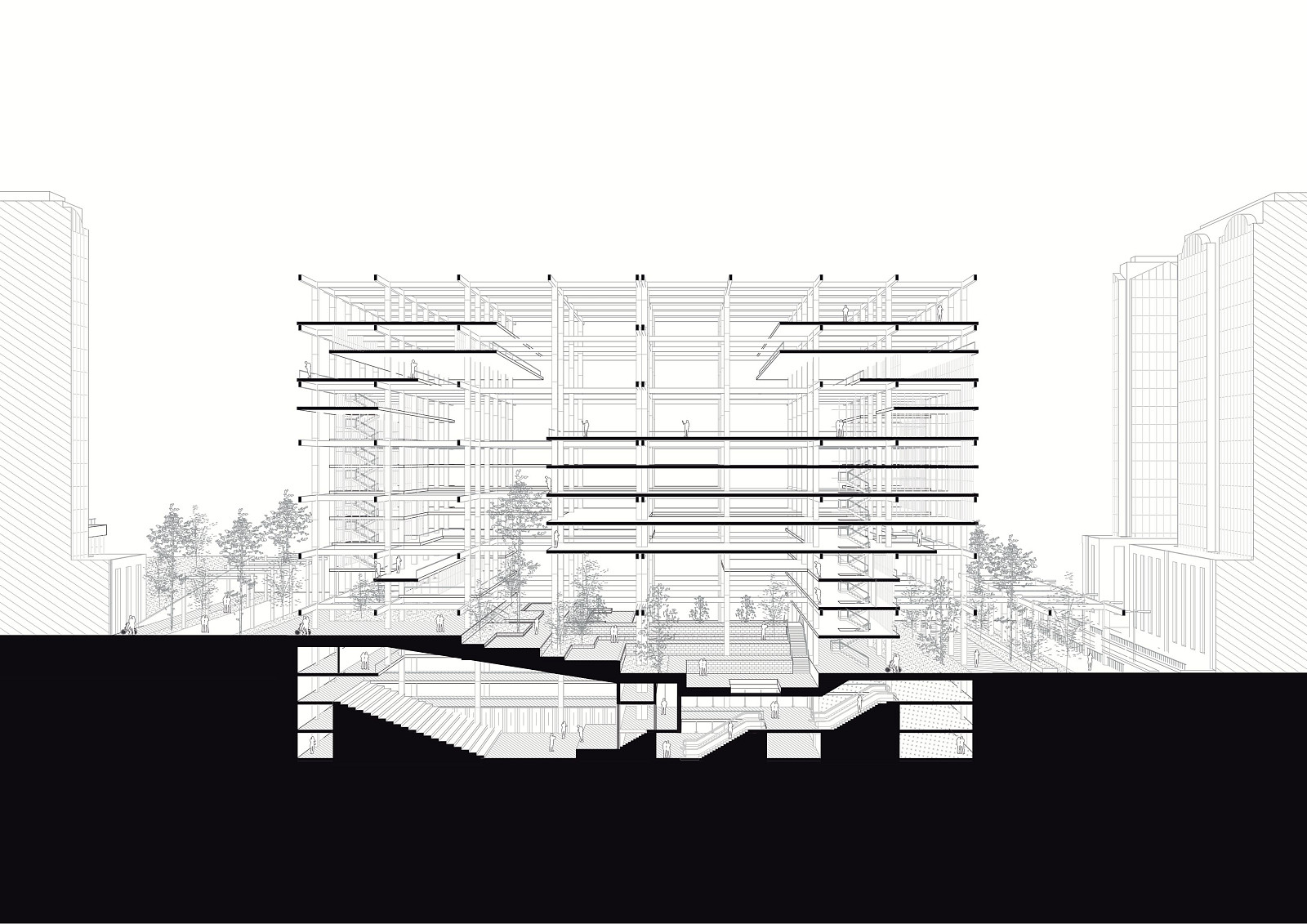
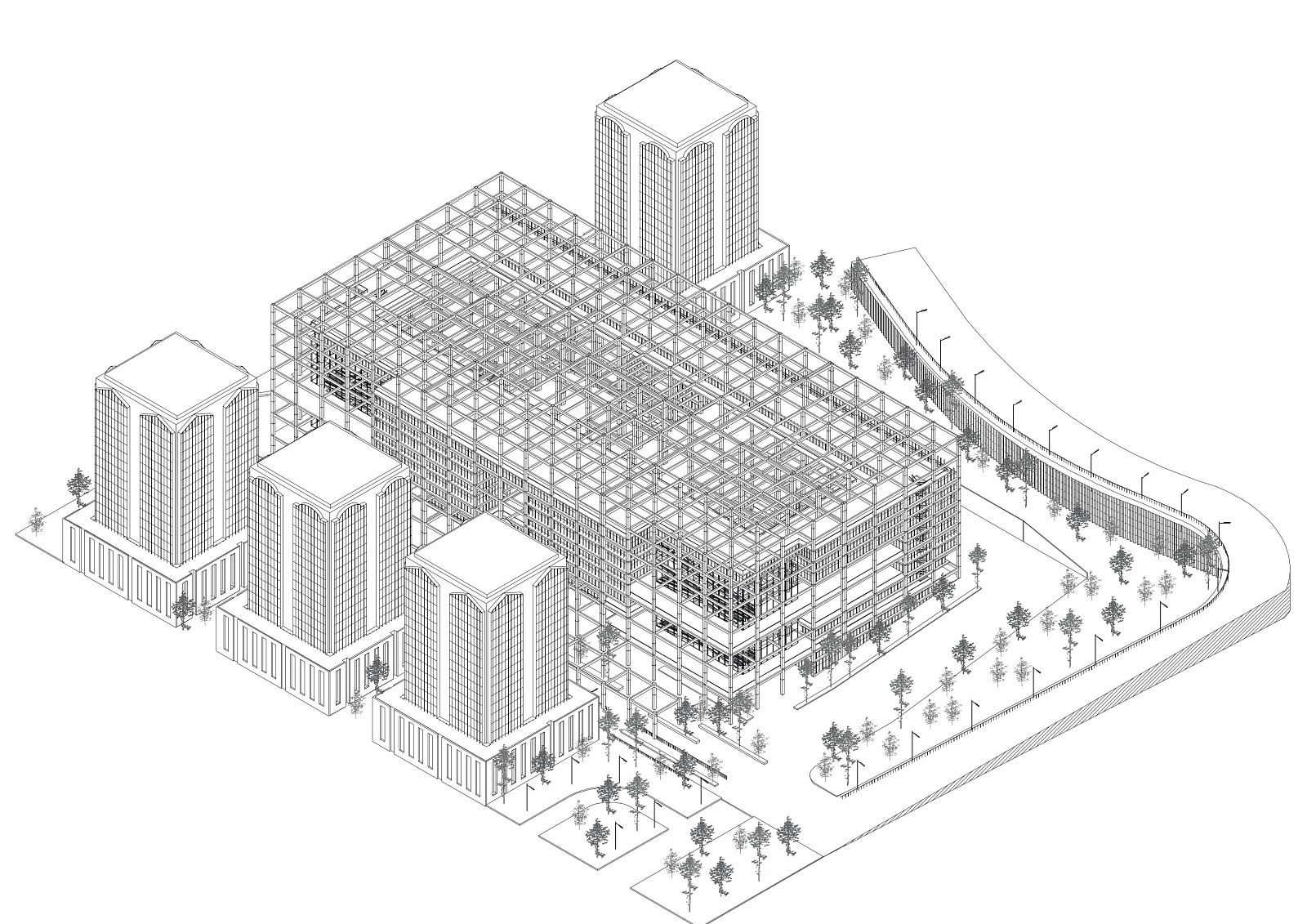
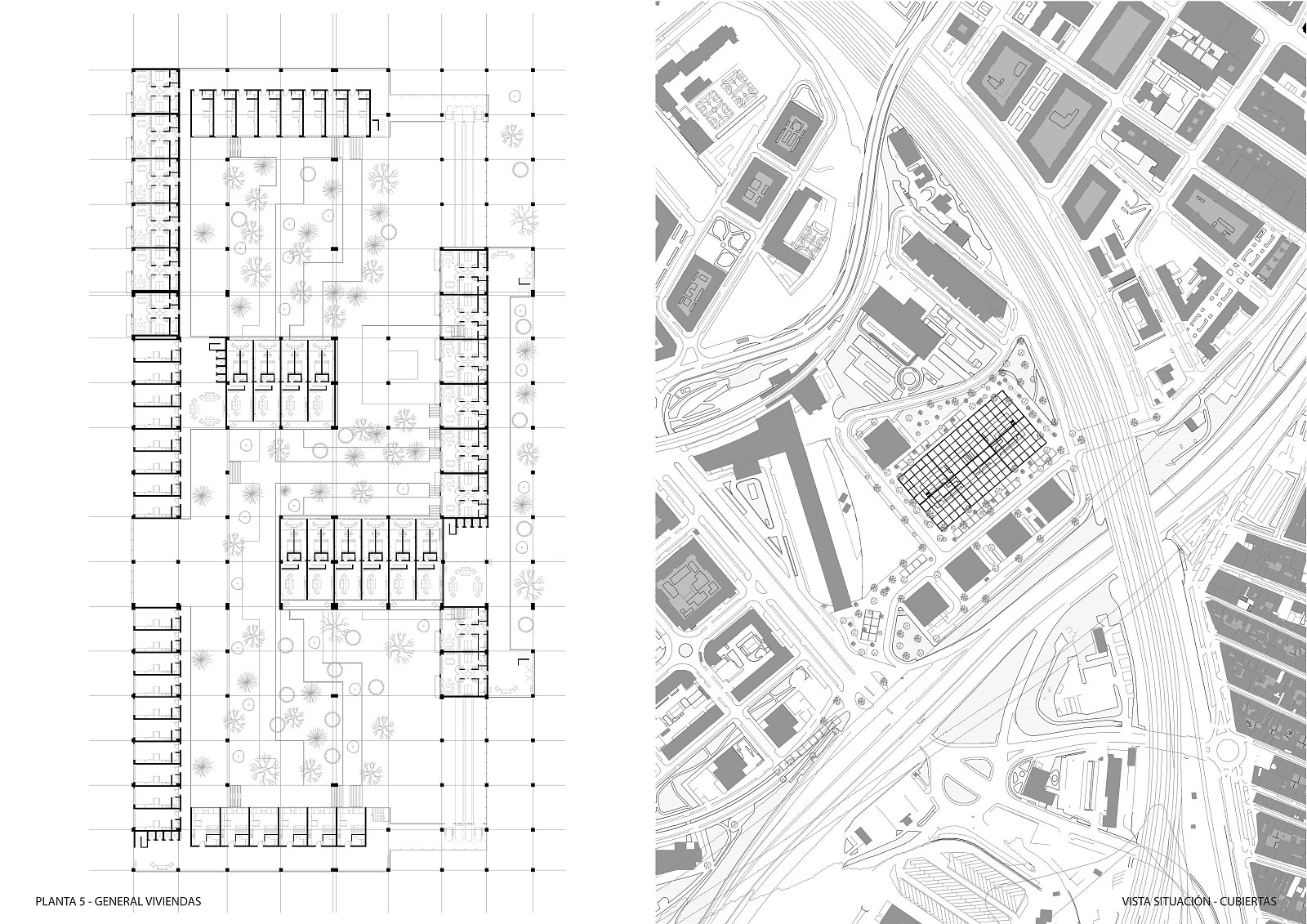
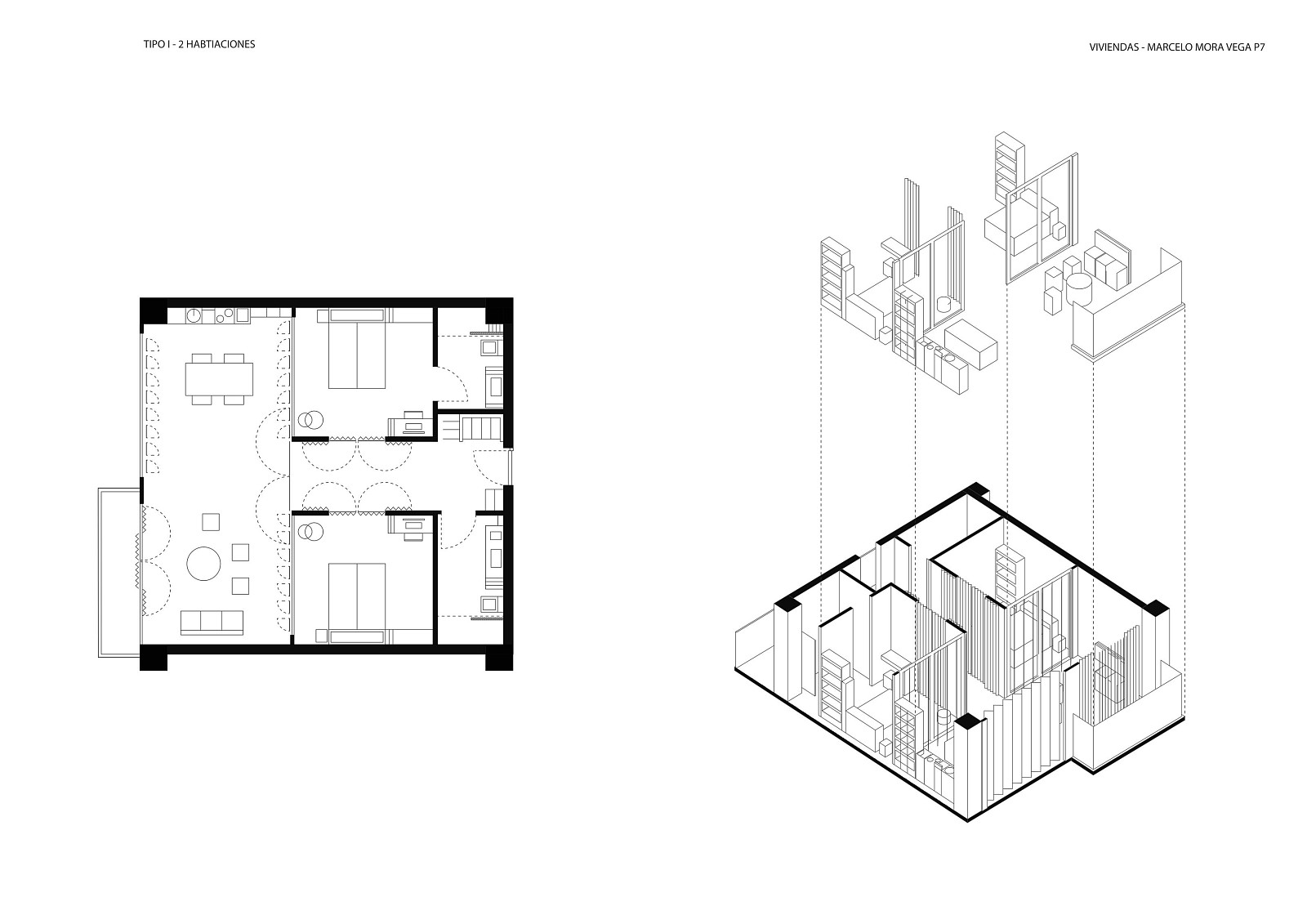
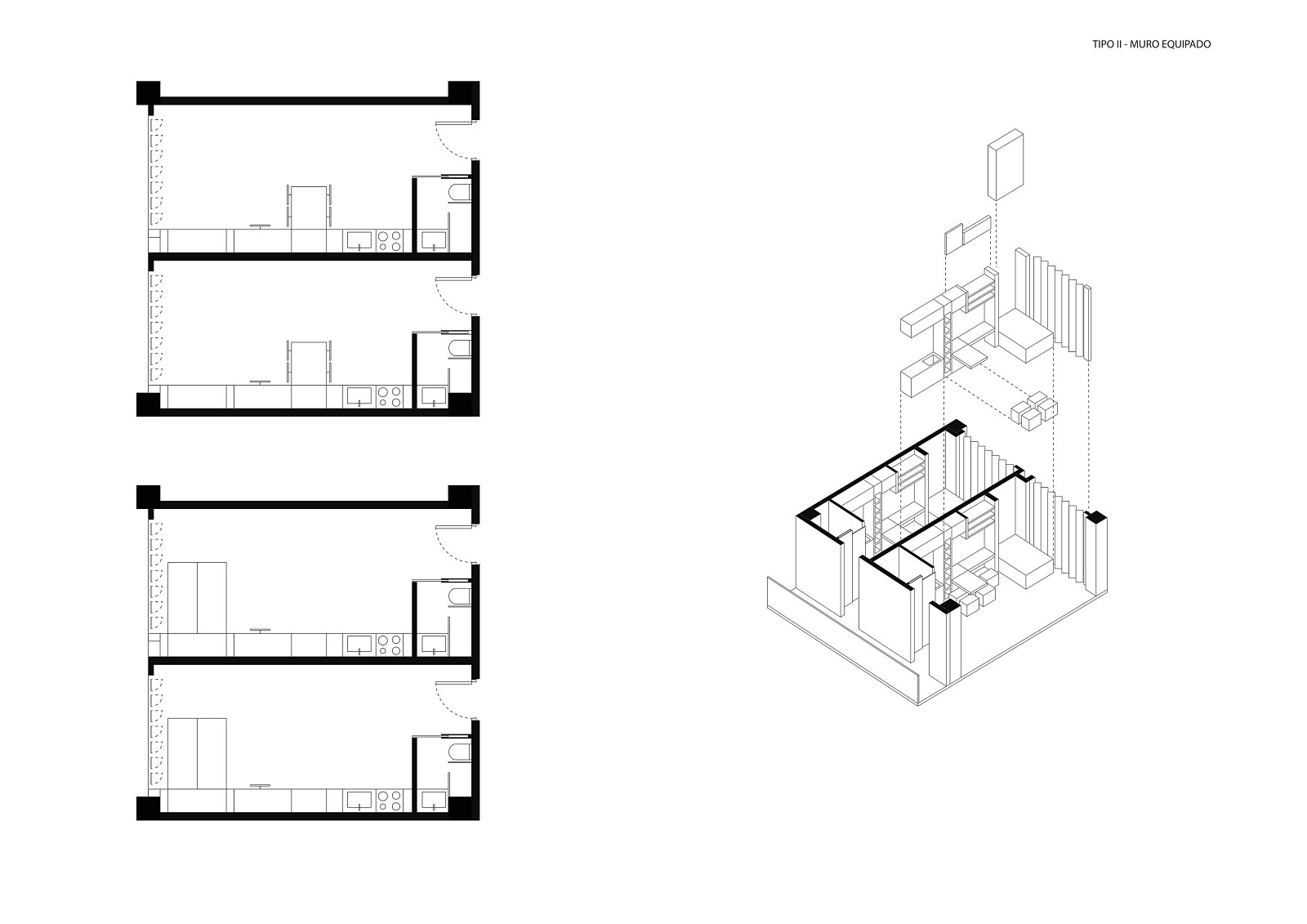
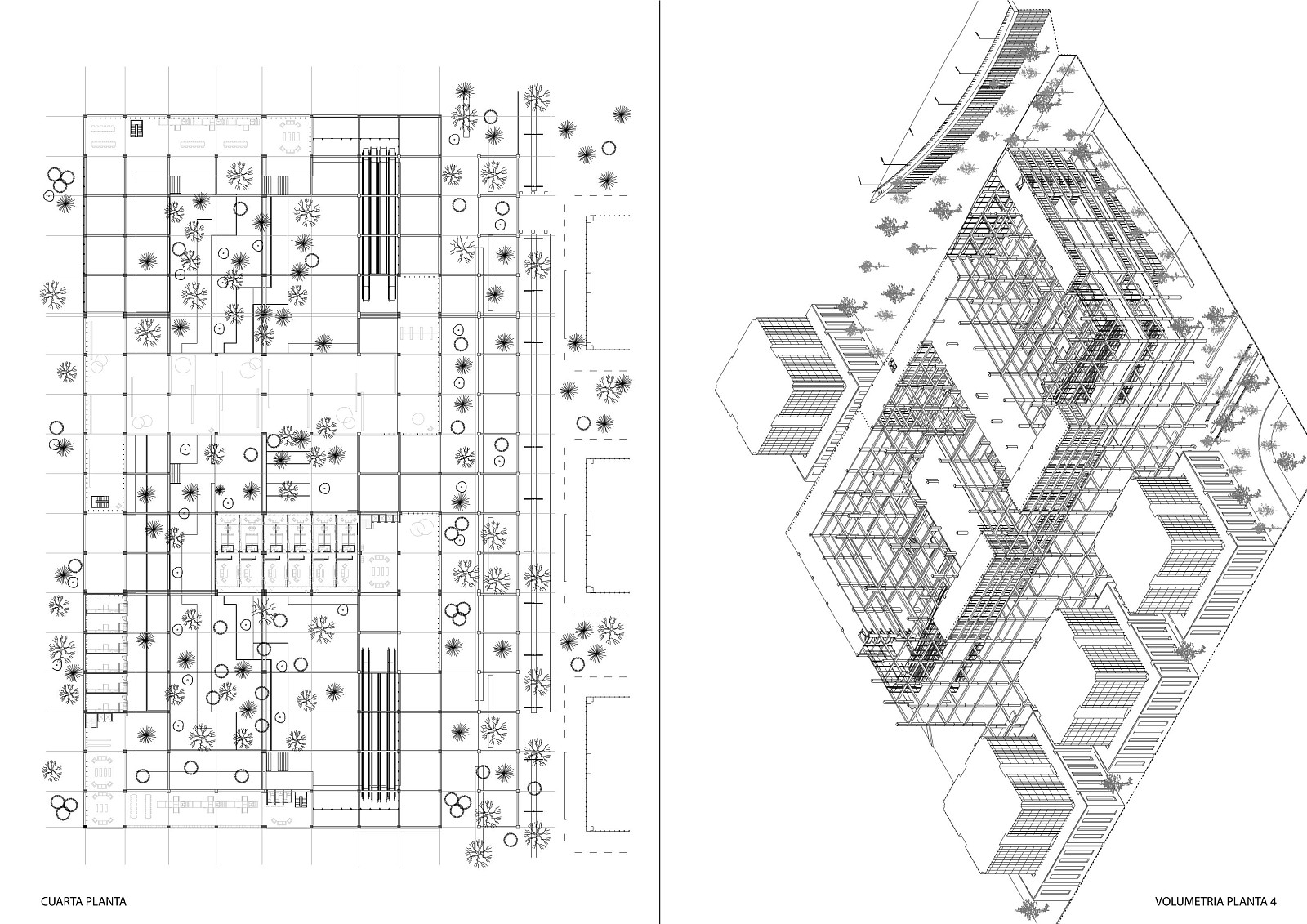
Adaptive reuse of a former shopping center into a mixed-use complex featuring social housing, a cultural center, a business hub, and a large interior green garden. Inspired by the idea of creating a civic gathering space similar to the Ford Foundation Center in New York, the project seeks to transform an abandoned building with the minimum possible environmental impact. By preserving the original structural and service systems, as well as the existing circulation cores, the intervention gives new life to the complex while retaining as much of its embodied resources and identity as possible.
Project description
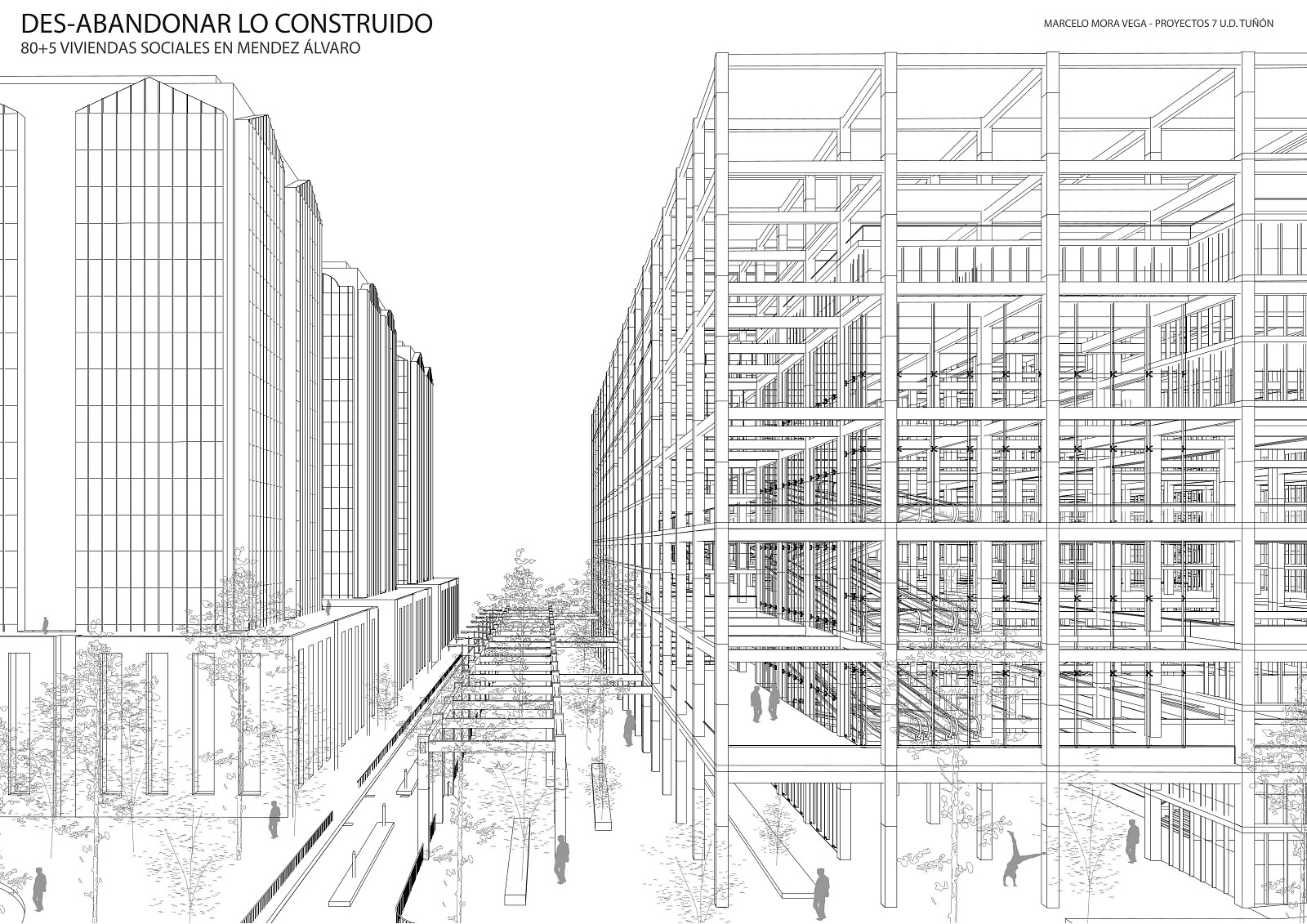
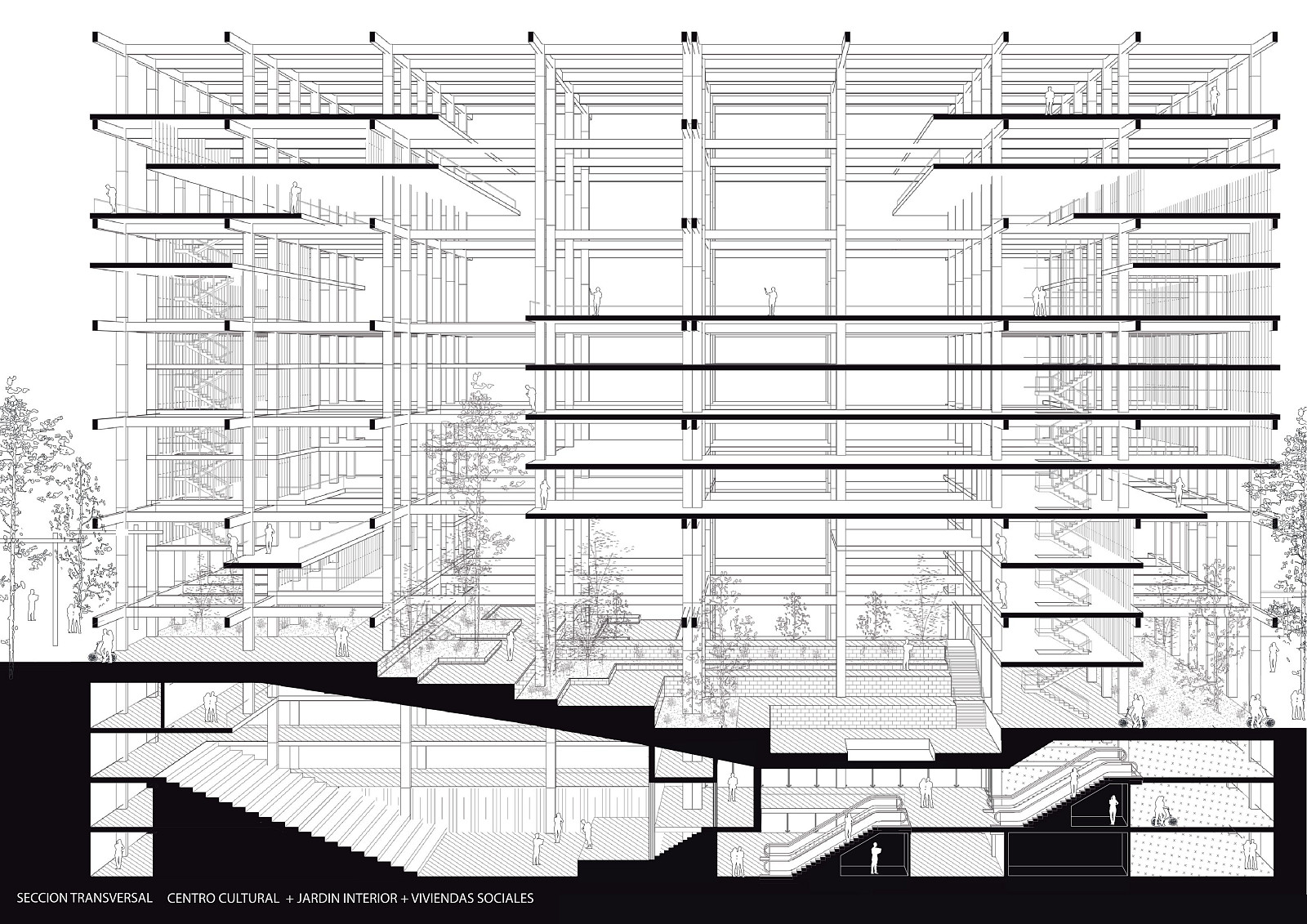
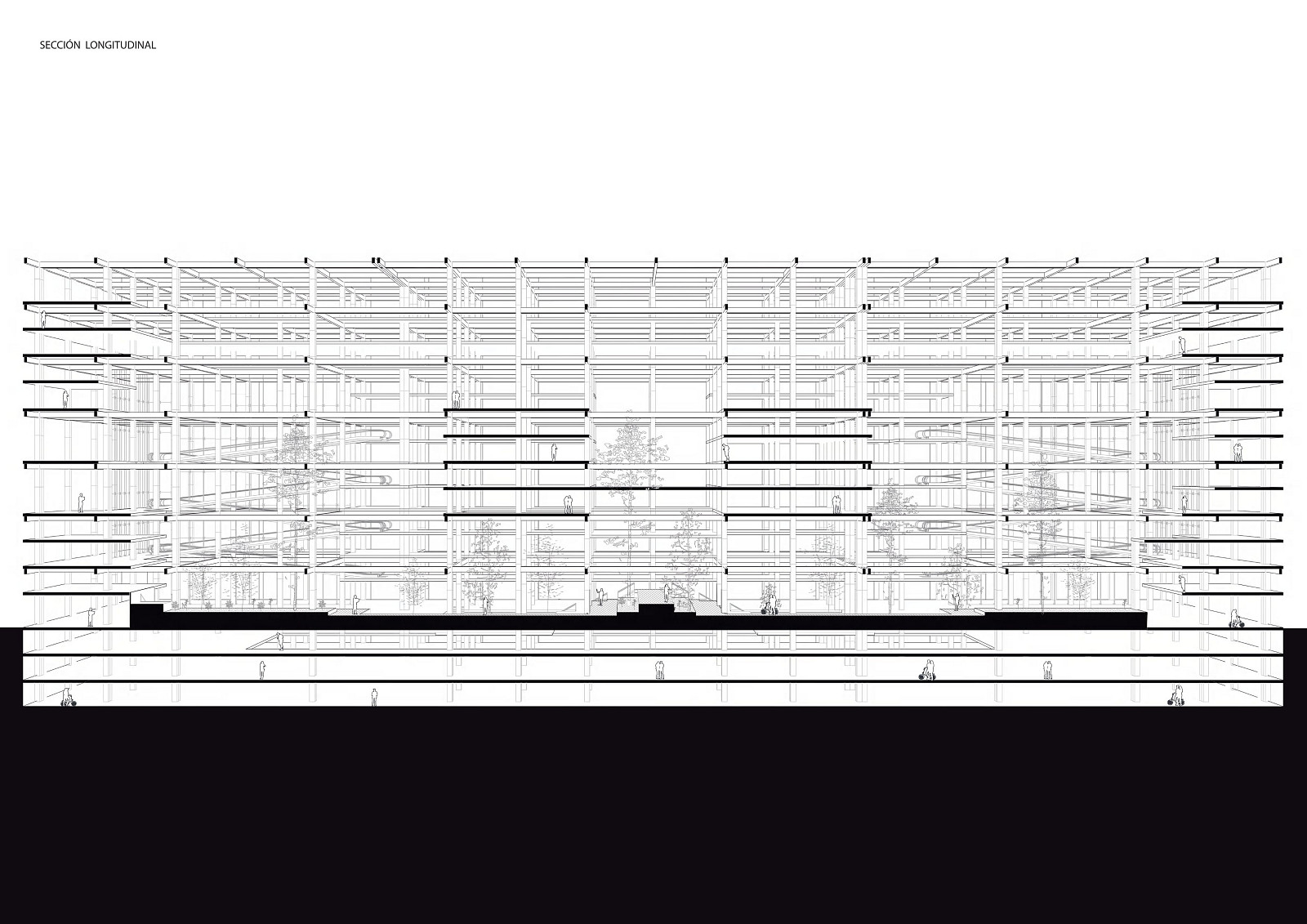
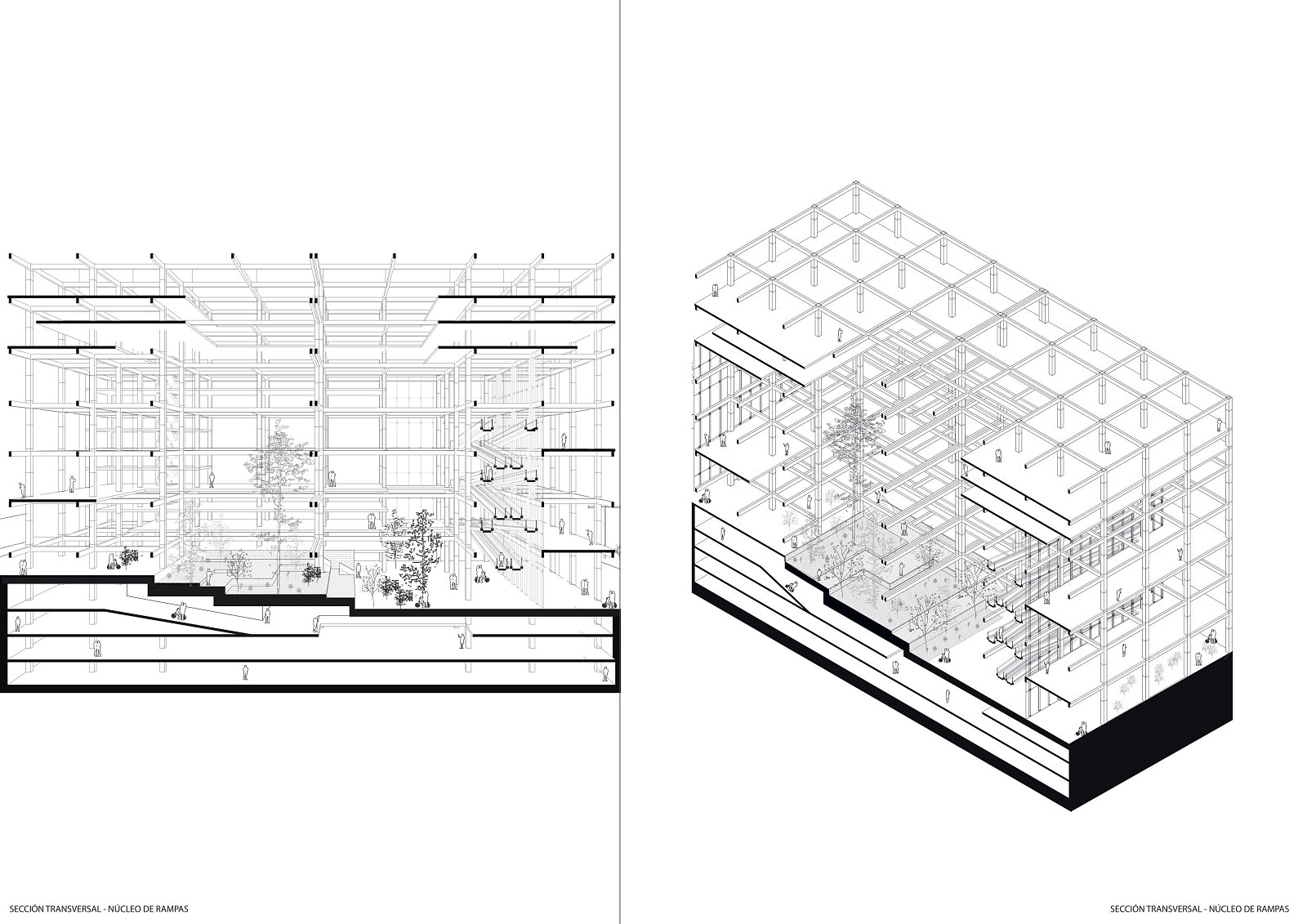
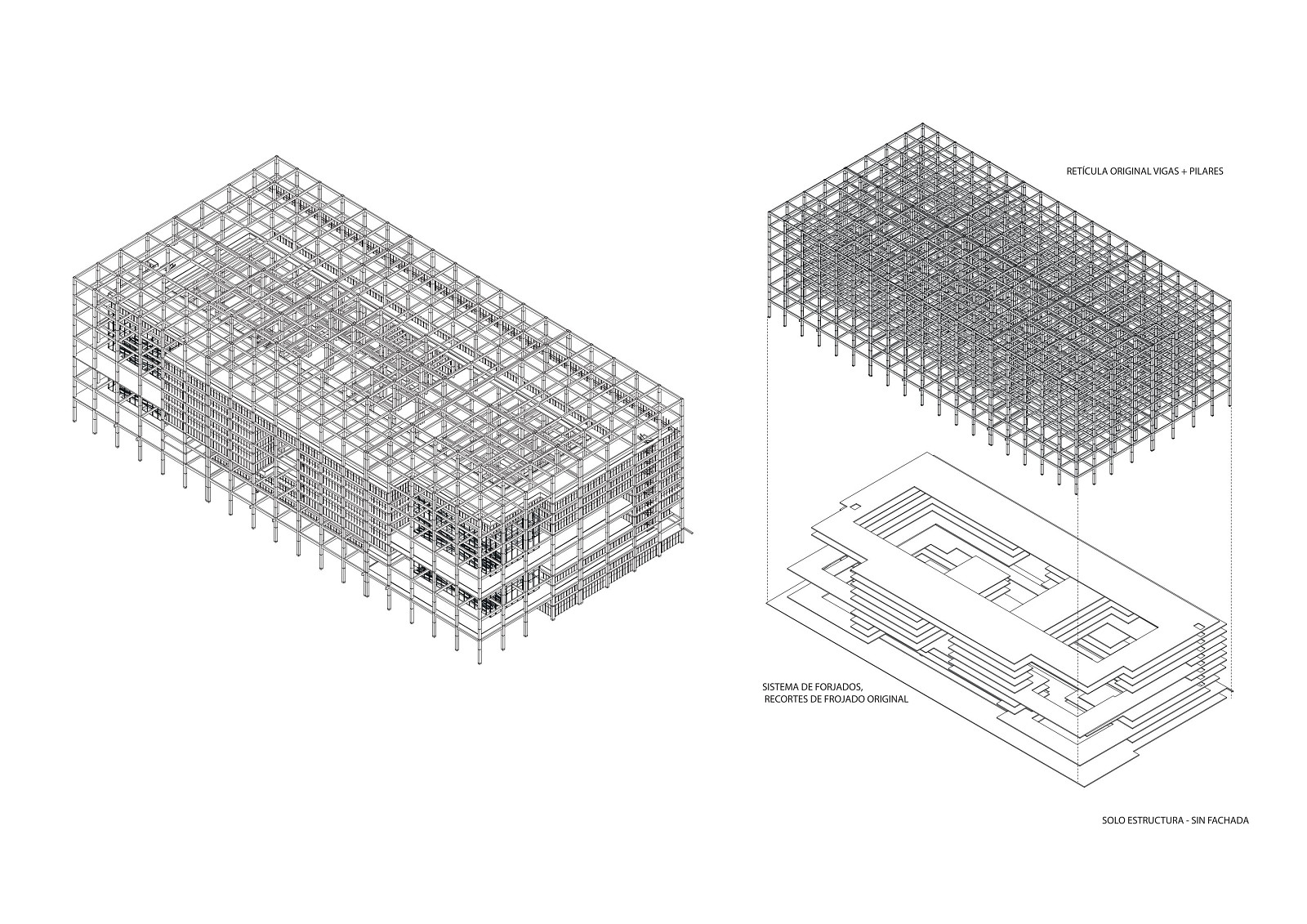
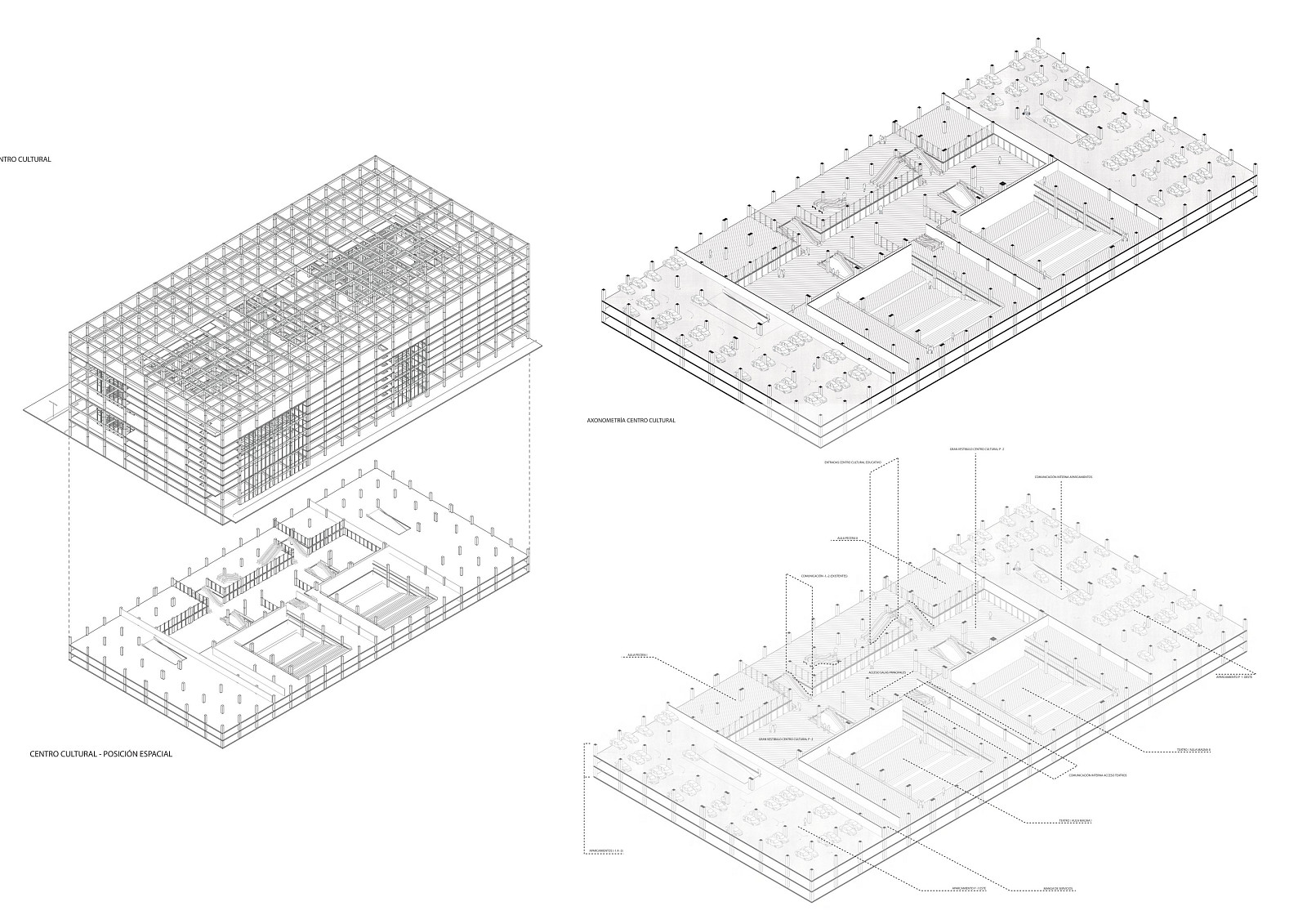
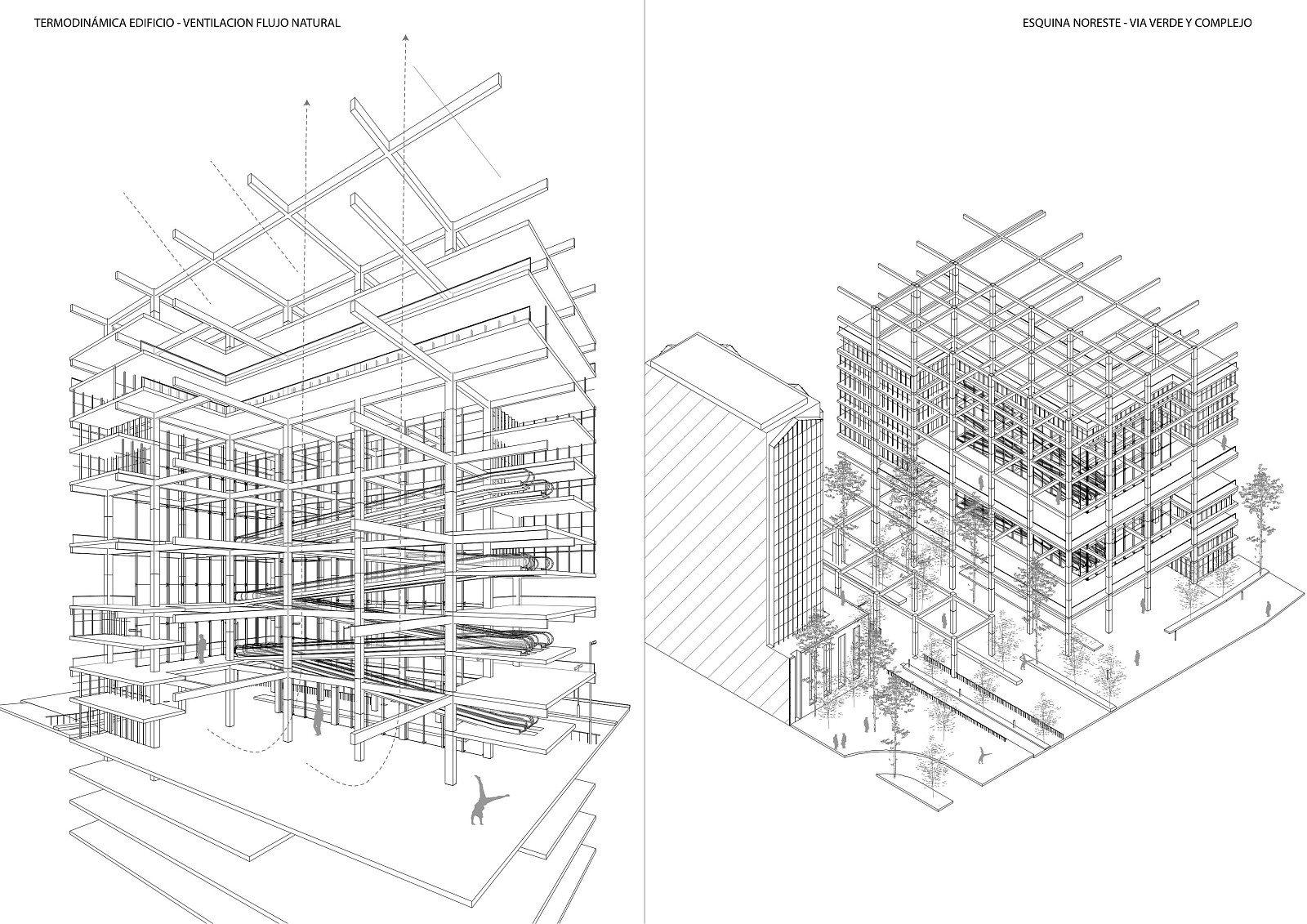
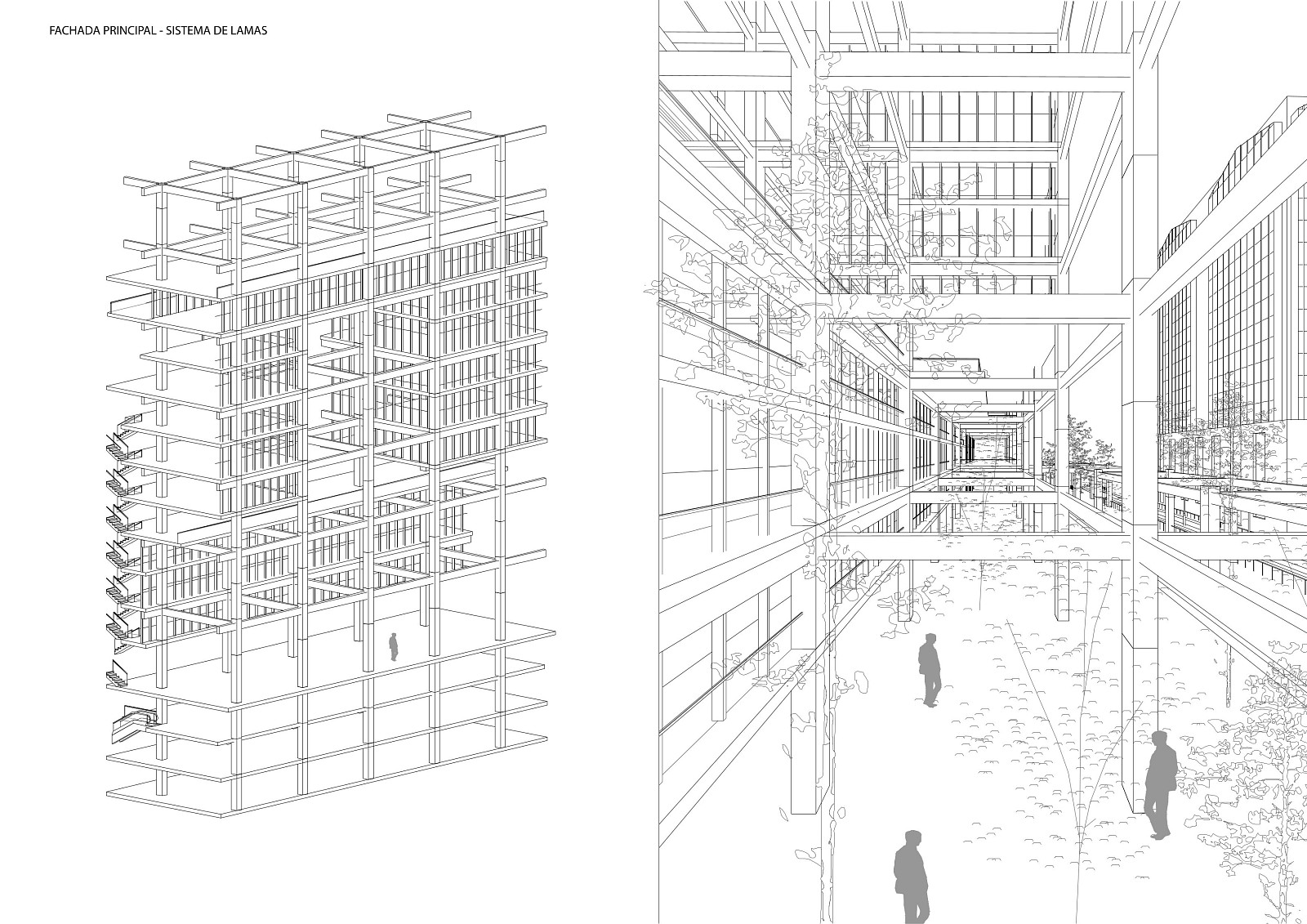
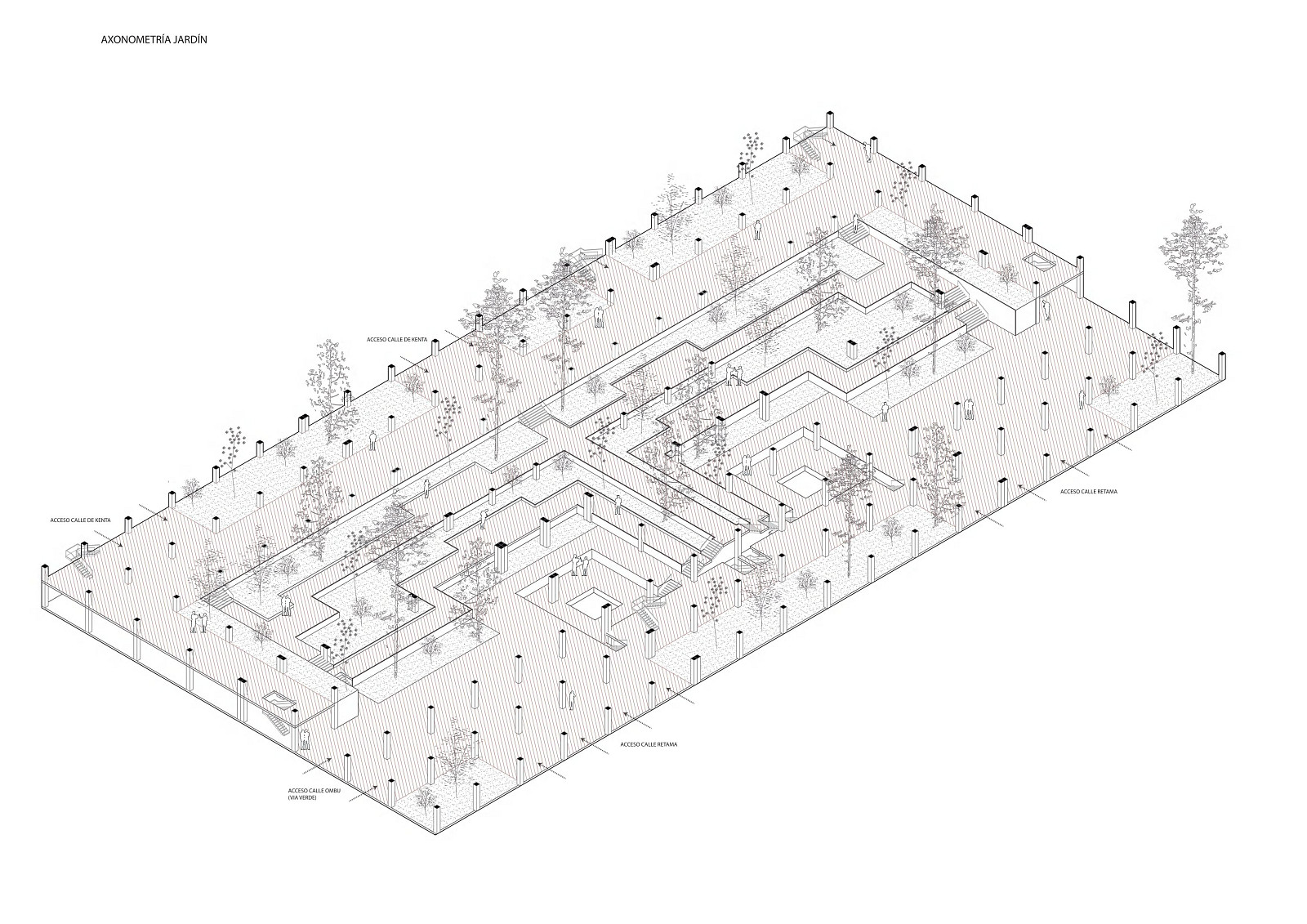
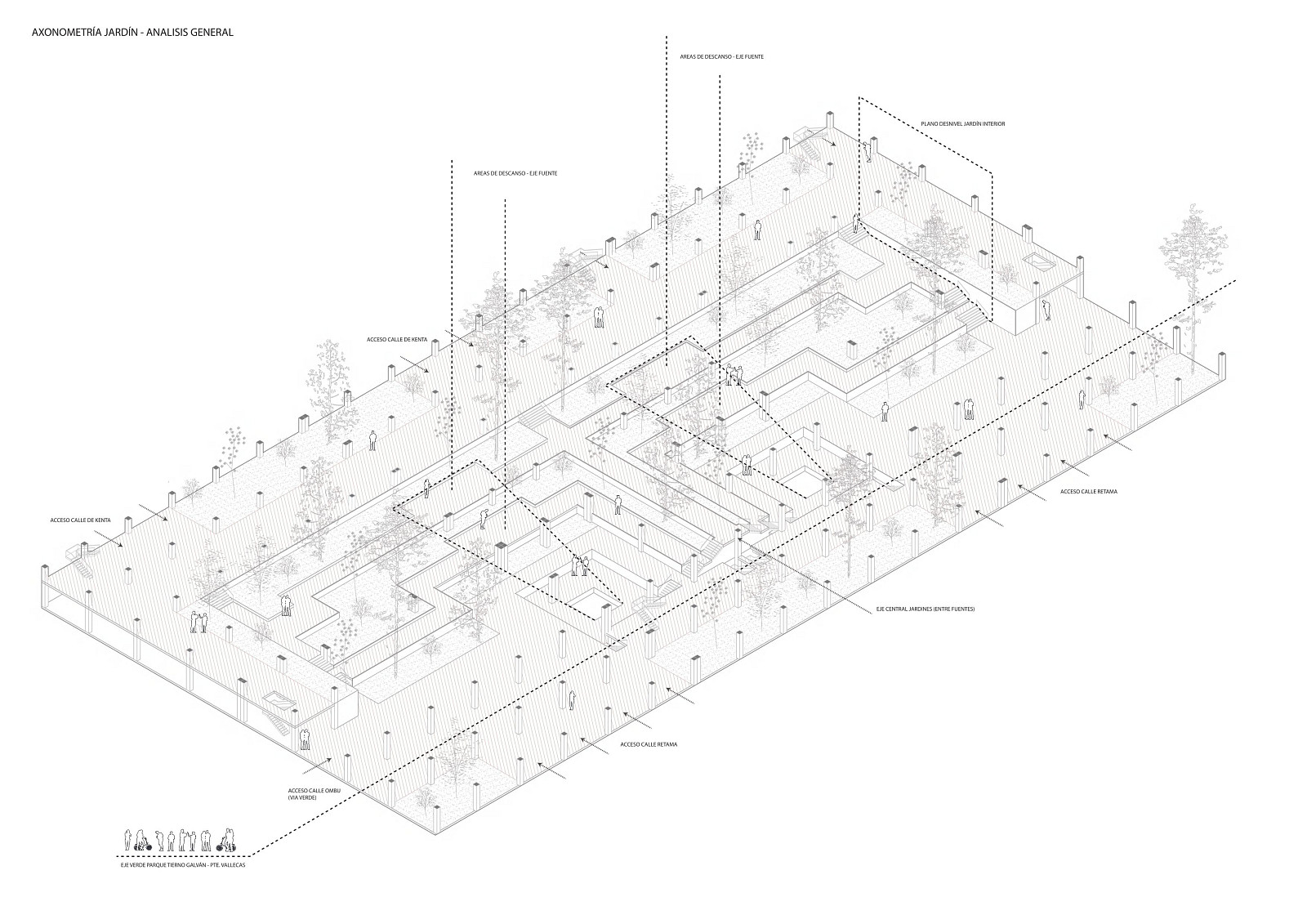
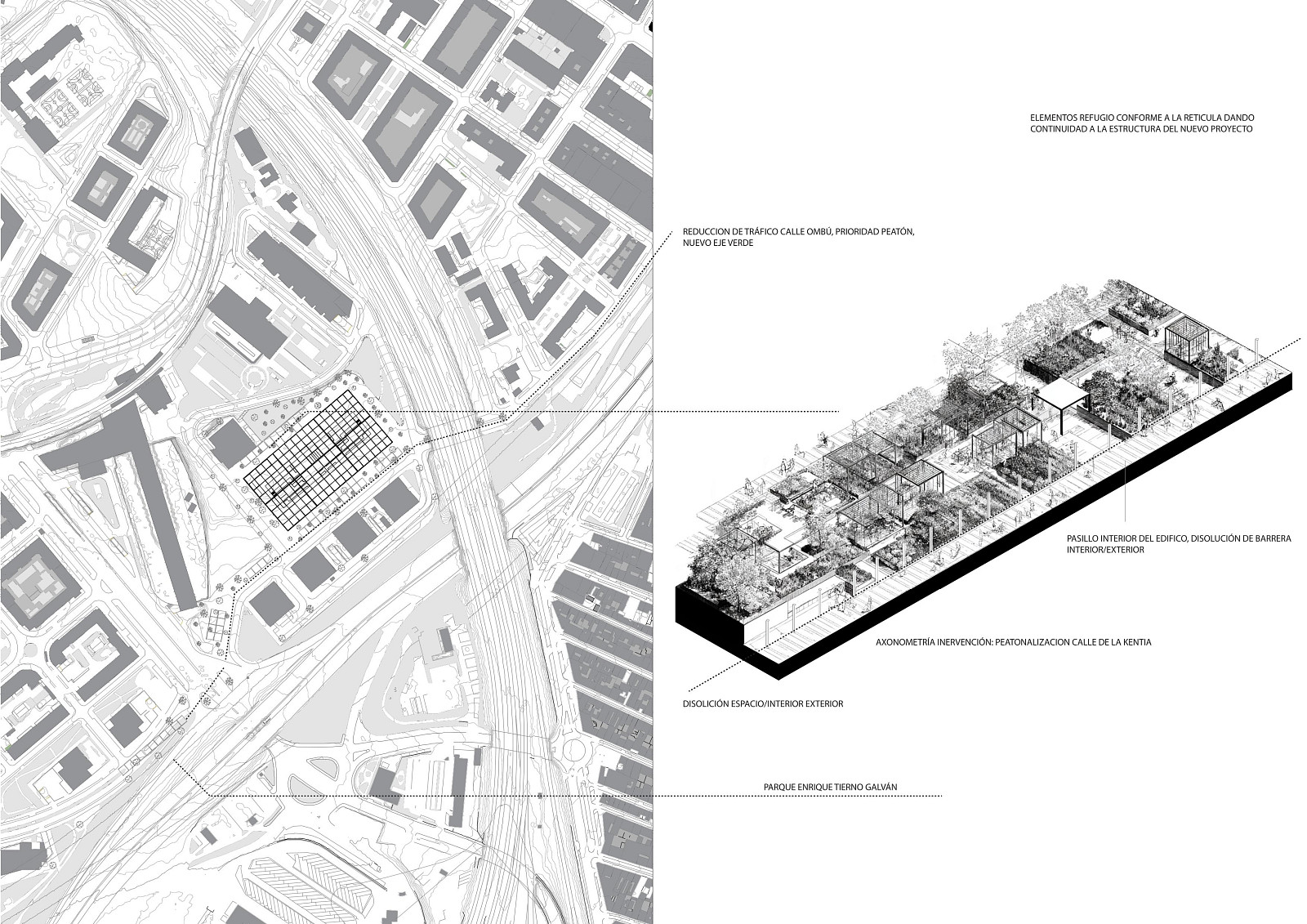
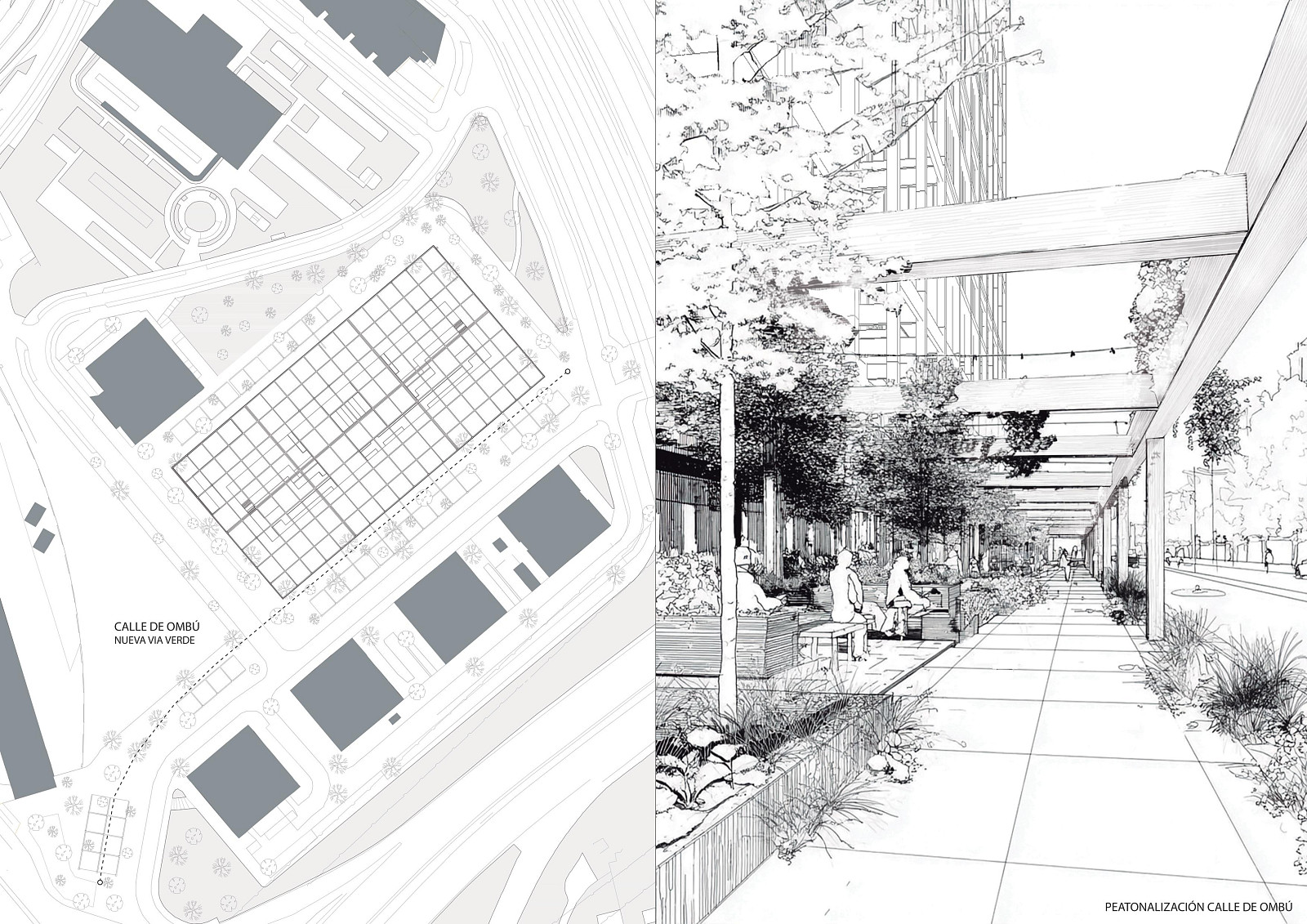
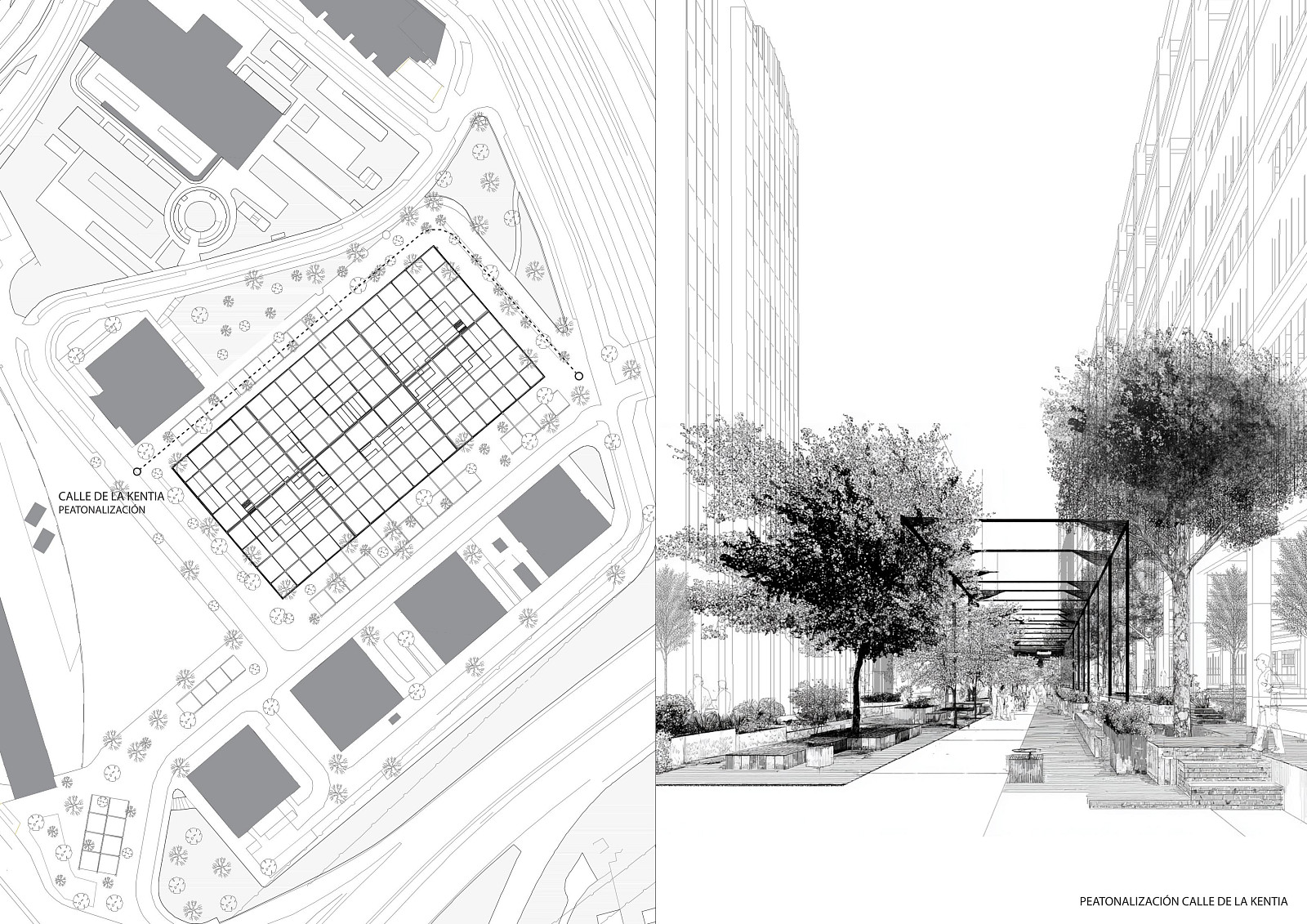
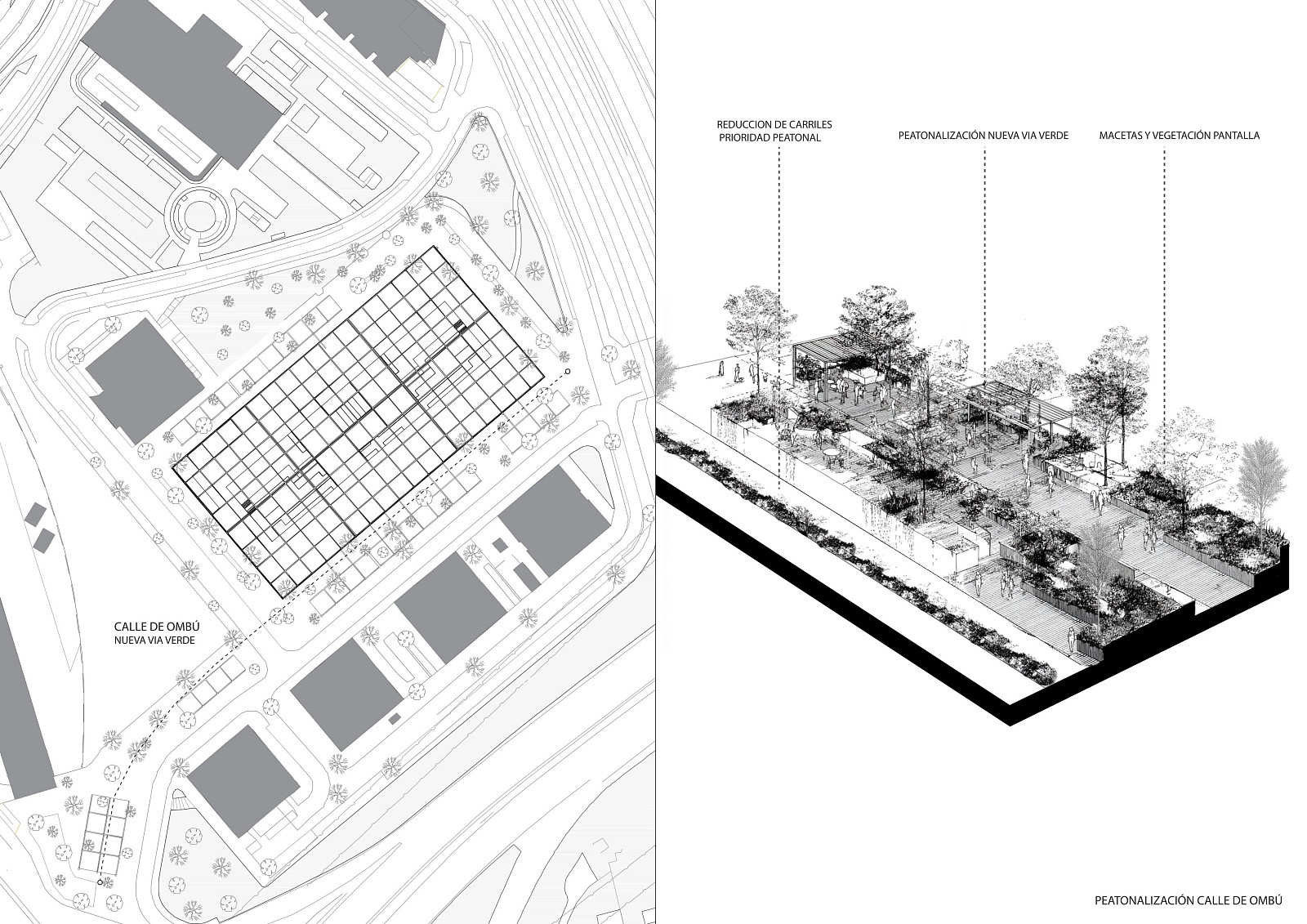
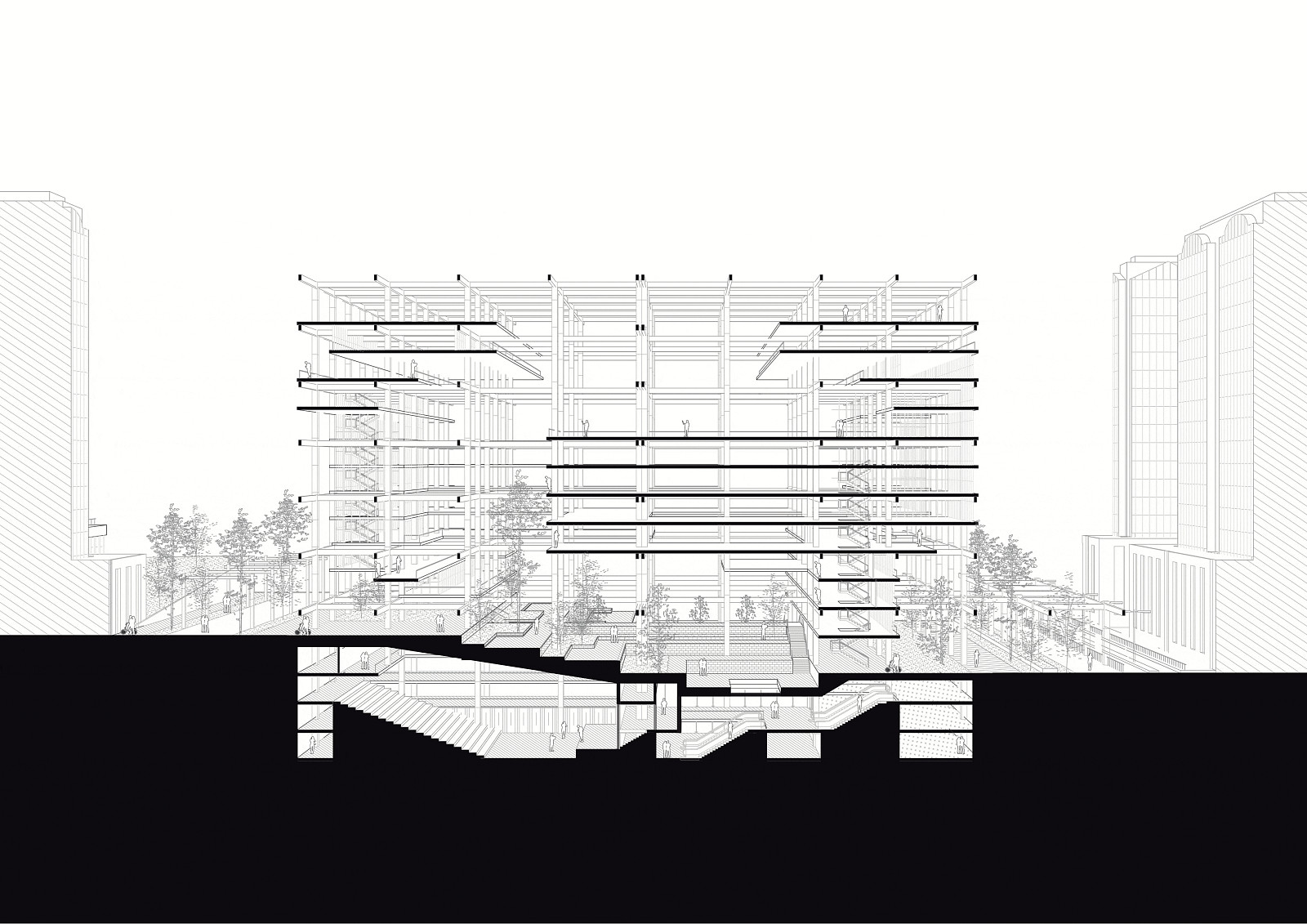
The project transforms an abandoned shopping center into a mixed-use complex while preserving as much of the existing structure as possible, including beams, columns, floor slabs, circulation cores, and even duplicated structural elements associated with expansion joints. Inspired by the Ford Foundation headquarters and the work of Kevin Roche, the design introduces a continuous horizontal garden at ground level, bringing natural light deep into the building and creating a sequence of communal spaces connecting housing, culture, work, and nature. Inspired by the landscape principles of Daniel Kiley, this garden responds to a green corridor that traverses the city, allowing the building to become an integral part of a larger urban ecological network rather than an isolated object. The existing topography is strategically used to accommodate naturally lit underground conference and event spaces, minimizing intervention while giving new life to the building with a reduced environmental impact.
Technical information
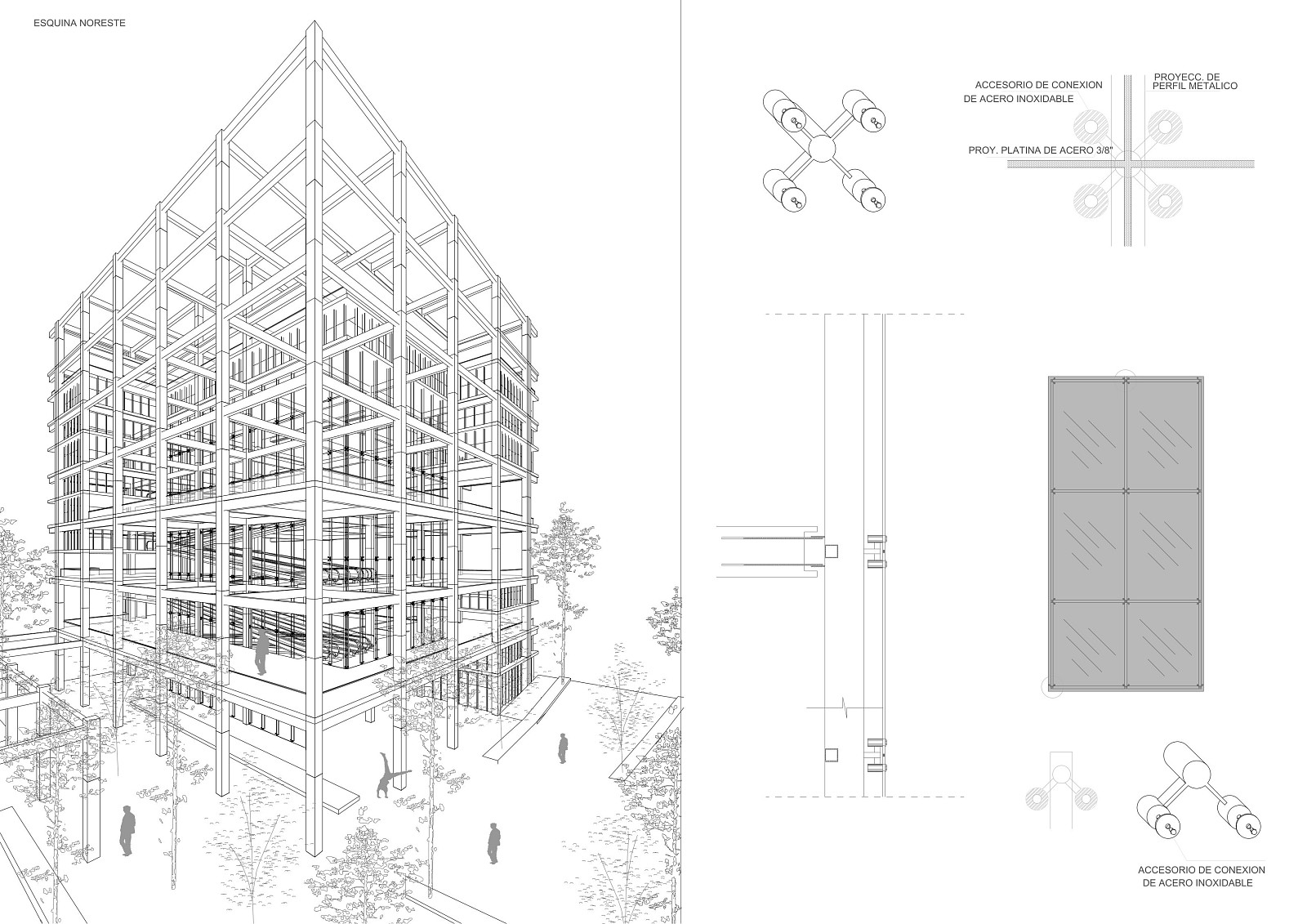
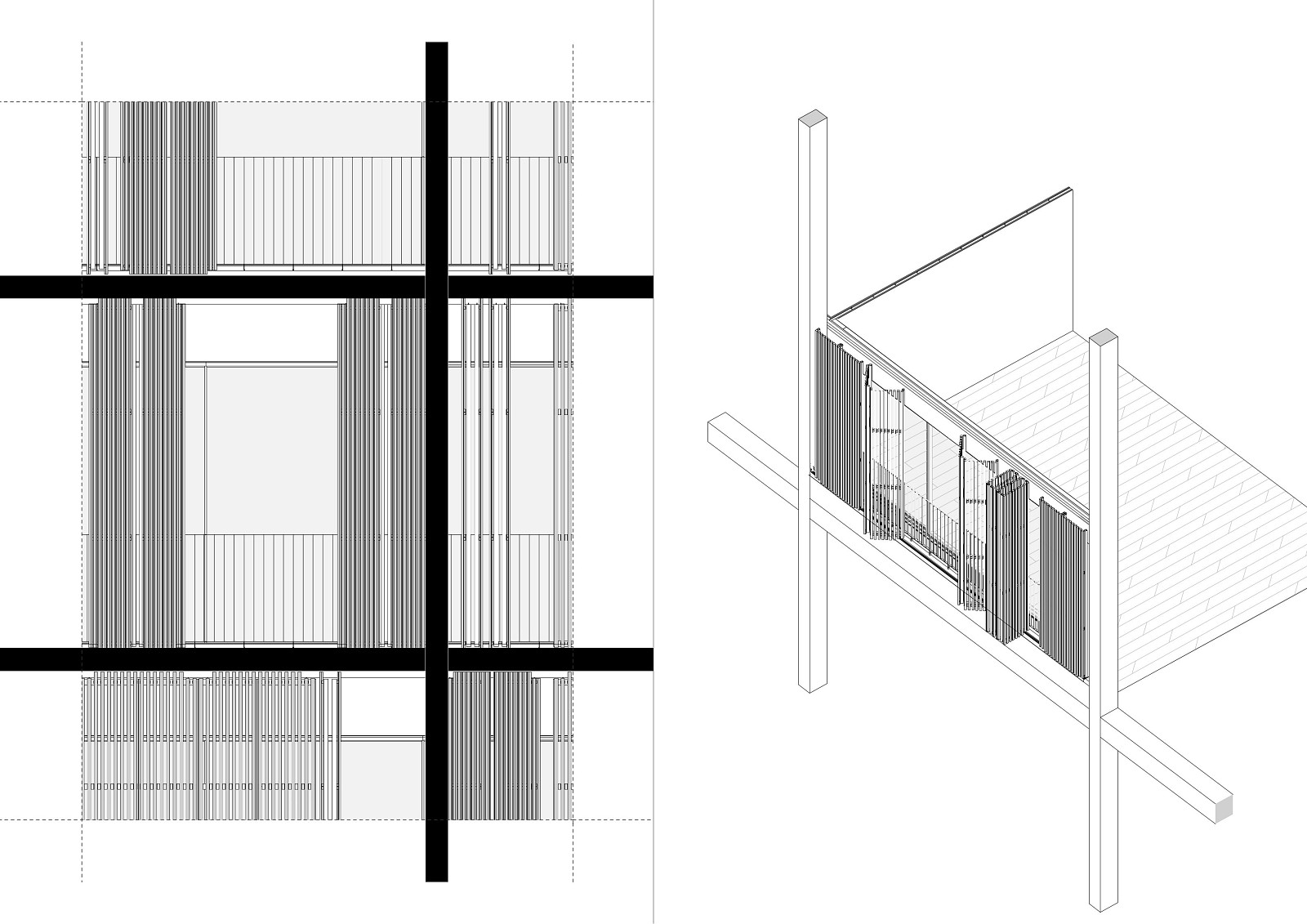
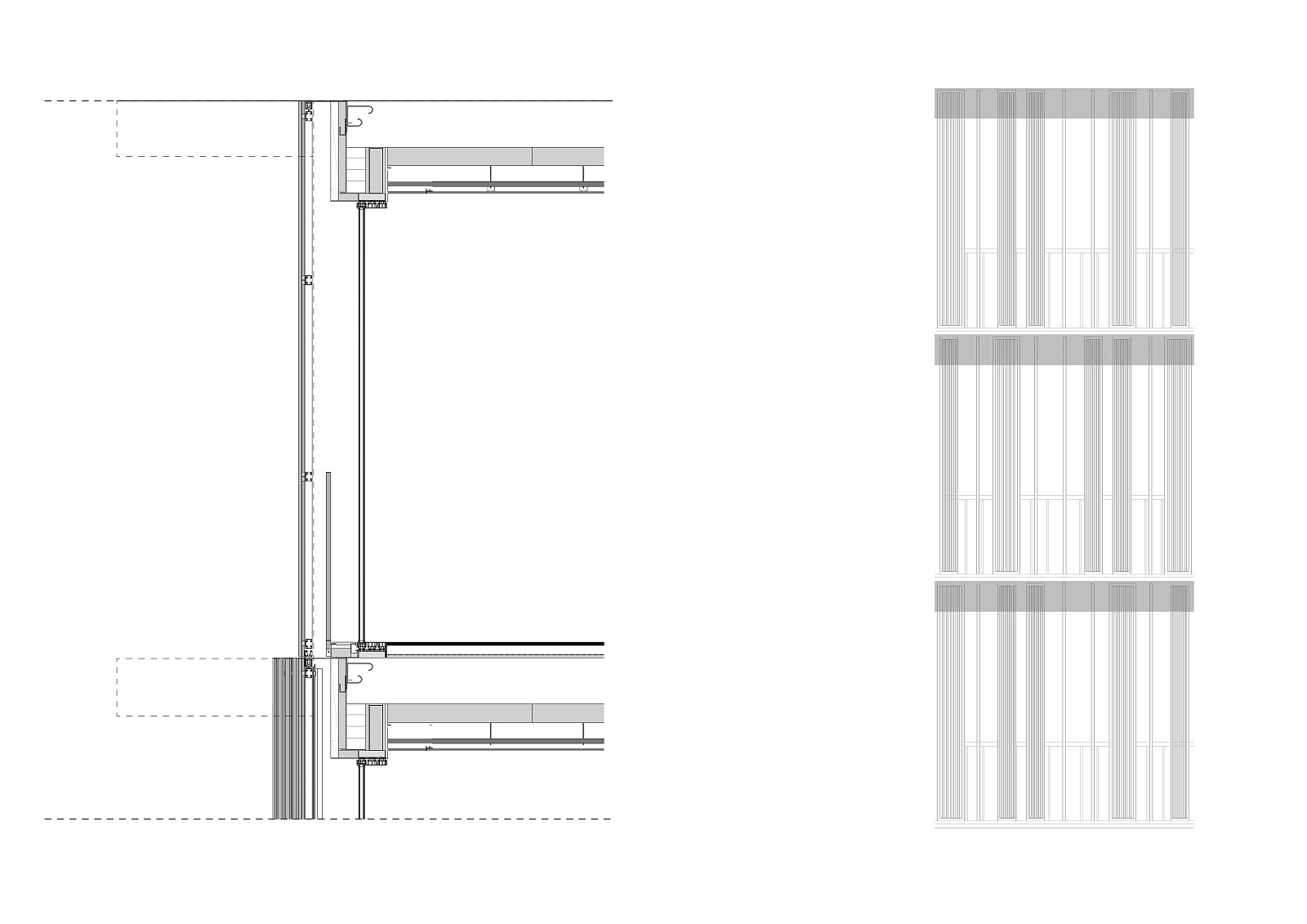
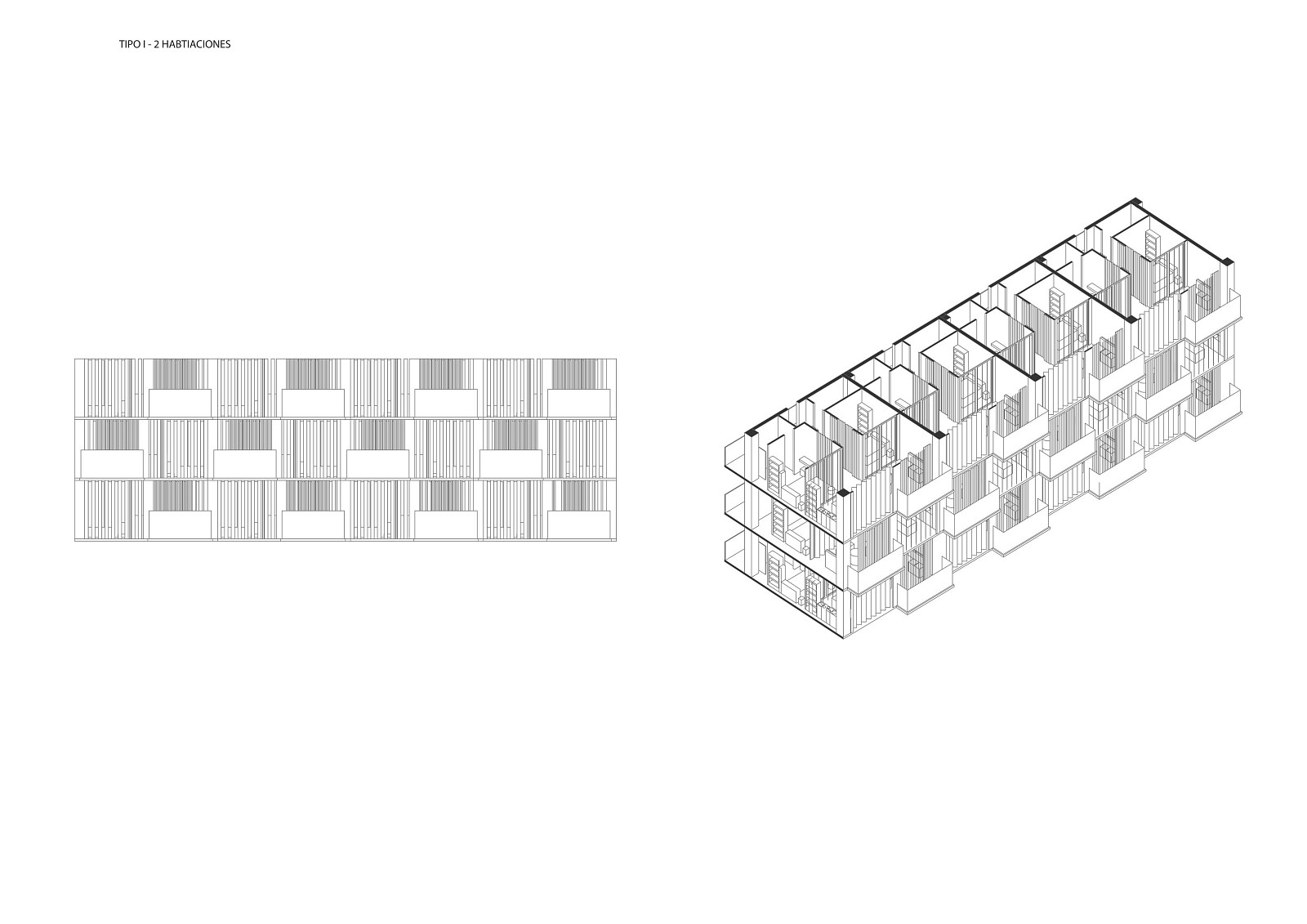
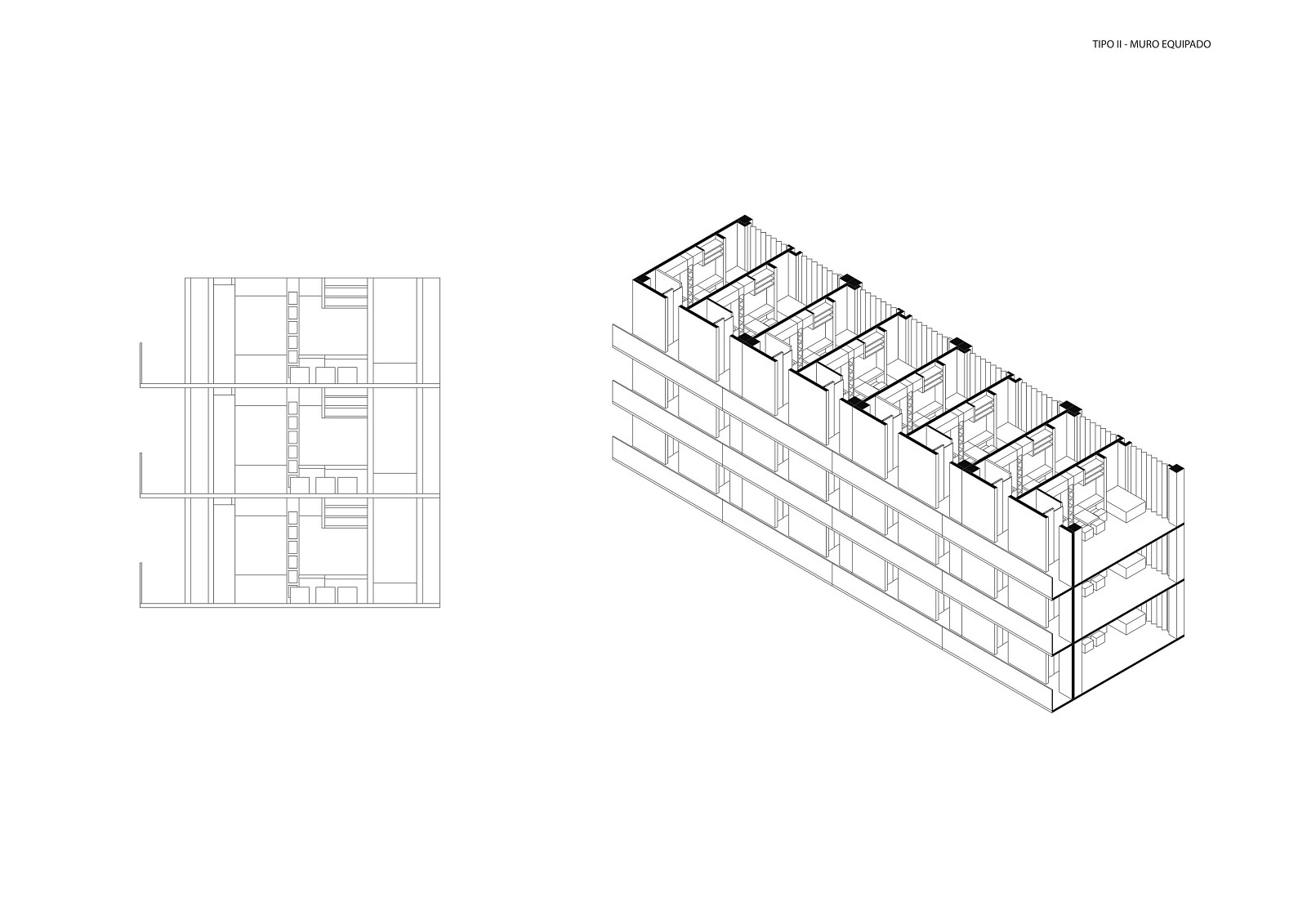
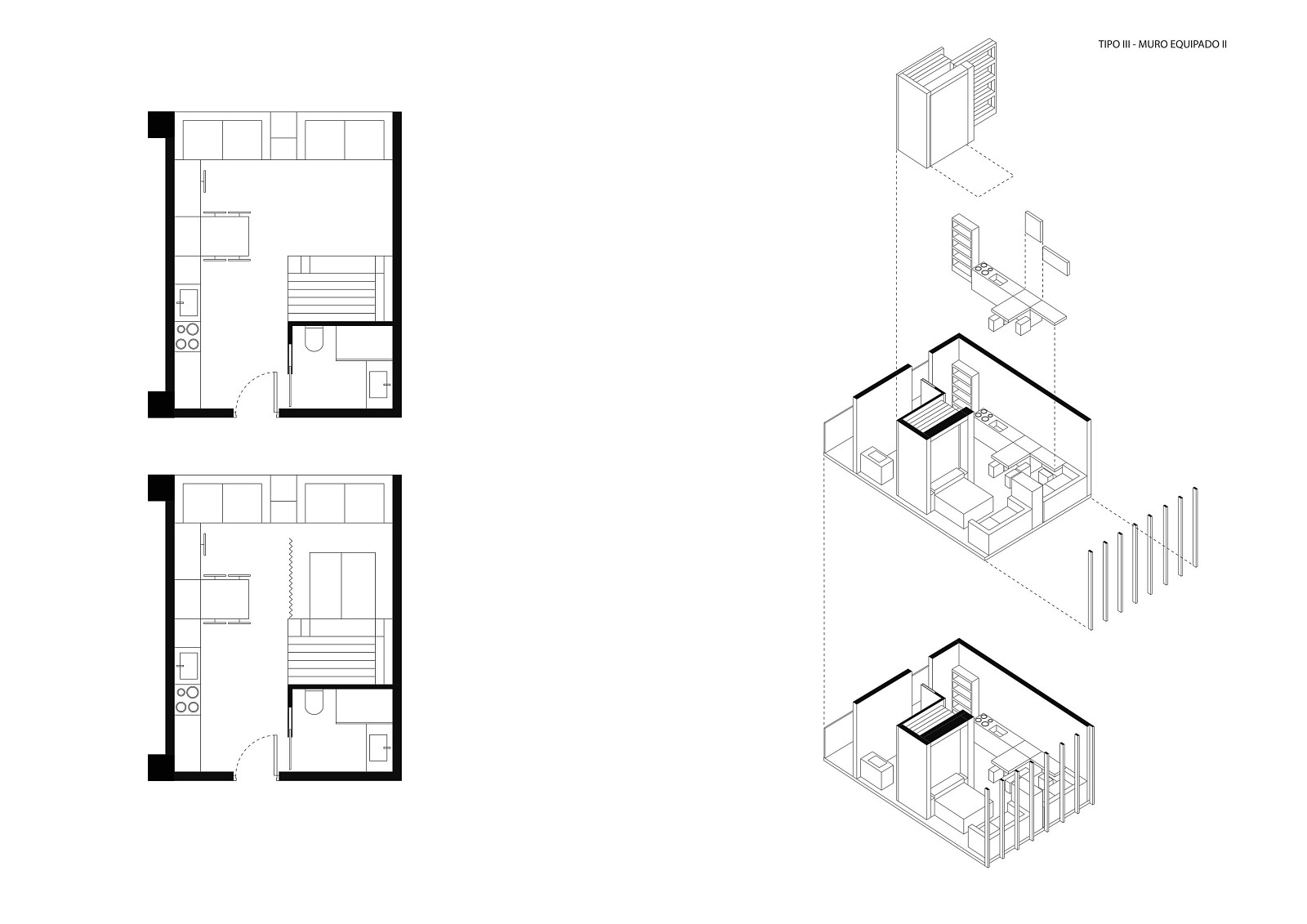
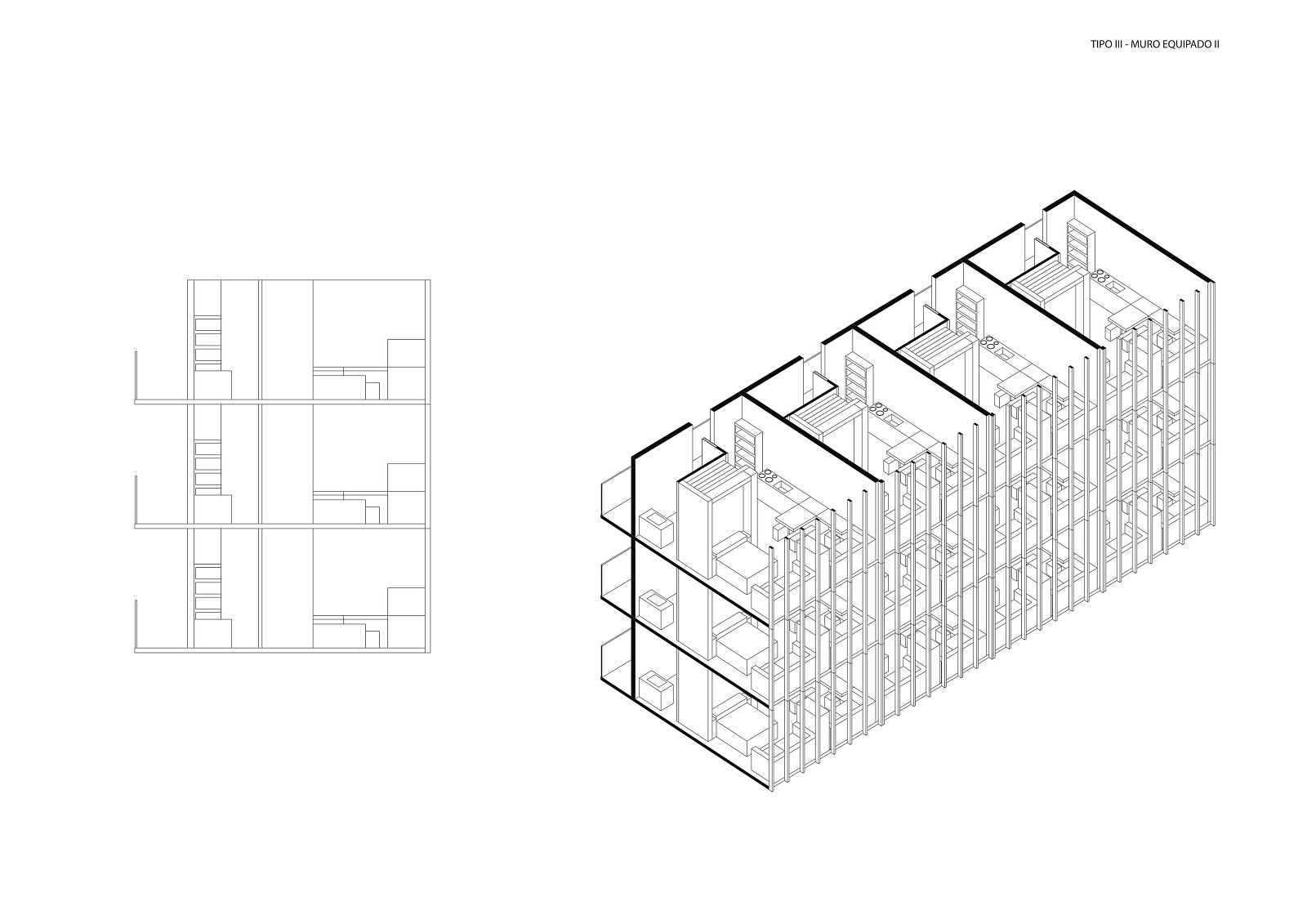
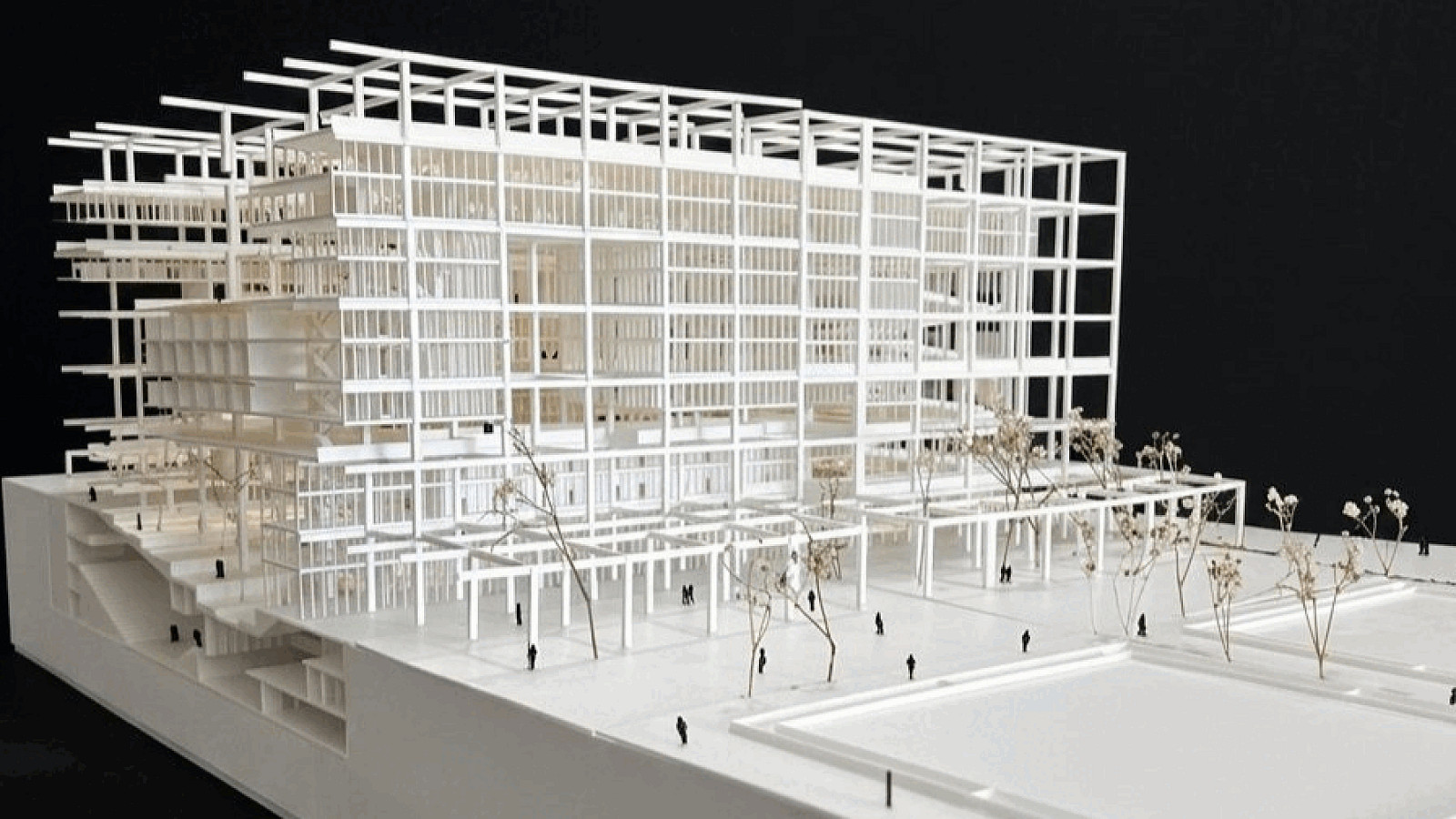
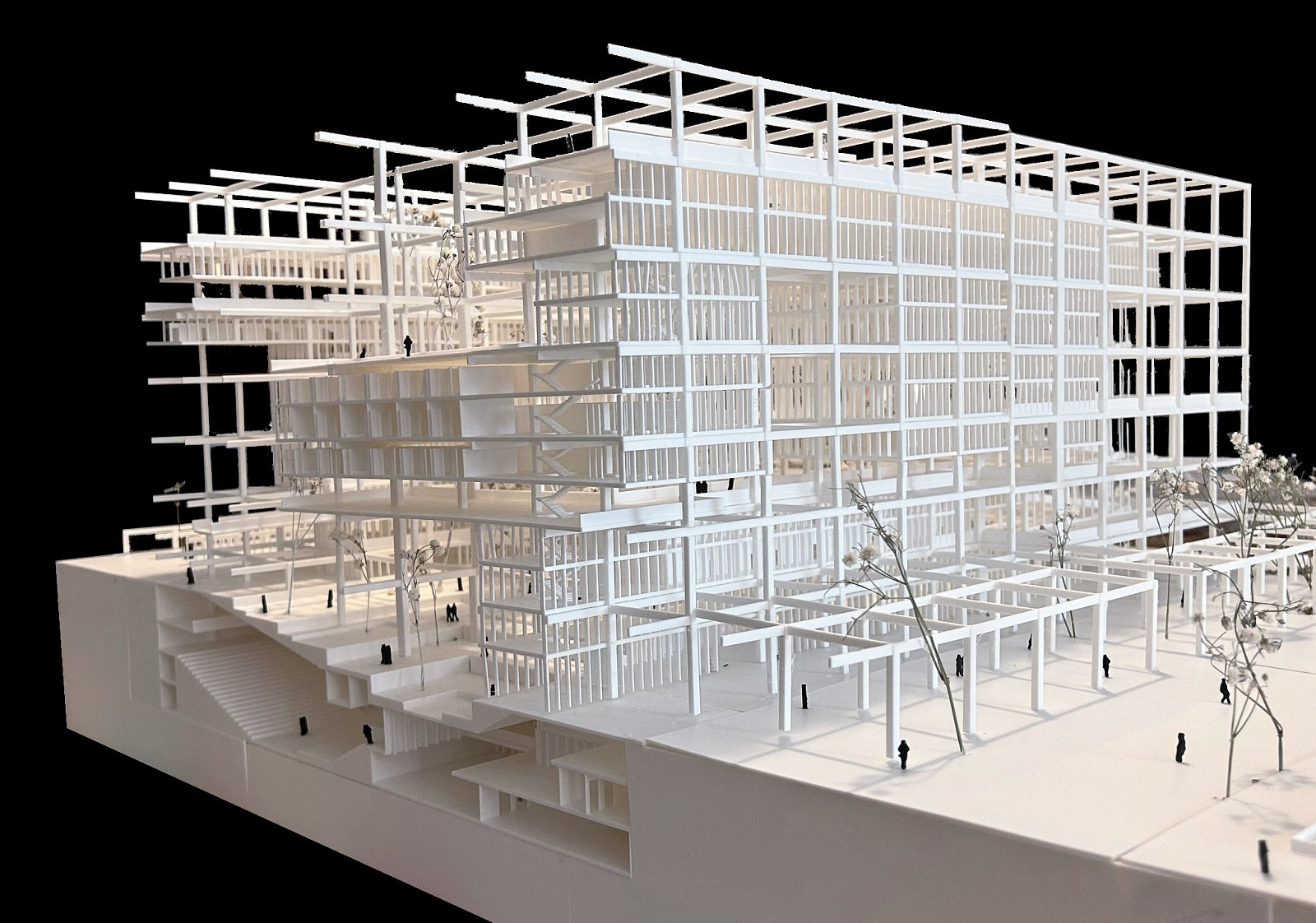
Large-scale architectural project with an approximate footprint of 170 m × 80 m. The proposal preserves the original structural system, maintaining the existing concrete columns, beams, and floor slabs at lower levels while incorporating reinforced steel structural elements in the upper floors. The existing concrete slab system is retained as a key design strategy. The façade design combines spider-glazed curtain walls for the main suspended elevations with adjustable metal louvre systems for the residential units, providing solar control and enhancing environmental performance.
Developed through a BIM-based workflow using Autodesk Revit. Technical documentation and graphic post-production were carried out using AutoCAD, Adobe Illustrator, and Adobe Photoshop.
The project includes a large-format physical model, entirely 3D printed, measuring 90 × 120 cm, produced as a tangible representation of the design and its spatial qualities.
The structural proposal was reviewed and verified by the Structural Department of the Technical University of Madrid (UPM).
The project received the highest academic distinction, achieving a final grade of 10/10 with Honors (Matrícula de Honor) at the School of Architecture of the Technical University of Madrid (ETSAM-UPM), within the design studio led by Emilio Tuñón and Ángela García de Paredes, two of the most distinguished figures in contemporary Spanish architecture and among the most renowned professors at ETSAM.

Copyright © 2026 INSPIRELI | All rights reserved. Use of this website signifies your agreement to the Terms of Use, Privacy Policy, and use of cookies.
