Agroscape


 Assoc. Prof. Sapinah Danial
Project idea
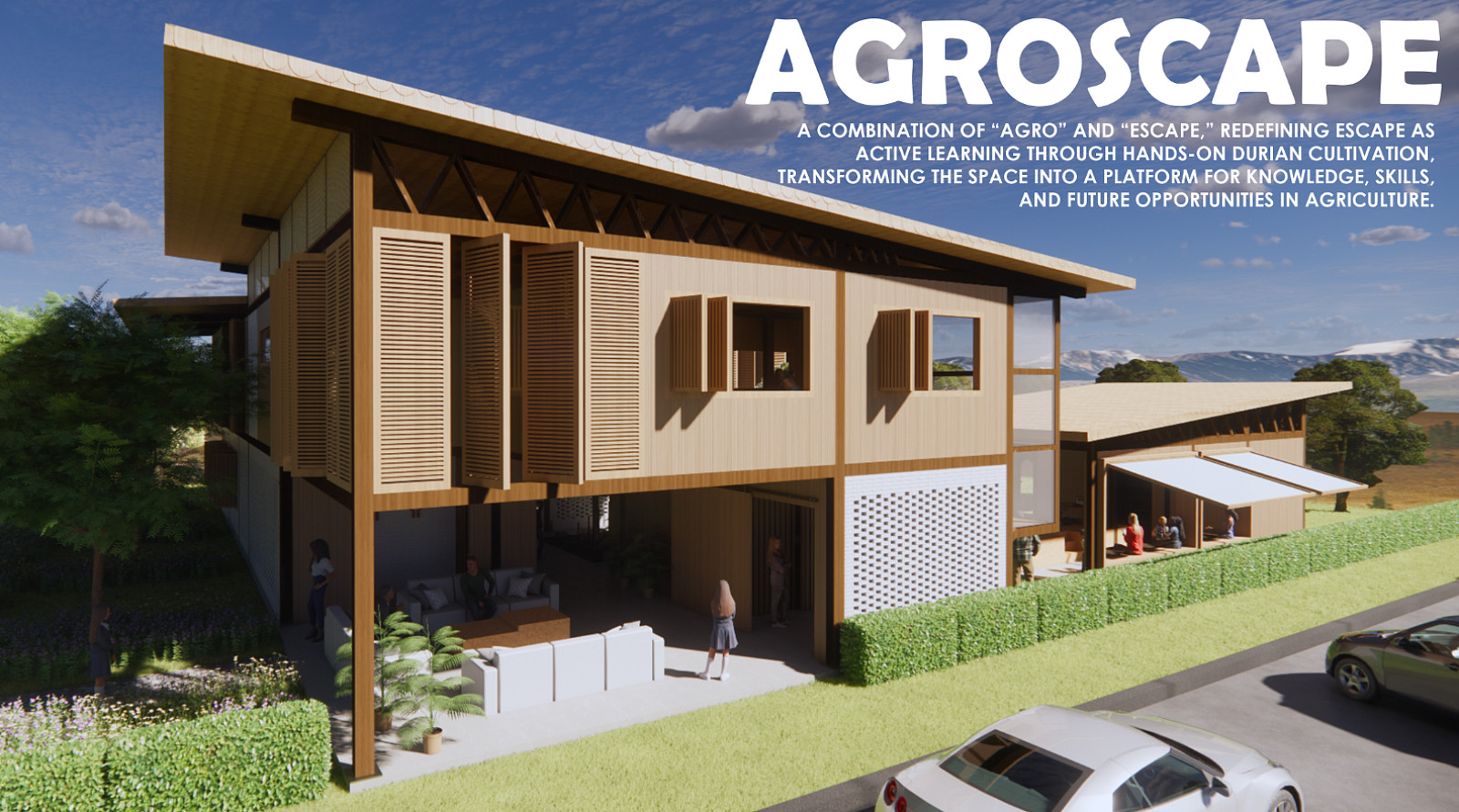
AgroScape is envisioned as a farming and educational destination in Putrajaya that integrates agriculture, landscape, and learning into a single interactive environment. The project aims to reconnect people with food production by transforming farming activities into engaging educational experiences for students, families, researchers, and local communities. Situated within Putrajaya’s green urban setting, AgroScape combines productive agricultural landscapes with learning facilities that promote sustainable farming practices, environmental awareness, and community participation. Visitors can explore demonstration farms, urban agriculture zones, hydroponic gardens, greenhouse cultivation areas, educational galleries, workshops, and outdoor learning spaces that showcase the relationship between nature, technology, and food systems.
The design concept is inspired by the patterns of cultivated landscapes, where fields, planting grids, and water networks shape the spatial organization of the project. Open green spaces, shaded pathways, viewing decks, and interactive farming zones encourage exploration while creating a strong connection between people and the environment. AgroScape serves as a living laboratory where knowledge is cultivated alongside crops, allowing visitors to experience agriculture through observation, participation, and discovery. The project promotes sustainable living, food security, and environmental stewardship while supporting Putrajaya’s vision as a garden city. Through education, innovation, and community engagement, AgroScape becomes a landmark that celebrates the future of urban agriculture in Malaysia.
Project description
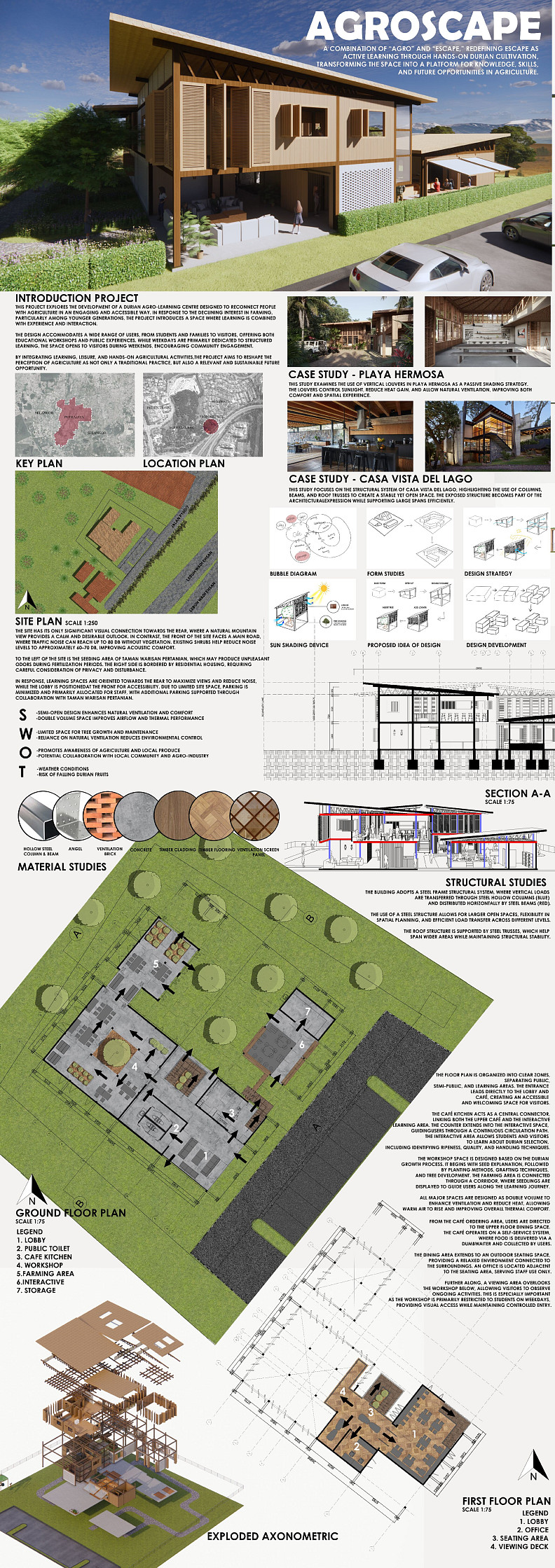
AgroScape is a farming and educational development designed to create meaningful connections between people, agriculture, and the environment through an immersive spatial experience. The project description focuses on the integration of productive farming landscapes with educational facilities that encourage learning, research, and community engagement. The master plan is organized around a network of agricultural zones, learning gardens, demonstration farms, greenhouses, exhibition spaces, workshop areas, and outdoor classrooms. These spaces allow visitors to explore various farming techniques, sustainable food production systems, and environmental conservation practices through direct interaction and observation.
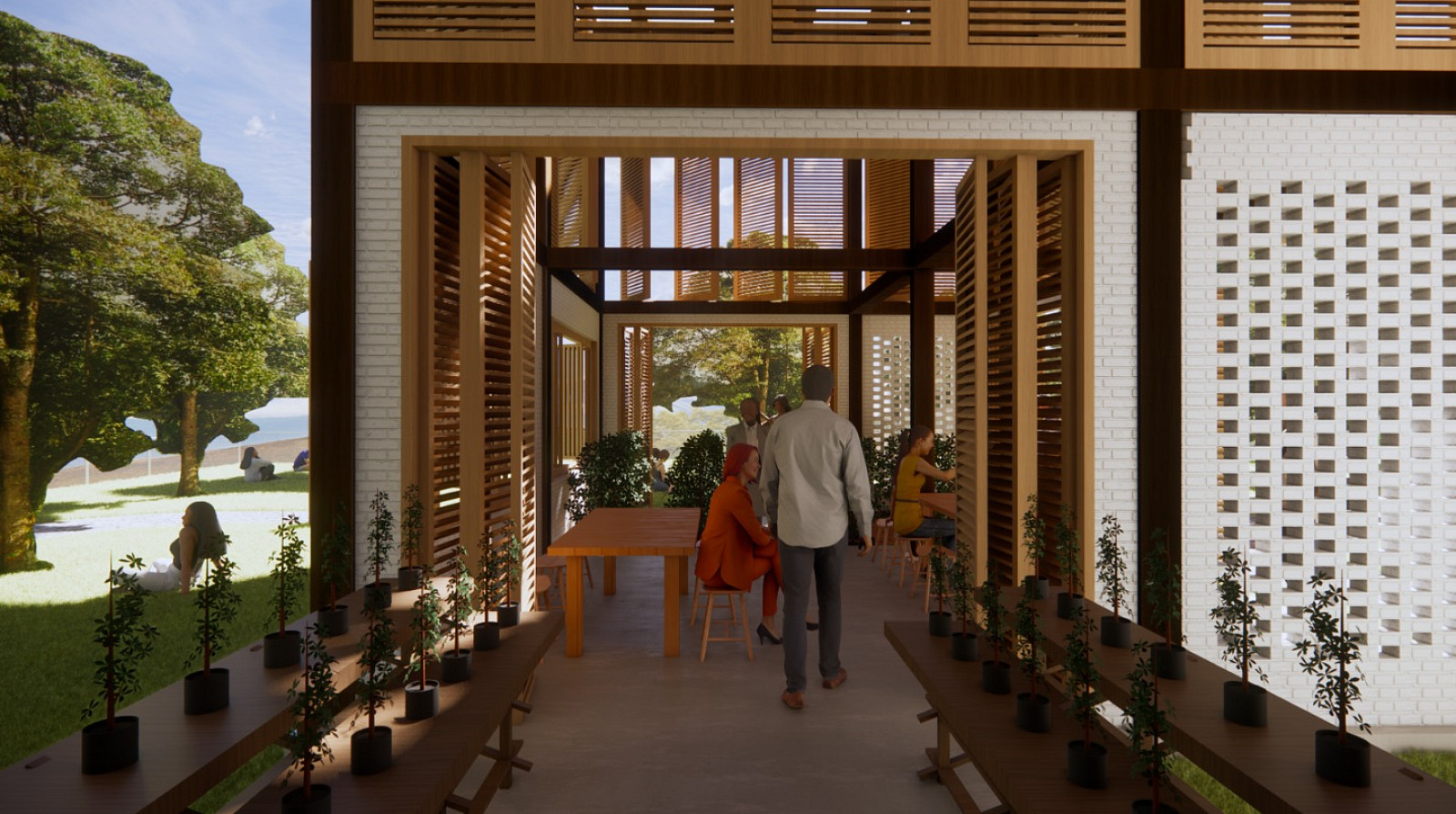
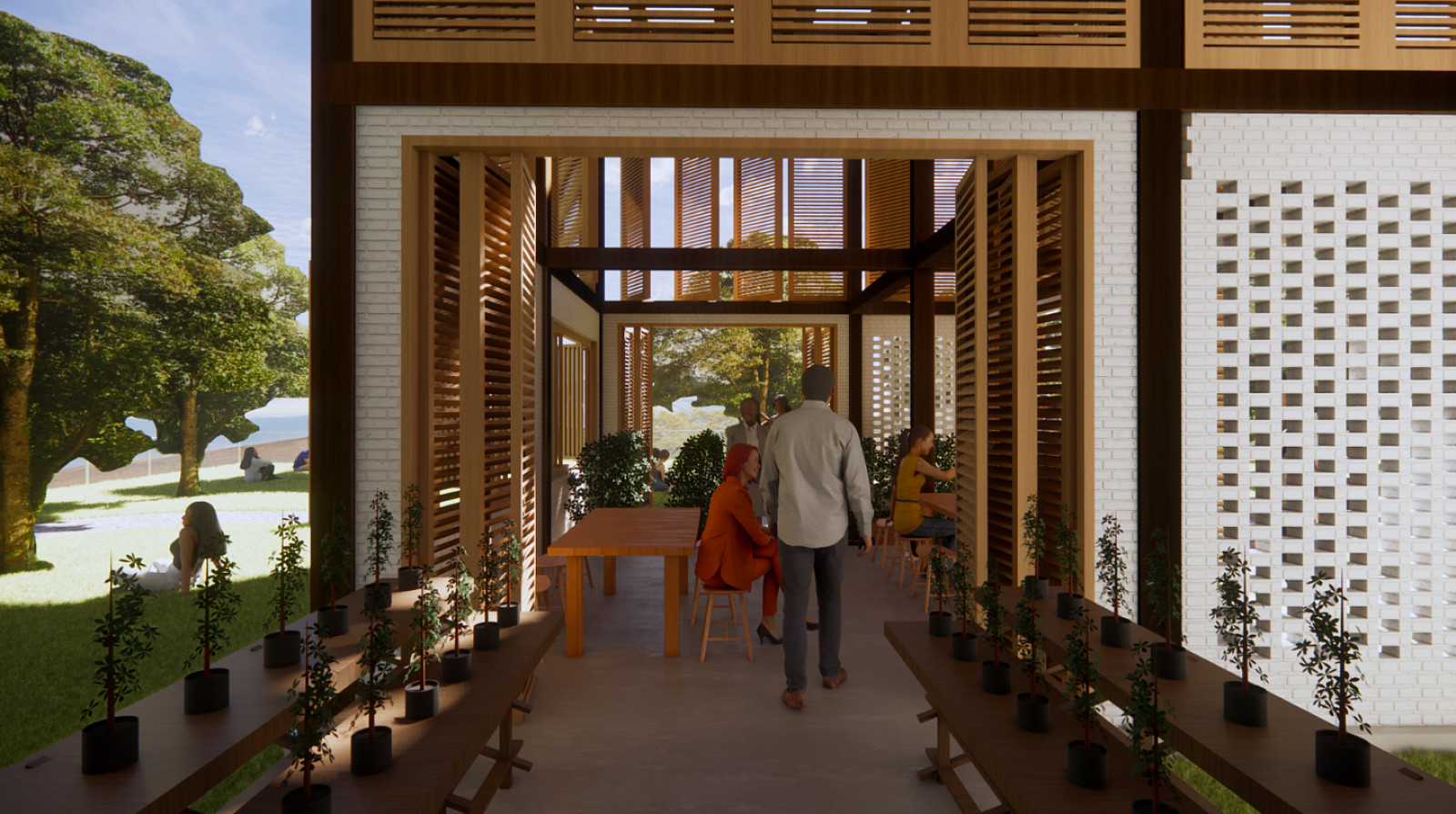
The architectural approach is inspired by the geometry of cultivated fields, irrigation patterns, and natural landforms, creating a seamless relationship between built structures and productive landscapes. Buildings are arranged to maximize natural ventilation, daylighting, and visual connectivity with surrounding farming areas. Covered walkways, viewing platforms, open courtyards, and landscape corridors encourage movement while providing opportunities for education and social interaction. The project promotes experiential learning by allowing visitors to participate in planting, harvesting, and agricultural workshops within a safe and engaging environment. AgroScape serves as a living educational landscape that combines agriculture, architecture, and sustainability, supporting Putrajaya’s vision as a green and knowledge driven city while inspiring future generations to appreciate farming, environmental stewardship, and sustainable living.
Technical information
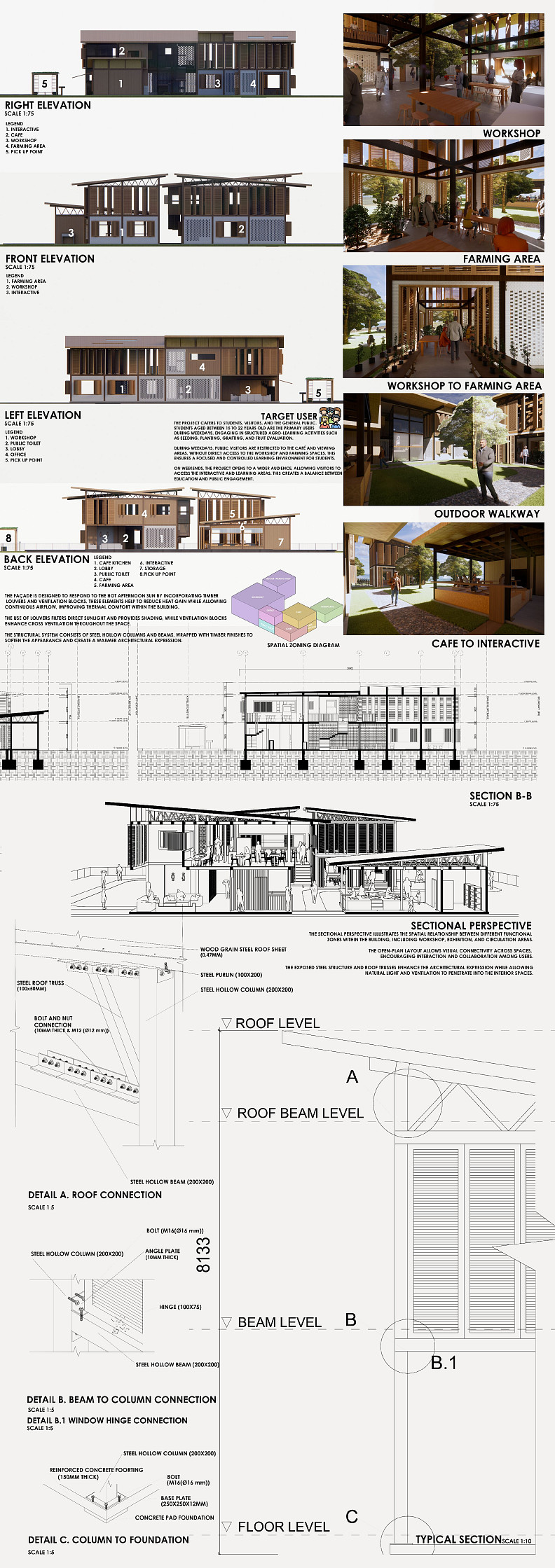
The technical information for AgroScape focuses on creating an efficient, sustainable, and educational farming environment that supports both agricultural production and visitor engagement. The project incorporates a combination of open field farming, greenhouse cultivation, hydroponic systems, and demonstration plots to showcase various agricultural methods suitable for Malaysia’s climate. Water management is achieved through rainwater harvesting, bioswales, retention ponds, and smart irrigation systems that reduce water consumption while maintaining healthy crop growth. Solar energy systems may be integrated to support lighting, water pumps, environmental monitoring equipment, and educational facilities.
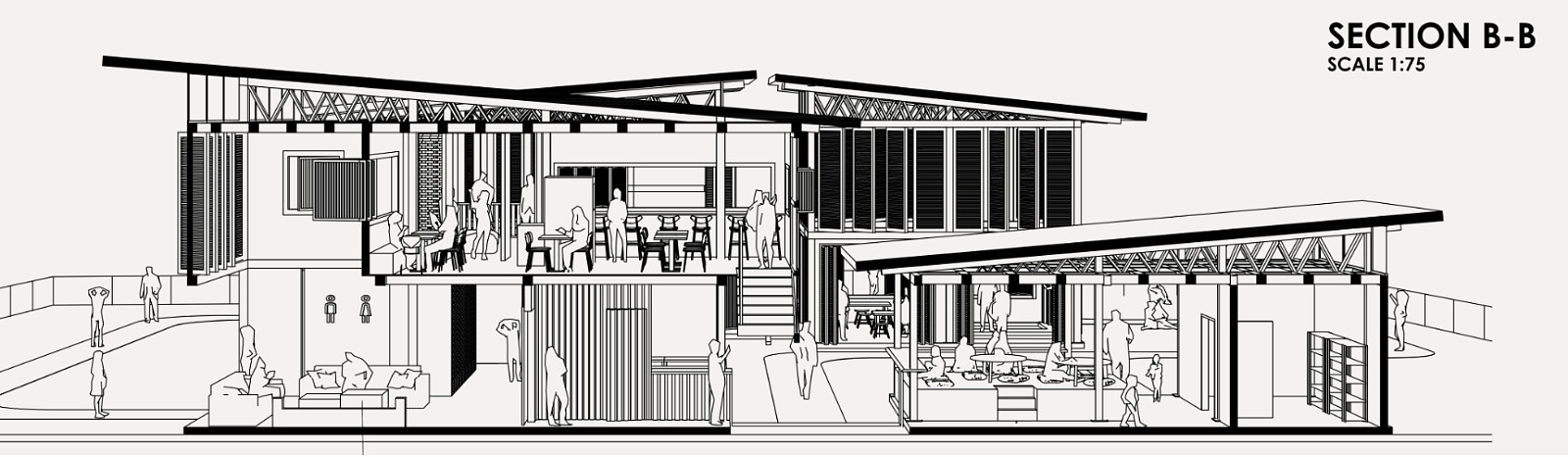
The buildings utilize climate responsive design strategies such as natural ventilation, shaded circulation routes, high ceilings, and deep roof overhangs to improve thermal comfort and reduce energy demand. Structural systems may consist of steel, engineered timber, or reinforced concrete depending on functional requirements and long term durability. Service facilities include agricultural storage rooms, equipment workshops, plant nurseries, composting stations, maintenance areas, and environmental monitoring centers. Accessible pathways, viewing platforms, and outdoor learning spaces ensure safe and inclusive experiences for all visitors. Smart farming technologies such as automated irrigation, climate sensors, and crop monitoring systems enhance educational value while demonstrating modern agricultural practices. Together, these technical systems allow AgroScape to operate as a productive farm, educational hub, and sustainable landscape within Putrajaya’s green urban environment.
Documentation


Copyright © 2026 INSPIRELI | All rights reserved. Use of this website signifies your agreement to the Terms of Use, Privacy Policy, and use of cookies.