SOGLIA DI VENEZIA


Project idea
SOGLİA Dİ VENEZİA
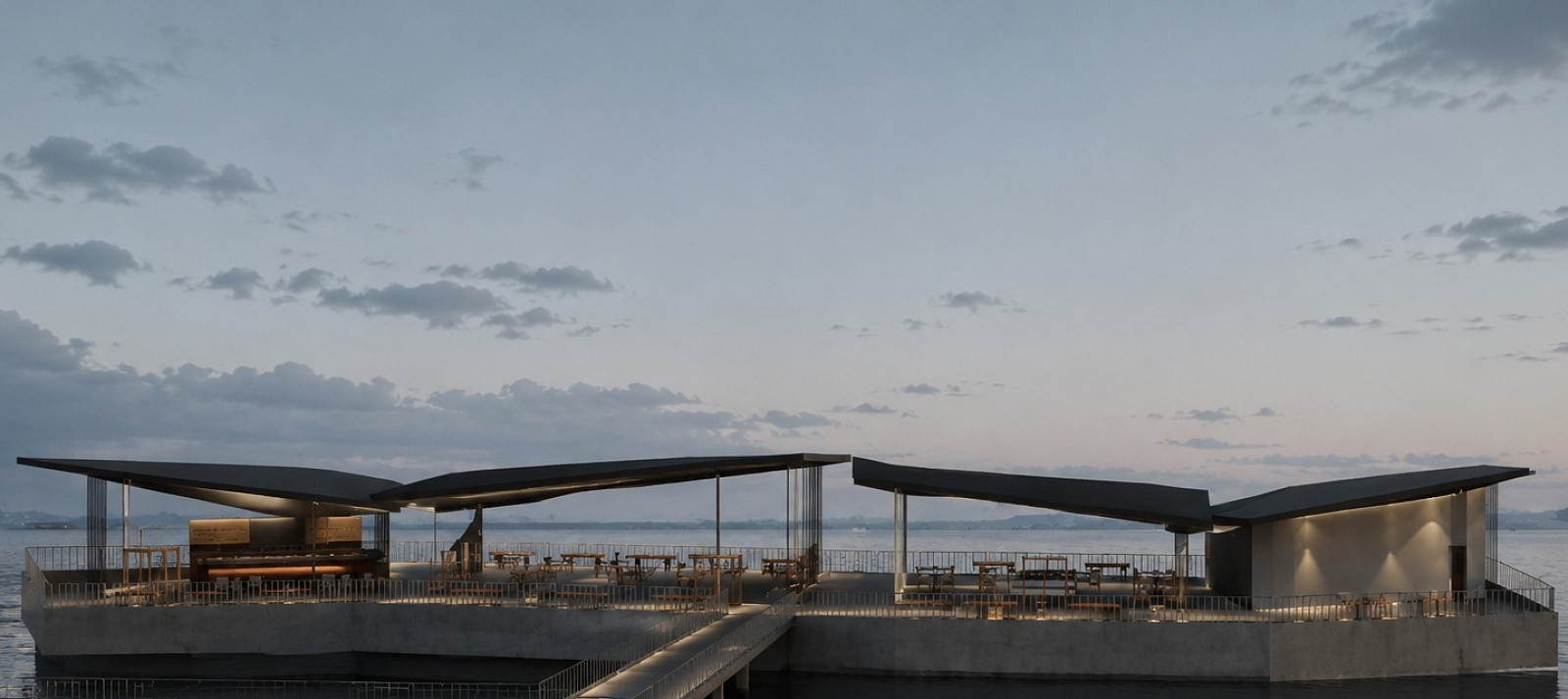
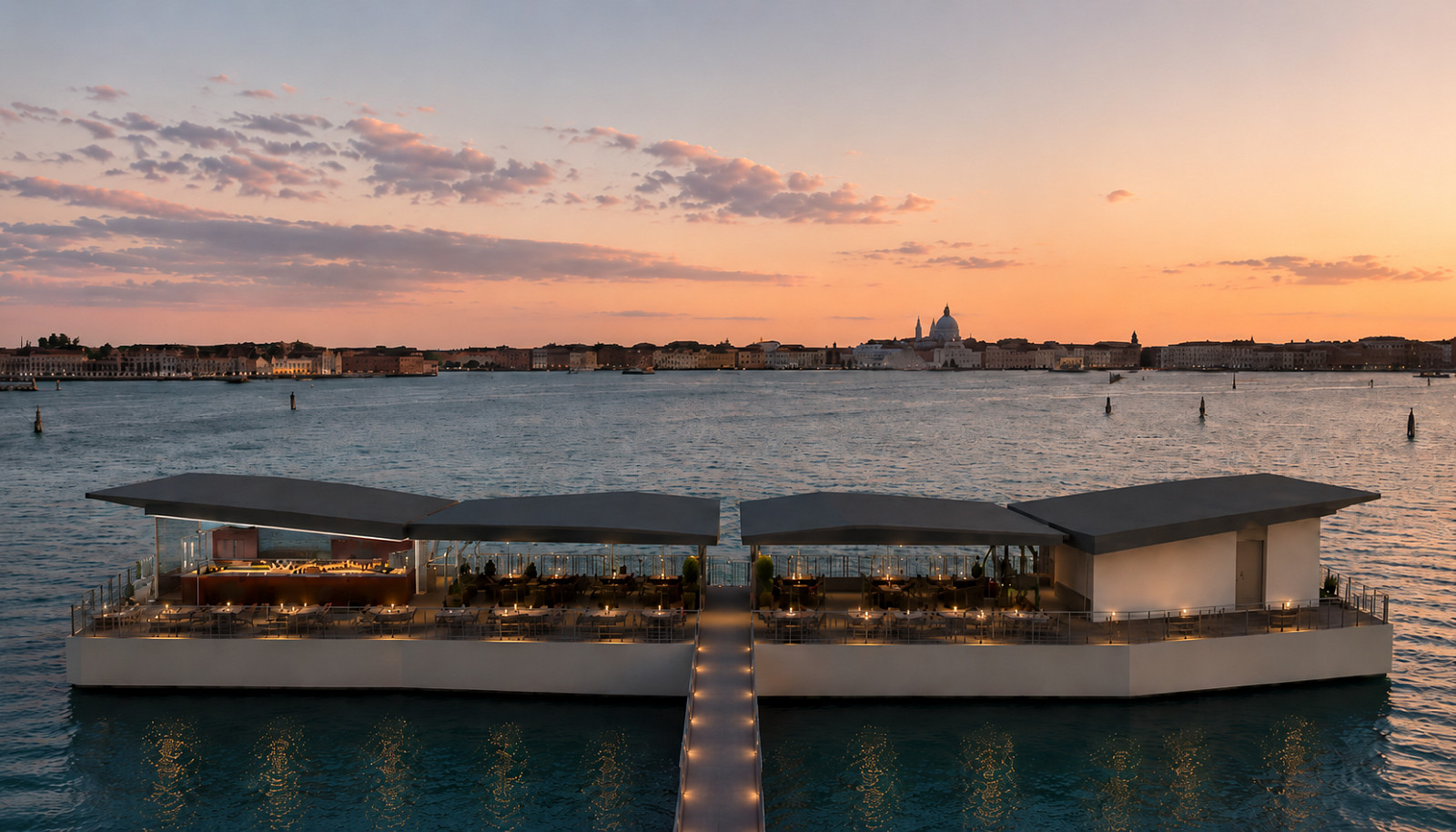
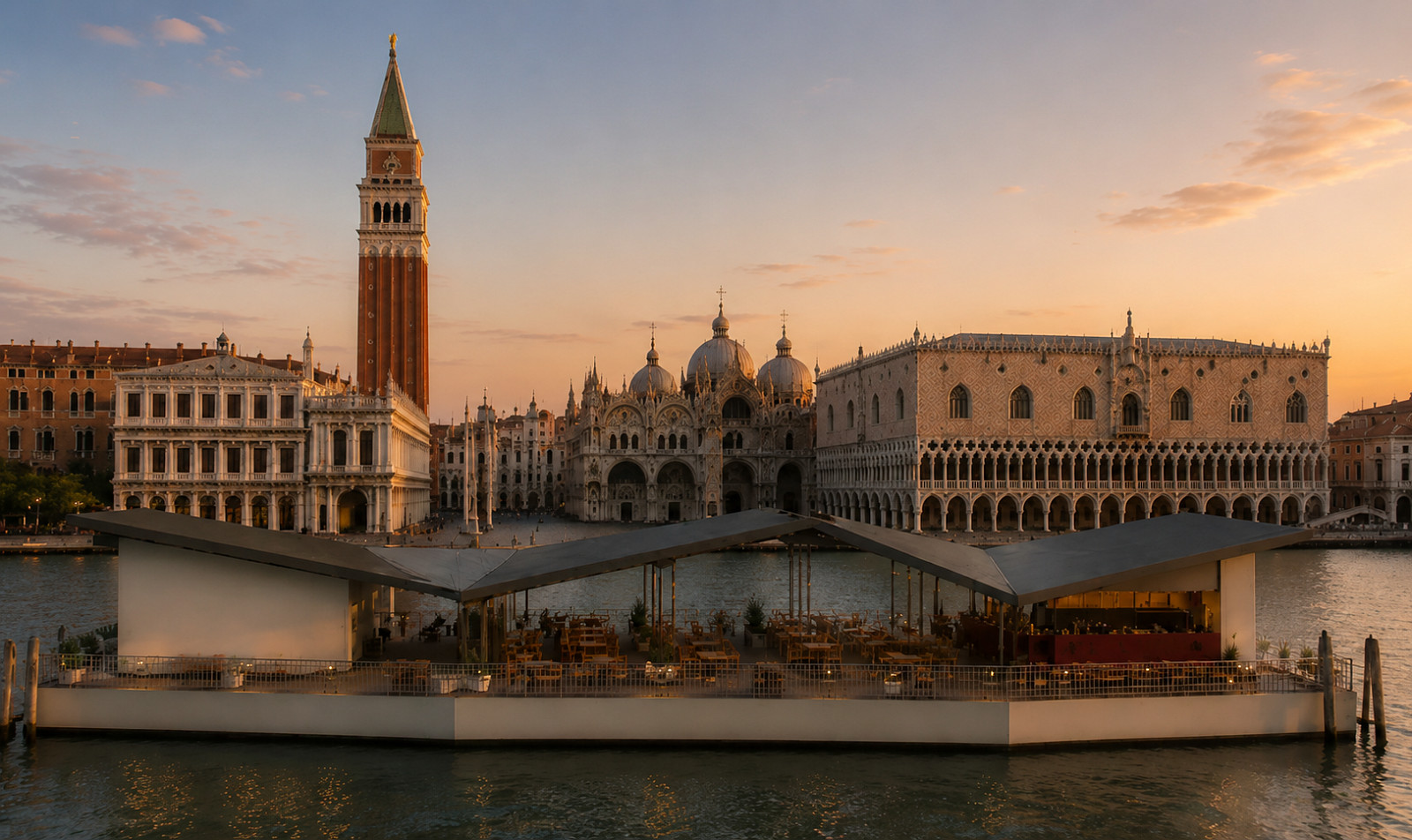
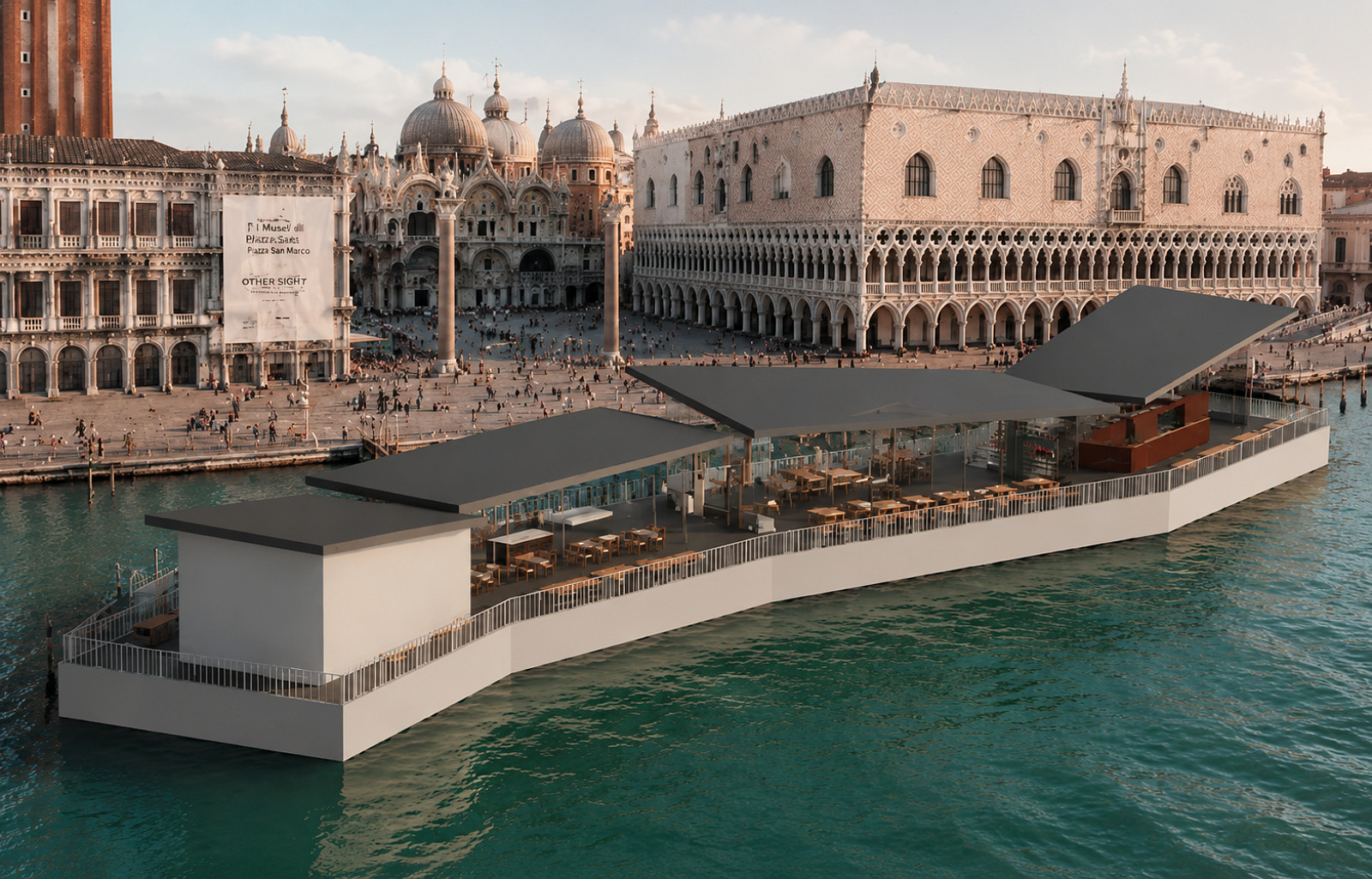
Venice is a city shaped by the continuous interaction between water, urban life, and cultural heritage. However, increasing tourist density, environmental risks, and the impacts of climate change have created new challenges for the city’s spatial and social structure. This project proposes a hybrid threshold space that responds to these challenges by establishing a flexible interface between the lagoon, the urban fabric, and its users.Located at the edge of San Marco, the project does not seek to create a new attraction, but rather to manage and redistribute existing visitor flows. Through strategic orientation and alternative route guidance, it aims to reduce pressure on residential areas while encouraging a more balanced urban experience. In this way, the structure functions as both a mediator and a catalyst, strengthening the relationship between visitors, residents, and the city itself.
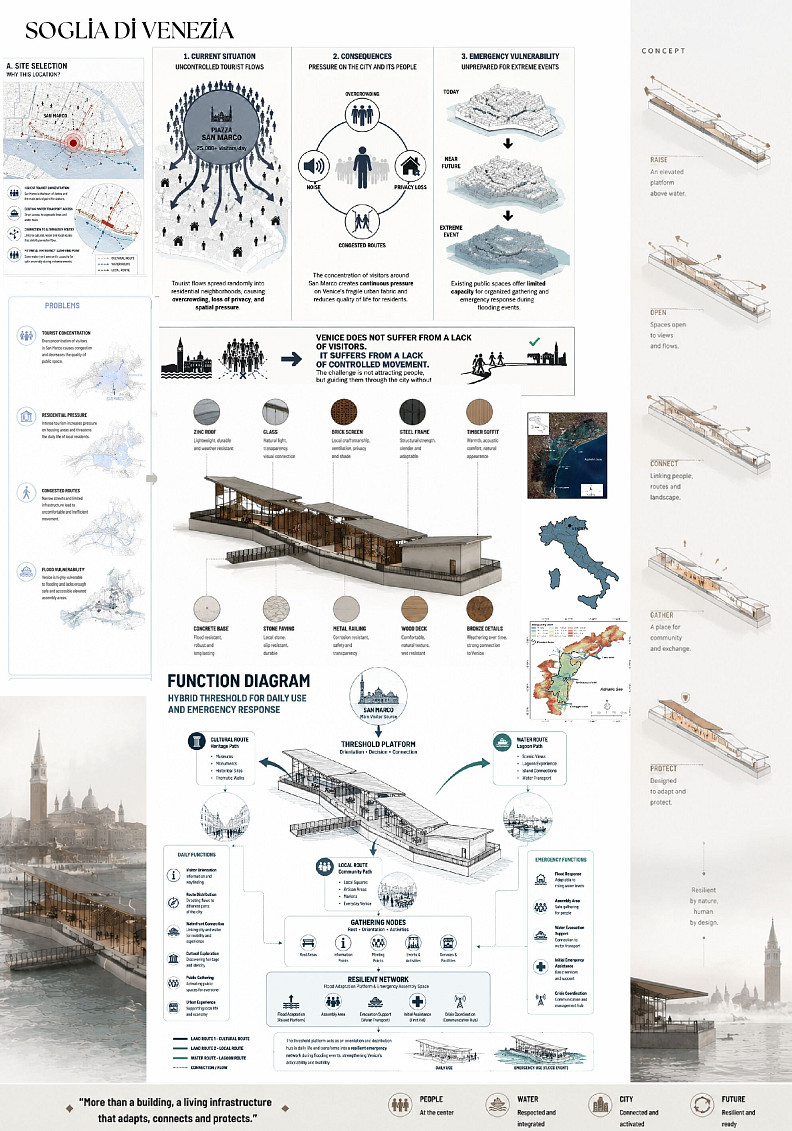
Beyond its daily use, the project is designed as an adaptive infrastructure capable of responding to emergency scenarios such as flooding and extreme water events. Transformable public spaces support gathering, information sharing, first aid, and evacuation functions when required. The architecture therefore shifts from a place of orientation and discovery into a resilient civic support hub.
The design is inspired by the concept of time layers, acknowledging Venice’s past, present, and future relationship with water. Through adaptable platforms, lightweight construction, and resilient systems, the project becomes a living threshold that connects memory, movement, and adaptation. It serves not only as a spatial intervention, but also as a framework for a more sustainable, resilient, and socially balanced future for Venice.
Project description
This project proposes a comprehensive response to the challenges of increasing tourist density, privacy concerns within residential areas, and the risks associated with rising water levels in Venice. Located near San Marco, the Hybrid Threshold Space is designed as an urban interface that guides visitor movement, creates alternative routes, and provides flexible public spaces for everyday use.While supporting orientation, gathering, and social interaction during daily operation, the project is also capable of transforming into an adaptive emergency infrastructure during flood events and other crisis scenarios. In such situations, it functions as a space for assembly, information sharing, first aid, and evacuation support.By reinterpreting the relationship between water and the city, the design integrates the concepts of memory, movement, and adaptation. The project therefore offers a sustainable and resilient spatial strategy that responds to both the current needs and future challenges of Venice.
Technical information
The project is designed as a lightweight and adaptable architectural system integrated with the Venetian lagoon environment. The structure consists of modular platforms and low-rise interconnected volumes that minimize visual impact while maintaining strong connections with the surrounding urban fabric.
Key technical features include:
Adaptive Platform System:Elevated and modular platforms designed to respond to changing water levels and flood conditions.
Lightweight Structural Framework:Timber and steel hybrid construction providing flexibility, durability, and reduced environmental impact.
Multi-Functional Public Spaces: Flexible areas capable of supporting daily public activities as well as emergency gathering and support functions.
Controlled Access and Flow Management: Spatial organization that directs visitor movement through alternative routes, reducing pressure on sensitive residential zones.
Water-Oriented Connectivity:Integration with pedestrian networks and water transportation systems, including vaporetto access.
Climate-Responsive Design: Shaded semi-open spaces, natural ventilation strategies, and weather-protected circulation areas.
Sustainable Infrastructure: Potential integration of rainwater collection, energy-efficient systems, and low-maintenance materials suitable for the lagoon environment.
Emergency Support Functions: Infrastructure capable of accommodating temporary gathering, information distribution, first aid, and evacuation coordination during flood events.
Through these technical strategies, the project operates as both an everyday urban interface and a resilient emergency support structure, capable of adapting to Venice’s evolving environmental and social conditions.
Documentation

Copyright © 2026 INSPIRELI | All rights reserved. Use of this website signifies your agreement to the Terms of Use, Privacy Policy, and use of cookies.