Solèa Juice Factory


Project idea
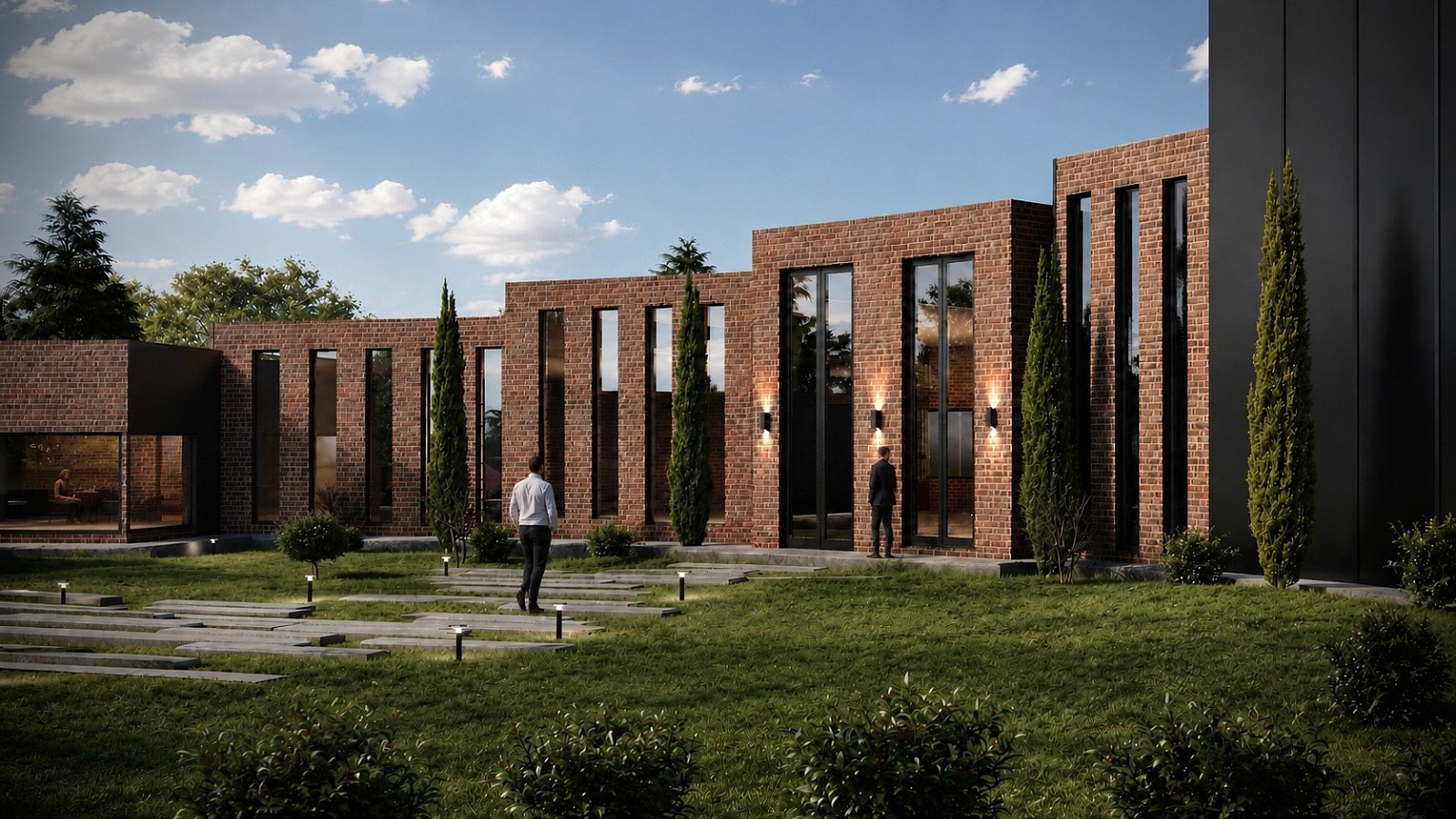
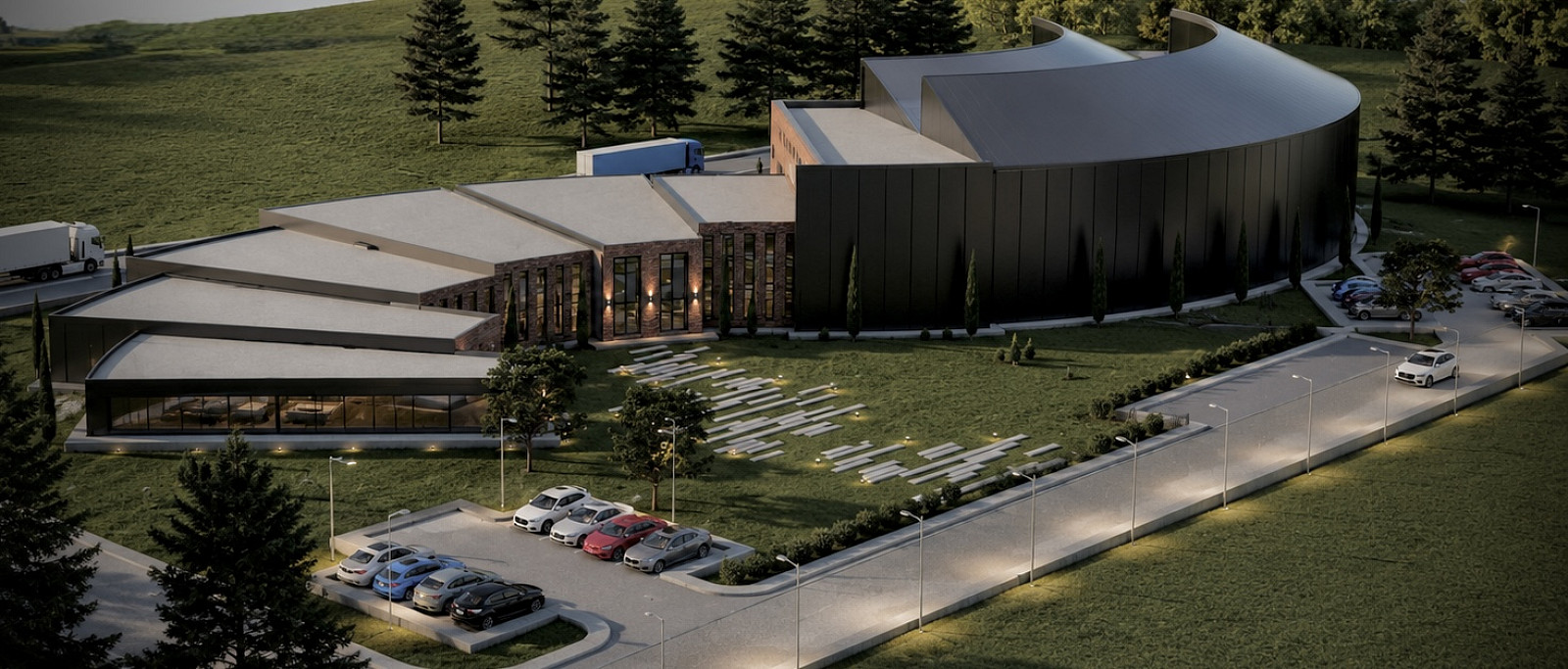
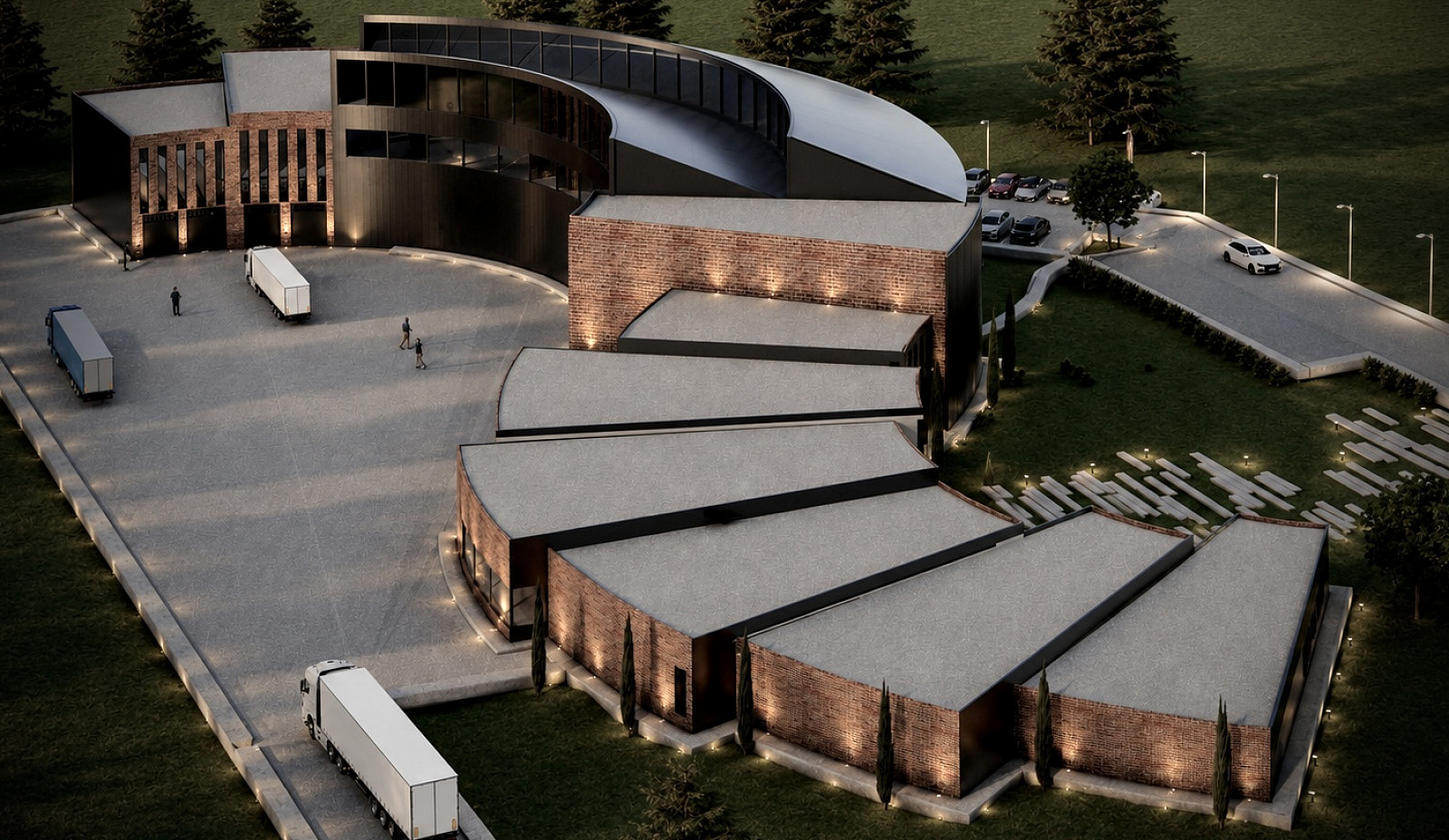
The main concept of the project is based on the idea of the “flow of liquid”, transforming the industrial production process into the primary inspiration for the architectural form and spatial organization of the building. As the facility is dedicated to juice production, the design aims to express movement, continuity, and fluidity through its architecture. The form originates from a compact volume that gradually opens and fragments, creating rhythm and functional hierarchy. Curved lines and a radial spatial arrangement reinforce the perception of continuous flow and dynamic movement. The project seeks to establish a strong relationship between industrial functionality and architectural expression, where the production process becomes an integral part of the building’s identity.
Project description
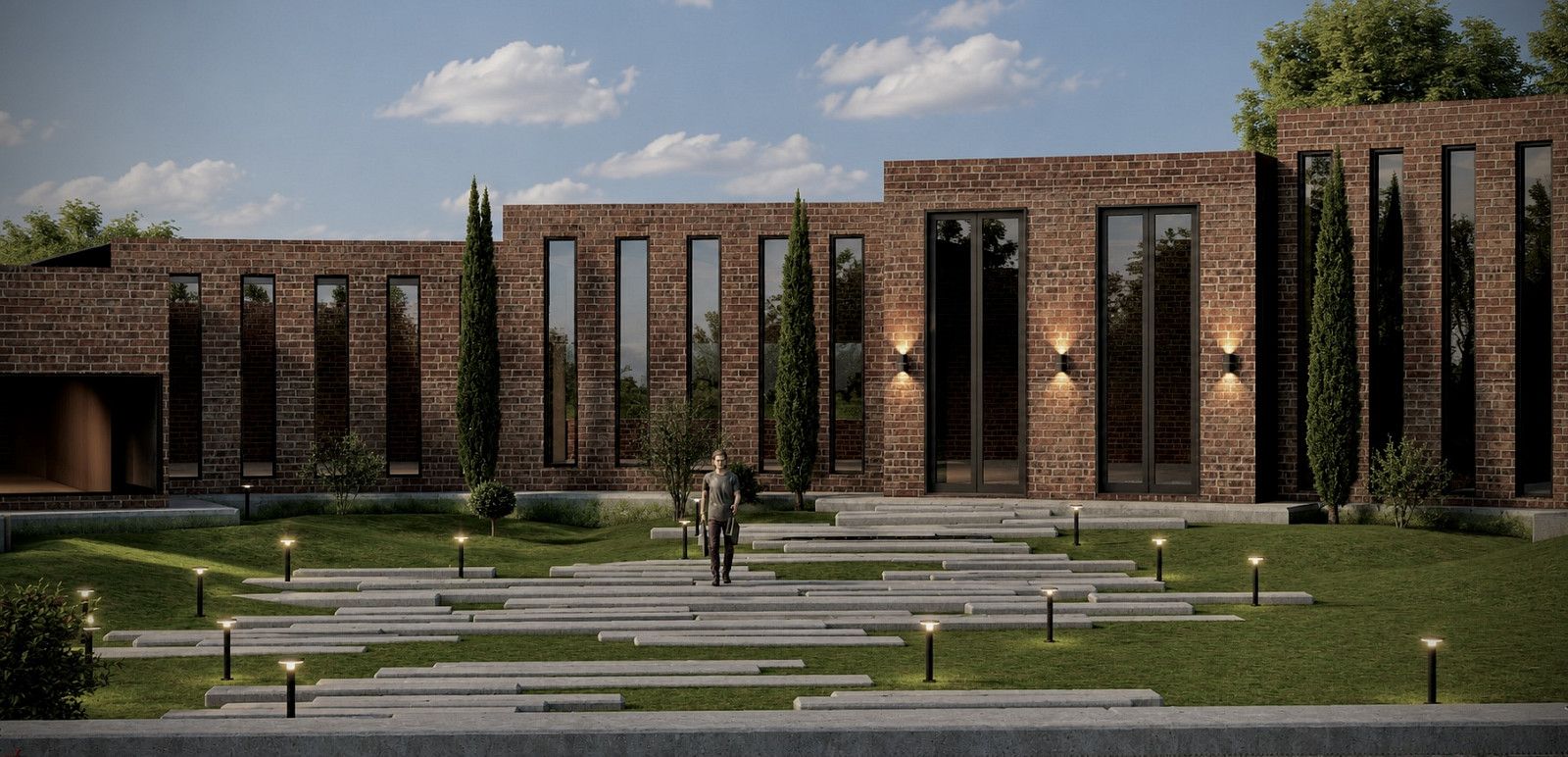
The project is designed as a juice production factory consisting of a basement, ground floor, and first floor. The functional organization follows the logic of the industrial production process while ensuring clear separation between production, logistics, and administrative circulation. The ground floor contains the main production hall, material entrance, finished product exit, staff entrance, visitor reception area, restaurant, cafeteria, kitchen, changing rooms, sanitary facilities, laboratories, and quality-control spaces. Clean and unclean circulation corridors regulate hygienic movement within the production zone. The basement serves as the logistical and storage level. It includes loading and unloading areas, material storage, consumable material storage, and finished product warehouses. Vertical connections between storage and production are provided through an industrial elevator. The first floor accommodates the administrative department. It includes an open-space office area, director’s office, meeting room, staff lounge, sanitary facilities, and support spaces. Visual connections between the administration and the production hall strengthen communication and supervision of industrial operations. The overall layout ensures efficient workflow, operational safety, hygienic standards, and functional integration between production, storage, and management activities.
Technical information
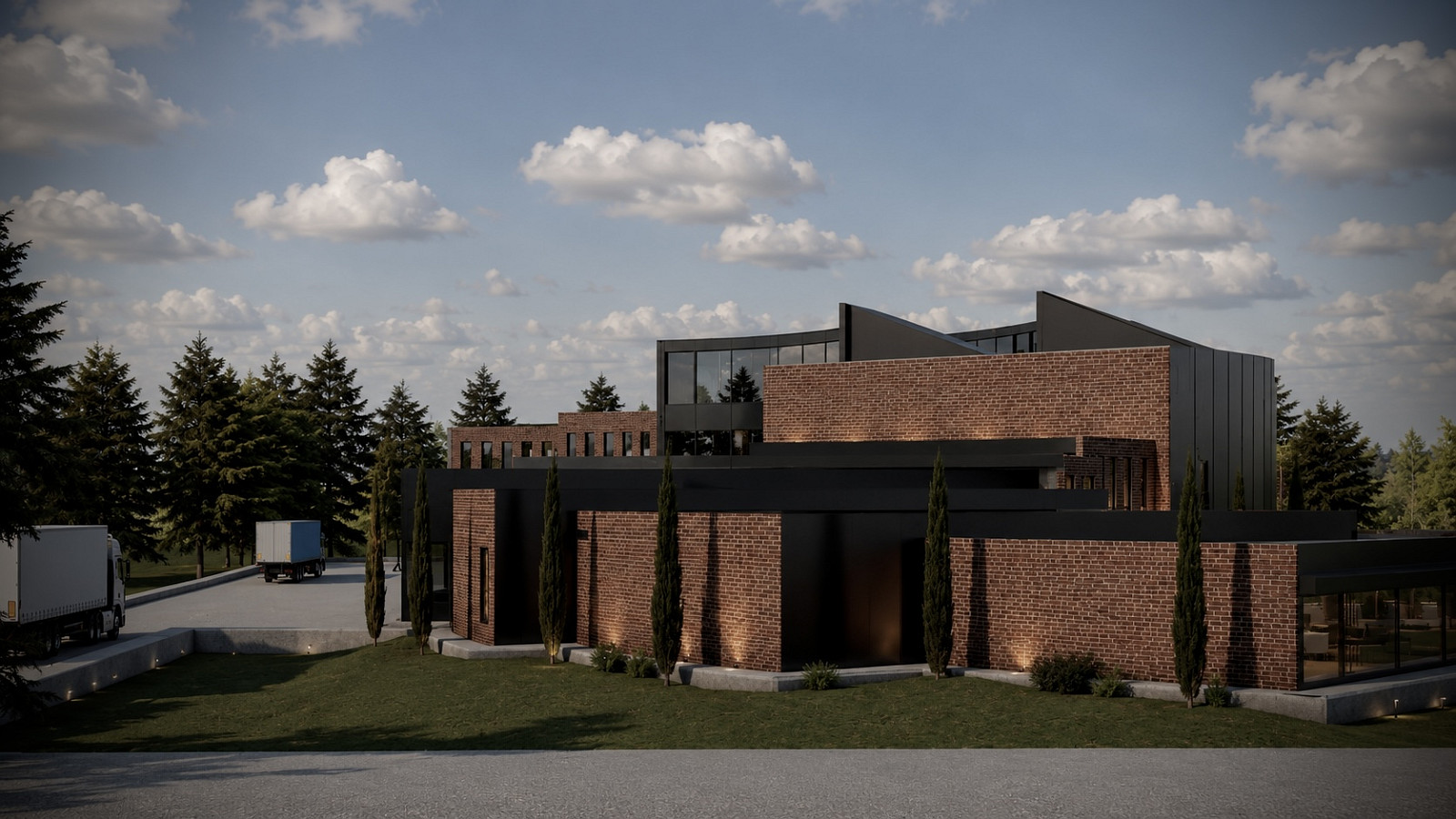
The building is designed using a hybrid structural system. The administrative and supporting areas are constructed with a reinforced concrete frame structure, providing stability and flexibility in spatial organization. The production hall utilizes a steel structural system, enabling large-span spaces free of intermediate columns. This solution ensures unobstructed production areas and maximum flexibility for industrial equipment and operational processes. Natural lighting within the production hall is provided through two shed roofs, strategically designed to introduce daylight deep into the interior spaces. In addition to enhancing visual comfort for workers, these elements reduce the reliance on artificial lighting during daytime operation and contribute to the overall energy efficiency of the facility.
Documentation
Created in:


Copyright © 2026 INSPIRELI | All rights reserved. Use of this website signifies your agreement to the Terms of Use, Privacy Policy, and use of cookies.