The Quiet Arsenal

Project idea
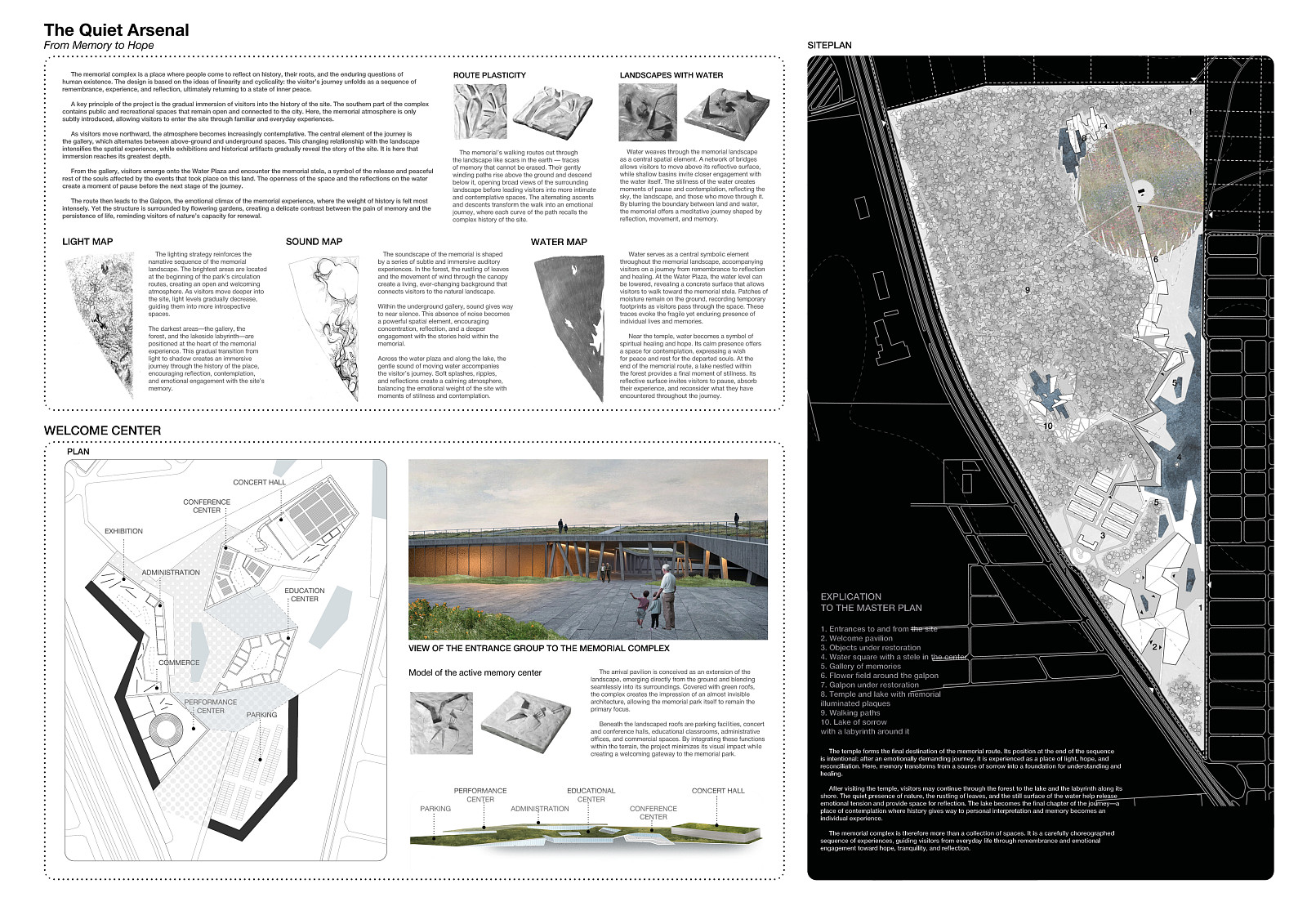
The memorial complex is a place where people come to reflect on history, their roots, and the enduring questions of human existence. The design is based on the ideas of linearity and cyclicality: the visitor’s journey unfolds as a sequence of remembrance, experience, and reflection, ultimately returning to a state of inner peace.
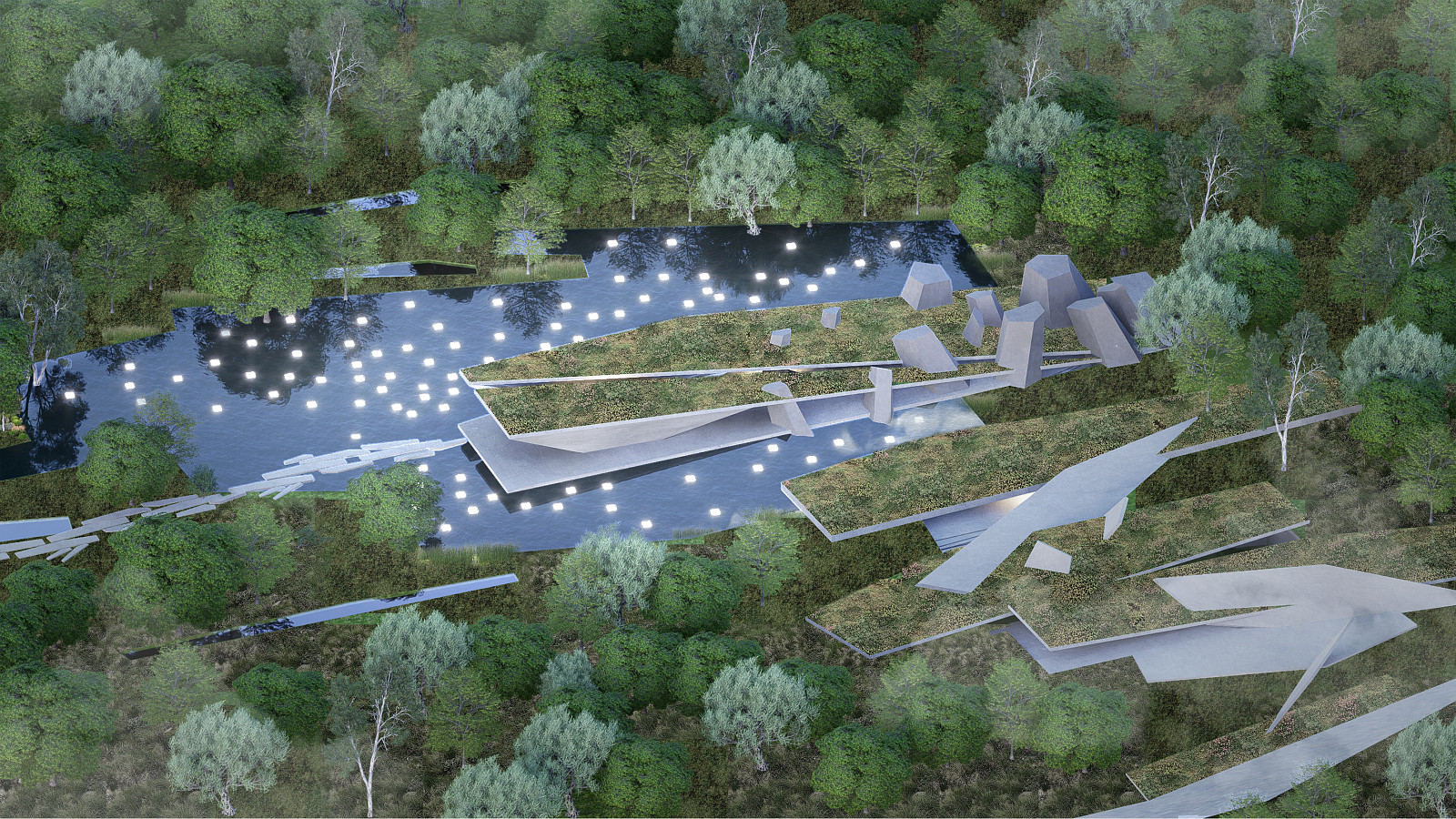
A key principle of the project is the gradual immersion of visitors into the history of the site. The southern part of the complex contains public and recreational spaces that remain open and connected to the city. Here, the memorial atmosphere is only subtly introduced, allowing visitors to enter the site through familiar and everyday experiences.
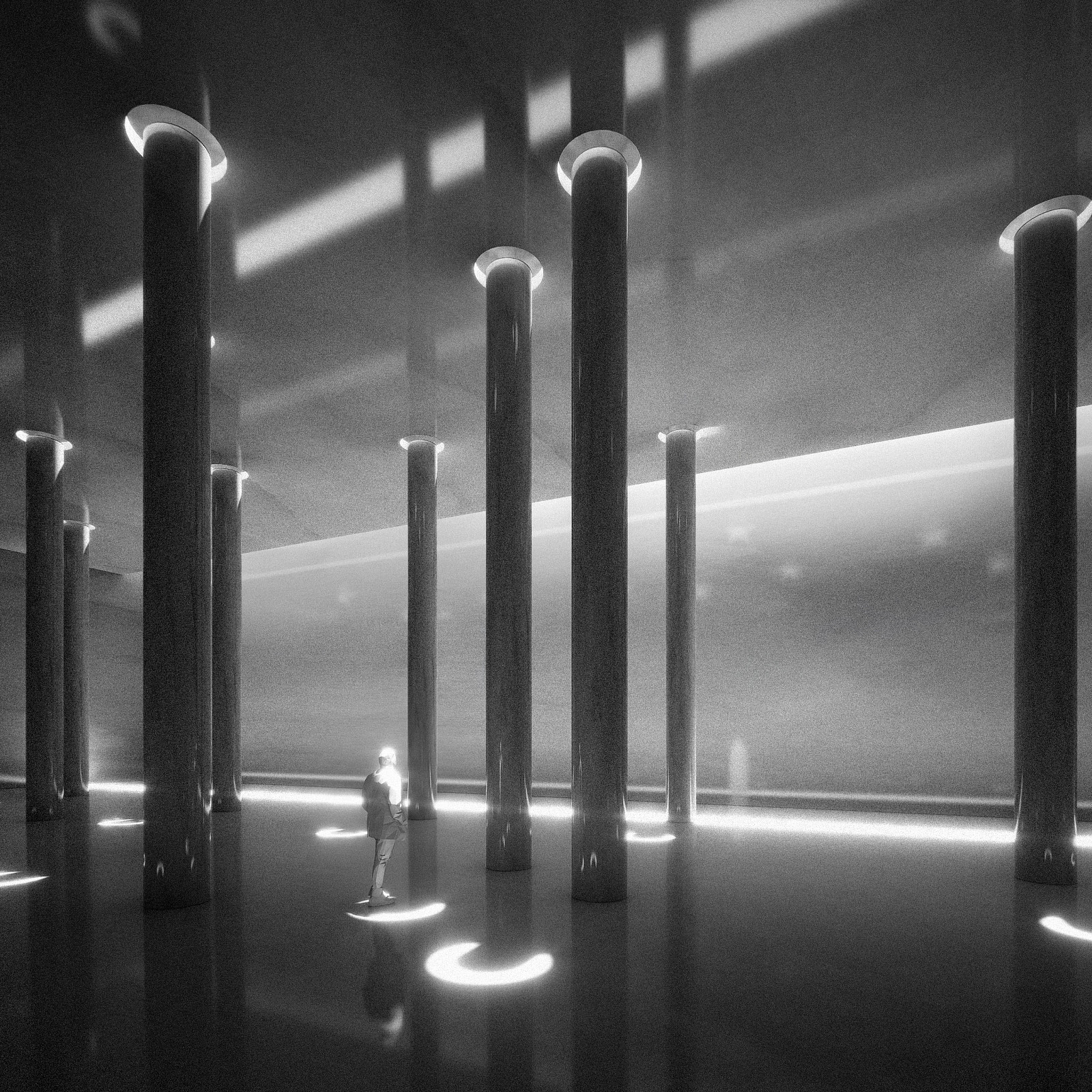
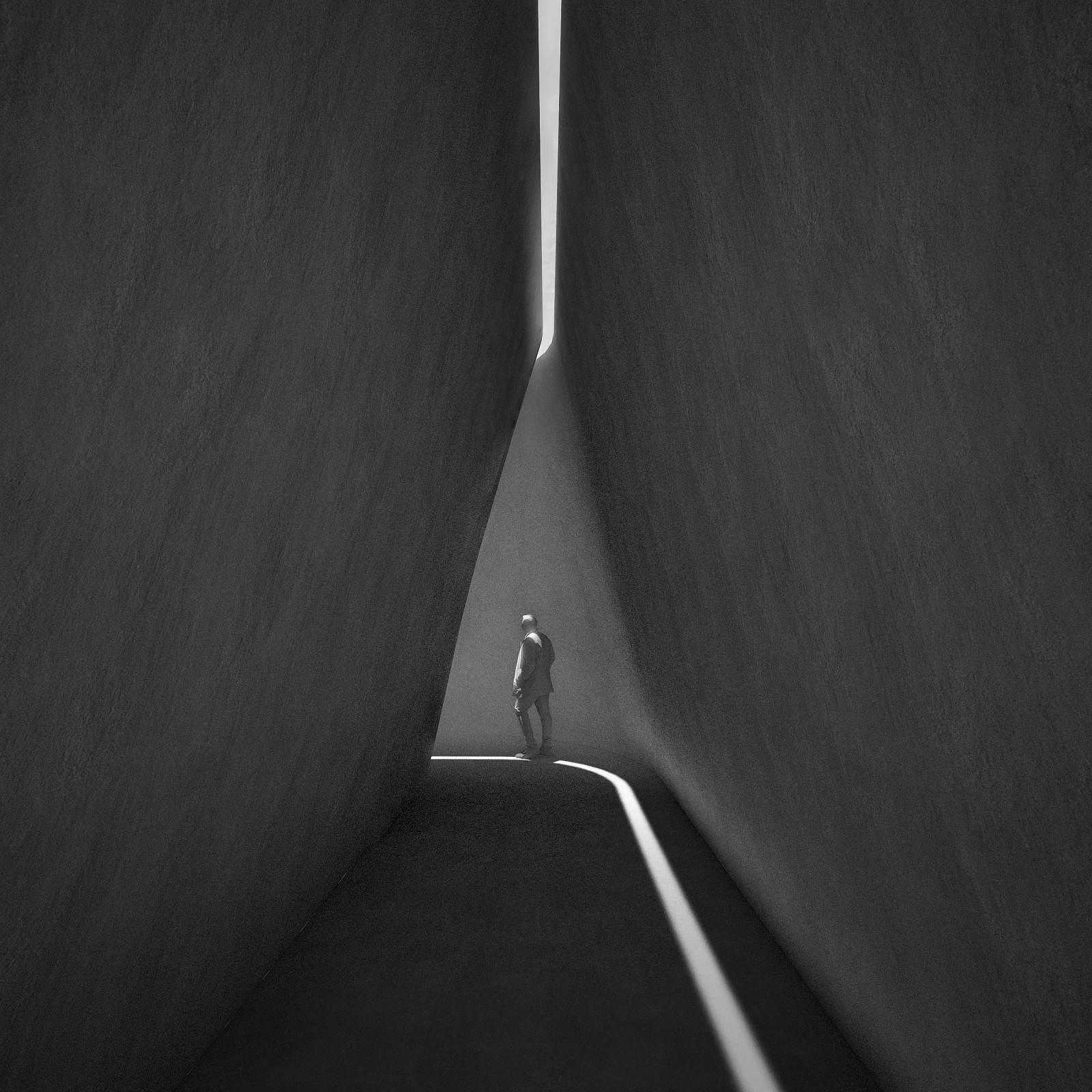
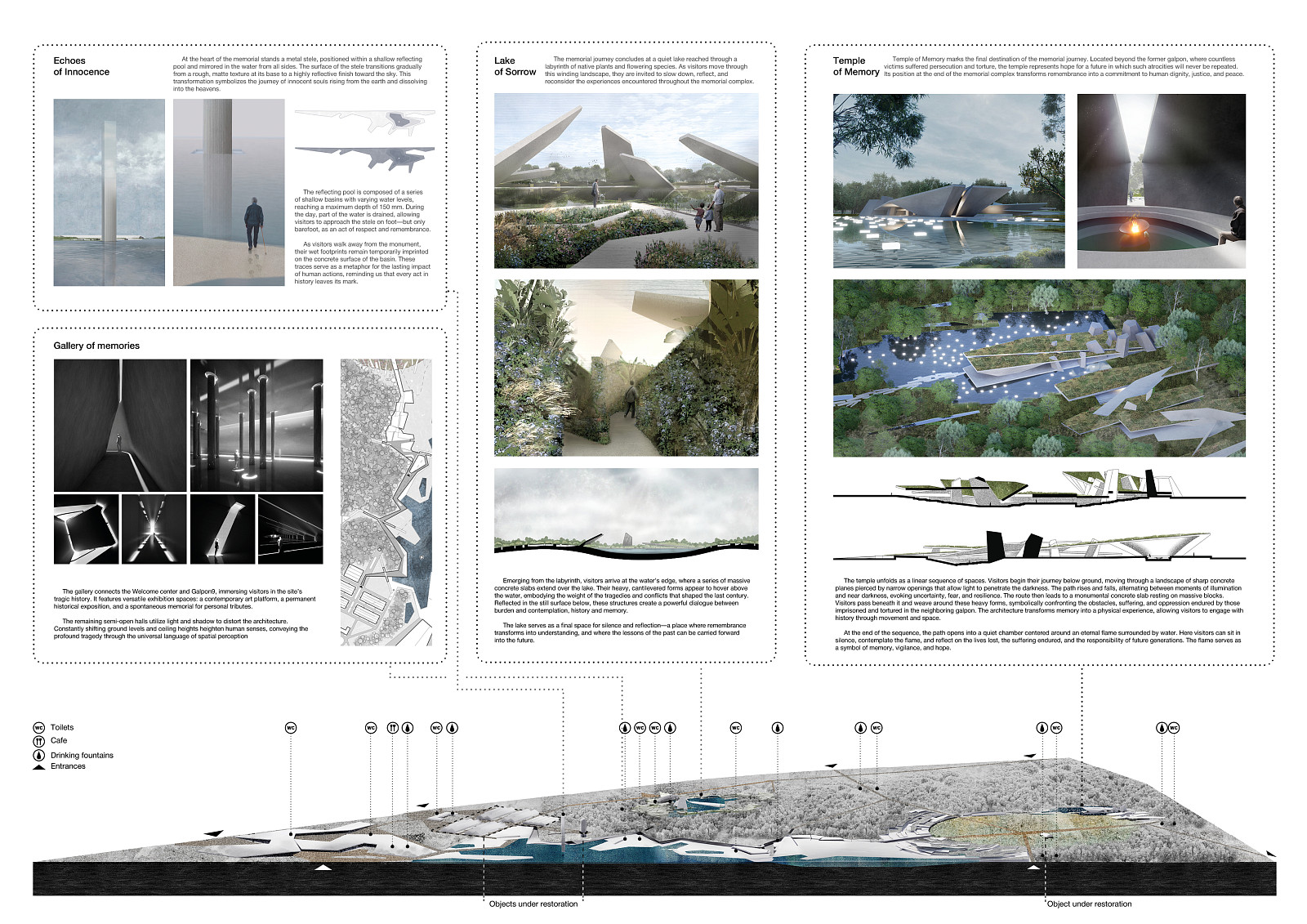
As visitors move northward, the atmosphere becomes increasingly contemplative. The central element of the journey is the gallery, which alternates between above-ground and underground spaces. This changing relationship with the landscape intensifies the spatial experience, while exhibitions and historical artifacts gradually reveal the story of the site. It is here that immersion reaches its greatest depth.
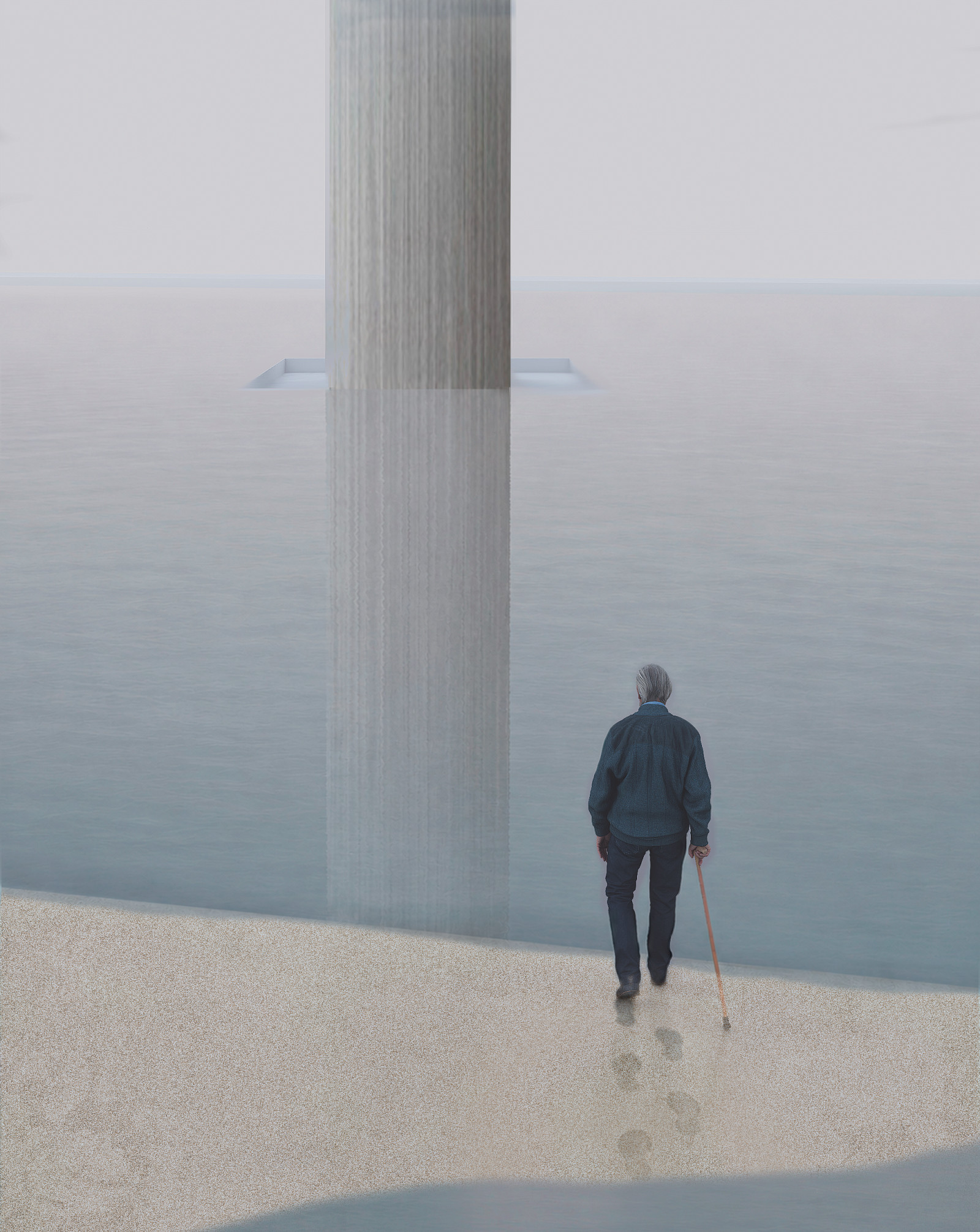
From the gallery, visitors emerge onto the Water Plaza and encounter the memorial stela, a symbol of the release and peaceful rest of the souls affected by the events that took place on this land. The openness of the space and the reflections on the water create a moment of pause before the next stage of the journey.
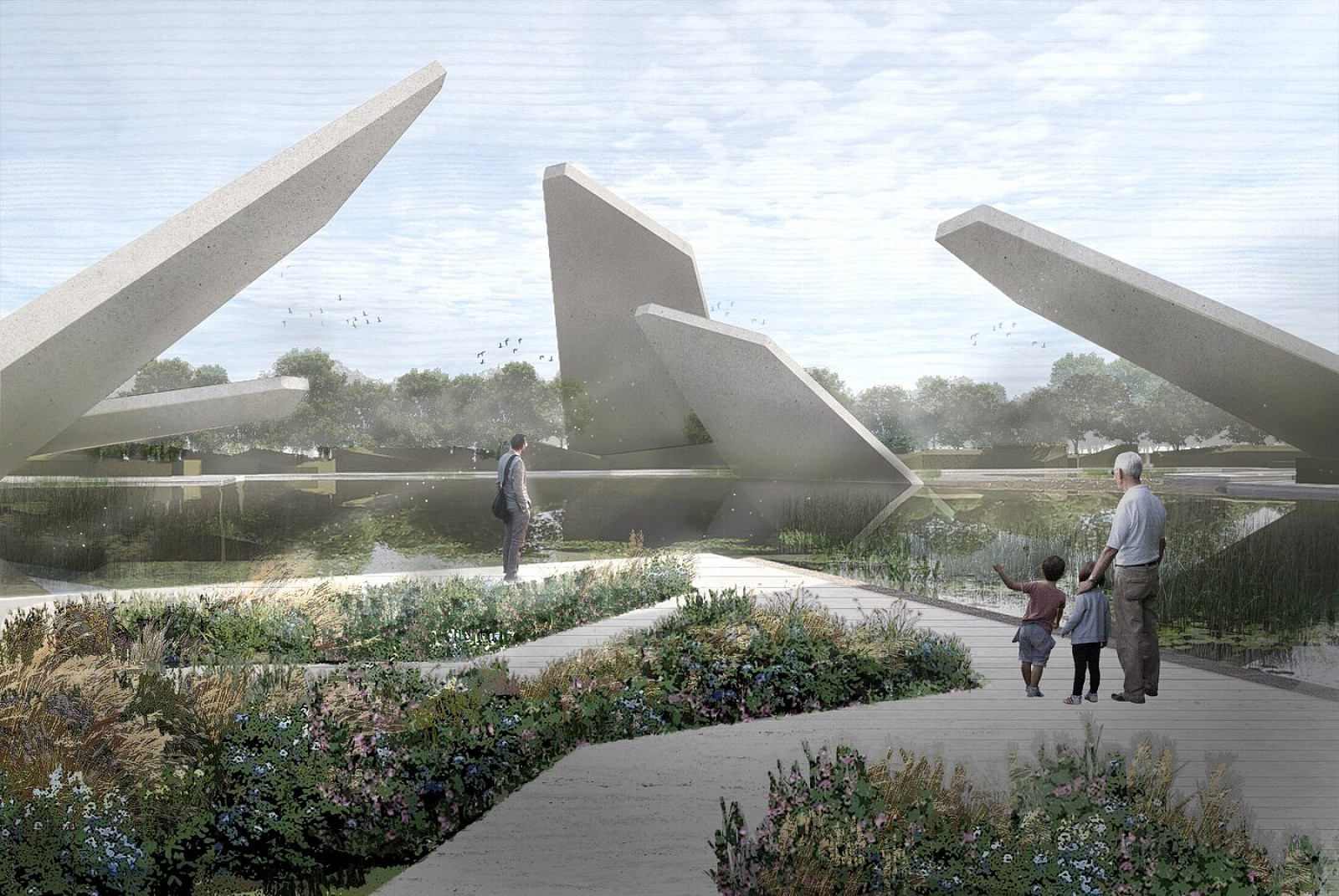
The route then leads to the Galpon, the emotional climax of the memorial experience, where the weight of history is felt most intensely. Yet the structure is surrounded by flowering gardens, creating a delicate contrast between the pain of memory and the persistence of life, reminding visitors of nature’s capacity for renewal.
The temple forms the final destination of the memorial route. Its position at the end of the sequence is intentional: after an emotionally demanding journey, it is experienced as a place of light, hope, and reconciliation. Here, memory transforms from a source of sorrow into a foundation for understanding and healing.
After visiting the temple, visitors may continue through the forest to the lake and the labyrinth along its shore. The quiet presence of nature, the rustling of leaves, and the still surface of the water help release emotional tension and provide space for reflection. The lake becomes the final chapter of the journey—a place of contemplation where history gives way to personal interpretation and memory becomes an individual experience.
The memorial complex is therefore more than a collection of spaces. It is a carefully choreographed sequence of experiences, guiding visitors from everyday life through remembrance and emotional engagement toward hope, tranquility, and reflection.
Project description
The lighting strategy reinforces the narrative sequence of the memorial landscape. The brightest areas are located at the beginning of the park’s circulation routes, creating an open and welcoming atmosphere. As visitors move deeper into the site, light levels gradually decrease, guiding them into more introspective spaces. The darkest areas—the gallery, the forest, and the lakeside labyrinth—are positioned at the heart of the memorial experience. This gradual transition from light to shadow creates an immersive journey through the history of the place, encouraging reflection, contemplation, and emotional engagement with the site’s memory.
The soundscape of the memorial is shaped by a series of subtle and immersive auditory experiences. In the forest, the rustling of leaves and the movement of wind through the canopy create a living, ever-changing background that connects visitors to the natural landscape.
Within the underground gallery, sound gives way to near silence. This absence of noise becomes a powerful spatial element, encouraging concentration, reflection, and a deeper engagement with the stories held within the memorial.
Across the water plaza and along the lake, the gentle sound of moving water accompanies the visitor’s journey. Soft splashes, ripples, and reflections create a calming atmosphere, balancing the emotional weight of the site with moments of stillness and contemplation.
Water serves as a central symbolic element throughout the memorial landscape, accompanying visitors on a journey from remembrance to reflection and healing. At the Water Plaza, the water level can be lowered, revealing a concrete surface that allows visitors to walk toward the memorial stela. Patches of moisture remain on the ground, recording temporary footprints as visitors pass through the space. These traces evoke the fragile yet enduring presence of individual lives and memories. Near the temple, water becomes a symbol of spiritual healing and hope. Its calm presence offers a space for contemplation, expressing a wish for peace and rest for the departed souls. At the end of the memorial route, a lake nestled within the forest provides a final moment of stillness. Its reflective surface invites visitors to pause, absorb their experience, and reconsider what they have encountered throughout the journey.
Technical information
The material palette of the memorial is intentionally restrained, relying on concrete, metal, wood, and landscape elements to create a powerful yet contemplative atmosphere.
Concrete forms the primary architectural language of the project. Its permanence, weight, and raw texture evoke the endurance of memory and provide a neutral backdrop for reflection. Metal elements are used to articulate structures, pathways, and memorial features, expressing strength while allowing light, shadow, and time to leave visible traces on their surfaces.
Wood introduces warmth and a human scale to the experience. Its natural texture softens the austerity of the architectural elements and creates moments of comfort and connection within the memorial journey.
Landscape architecture serves as an equally important material. Forests, gardens, water features, and open spaces shape the emotional narrative of the site, guiding visitors through a sequence of remembrance, contemplation, healing, and renewal. Together, these materials create a dialogue between permanence and change, memory and nature, loss and hope.

Copyright © 2026 INSPIRELI | All rights reserved. Use of this website signifies your agreement to the Terms of Use, Privacy Policy, and use of cookies.
