BETWEEN HOPE & FORM - HOMELESS EDUCATIONAL CENTER


Project idea
“Between Hope and Form: A Caring Space for Dignity, Learning and Belonging” is a community-centred educational and vocational hub designed to empower homeless individuals through skill development, social engagement, and personal growth. Situated within the culturally rich context of Kuala Lumpur’s Chinatown district, the project draws inspiration from traditional Chinese architecture, craftsmanship, and artistic expression to create an environment that nurtures both creativity and human connection.
The design explores how architecture can become a catalyst for social change by transforming underutilised urban space into a welcoming centre where vulnerable communities can access educational opportunities, vocational training, emotional support, and economic empowerment. Through the integration of cultural identity, community participation, and inclusive design principles, the project seeks to restore dignity, foster self-reliance, and strengthen social integration among homeless youth and adults.
The primary goal is to provide a supportive platform that bridges the gap between homelessness and sustainable livelihoods while encouraging meaningful engagement with the wider community.
Project description
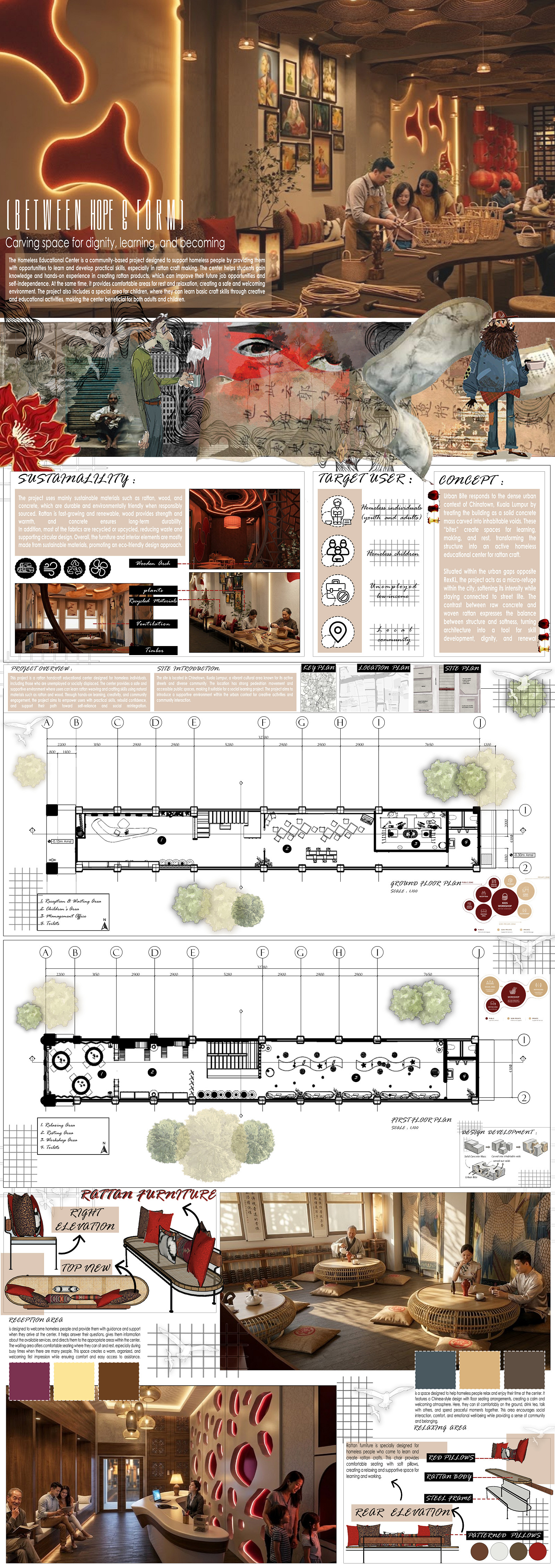
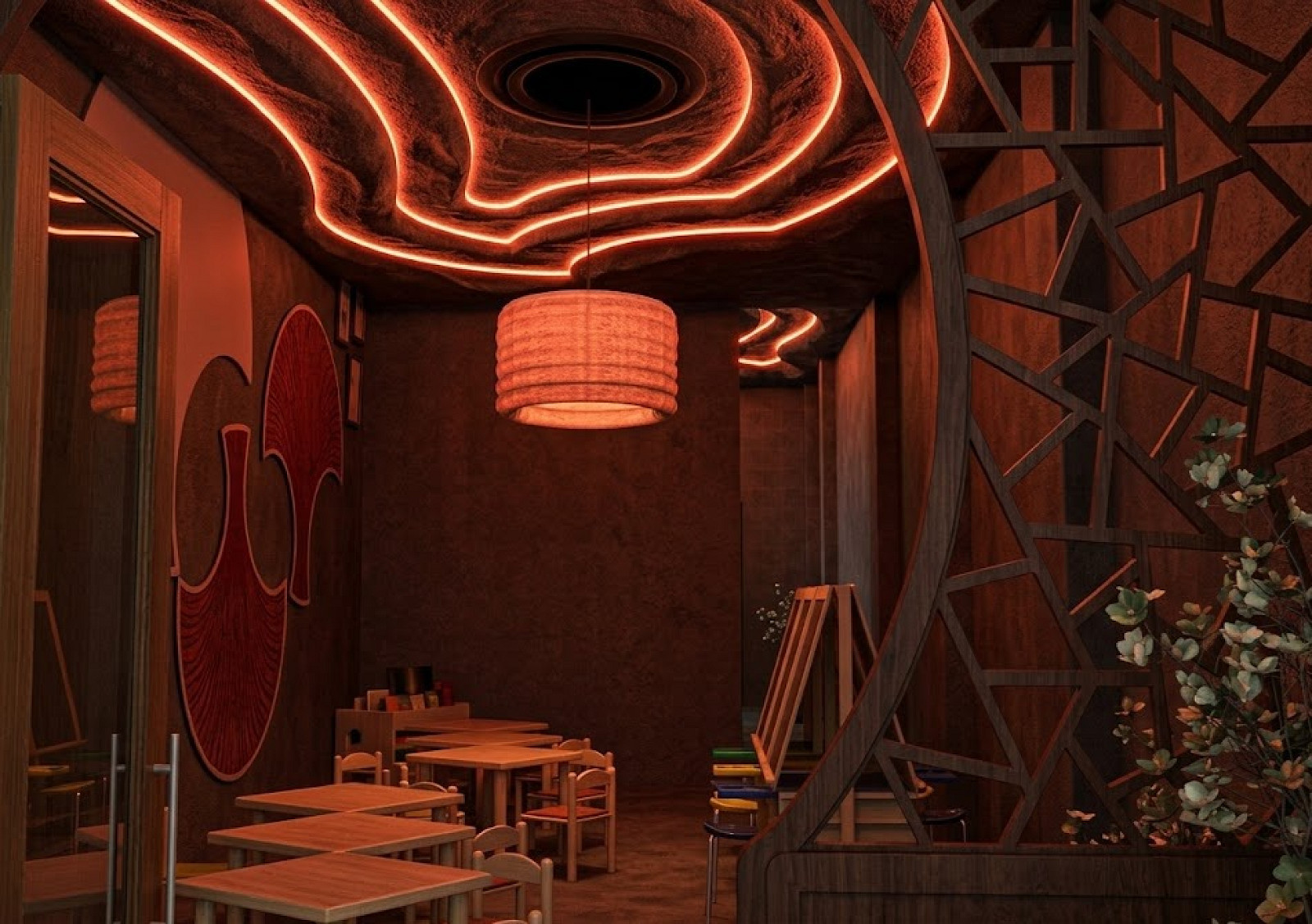
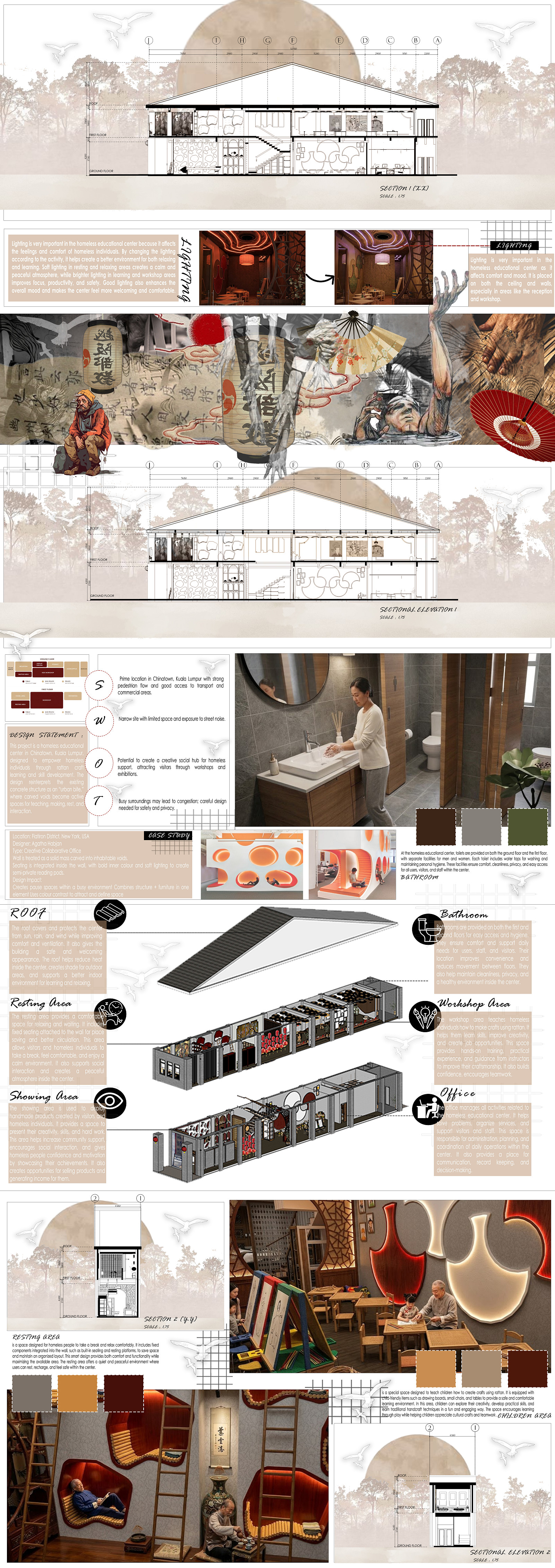
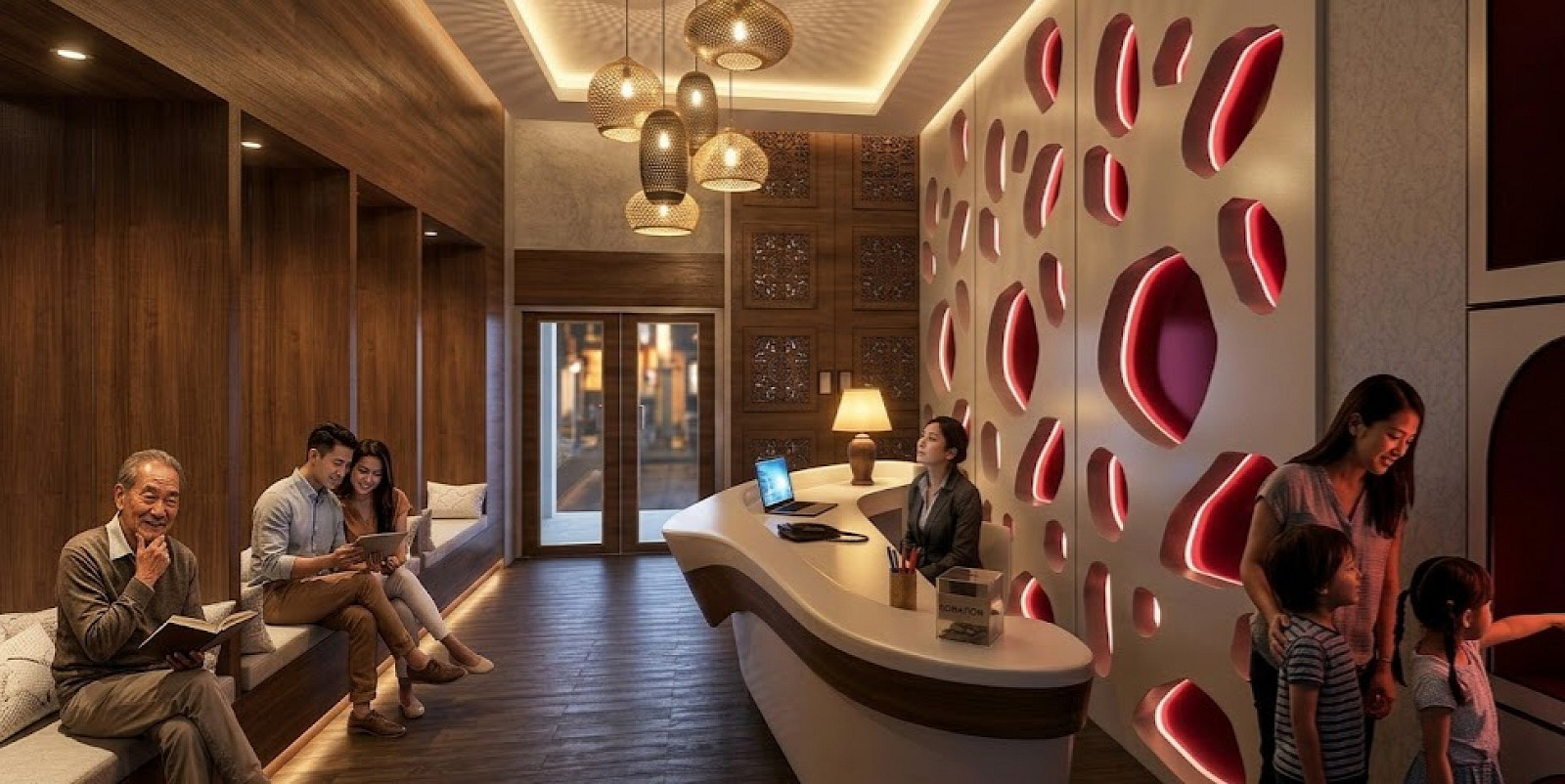
The proposed Caring Space for Dignity, Learning and Belonging functions as a multi-purpose educational and vocational centre that addresses the social, economic, and emotional challenges faced by homeless individuals. The facility accommodates a range of programmes including handicraft workshops, skill-training studios, exhibition spaces, learning areas, counselling facilities, administrative offices, resting zones, and communal gathering spaces.
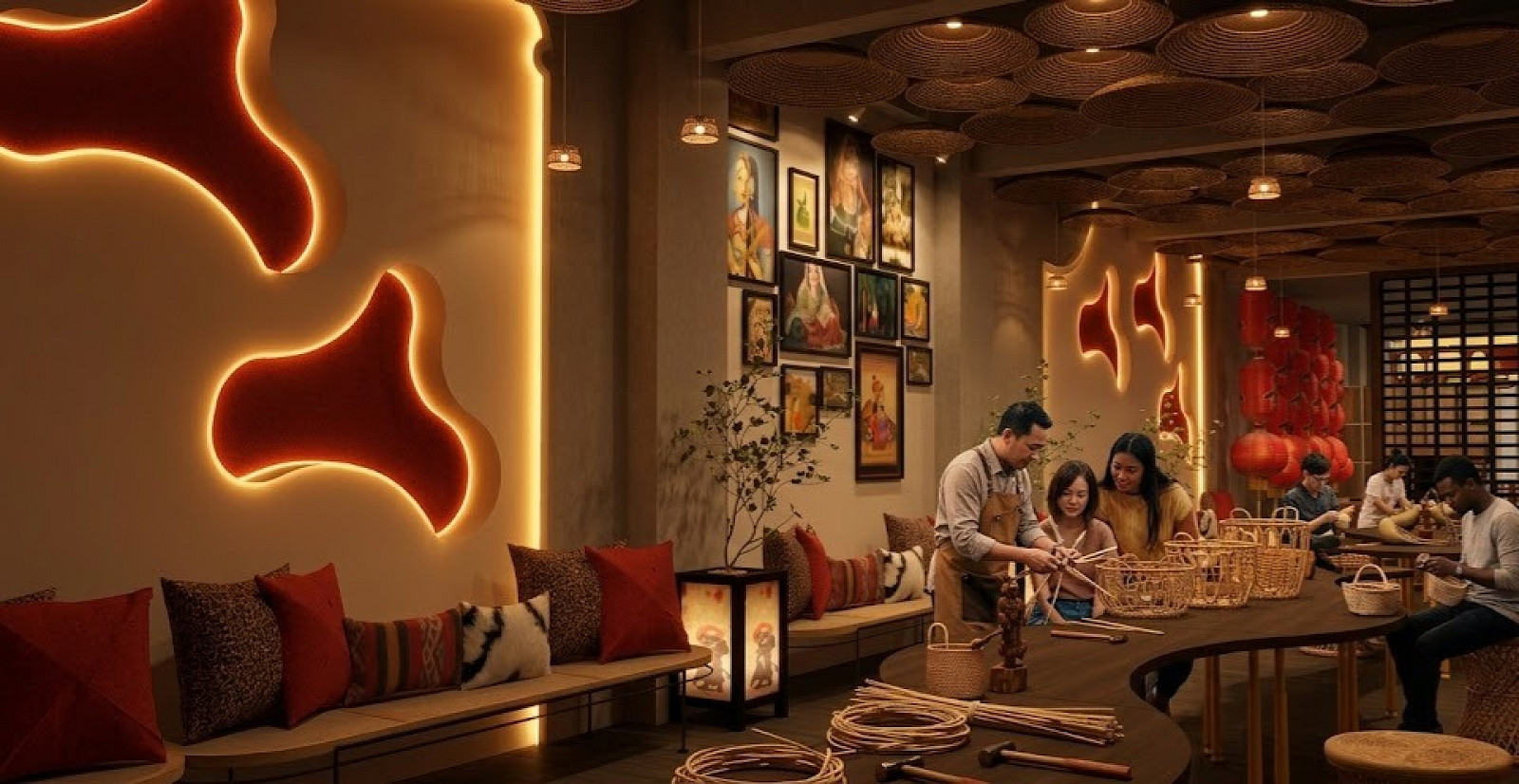
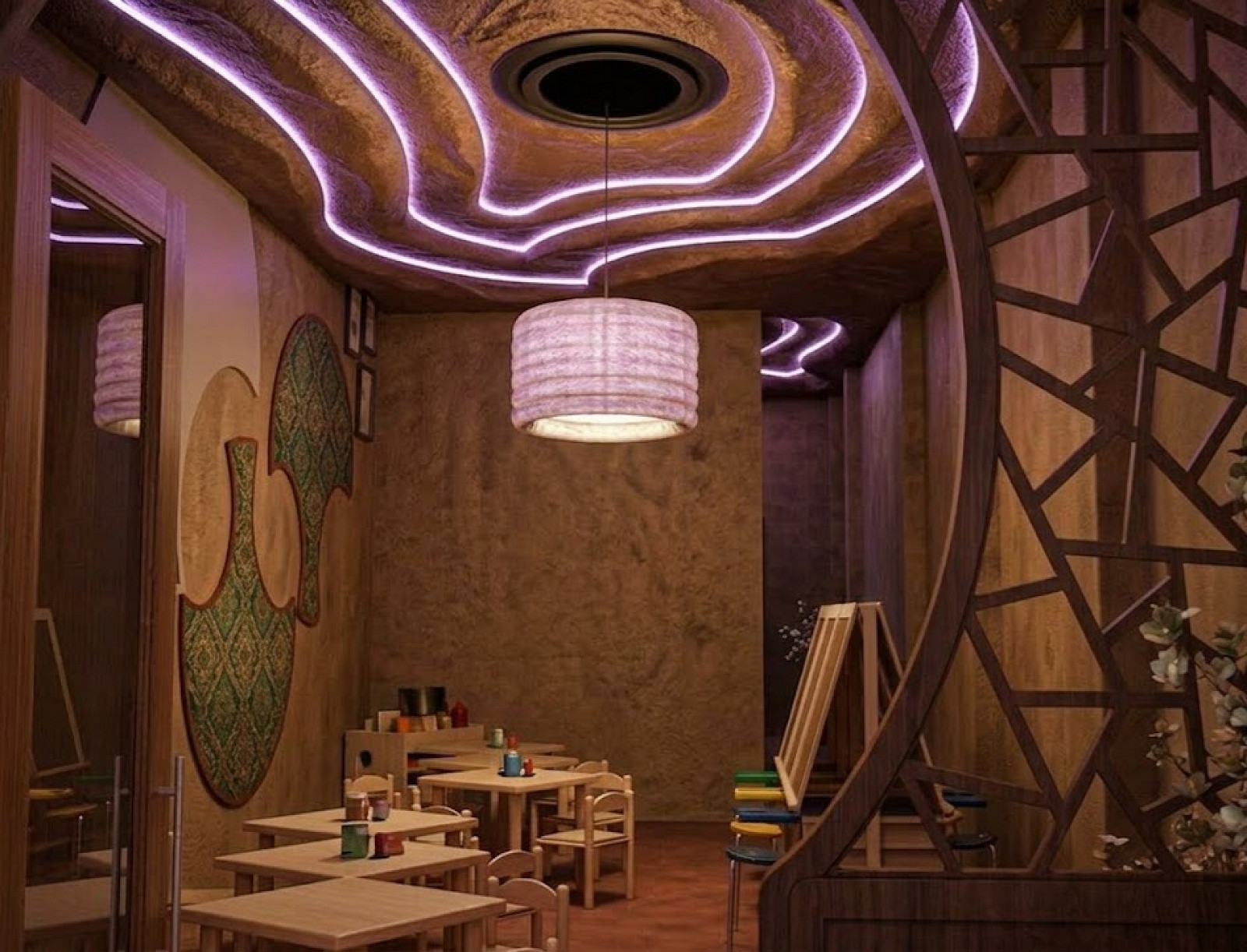
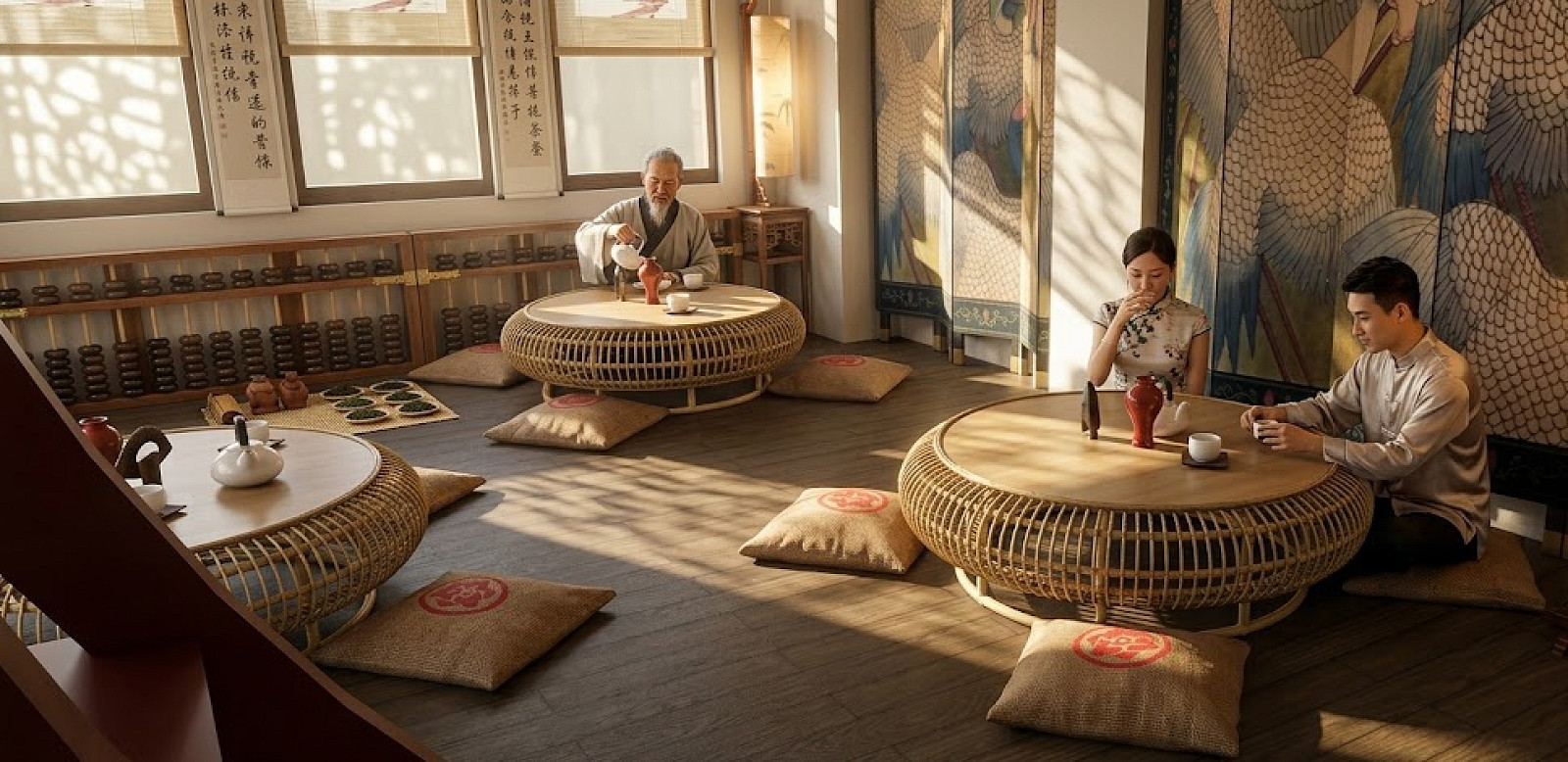
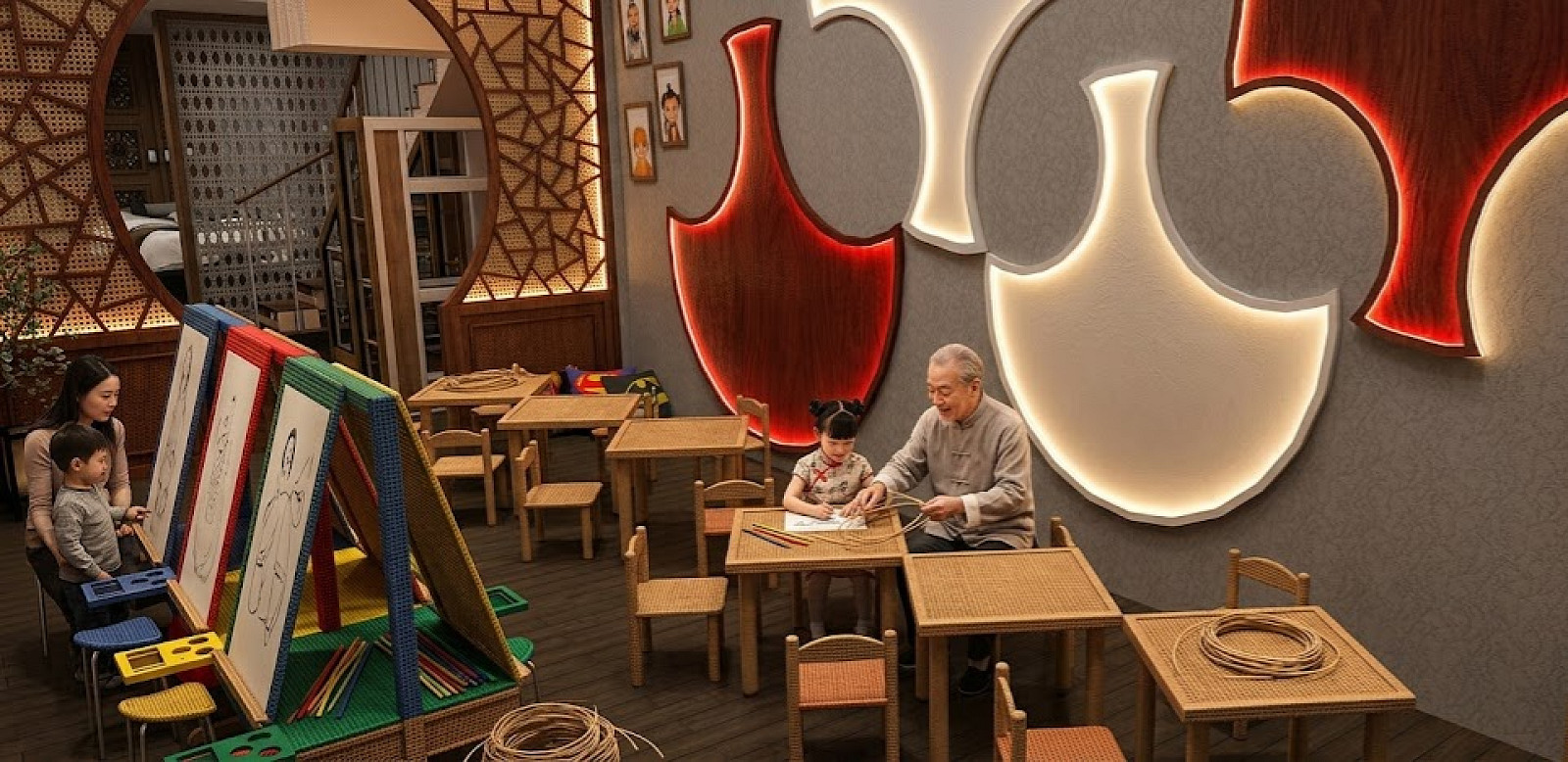
The ground floor is designed to encourage public interaction through reception areas, exhibition galleries, workshop spaces, and community engagement zones where visitors can observe and participate in craft-making activities. The first floor provides quieter environments dedicated to learning, vocational development, creative exploration, and personal reflection. Inspired by the rich cultural heritage of Chinatown, the spatial arrangement incorporates traditional motifs, handcrafted furniture, warm material palettes, and artistic installations that celebrate local identity while fostering a sense of belonging.
The project promotes social inclusion by creating opportunities for homeless individuals to acquire practical skills, generate income through craft production, and reconnect with society through community-based activities and collaborative learning experiences.
Technical information
The building adopts a sustainable and culturally responsive architectural approach through the use of locally sourced materials and passive environmental design strategies. The structural system consists primarily of reinforced concrete columns, beams, and foundations, providing durability and flexibility for adaptive interior layouts. Timber elements, rattan furniture, woven panels, and handcrafted decorative components are incorporated throughout the interior to reflect traditional craftsmanship while creating a warm and welcoming atmosphere.
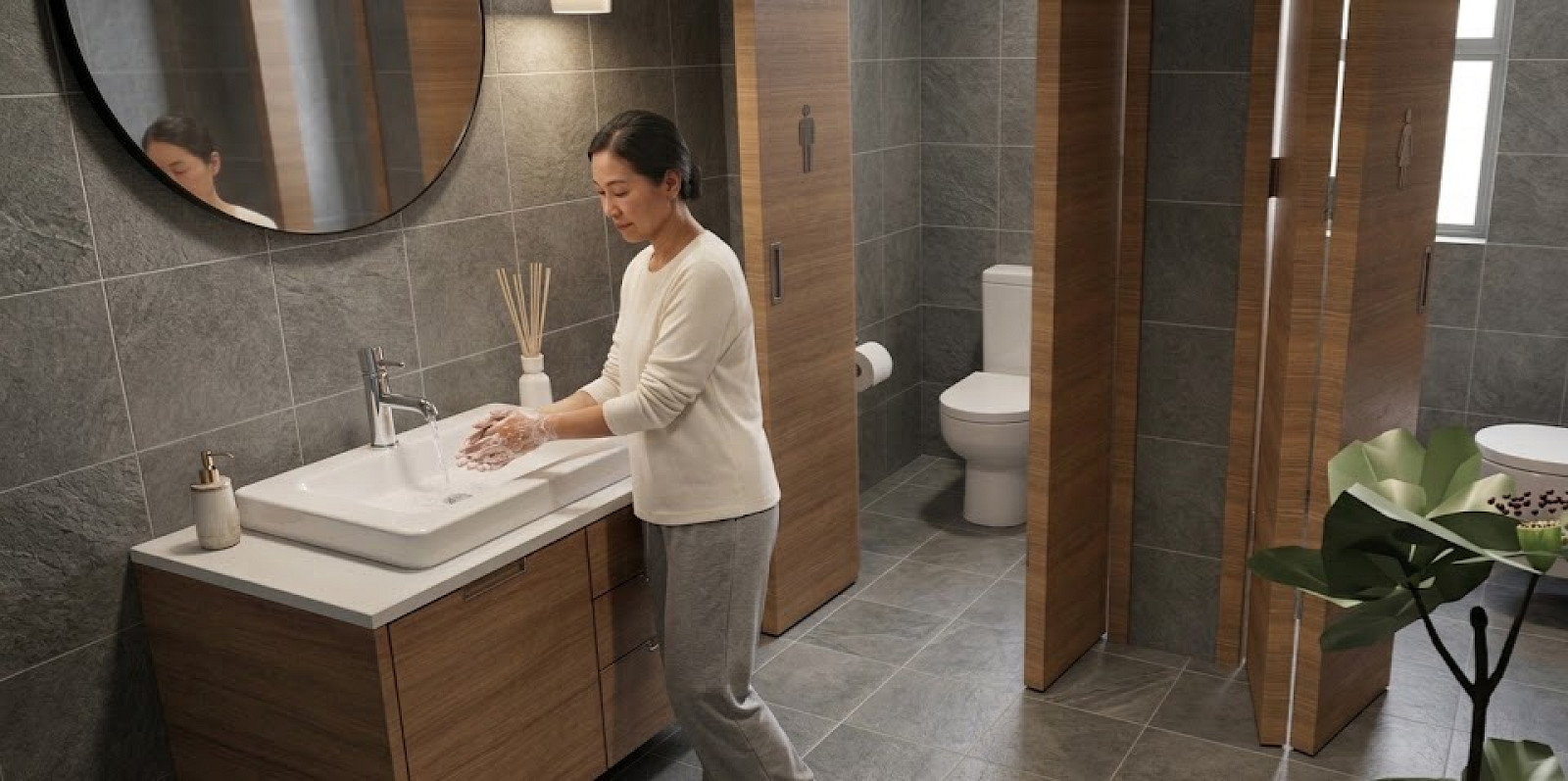
The building envelope combines masonry walls, timber screens, and glazed openings that maximise natural daylight penetration and visual connectivity while maintaining user comfort. A pitched roof system facilitates efficient rainwater drainage and enhances natural ventilation by promoting airflow throughout the building. Interior spaces utilise energy-efficient LED lighting, acoustic treatments, and environmentally responsible finishes to improve occupant comfort and reduce operational energy consumption. The workshop areas are designed with adequate ventilation and flexible furniture arrangements to support various craft-based activities, while accessible circulation routes ensure inclusivity for users of different ages and physical abilities.
Sustainable design considerations include the use of recycled materials, natural ventilation strategies, durable low-maintenance finishes, and community-oriented spatial planning that supports long-term social and environmental sustainability.

Copyright © 2026 INSPIRELI | All rights reserved. Use of this website signifies your agreement to the Terms of Use, Privacy Policy, and use of cookies.