Tarik


Project idea
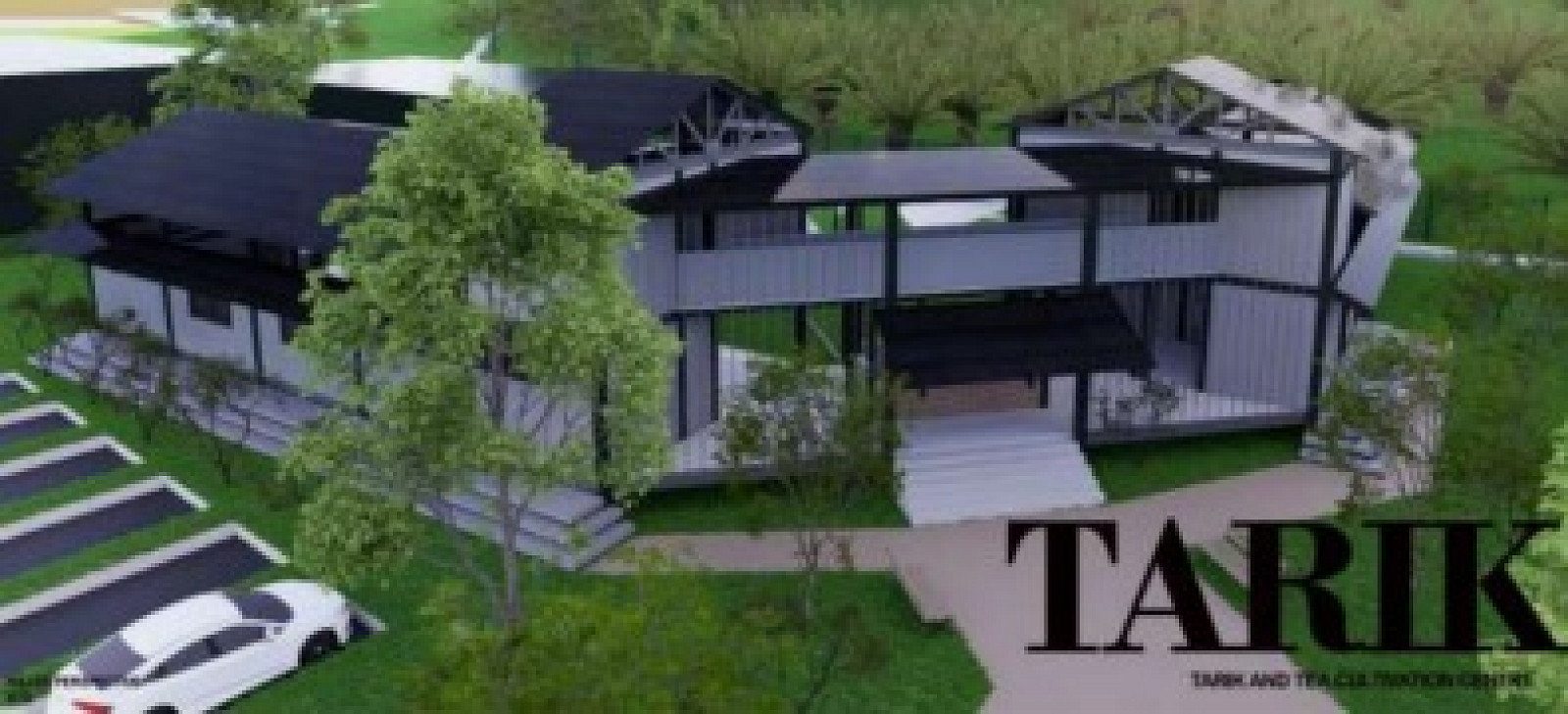
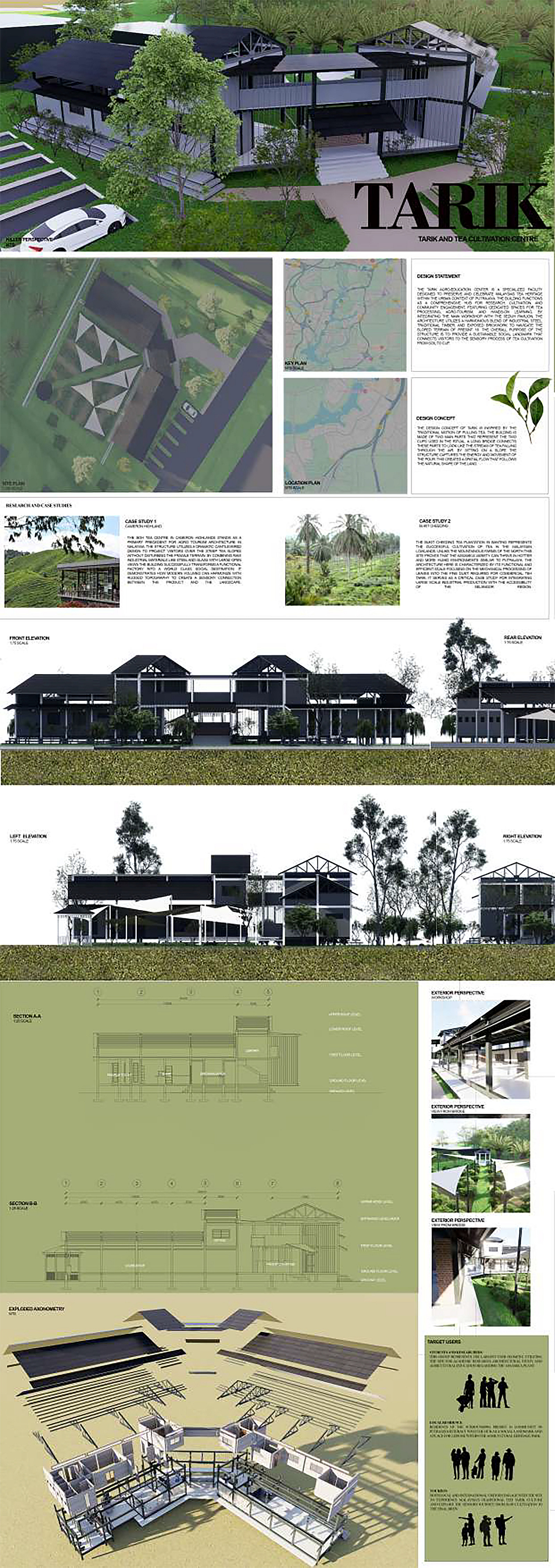
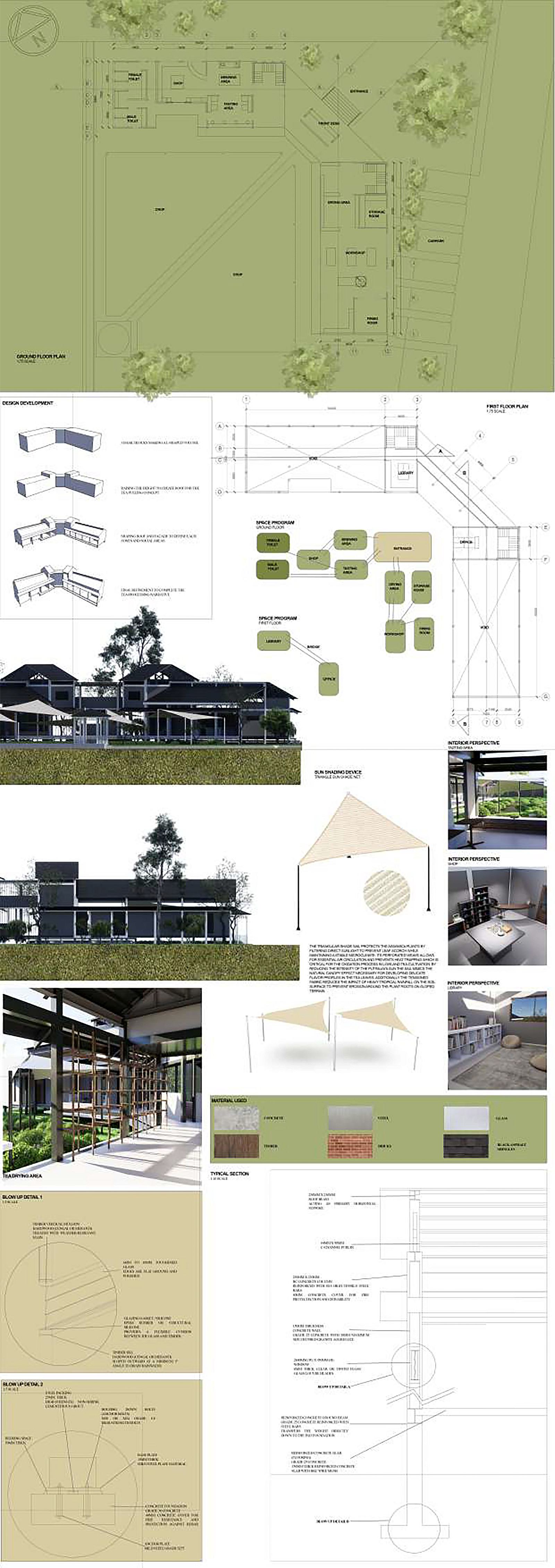
Tarik is an Agricultural Teh Tarik and Educational Center that celebrates Malaysia’s tea culture, agricultural heritage, and community traditions through an immersive learning environment. Inspired by the iconic process of preparing Teh Tarik, the project explores the journey of tea from cultivation and processing to brewing and cultural appreciation. Visitors are introduced to tea farming practices, sustainable agriculture, and local food culture through interactive experiences and educational programs. The project aims to strengthen awareness of agricultural production while preserving the social and cultural significance of Teh Tarik as a symbol of Malaysian identity, hospitality, and everyday community life.
Project description
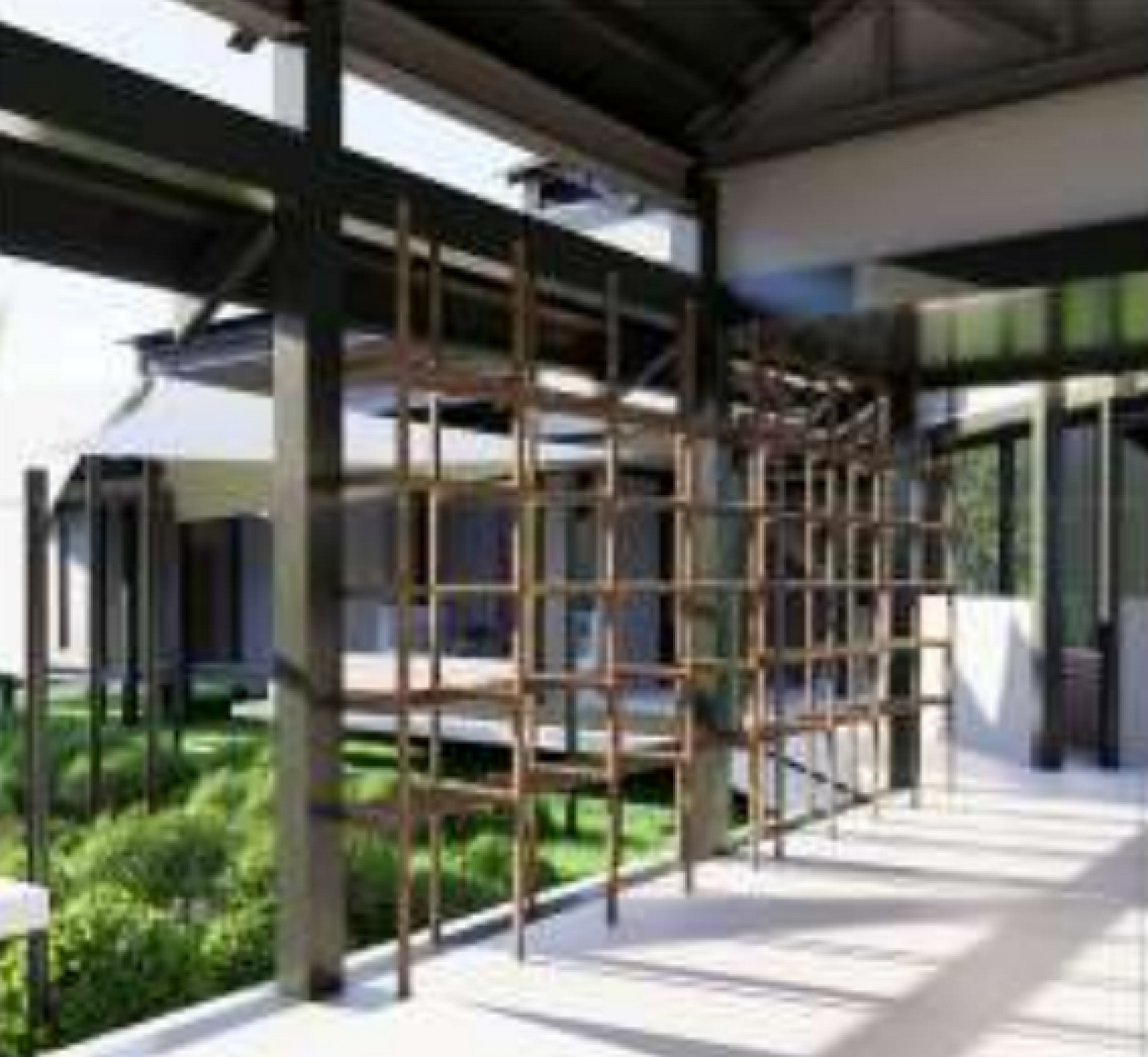
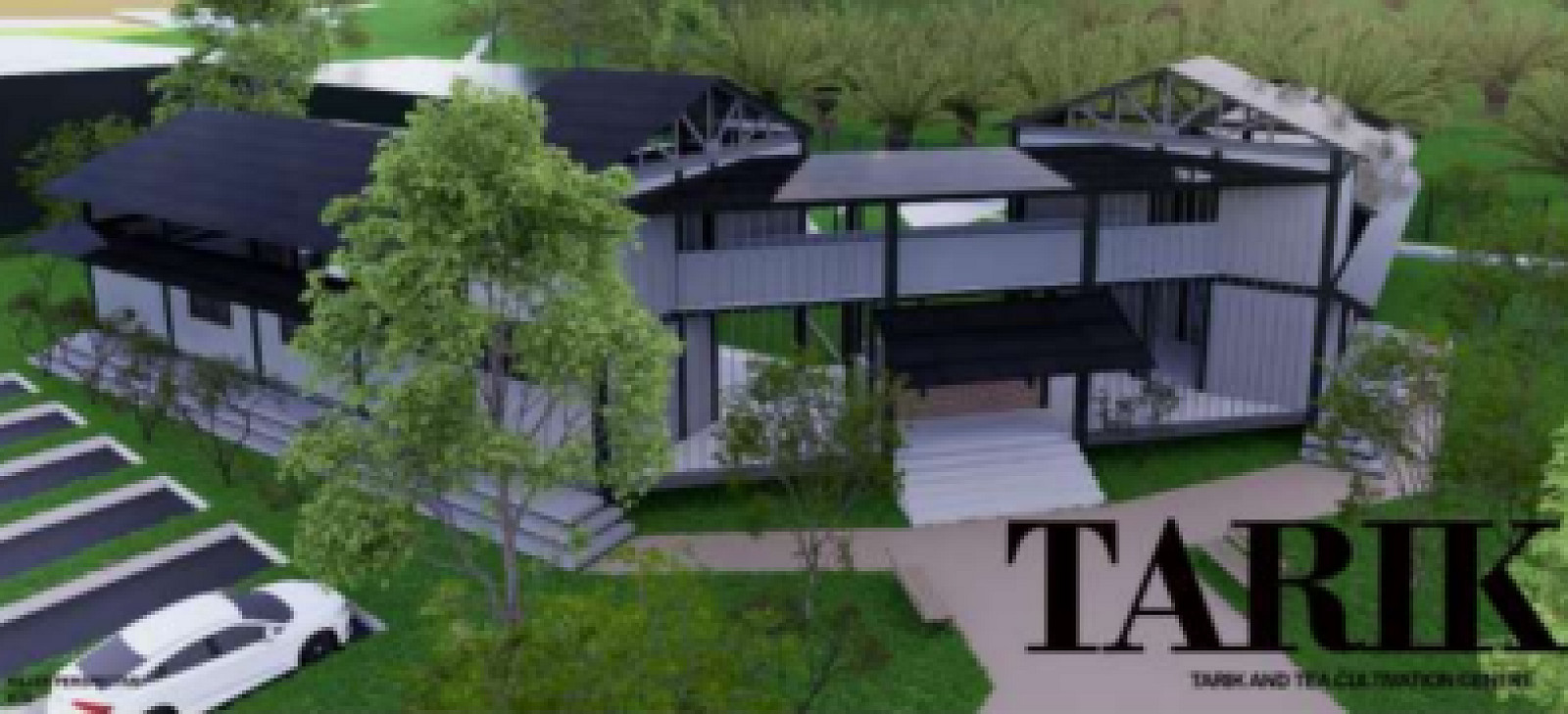
Tarik is designed as a destination where agriculture, culture, and education are woven together through the story of tea. The project consists of tea cultivation gardens, demonstration farms, processing exhibits, educational galleries, workshops, tasting spaces, and community gathering areas. Visitors experience the complete tea production cycle while learning about cultivation methods, harvesting techniques, processing systems, and the cultural importance of Teh Tarik. The architectural design draws inspiration from the flowing movement of pulled tea, creating dynamic spaces, shaded pathways, and open gathering areas that encourage interaction. The center functions as a living educational environment that promotes agricultural knowledge and cultural appreciation.
Technical information
The technical design of Tarik integrates agricultural production, educational facilities, and sustainable environmental systems. The project incorporates tea cultivation plots, nursery areas, processing demonstrations, irrigation networks, and controlled growing environments to support educational farming activities. Rainwater harvesting systems, water recycling strategies, and solar energy installations improve resource efficiency and environmental performance. Buildings utilize passive design principles including natural ventilation, daylight optimization, thermal shading, and landscape integration to enhance user comfort. Supporting facilities include storage rooms, processing areas, training spaces, maintenance zones, and research facilities. Together, these systems create an efficient educational center that demonstrates sustainable tea production while celebrating Malaysia’s agricultural and cultural heritage.

Copyright © 2026 INSPIRELI | All rights reserved. Use of this website signifies your agreement to the Terms of Use, Privacy Policy, and use of cookies.