Participatory Design Museum

Project idea
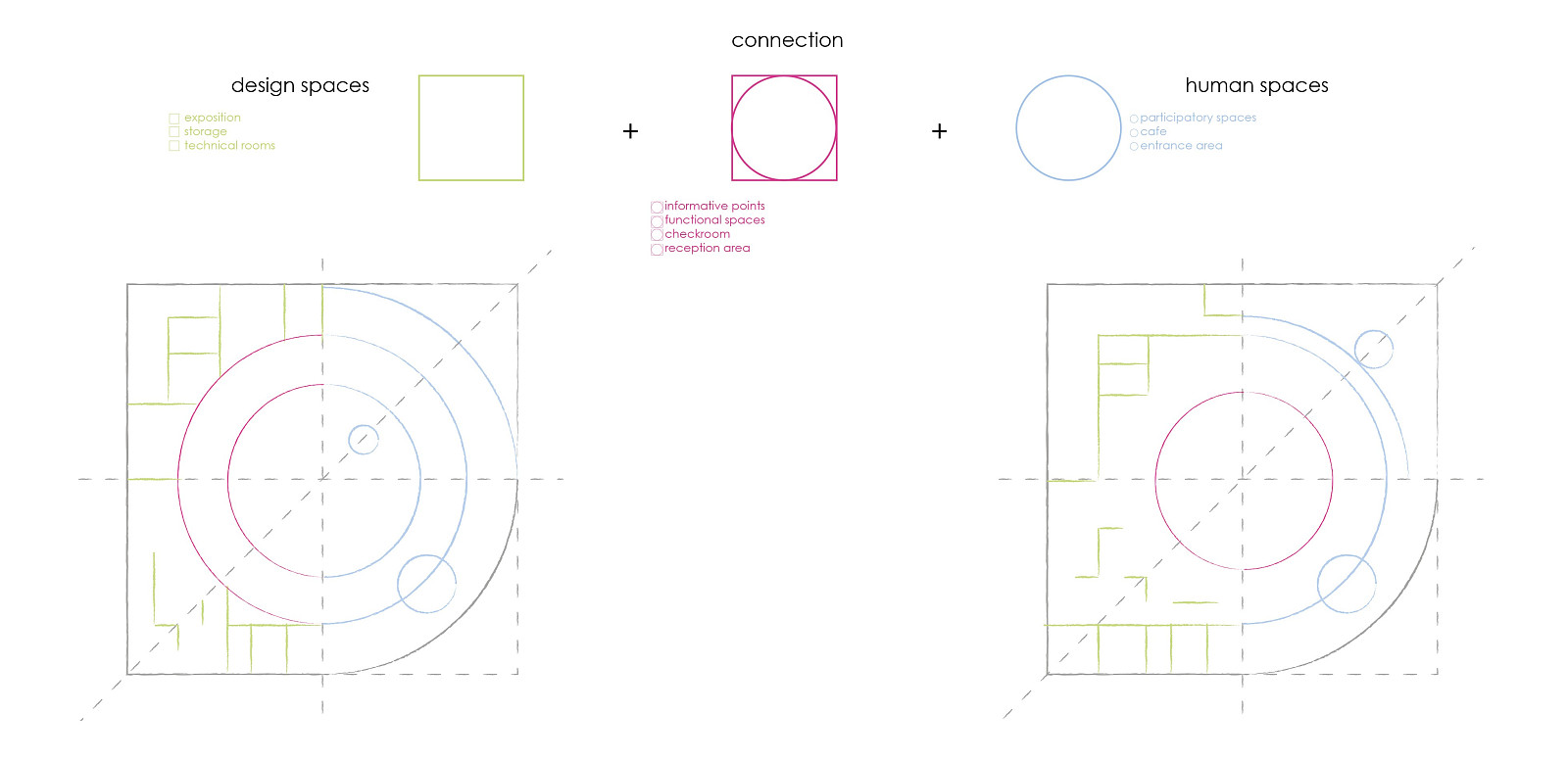
The concept of space reflects the interconnection between design and people, as well as their mutual involvement and influence. The Participatory Design Center was created to introduce visitors the various facets and trends of design and to immerse them in processes that are typically hidden from the public eye.
Project description
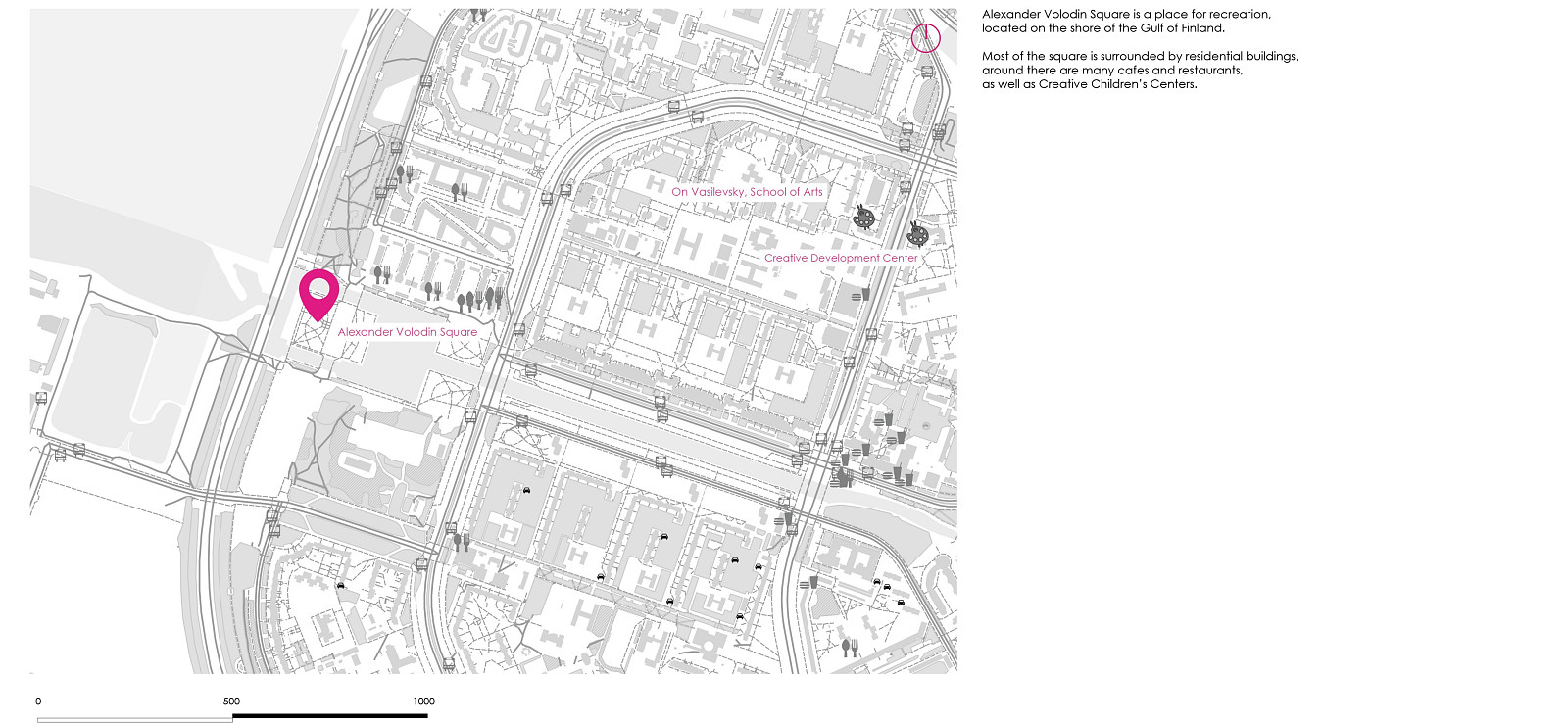
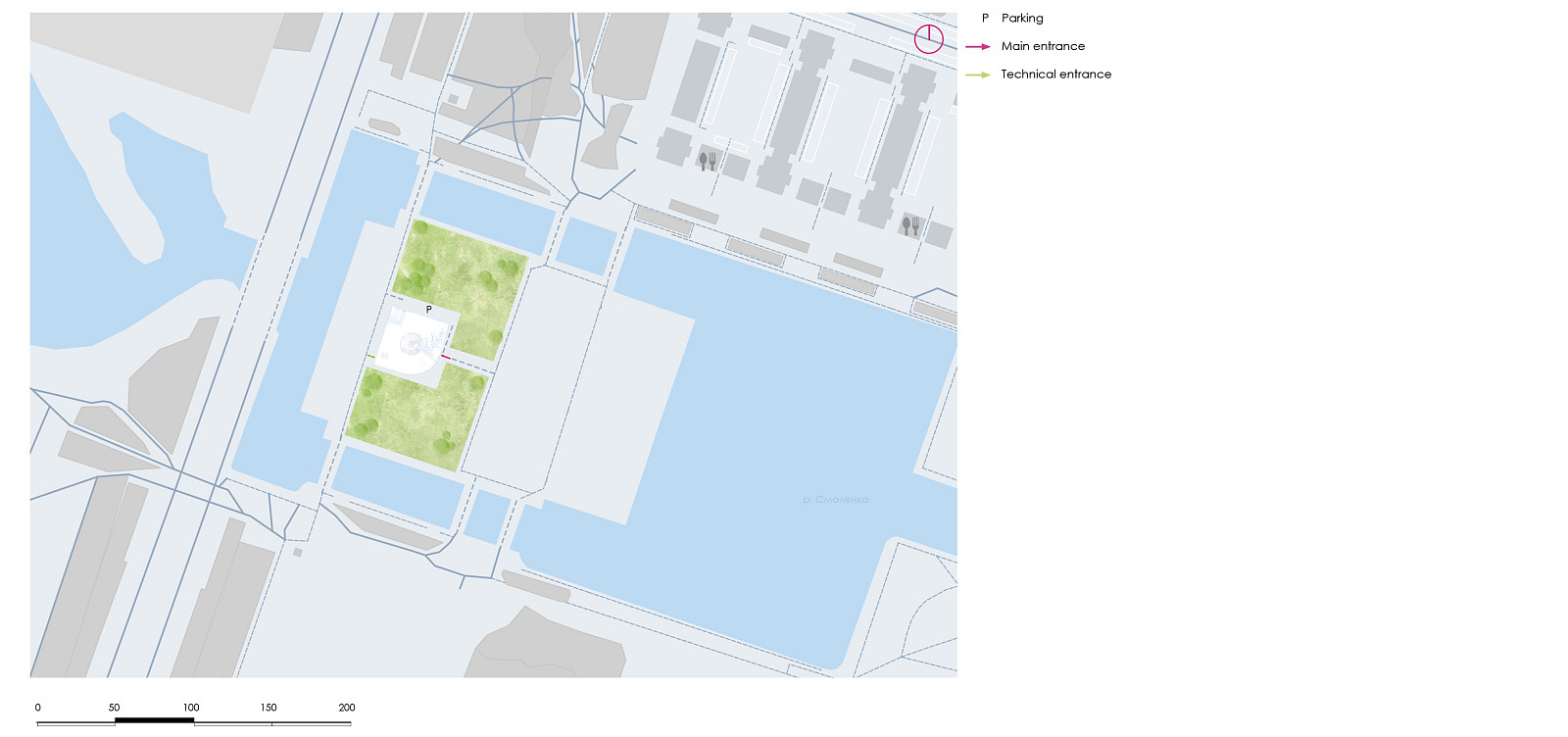
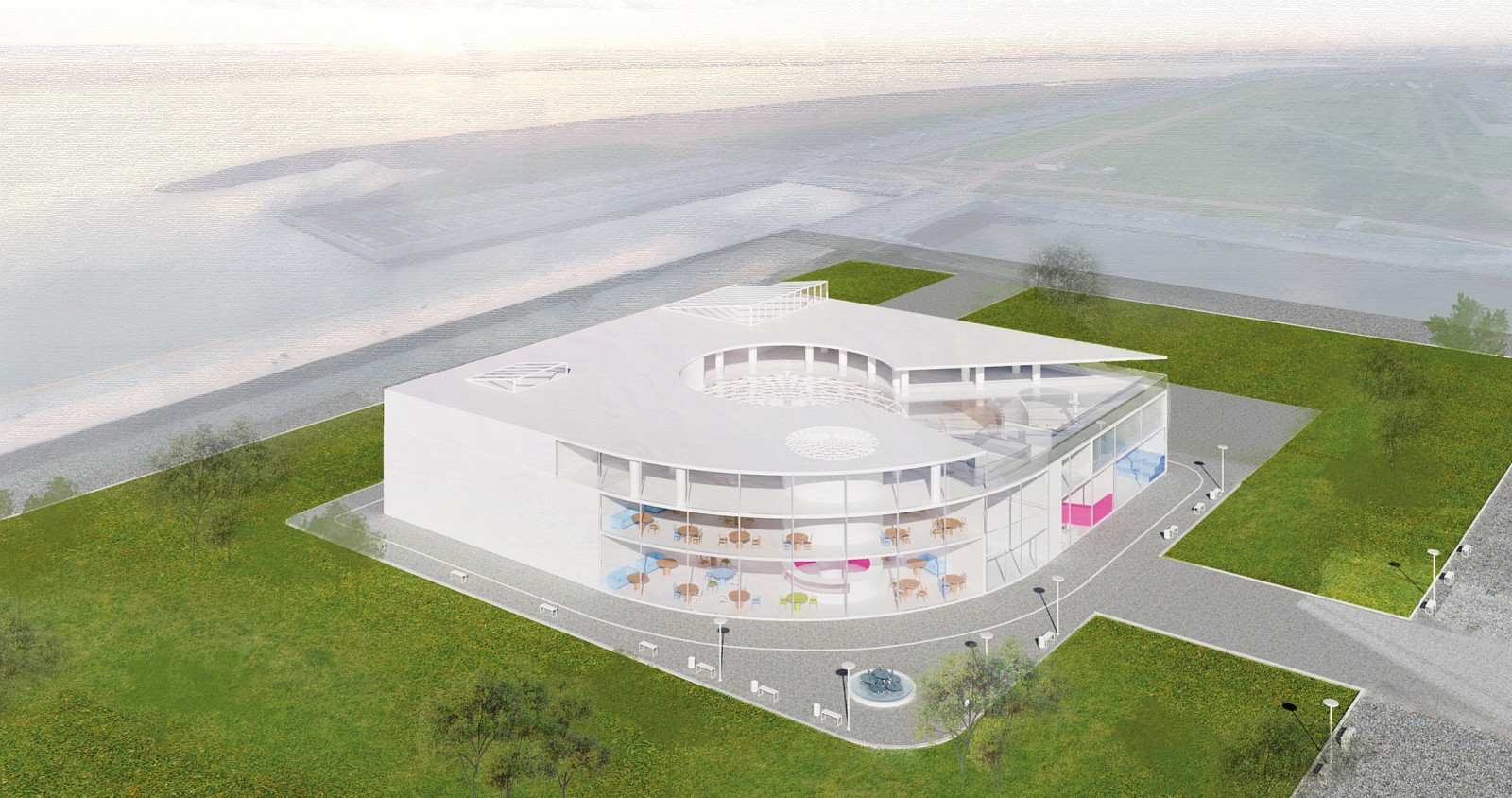
Location: Alexander Volodin Square (Saint-Petersburg) —a recreational area located on the shore of the Gulf of Finland. The square is primarily surrounded by residential buildings, but there are also several children’s creative centers in the vicinity that could serve as potential partners for the Design Museum.
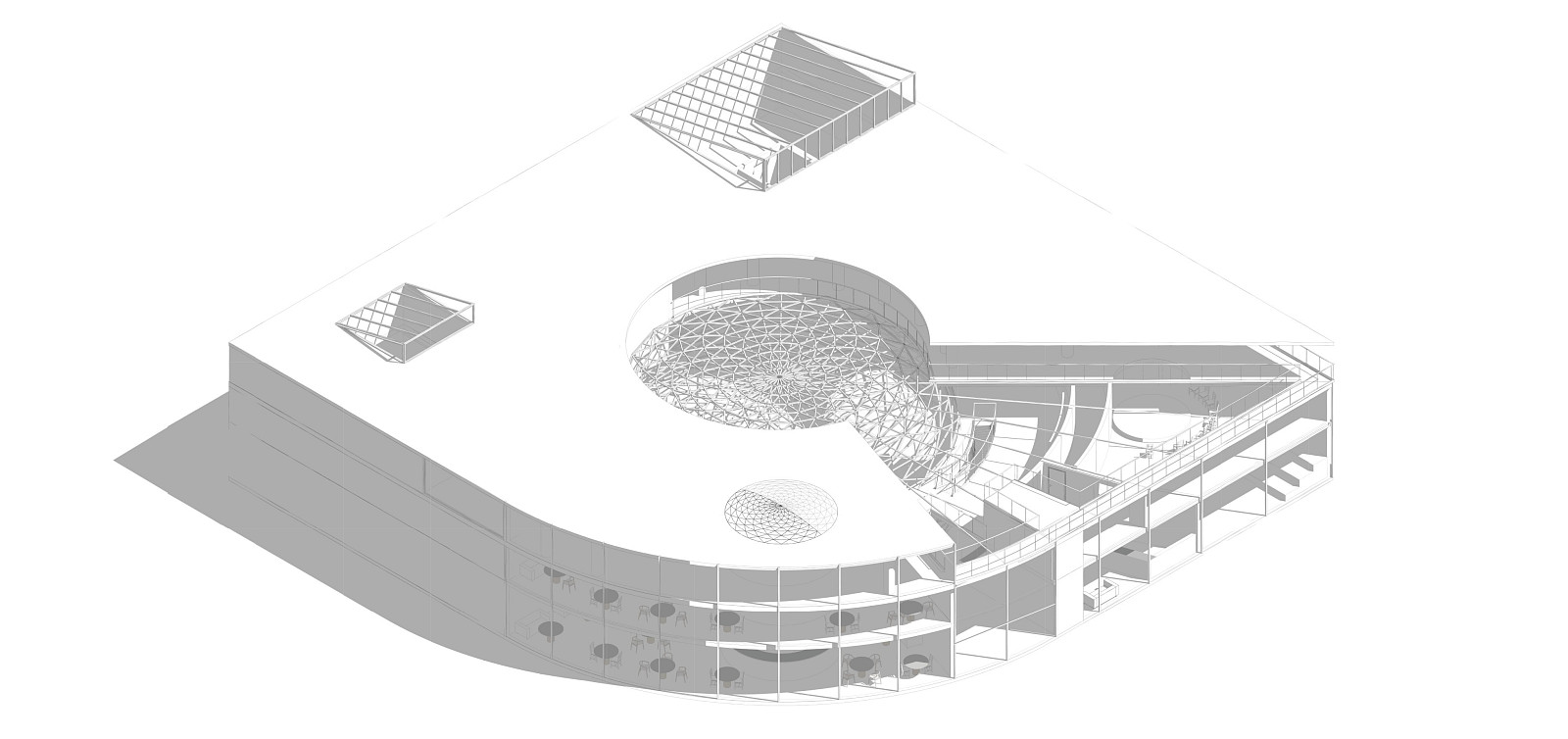
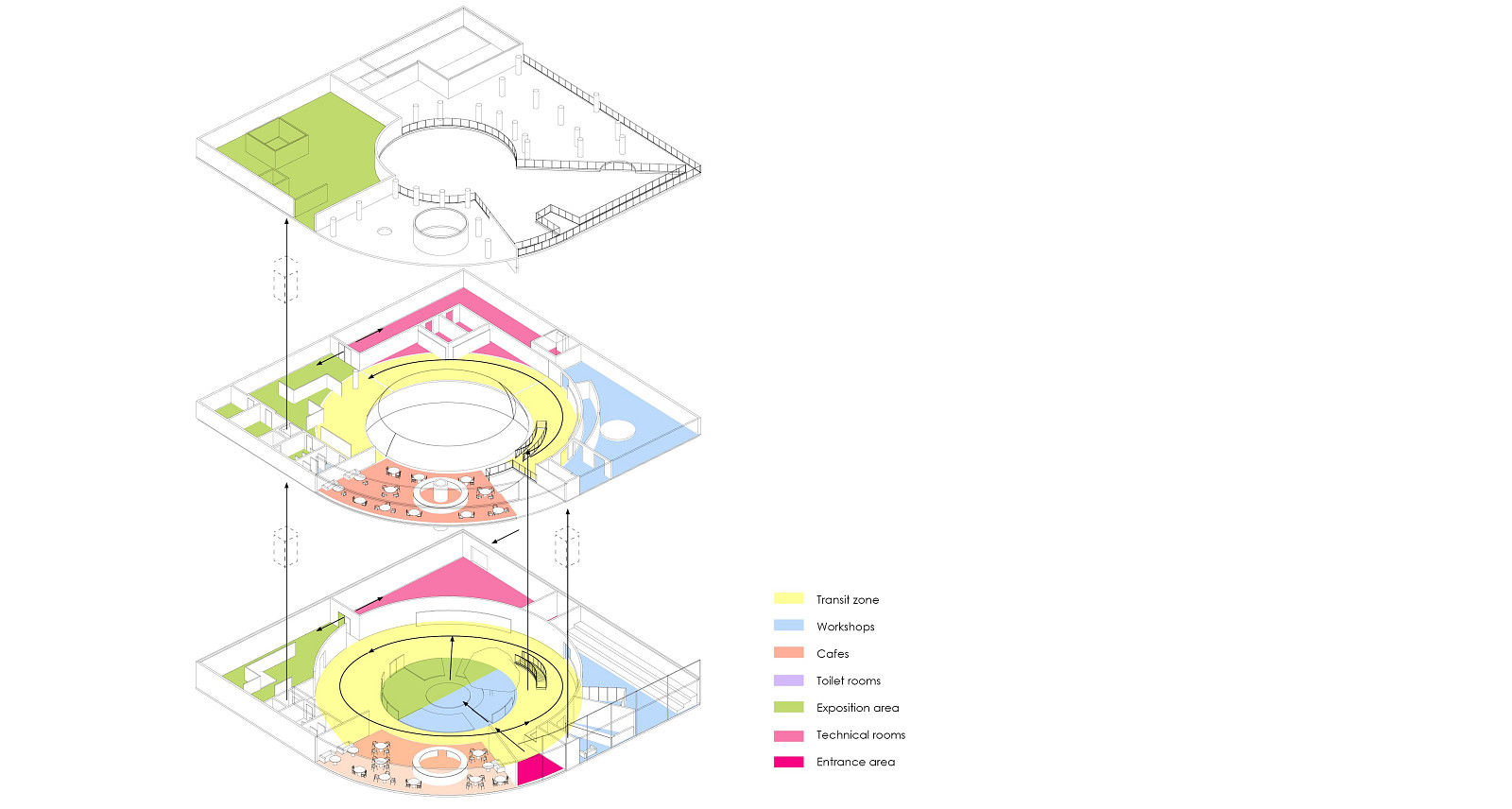
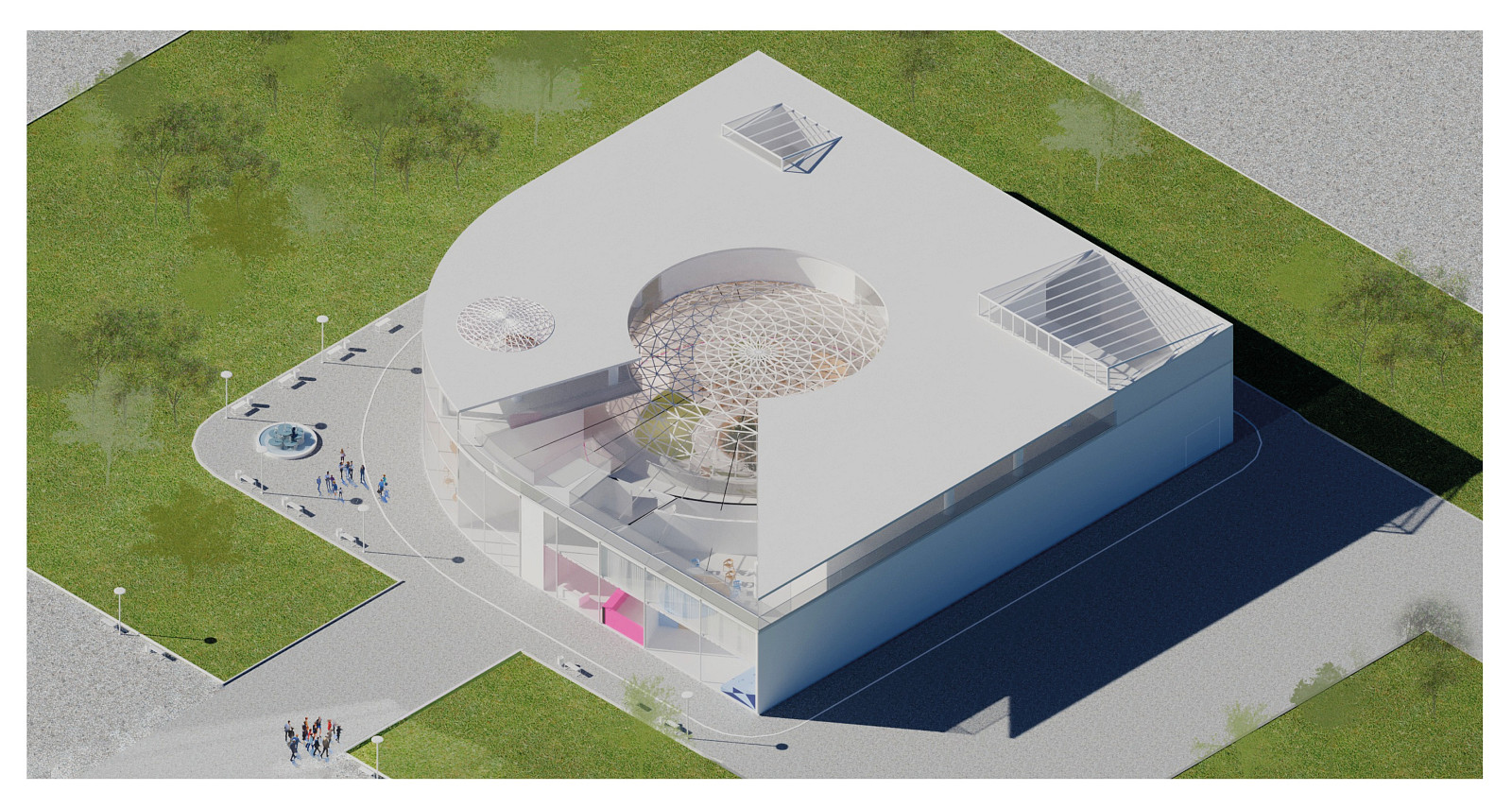
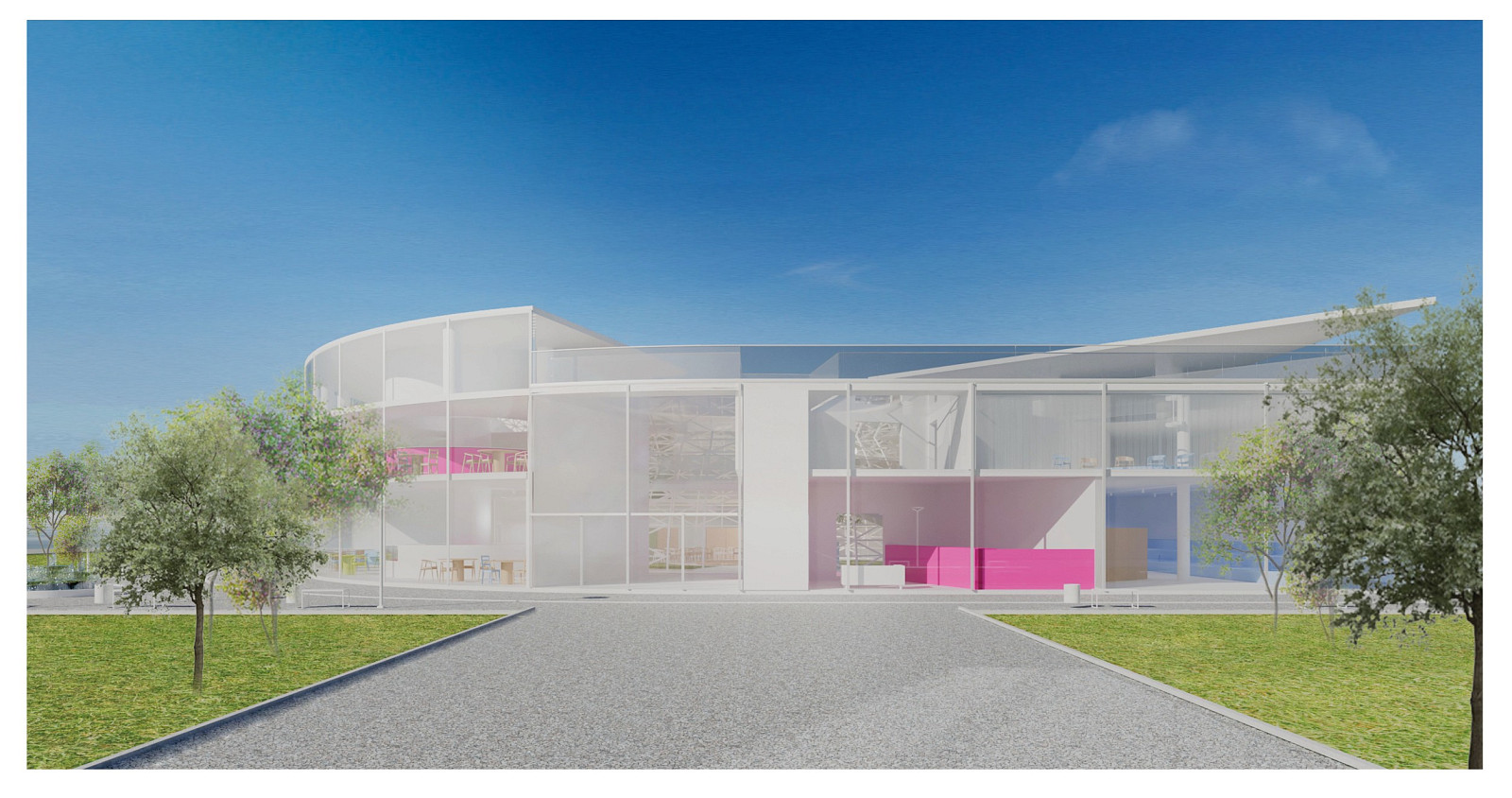
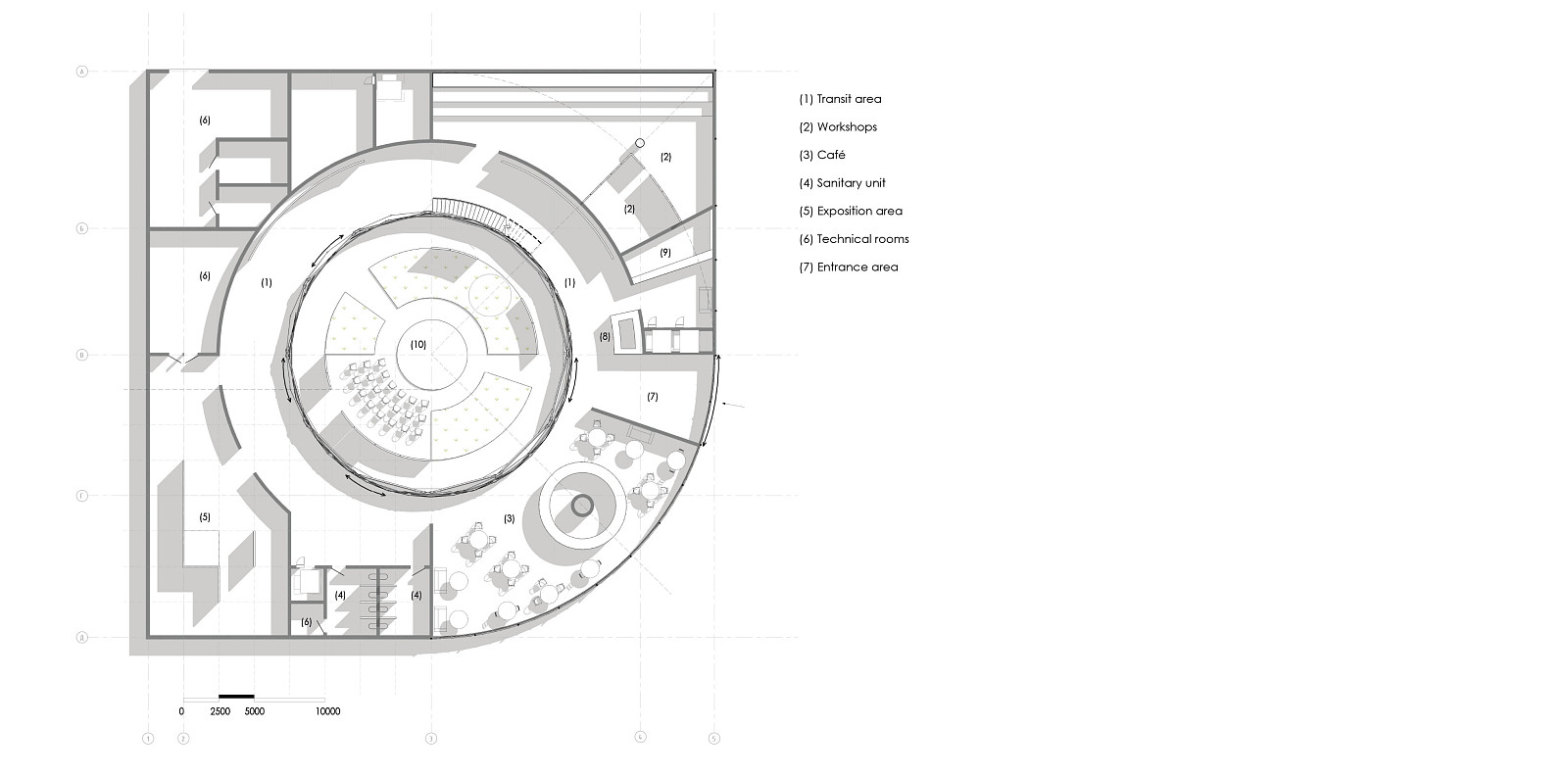
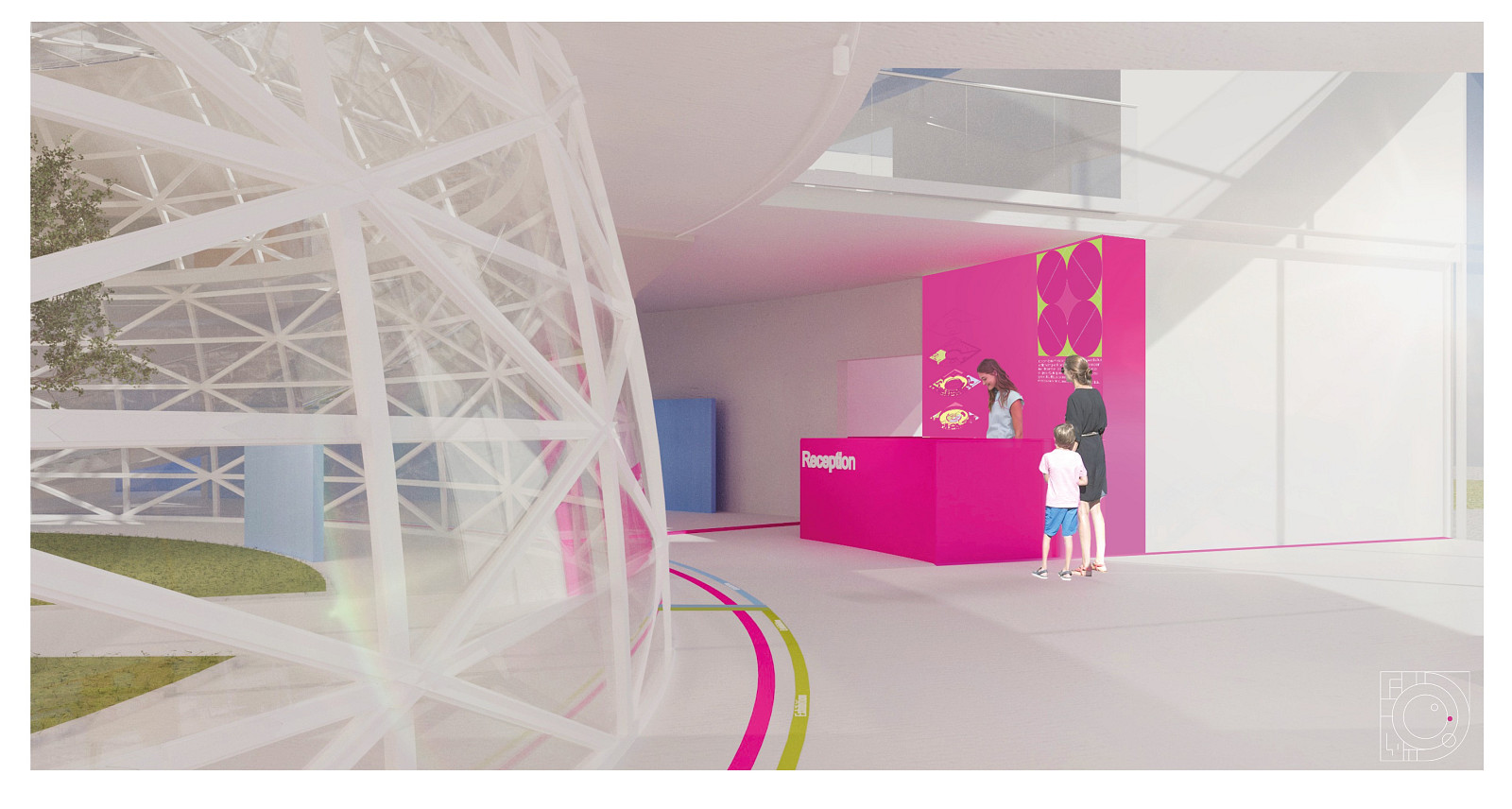
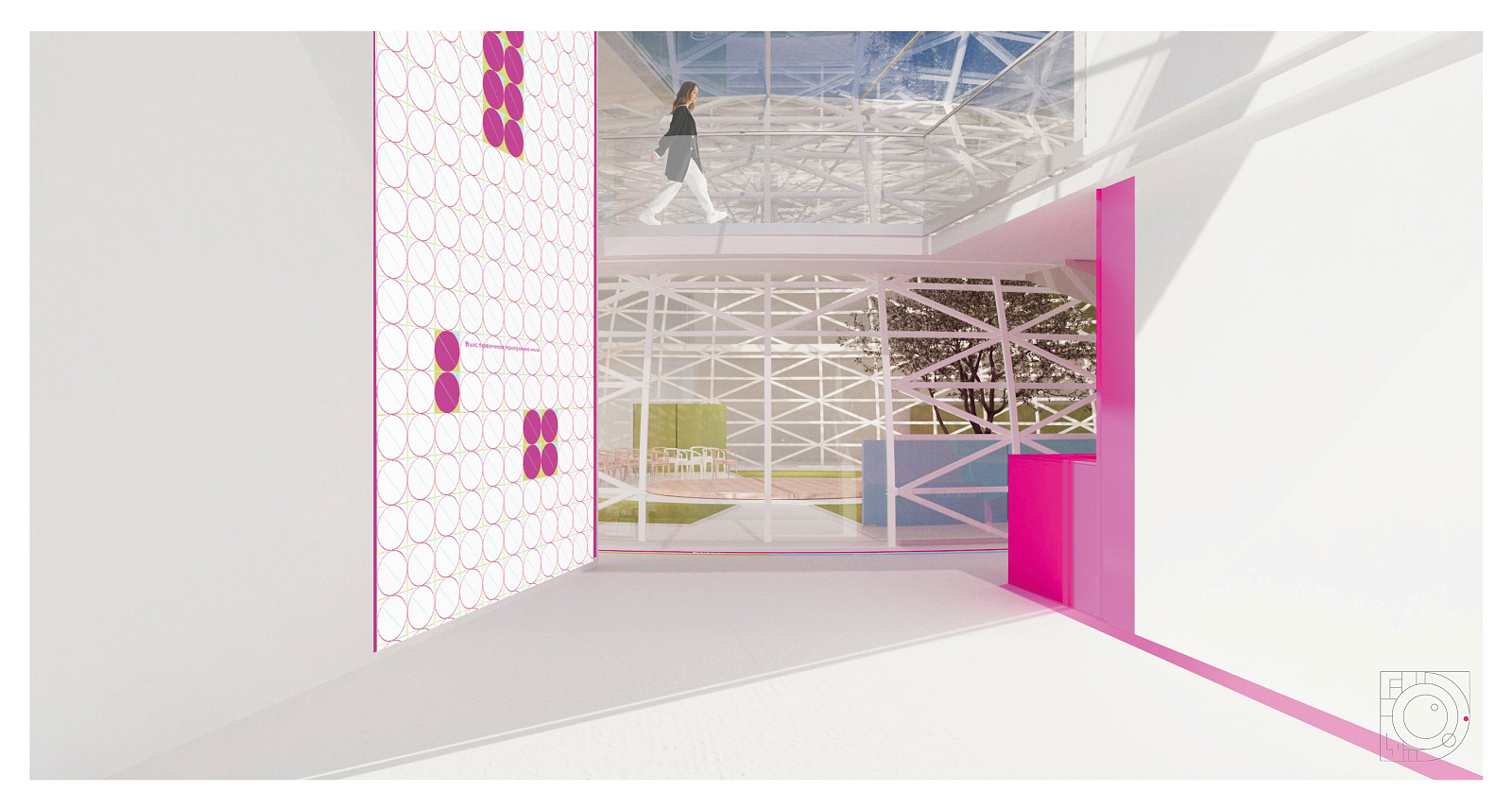
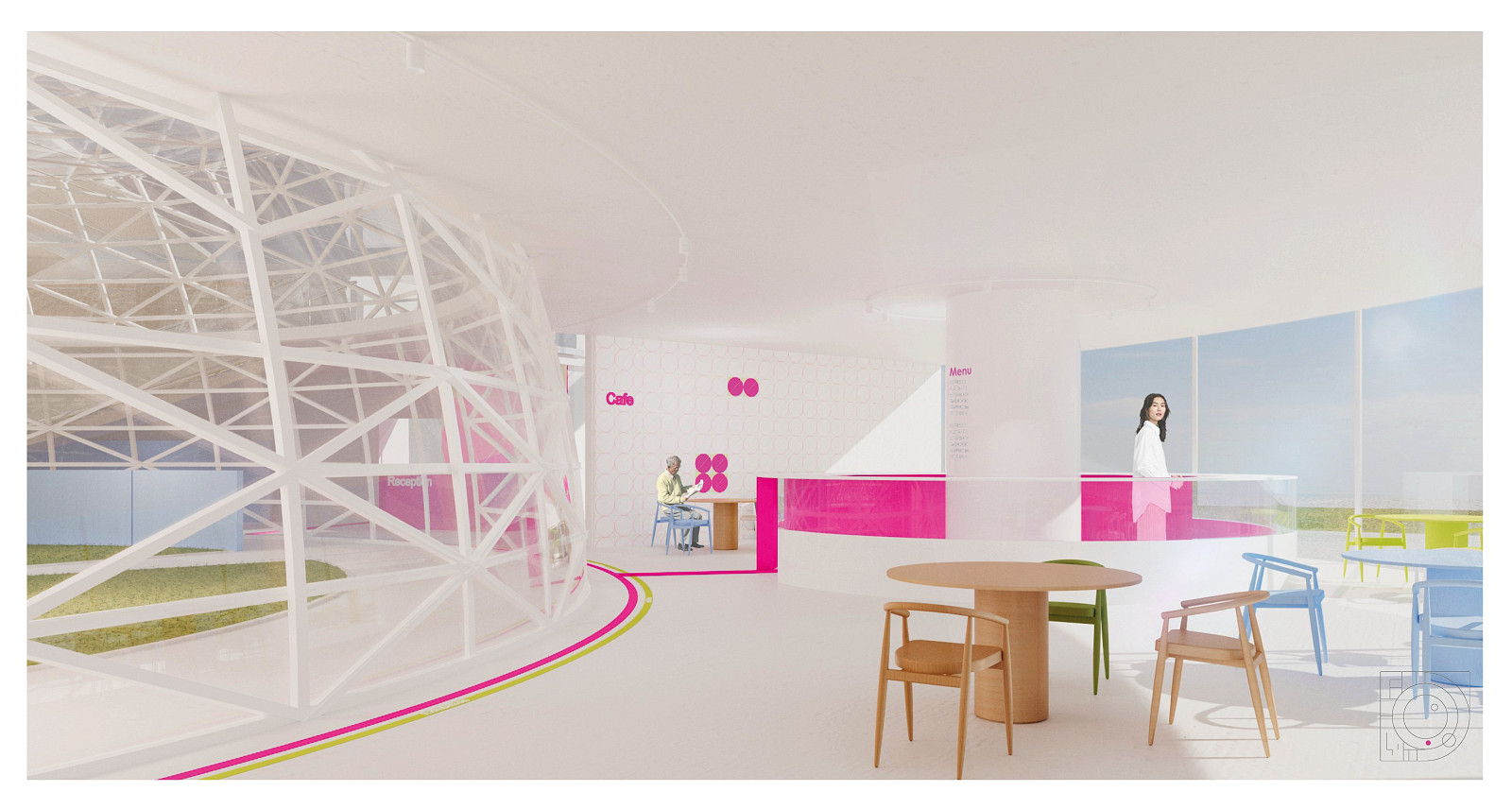
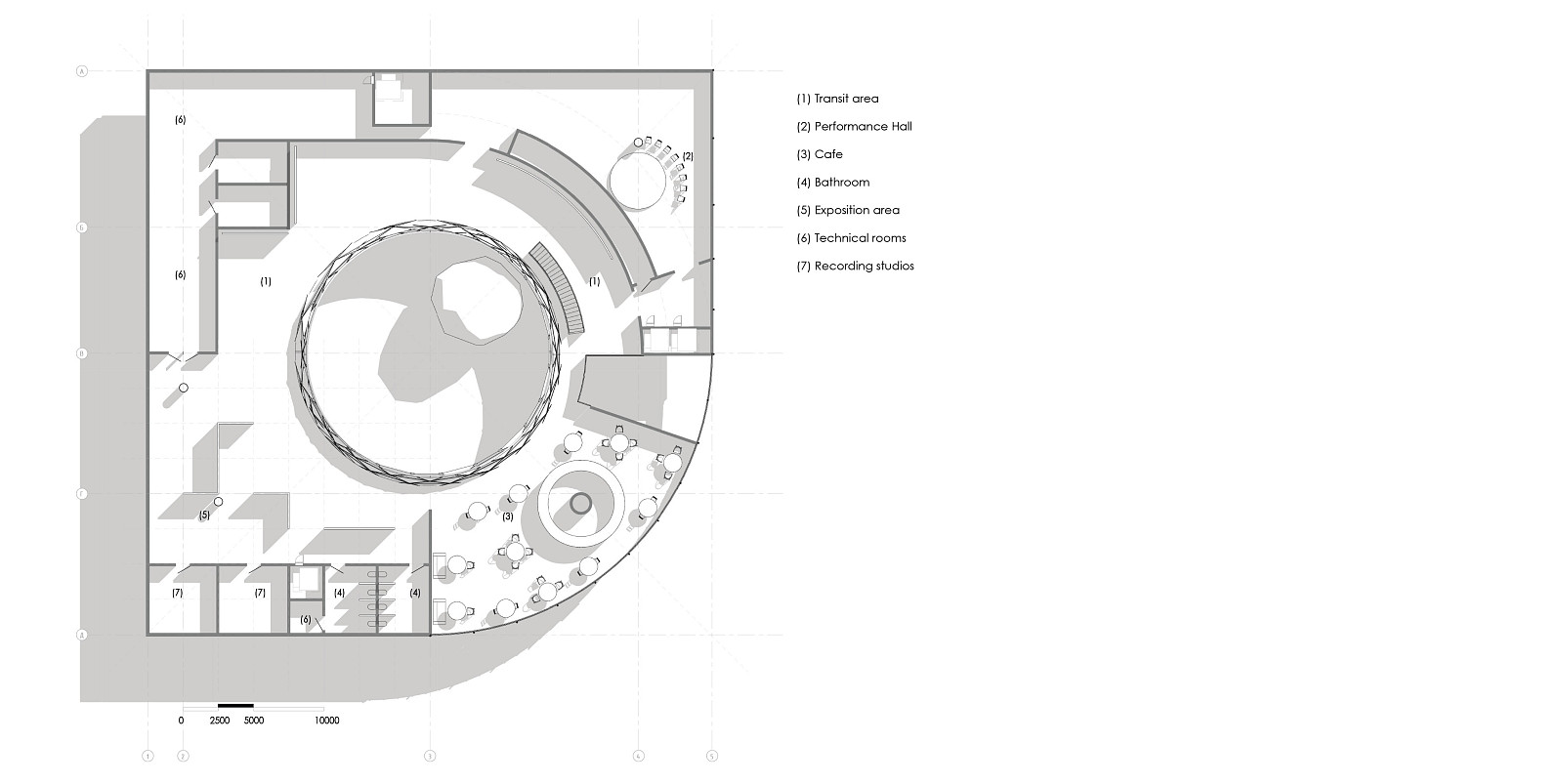
On the first floor, visitors are greeted by the reception area and the main atrium (lecture hall-garden); on the left are the café and exhibition spaces, and on the right are spaces for workshops and creative studios. The same layout is followed on the second floor.
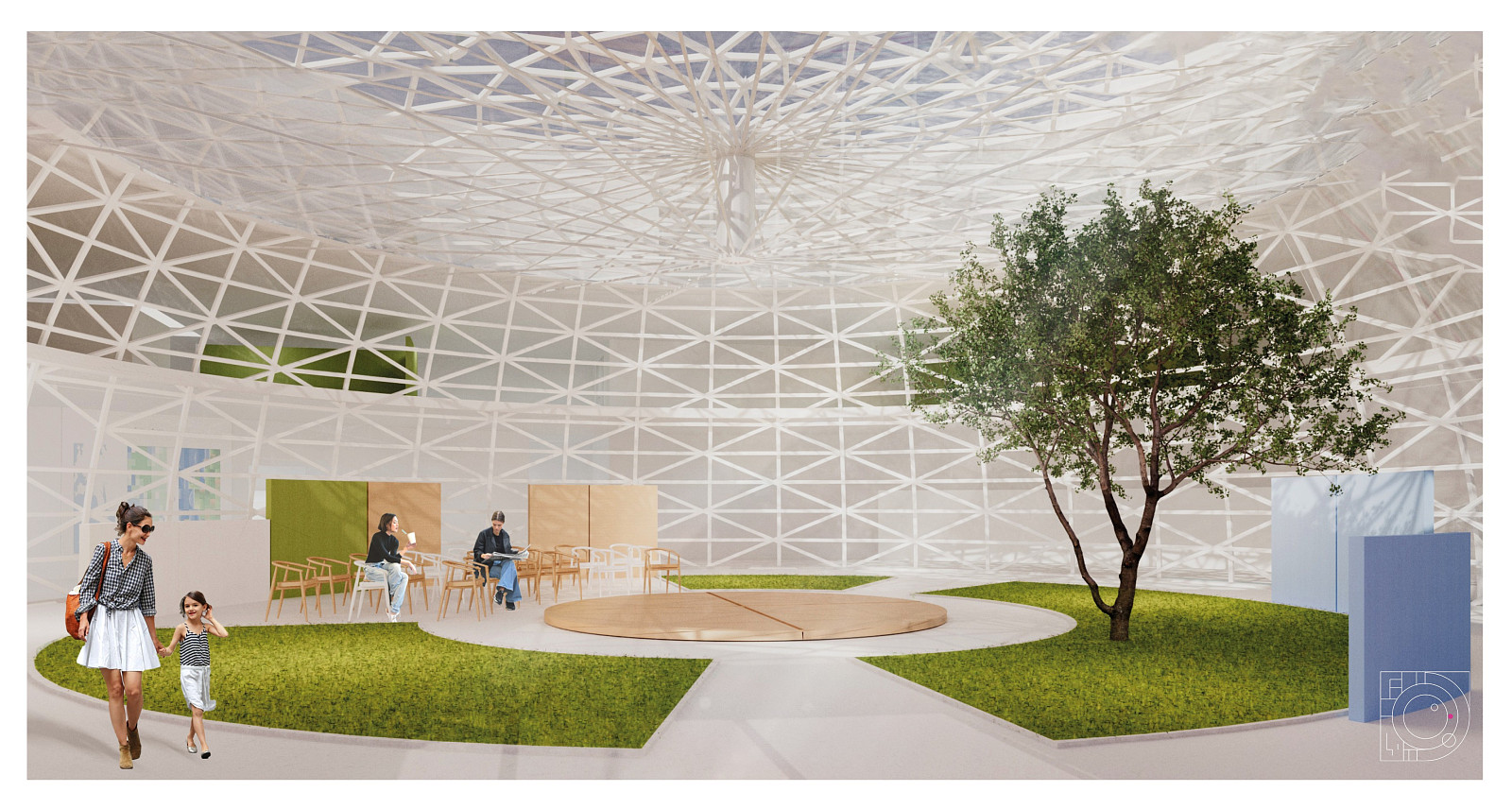
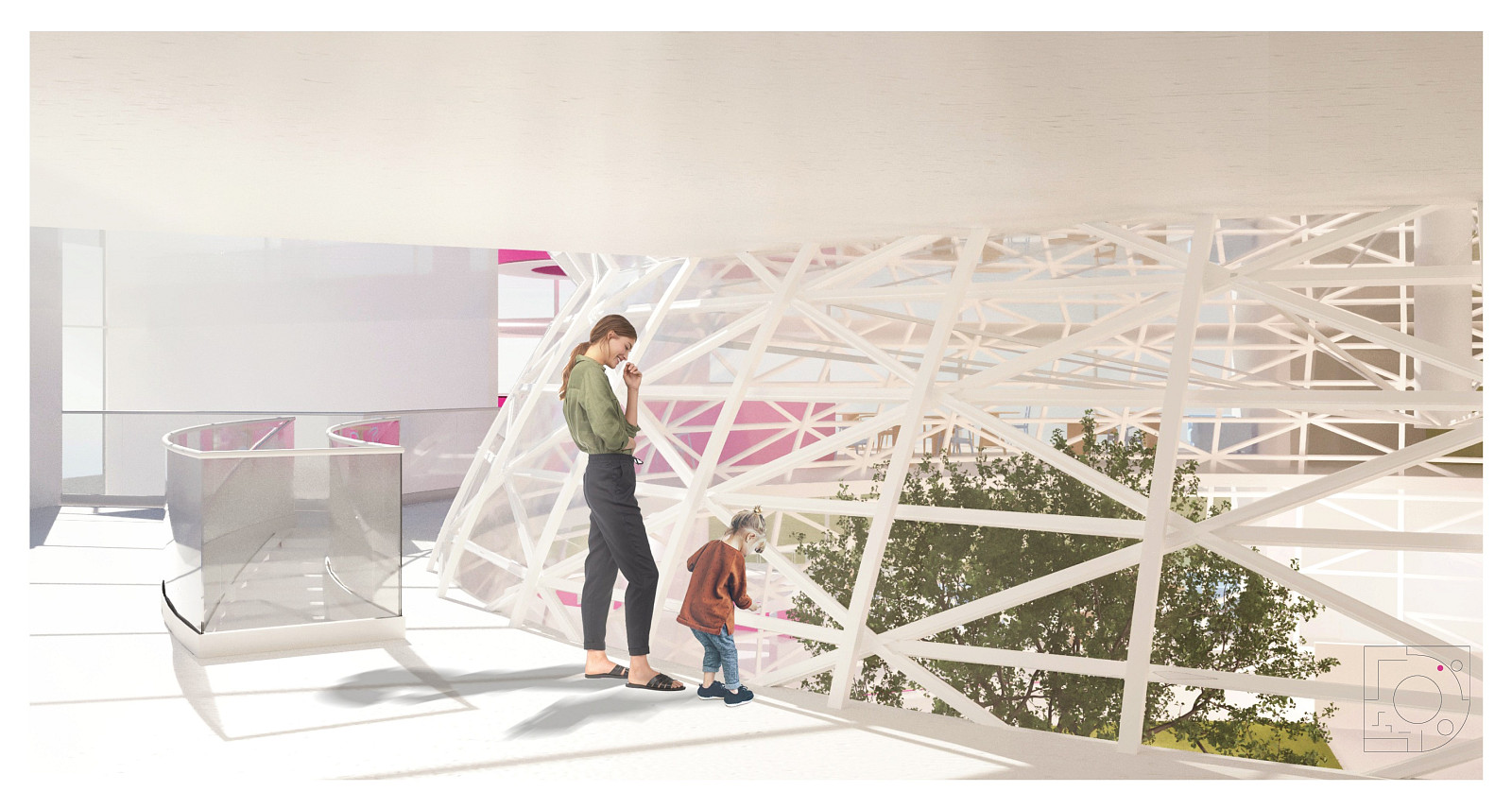
First Floor: The lecture atrium covers 230 square meters and serves as a space for lectures and public presentations. The rest of the time, it becomes a place for strolling.
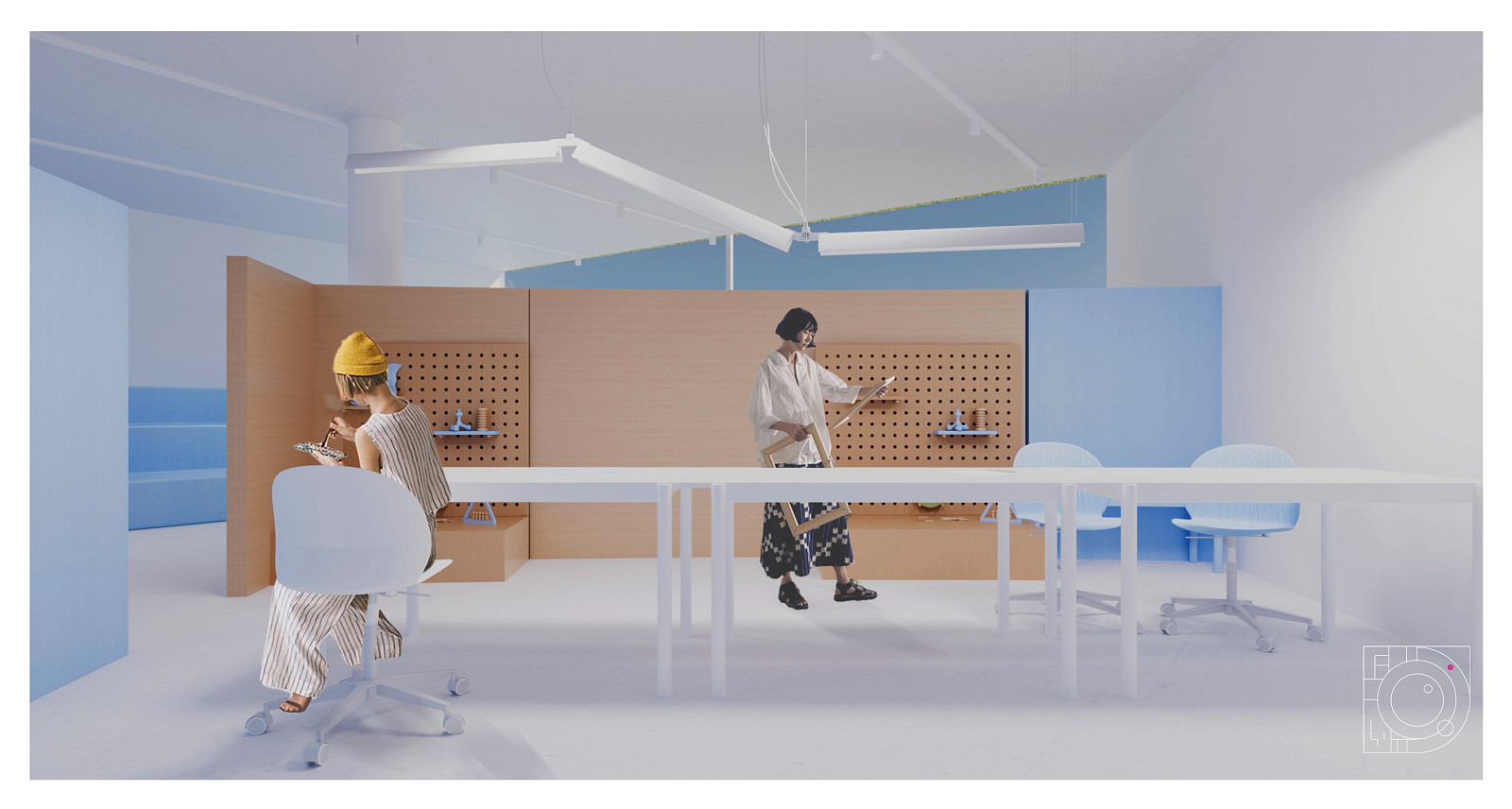
165 square meters are allocated for workshops. These are mobile, temporary spaces for holding workshops and open studios for designers of various disciplines. There is also a small shared coworking area here.
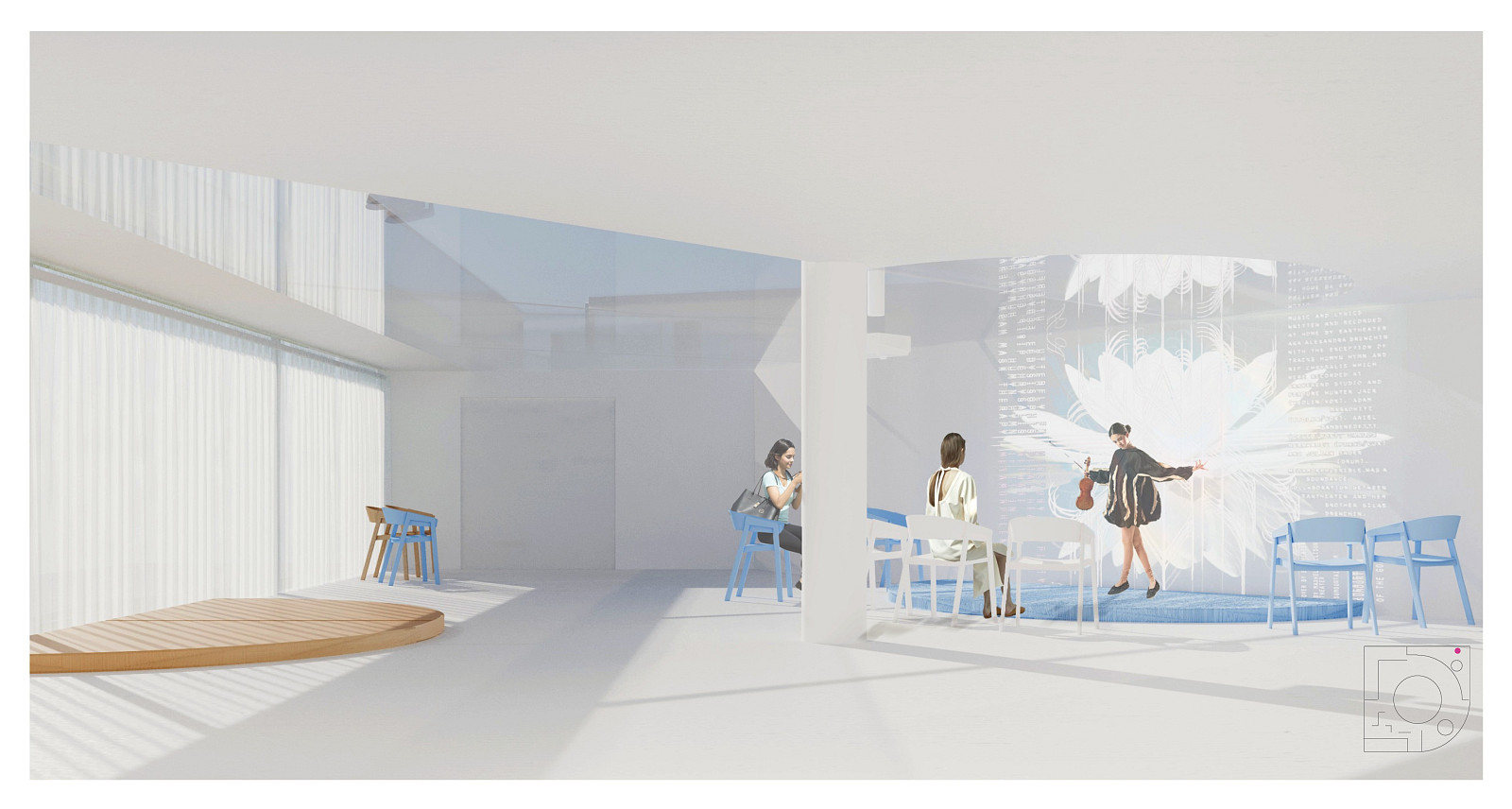
Second floor: The 180-square-meter performance studio is a media space for digital installations, theatrical, and musical performances. The space is flexible, allowing for various configurations and the realization of stage design projects.
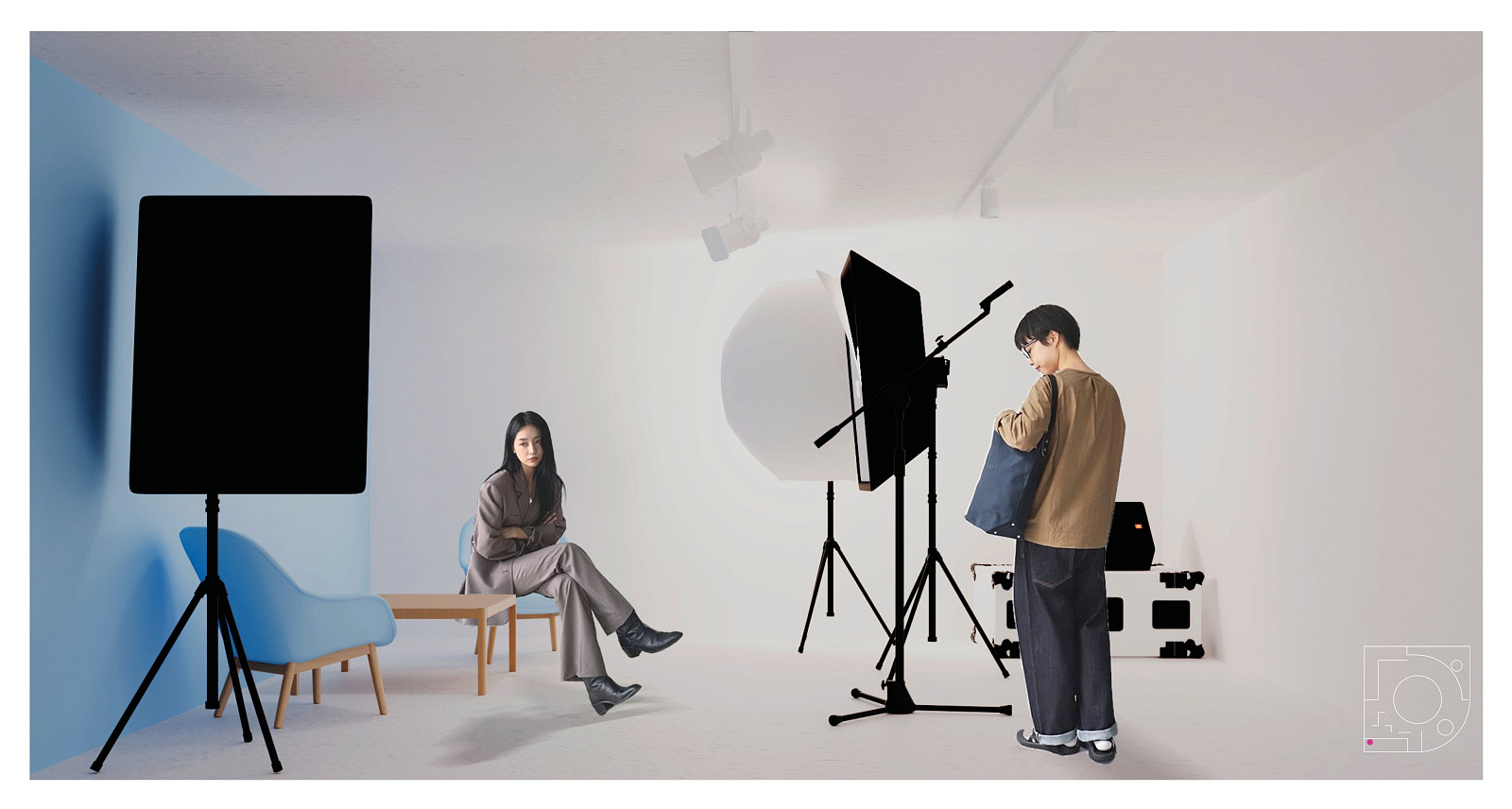
The recording studios cover 50 square meters and serve as a venue for recording podcasts and discussions on design topics, interviews on various disciplines, and collaborations with universities offering relevant programs.
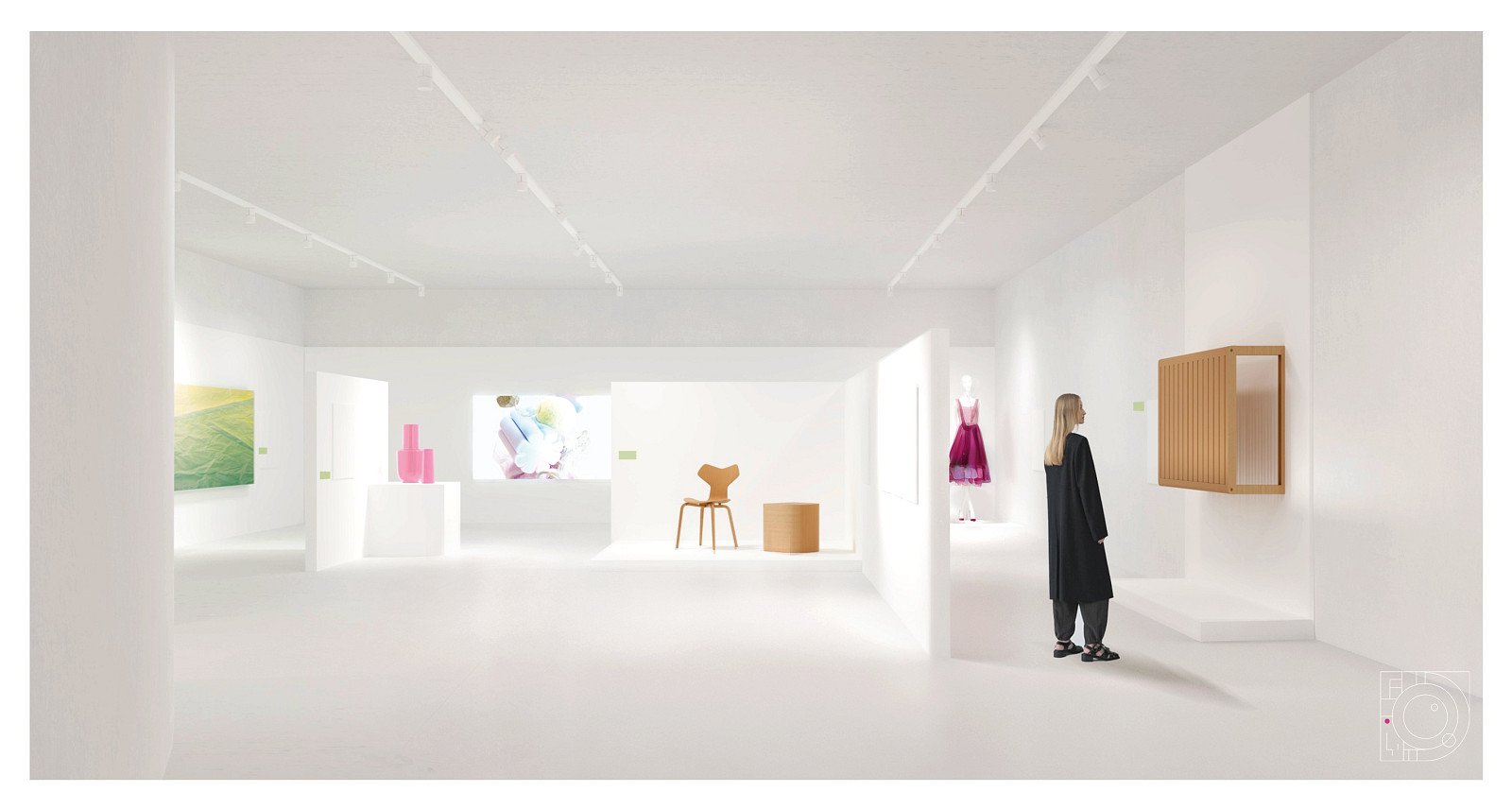
The exhibition features examples of various design disciplines to introduce visitors to them. The hall on the first floor is intended for a permanent exhibition, while the halls on the second and third floors serve as spaces for temporary exhibitions. This also provides an opportunity for exhibition space designers to experiment, propose, and try out unconventional ideas.
In addition to the exhibition spaces, the museum also houses interdisciplinary studios, workshops, and media studios. These spaces play a significant role, as they embody the museum’s core concept: the interaction between design and people.
Technical information
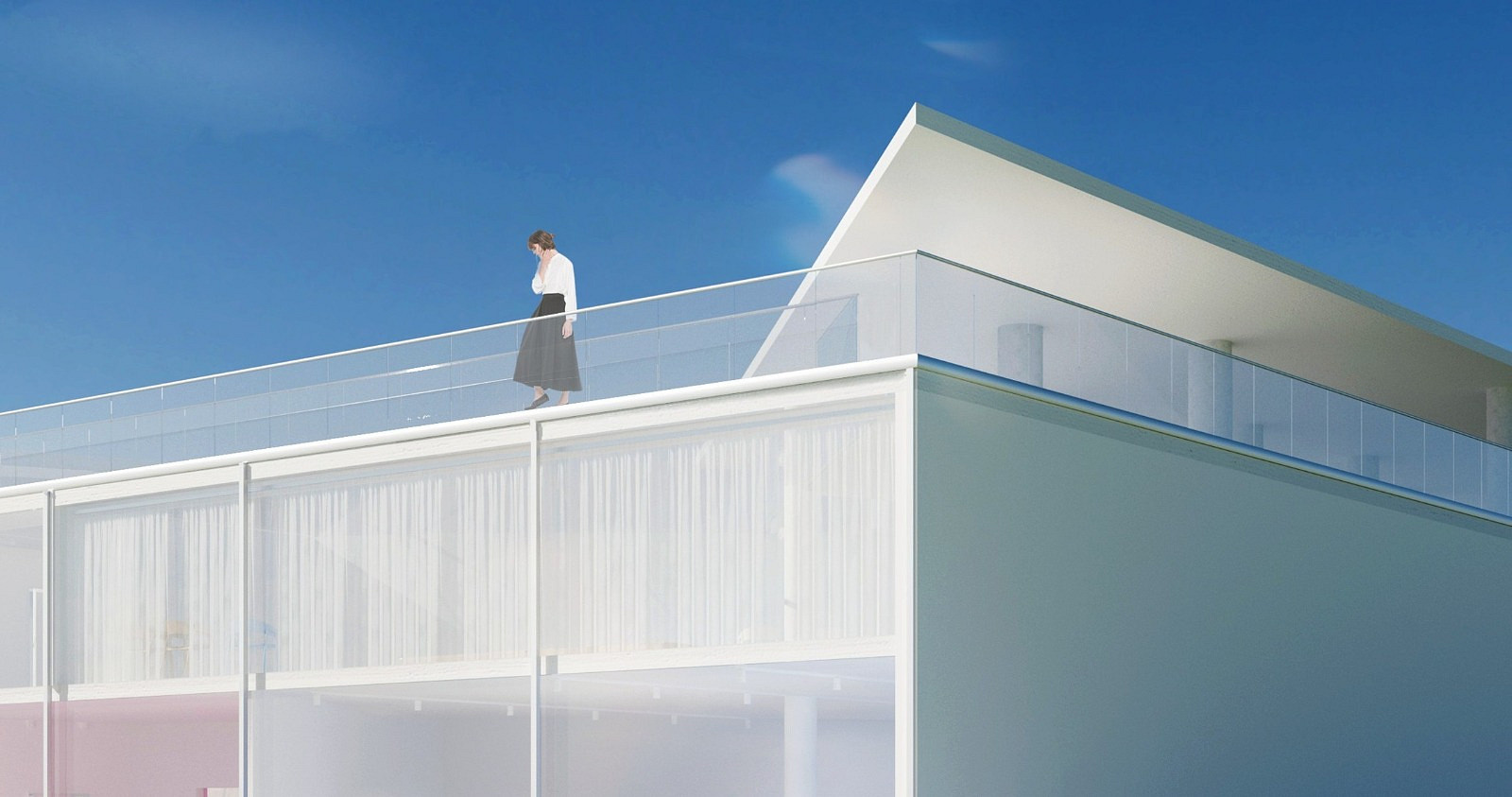
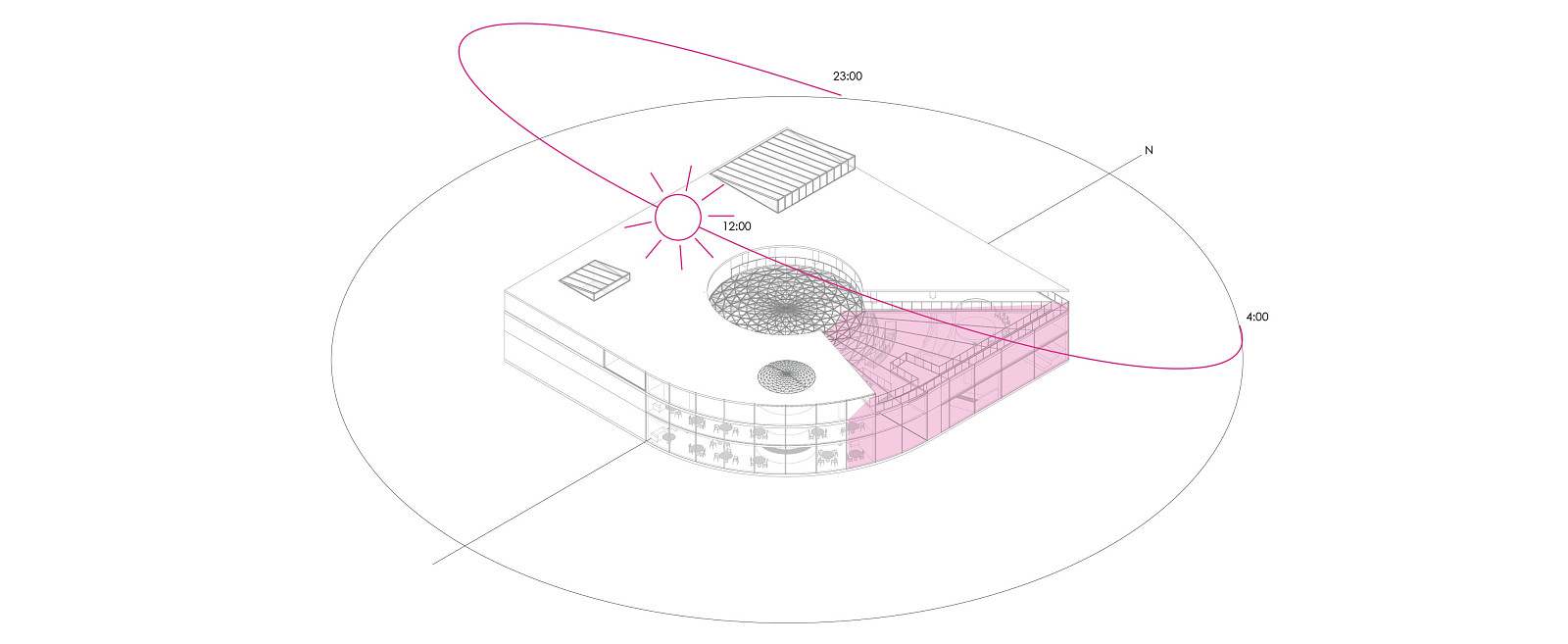
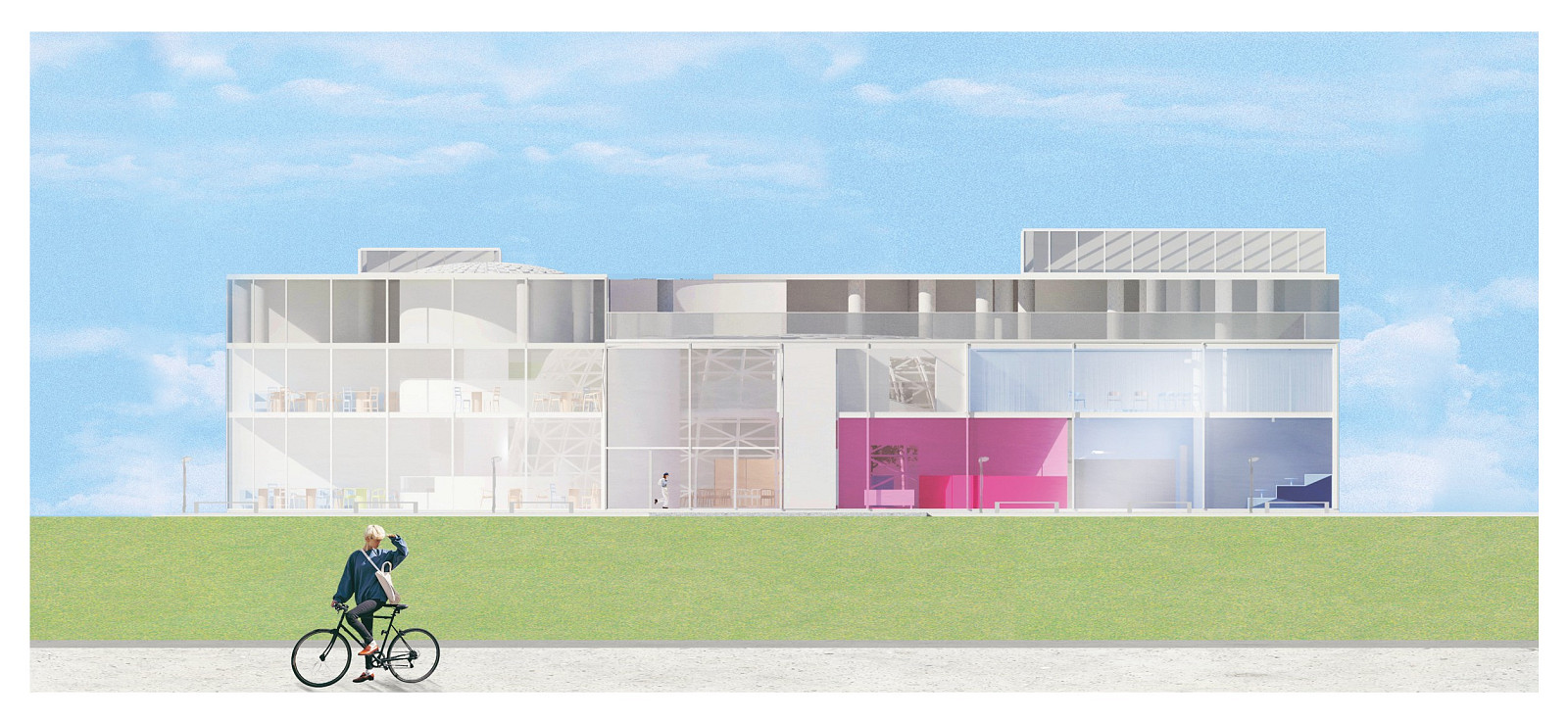
A distinctive architectural feature of the museum is the dome, which occupies a central position in the building and forms an all-season lecture garden. The dome is constructed of triangular glass panels set in metal frames; the renderings also show the supporting structures beneath the dome’s apex. The glazing on the facade consists of custom-designed curved panels.


Copyright © 2026 INSPIRELI | All rights reserved. Use of this website signifies your agreement to the Terms of Use, Privacy Policy, and use of cookies.
