From Grain to Glass: Reconnecting the Historic Mill


Project idea
Adaptive reuse of a historic mill building transformed into a distillery experience, reconnecting the building's industrial heritage with contemporary hospitality through the journey from grain to glass.
Project description
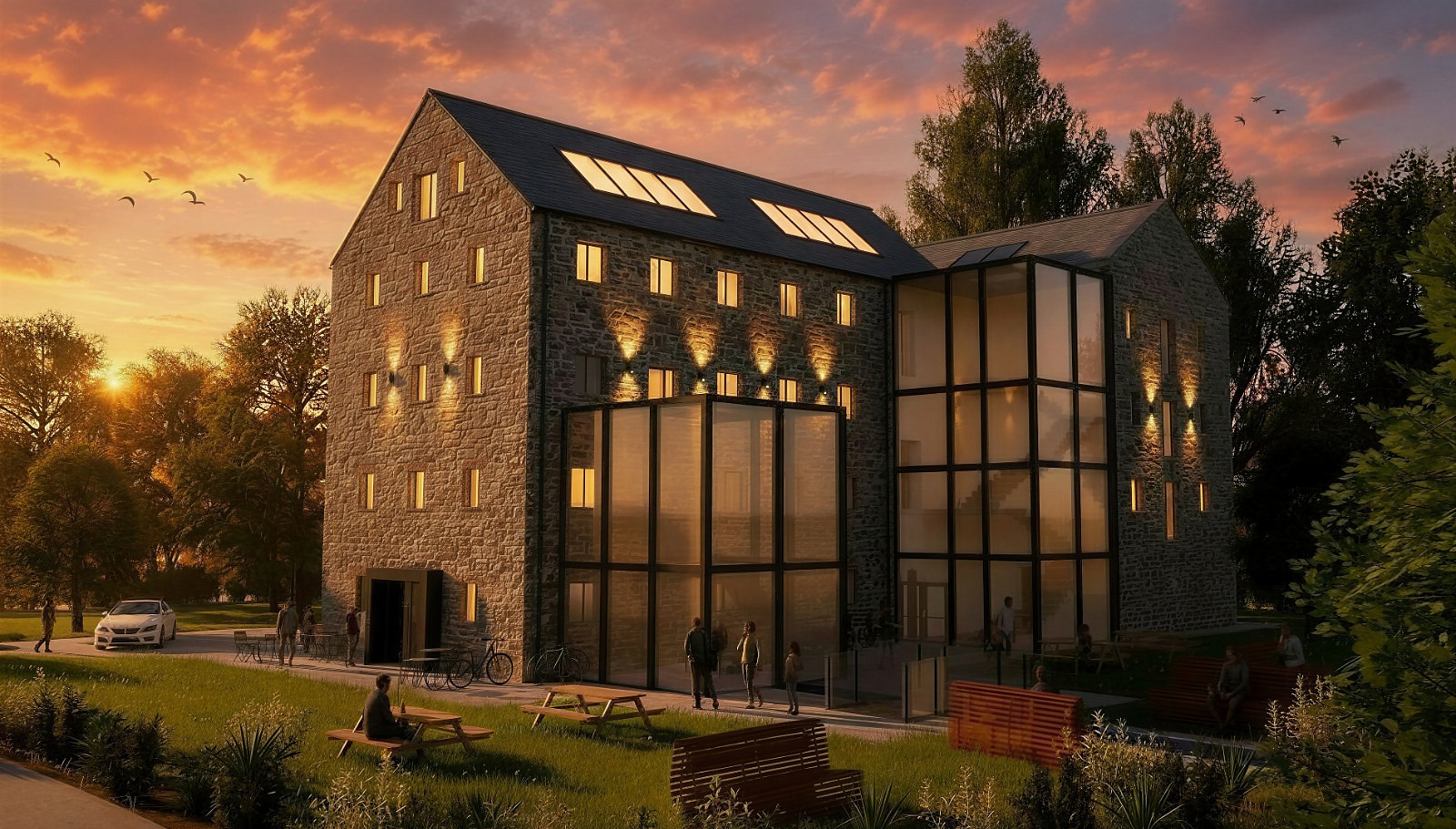
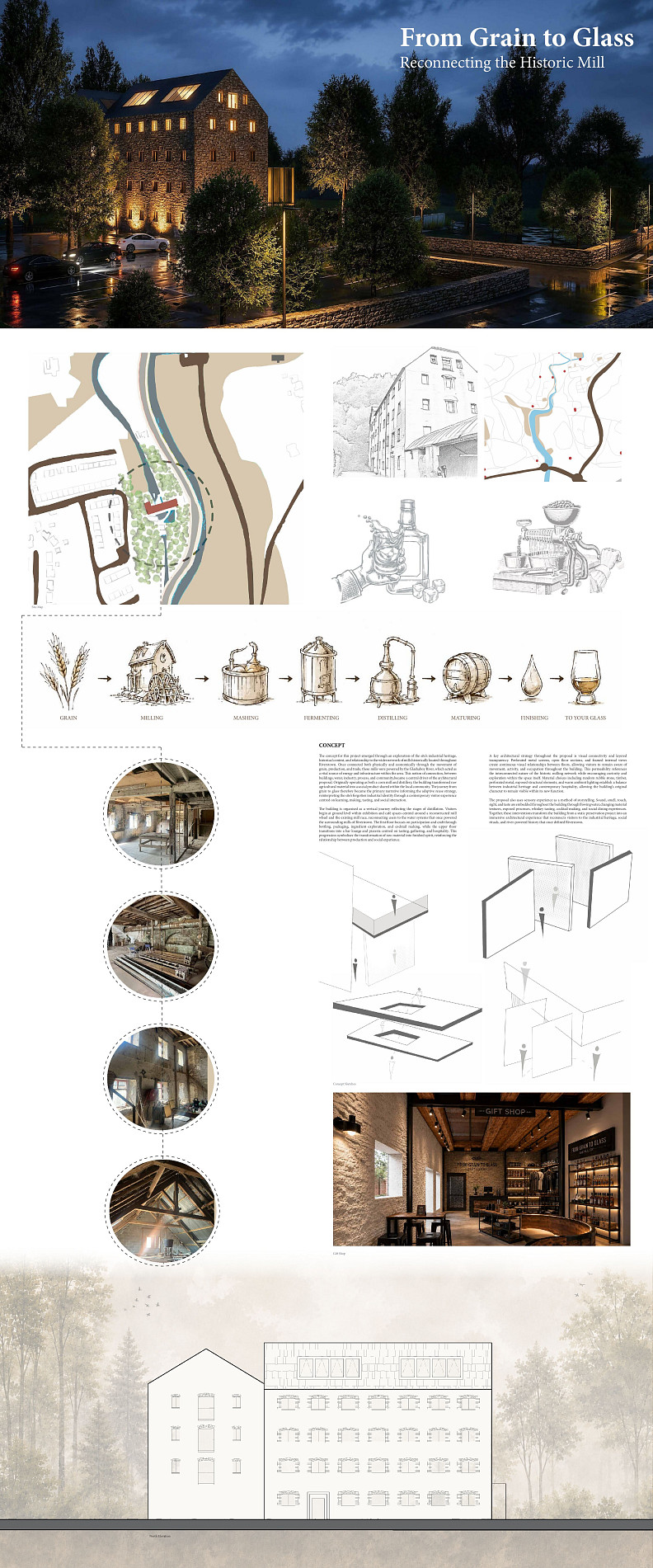
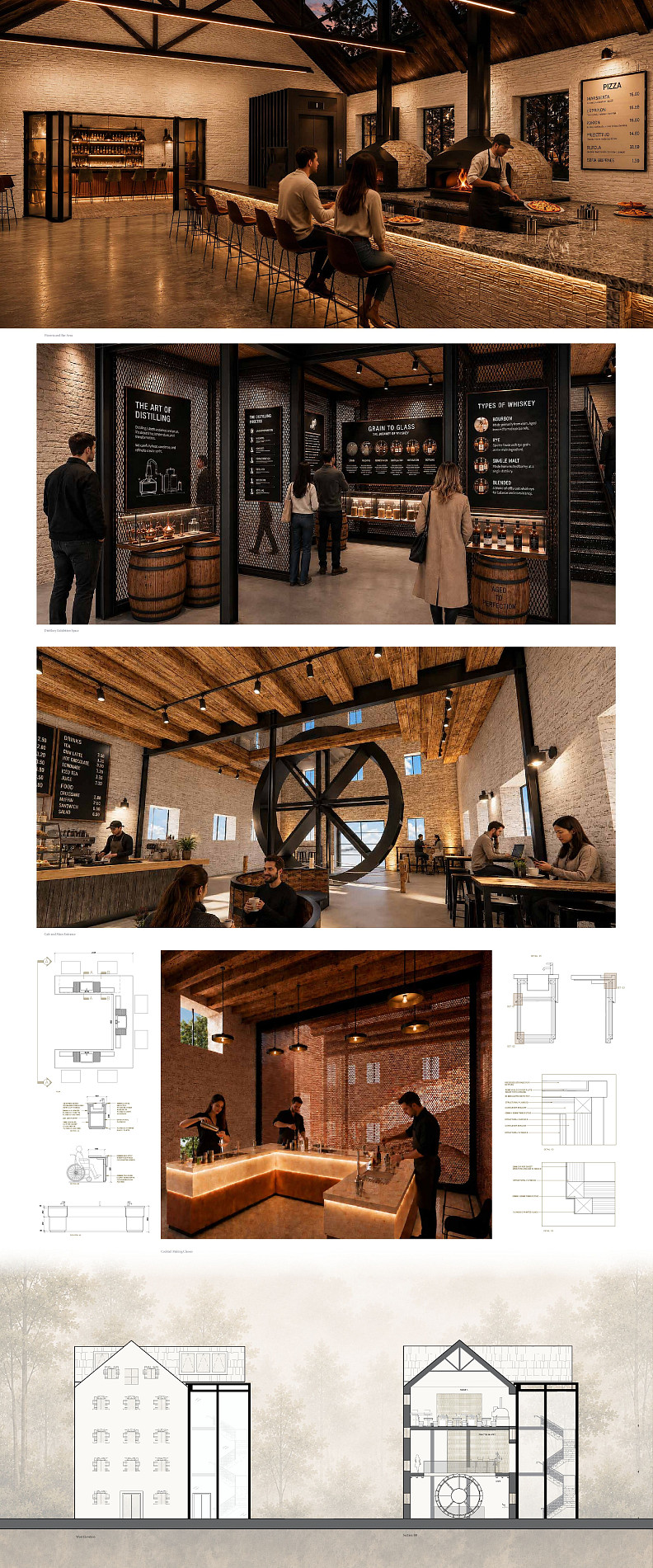
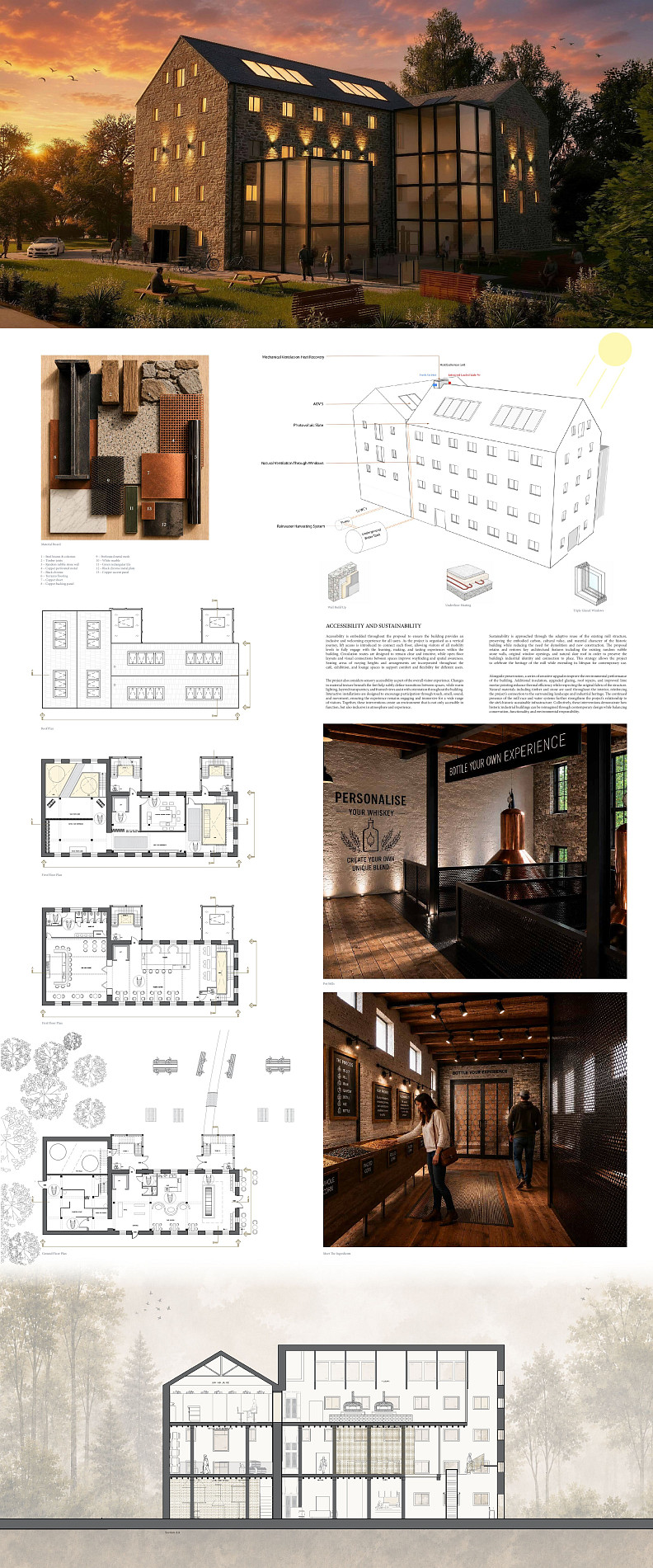
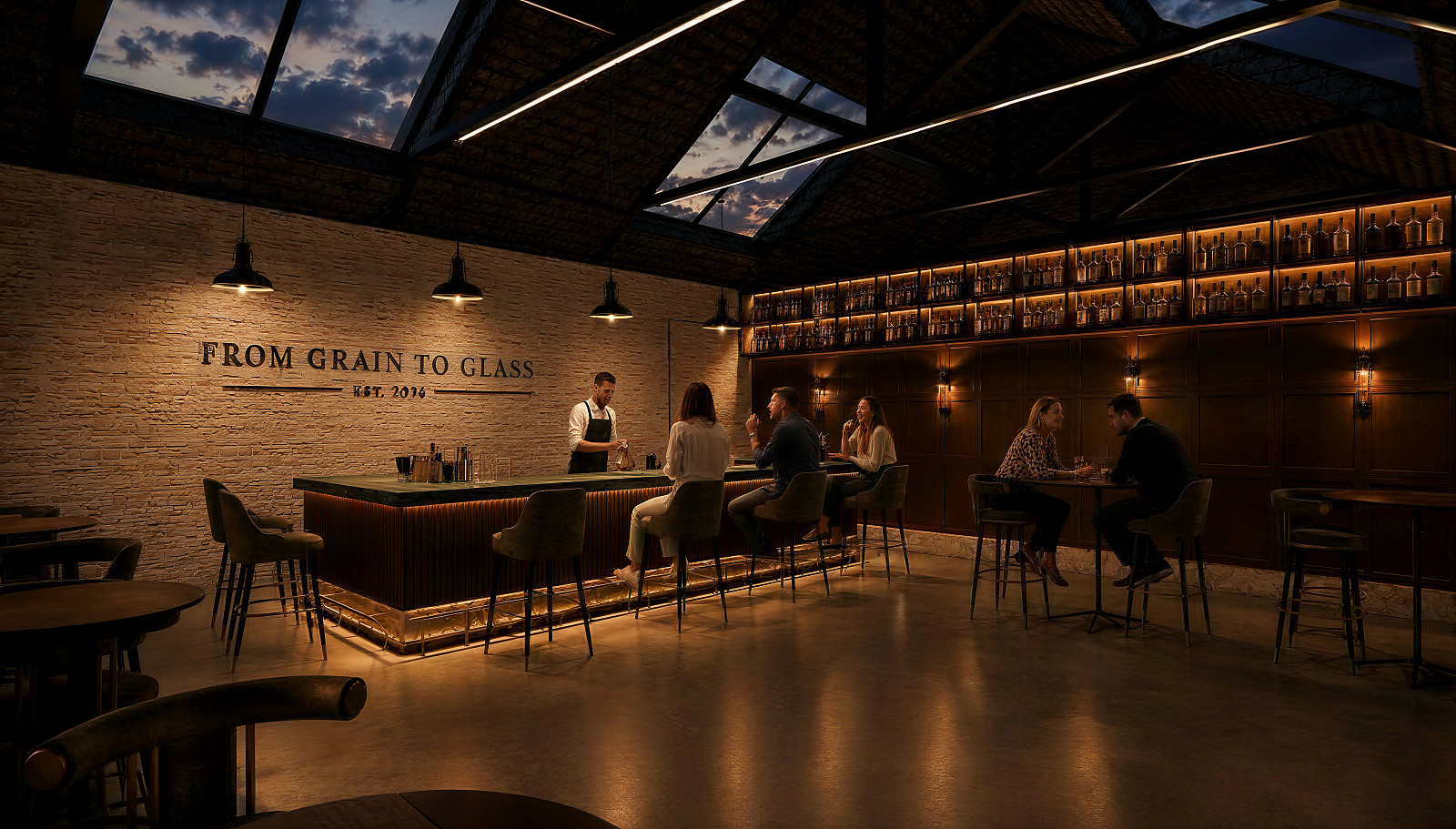
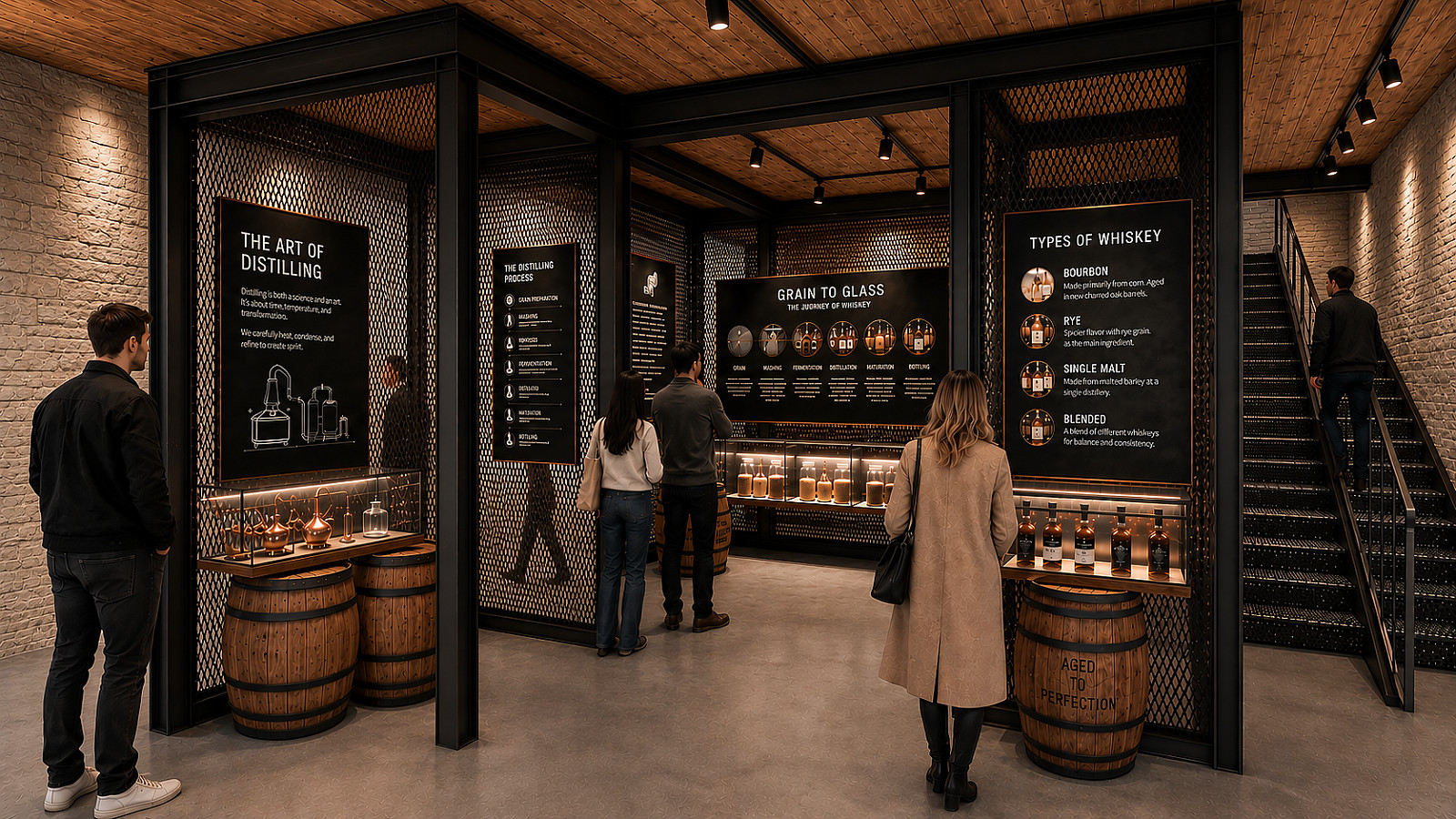
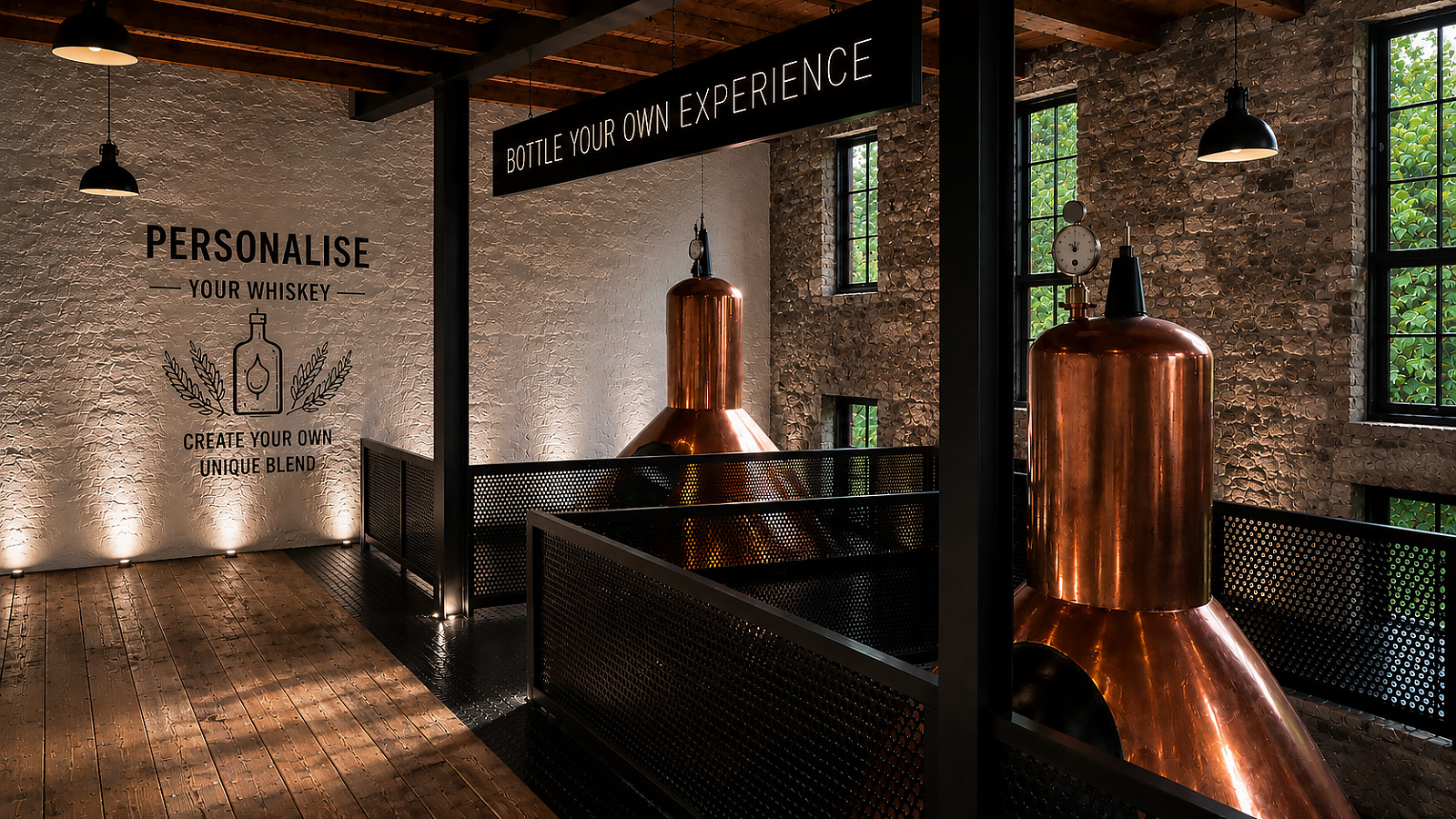
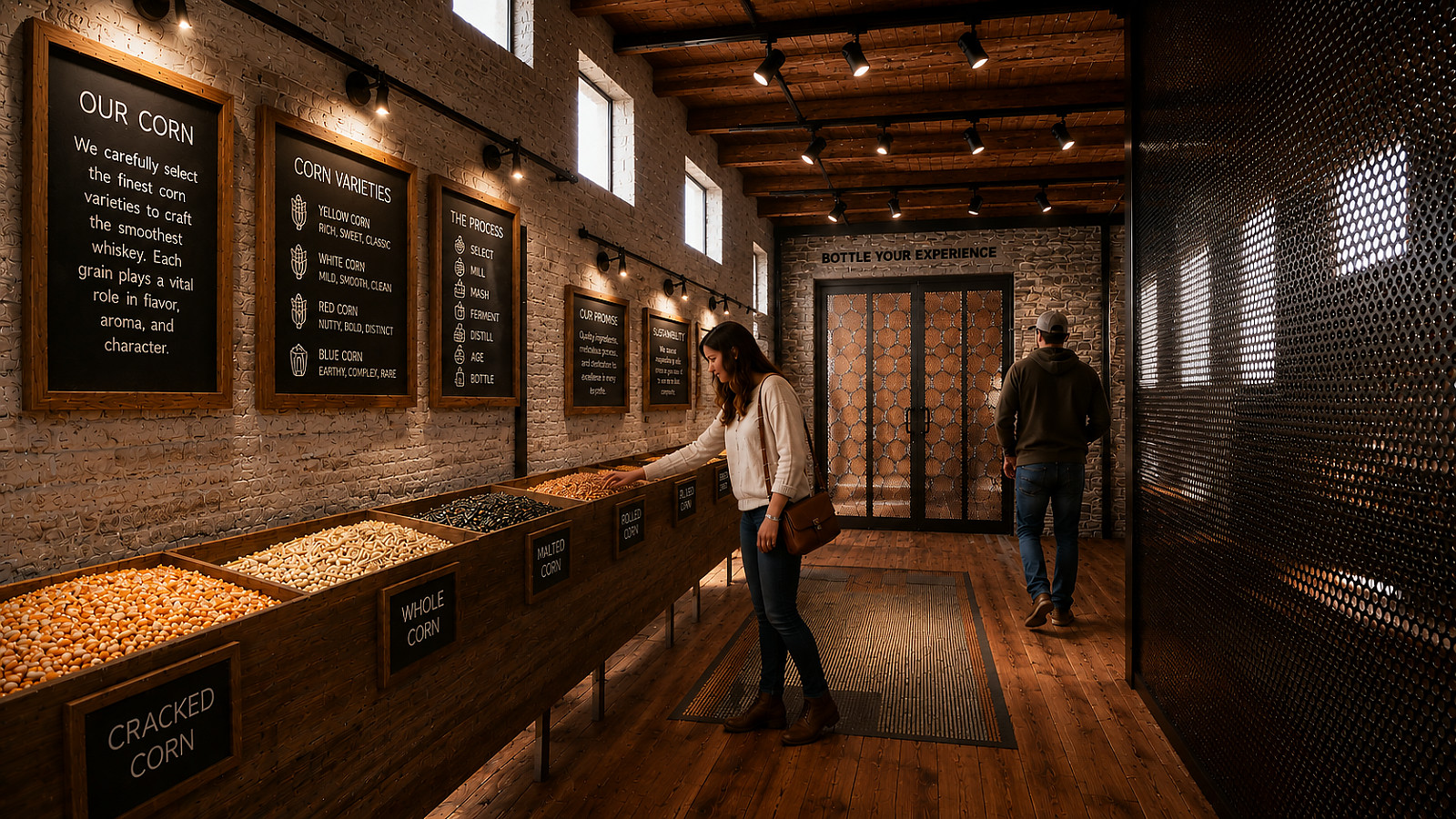
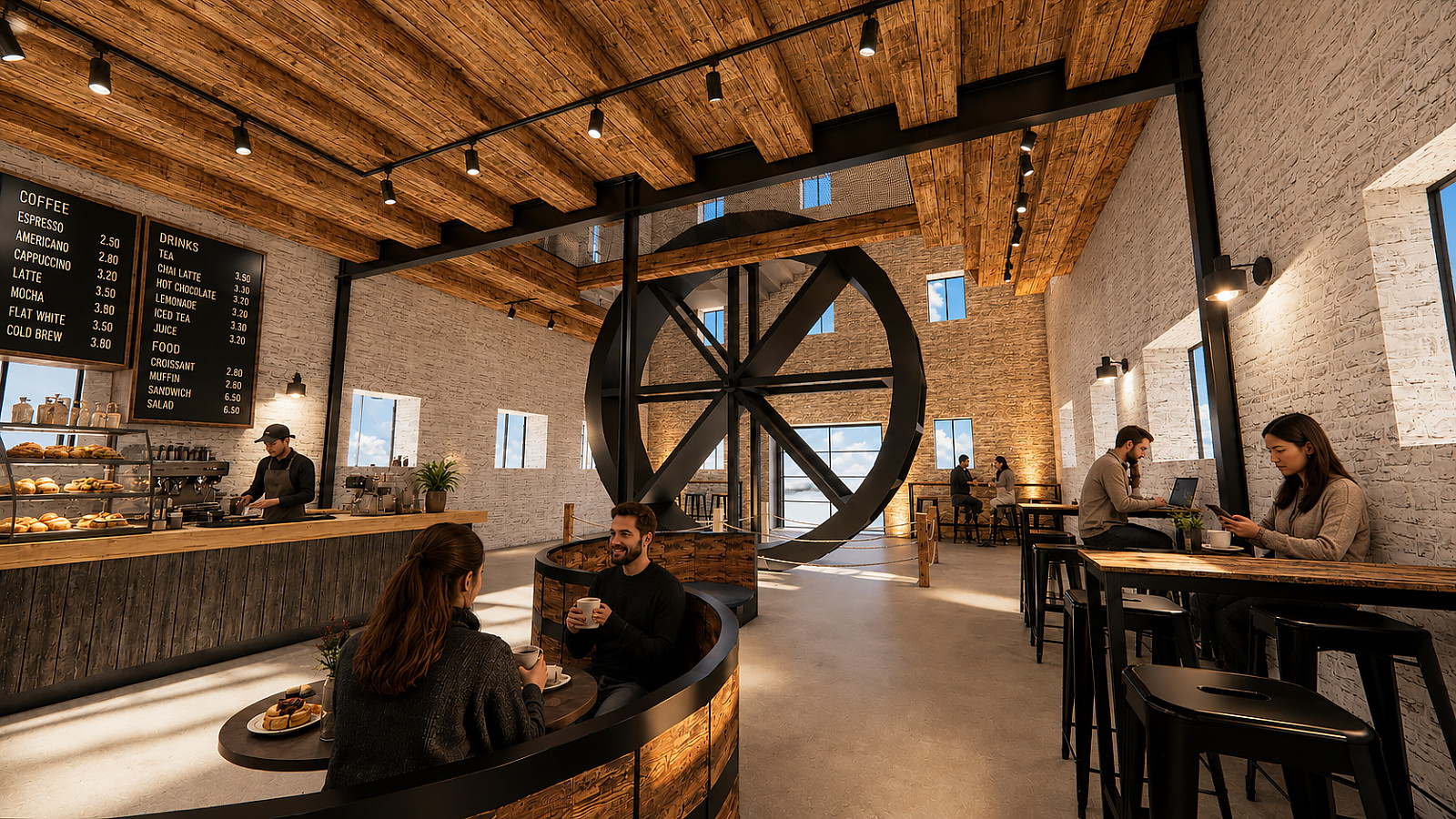
The project explores the adaptive reuse of a historic mill, converting it into a distillery and visitor experience center. The design concept is rooted in the celebration of the site's industrial heritage and its relationship to the wider network of mills historically found throughout the area. The building is organized as a vertical journey reflecting the stages of distillation - from grain milling and mashing through fermenting, distilling, maturing, and finishing to the final tasting experience. The proposal reconnects visitors to the water systems that once powered the mill, while transforming the space into areas centered on tasting, gathering, and hospitality. Key architectural strategies include visual connectivity and layered transparency, with perforated metal screens, open floor sections, and framed internal views creating sightlines between production and social spaces. The design maintains the interconnected nature of the historic milling network while encouraging curiosity and exploration, bridging industrial heritage and contemporary hospitality.
Technical information
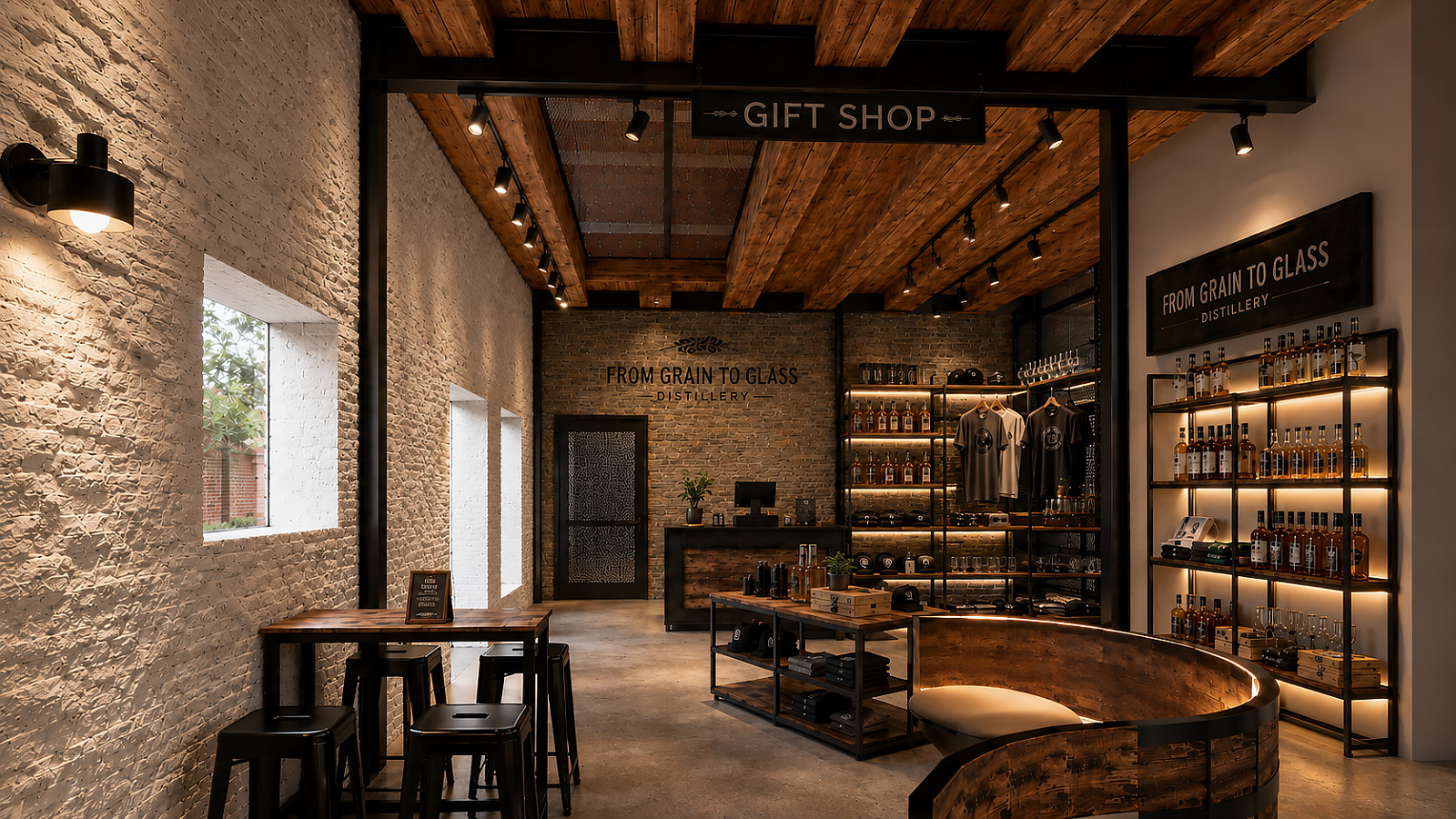
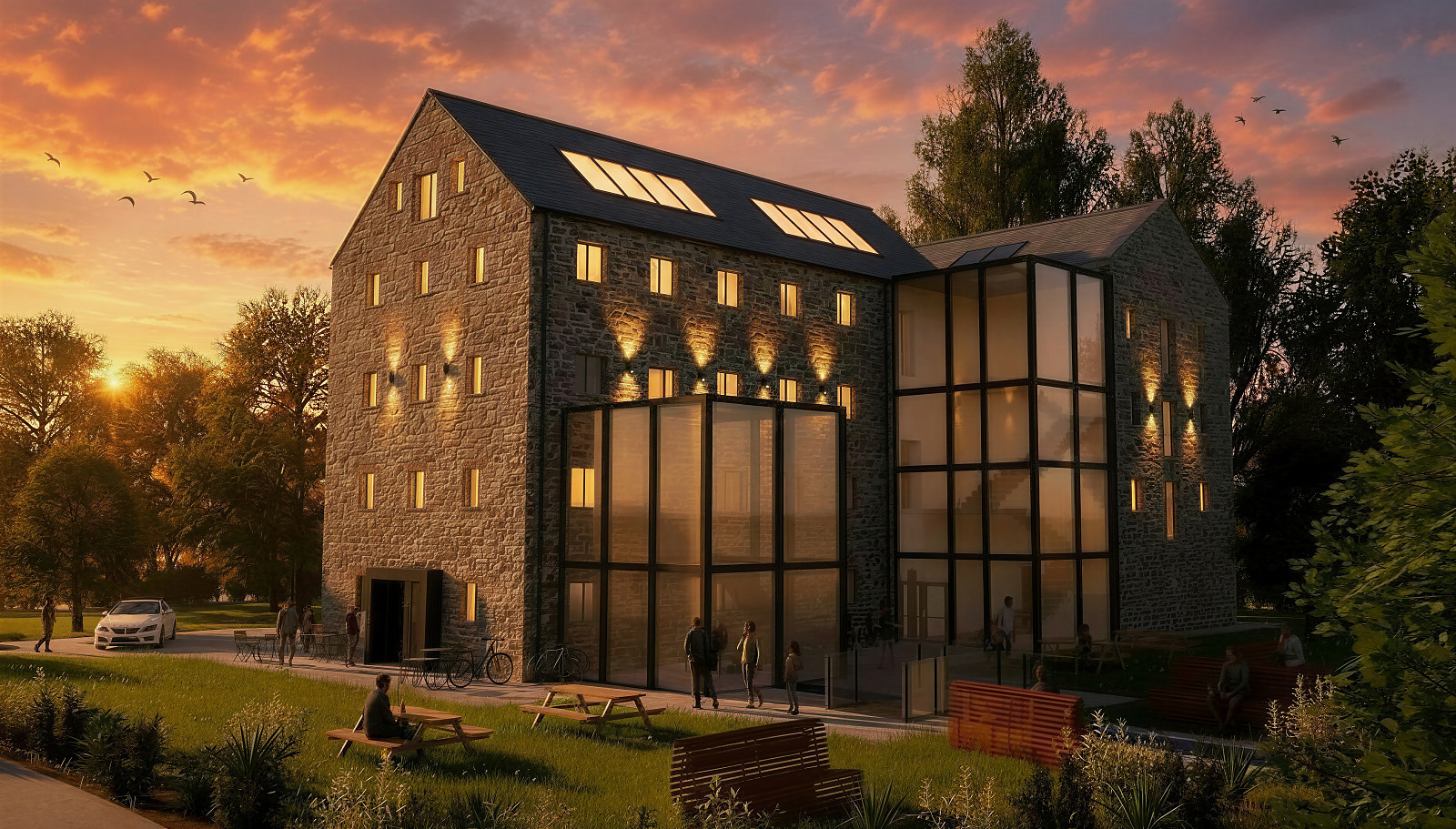
The proposal incorporates the existing mill structure with new interventions including skylights on the roof, restored stone masonry facades, and contemporary interior insertions. The gift shop and tasting areas feature exposed timber beam ceilings, brick and stone walls, and modern display systems. Concept sketches show layered panel display systems and spatial organization strategies for visitor circulation through the distillation process stages. An elevation drawing shows the restored historic mill facade with its characteristic window patterns and proportions.
Documentation
Show PDF 1Show PDF 2Show PDF 3


Copyright © 2026 INSPIRELI | All rights reserved. Use of this website signifies your agreement to the Terms of Use, Privacy Policy, and use of cookies.