
Yachting Club Belgrade


Project idea
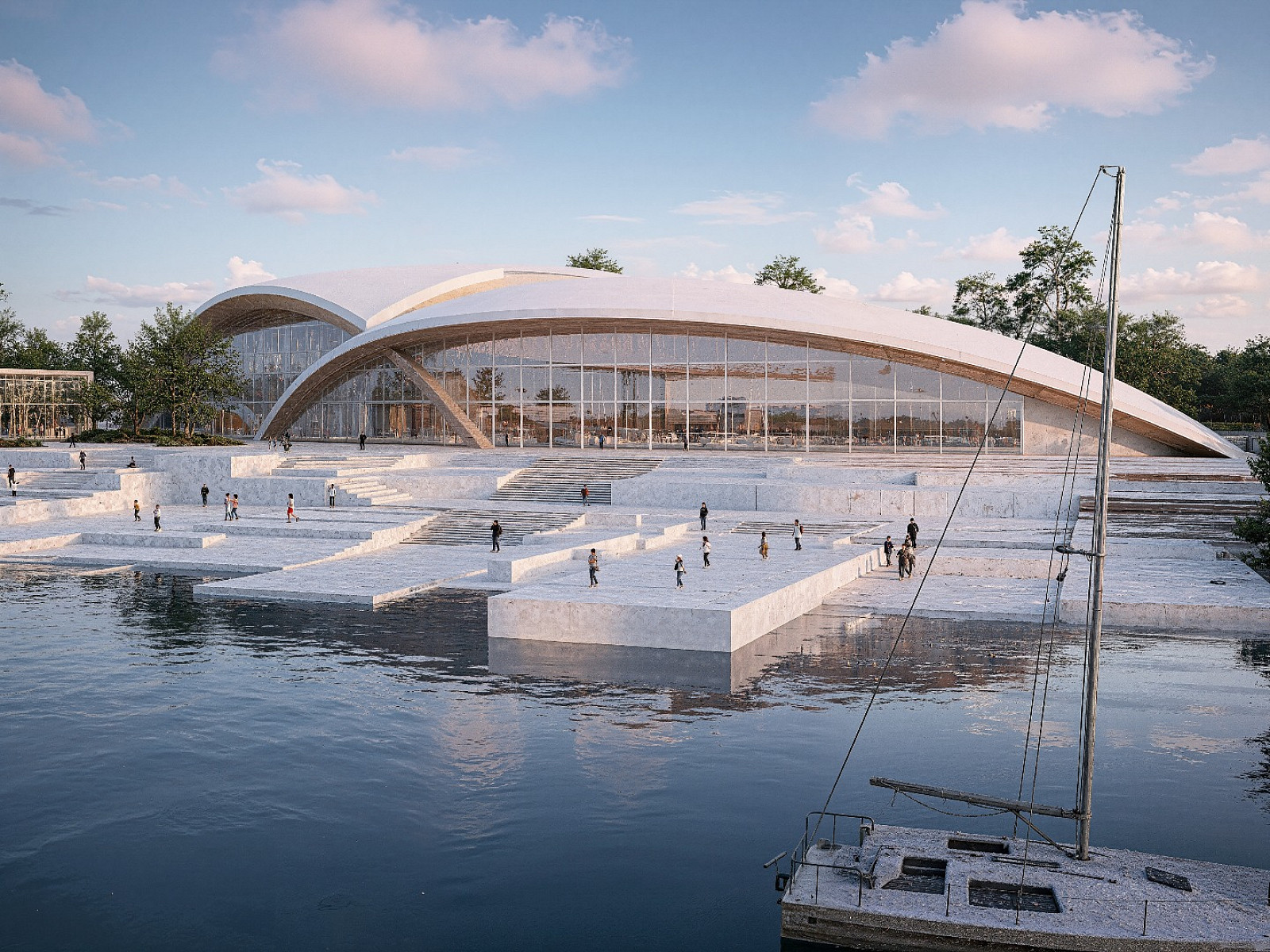
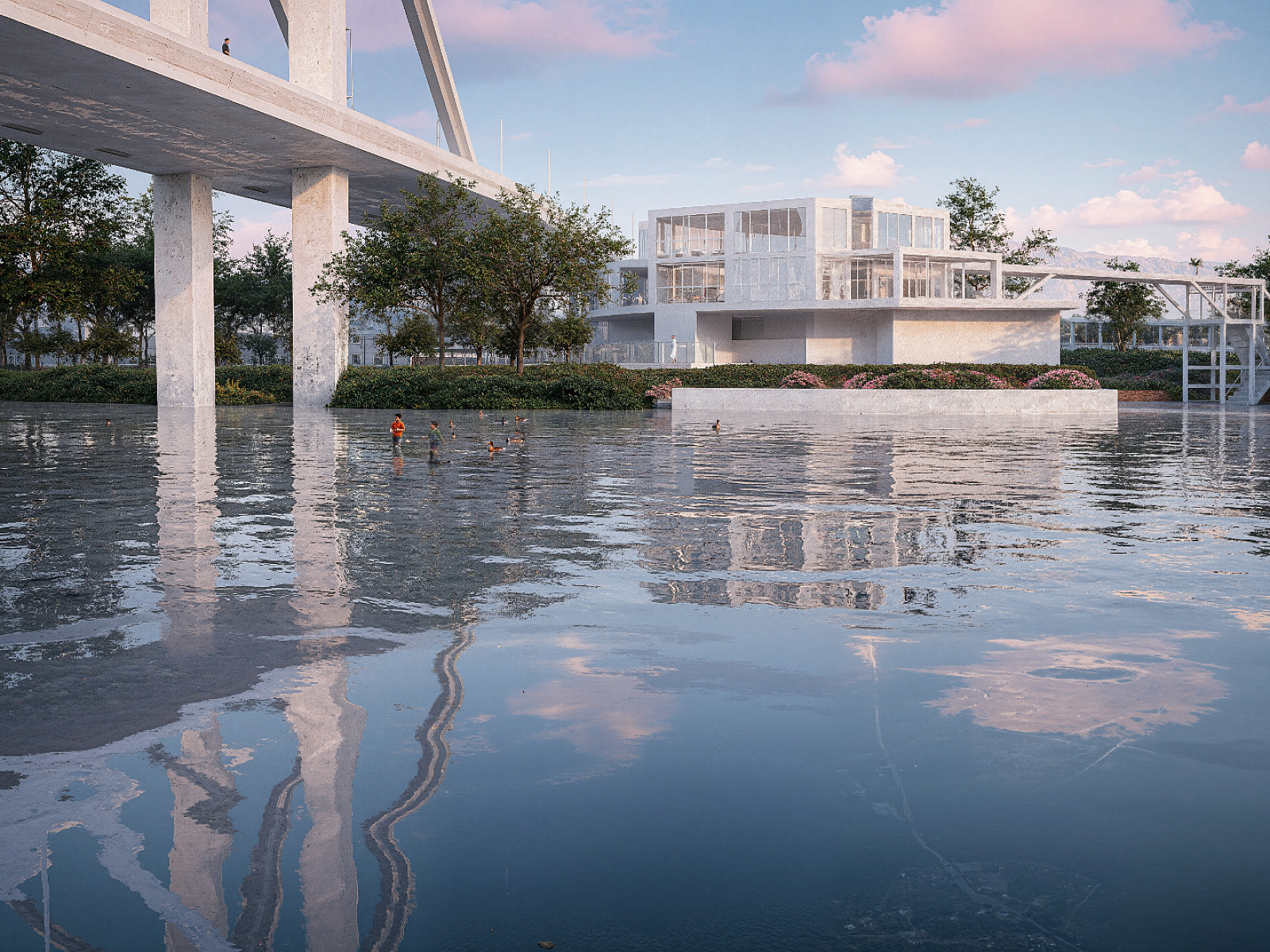
A yachting club design in Belgrade, inspired by the work and philosophy of Santiago Calatrava.
Project description
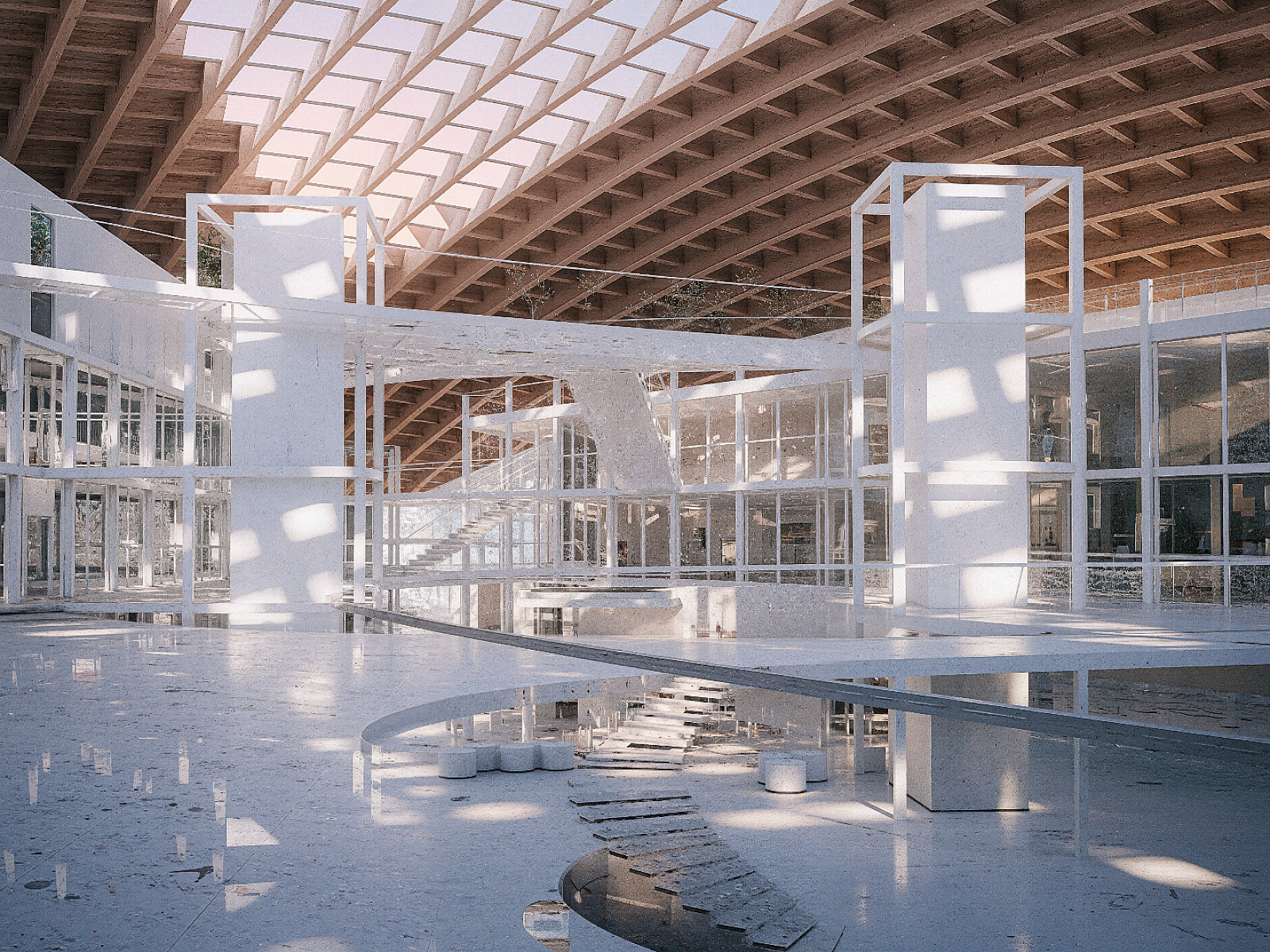
The proposed building consists of a system of independent volumes that function independently but are connected by a system of external walkways and vertical circulation. The tallest building has four above-ground floors.
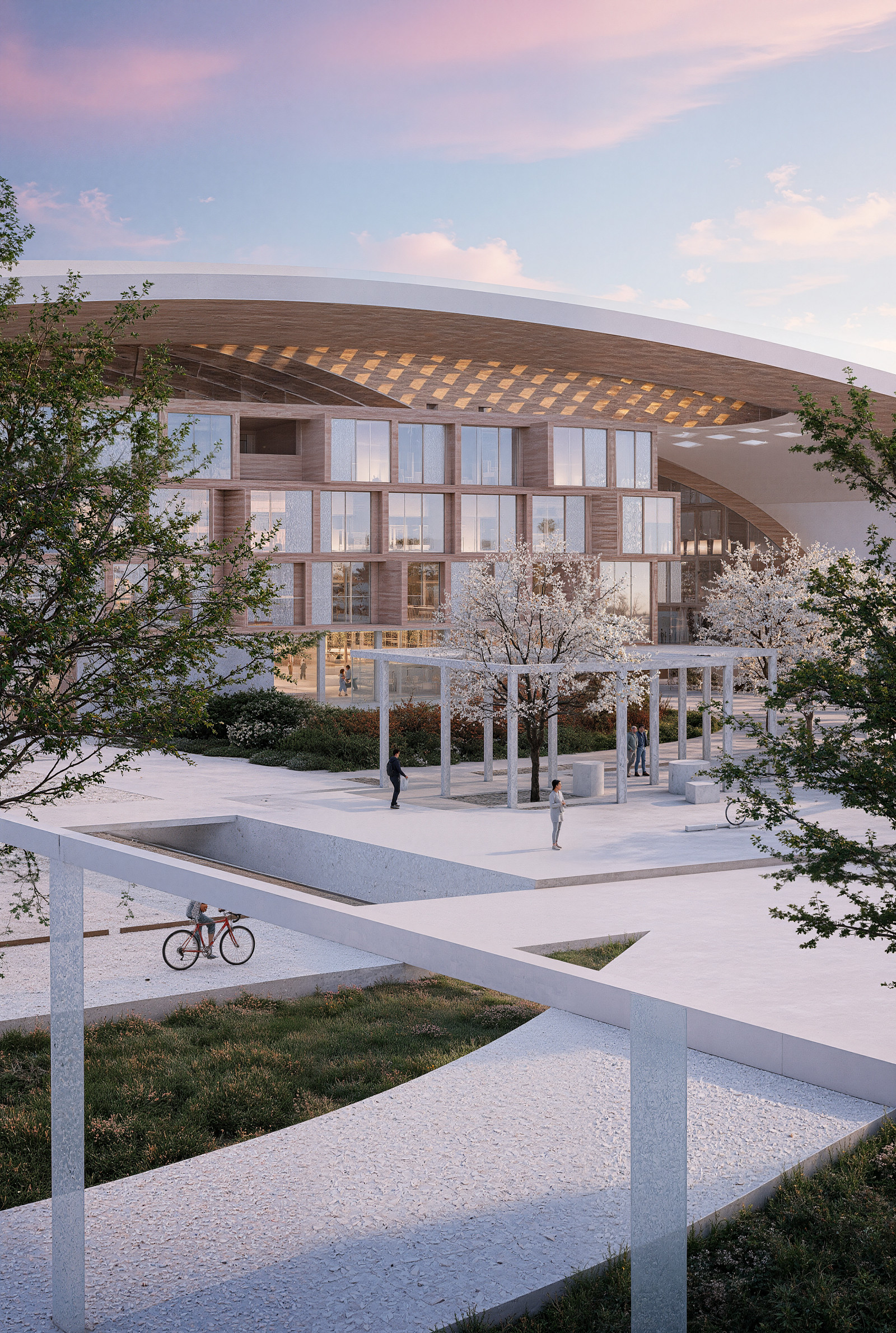
The right part of the site is reserved mainly for accommodation and gym. These buildings are not directly connected to the concrete shell, creating a covered, semi-public space underneath them.
The left building is structurally connected to the shell and simultaneously forms its roof. This building includes pool, rehabilitation, and dining facilities for both athletes and visitors.
An important element of the design is the inter-space between the buildings, which functions as a multidimensional living space for athletes. It is not limited to the ground level but also develops vertically through walkways, staircases, and galleries, creating visual connections between the individual levels. Vertical circulation is prominently expressed in the exterior, supplemented by interior staircases and elevators.
The building includes:
-accommodation capacity for athletes and visitors,
-dining facilities,
-gym and training spaces,
-pools and rehabilitation facilities,
-public and semi-public living spaces.
The operational concept allows for seasonal closure of part of the building – during the winter period, the main building may be closed, while the pool and rehabilitation section remains in operation and ensures year-round use of the site.
Technical information
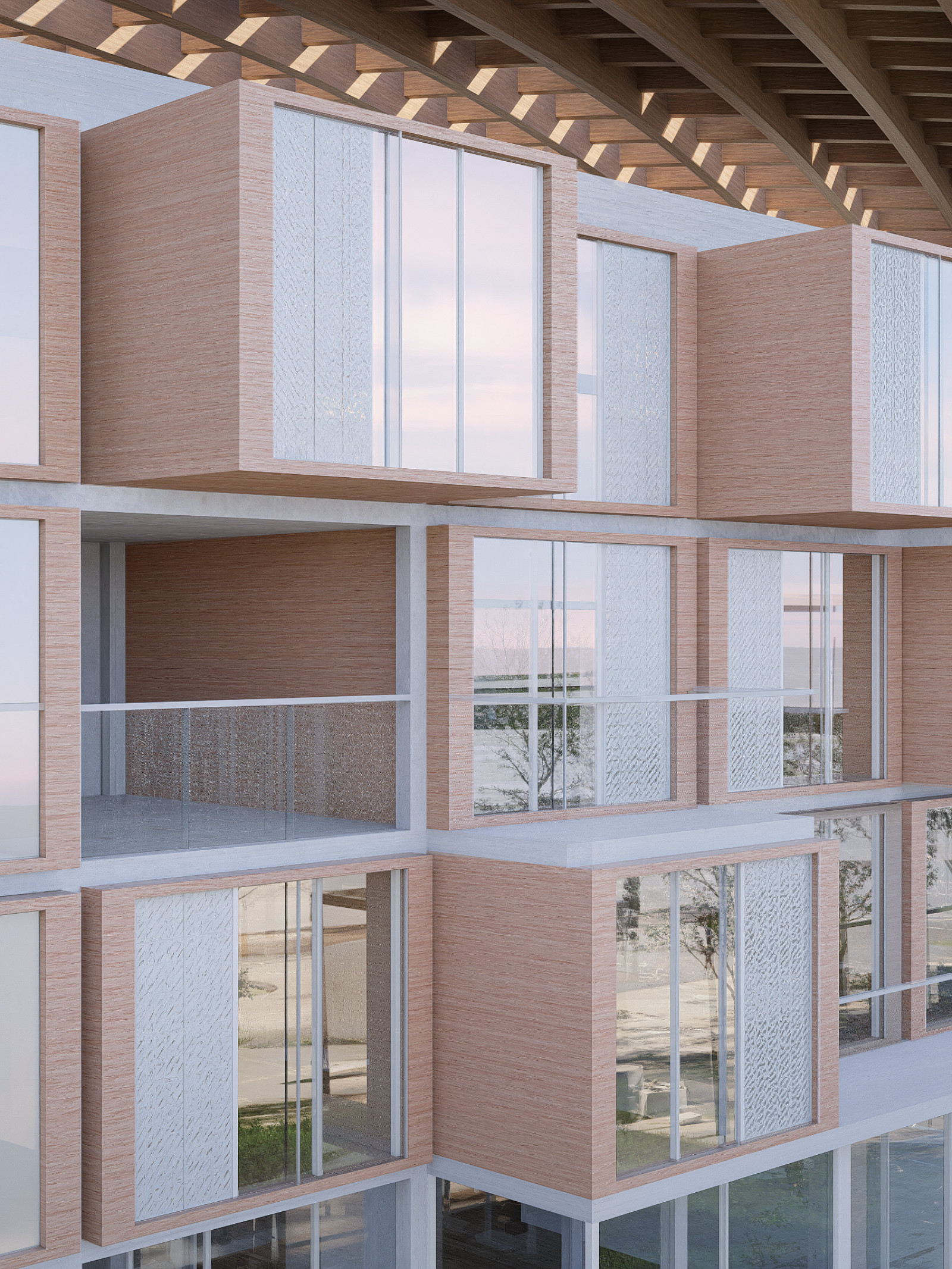
The main construction of the building is designed as a skeleton system with a module of 3.5 m in width. Within this skeleton, separate accommodation cells are inserted, which are individually thermally insulated.
The concept of the cell system enables:
replacement or addition of individual accommodation units,
flexible capacity expansion,
creation of covered loggias and common spaces in locations where cells are omitted.
Technical connection of the cells is solved through installation shafts run within the skeleton walls. Pre-installation for systems (electrical installation, water, sewage) is permanently integrated and, in the unused state, covered by inspection doors. When installing a cell, there is quick connection to existing distribution lines.
Documentation

Copyright © 2026 INSPIRELI | All rights reserved. Use of this website signifies your agreement to the Terms of Use, Privacy Policy, and use of cookies.