AL-DAR Cultural Food Hub


Project idea
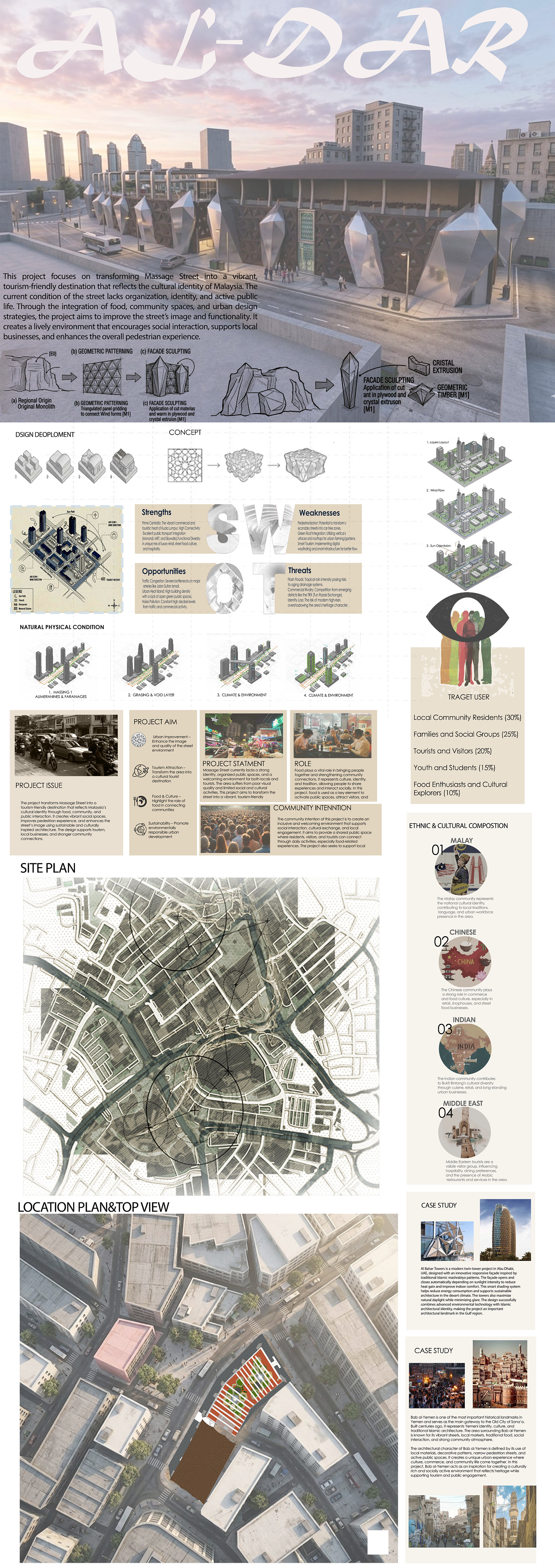
The concept of Al-Dar Cultural Food Hub is inspired by the traditional Saudi Arabian street food known as Bakhmari, a simple yet culturally significant food deeply connected to daily life, community interaction, and public gathering. The project seeks to transform the experience of Bakhmari from a small-scale street stall into a larger architectural destination that celebrates food, culture, and social connection. By studying how Bakhmari stalls operate within public spaces, the design translates the values of openness, visibility, interaction, and community engagement into a contemporary architectural language that promotes cultural exchange and urban vibrancy.
Project description
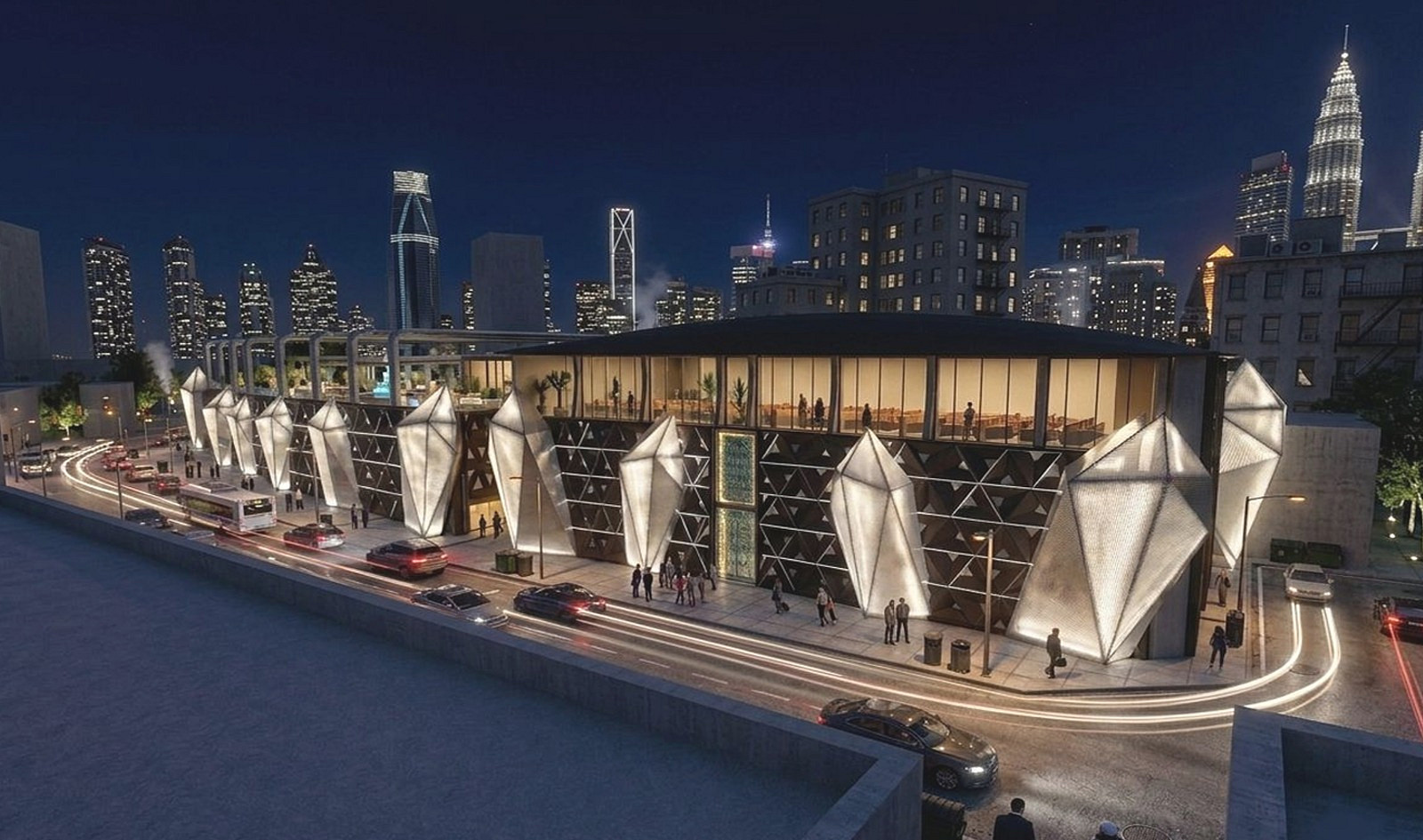
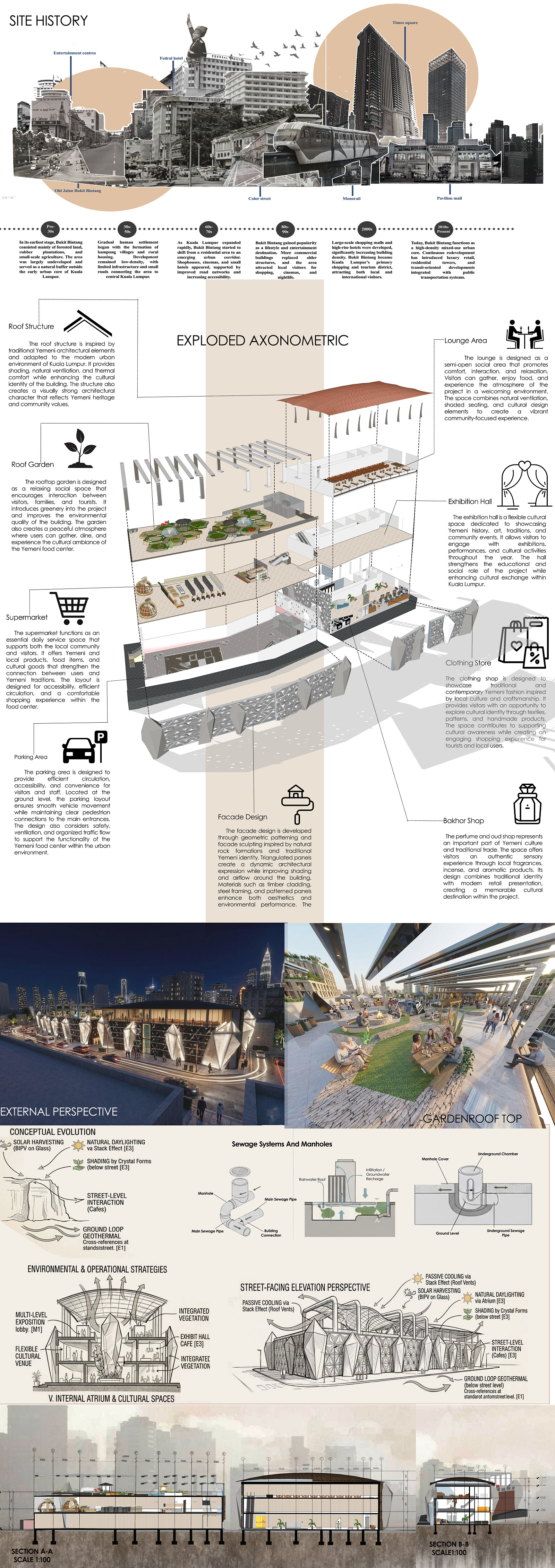
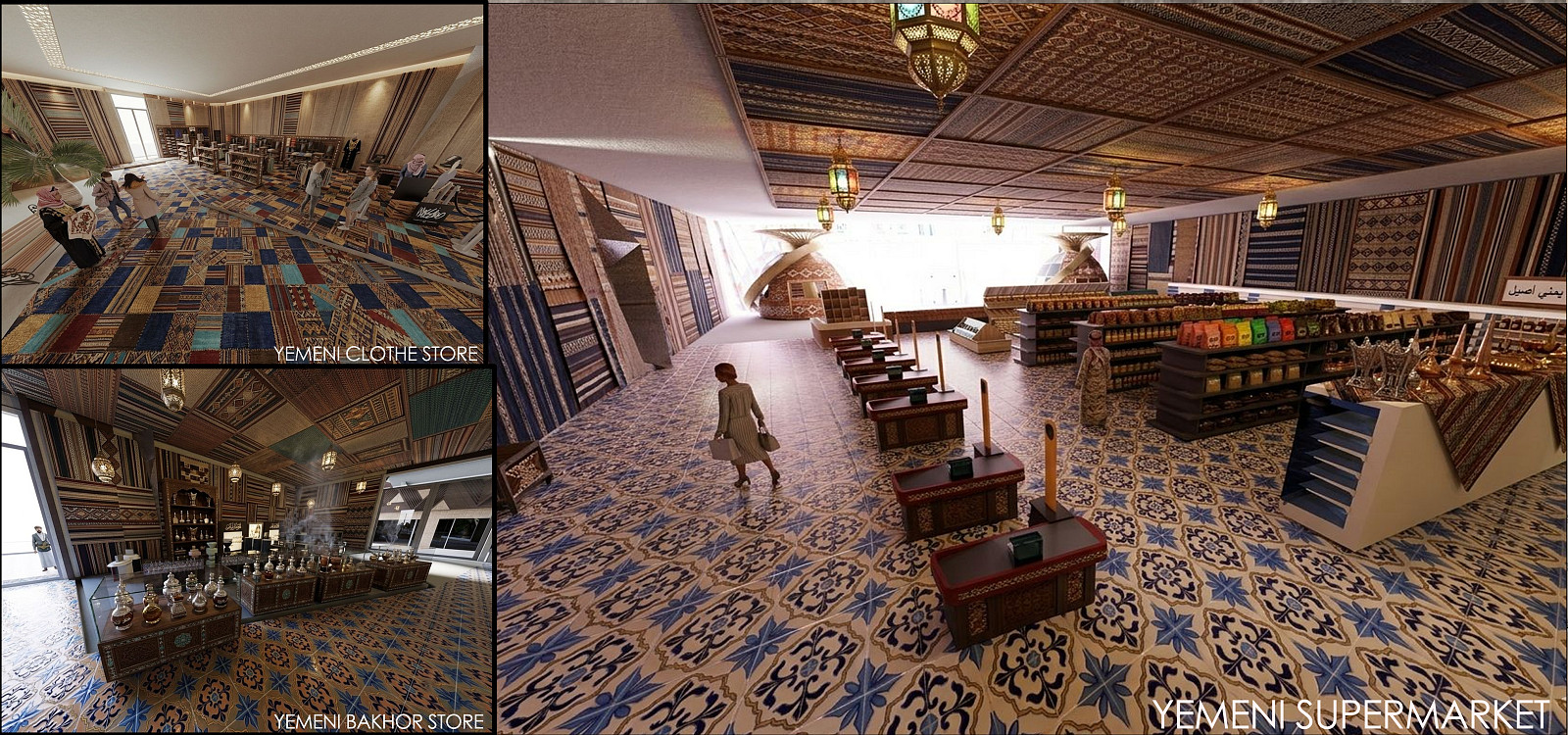
Al-Dar is proposed as a cultural food hub located in Jalan Changkat Bukit Bintang, Kuala Lumpur. The development serves as a destination where visitors can experience Saudi Arabian culture through food, exhibitions, retail activities, and communal gathering spaces. The project reinterprets the informal atmosphere of traditional Bakhmari street stalls by creating open and interactive environments that encourage social interaction and cultural appreciation. Through the integration of food kiosks, cafés, exhibition halls, retail outlets, and public spaces, the project creates a multi-layered visitor experience that goes beyond dining, allowing people to engage with the traditions, stories, and identity of Saudi culture within a contemporary urban setting.
Technical information
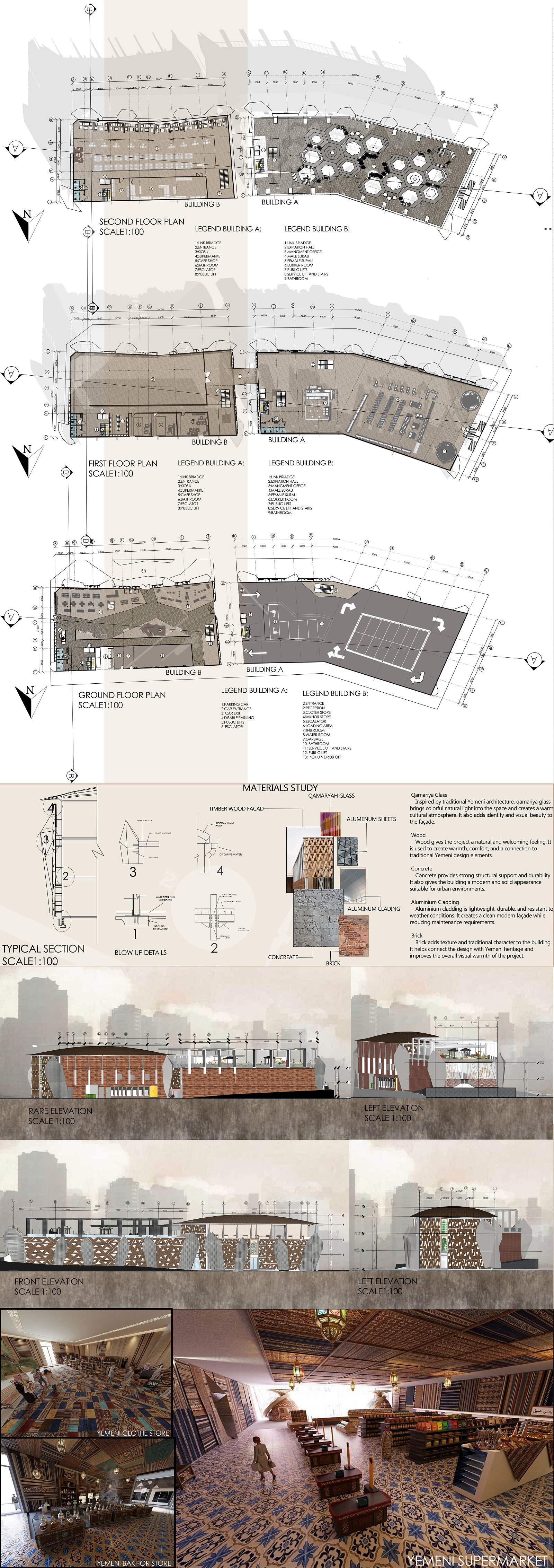
The project is designed as a three-storey mixed-use development consisting of food, commercial, cultural, and community functions. The ground floor accommodates public facilities, retail spaces, service areas, and drop-off zones, while the upper levels contain food kiosks, cafés, exhibition spaces, management offices, surau facilities, lounges, dining areas, and rooftop gathering spaces. The architectural form incorporates open circulation, interconnected spaces, and large-span roof structures to create a welcoming and accessible environment. Environmental strategies include natural ventilation, semi-outdoor spaces, daylight penetration, and shaded public areas to improve thermal comfort within Kuala Lumpur’s tropical climate. The overall design combines contemporary construction techniques with traditional Arabic-inspired architectural elements, creating a culturally expressive landmark that supports tourism, community engagement, and sustainable urban development.

Copyright © 2026 INSPIRELI | All rights reserved. Use of this website signifies your agreement to the Terms of Use, Privacy Policy, and use of cookies.