DESIGN OF A CREATIVE ELEMENTARY SCHOOL

Project idea
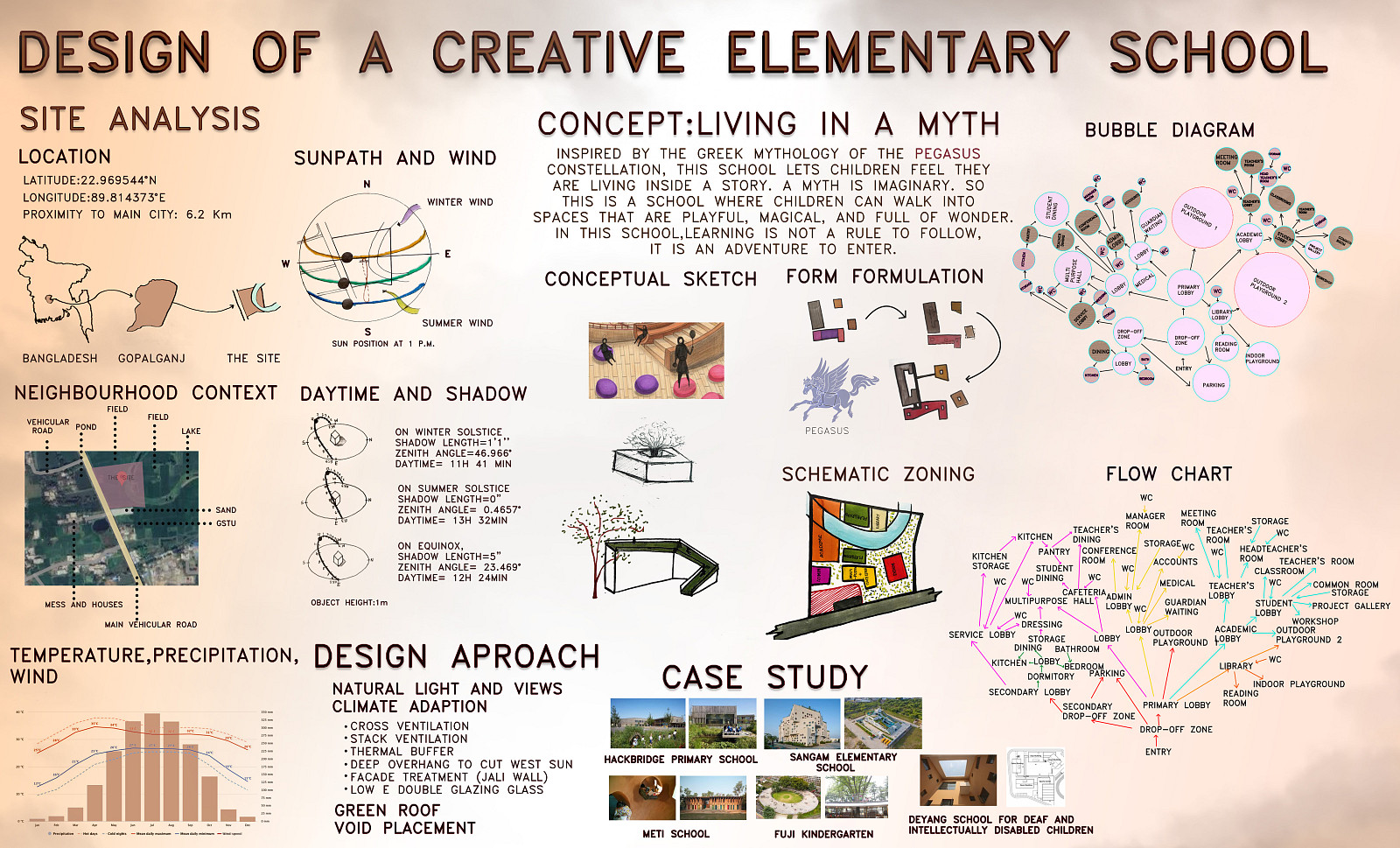
CONCEPT TITLE: LIVING IN A MYTH
Childhood is a time when imagination turns ordinary places into extraordinary worlds. A tree becomes a castle, a path becomes an adventure, and the sky becomes a story waiting to be discovered. Yet many schools are designed as spaces of routine rather than wonder.
Inspired by the Greek mythology of the Pegasus constellation, this project reimagines the elementary school as a living story where learning becomes an adventure. The concept, “Living in a Myth,” transforms education from a task into an experience by creating spaces that encourage curiosity, exploration, play, and discovery.
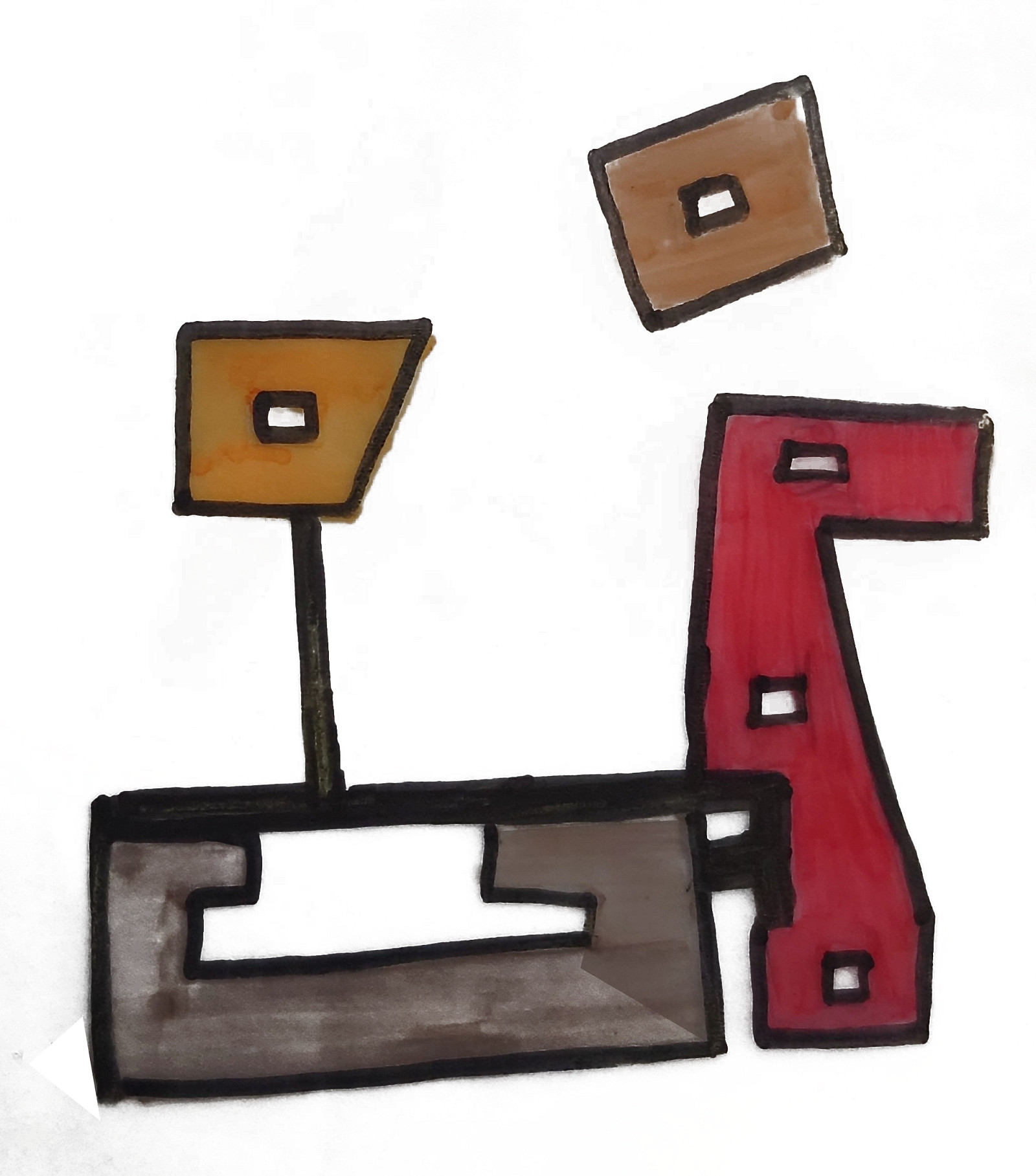
Just as individual stars connect to form a constellation, the different functions of the school are interconnected to create a continuous journey through learning. Nature, movement, imagination, and education are woven together to create an environment where children do not simply attend school but they inhabit a world of possibilities.
The project seeks to nurture creativity and emotional connection to learning by allowing children to explore architecture through movement, interaction, and play. Rather than teaching children to adapt to a building, the building adapts to the way children naturally learn: through curiosity, imagination, and experience.
Project description
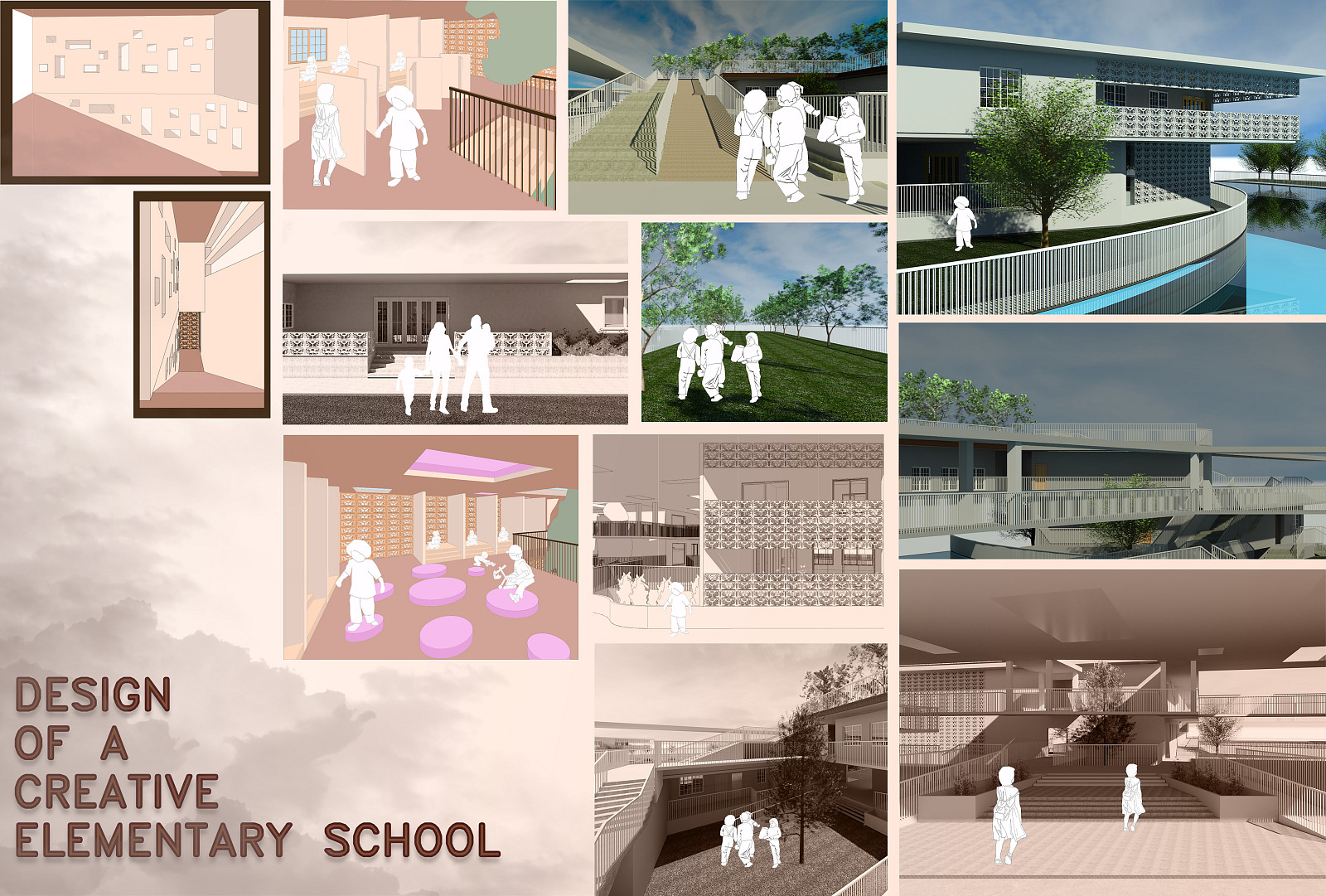
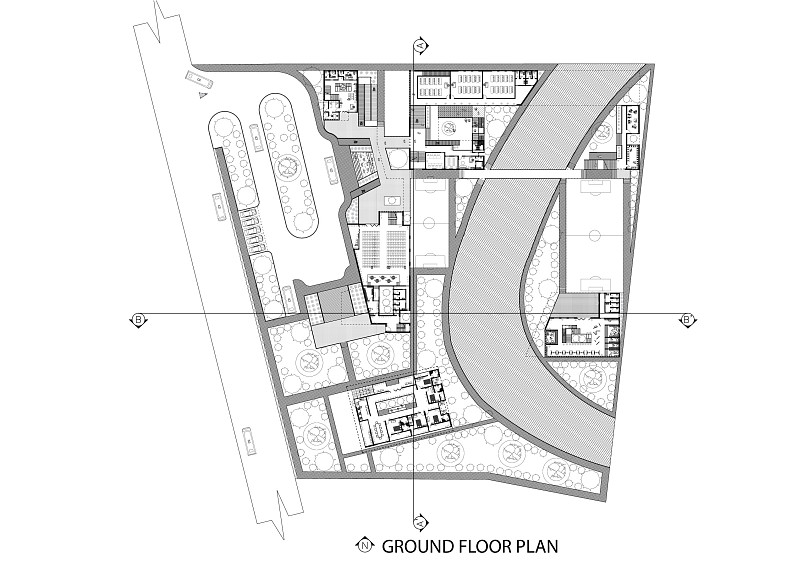
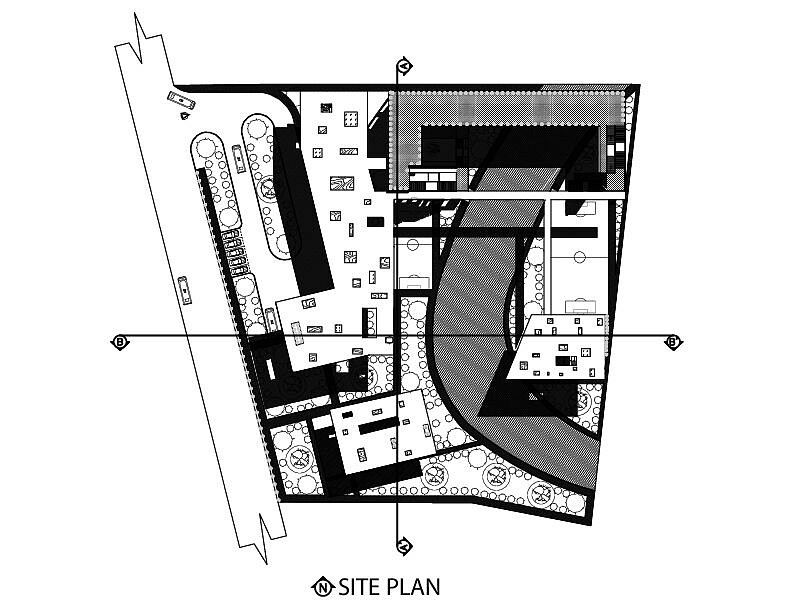
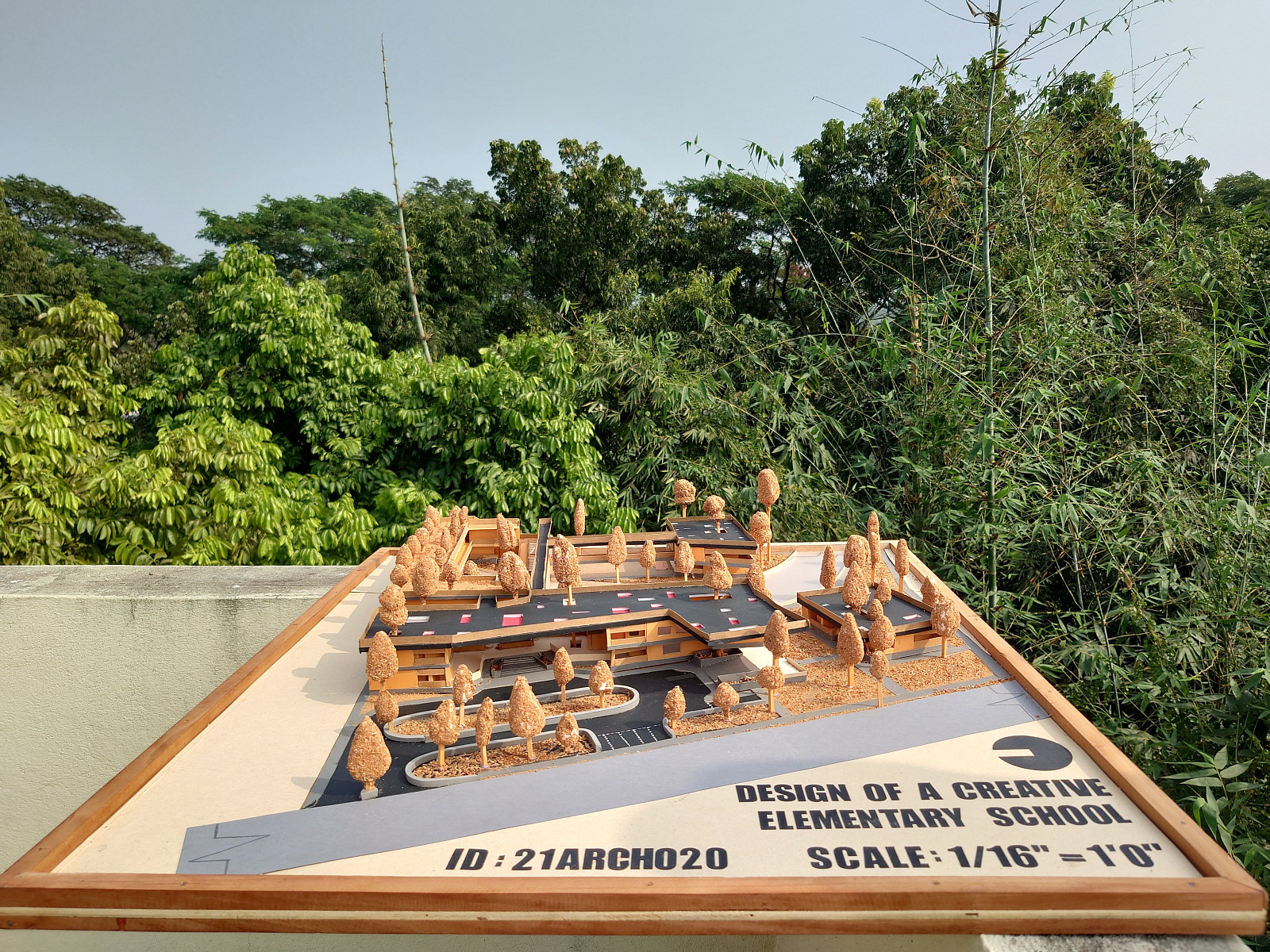
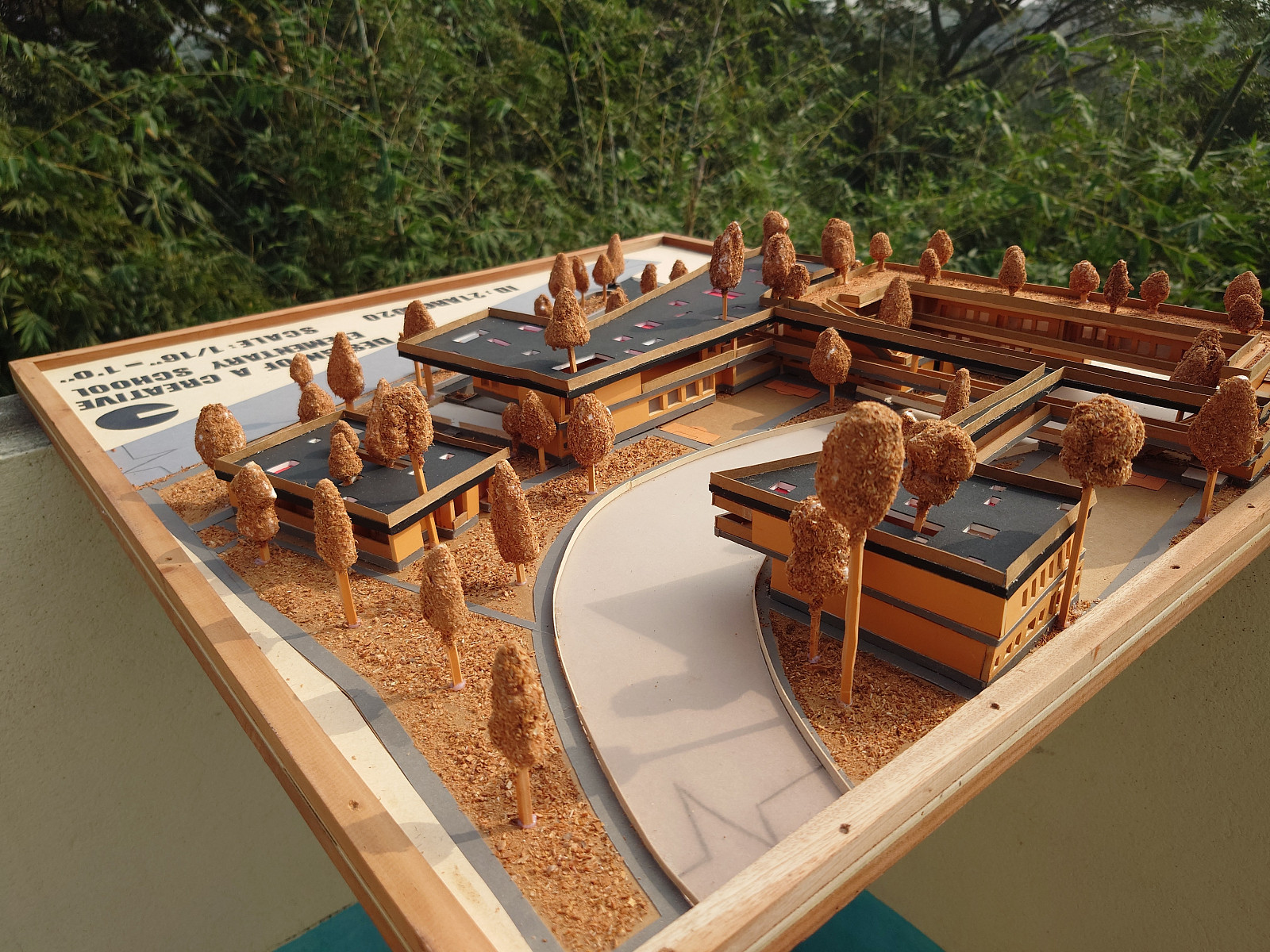
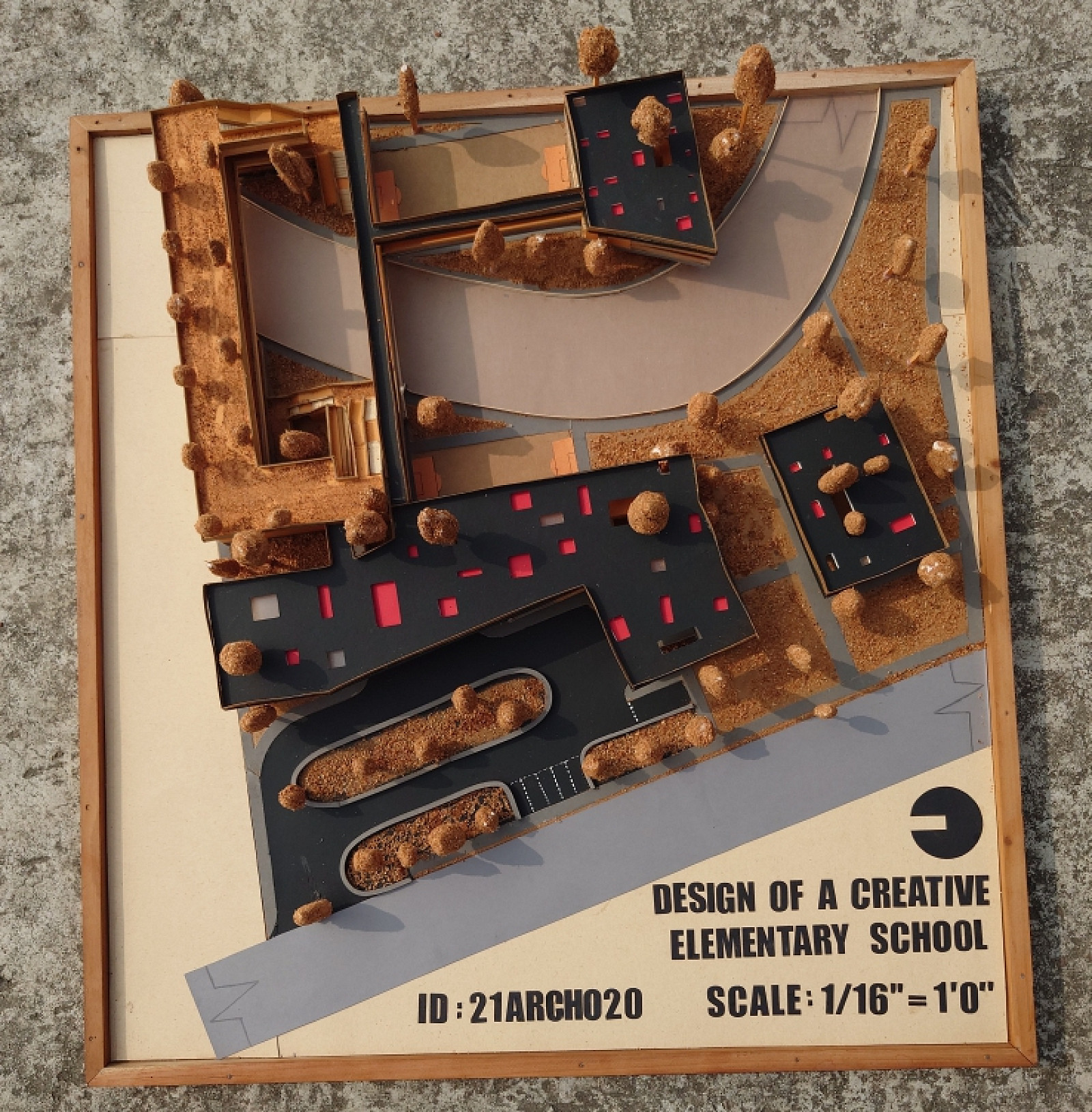
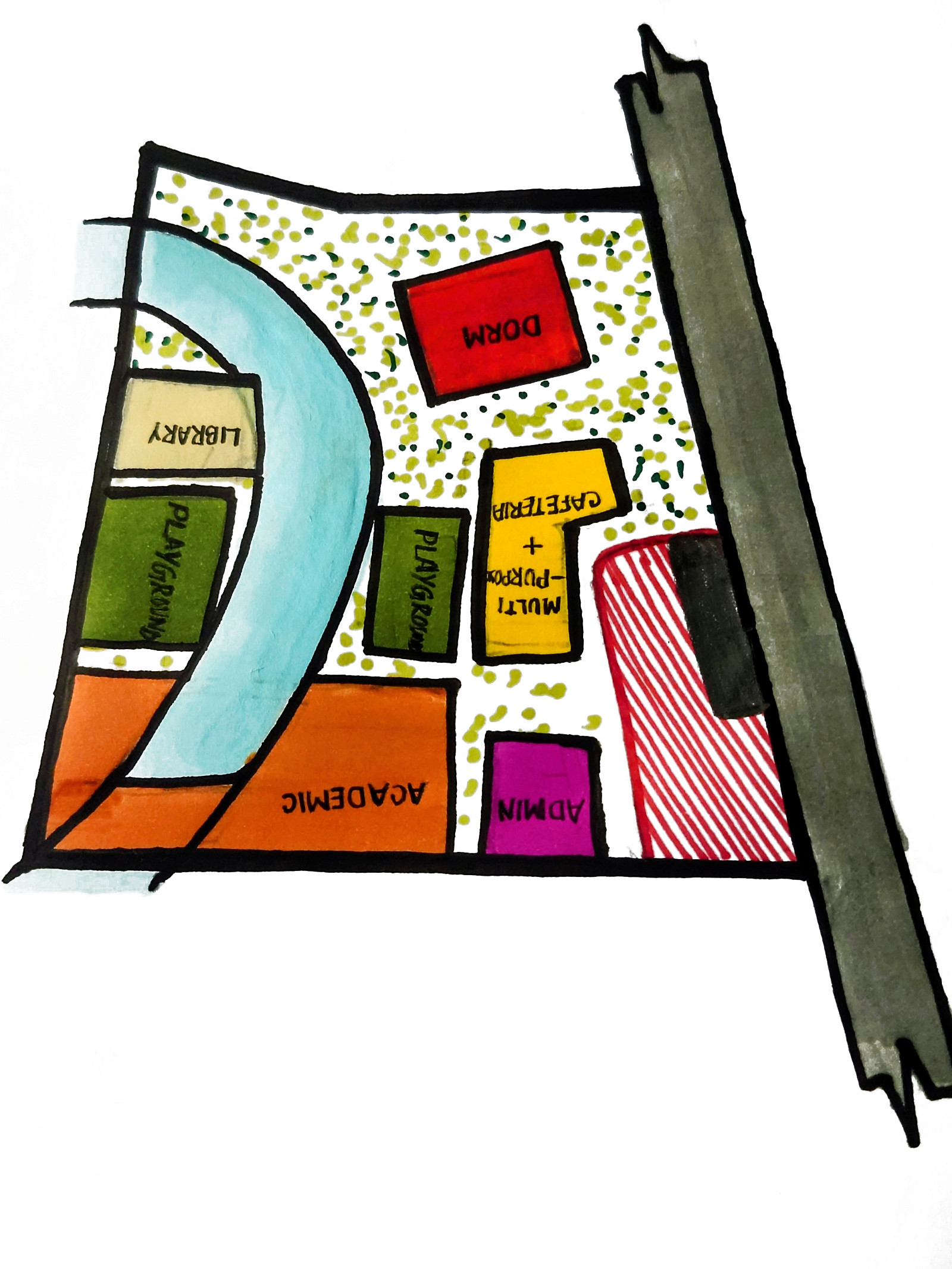
The school is envisioned as a landscape of discovery where every space offers a new experience. Inspired by the Pegasus constellation and situated around a waterbody, the campus is designed as a connected journey that encourages children to explore, interact, and learn through movement.
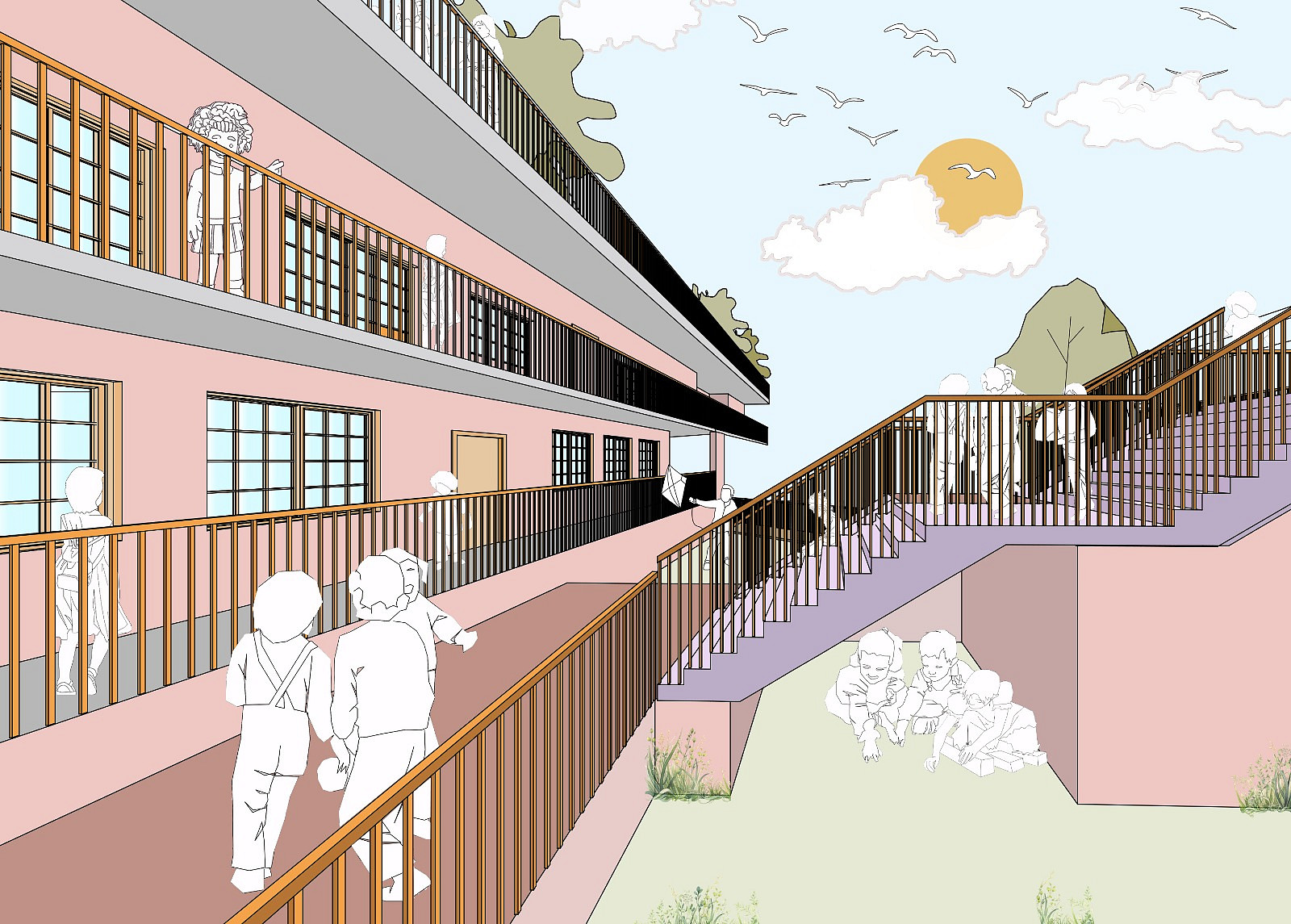
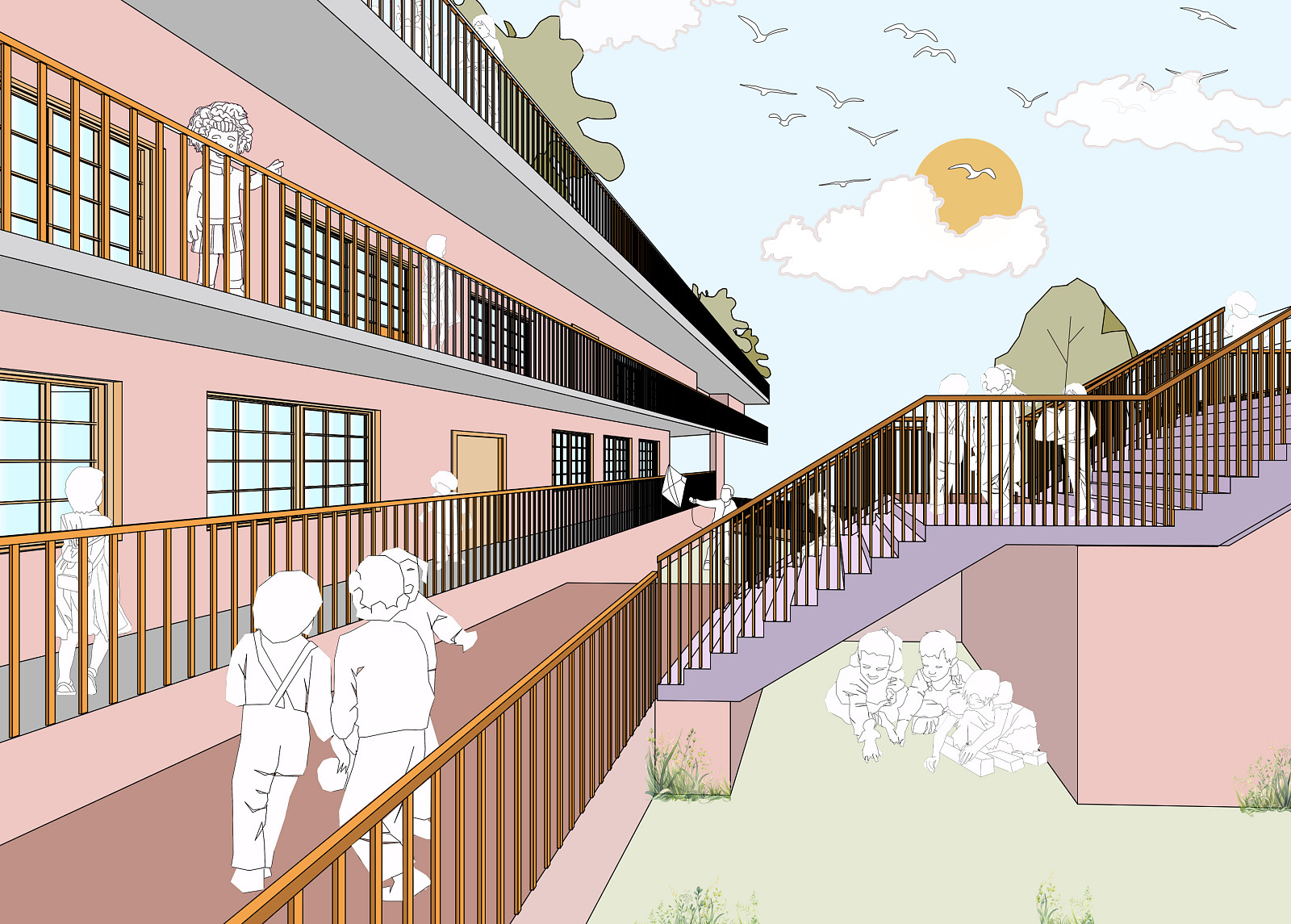
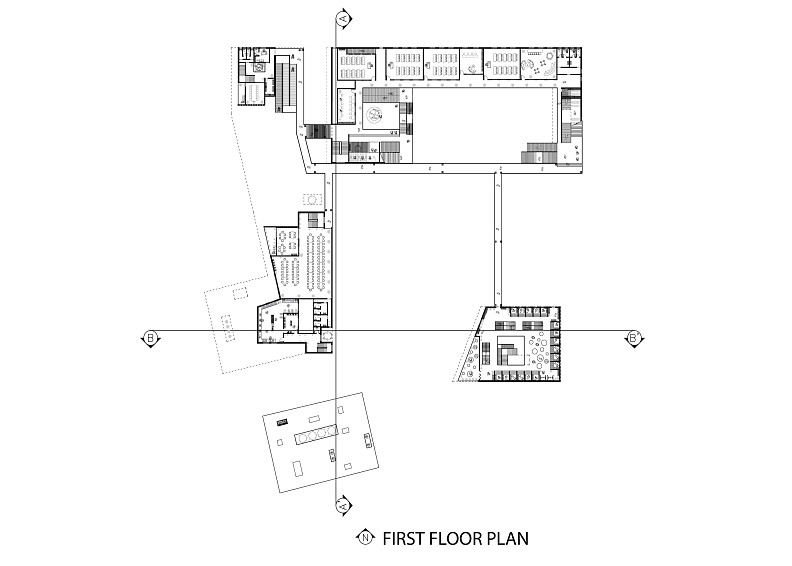
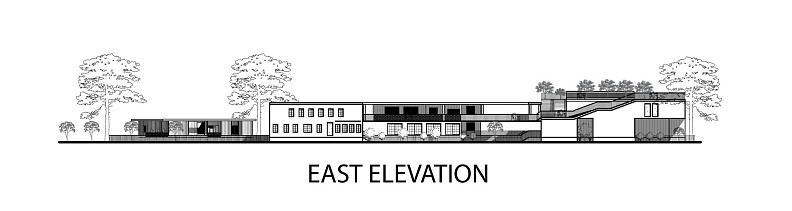
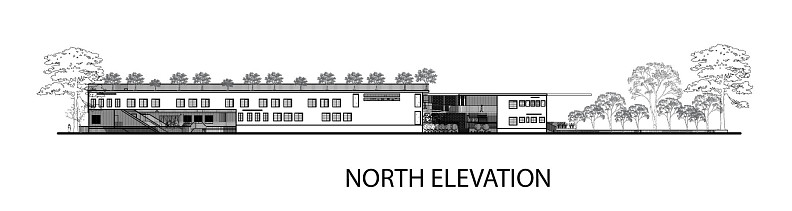
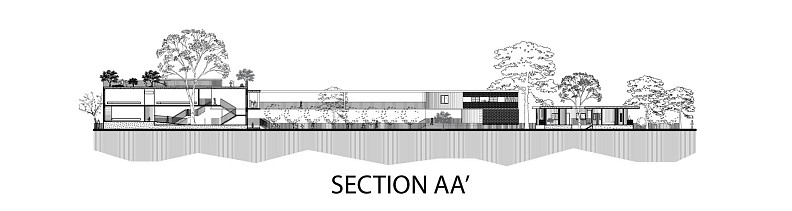
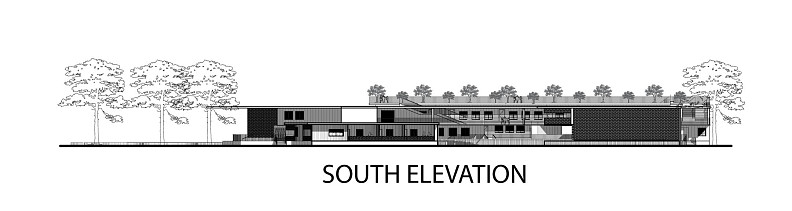
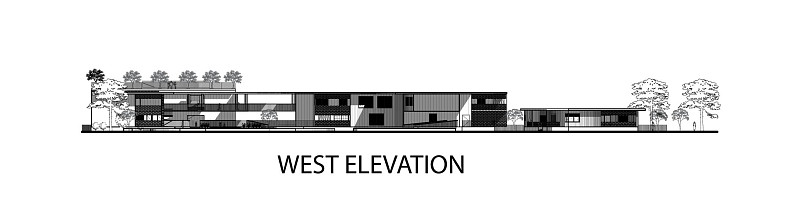
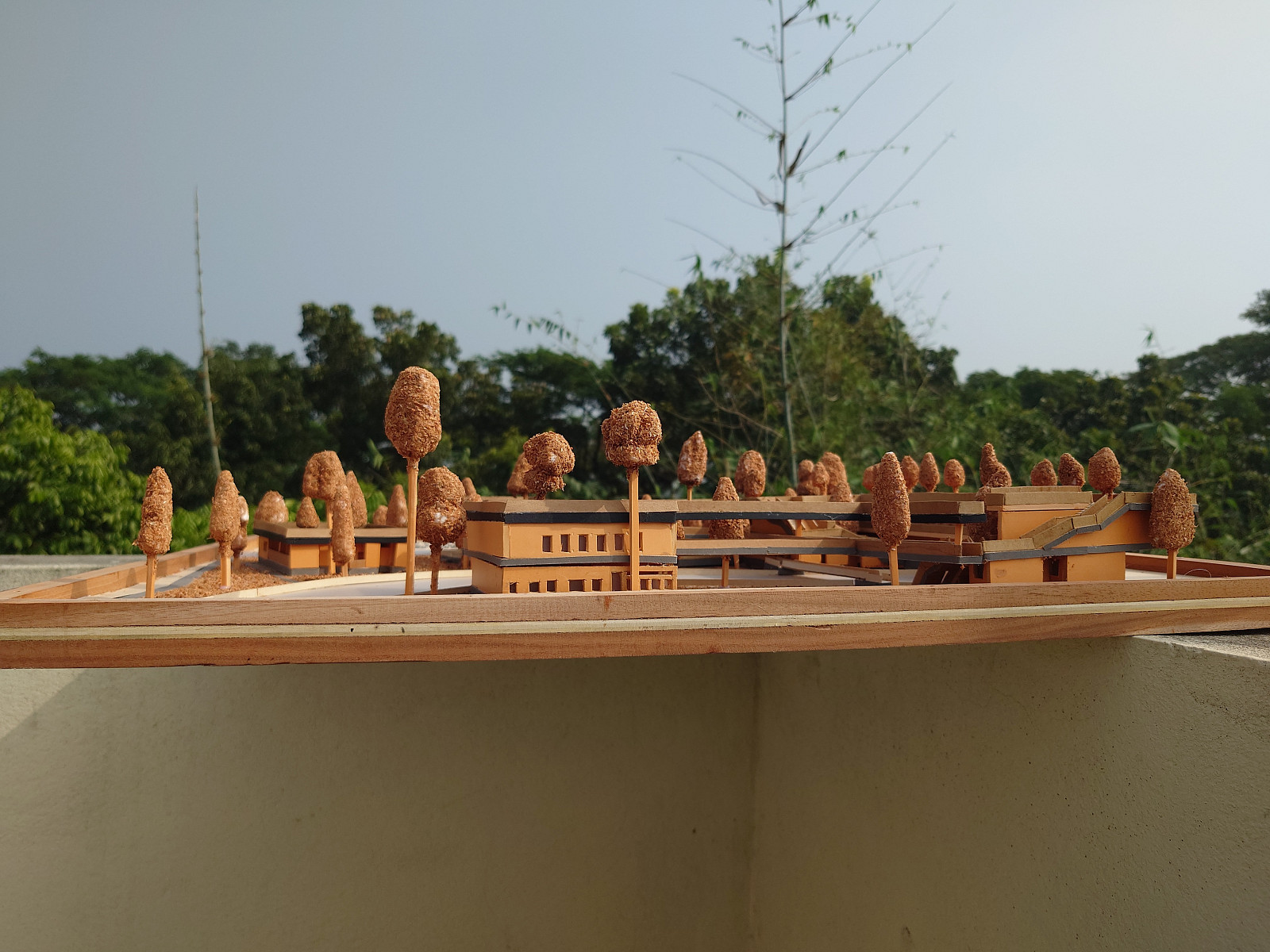
At the heart of the project stands the academic building, designed not as a conventional classroom block but as an interactive learning environment. Its expansive green rooftop stretches across the waterbody, allowing children to travel between different parts of the campus while remaining immersed in nature. Along this journey, students encounter gentle slopes, resting platforms, viewing points, and playful slides that transform everyday circulation into an engaging experience.
The campus buildings are connected through covered pathways inspired by the visual links between stars in a constellation. These connections provide safe movement during rain and intense sunlight while strengthening the narrative of the project.
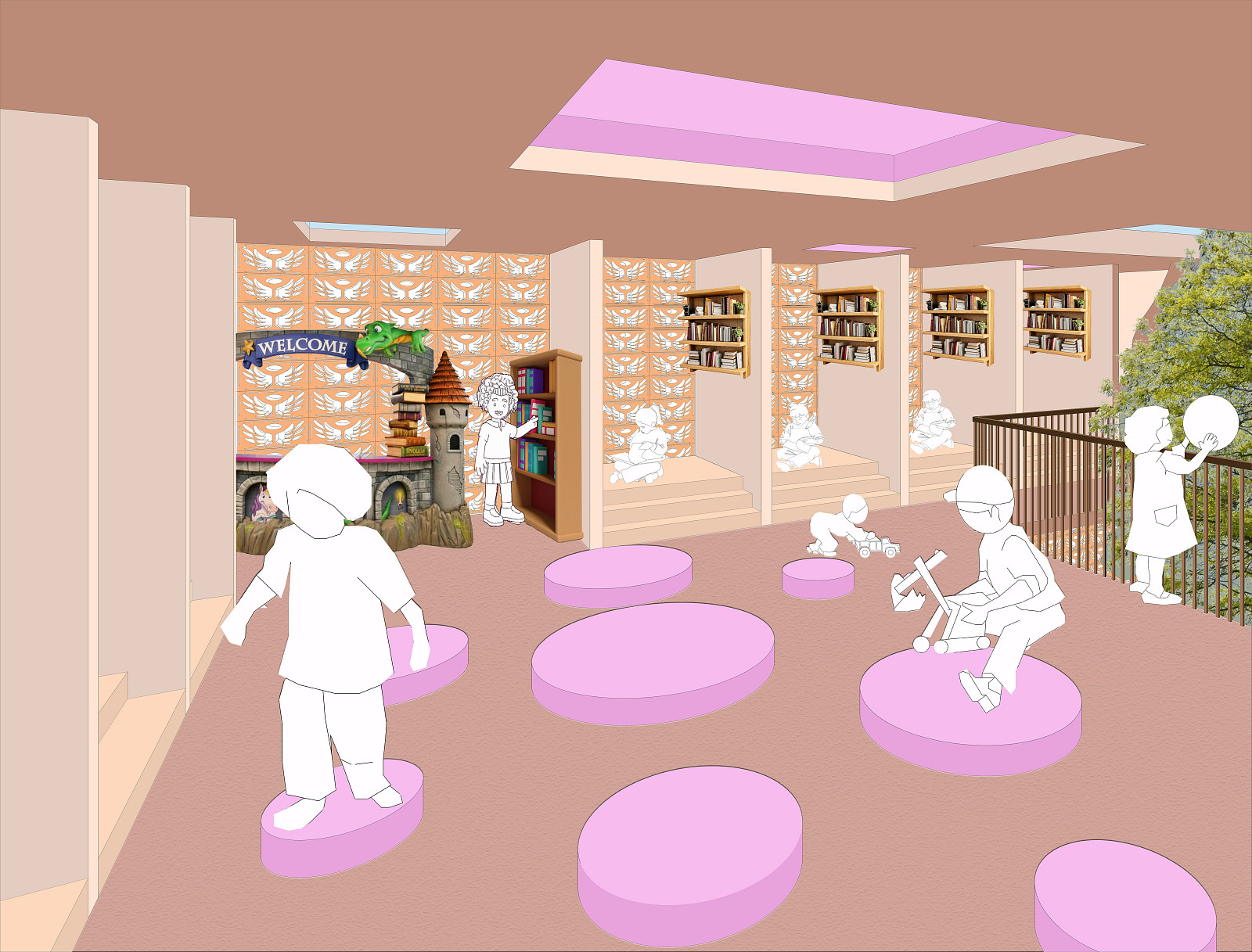
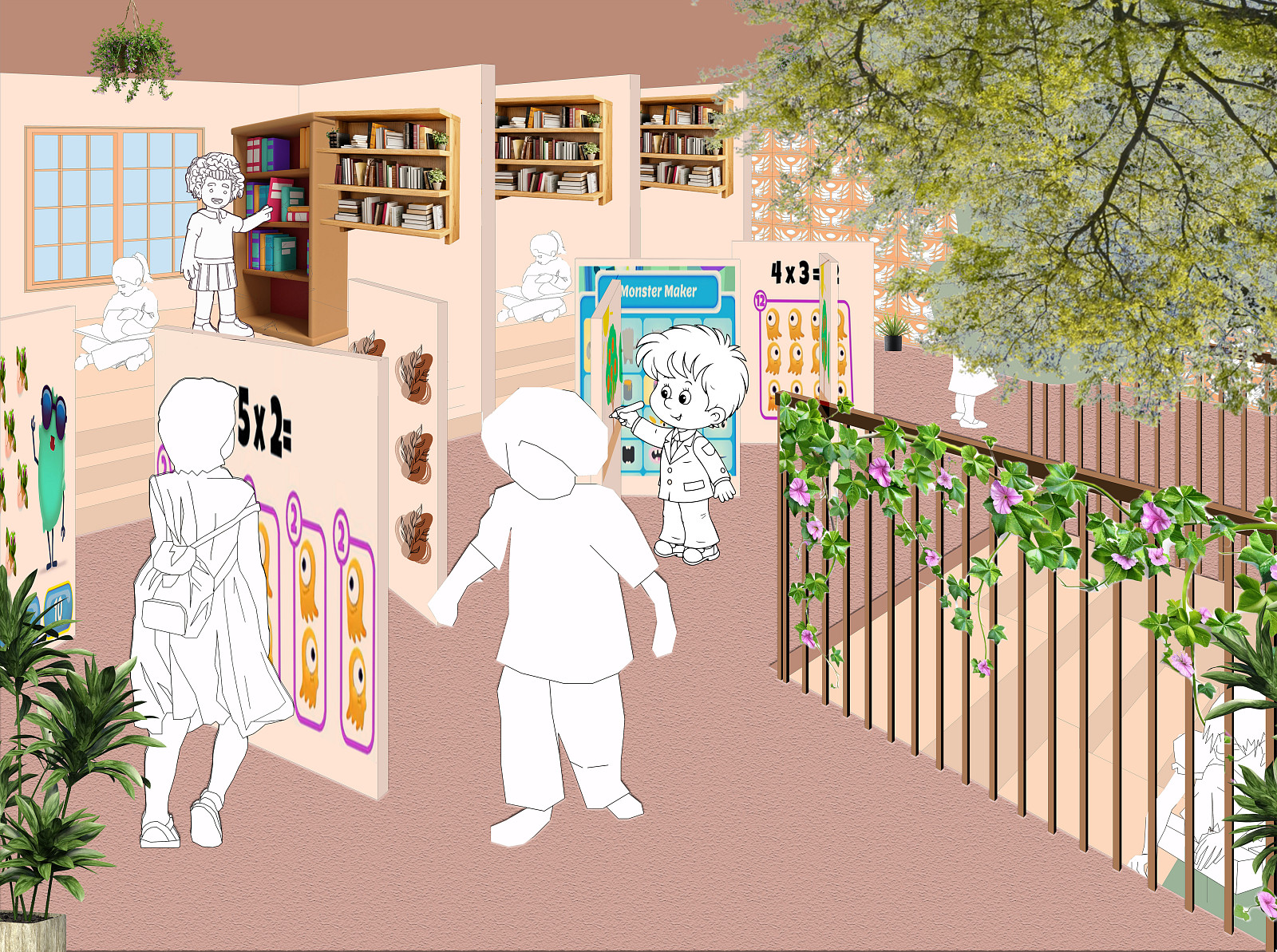
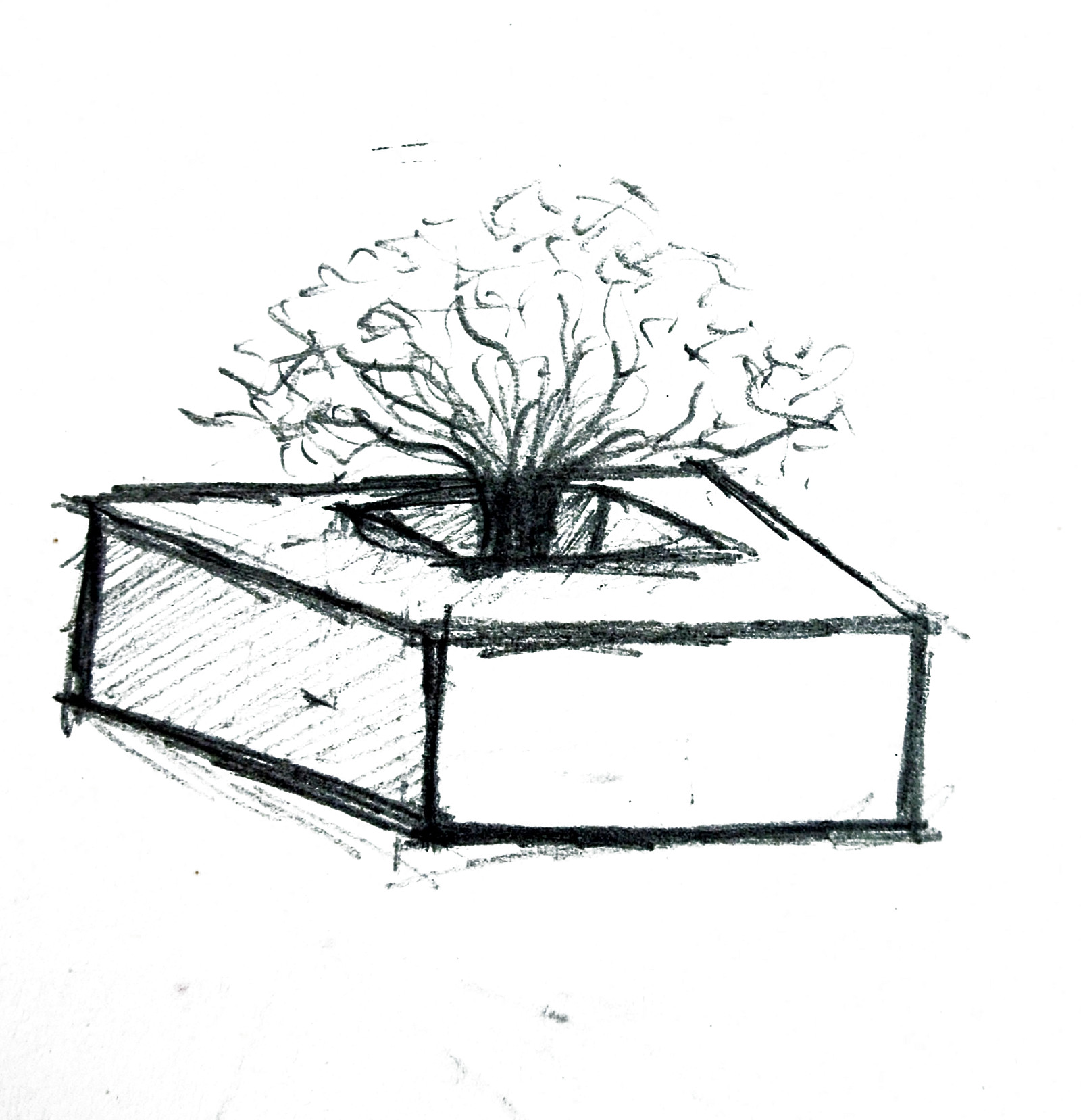
The library redefines the traditional learning space by merging reading, play, creativity, and nature. Children can gather around a living tree that rises through the center of the building and extends beyond the roof, creating a powerful connection between the interior and the natural world. Sunken seating areas around the tree invite children to sit, interact, and learn together. Reading caves, interactive learning boards, puzzle zones, and playful learning spaces encourage exploration and collaborative discovery.
Throughout the campus, colorful and light-filled spaces create a stimulating environment tailored to the imagination of young learners. Workshop spaces, semi-outdoor learning areas, rooftop landscapes, and visual connections to the surrounding waterbody further enrich the educational experience.
More than a school, the project creates a world where learning is woven into adventure. It invites children to climb, explore, read, imagine, discover, and dream that transforming education into a memorable journey that extends beyond the classroom.
Technical information
The design responds to local climatic conditions through passive environmental strategies. Building orientation and classroom layouts maximize natural ventilation by utilizing prevailing south and southeast wind directions. Cross ventilation is incorporated throughout classrooms and teachers’ dormitories, while stack ventilation strategies improve airflow within the academic building.
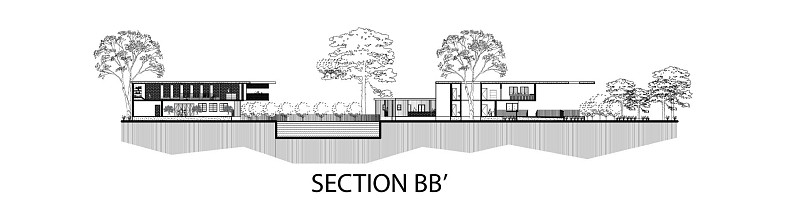
The waterbody is preserved as a climatic and visual asset, contributing to improved microclimatic conditions and enhancing the quality of outdoor spaces. The academic building spans above the waterbody at upper levels while maintaining openness at ground level to preserve airflow, visibility, and environmental continuity.
Wing-inspired perforated screens (jali walls) derived from the imagery of Pegasus provide solar protection, reduce heat gain, and create distinctive patterns of light and shadow. Daylighting is further enhanced through glazed roof elements and strategically placed openings.
Safety considerations include accessible circulation routes, parallel stair systems, protective rooftop railings, controlled level changes, and designated resting areas integrated into circulation paths. The rooftop landscape functions as both circulation and recreational space while maintaining secure movement throughout the campus.
The project integrates landscape, passive design, natural ventilation, daylighting, and child-centered spatial planning to create a sustainable and engaging educational environment.
Documentation
Show PDF 1Show PDF 2Show PDF 3Show PDF 4Show PDF 5Show PDF 6Show PDF 7Show PDF 8Show PDF 9

Copyright © 2026 INSPIRELI | All rights reserved. Use of this website signifies your agreement to the Terms of Use, Privacy Policy, and use of cookies.