Arsenal Memory Park and Interpretation Center


Project idea
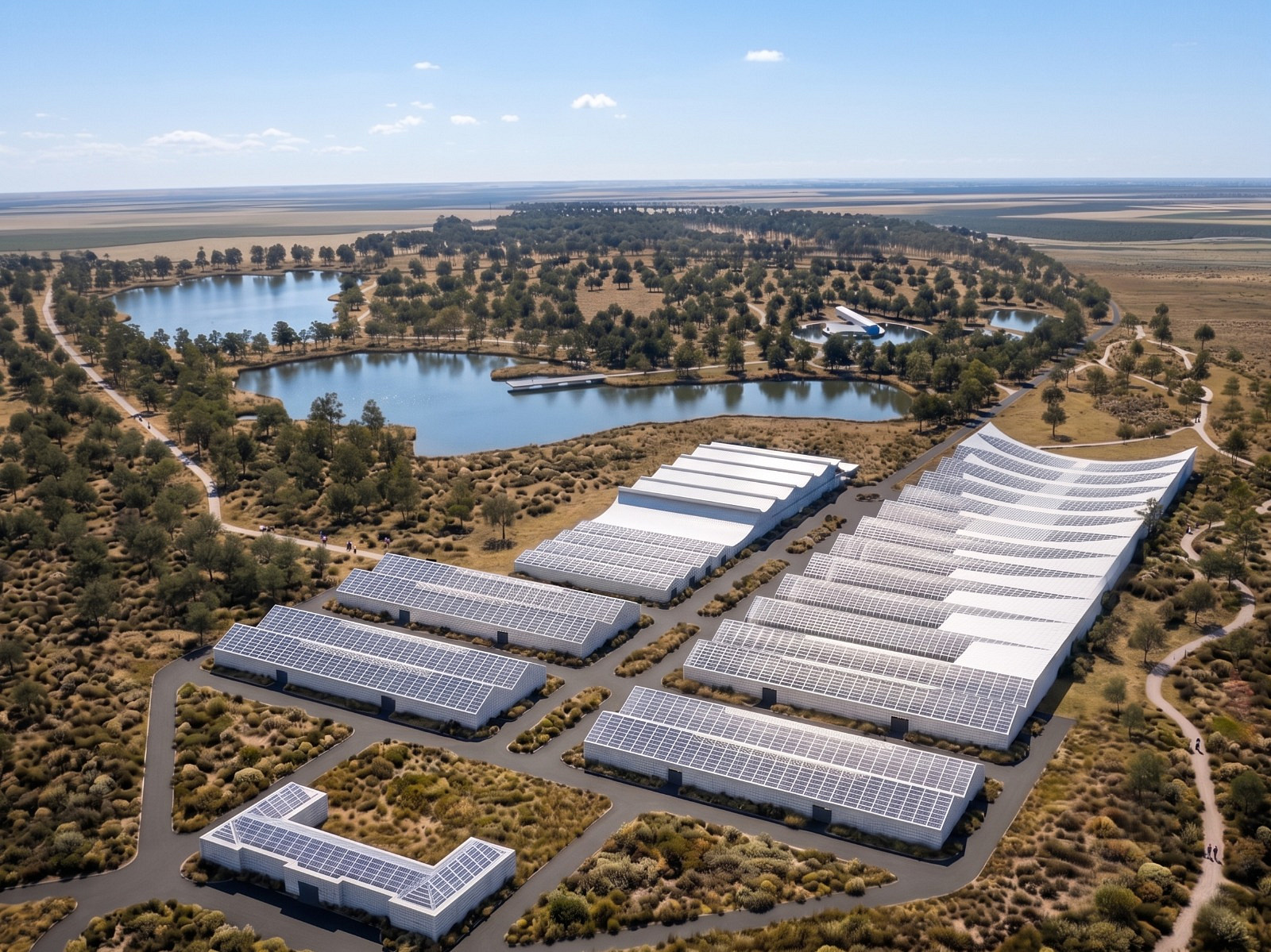
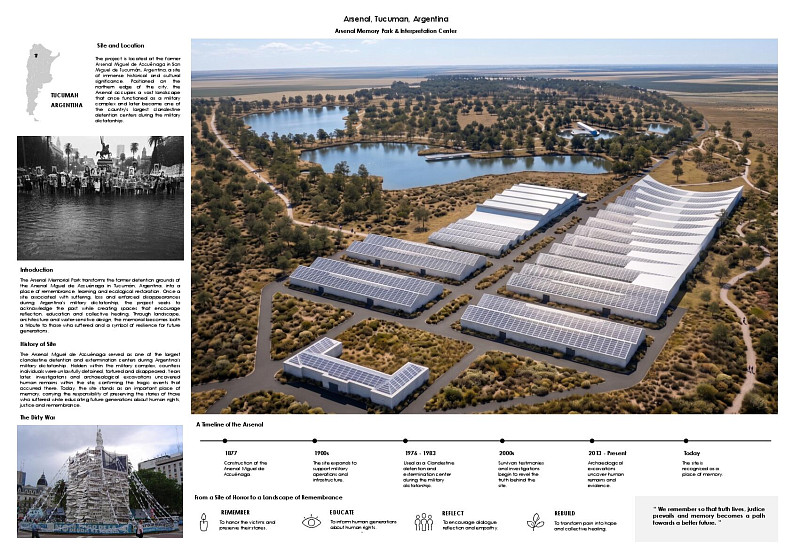
The project transforms the former Arsenal Miguel de Azcuénaga, a site marked by loss and remembrance, into a living memorial park that connects memory, nature and community. Inspired by the site's history and its strategic location above San Miguel de Tucumán, the proposal preserves existing structures, archaeological remains, and collective memories while introducing flood-resilient landscapes that protect the city below. Through architecture, water, and landscape, the project creates a place for remembrance, healing, education and public life, ensuring that the stories of the past remain visible for future generations.
Project description
The Arsenal Memory Park combines memorial, cultural, ecological and recreational functions within a single regenerative landscape. Existing historic buildings are preserved and adapted into exhibition spaces, memorial galleries, educational facilities and community gathering areas, while new interventions extend the architectural language of the site. A network of cascading water retention ponds captures and stores stormwater, reducing flood risks for Tucumán while creating ecological habitats and public spaces. The project includes memorial gardens, remembrance trails, archaeological preservation zones, reflection spaces, cultural events areas, and regional park amenities. Together, these elements transform a former place of suffering into a landscape of memory, resilience, healing, and hope.
Technical information
The project combines adaptive reuse, memorial architecture, and flood-resilient landscape design across a 350-hectare site. Existing Arsenal buildings are preserved and converted into exhibition, educational, and community spaces, while new structures follow the site's original architectural language using masonry, steel, and translucent roofing systems. A network of cascading water retention ponds integrated with the natural slope captures and stores stormwater, reducing flood risks, improving biodiversity, and creating a sustainable public memorial park.
Documentation

Copyright © 2026 INSPIRELI | All rights reserved. Use of this website signifies your agreement to the Terms of Use, Privacy Policy, and use of cookies.