نفس - Nafas - Whispers of Flavors


Project idea
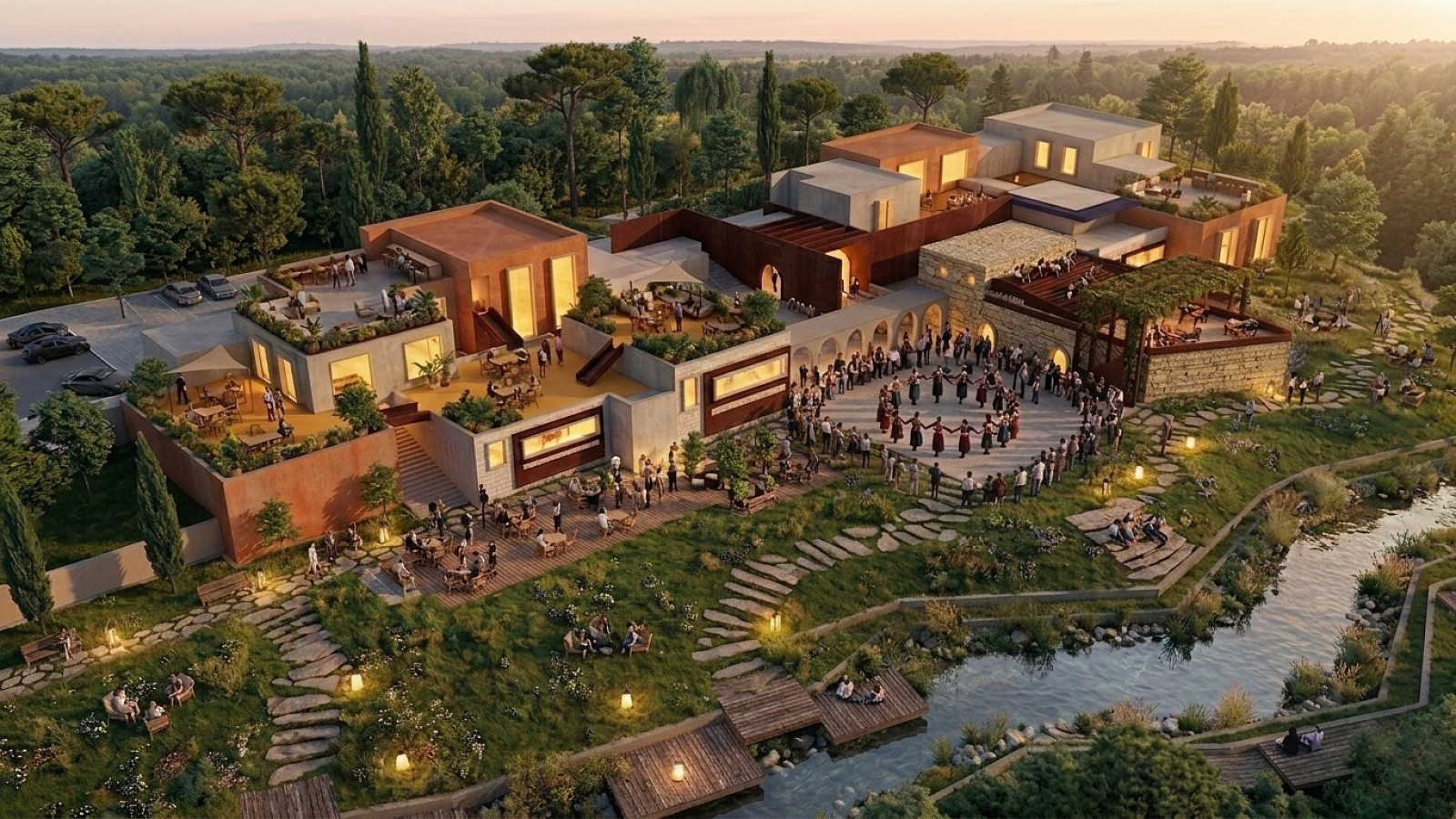
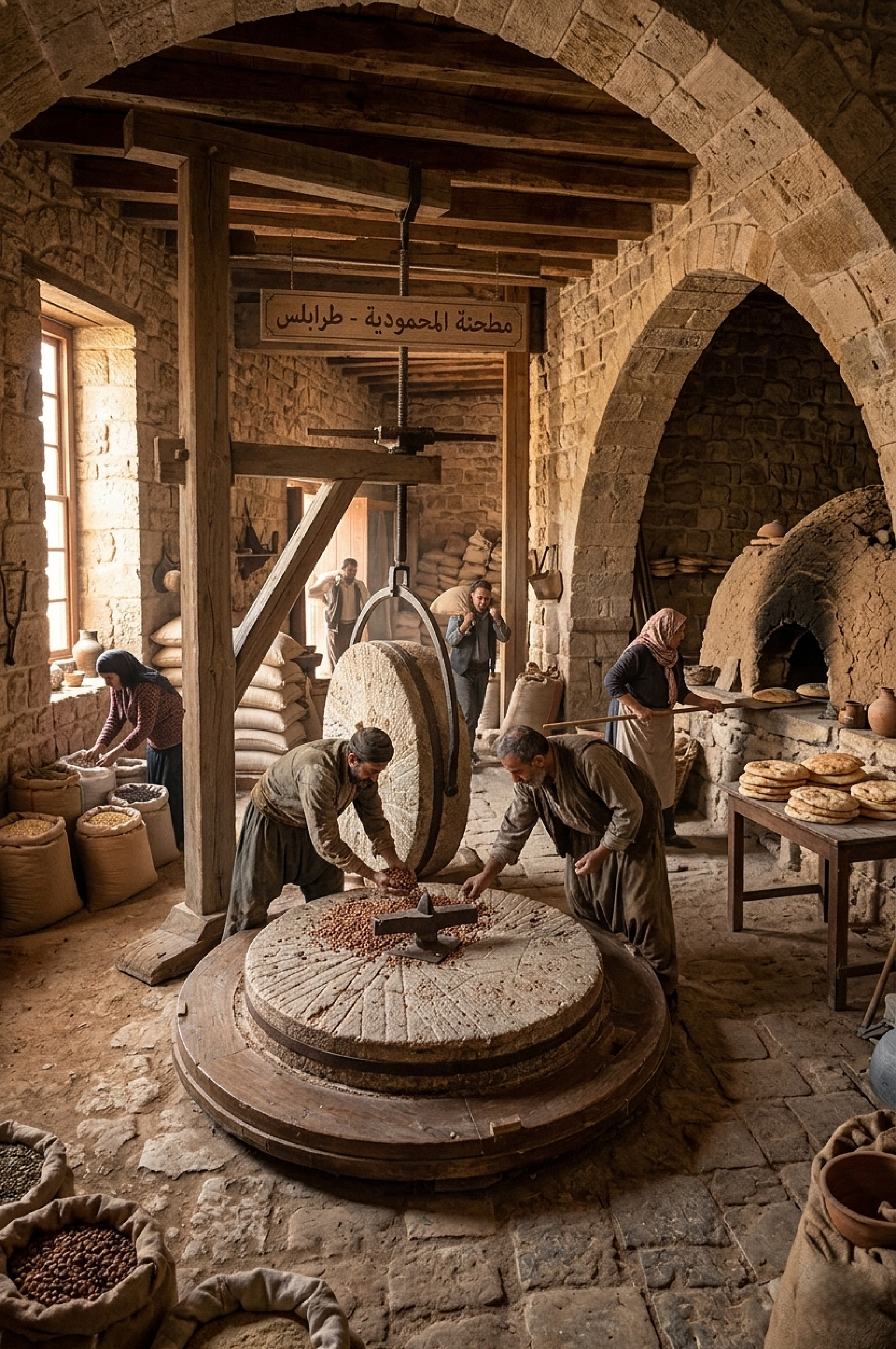
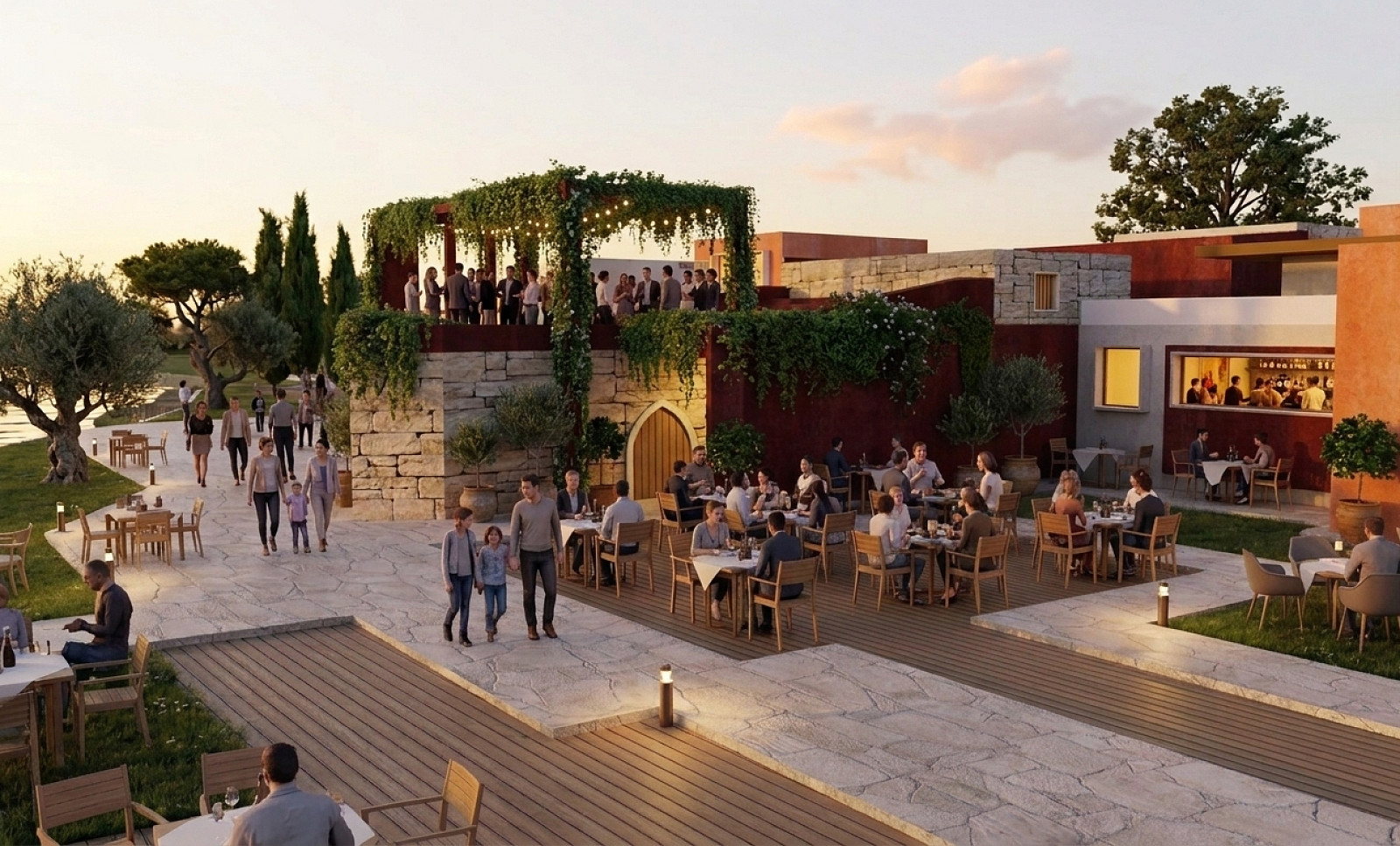
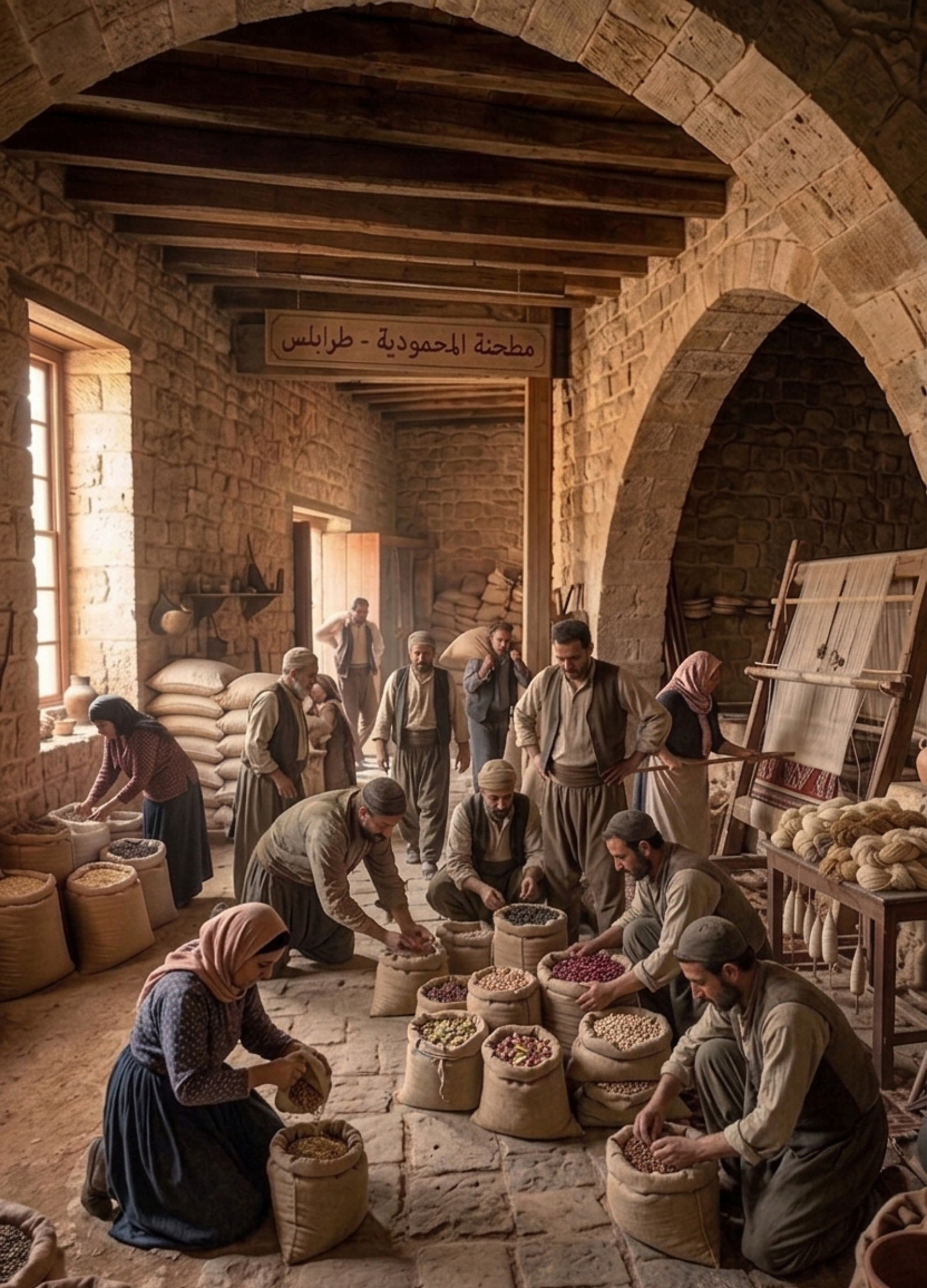
The Al Mahmoudiya Mill project reimagines a historic 450-year-old mill as a contemporary cultural and hospitality space. Inspired by the journey of grain becoming bread, the design transforms traditions of food, generosity, and community into an architectural experience. By preserving the mill's heritage and strengthening its connection to Nahr Abu Ali, the project creates a place where memory, culture, and social interaction come together.
Project description
The Al Mahmoudiya Mill project is an adaptive reuse and heritage conservation initiative that transforms a historic mill on the banks of Nahr Abu Ali into a cultural and hospitality destination. Drawing inspiration from the mill's rich history and the traditions of food sharing, trade, and community gathering, the project creates a contemporary space that celebrates hospitality as a core social value.
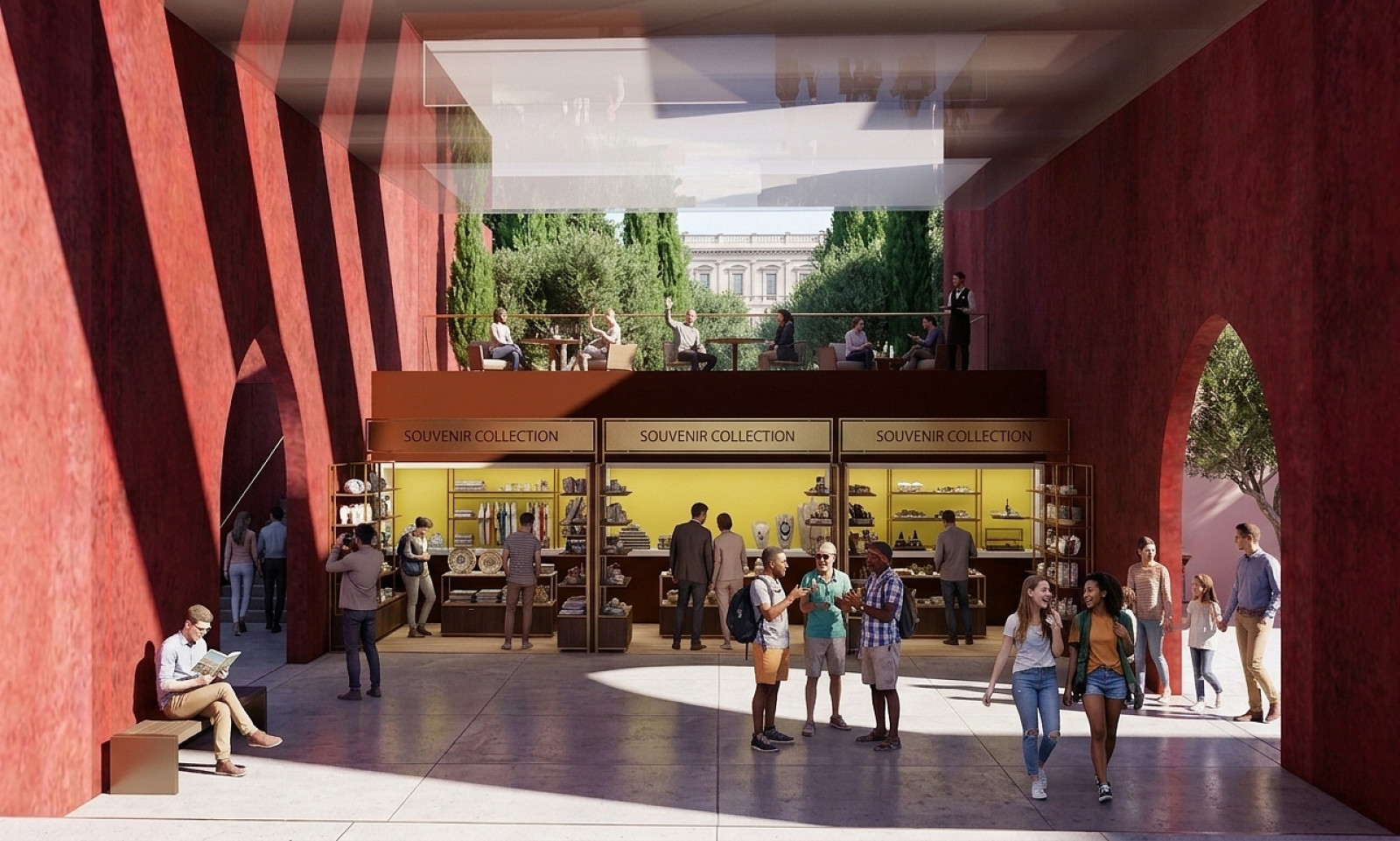
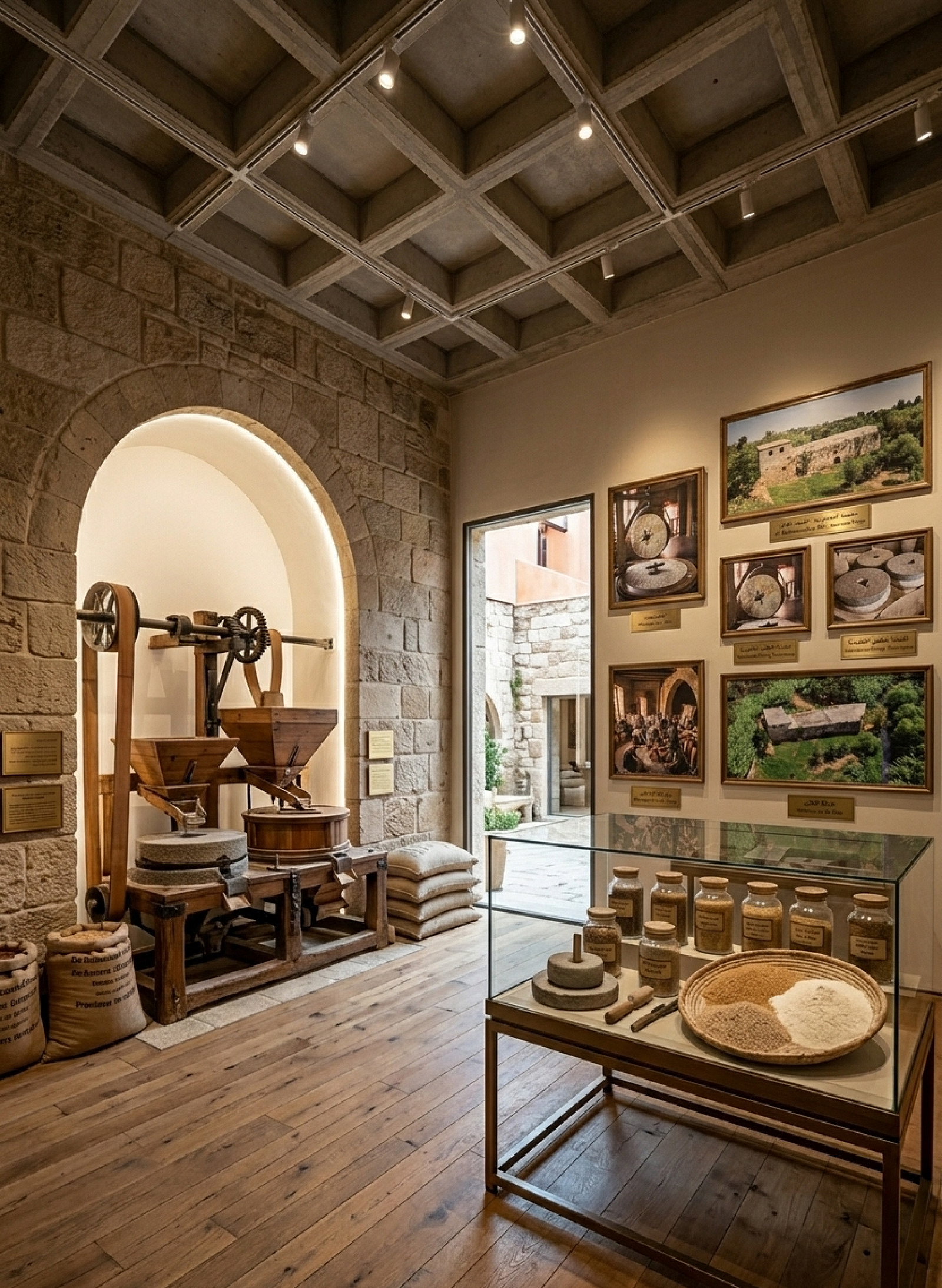
The design preserves the mill's architectural identity while introducing new functions that encourage interaction, learning, and cultural exchange. Through a sequence of spaces inspired by the journey of grain from the river to the table, visitors experience the site's history through architecture, sensory engagement, and communal activities. The project revitalizes an important landmark, reconnecting people with the heritage of Tripoli and fostering a renewed sense of belonging and community.
Technical information
The project involves the adaptive reuse of the historic Al Mahmoudiya Mill, preserving its original stone structure while introducing reinforced and lightweight contemporary interventions. The design integrates existing load-bearing walls with new steel and timber elements to ensure structural stability and flexibility. Environmental strategies include passive cooling, natural ventilation, and daylight optimization through the reuse of original openings and strategic new insertions. The program includes cultural, exhibition, and hospitality spaces organized through a fluid spatial sequence that reflects the mill’s historical process of grain transformation.


Copyright © 2026 INSPIRELI | All rights reserved. Use of this website signifies your agreement to the Terms of Use, Privacy Policy, and use of cookies.