
TRIAX


Project idea
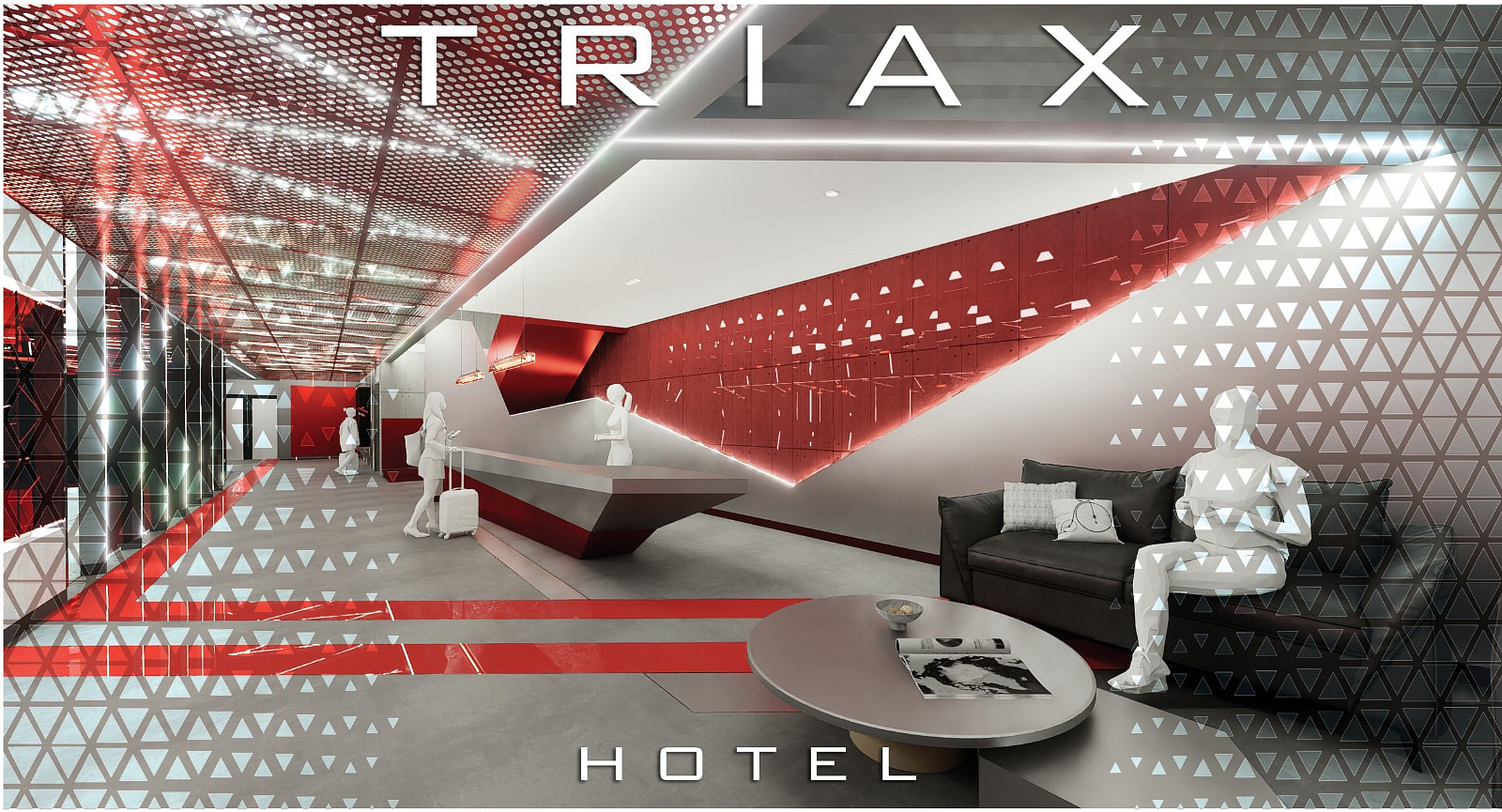
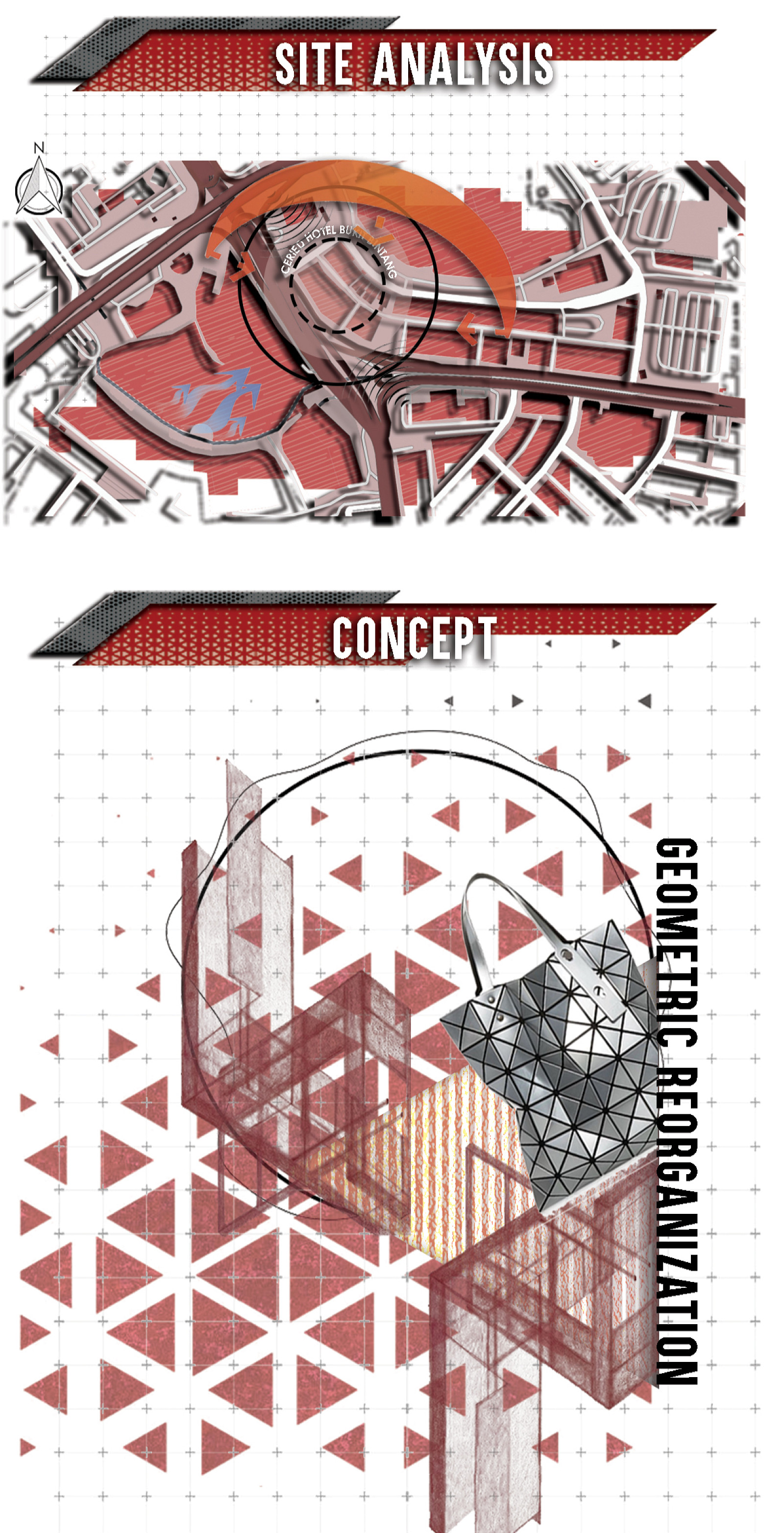
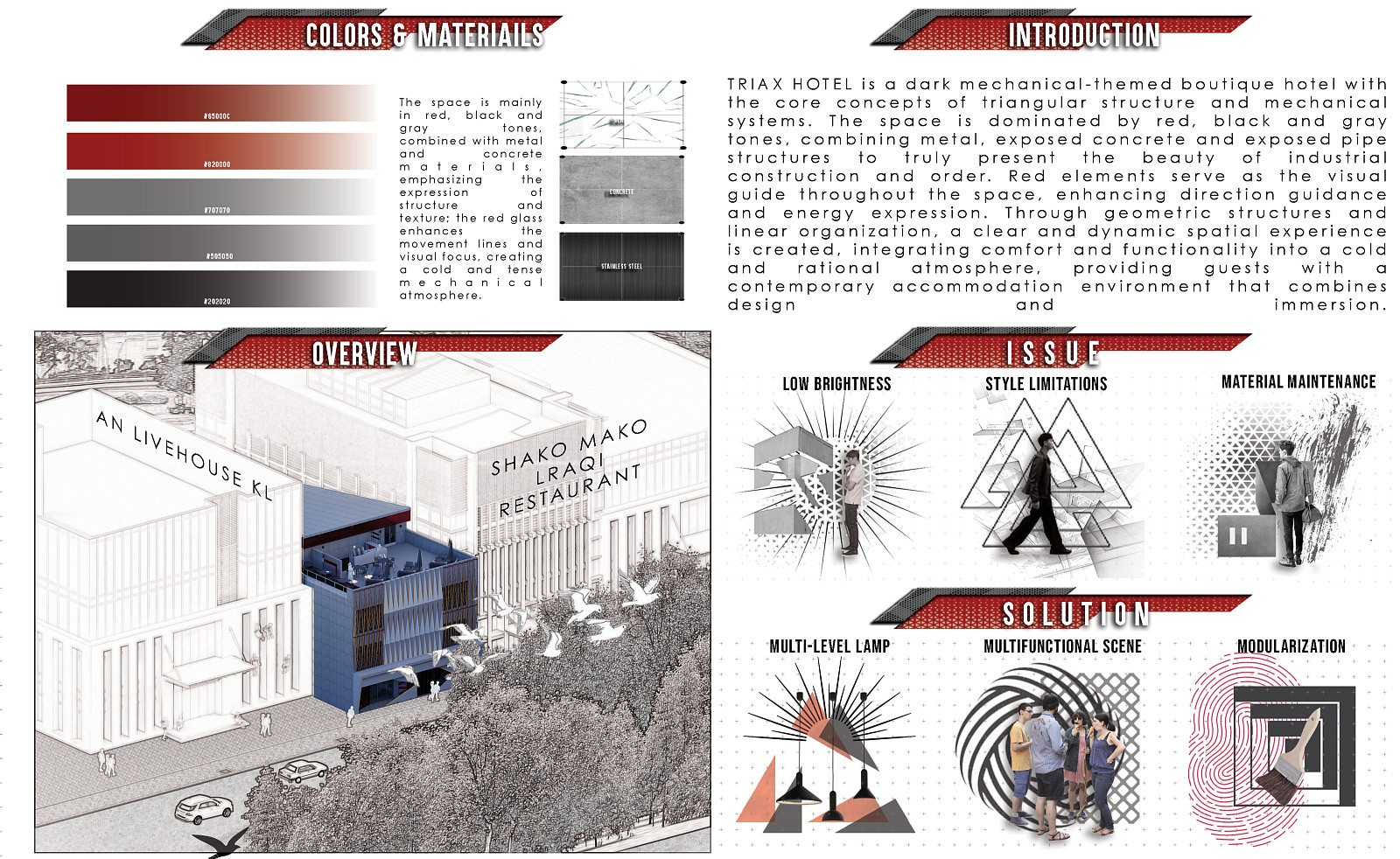
TRIAX Hotel is a boutique hospitality project inspired by the principles of industrial mechanics, structural expression, and geometric order. The design concept is derived from the integration of triangular forms, exposed mechanical systems, and linear spatial organization, creating a distinctive accommodation experience that celebrates the beauty of engineering and contemporary industrial architecture. Located within an urban context, the hotel aims to provide travelers, design enthusiasts, and content creators with an immersive environment that combines functionality, comfort, and strong visual identity.
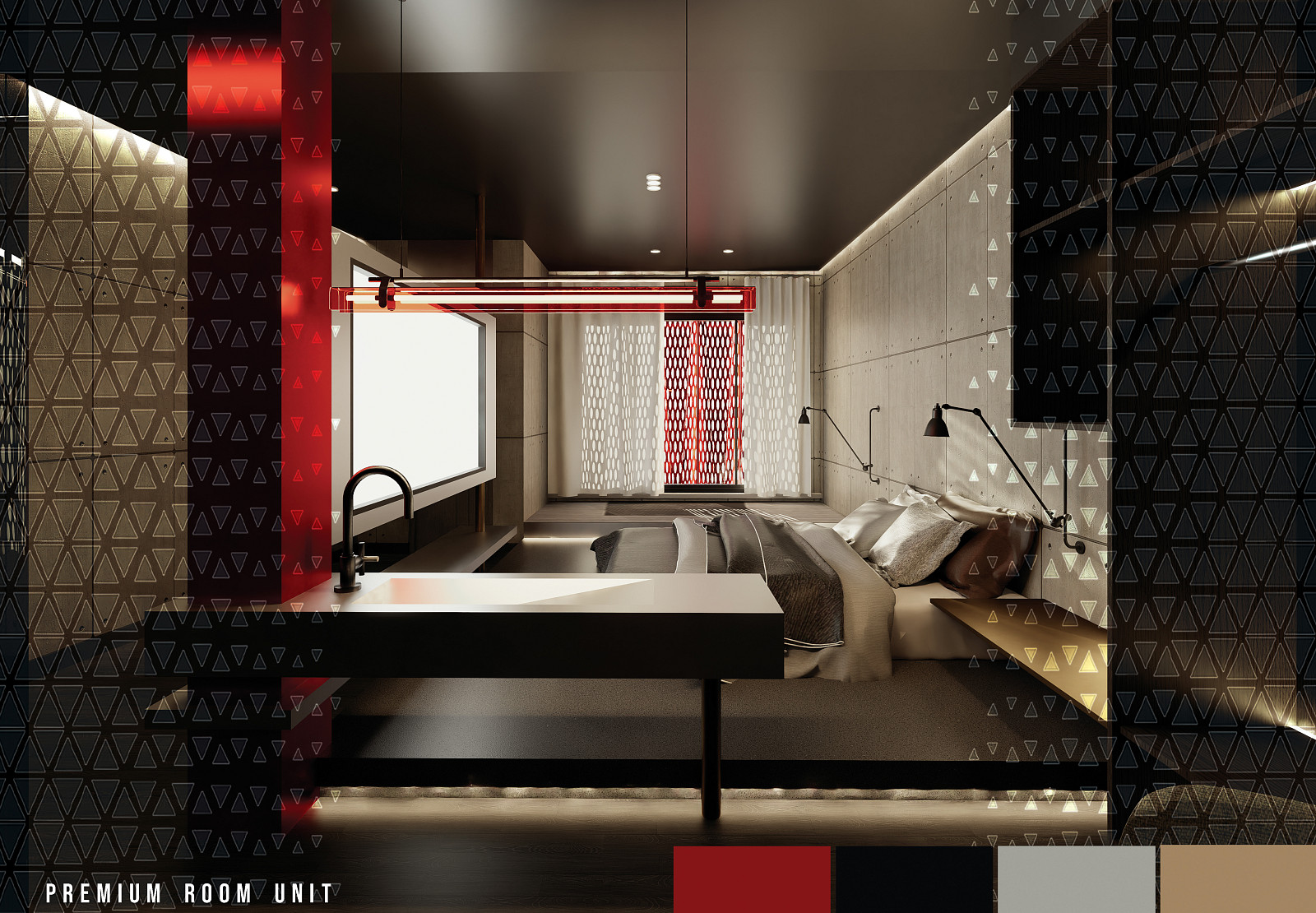
The project responds to common issues found in themed boutique hotels, such as limited adaptability, insufficient lighting quality, and maintenance challenges. Through the strategic use of modular components, layered lighting systems, and durable industrial materials, TRIAX Hotel seeks to enhance operational efficiency while maintaining a unique architectural character. The interior environment is defined by a bold palette of red, black, and grey, complemented by exposed concrete, metal finishes, and visible piping elements that reinforce the mechanical theme.
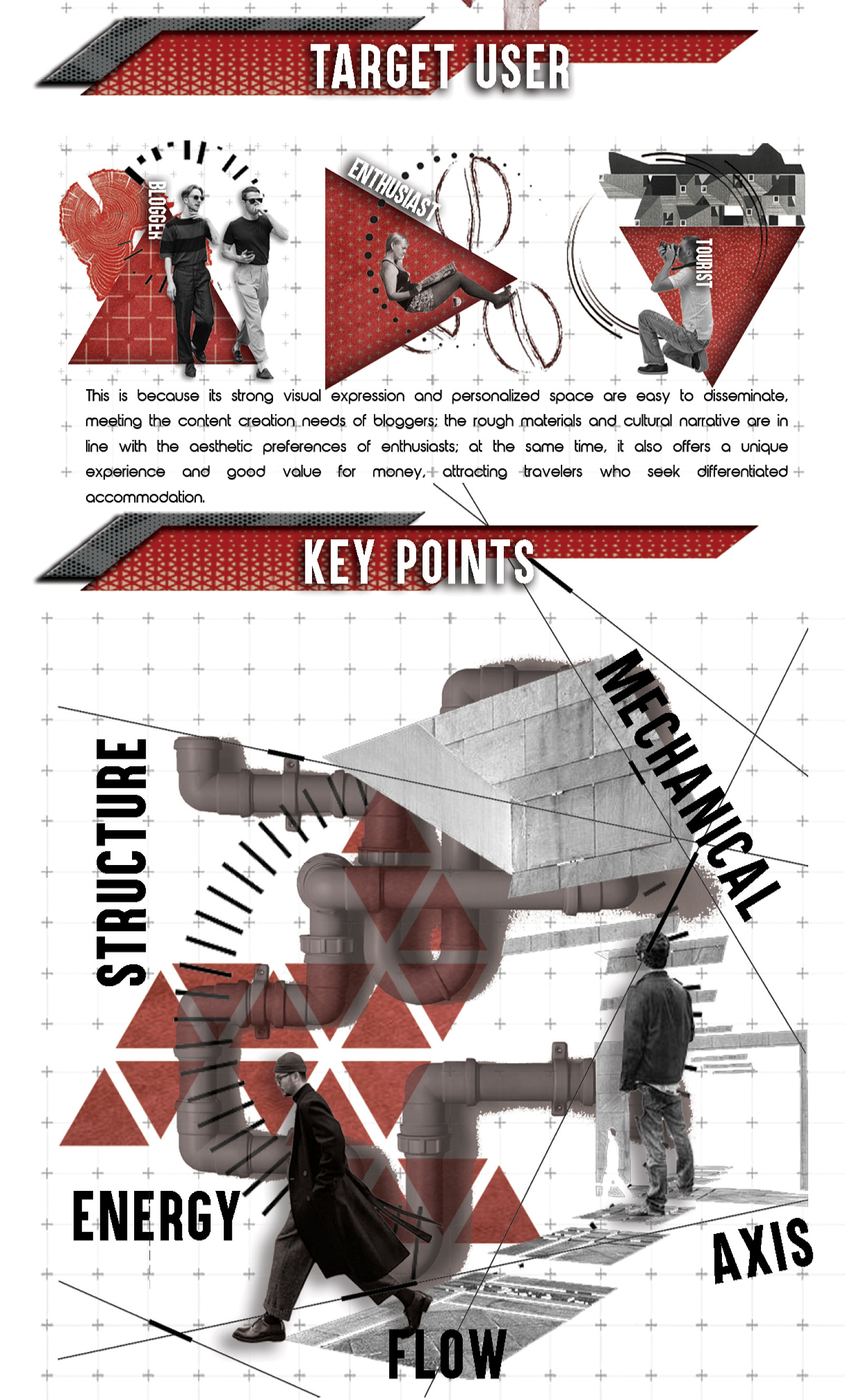
The primary objective of the project is to create a memorable hospitality destination that balances aesthetics, user experience, and sustainability. By emphasizing structure, flow, energy, and spatial clarity, TRIAX Hotel offers guests an engaging and contemporary stay while supporting Sustainable Development Goals (SDG) 11: Sustainable Cities and Communities, and SDG 12: Responsible Consumption and Production.
Project description
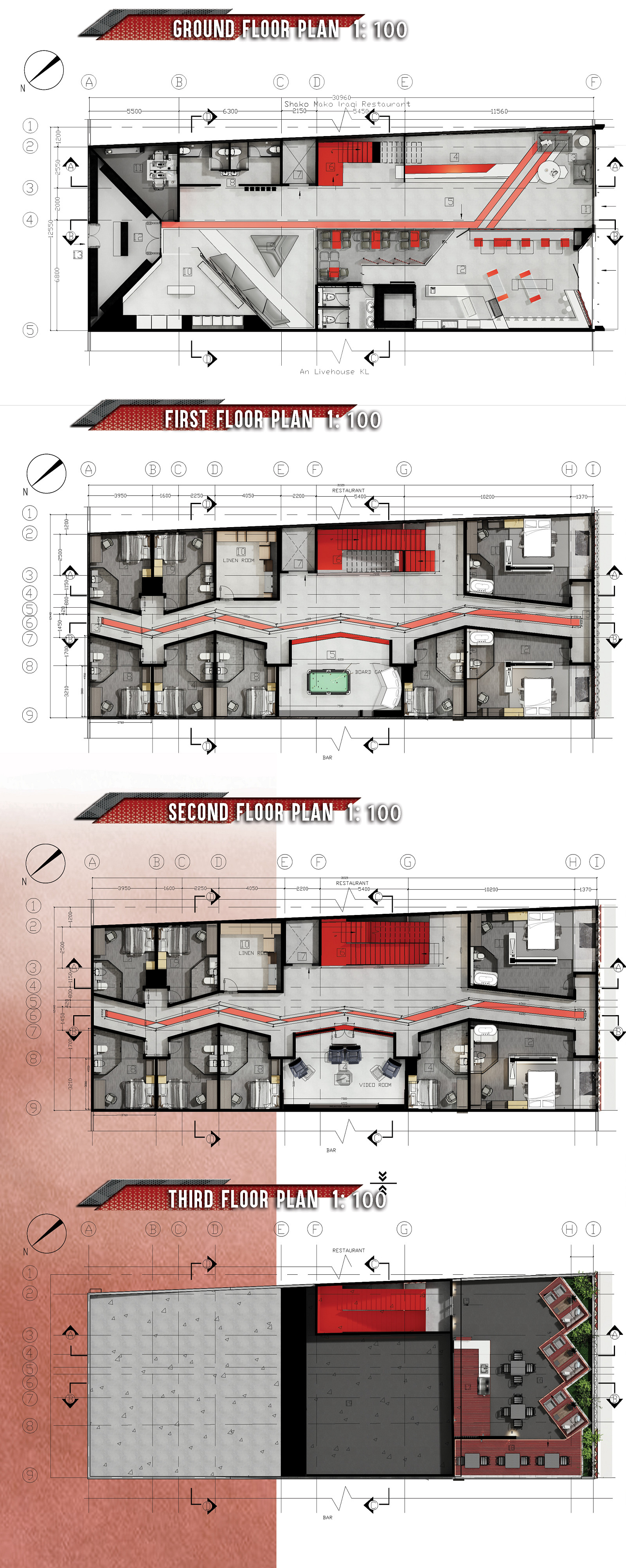
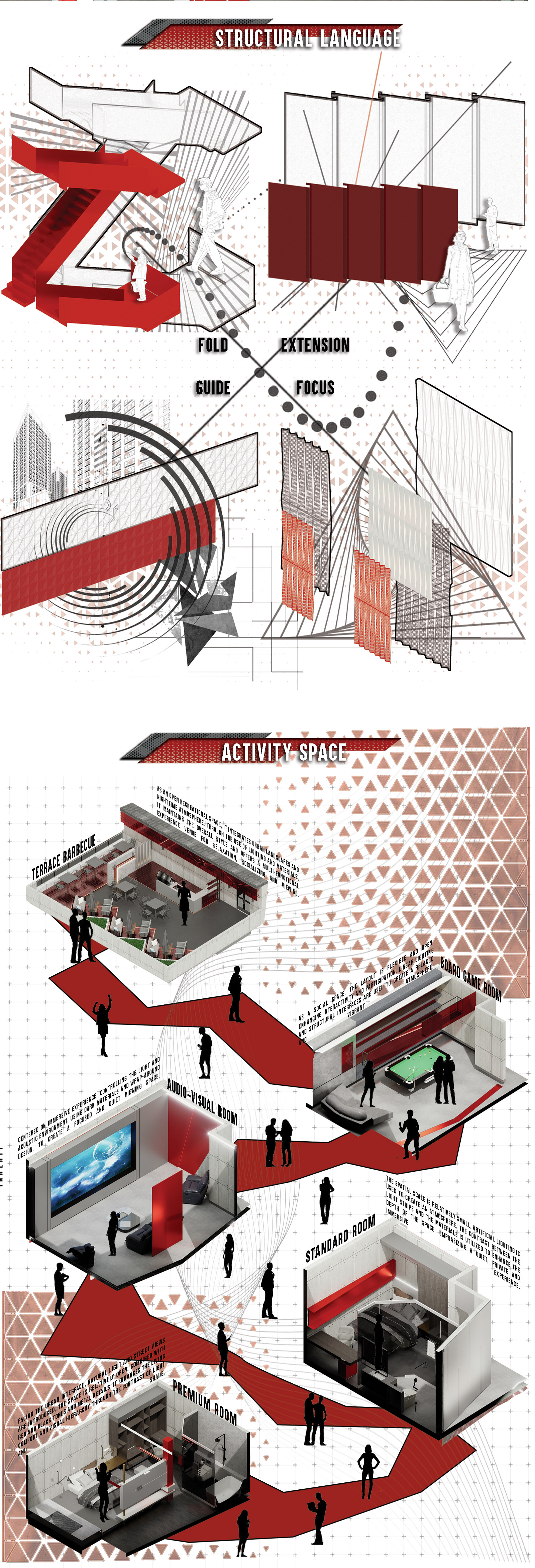
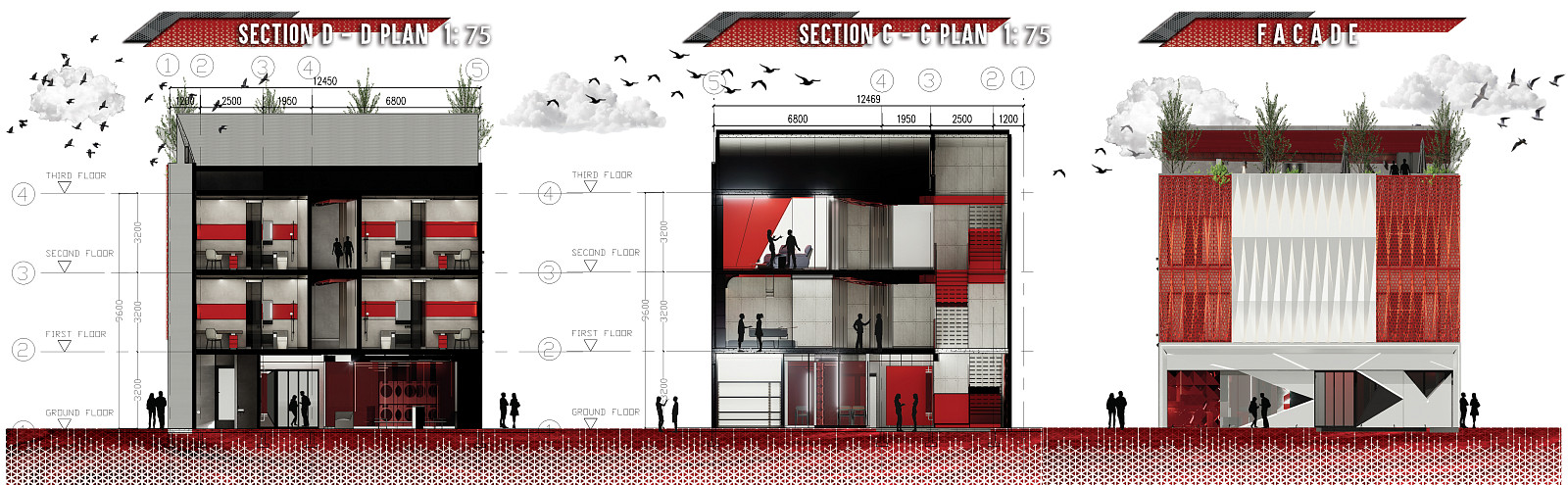
TRIAX Hotel is a mechanical-themed boutique hotel that offers a distinctive hospitality experience through the integration of industrial aesthetics, geometric design, and functional spatial planning. The scope of the project includes the design and development of guest accommodation spaces, public facilities, circulation areas, and supporting amenities that collectively reflect the project's core concept of structure, energy, flow, and mechanical expression.
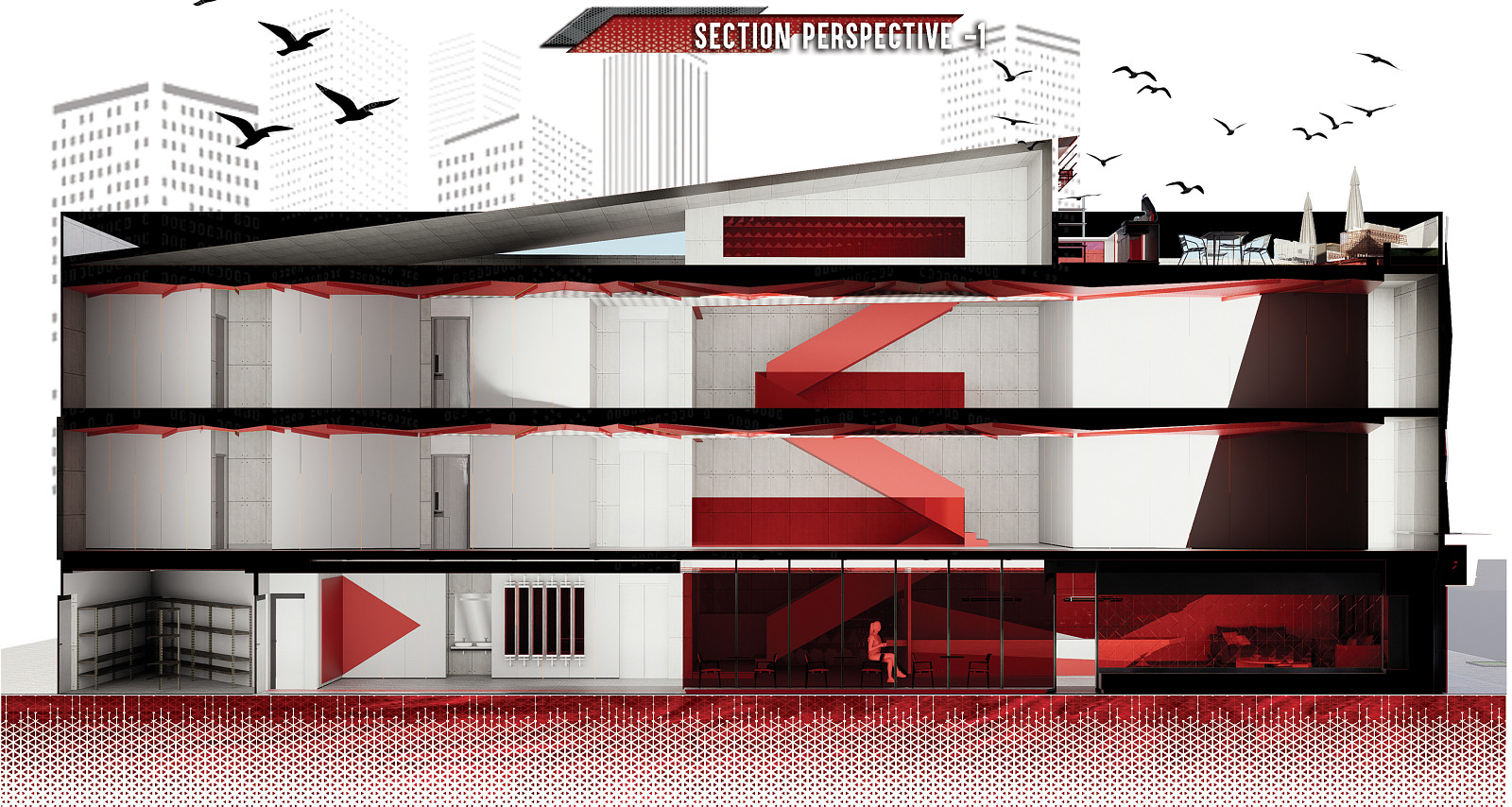
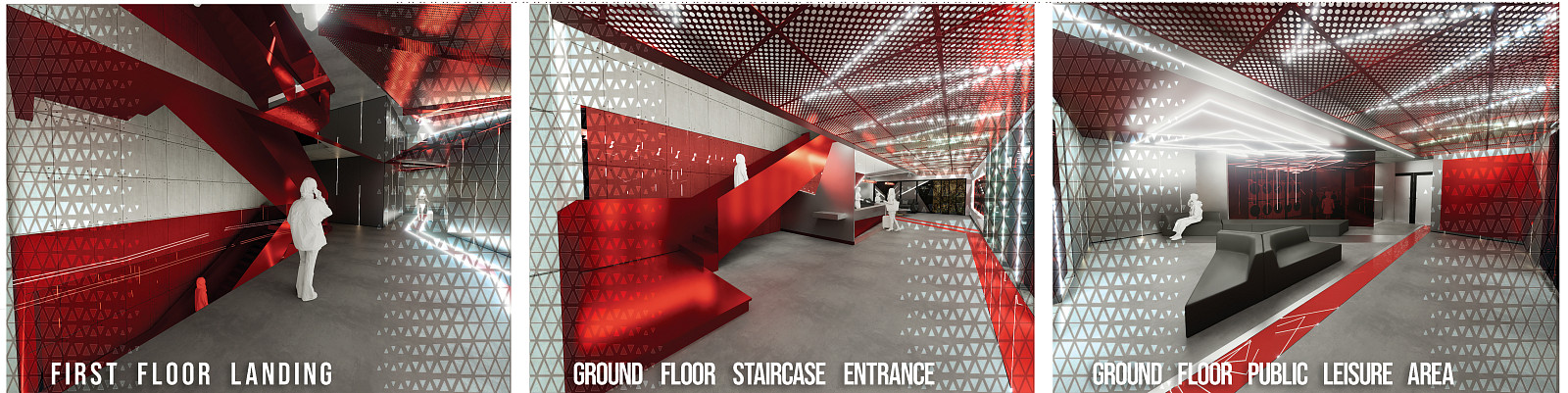
The hotel consists of a reception lobby, café, restaurant, guest rooms, recreational facilities, wellness spaces, and service areas arranged within a clear and efficient spatial hierarchy. Triangular geometries are applied throughout the interior architecture, ceiling designs, furniture elements, and decorative features to establish a strong visual identity. Exposed concrete finishes, stainless steel components, metal surfaces, and visible piping systems are incorporated to reinforce the industrial character while ensuring durability and ease of maintenance.
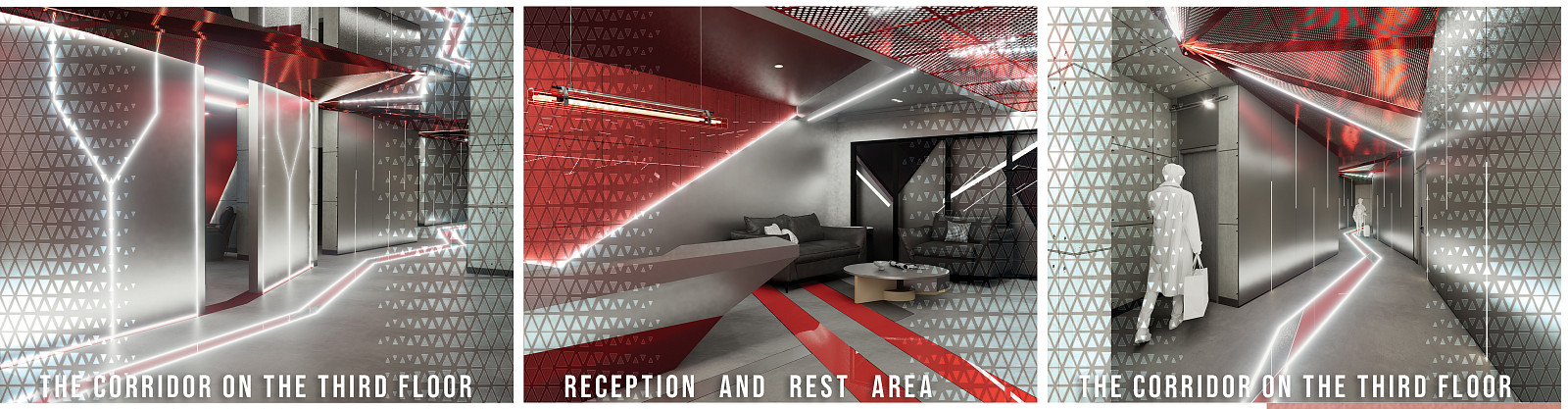
To address issues related to low brightness and limited user engagement, the project introduces a multi-layered lighting strategy comprising linear LED strips, downlights, and adjustable task lighting. Modular design elements are also incorporated to improve flexibility and adaptability for future operational needs. The project targets tourists, design enthusiasts, and content creators seeking unique and visually engaging accommodation experiences. Overall, TRIAX Hotel delivers a contemporary environment that combines comfort, functionality, sustainability, and memorable spatial experiences within a cohesive mechanical-inspired design framework.
Technical information
TRIAX Hotel is designed using a contemporary industrial architectural approach that emphasizes structural clarity, mechanical expression, and durable material application. The project incorporates a geometric design language based on triangular forms, which are integrated into spatial layouts, ceiling compositions, wall treatments, furniture elements, and decorative installations. The interior palette consists primarily of red, black, and grey tones to reinforce the mechanical identity and create a strong visual impact.
The material specification includes exposed concrete wall finishes, stainless steel panels, powder-coated metal components, tempered glass partitions, and engineered flooring materials selected for durability, ease of maintenance, and long-term performance. Visible pipe systems and exposed service elements are intentionally incorporated as design features to enhance the industrial aesthetic while allowing efficient access for maintenance.
The lighting system consists of linear LED strips, recessed downlights, multi-level pendant lamps, and adjustable bedside task lighting. These fixtures provide a balance between ambient, accent, and functional illumination while addressing previous issues related to low brightness. Modular construction principles are applied to selected interior components, allowing flexibility for future adaptation and replacement.
The project also integrates sustainable design considerations aligned with SDG 11 and SDG 12 through responsible material selection, energy-efficient LED lighting systems, optimized space utilization, and durable construction methods. Together, these technical strategies ensure functionality, operational efficiency, user comfort, and a distinctive hospitality environment.

Copyright © 2026 INSPIRELI | All rights reserved. Use of this website signifies your agreement to the Terms of Use, Privacy Policy, and use of cookies.